
Life Science for Elementary Students: 2nd–5th Grade Guide
Life science is the content area where students realize that science isn’t just something that happens in a lab. It’s happening all around them, in every living thing they encounter. A butterfly emerging from a chrysalis, a wolf hunting in a pack, a fossil pressed into a canyon wall. These are all life sciences. The challenge isn’t making the content interesting. It’s organizing 14 performance expectations across four grade levels in a way that makes the progression visible and the planning manageable.
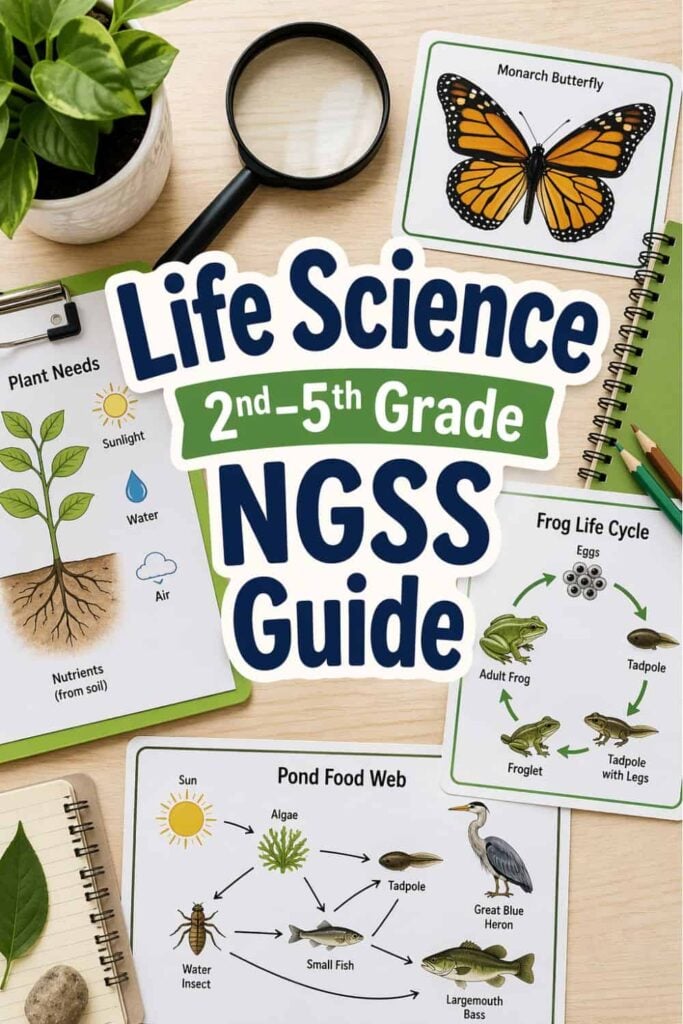
This guide pulls together every life science teaching idea and resource on this site, organized by grade level and aligned to the Next Generation Science Standards (NGSS). Use it as your planning hub. Each section covers the big idea behind each standard, connects it to the grade levels above and below, and links to posts and resources for each topic. The tag-based resource grids below each standard automatically include new posts and products as they’re added, so this page stays current.
What Is Life Science?
Life science is the study of living things: how they’re structured, how they grow and reproduce, how they interact with each other and their environments, and how they change over time. In the NGSS framework, life science is organized into four core domains that students revisit across grade levels with increasing depth:
- LS1: From Molecules to Organisms — how living things are structured, how they grow, reproduce, and respond to their environment
- LS2: Ecosystems — how organisms interact with each other and their environments, food webs, and the flow of energy and matter
- LS3: Heredity — how traits are passed from parents to offspring and how variation arises within a species
- LS4: Biological Evolution — fossil evidence, natural selection, adaptation, and the relationship between organisms and their environments
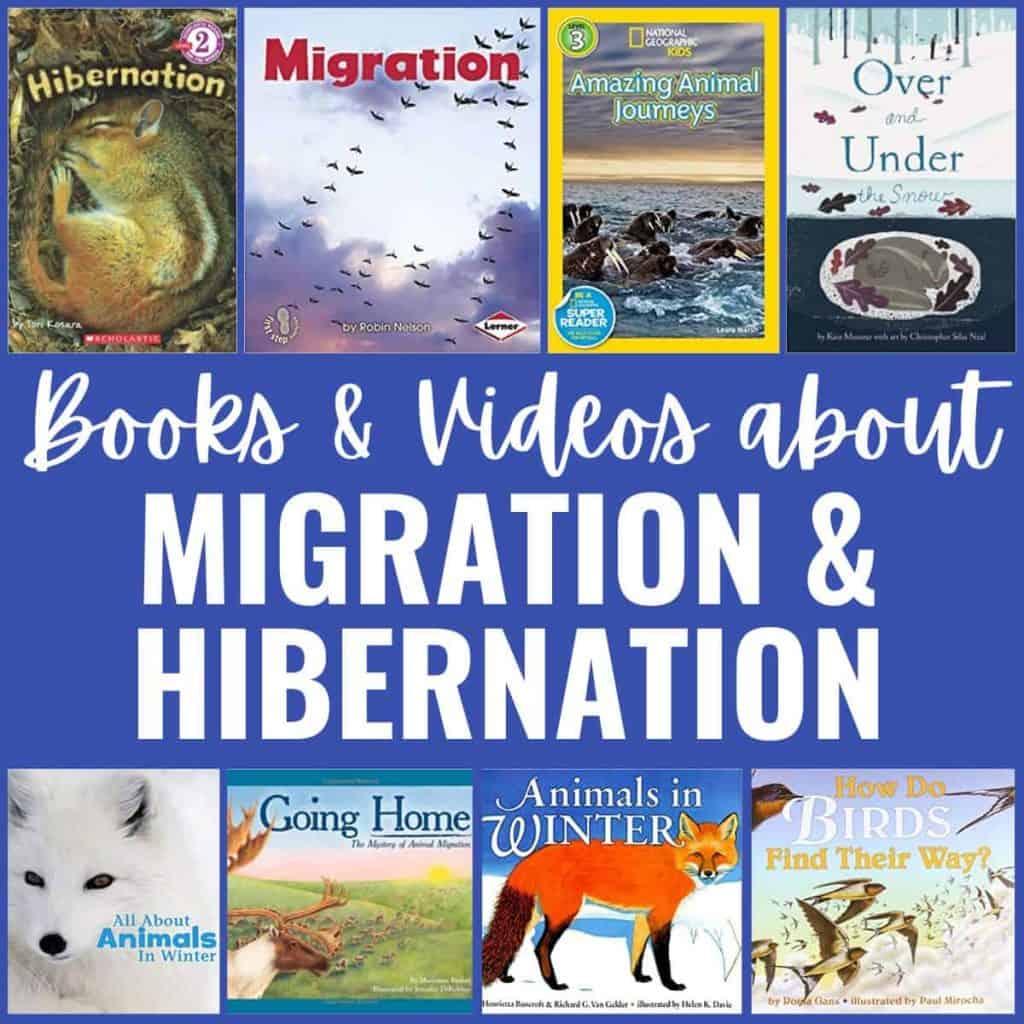
The life science progression in elementary school builds deliberately: 2nd grade starts with plants and animals in their immediate environment, 3rd grade expands into life cycles, ecosystems, traits, and the beginnings of evolution, 4th grade zooms in on how organisms are structured and how those structures function, and 5th grade connects plant growth and food webs to the broader flow of energy and matter through ecosystems.
2nd Grade Life Science: Plants, Animals & Habitats
Second-grade life science stays close to what students can observe directly. The three standards build outward from plants: what plants need to grow, how animals help plants reproduce and disperse, and how different habitats support different communities of living things.
Each standard connects to the next: understanding what plants need (2-LS2-1) sets up the study of the plant-animal relationships that make seed dispersal and pollination possible (2-LS2-2), and both standards together ground the biodiversity work in 2-LS4-1.
Plants, Pollinators and Seed Dispersal — 2-LS2-1 and 2-LS2-2
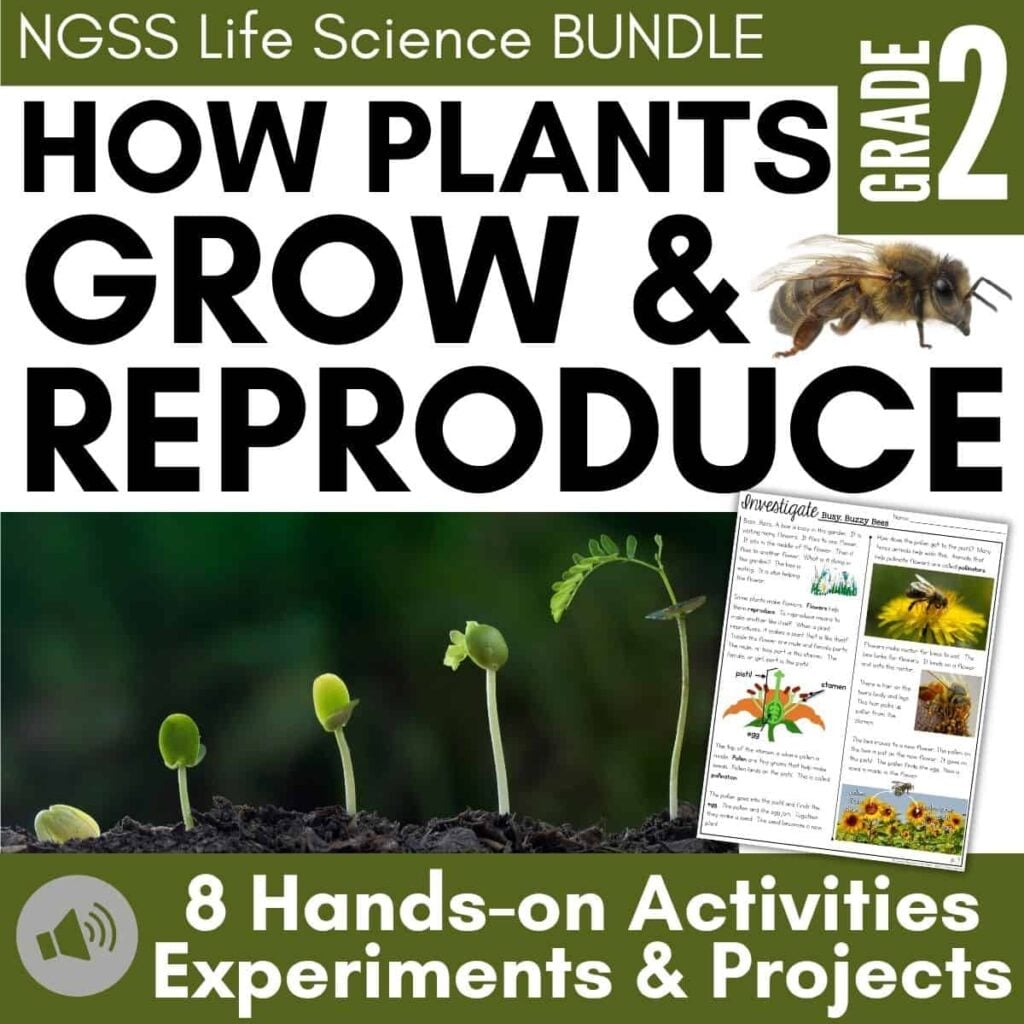
These two standards tell a connected story and are best taught together. 2-LS2-1 asks students to investigate whether plants need sunlight and water to grow, testing one variable at a time. It’s one of the earliest true experimental design standards in the NGSS, and that framing matters: students aren’t just learning that plants need light and water, they’re learning how to find out.
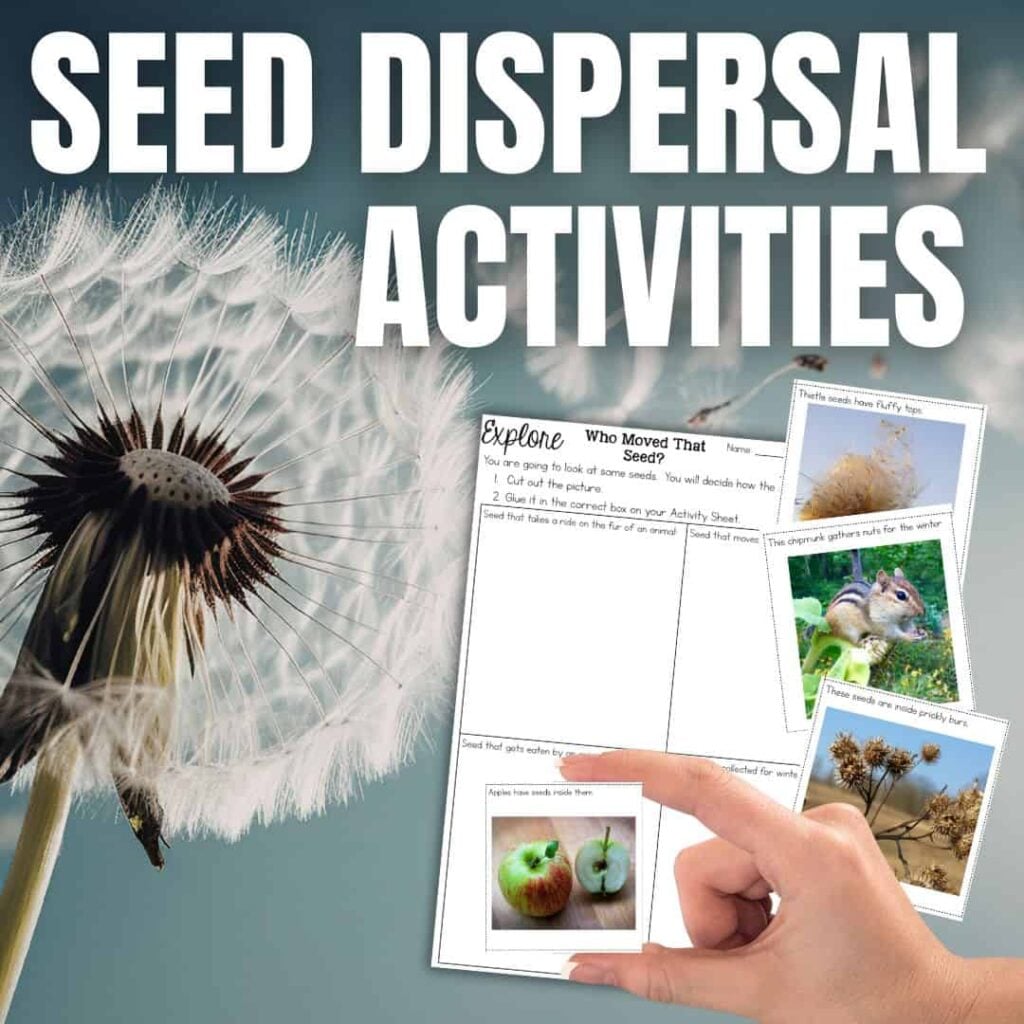
2-LS2-2 then asks students to develop a simple model of how an animal disperses seeds or pollinates plants — showing that plants don’t just need the right conditions to grow, they also depend on animals to reproduce and spread. Together, the two standards build a foundational understanding of plant-animal interdependence that sets up every ecosystem standard students will encounter in 3rd grade and beyond.

Biodiversity Across Habitats — 2-LS4-1
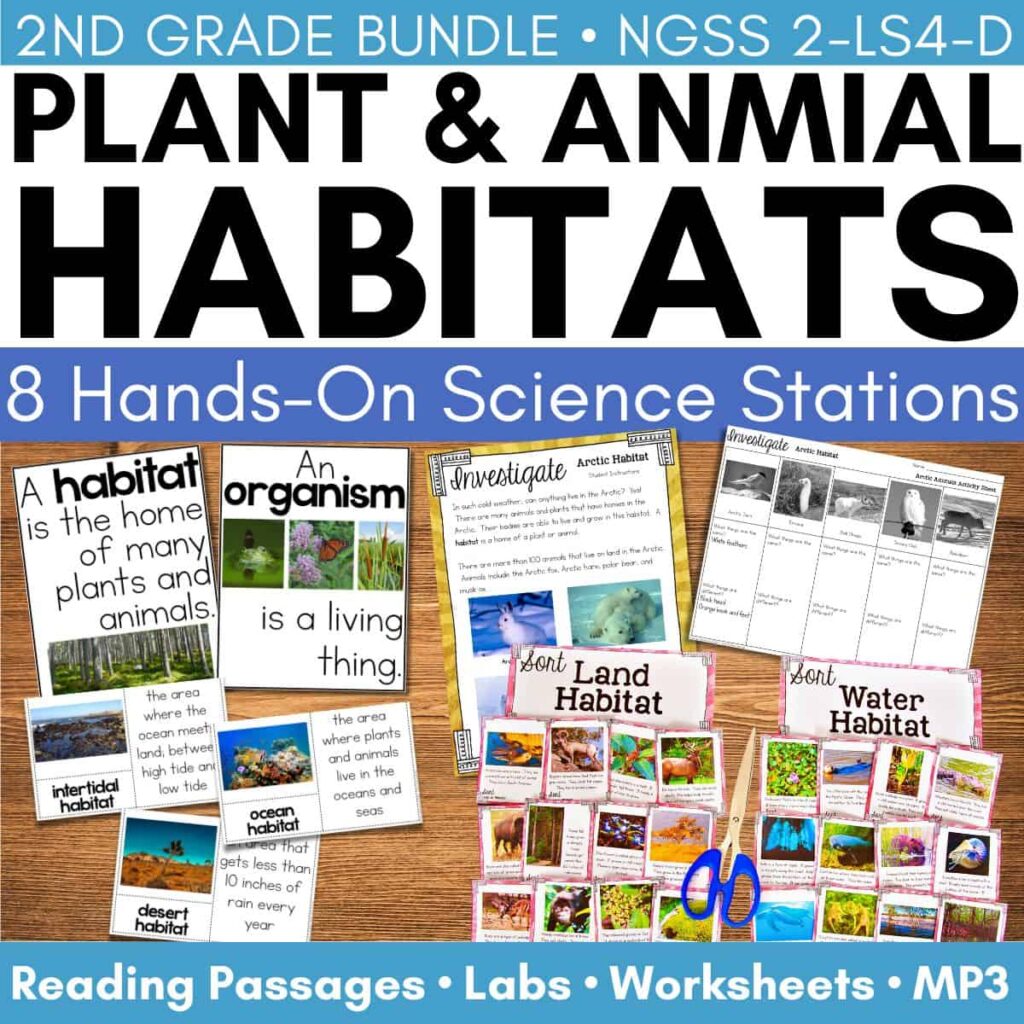
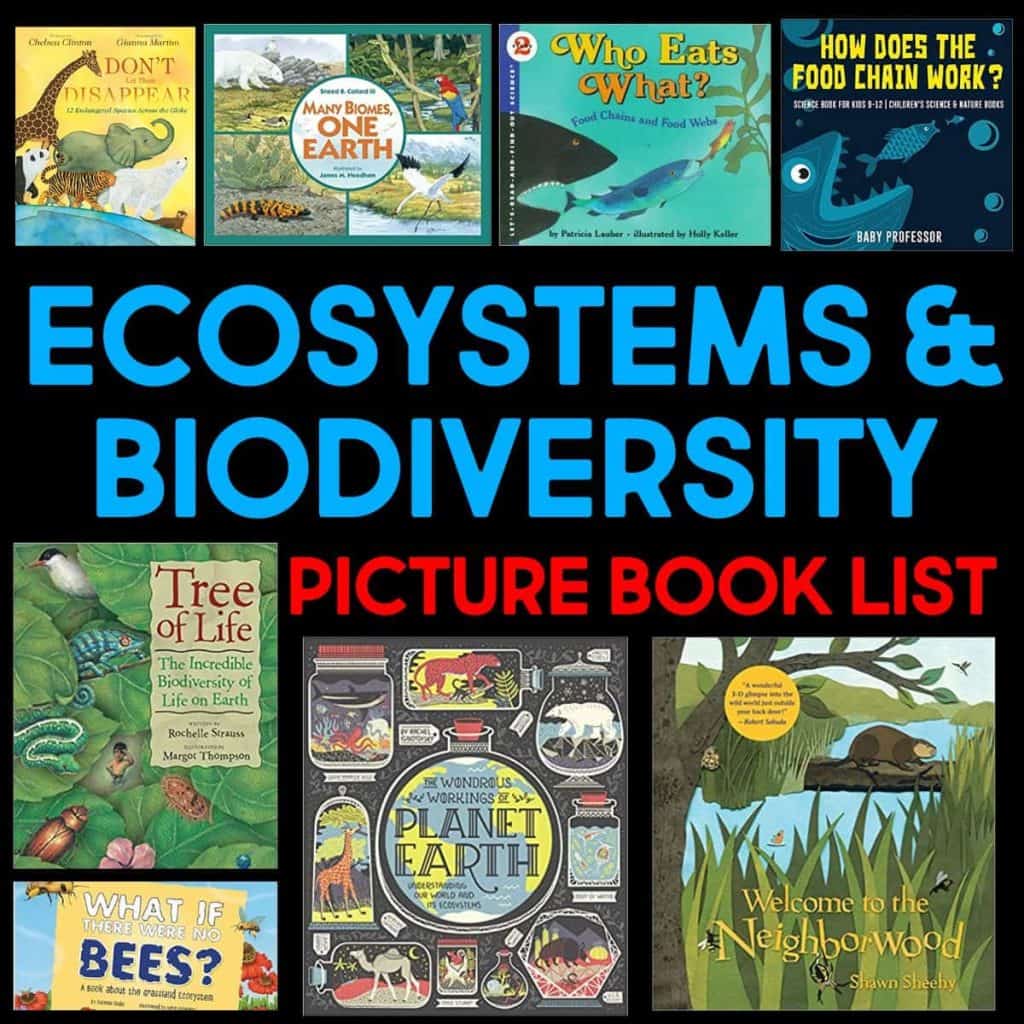
The third 2nd-grade life science standard asks students to make observations to identify similarities and differences in the diversity of living things across multiple habitats. A forest, a pond, a desert, and a grassland each support a distinct community of organisms, and the differences between those communities reveal how habitat conditions shape which living things can survive there. This standard plants the seed (literally) for the ecosystem and adaptation work students will do extensively in 3rd grade.

3rd Grade Life Science: Life Cycles, Ecosystems, Traits & Evolution
Third grade has more life science performance expectations than any other elementary grade level — six standards spanning all four LS domains. They’re not disconnected: life cycles (3-LS1-1) establish how individual organisms grow and reproduce; group survival (3-LS2-1) and ecosystems (3-LS4-3) show how organisms depend on each other and their environments; inheritance and variation (3-LS3-1) explain why individuals within a species differ; and fossil evidence (3-LS4-1), natural selection (3-LS4-2), and adaptation (3-LS4-3/4) show how those differences play out over time. The full arc of 3rd-grade life science is essentially a compressed introduction to evolutionary biology.
Unique and Diverse Life Cycles — 3-LS1-1
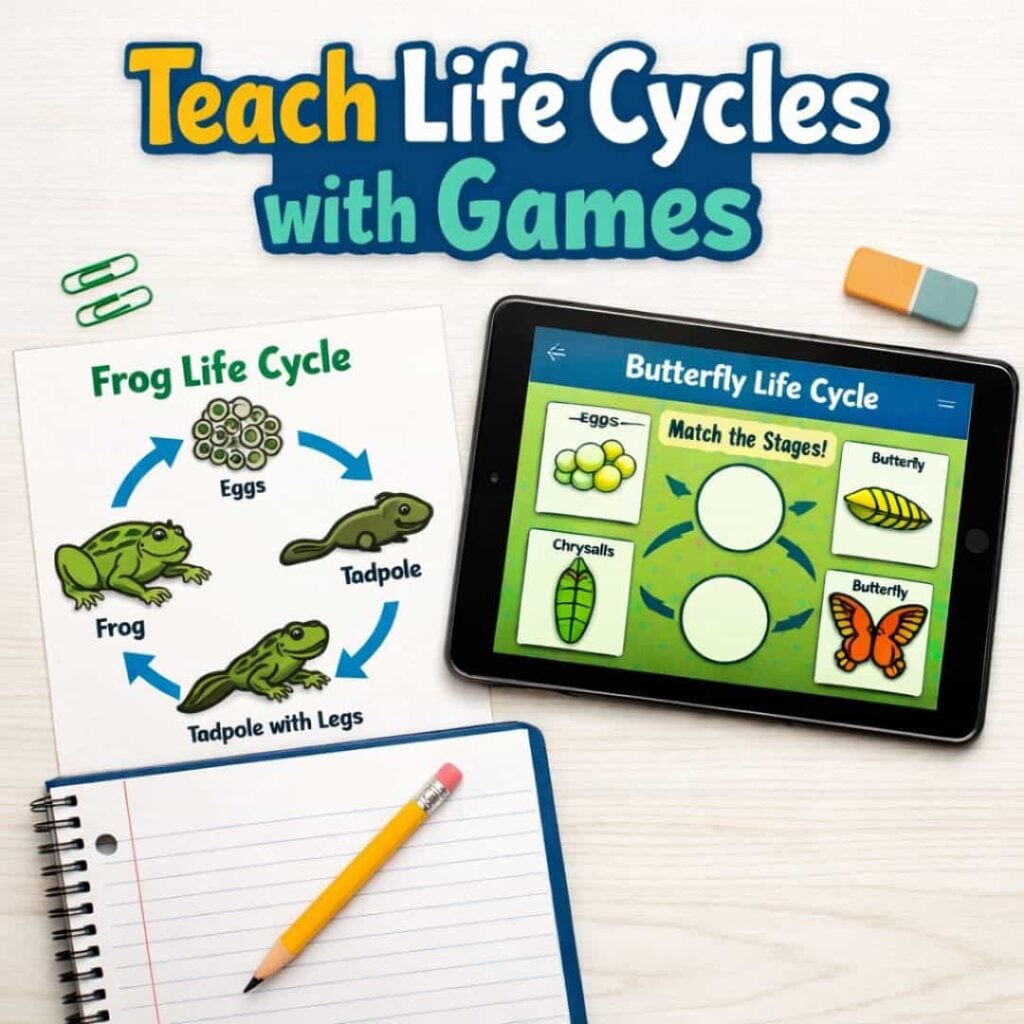
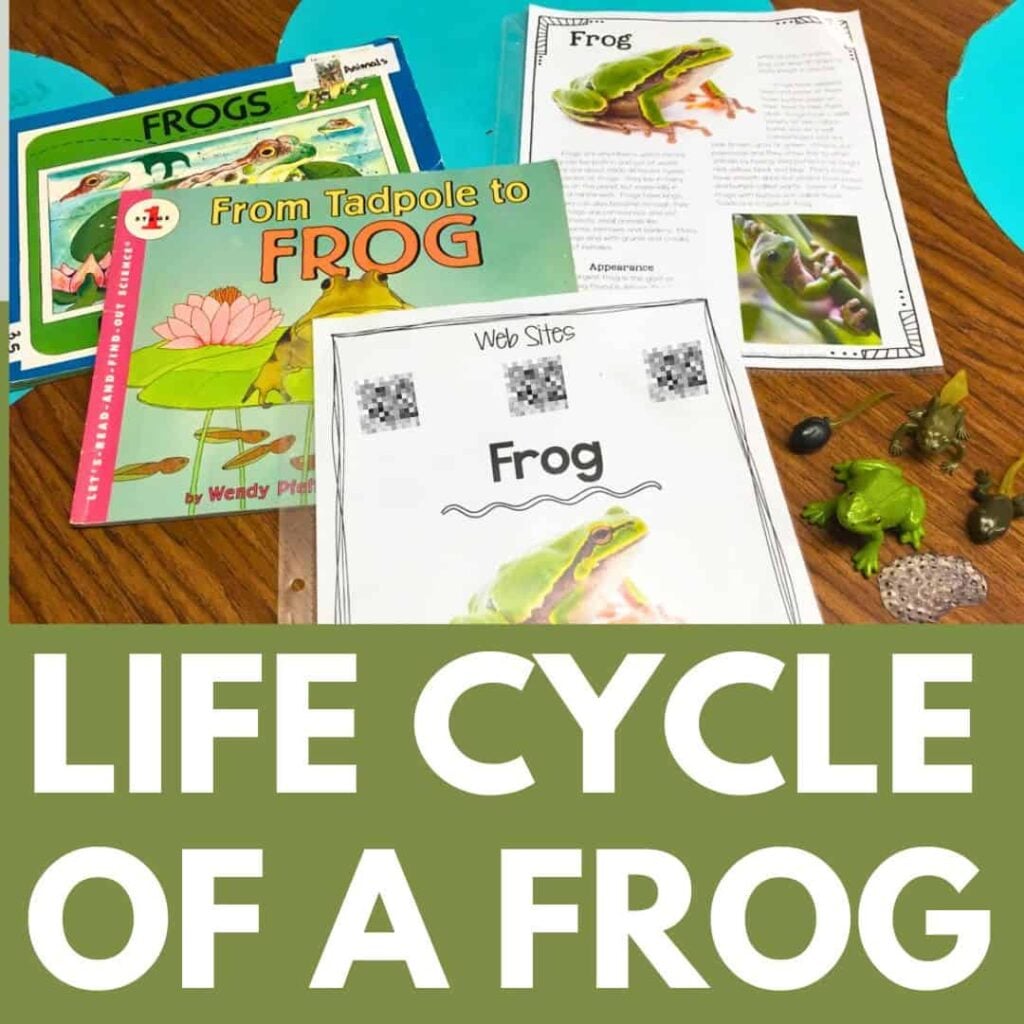
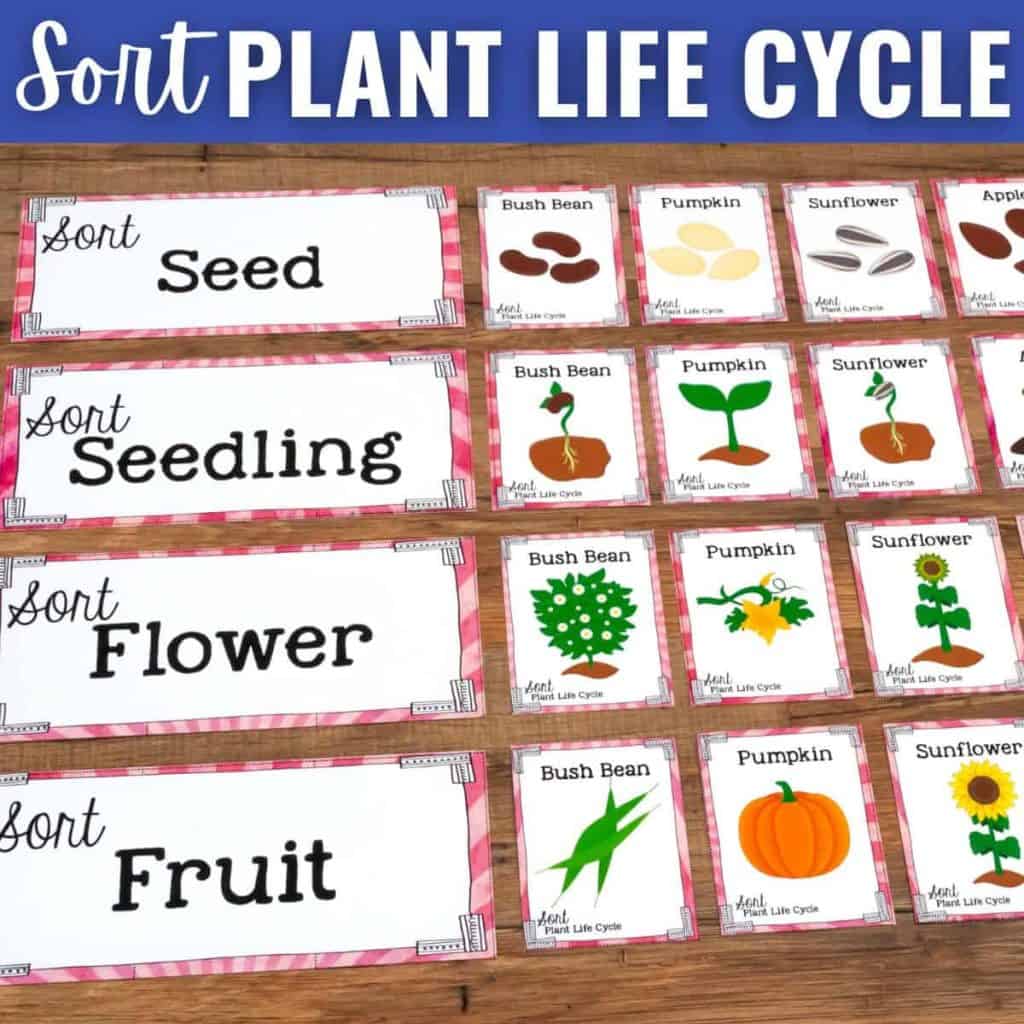
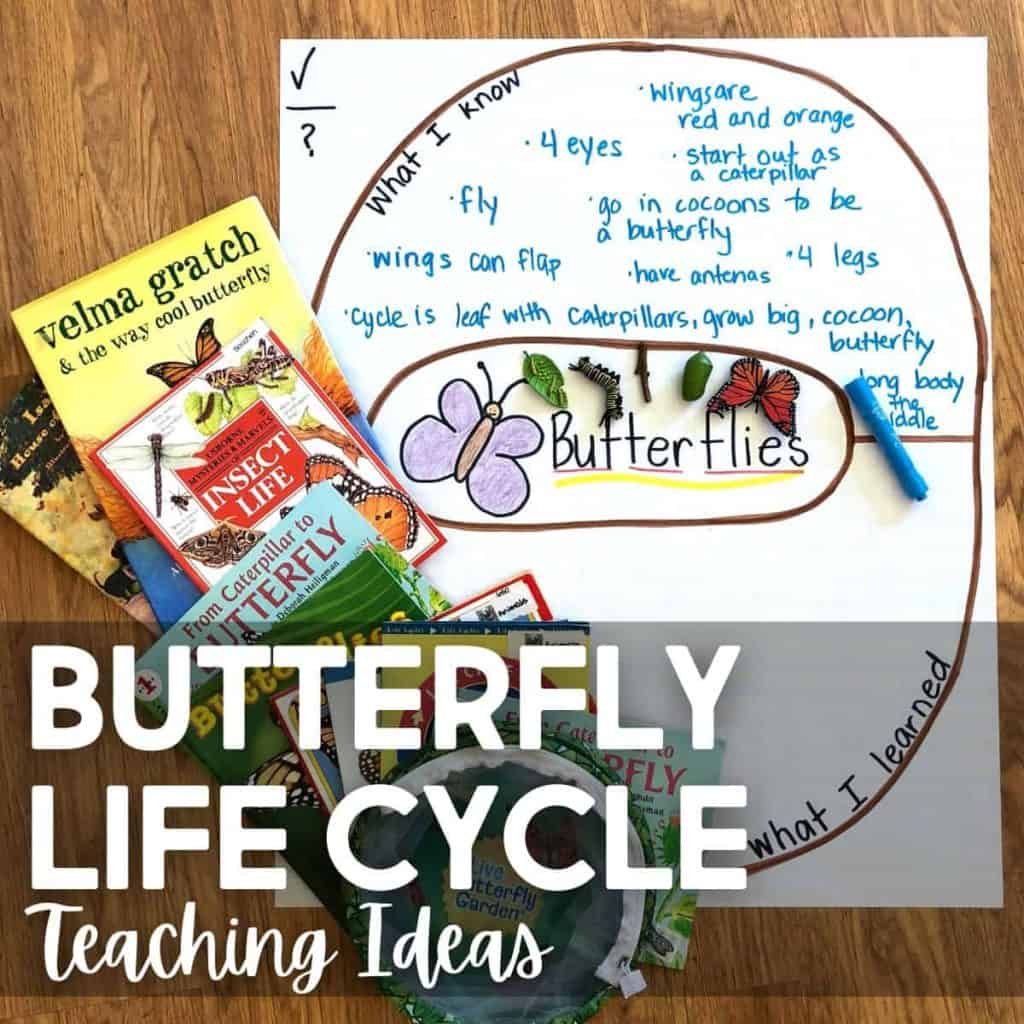
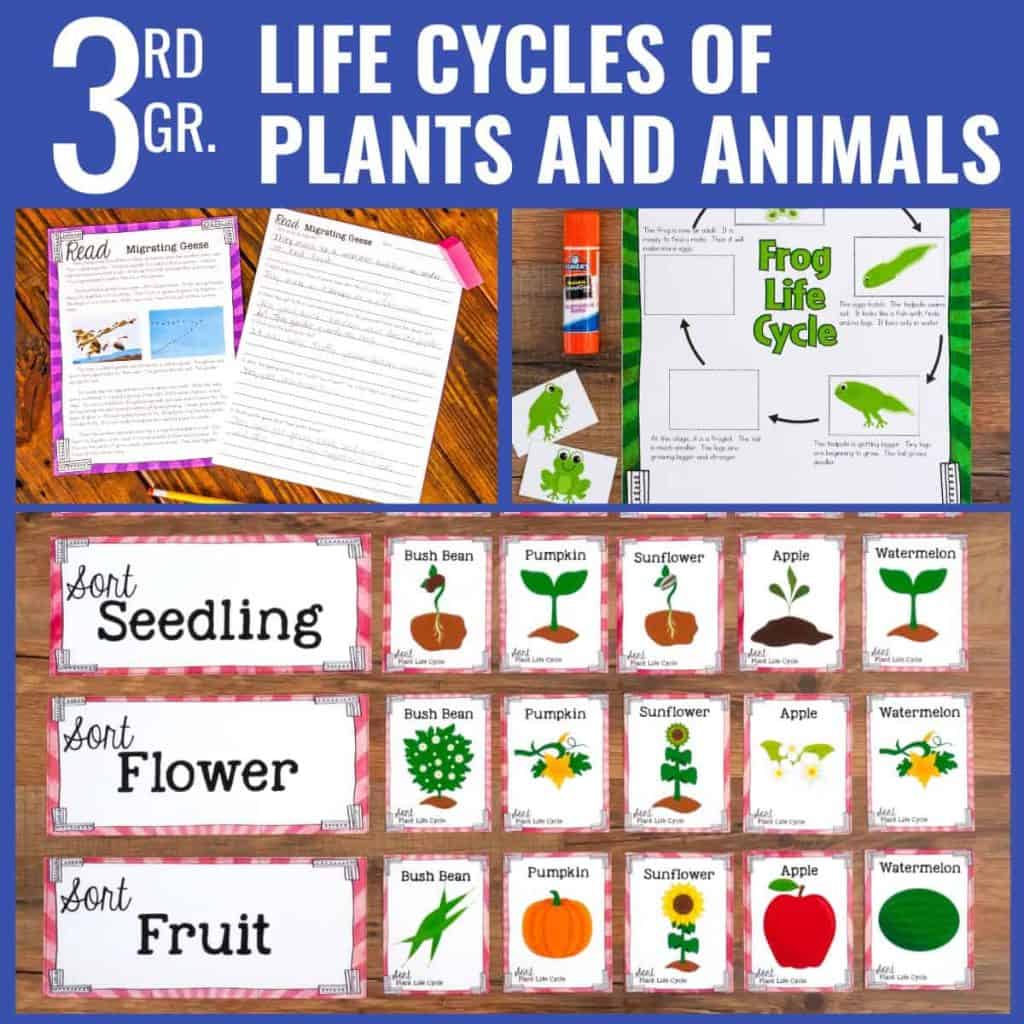
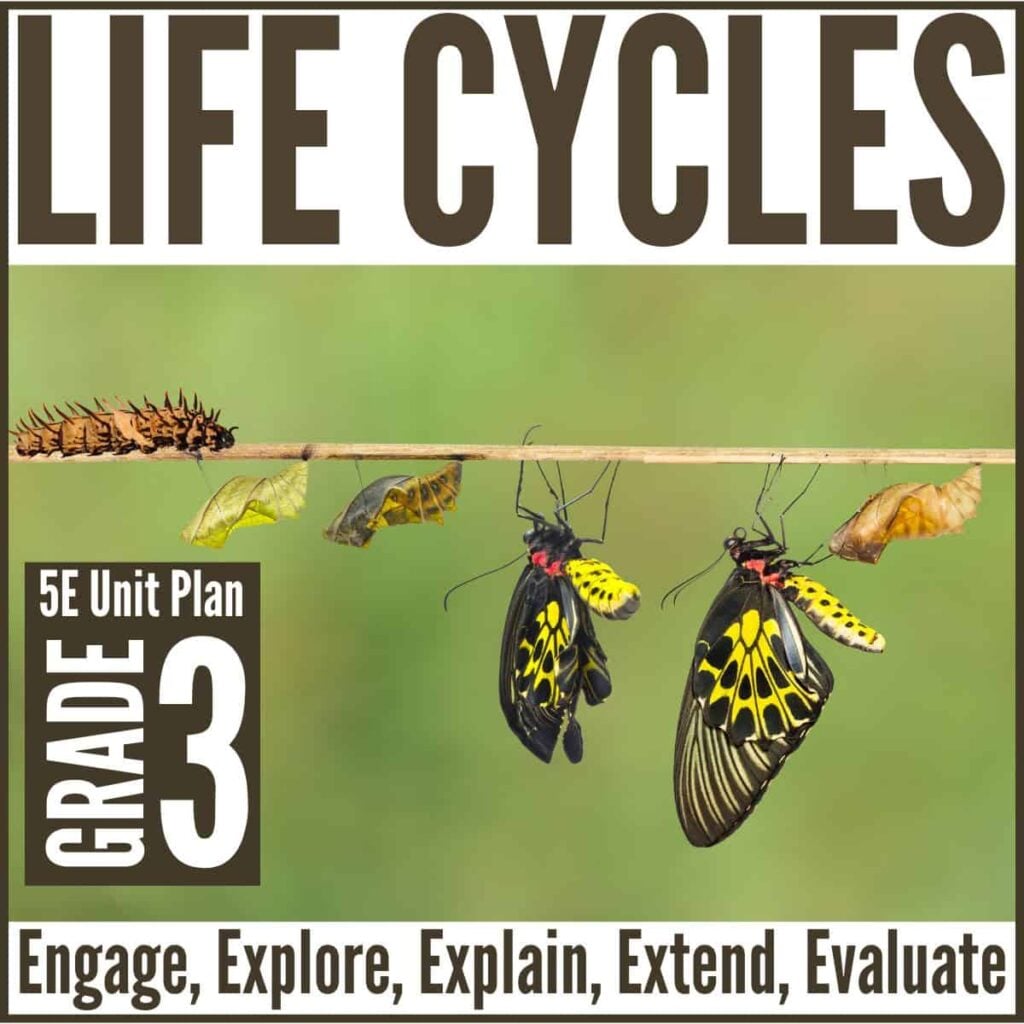
This standard asks students to develop models to describe how organisms have unique and diverse life cycles, all of which involve birth, growth, reproduction, and death. The keyword is diversity: not all animals undergo metamorphosis, not all plants produce flowers, and the variation in how living things reproduce is itself a form of biological diversity worth studying.
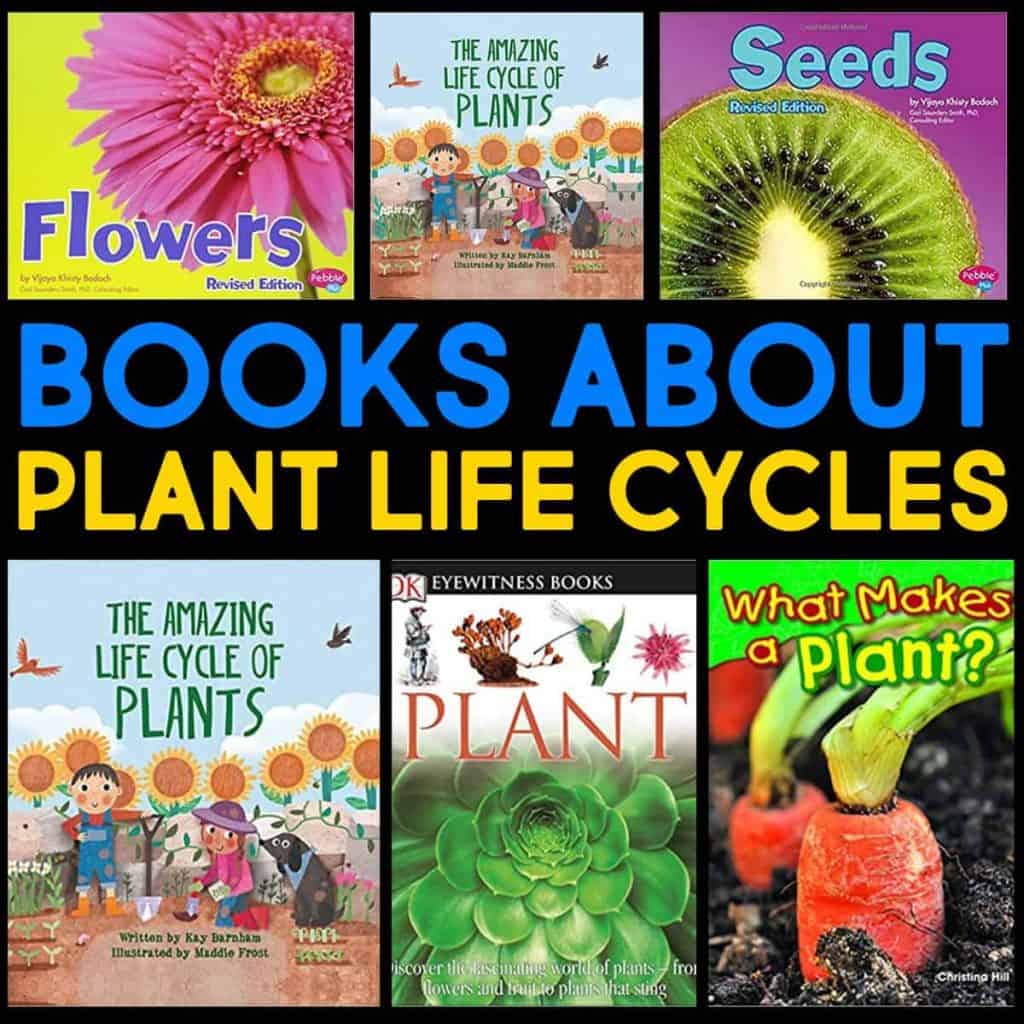
3-LS1-1 is one of the most resource-rich standards on this site, with activities spanning science stations, sorting tasks, video games, reading passages, and book lists across multiple organisms.

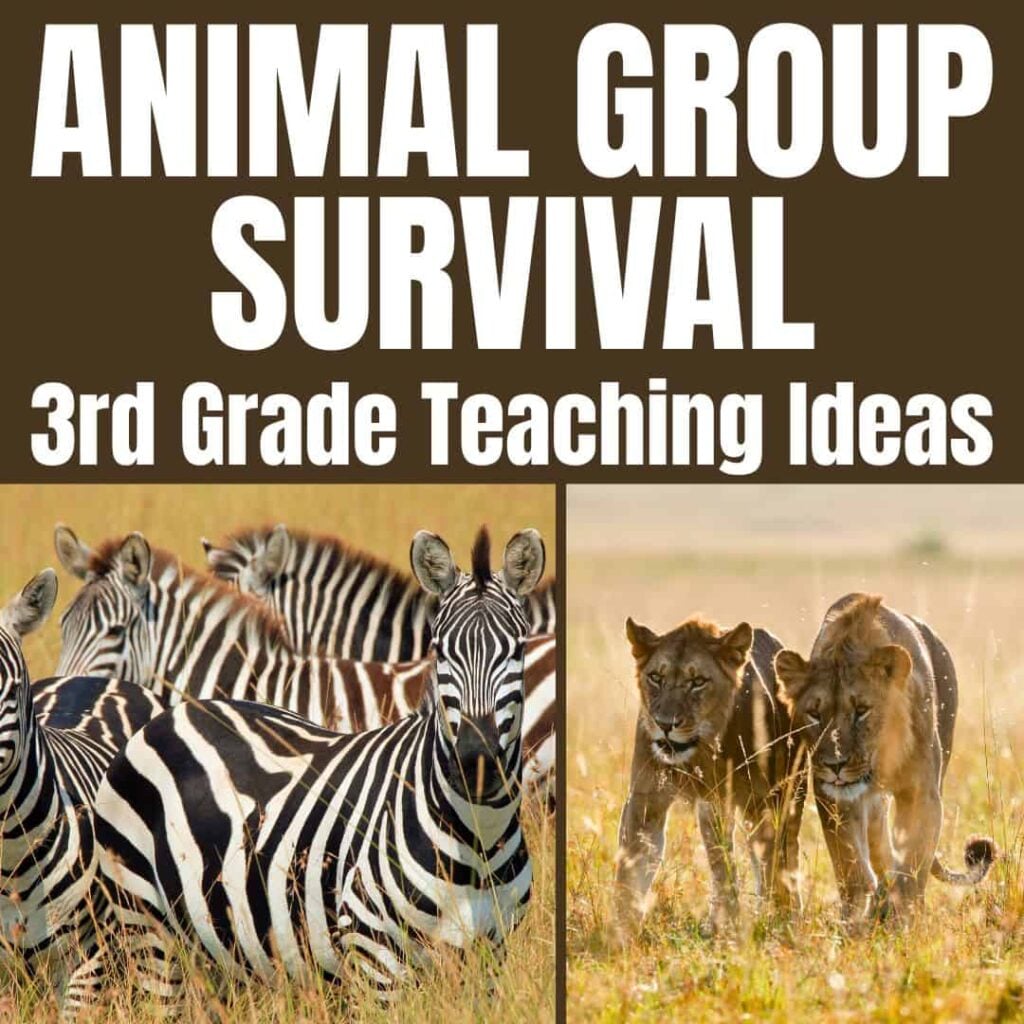
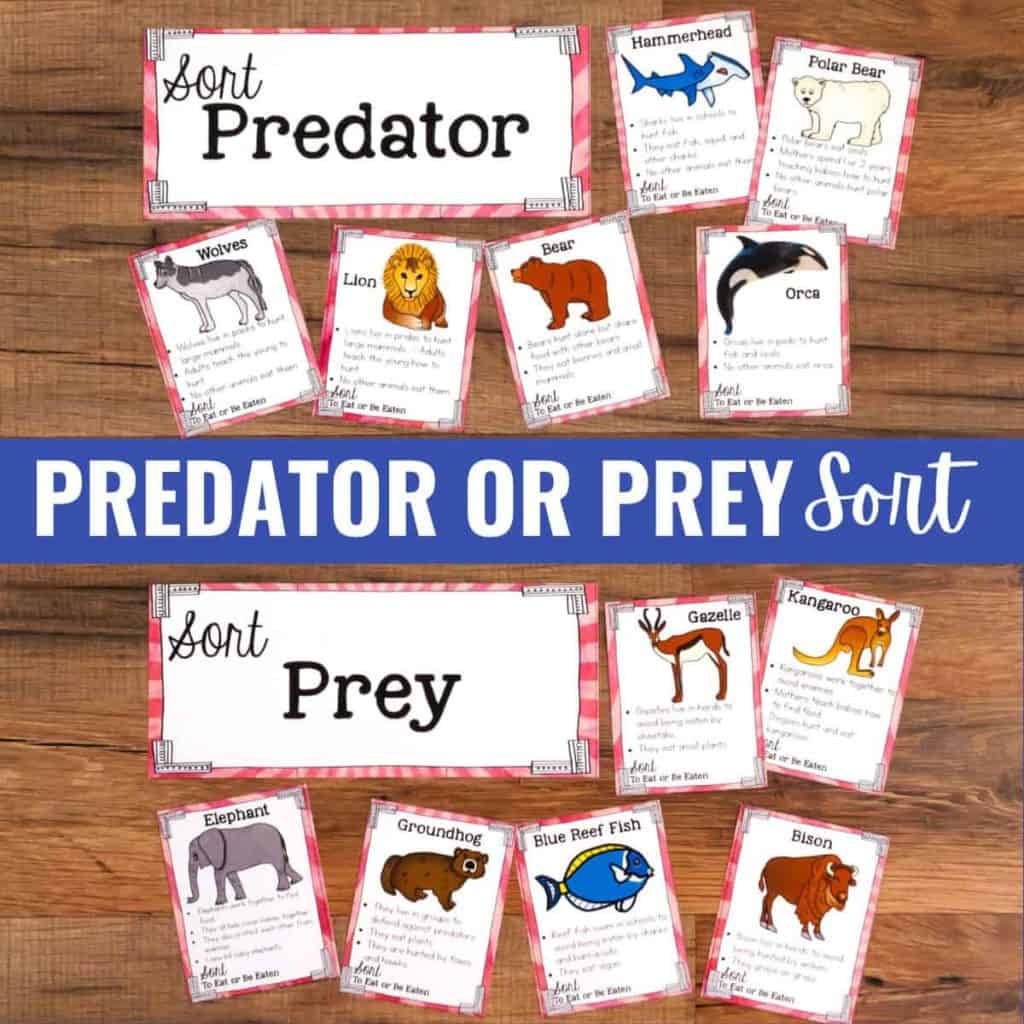
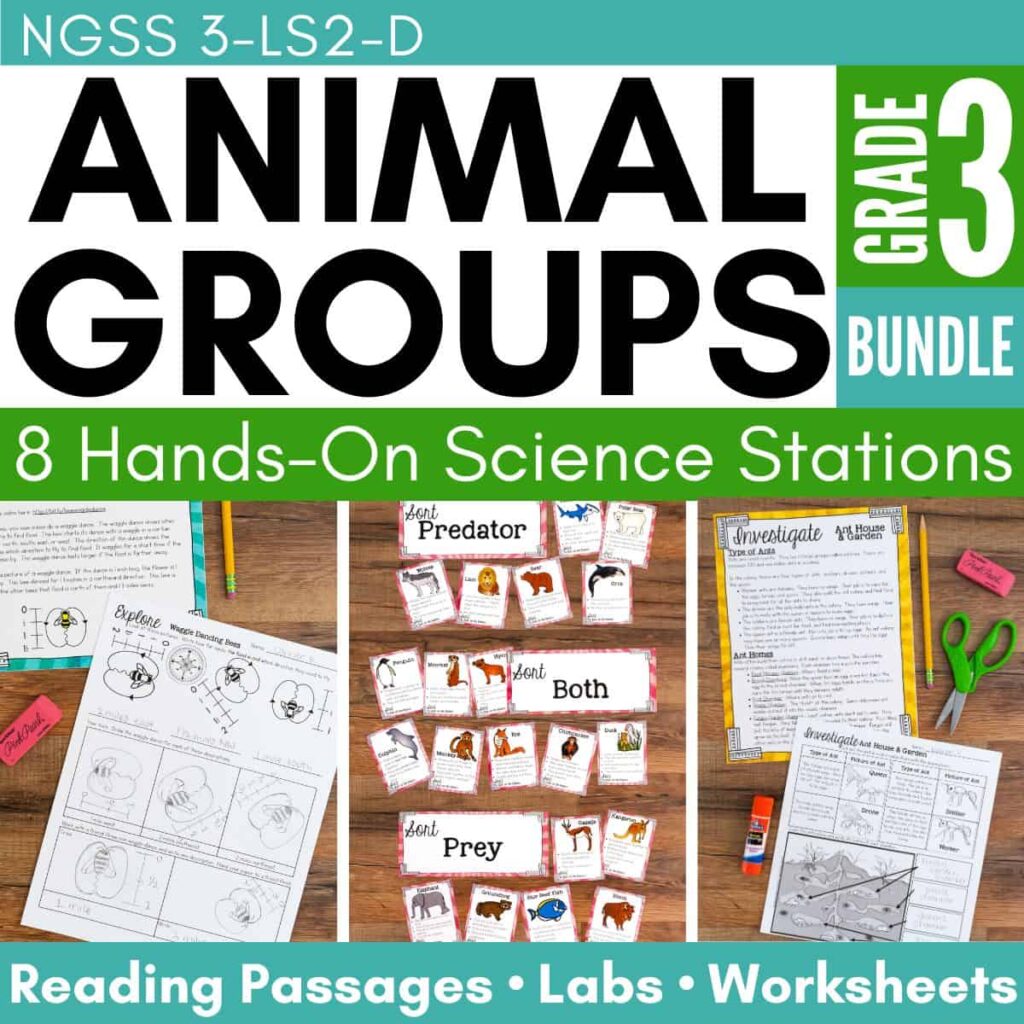
Animals in Groups for Survival — 3-LS2-1
Students construct an argument that animals living in groups may benefit individuals in ways that living alone cannot. The work here is about evidence and argumentation — students don’t just learn that wolves hunt in packs; they use evidence to explain why that behavior benefits individual wolves. Predator-prey relationships are the most concrete entry point because the survival stakes are immediately obvious to students.
Inheritance and Variation of Traits — 3-LS3-1
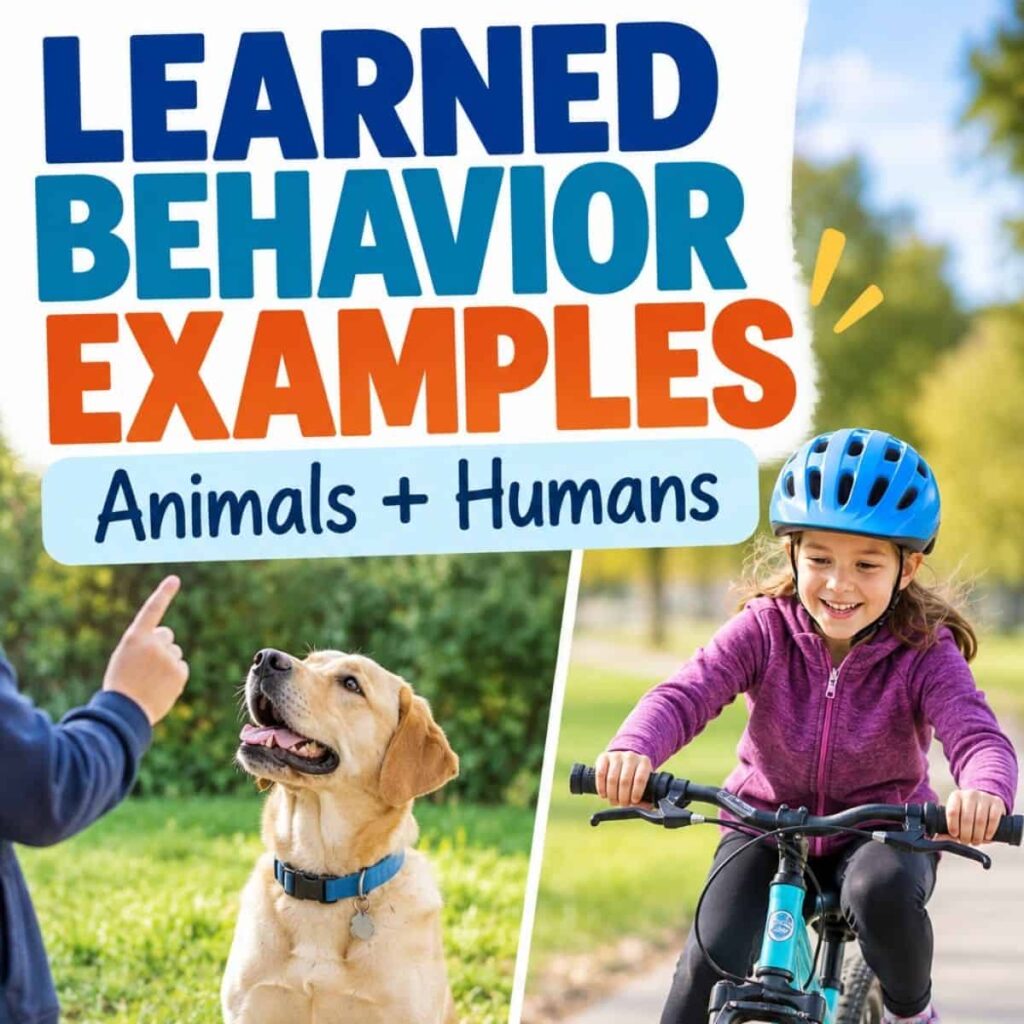
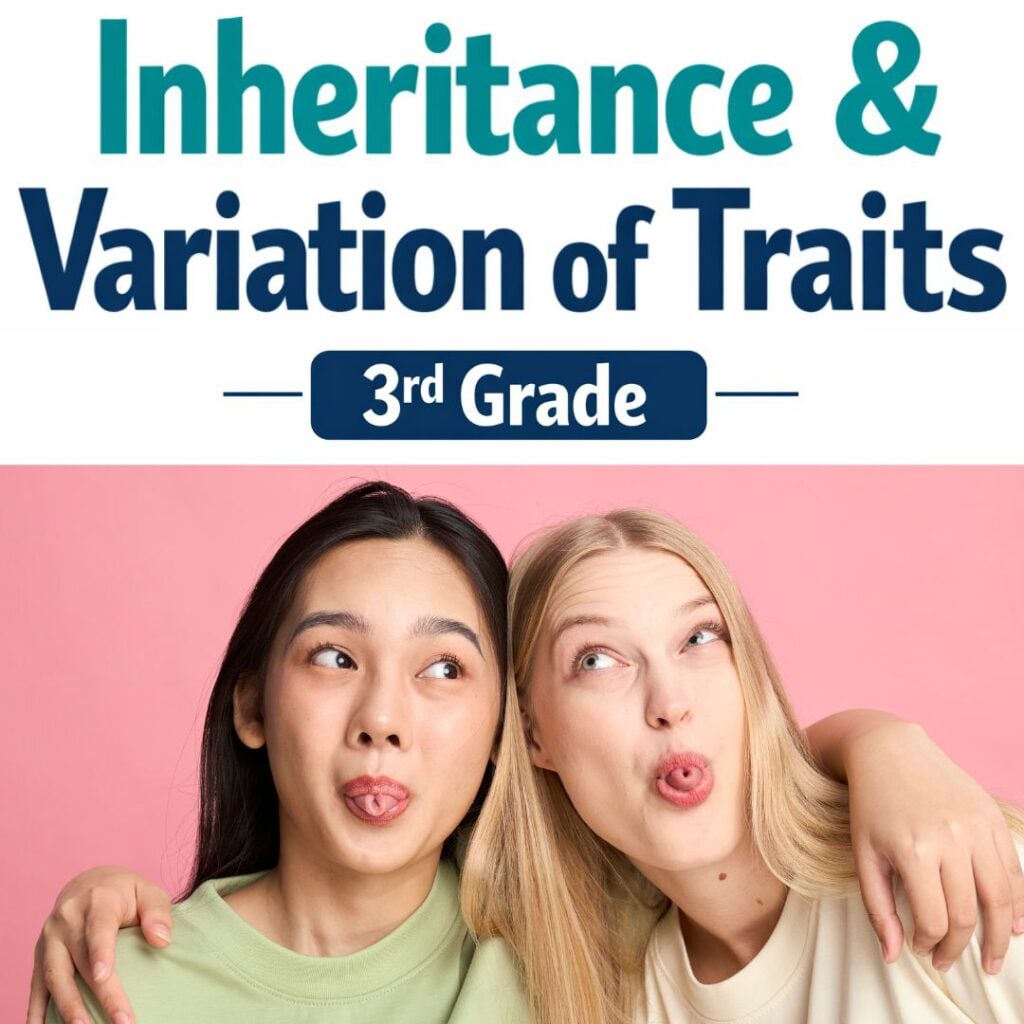
Organisms have characteristics that can be influenced by both inheritance and environment. Students use evidence to explain that different organisms vary in how they look and function because of differences in their traits, and that some of those traits are passed from parents to offspring while others are shaped by experience. The distinction between inherited and learned traits is the conceptual hinge on which this standard turns, and it’s a distinction students find genuinely interesting because they can test it against their own experience.
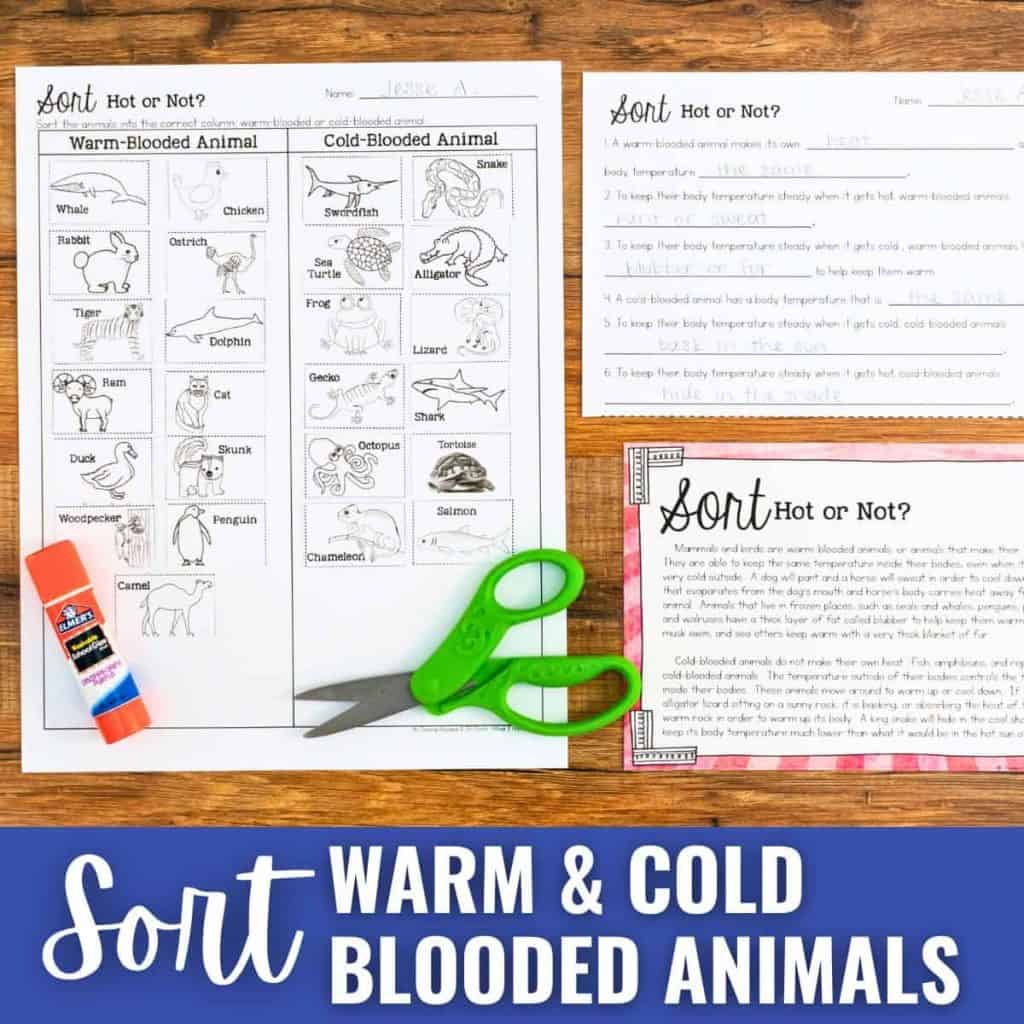
There are many posts covering this standard from multiple angles, sorting activities, book lists, explanatory posts, and classification tasks, giving you flexibility to approach the concept in whatever way works best for your students.



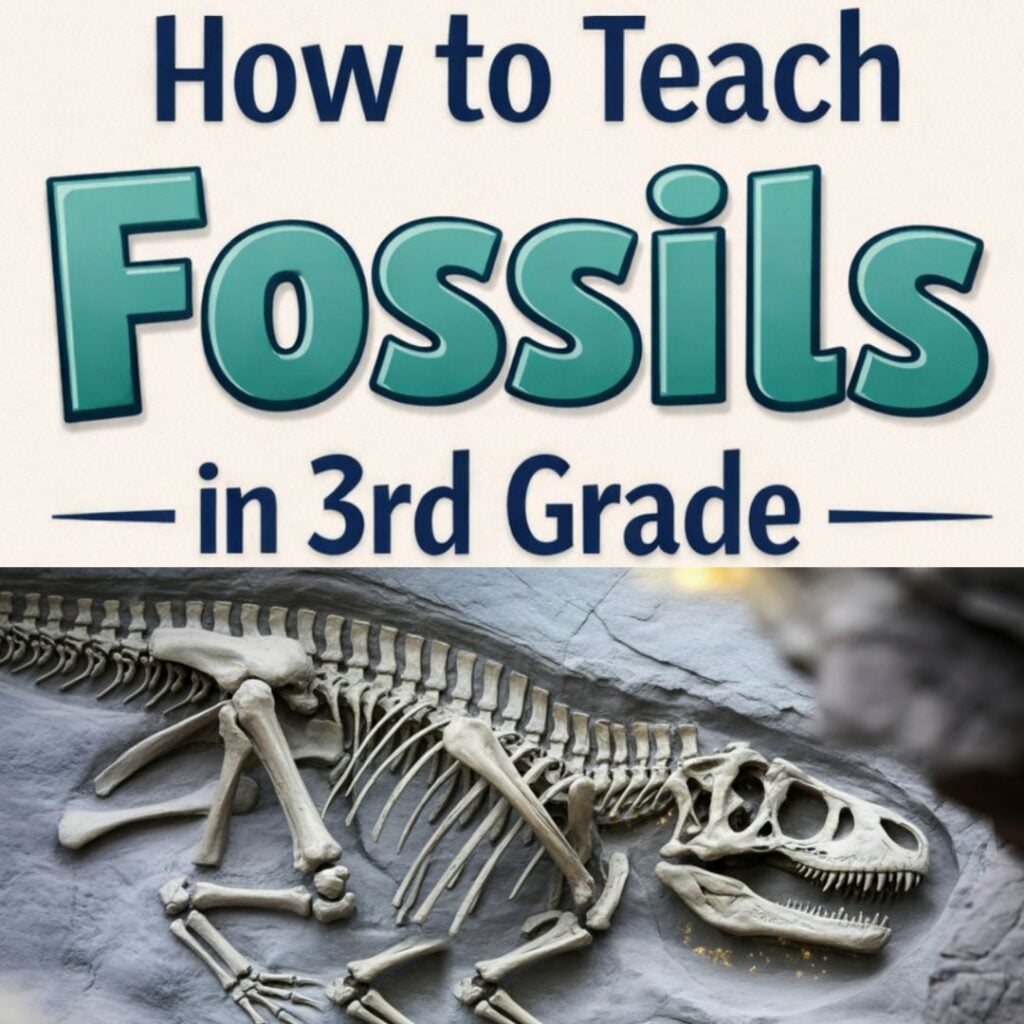
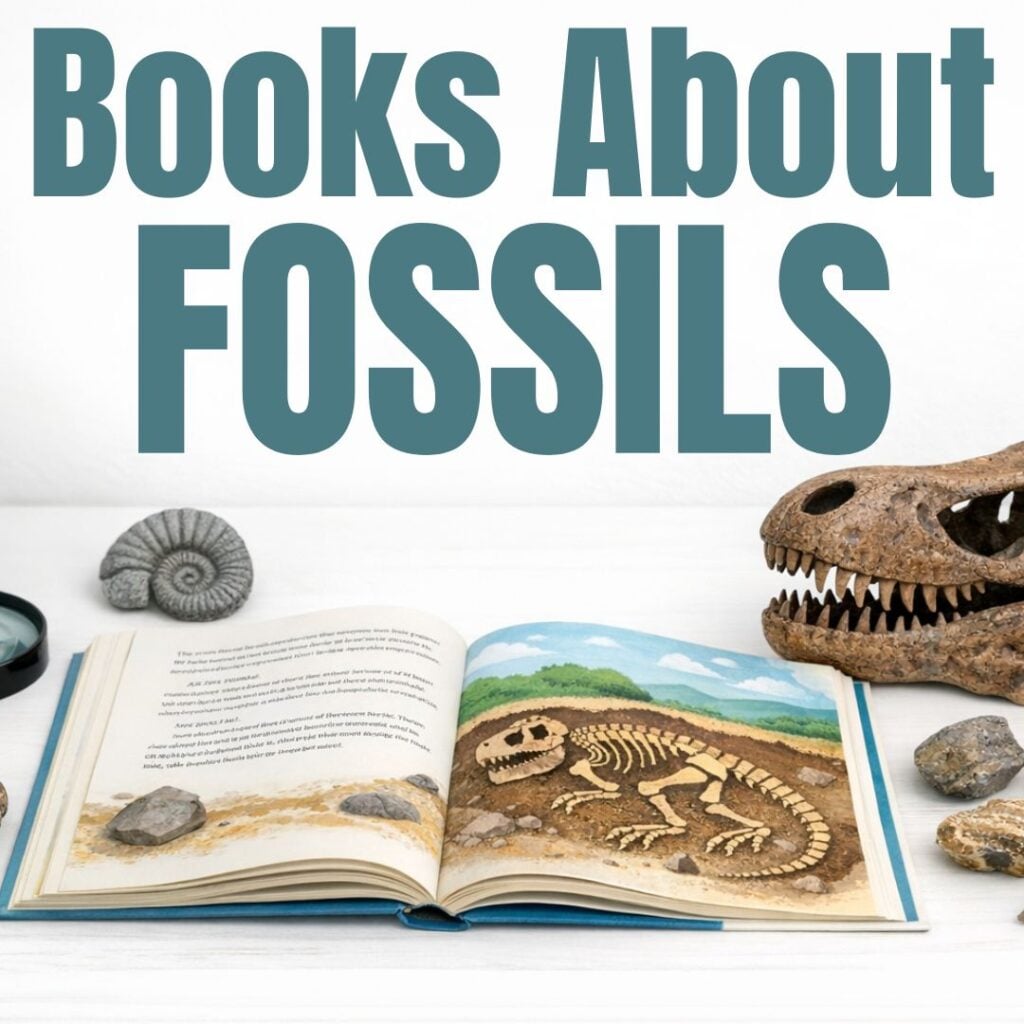
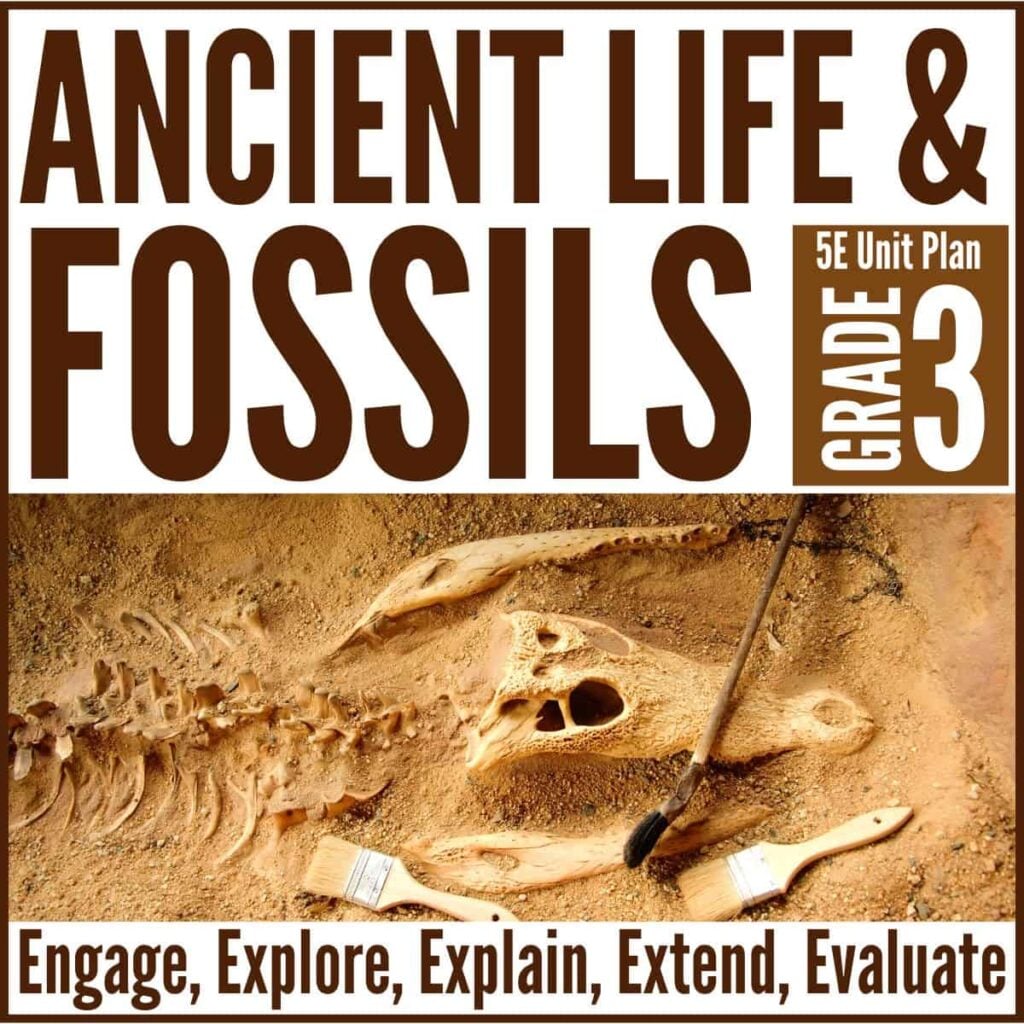
Fossil Evidence of Ancient Life — 3-LS4-1
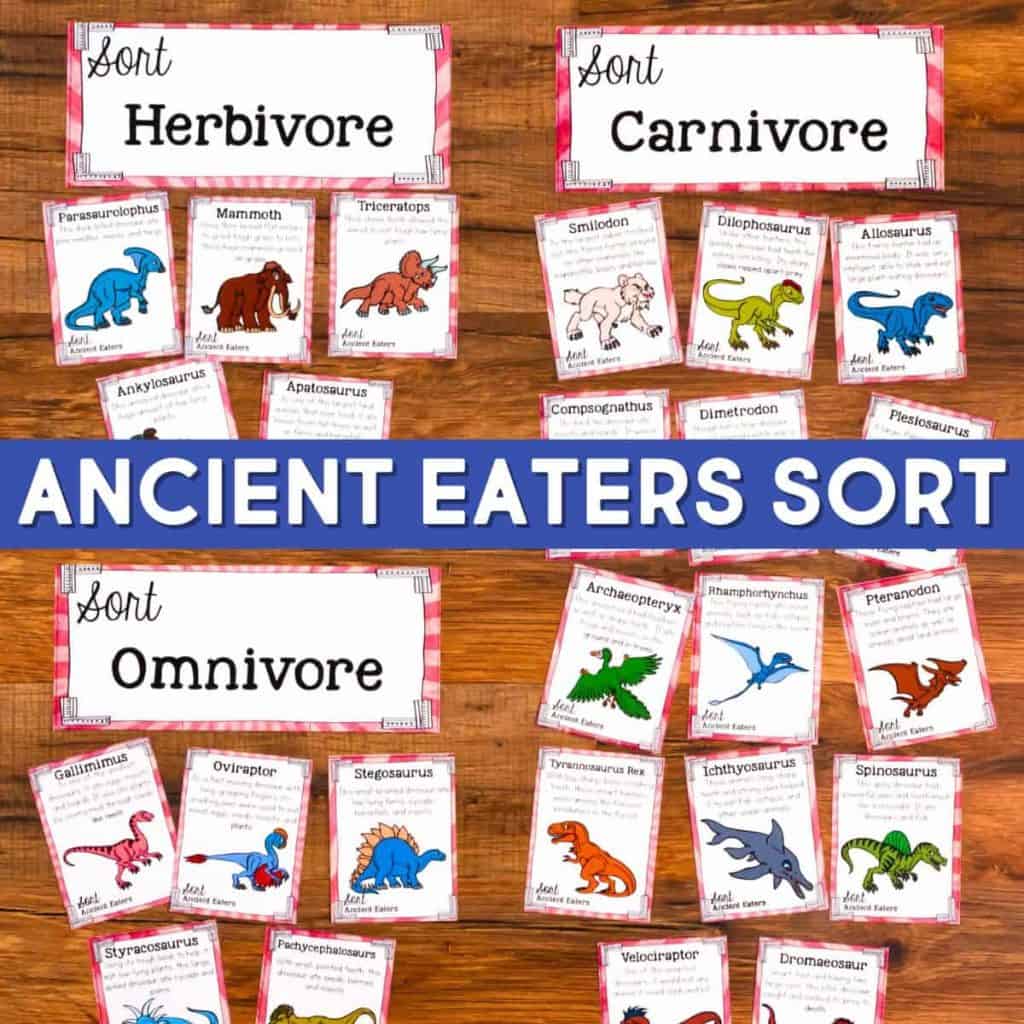
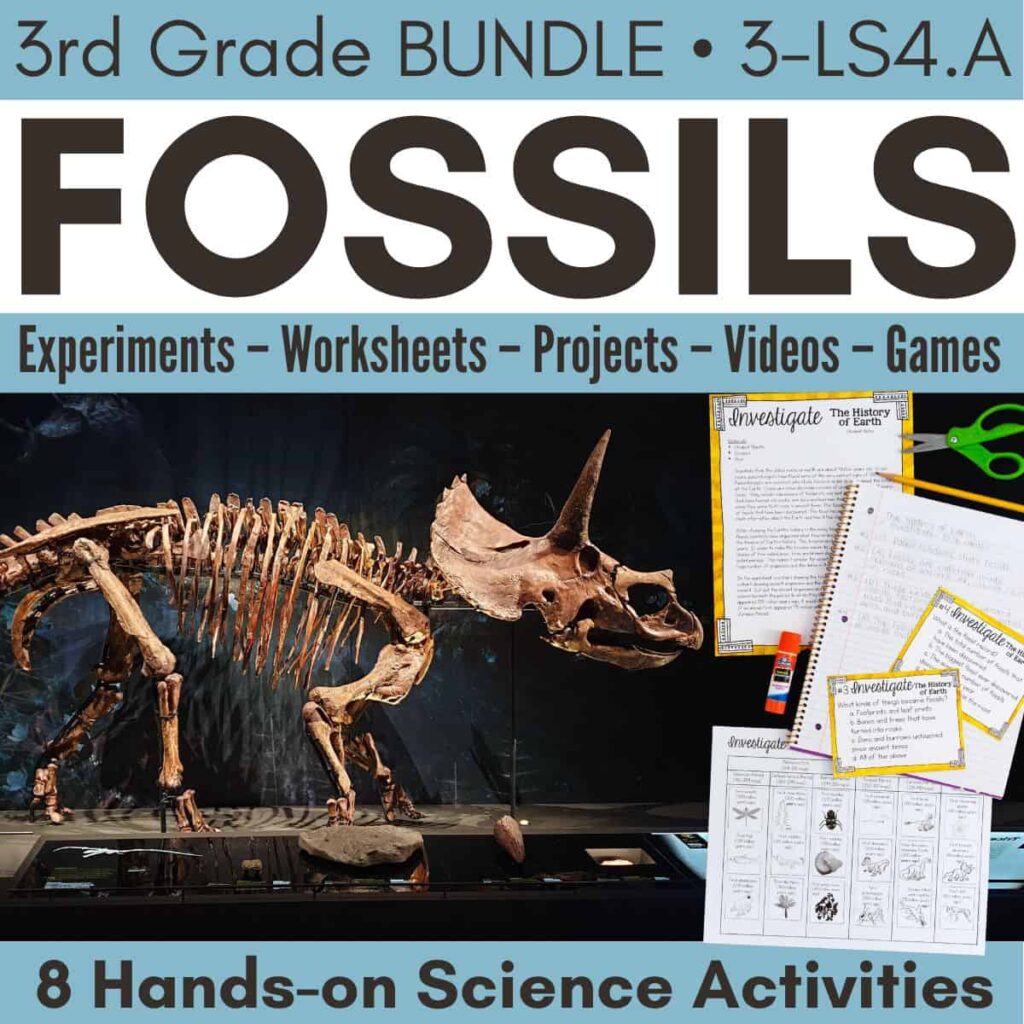
Fossils provide evidence about the types of organisms and environments that existed long ago. This standard connects directly to the Earth science fossil work in 4-ESS1-1. Students who study fossil evidence in both life science and earth science contexts build a much richer understanding of what fossils actually tell us. In life science, the focus is on what organisms lived, what they ate, and how they compare to organisms alive today. The carnivore/herbivore/omnivore work fits naturally here because ancient animals’ diets are inferred from their fossilized anatomy.
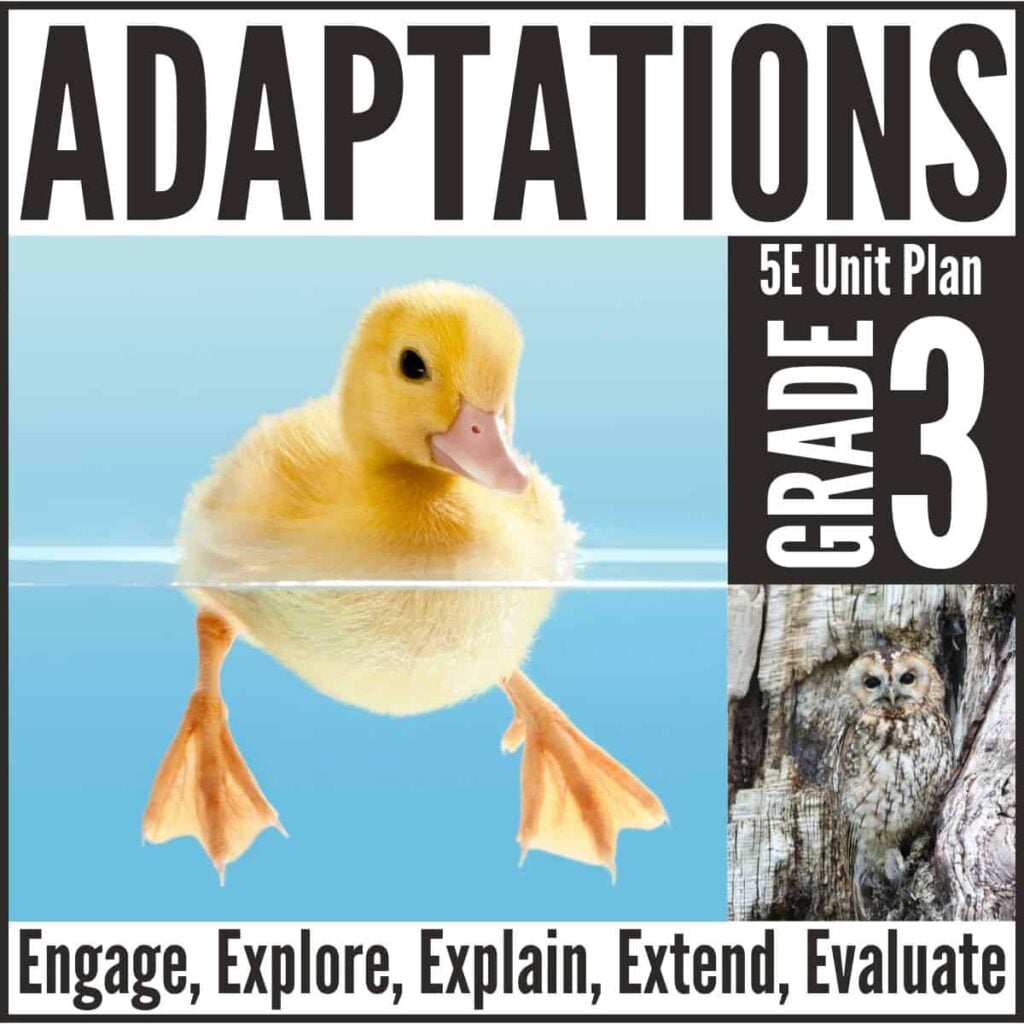
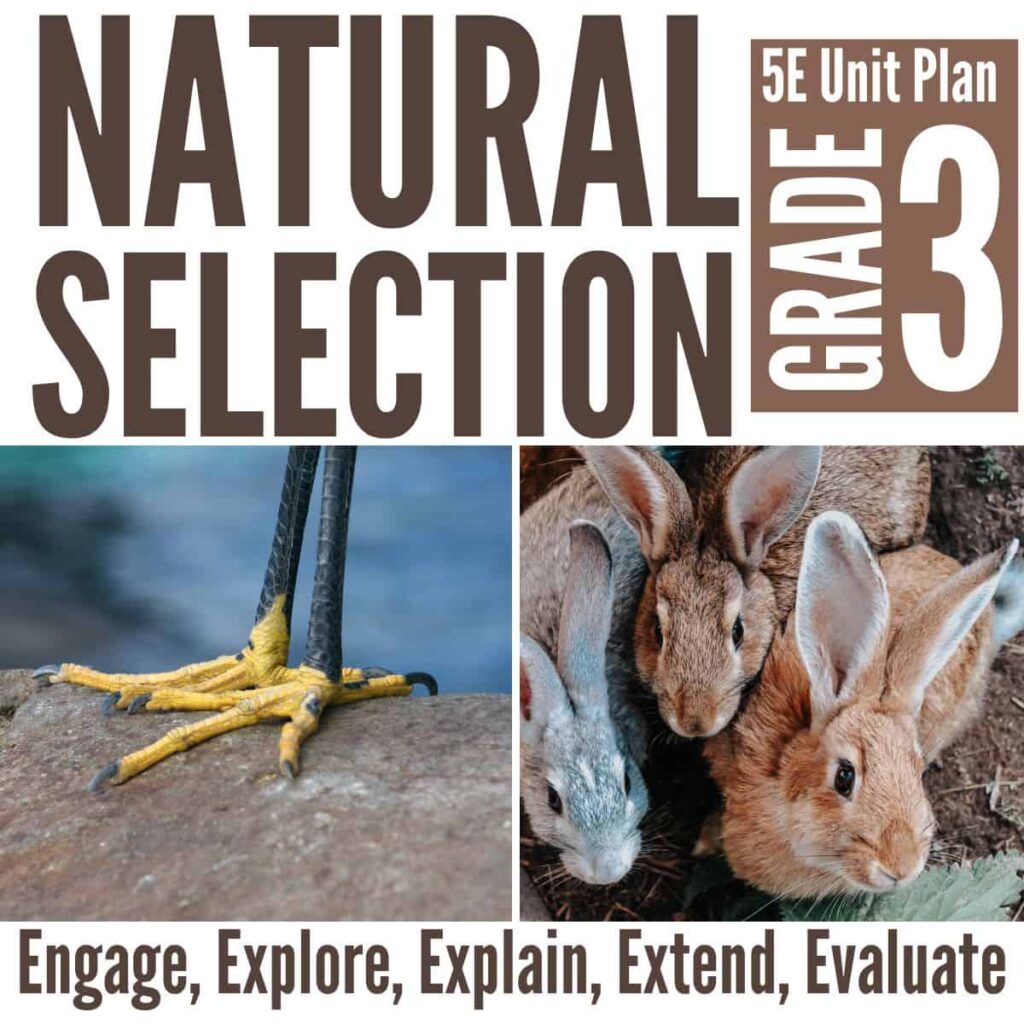
Natural Selection and Adaptations — 3-LS4-2
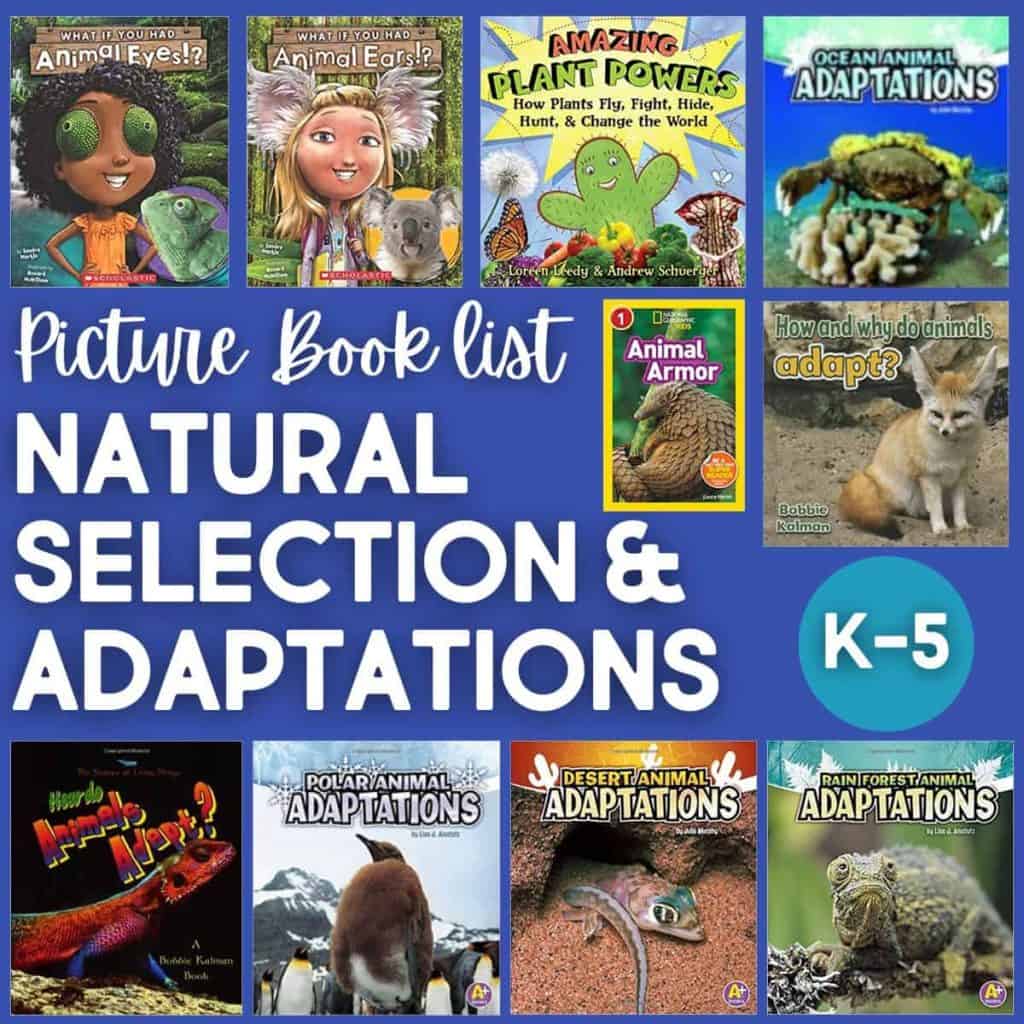
Variations in traits can provide advantages in surviving and reproducing. This is the core idea of natural selection at an elementary level. Students don’t need to understand genetics, but they do need to understand that individuals within a species vary, that some variations help survival, and that those helpful variations tend to persist.
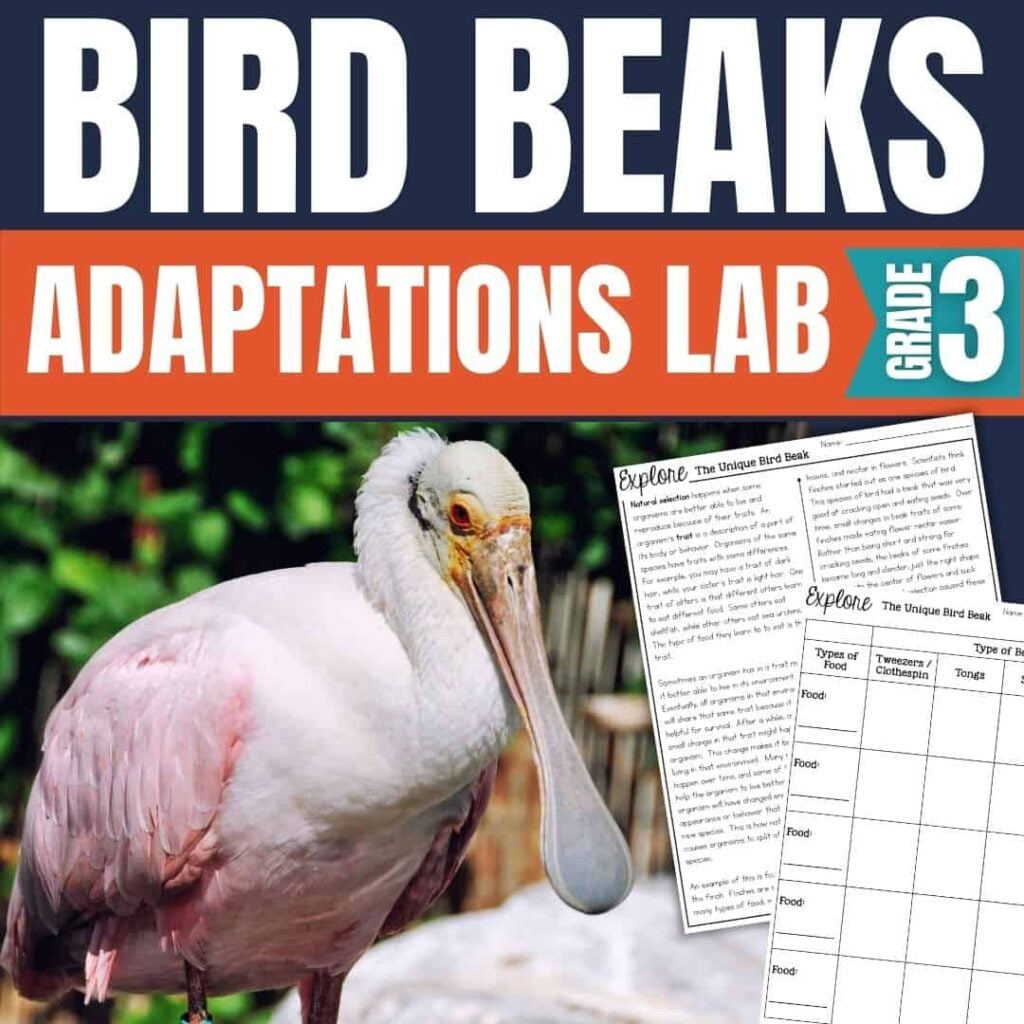
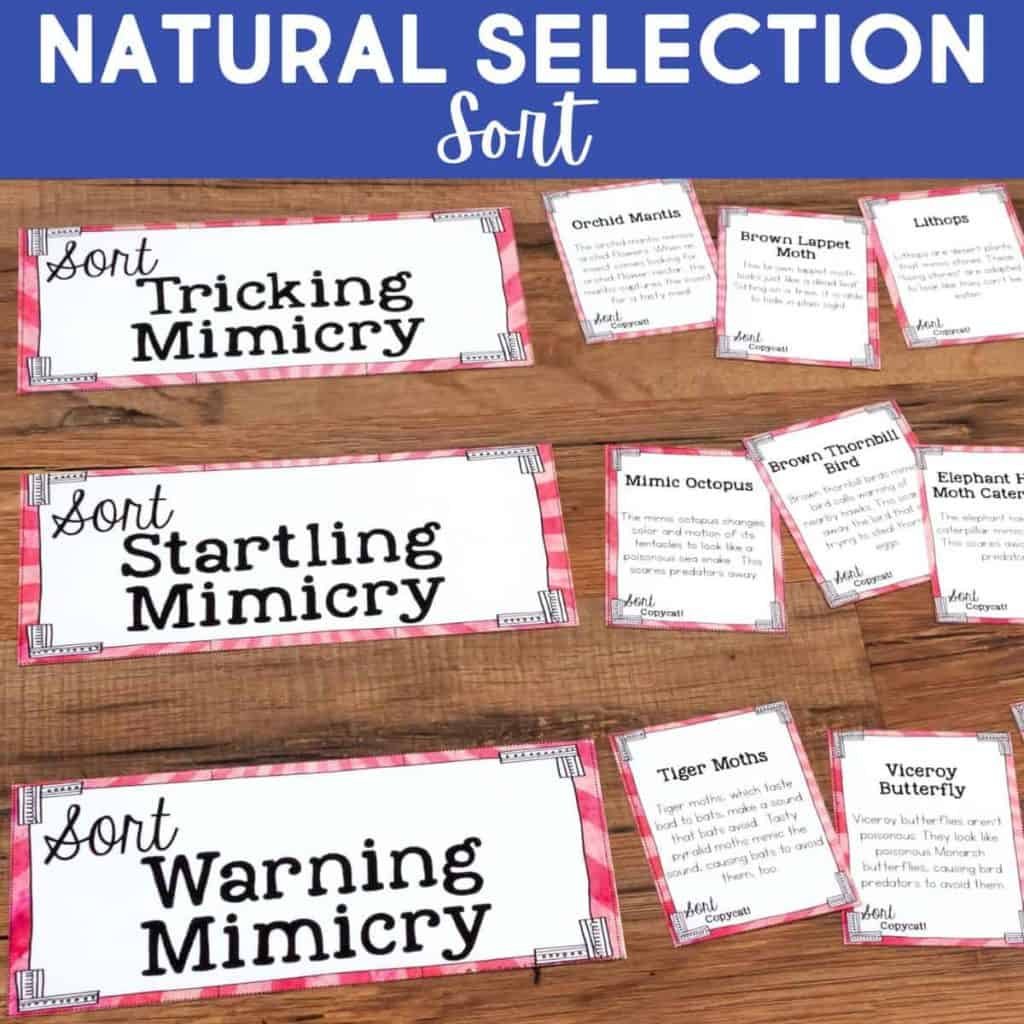
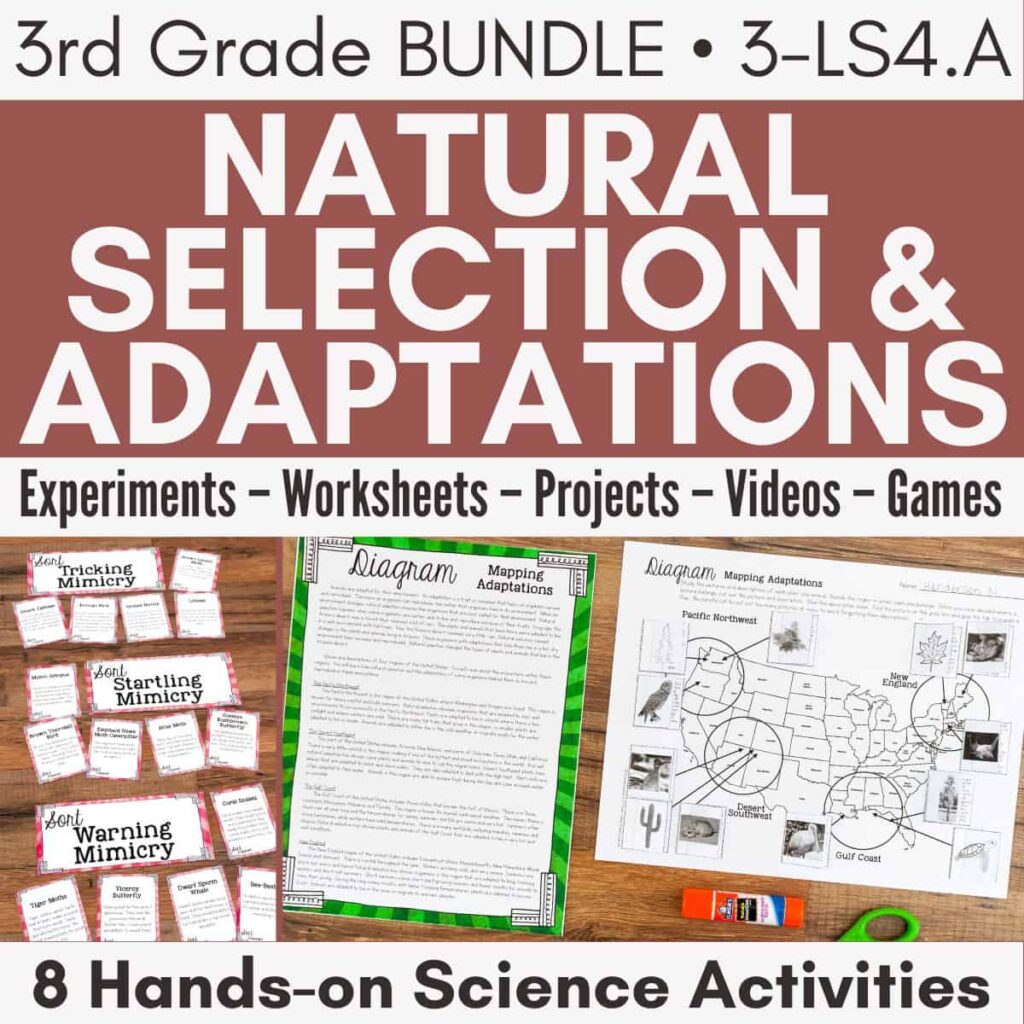
Bird beak experiments are the classic activity for this standard because the cause-and-effect relationship between beak shape and food access is something students can test directly. Mimicry is another rich entry point because the adaptive advantage is dramatically visible.
Organisms, Environments & Human Impact — 3-LS4-3 and 3-LS4-4
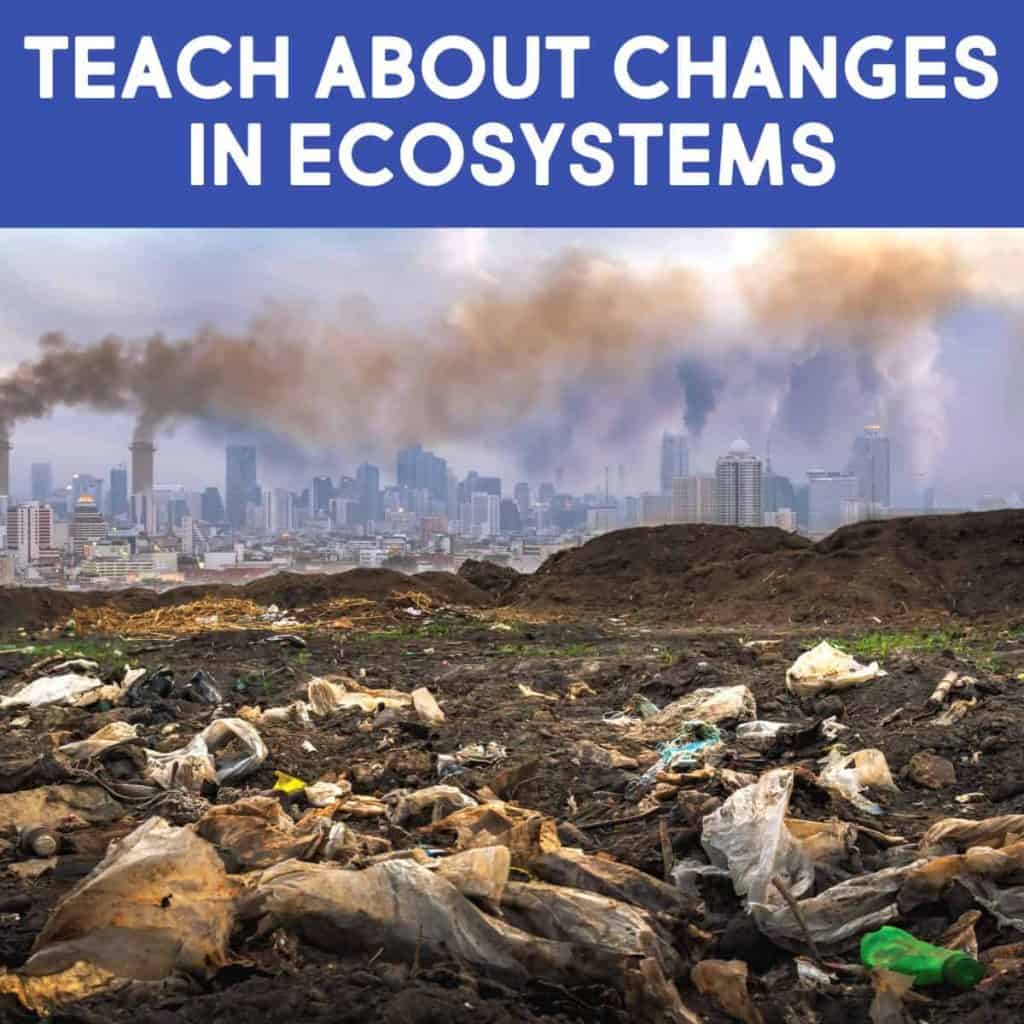
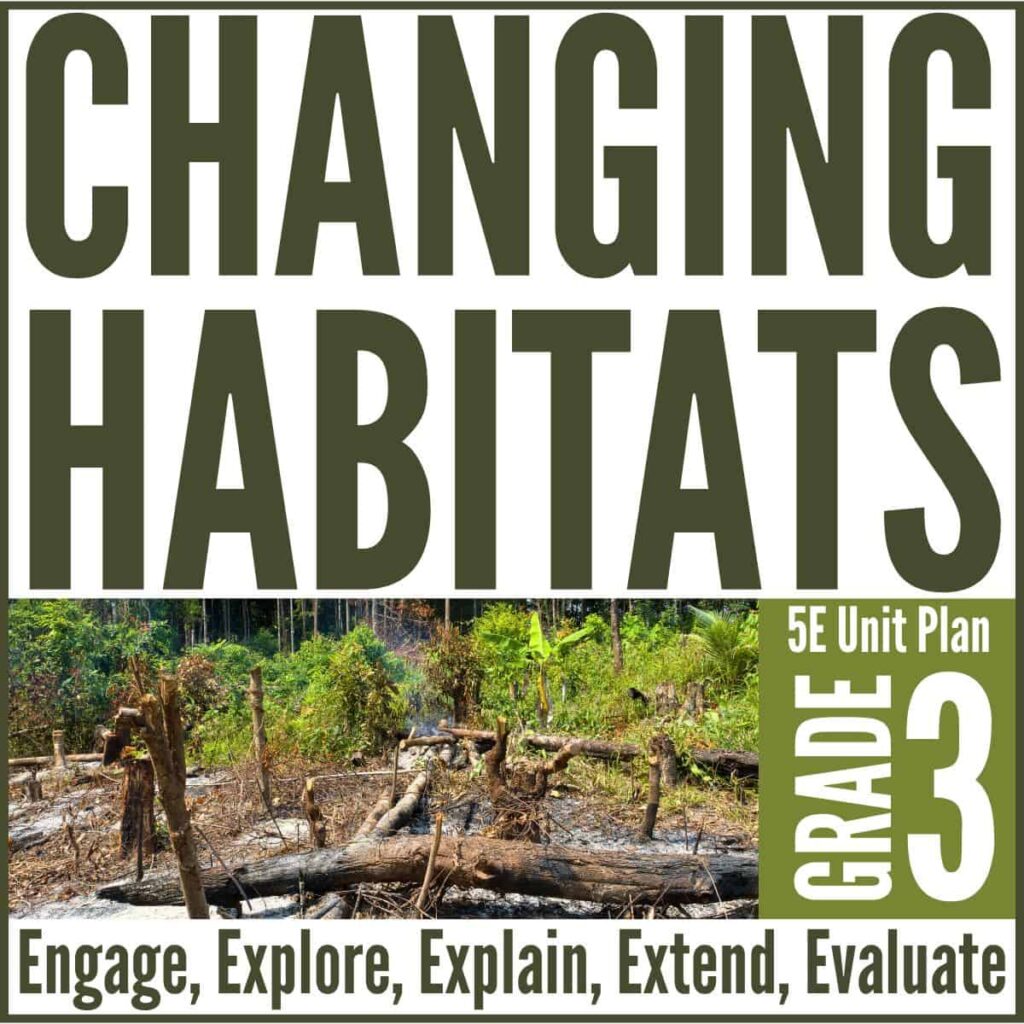
These two standards are closely connected and often taught together. 3-LS4-3 asks students to construct an argument that in a particular habitat, some organisms can survive well, some survive less well, and some cannot survive at all. It’s about the fit between organism and environment. 3-LS4-4 then asks students to make a claim about a solution to a problem caused by changes in the environment that affect organisms and their habitats. It introduces human impact and engineering design.
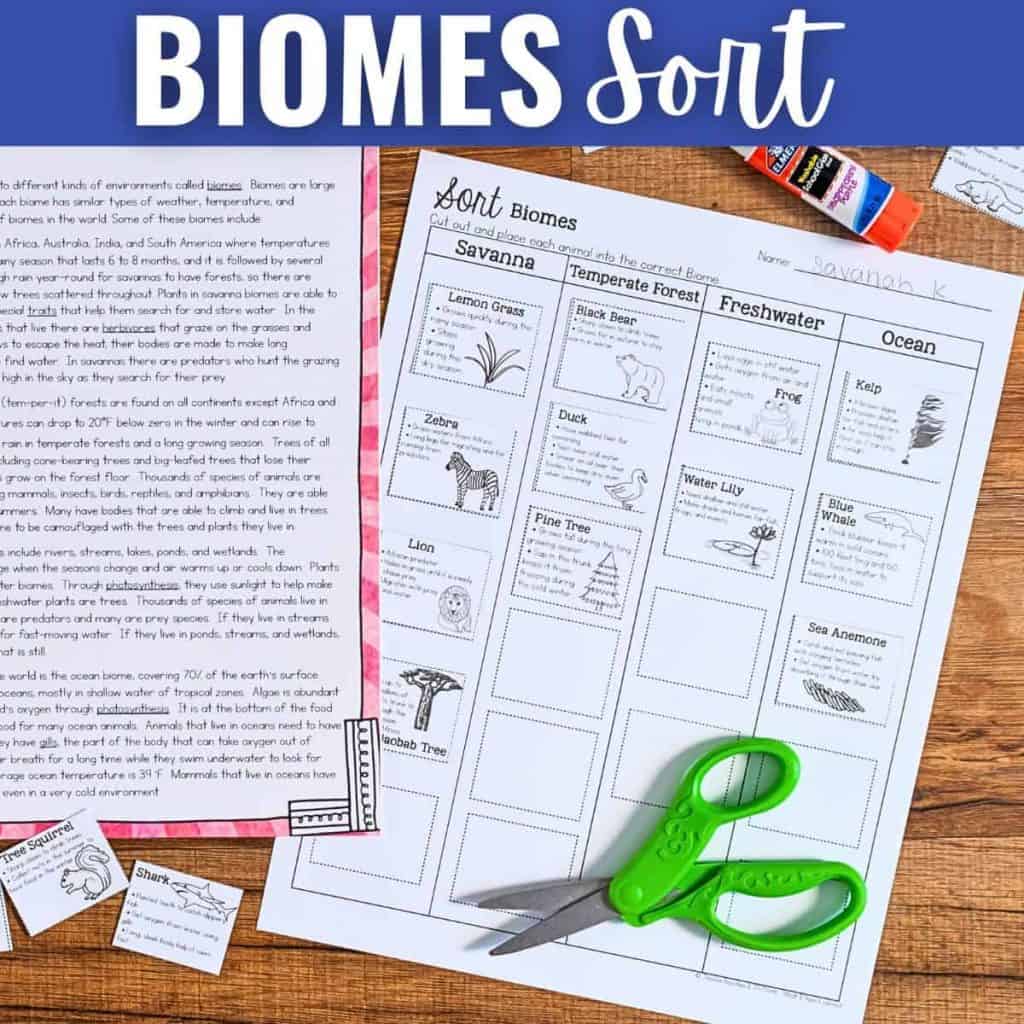
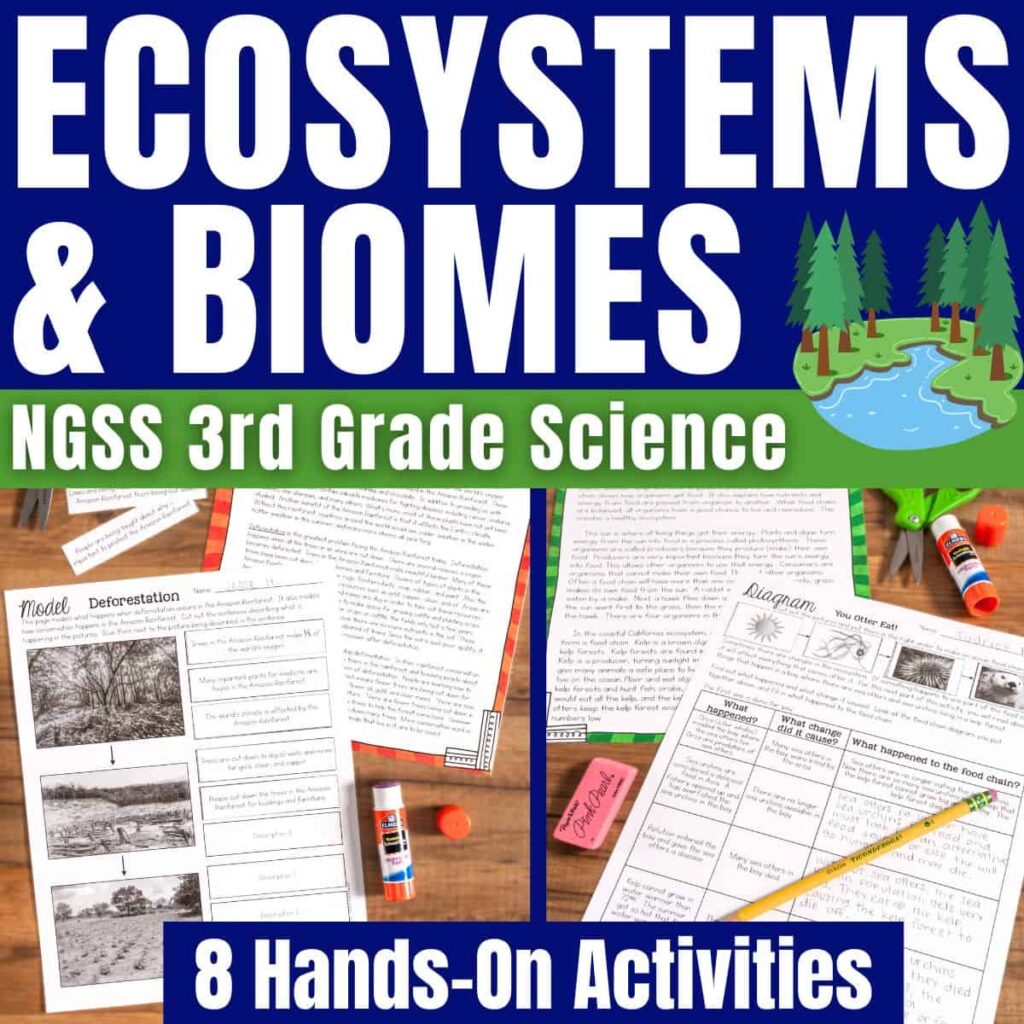
Most ecosystem and biome activities address both standards because you can’t meaningfully evaluate solutions to habitat disruption without first understanding what makes a habitat suitable for particular organisms. Many posts on this site are tagged for both standards, which reflects how they’re actually taught.

4th Grade Life Science: Structure & Function of Organisms
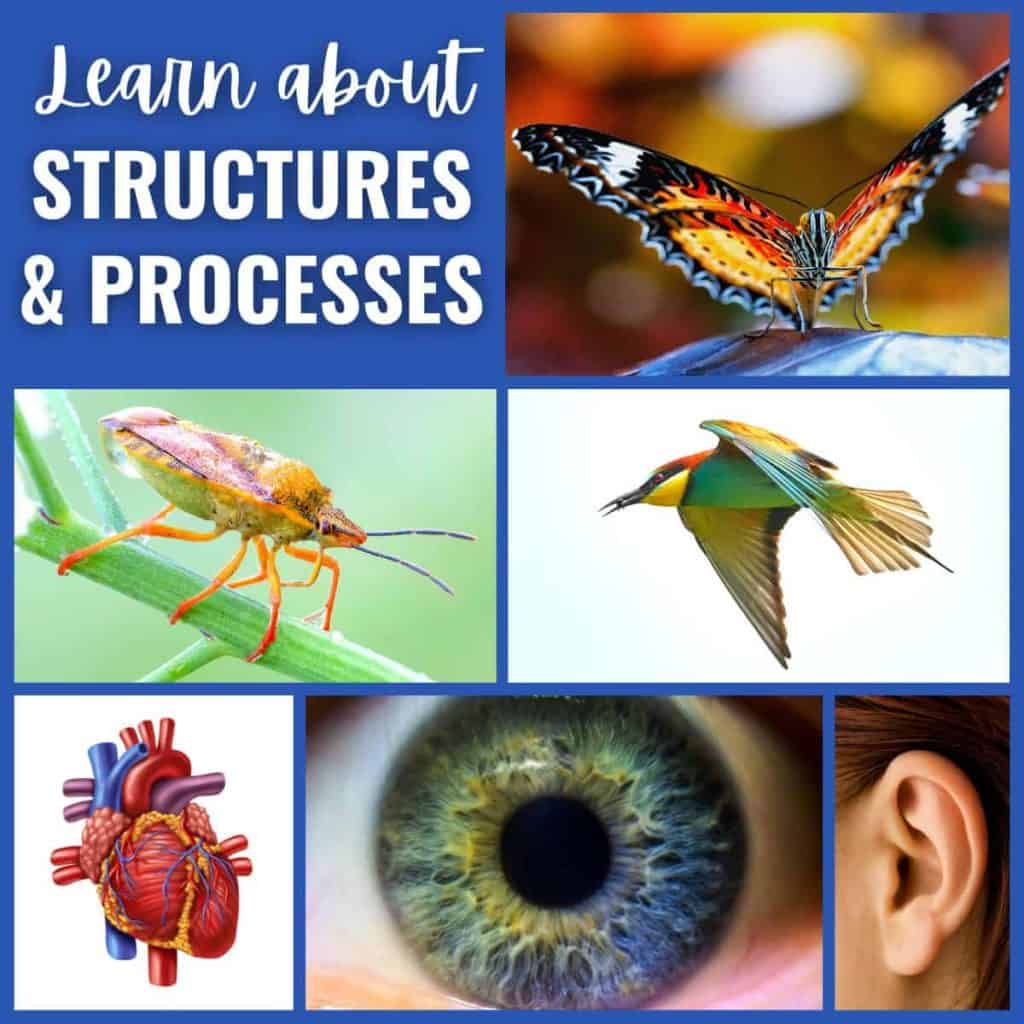
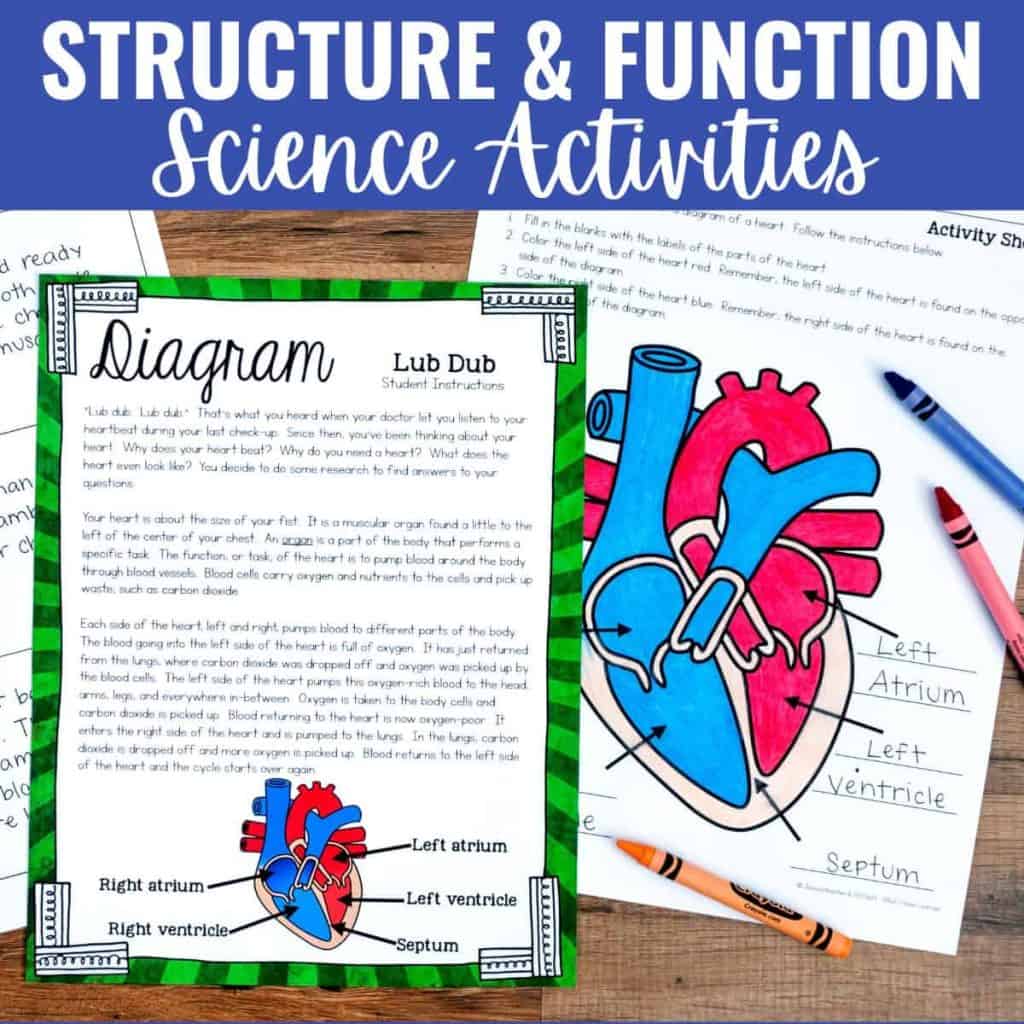
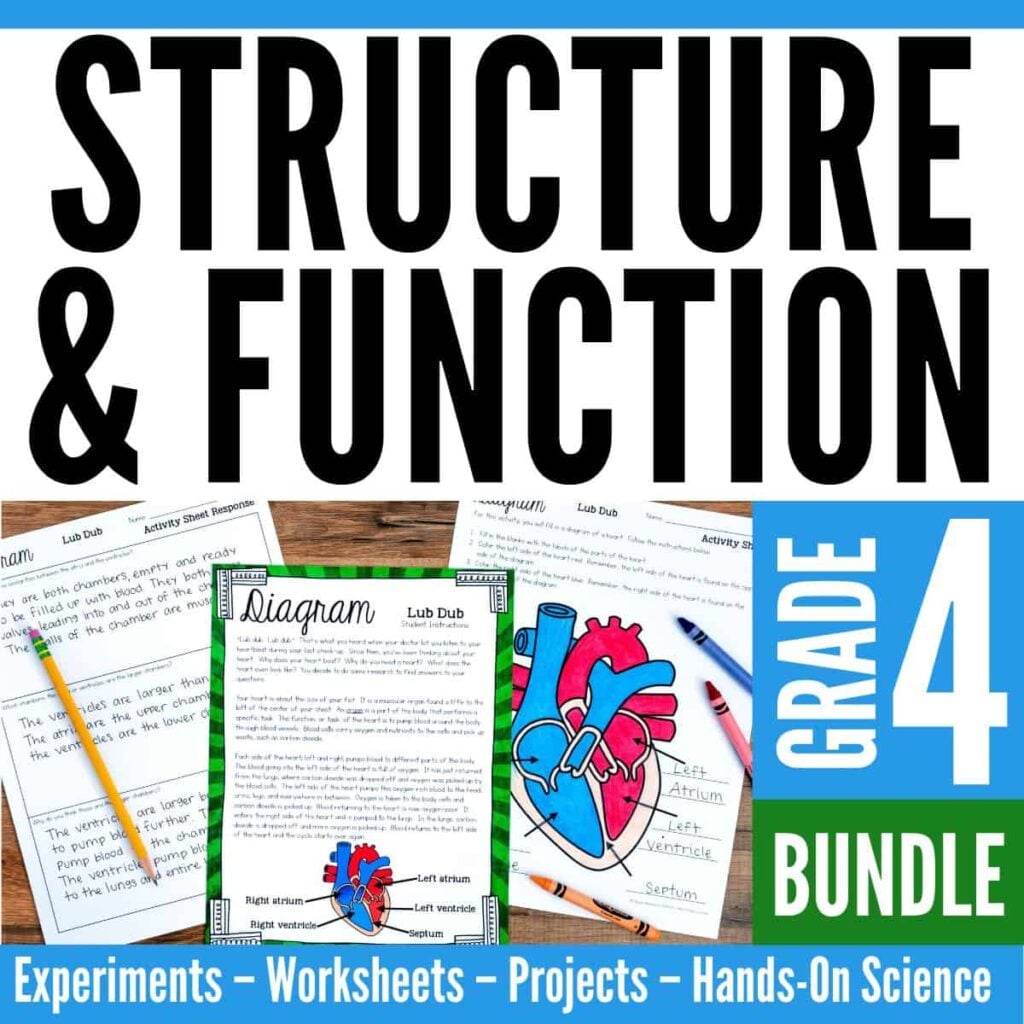
Fourth-grade life science has only two performance expectations, but they cover significant conceptual ground. Both standards fall under LS1 (From Molecules to Organisms) and ask students to connect structure to function — not just naming parts of plants or animals, but explaining how those structures enable survival, reproduction, and behavior. It’s a grade level where life science integrates naturally with physical science (how do structures process information?) and engineering (how do biological structures inspire design solutions?).
Internal and External Structures — 4-LS1-1
Plants and animals have both internal and external structures that serve functions in growth, survival, behavior, and reproduction. Students construct arguments that these structures serve specific functions — a root system anchors and absorbs, a skeleton provides support and protection, and a leaf captures light.
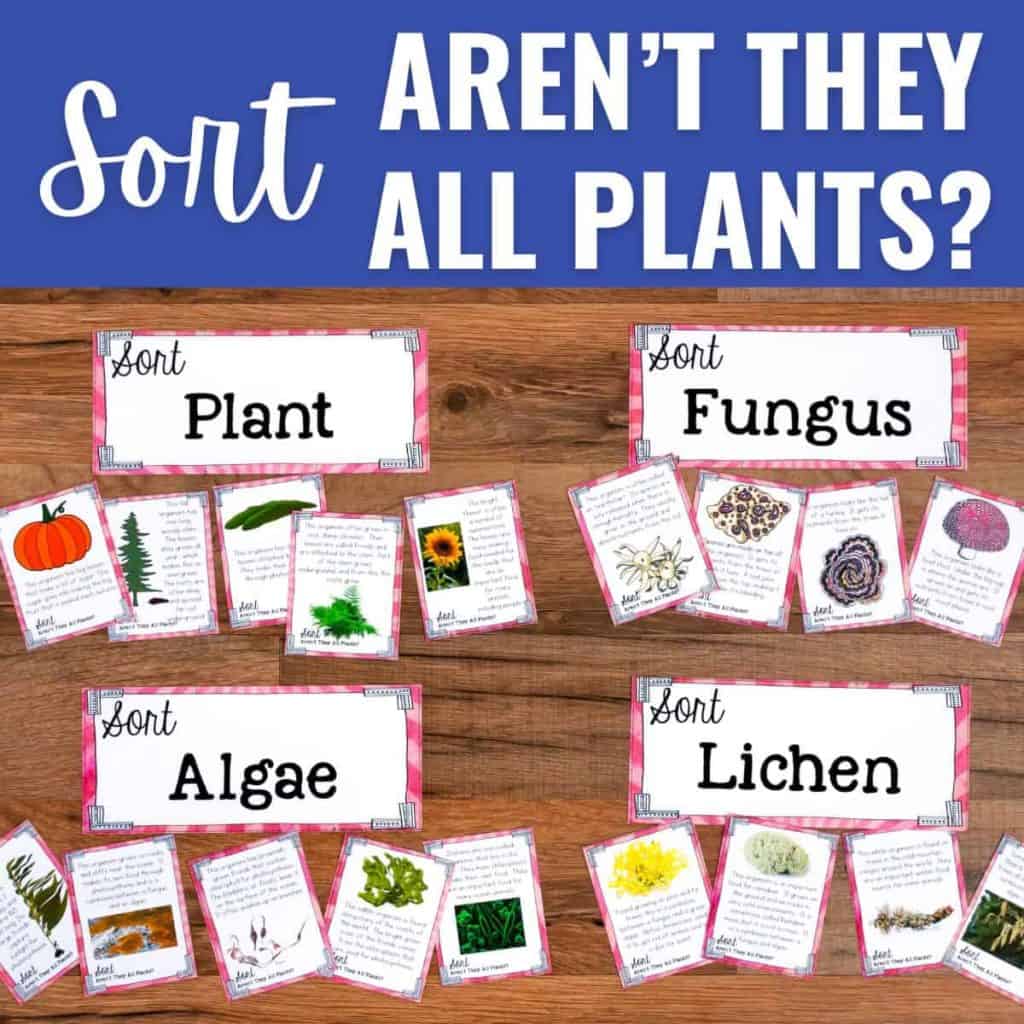
The standard also asks students to connect biological structures to engineered structures that mimic their functions, which is a genuine engineering-design connection. The kingdoms work fits here because distinguishing plants from fungi from algae requires understanding structural differences and what those differences mean for how each organism lives.

Sensory Information and Brain Response — 4-LS1-2
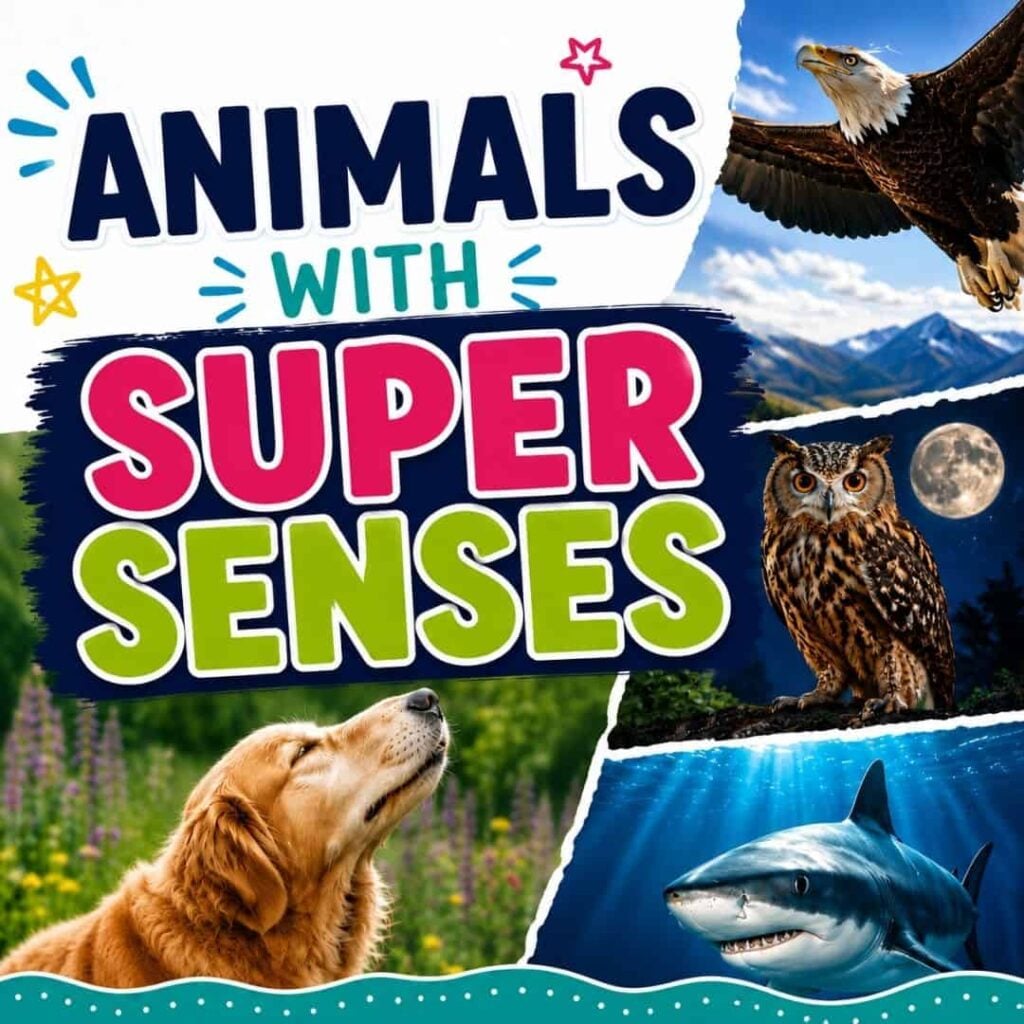
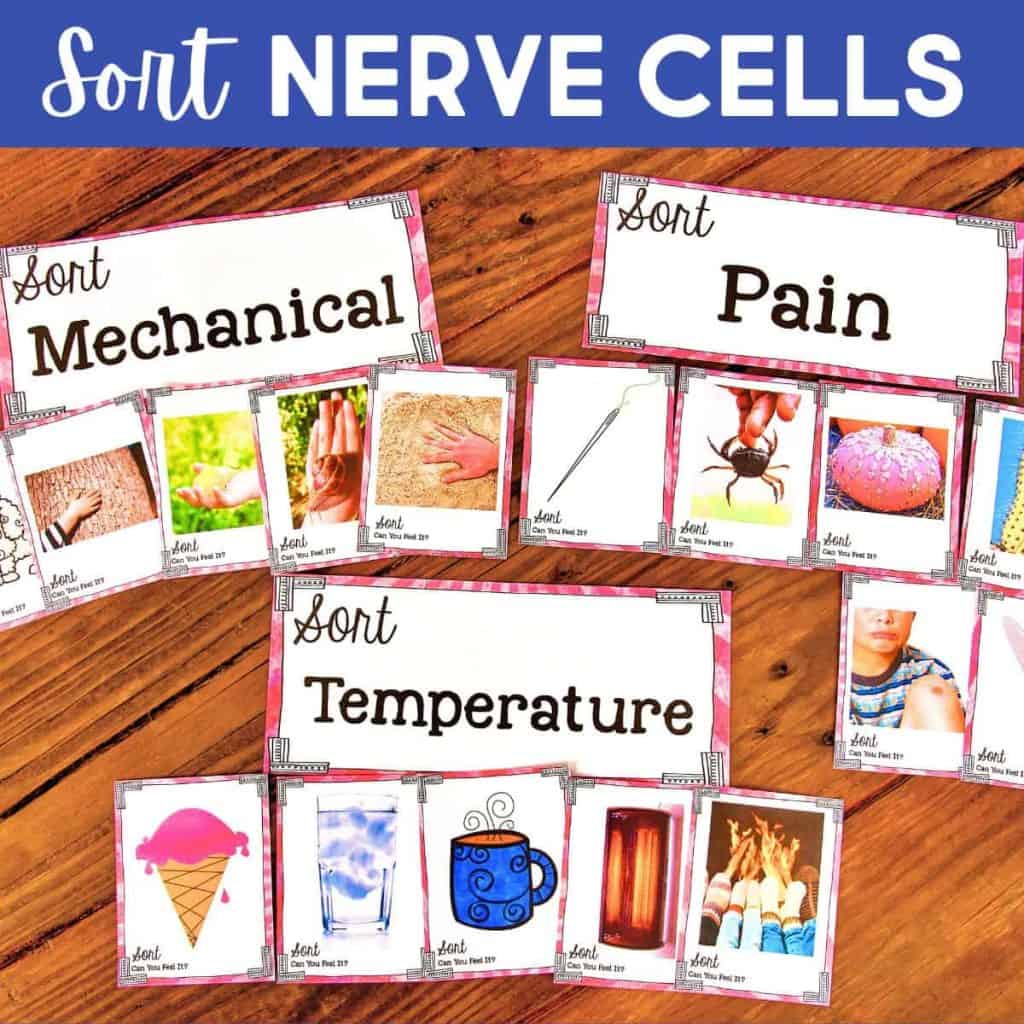
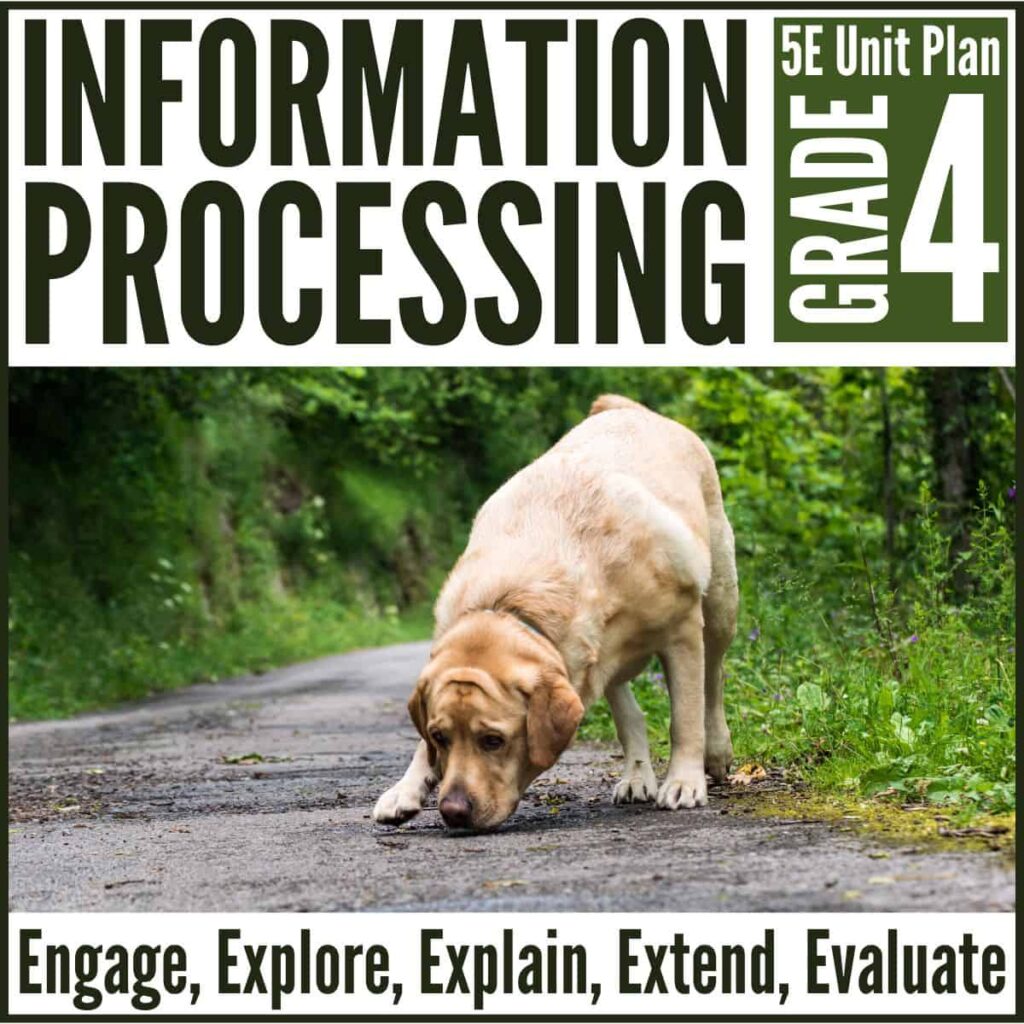
This standard focuses specifically on how animals use their senses to process information and respond, how sensory receptors receive information, how that information travels to the brain, and how the brain produces a response. It’s the most physiology-focused standard in the elementary life science band, and it connects naturally to physical science (waves and information transfer) and to students’ everyday experience of how their own bodies work. The nerve cell work fits directly here.

5th Grade Life Science: Plant Growth & Ecosystems
Fifth-grade life science has two standards that connect the biological world to the physical and chemical systems students study in earth science and physical science. 5-LS1-1 grounds plant growth in matter — where does a plant’s mass actually come from? And 5-LS2-1 expands the ecosystem view from 3rd grade to include the movement of matter and energy through food webs. Together, they form a cohesive unit about how matter flows through living systems, which is one of the most important crosscutting concepts in all of NGSS.
Life science and physical science intersect most clearly in 5th grade, where students connect photosynthesis and energy flow to the physical science standards on matter and energy. My physical science guide for elementary students covers the physical science side of that connection, organized by grade level from 2nd through 5th.
What Plants Need to Grow — 5-LS1-1
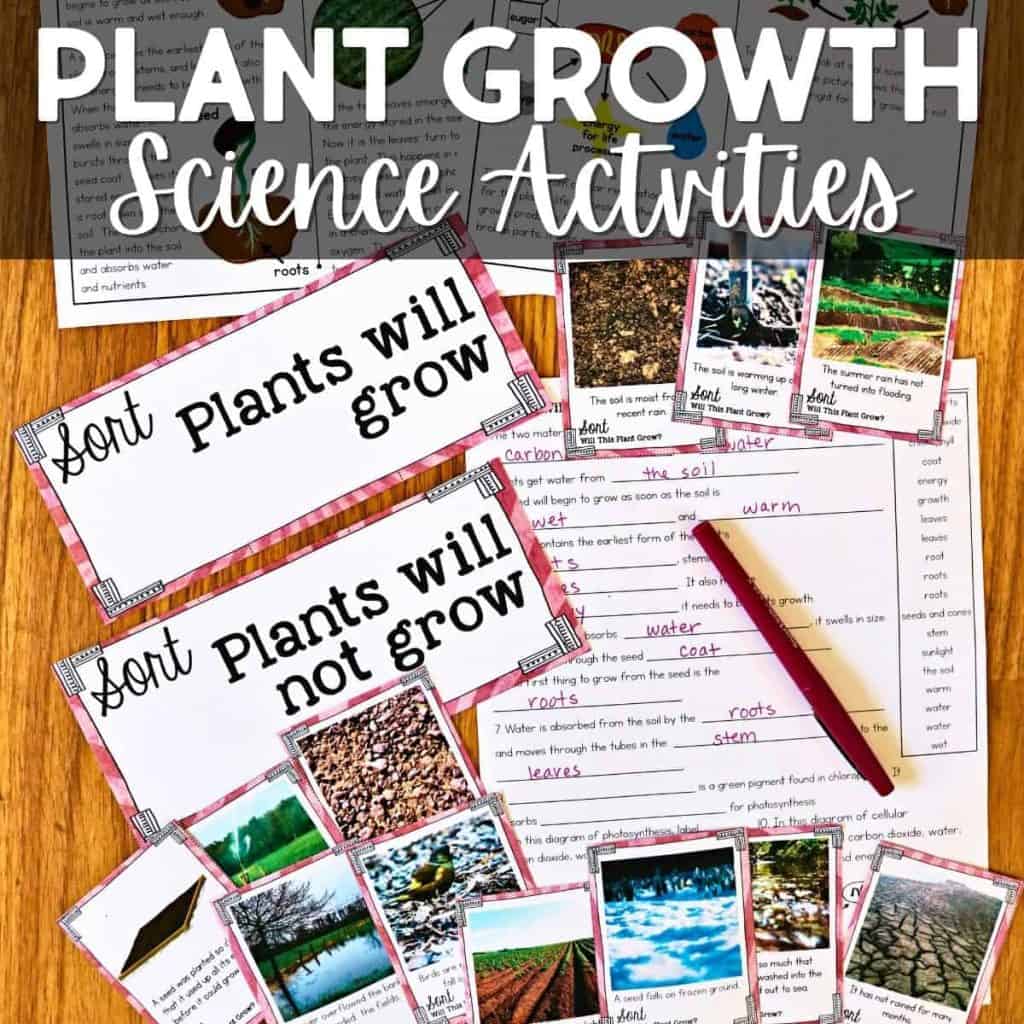
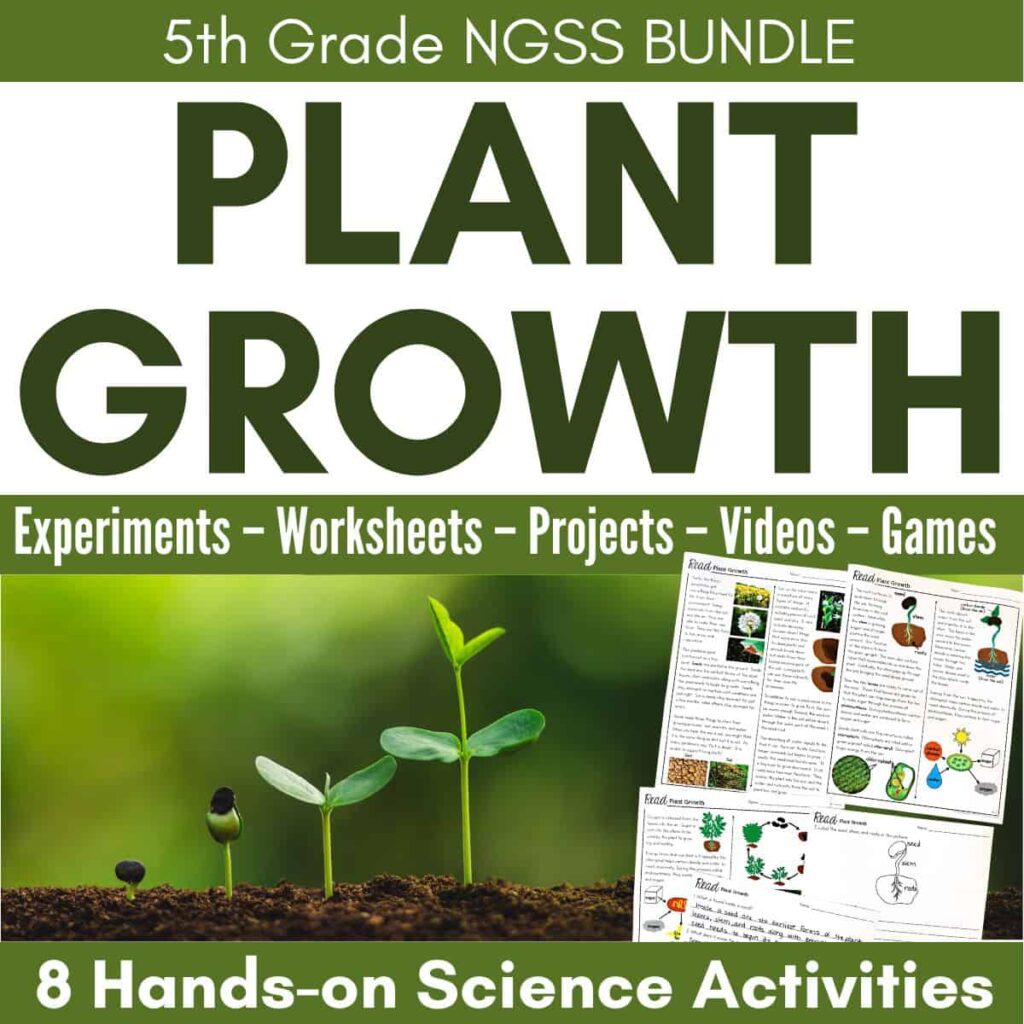
Students support the argument that plants get the materials they need for growth chiefly from air and water. This is a conceptually challenging standard because it runs counter to students’ intuition. Most students assume plants grow from soil. The key insight is that the carbon in a plant’s body comes from carbon dioxide in the air, not from the ground, and that photosynthesis makes this possible. The investigation work from 2-LS2-1 (Do plants need sunlight and water?) comes back here with a deeper explanation: plants need light and water because photosynthesis requires both. The progression is worth making explicit to students.
Food Webs and the Movement of Matter — 5-LS2-1
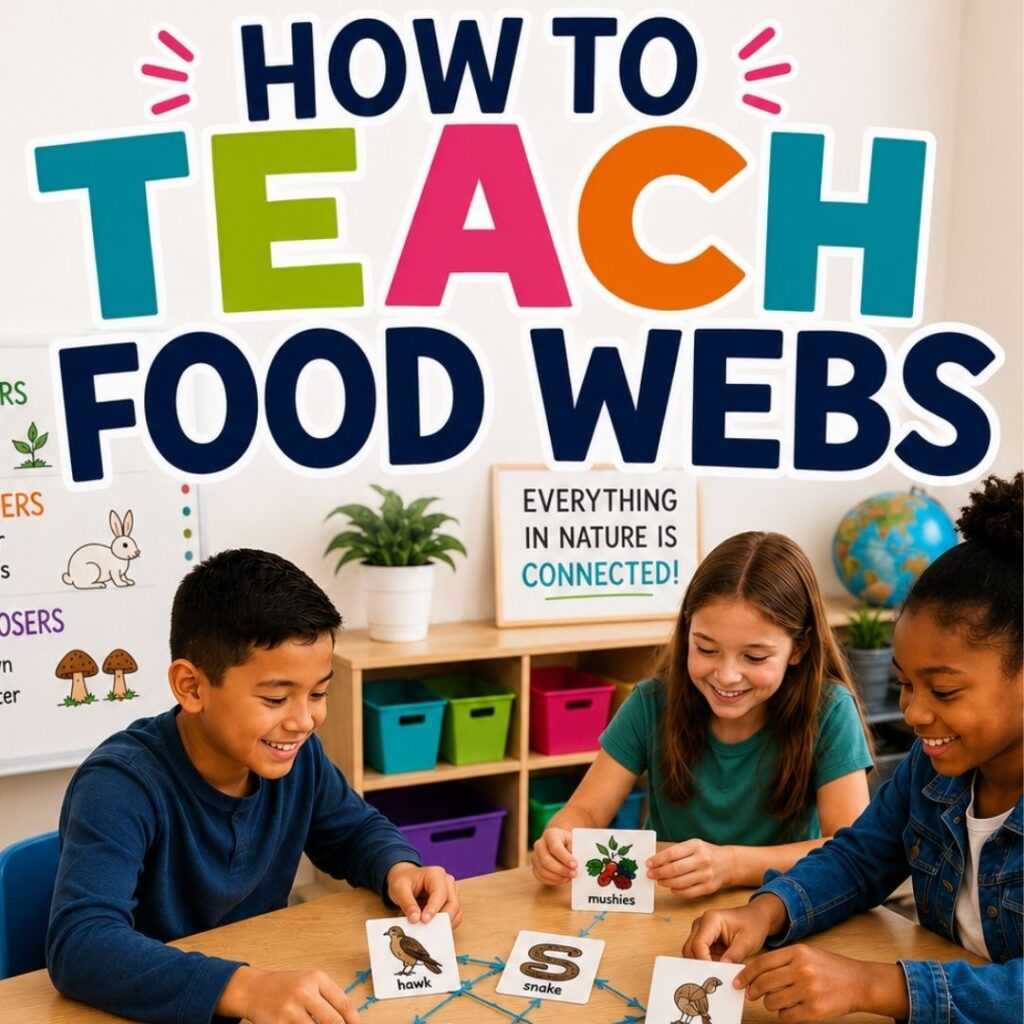
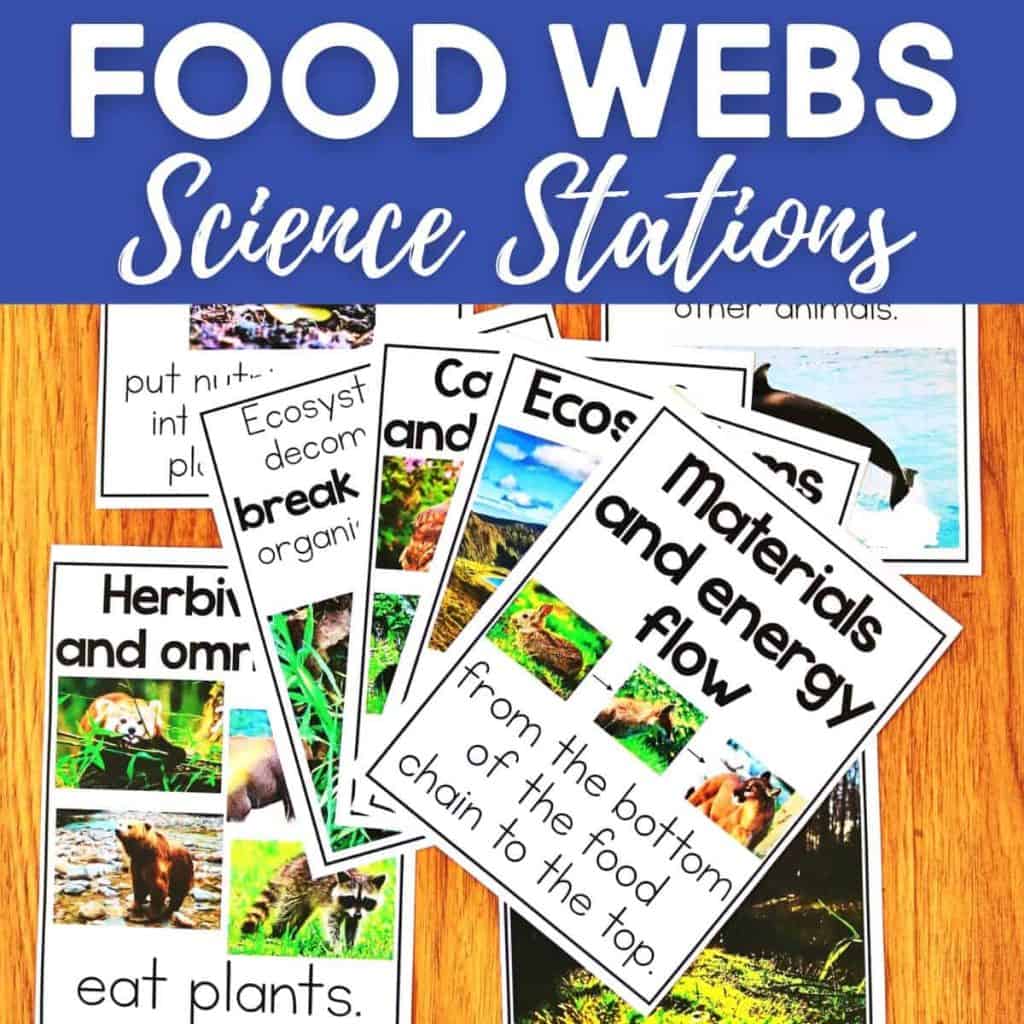
Matter cycles through ecosystems as living things eat and are eaten. Students develop a model of a food web showing the movement of matter among plants, animals, decomposers, and the environment. The shift from 3rd-grade food chains to 5th-grade food webs is significant. Students now see that matter doesn’t just move in one direction but cycles continuously, and that decomposers play a critical role in returning matter to the system.
This standard connects directly to the Earth science work on Earth’s spheres (5-ESS2-1): the biosphere interacts with the geosphere, hydrosphere, and atmosphere through exactly the matter cycles students are modeling here.

Animal Research, Reports & Cross-Curricular Connections
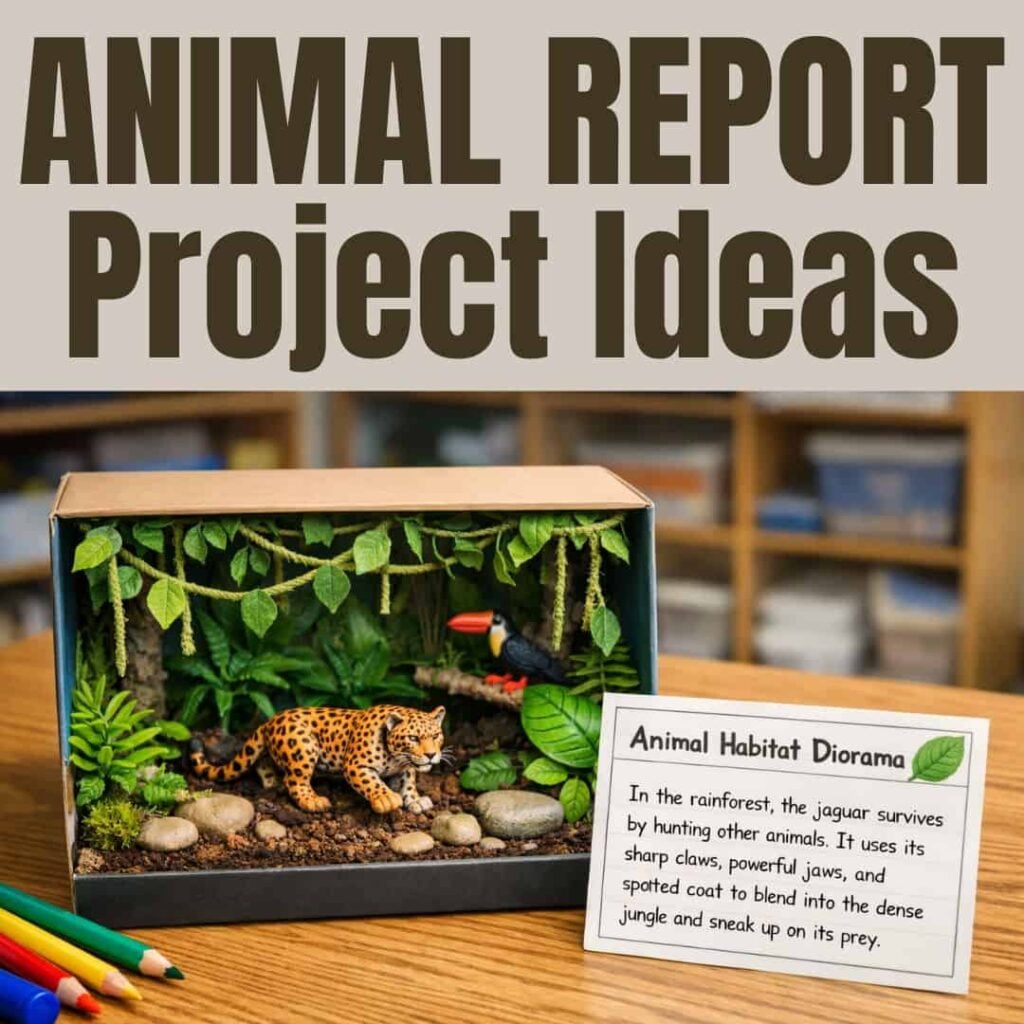
A significant part of teaching life science in elementary school happens through reading and writing — informational articles, research projects, and animal reports that build content knowledge while meeting ELA standards. These resources don’t map to a single NGSS standard because they support learning across the full range of life science topics. A student writing an animal report might be researching habitats (2-LS4-1), life cycles (3-LS1-1), adaptations (3-LS4-2), or food web relationships (5-LS2-1). The research and writing skills transfer across all of them.
Animal reports are particularly powerful because they require students to synthesize information across multiple life science domains at once: what does this animal eat (ecosystem), how does it reproduce (life cycle), what traits help it survive (adaptation), and where does it live (habitat)? That integration is exactly what the NGSS crosscutting concepts are designed to develop.
-

Animal Report Templates, Graphic Organizers, Rubric, Lapbook, Trifold
$7.50 -
Rainforest Animals: Informational Articles and Comprehension Activities BUNDLE
Original price was: $36.25.$18.25Current price is: $18.25. -
African Animals BUNDLE
Original price was: $33.00.$16.51Current price is: $16.51. -
Coral Reef Animals BUNDLE
Original price was: $29.62.$10.67Current price is: $10.67.

Life Science Topics That Span Multiple Grades
Several life science topics thread through multiple grade levels, building in complexity each time students encounter them. Knowing where a topic appears earlier and later in the progression helps you activate prior knowledge at the start of a unit and set up what’s coming next.
Plants appear in 2nd grade as organisms that need sunlight and water (2-LS2-1) and that depend on animals for pollination and seed dispersal (2-LS2-2), return in 3rd grade as part of the life cycle work (3-LS1-1) and ecosystem food chains, and come back in 5th grade with the deeper question of where plant matter actually comes from (5-LS1-1). Each encounter adds a layer: what plants need, how they reproduce, how they fit into ecosystems, and how they build their own mass from air and water.
Ecosystems begin in 2nd grade with habitat diversity (2-LS4-1), expand in 3rd grade into food chains, predator-prey relationships, biomes, and the effects of environmental change (3-LS2-1, 3-LS4-3, 3-LS4-4), and deepen in 5th grade into food webs and the cycling of matter (5-LS2-1). Students who made the connection between habitat conditions and organism survival in 3rd grade are well-prepared for the matter-cycling work in 5th.
Adaptation and variation first appear in 2nd grade through the study of how different habitats support different organisms (2-LS4-1), develop in 3rd grade through the full arc of natural selection, fossil evidence, and inherited versus learned traits (3-LS3-1, 3-LS4-1, 3-LS4-2, 3-LS4-3), and inform the 4th grade structure and function work (4-LS1-1) because structures are adaptations, and understanding why they exist requires understanding the selection pressures that shaped them.
Tips for Teaching Life Science in Elementary School
Life science can feel like a lot to cover — especially in 3rd grade, where six performance expectations span the full range of living systems. A few things that help:
Start with what students already know and believe
Students arrive with strong intuitions about living things — and some of those intuitions are wrong in productive ways. Most students assume plants grow from soil (they don’t — they build their mass from air and water). Many assume that learned behaviors are inherited. Surfacing those misconceptions before you teach is more effective than correcting them after. A simple “what do you think and why?” at the start of a unit reveals a lot about where instruction needs to go.
Use the life cycle to anchor the whole year
The life cycle — birth, growth, reproduction, death — is the thread that connects almost every 3rd grade life science standard. Organisms have diverse life cycles (3-LS1-1), traits pass through reproduction (3-LS3-1), fossil organisms once had life cycles too (3-LS4-1), and adaptations persist because they help organisms survive long enough to reproduce (3-LS4-2). Returning to that central idea across units helps students see the coherence in what might otherwise feel like disconnected topics.
Connect life science to reading and writing
Life science is one of the most natural content areas for informational reading and writing. Animal research projects, nonfiction read-alouds about ecosystems, and science-focused writing tasks all let you meet ELA standards while deepening science content knowledge. Students who read about wolves while studying animal groups, or about fossils while studying ancient life, retain the science content far better than students who only interact with it through worksheets.
Make the progression explicit to students
One of the most powerful things you can do across grade levels is help students see how what they’re learning now connects to what they learned before. “Remember in 2nd grade when we studied what plants need to grow? Today we’re going to find out why they need those things.” That kind of explicit connection — from 2-LS2-1 to 5-LS1-1, from habitat diversity to ecosystem dynamics — is what builds genuine scientific understanding rather than isolated facts.
Bringing It All Together
Life science is the content area that reminds students — and teachers — that science isn’t abstract. It’s in every living thing around them: the butterfly life cycle pinned to the bulletin board, the wolf pack on the nature documentary, the garden outside the classroom window. The goal across 2nd through 5th grade is to help students see those encounters not as isolated curiosities but as windows into the patterns and principles that govern all living things.
This guide will grow as new posts and resources are added. If you’re looking for a specific topic and don’t see it here, check the Life Science category page for the full list of posts, or use the search bar to find what you need.
Jessica BOschen
Jessica is a teacher, homeschool parent, and entrepreneur. She shares her passion for teaching and education on What I Have Learned. Jessica has 16 years of experience teaching elementary school and currently homeschools her two middle and high school boys. She enjoys scaffolding learning for students, focusing on helping our most challenging learners achieve success in all academic areas.