
Animal Group Survival: Third Grade Teaching Ideas
Teaching third graders about animal group survival is one of those topics that students instantly connect with. The moment you mention wolves hunting together or bees working in a hive, hands go up and stories start pouring out. It’s a natural way to bring science concepts to life while building a strong vocabulary and understanding of how living things survive. Group behavior is one of the more engaging units in elementary life science because students immediately connect it to animals they already know.
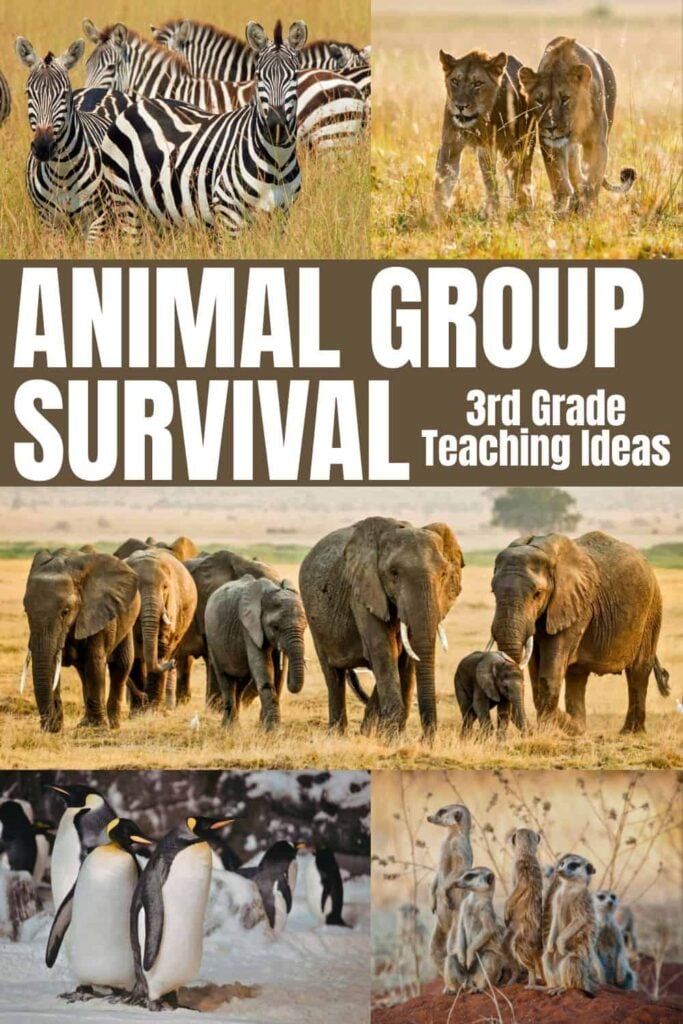
This post focuses on animal groups for survival, animal group behavior, and why animals live and work together. You’ll find clear explanations, examples, teaching ideas, and even simple ways to turn this into engaging third-grade science lessons. If you’ve ever had students confuse a “pack” with a “herd” or think animals just hang out together for fun, you’re in the right place.
What Are Animal Groups?
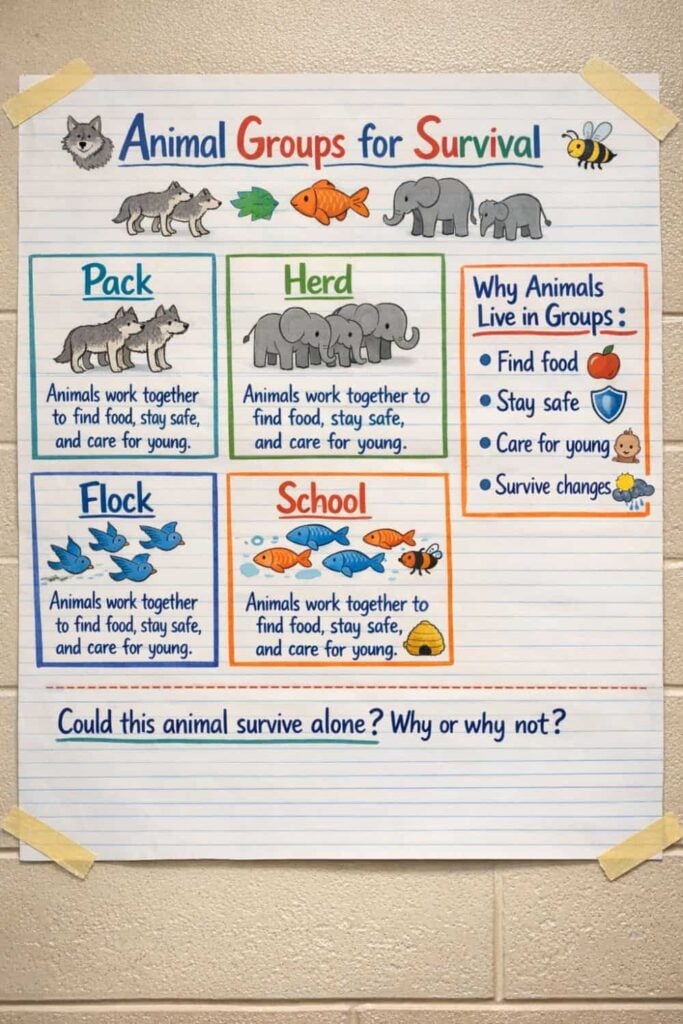
Animal groups are collections of the same type of animals that live, travel, or work together. These groups help animals survive in their environment.
In third-grade science, students learn that animal group behavior is not random. Animals group together for specific reasons tied to survival.
Types of Animal Groups with Examples
Students often benefit from seeing different types of animal groups organized clearly.
- Packs are animals that hunt together, for example, wolves and lions.
- Herds are groups of large plant-eating animals that stay together, such as elephants, deer, and zebras.
- Flocks are groups of birds, such as geese and pigeons.
- Schools are groups of fish swimming together like tuna and sardines.
- Colonies are highly organized groups, such as those of ants, bees, and termites.
These names are called animal group collective nouns, and students love learning them (and trying to use them correctly in sentences).
Why Do Animals Live in Groups?
The big idea for NGSS 3-LS2-1 is that animals form groups to help them survive. This is where your instruction can really focus.
1. Finding Food
Animals that live in groups can work together to find and catch food.
- Wolves hunt in packs
- Dolphins work together to trap fish
- Ants gather and share food
This is a great place to introduce the idea of animals working together.
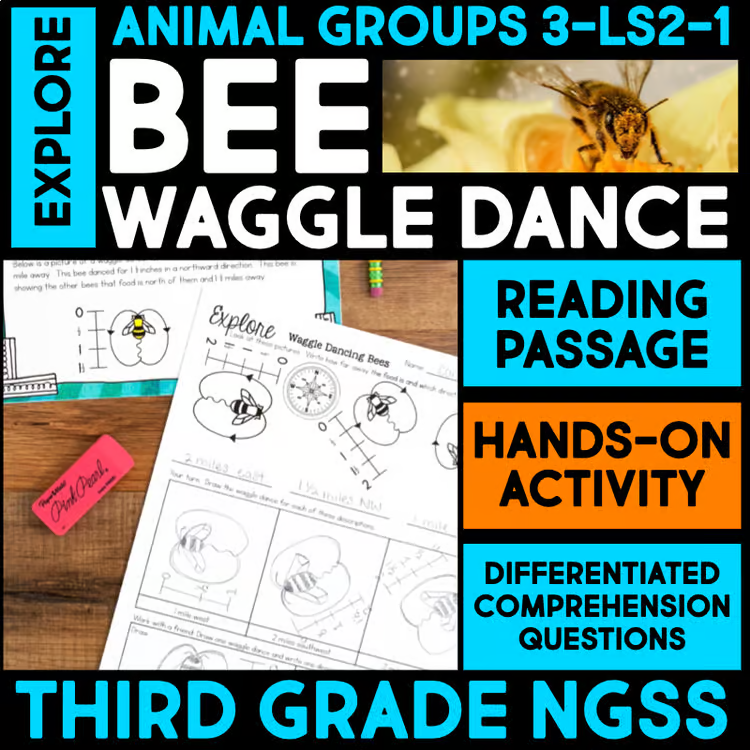
Students read a passage and watch a video to learn how bees use a waggle dance to tell each other where nectar is located.
2. Protection from Predators
Being in a group makes it harder for predators to attack.
- A herd of zebras confuses predators
- Fish in schools move together quickly
- Birds in flocks watch for danger
Students can easily see that more eyes = better safety.
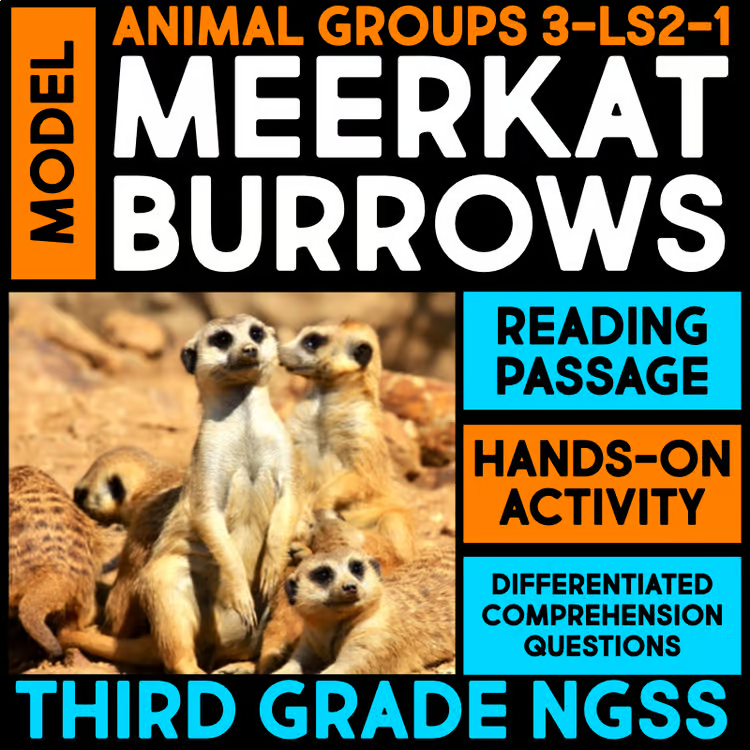
In this Meerkat Home activity, students learn about the different roles meerkats have within their social group.
3. Caring for Young
Some animals rely on their group to help raise babies.
- Elephants protect calves
- Penguins take turns keeping eggs warm
- Bees care for larvae in a hive
This connects well to discussions about family and community.
4. Surviving Environmental Changes
Groups help animals cope with changes such as weather and food shortages.
- Birds migrate in flocks
- Animals huddle together for warmth
- Groups share resources
This ties directly to animal groups for survival in changing environments.
Questions to Ask Students About Animal Groups and Survival
One of the easiest ways to deepen understanding of animal group behavior is through intentional questioning. Instead of just naming a pack or herd, these questions help students think about why animals live in groups and how it connects to survival.
You can use these during whole-group discussions, turn-and-talks, science journals, or even quick exit tickets.
Quick Discussion Questions
These are great for building background knowledge or starting a lesson:
- What is an animal group?
- What are animal groups called?
- Can you name an example of an animal that lives in groups?
- Why do you think animals live in groups instead of alone?
- Have you ever seen animals working together? What were they doing?
These questions help students connect prior knowledge to new learning.
Deeper Thinking Questions (Great for NGSS Alignment)
Use these to push students into explaining animal group survival:
- How does living in a group help animals find food?
- How does being in a group protect animals from predators?
- What might happen if this animal lived alone instead of in a group?
- Why would a predator have a harder time attacking a group?
- How do animals in a group help take care of their young?
These questions align directly with the idea that animal groups help members survive.
Scenario-Based Questions
These work well with pictures, videos, or task cards:
- A zebra is separated from its herd. What challenges might it face?
- A wolf is hunting alone instead of with its pack. How might that change the outcome?
- A group of fish suddenly swims in different directions. What might happen?
- A colony of ants stops working together. How would that affect the group?
Students love these because they feel like solving a problem.
Compare and Contrast Questions
These help students organize their thinking:
- How is a pack different from a herd?
- What do flocks and schools have in common?
- How are animal groups similar to human communities?
- What is the same about all animal groups? What is different?
You can pair these with a Venn diagram or a quick partner discussion.
Writing and Exit Ticket Prompts
Perfect for checking understanding:
- Explain one benefit of animal groups.
- Describe how animals work together in a group.
- Why are animal groups important for survival?
- Give an example of an animal group and explain how it helps them live.
Short responses like these quickly show who understands the concept.
Turn-and-Talk Prompts
Quick and easy to use during any lesson:
- Tell your partner one reason animals live in groups.
- Give an example of animals that work together and explain how.
- Do you think all animals need a group to survive? Why or why not?
These keep all students engaged without much prep.
These questions keep the focus on reasoning and help students explain how animal group behavior supports survival, not just recall vocabulary.
How to Teach Animal Groups to Third Graders
Start with Videos about Animal Groups
Show a short video of animals in groups (zebras, fish, birds) and use some of the discussion questions above to talk about it.
Here are a few videos:
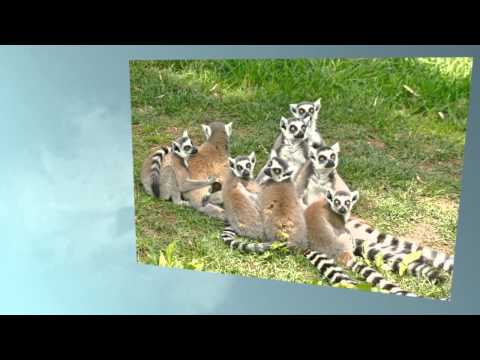

Research Animal Groups (Student-Led Project)
Student research works well here, as there are many engaging examples of animal groups. Giving each group a different animal keeps presentations interesting and helps build background knowledge across the class. You can keep it simple with a graphic organizer or extend it into a full report or slideshow.
Assign each group a different animal:
- Wolves (packs)
- Dolphins (pods)
- Penguins (colonies)
- Elephants (herds)
Students research:
- How do they live together?
- How do they find food?
- How do they stay safe?
Then present to the class.
If you’re using the 5E model for science instruction, these activities fit perfectly into the exploration and explanation phases.
Build an Ant or Bee Colony Model
This activity helps students see that not all members of a group do the same job. As students design their models, they begin to understand roles like workers, queens, and scouts. It’s a great way to connect structure to function and gives students something concrete to reference later in discussions.
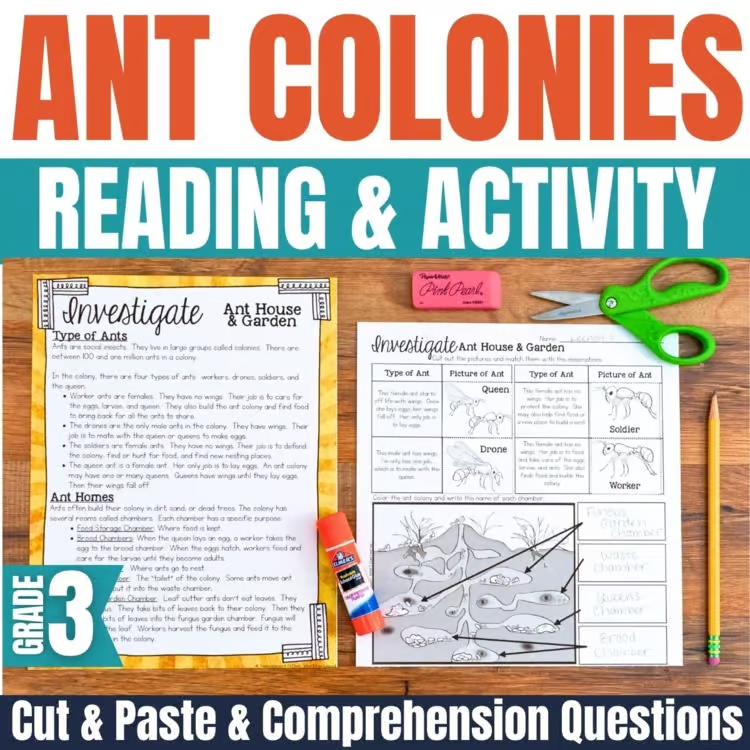
In this NGSS-aligned investigation, students learn about ant colony structure, types of ants, and how ants work together to survive.
Predator vs. Prey Sorting Activity
This type of activity pushes students to think beyond surface-level facts. They have to consider how animals interact and how group behavior impacts survival. It naturally leads to great conversations, especially when students realize that some animals can be both predator and prey.
For example:
- Fish swim in schools to avoid predators
- Lions hunt in groups to catch prey
- Meerkats take turns watching for danger
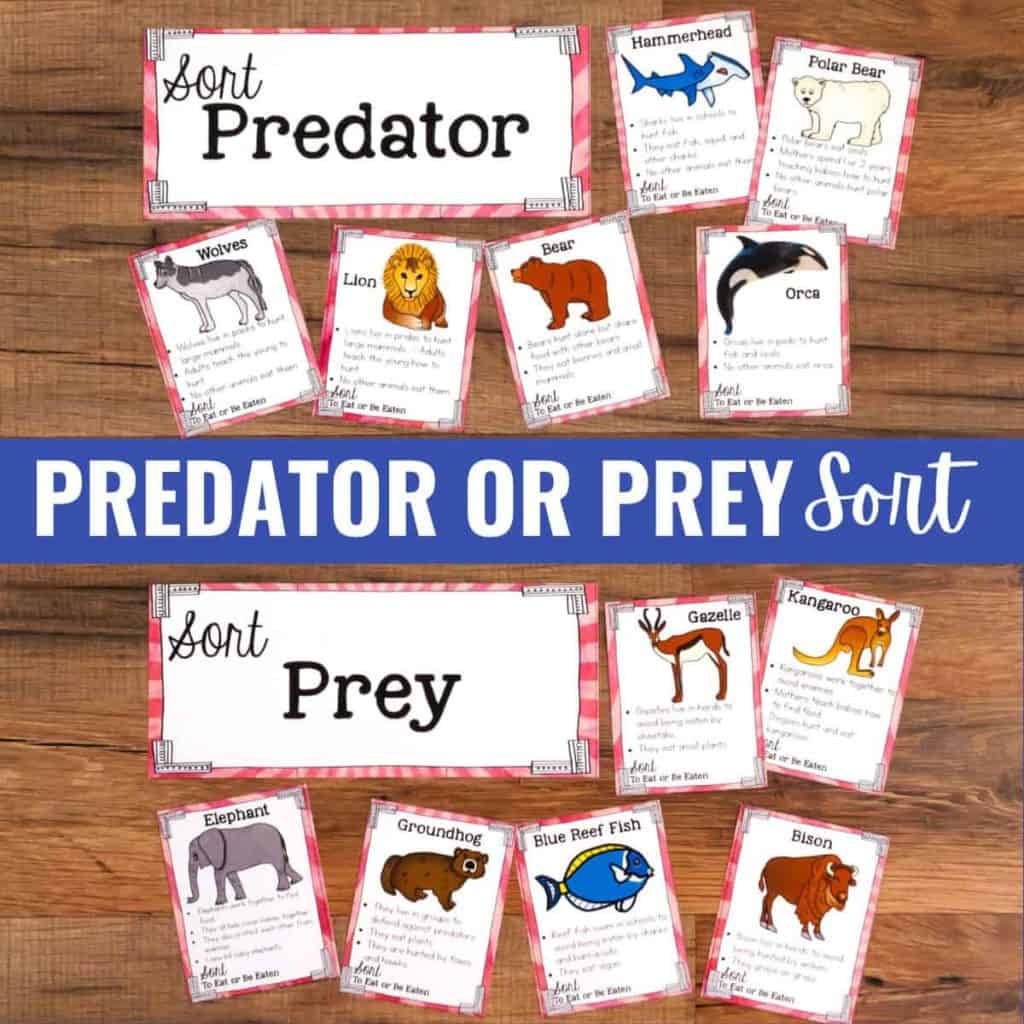
This type of activity moves students from memorization to reasoning.
Bird Migration & V Formation Investigation
Bird migration is always fascinating to students, and the V formation offers a perfect opportunity to include a quick investigation. Have students model the formation and then discuss what’s happening. They begin to understand that grouping isn’t just about safety. It can also help animals conserve energy and travel more efficiently.
Have students:
- Watch birds flying in formation
- Try a simple simulation
- Discuss energy conservation
To solidify understanding, consider having students read a passage and answer questions about bird migration.
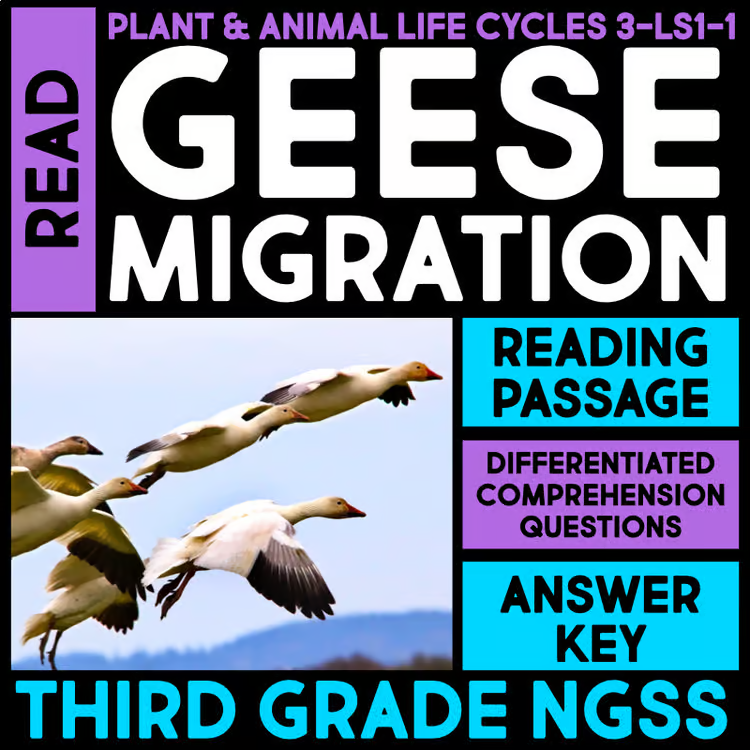
This passage focuses on animal life cycles and seasonal behaviors, specifically the migration of Canada Geese.
5. Predator and Prey Tag Game
If your students have a lot of energy (and let’s be honest, they probably do), this activity is worth it. Turning your playground into an ecosystem helps students experience what it means to survive as a predator or prey. When you add simple rules about grouping, students quickly see how being part of a group can make a big difference. The debrief afterward is where the real learning happens.
Make Teaching Animal Groups Easy
If you’re trying to teach animal groups for survival without pulling from ten different sources, having everything organized in one place makes a huge difference.
The Animal Groups 5E Unit and Science Stations give you:
- Ready-to-use activities
- Built-in differentiation
- NGSS alignment
- Hands-on and thinking-based tasks
Animal Groups 5E Unit Plan for Third Grade
This Animal Groups 5E Unit Plan is an inquiry-based unit that focuses on investigating animal groups and the cause-and-effect relationships of predator and prey. Students explain why animals form groups for survival and investigate the social interaction and group behavior of animals.
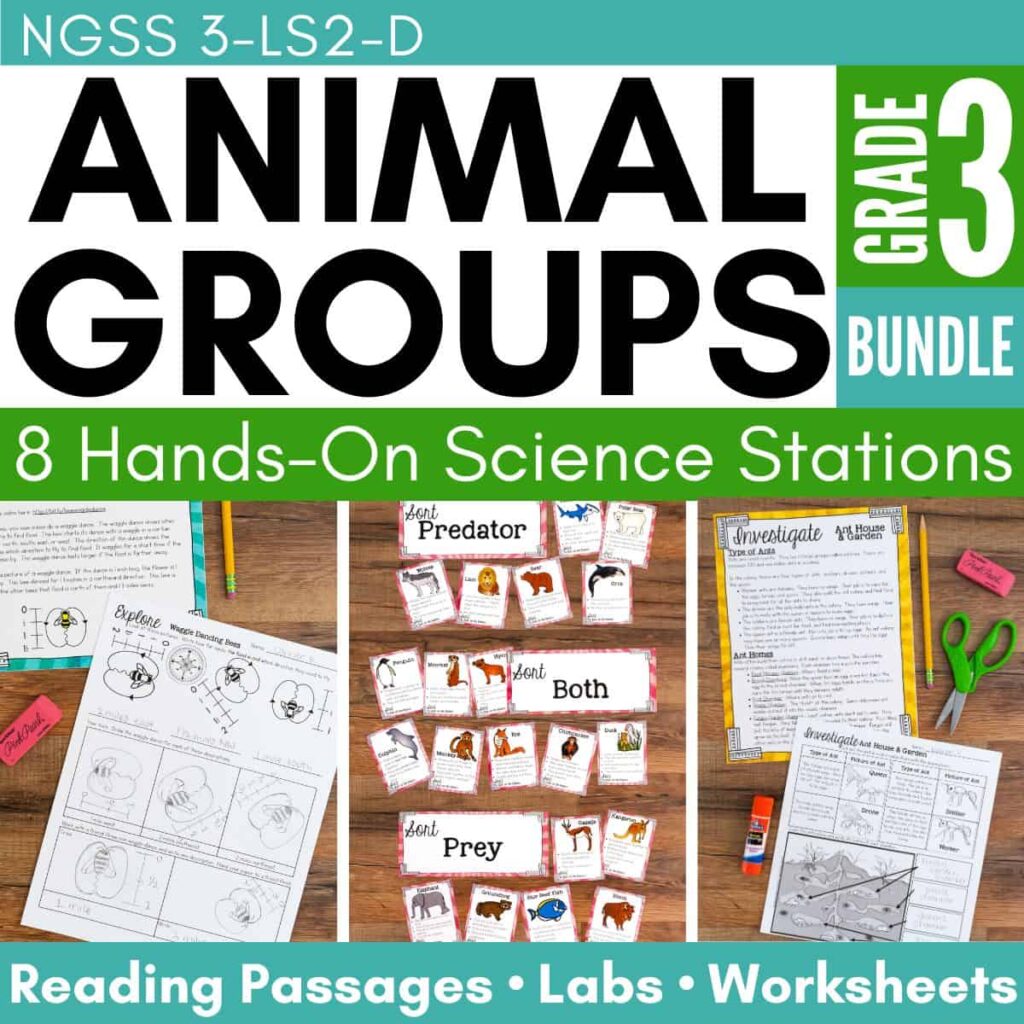
Ecosystems: Animal Group Behavior Third Grade Science Stations
The focus is on NGSS 3-LS2.D and include concepts such as social groups, animal homes, and migration.
Free Science Station Activity
Want to try a station before committing?
Grab a free science station activity here:

Animal groups are one of the most engaging topics in third-grade science. Students quickly connect with the idea that animals work together to survive, which opens the door to meaningful discussions about behavior, the environment, and survival strategies.
Related: Elementary Life Science Activities and Resources — find more K–5 life science teaching ideas across every NGSS topic.
When you focus on why animals live in groups, not just what those groups are called, students build a deeper understanding that sticks. Add in hands-on activities, movement, and a few fun vocabulary terms, and you’ve got a lesson your students will talk about long after it’s over.
Jessica BOschen
Jessica is a teacher, homeschool parent, and entrepreneur. She shares her passion for teaching and education on What I Have Learned. Jessica has 16 years of experience teaching elementary school and currently homeschools her two middle and high school boys. She enjoys scaffolding learning for students, focusing on helping our most challenging learners achieve success in all academic areas.