Below, you’ll find science resources organized by instructional framework and disciplinary core ideas. Explore the 5E model for lesson structure, dive into Earth, Life, and Physical Science concepts, or discover ready-to-use science stations that bring learning to life.
5E Model & Science Instruction
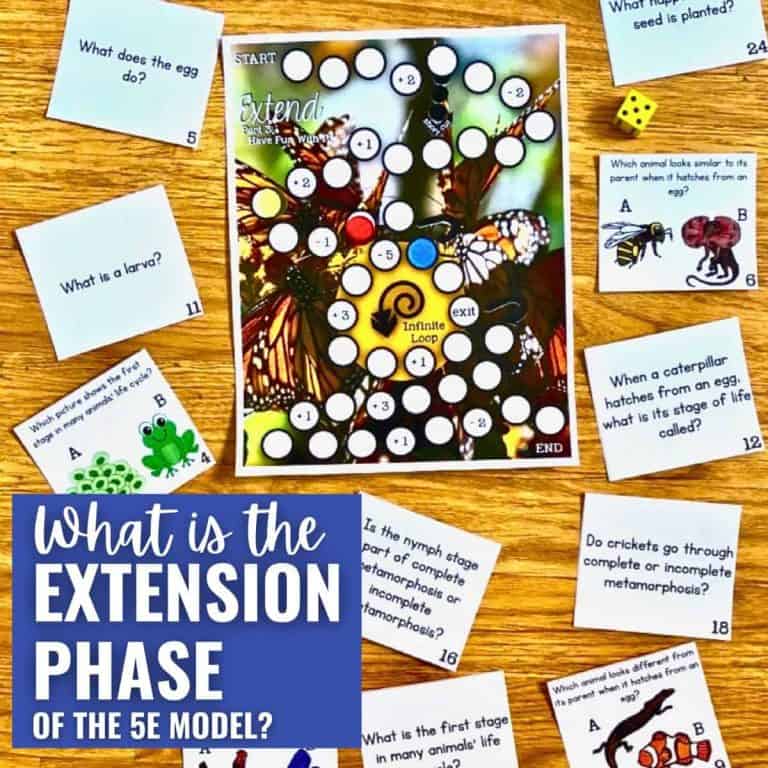
The 5E Model provides a structured, inquiry-based approach to science instruction. Through Engagement, Exploration, Explanation, Extension, and Evaluation, students build understanding through hands-on experiences and meaningful reflection.
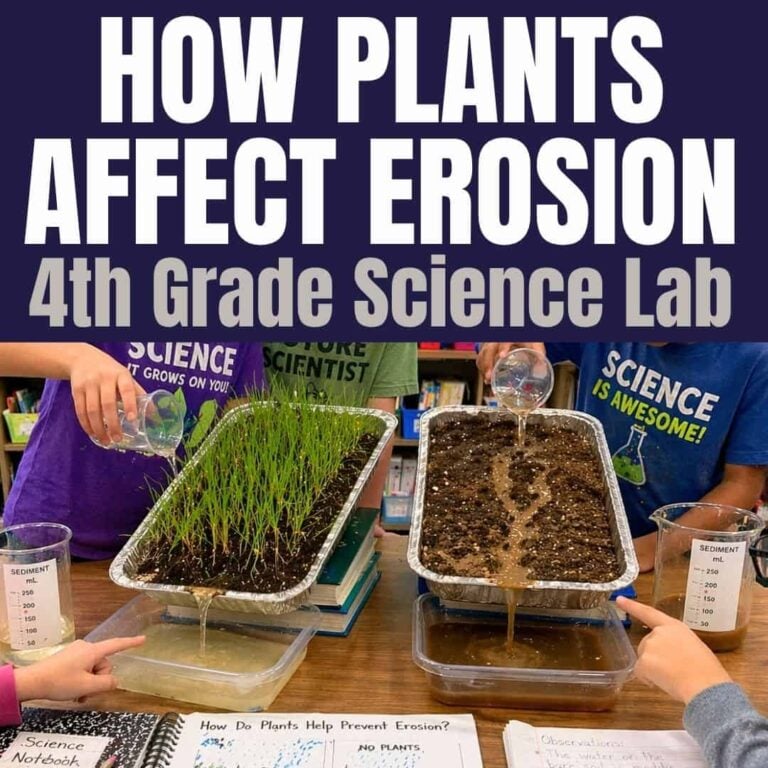
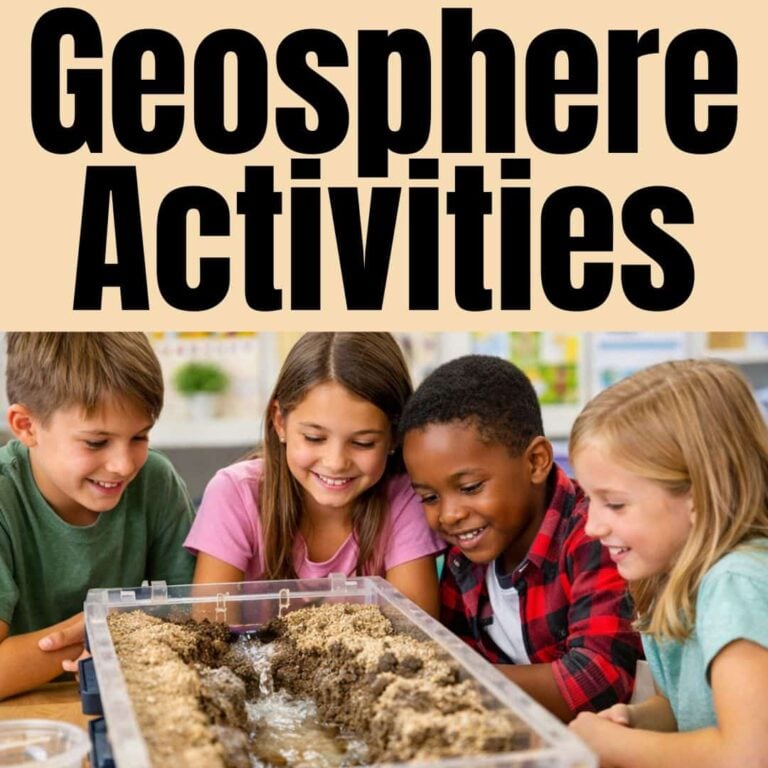
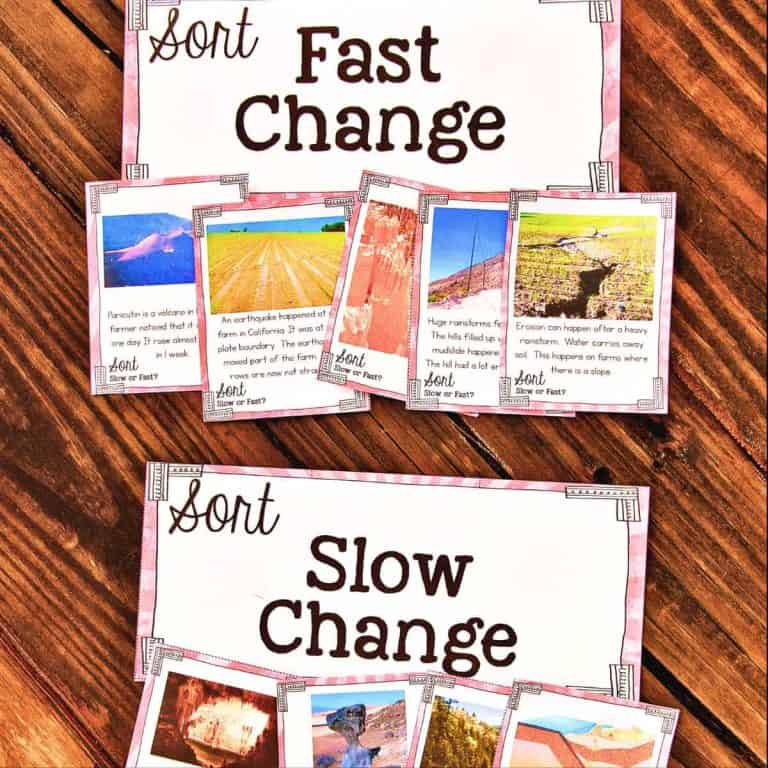
Earth science helps students understand the systems and processes that shape our planet. From weathering and erosion to Earth’s spheres and climate patterns, these resources make complex concepts accessible to elementary learners.
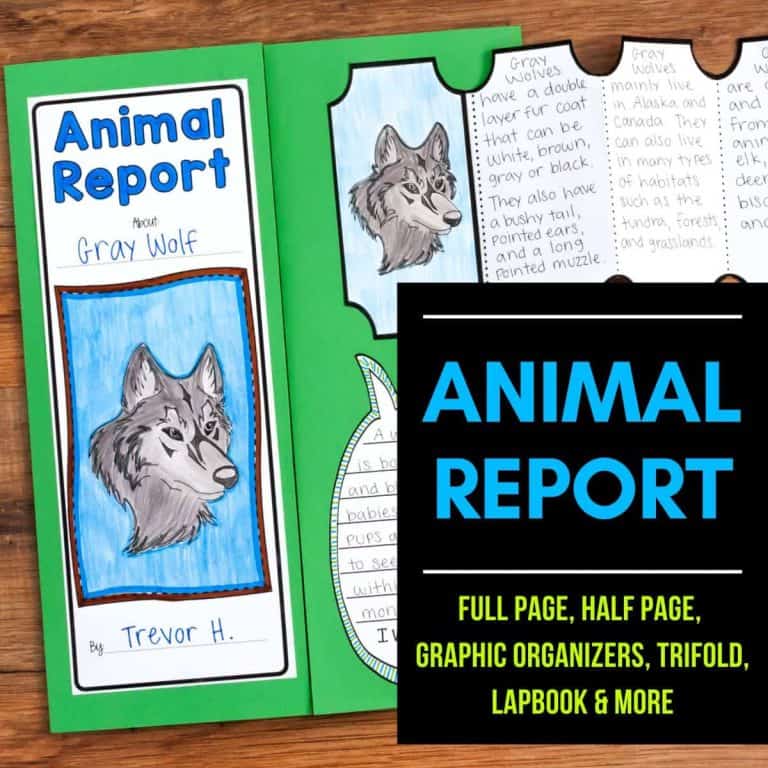
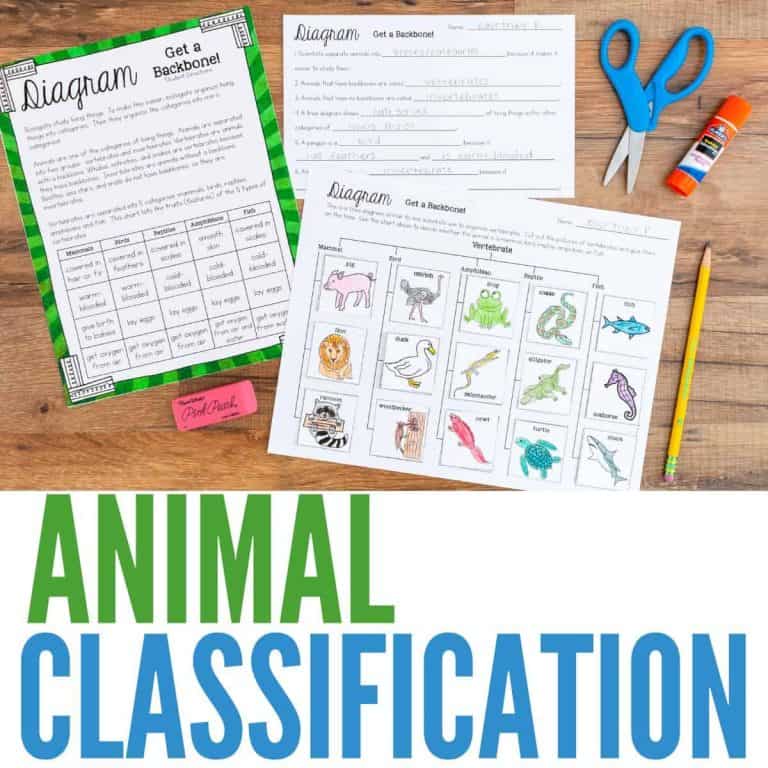
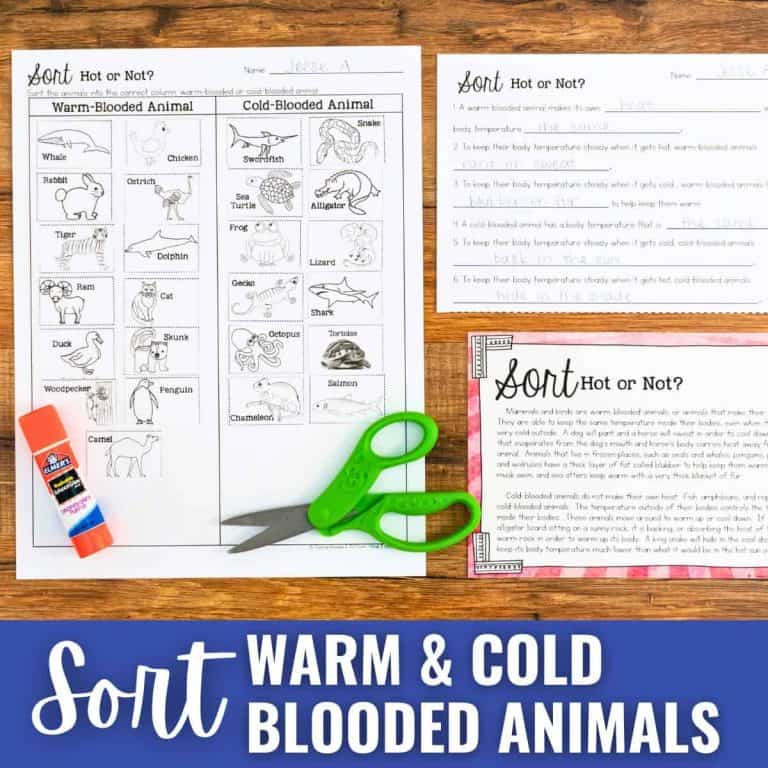
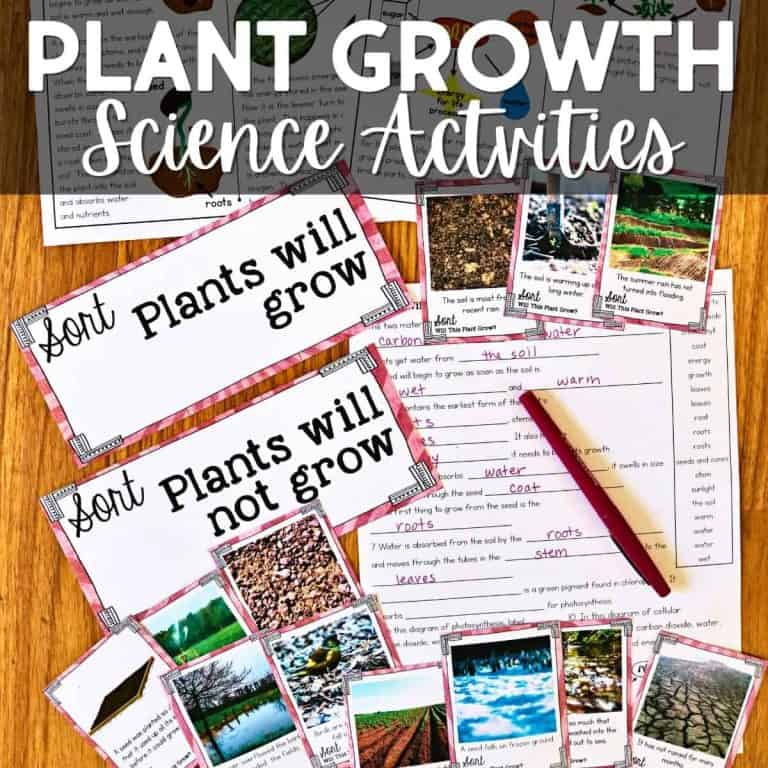
Life science instruction explores living organisms, their structures, behaviors, and interactions within ecosystems. These resources help students classify organisms, analyze adaptations, and understand biological processes in age-appropriate ways.
Physical science concepts help students understand matter, energy, light, force, and motion. These posts include hands-on investigations and clear explanations that support conceptual understanding.
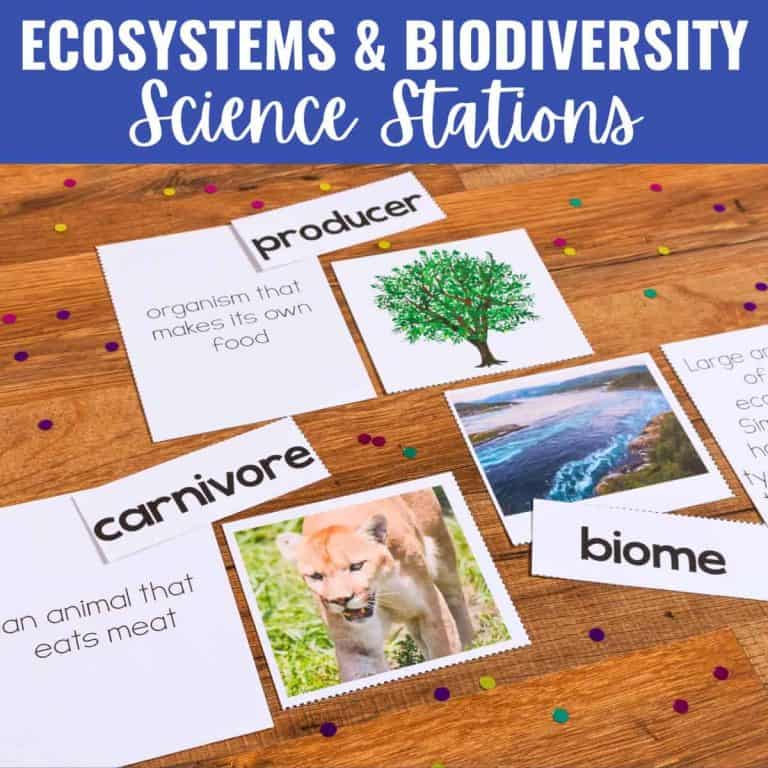
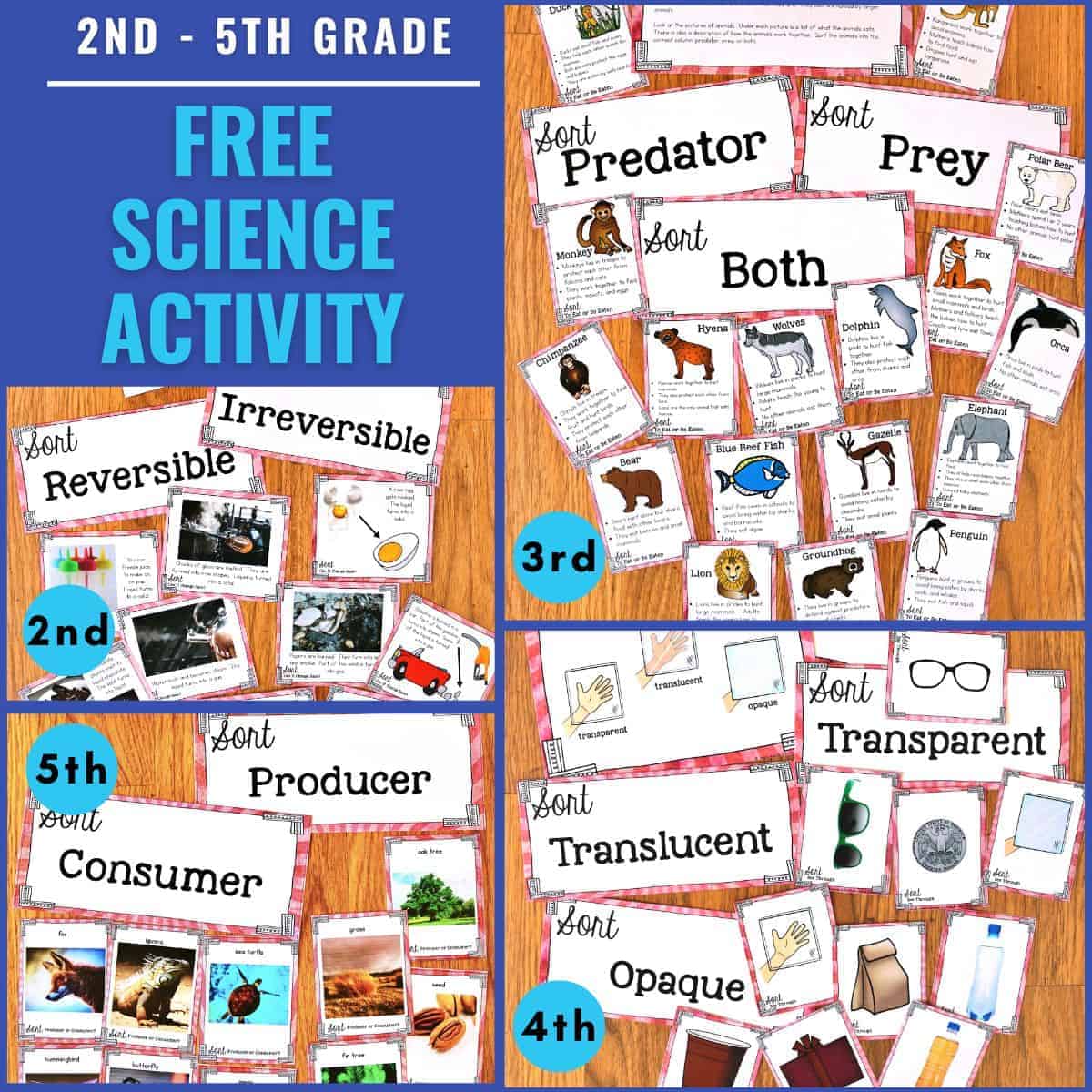
Science stations provide opportunities for active learning, collaboration, and differentiation. These resources focus on organizing and implementing science instruction through structured stations and hands-on activities.
Explore All Science Articles
-
Hand a student a real flower and a hand lens, and something clicks that a textbook picture never quite manages. Suddenly, the parts of a flower are not vocabulary words to memorize;…
-
Chemistry sounds like something that belongs in a high school lab with goggles and beakers, but some of the best chemistry experiments for kids use nothing more than baking soda,…
-
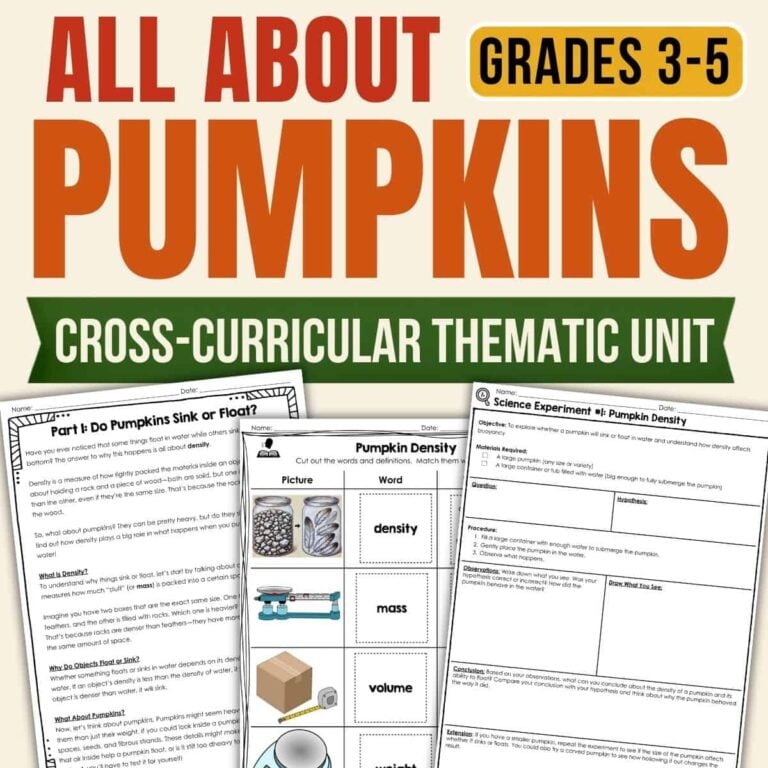
Search for fall activities, and you will drown in pumpkin crafts meant for kindergarten. Finding pumpkin activities for upper elementary that actually challenge 3rd, 4th, and 5th graders is much…
-
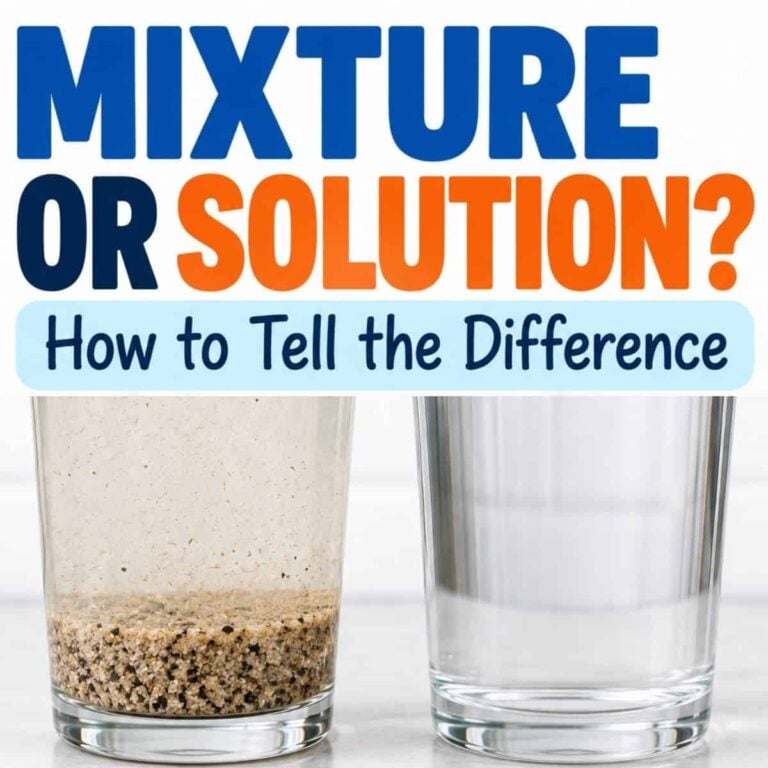
Stir salt into a glass of water, and it seems to disappear. Stir sand into water, and it just sits there. Both are mixtures, but only one is a solution,…
-
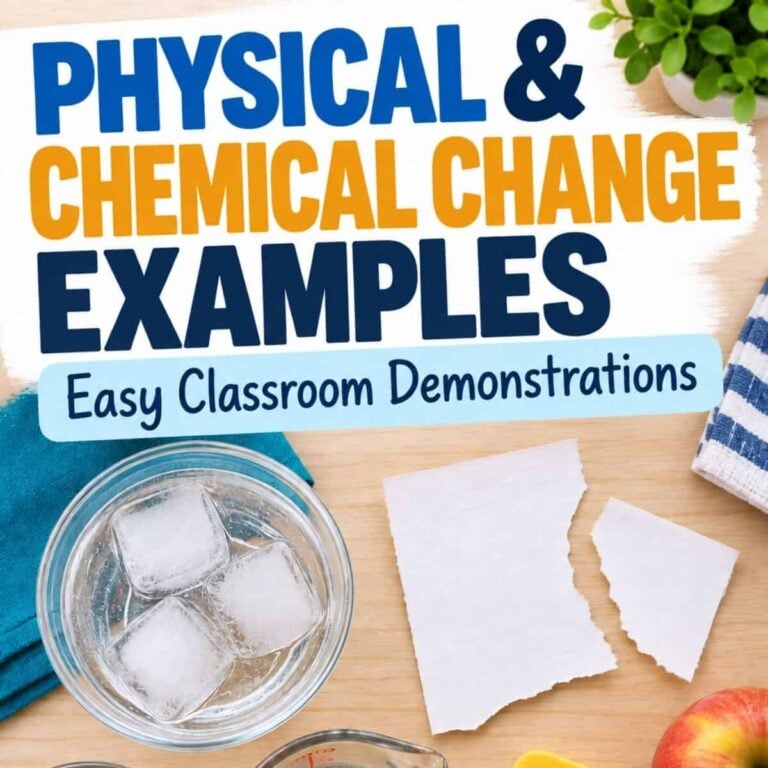
When students are learning about matter, nothing lands better than watching a change happen in front of them. But it helps to have a bank of clear examples of physical…
-
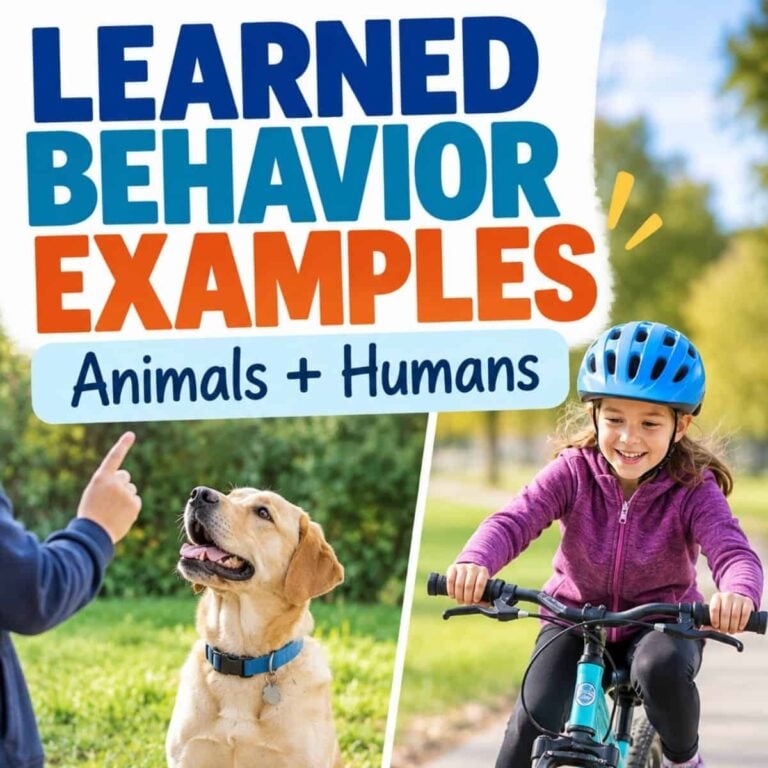
A puppy is not born knowing how to sit on command, and a child is not born knowing how to ride a bike. Both are learned behavior examples, actions that…
-
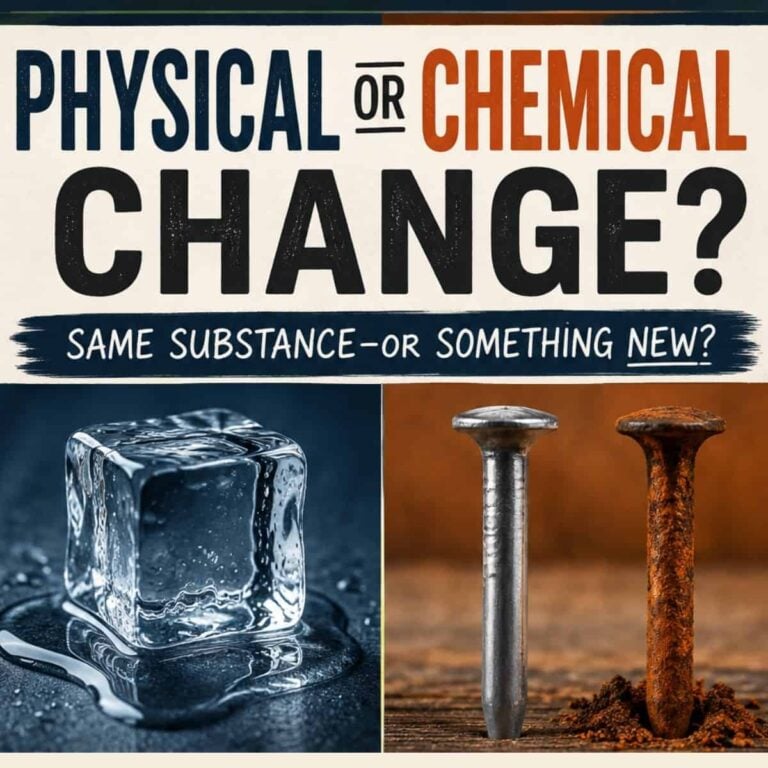
Teaching physical and chemical changes sounds simple until a student asks why dissolving sugar isn’t a chemical change but rusting a nail is. It’s one of those topics where students…
-
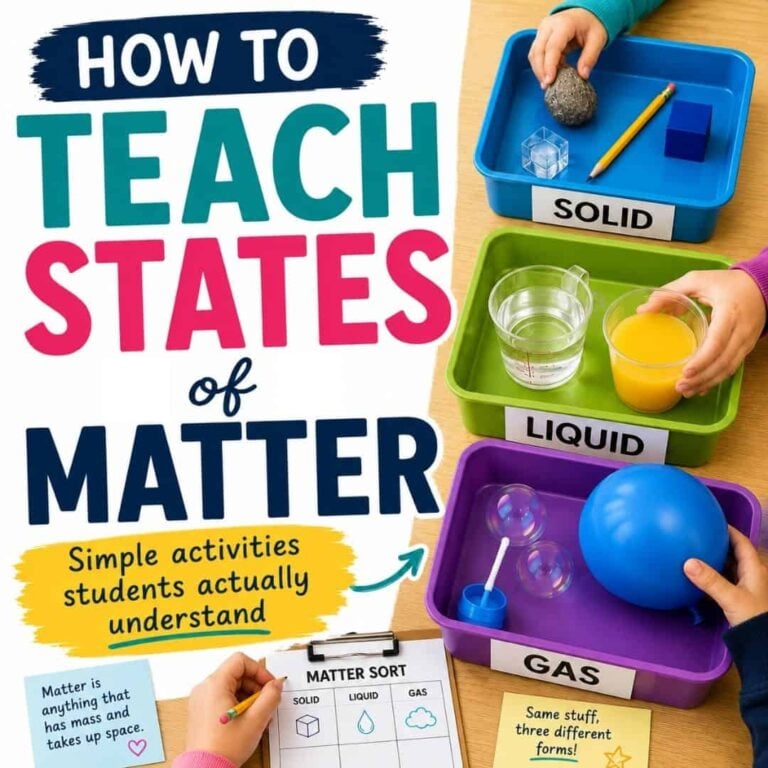
An ice cube, a glass of water, and the steam off a hot cup are all the same stuff in three different forms. That’s the whole idea behind the states…
-
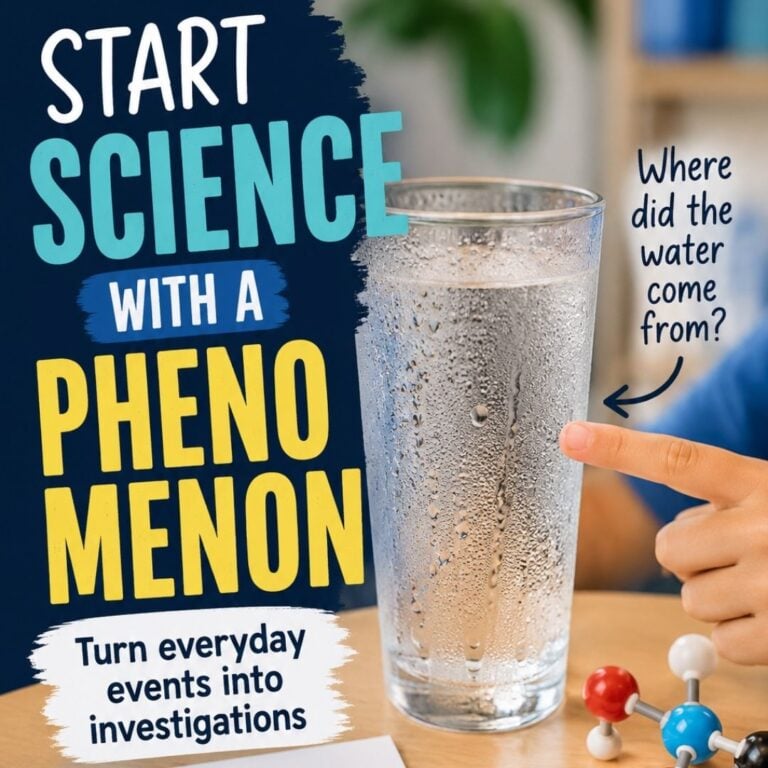
Hold up a cold glass of water on a hot day and ask students why it “sweats,” and you’ve started a science lesson the way NGSS intends: with a phenomenon….
-
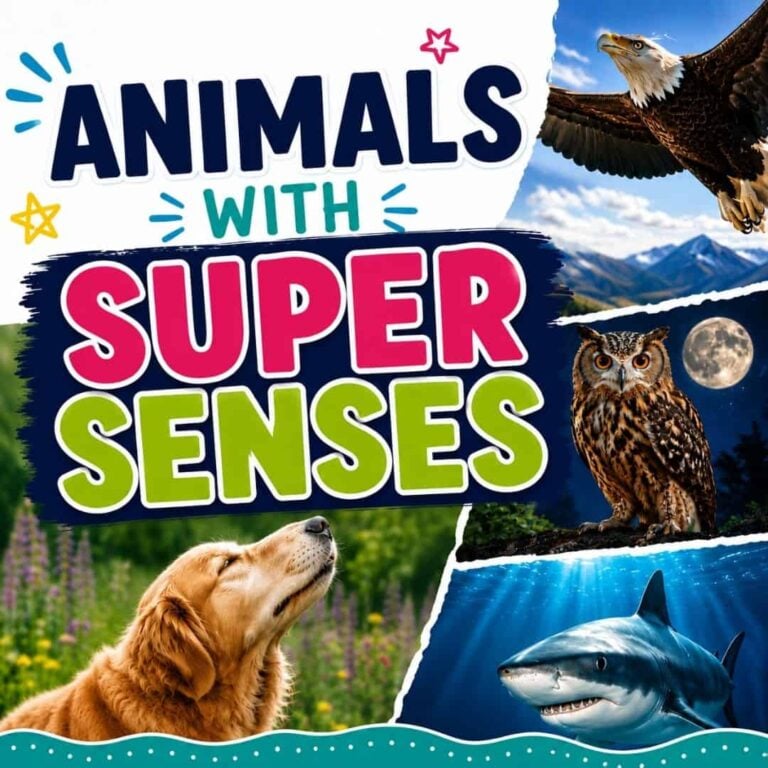
A dog can smell a snack from across the house, and a hawk can spot a mouse in a field from high in the sky. Those everyday wonders are a…
-
Energy is one of those words students hear all the time, but ask them what it actually is, and you’ll get a lot of shrugs. Teaching the types of energy…
-
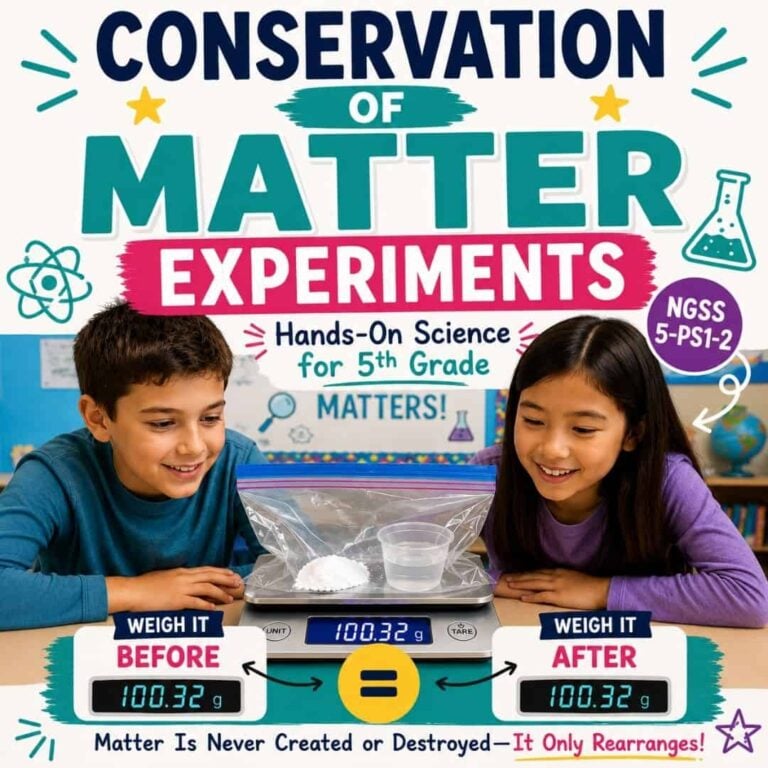
When a candle burns down, or a tablet fizzes in water, students assume the matter has disappeared. Teaching the conservation of matter is how you replace that idea with the…
End of content
End of content