Physical and Chemical Changes: Activities for Grades 3-5
Teaching physical and chemical changes sounds simple until a student asks why dissolving sugar isn’t a chemical change but rusting a nail is. It’s one of those topics where students…

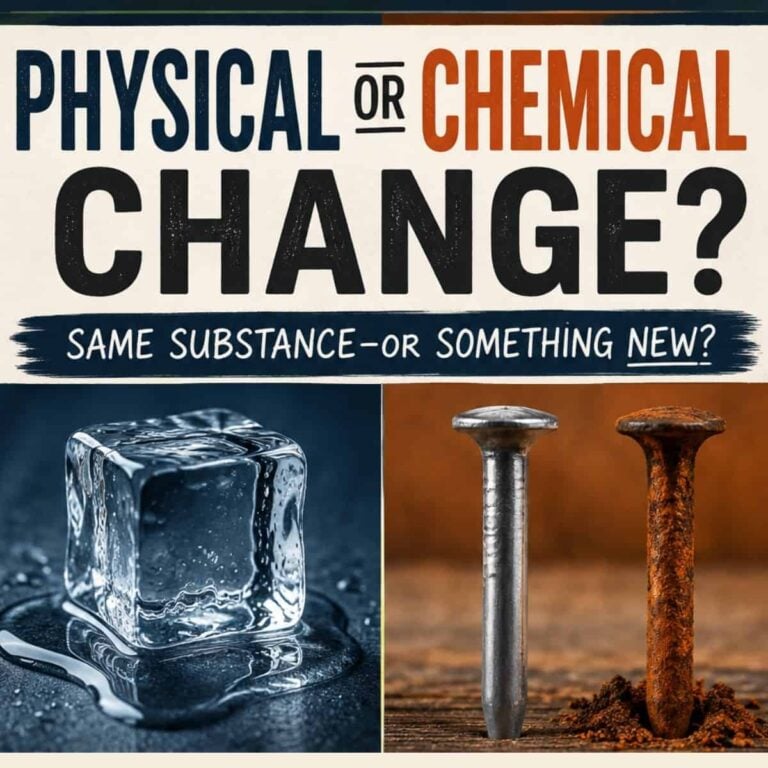
Teaching physical and chemical changes sounds simple until a student asks why dissolving sugar isn’t a chemical change but rusting a nail is. It’s one of those topics where students…
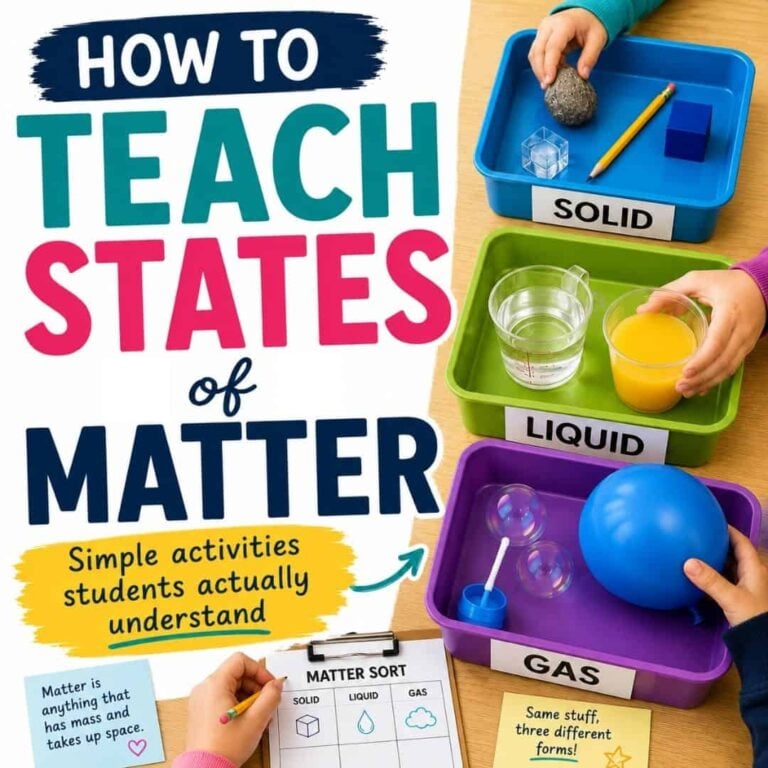
An ice cube, a glass of water, and the steam off a hot cup are all the same stuff in three different forms. That’s the whole idea behind the states…
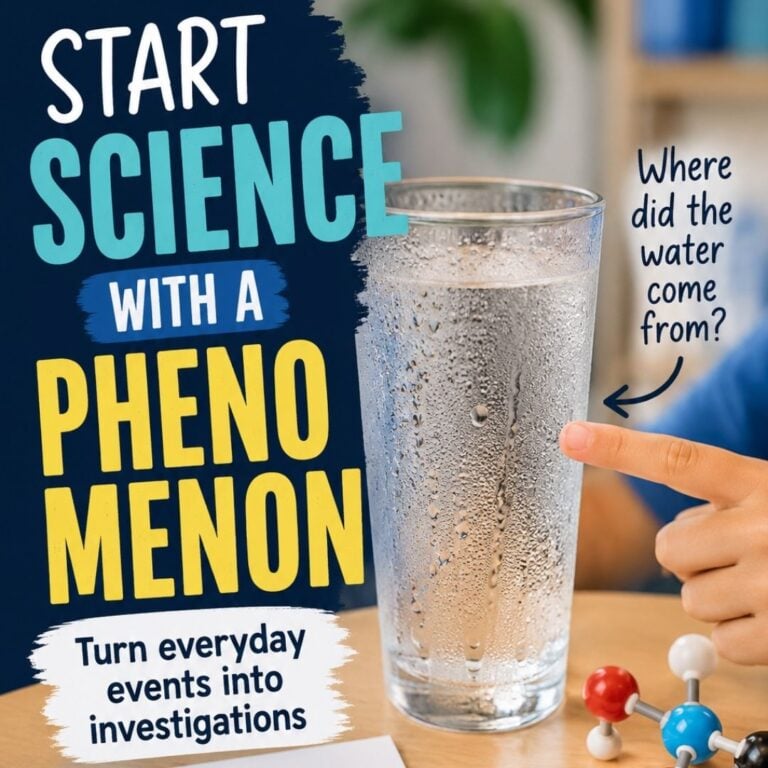
Hold up a cold glass of water on a hot day and ask students why it “sweats,” and you’ve started a science lesson the way NGSS intends: with a phenomenon….
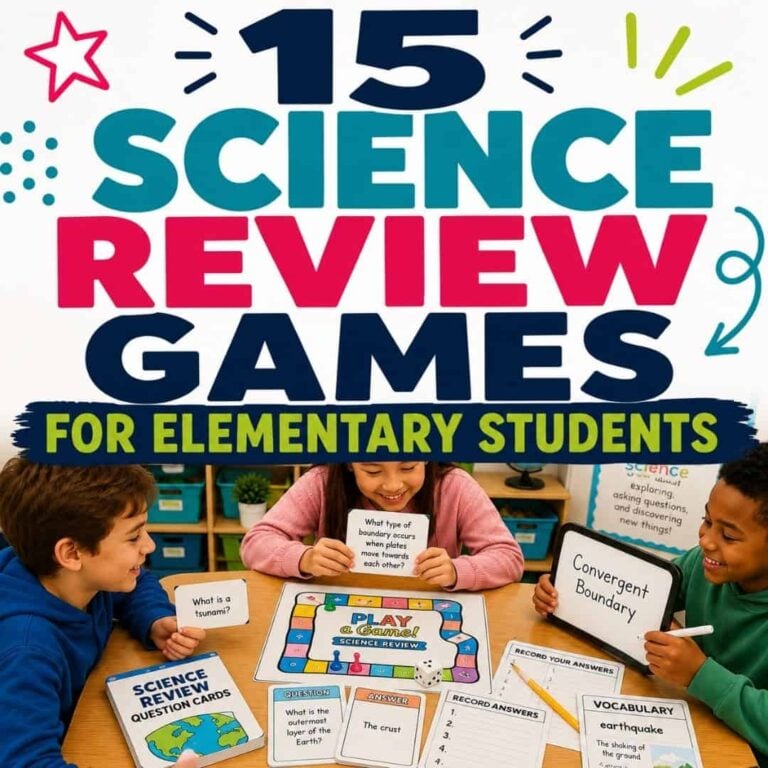
Science review games give elementary students a reason to actually think through what they’ve learned, and they work far better than another round of worksheets. Whether you’re wrapping up a…
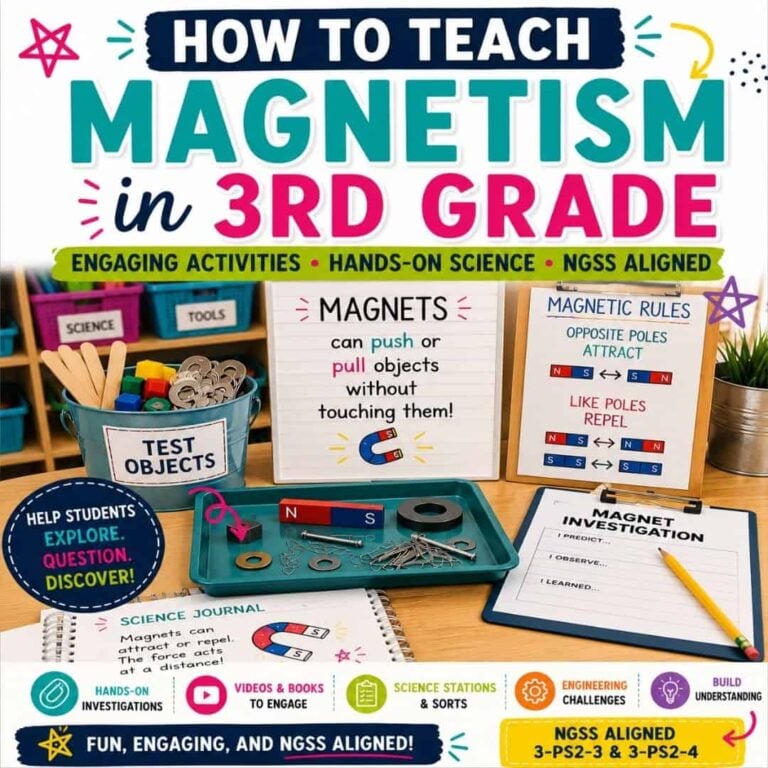
Magnet activities for kids are some of the most naturally engaging science lessons you can teach. Students are endlessly curious about why some objects stick, and others don’t. Third grade…
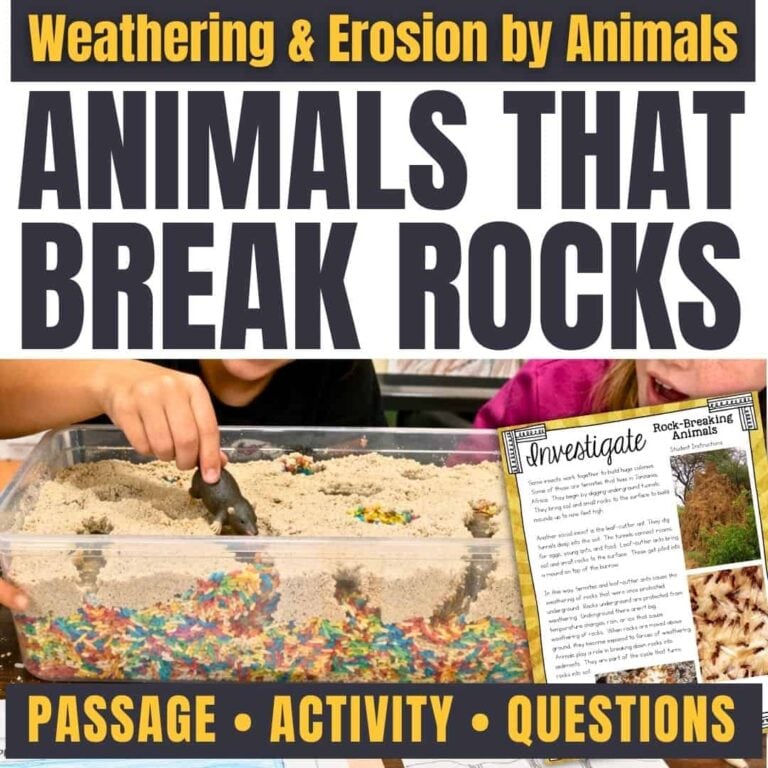
This animals that weather rocks activity has 4th graders model animal burrowing with kinetic sand to see how living things contribute to physical and chemical weathering. Includes 4 differentiated student sheet versions.
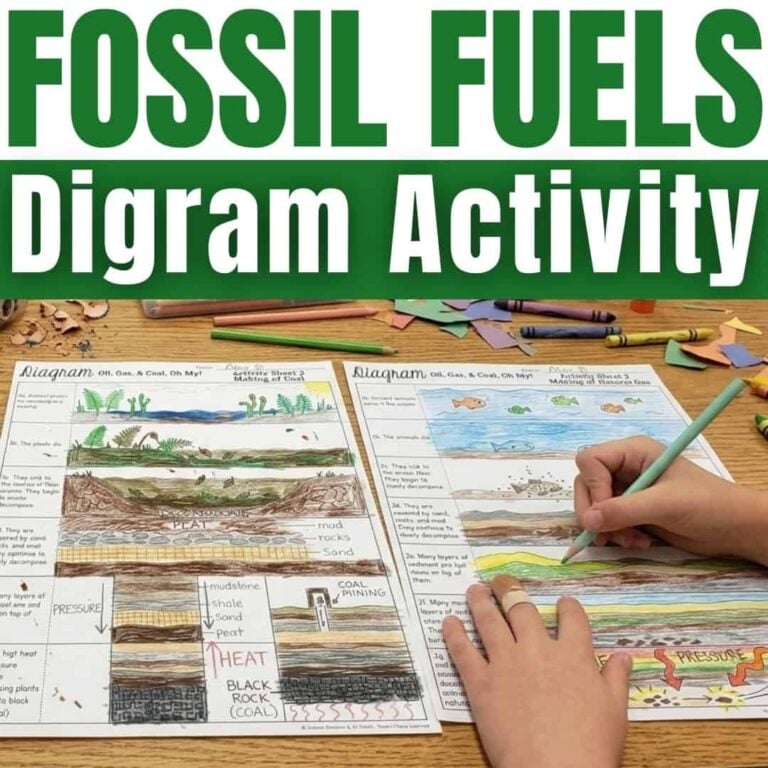
Teaching fossil fuels can feel a little abstract for students. After all, we’re talking about things that formed millions of years ago. That’s where this diagram-based fossil fuels activity makes…
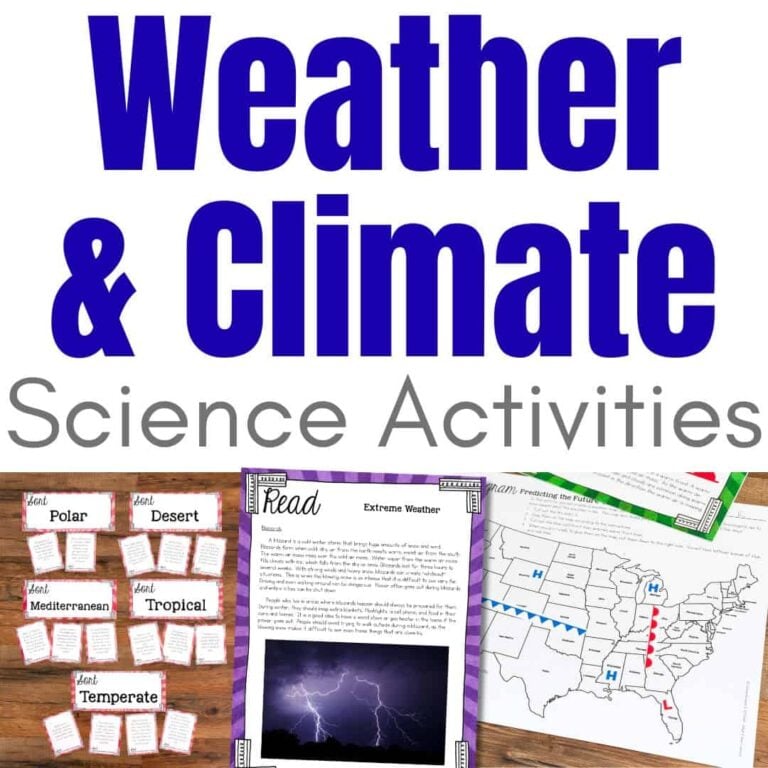
Teaching weather and climate can feel like juggling clouds, maps, and vocabulary cards all at once. Students mix up weather and climate, forget the water cycle details, and somehow every…
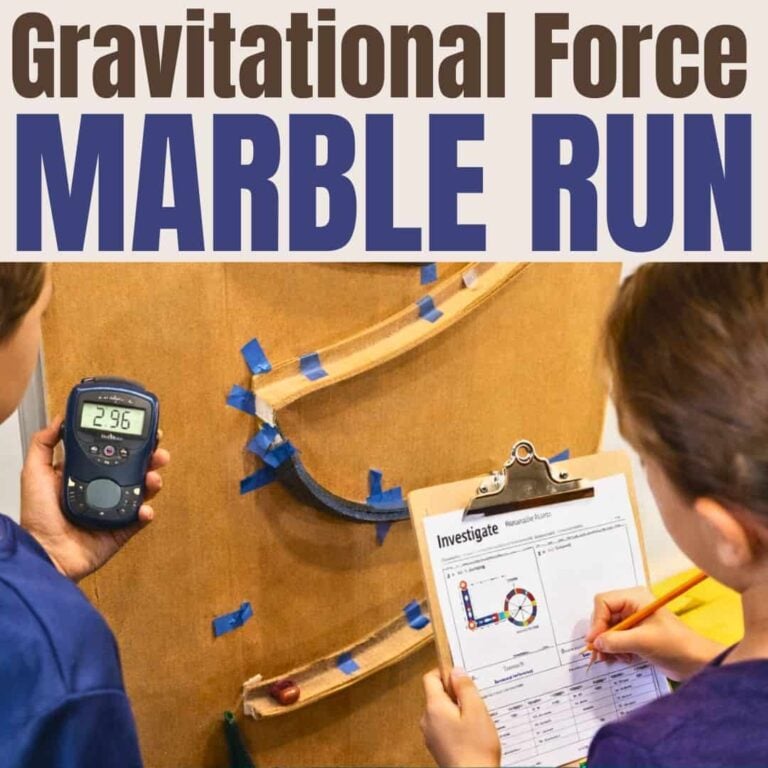
By fifth grade, students are ready to move beyond simple observations and start thinking like scientists and engineers. They want to test ideas, collect data, and explain what’s happening, not…
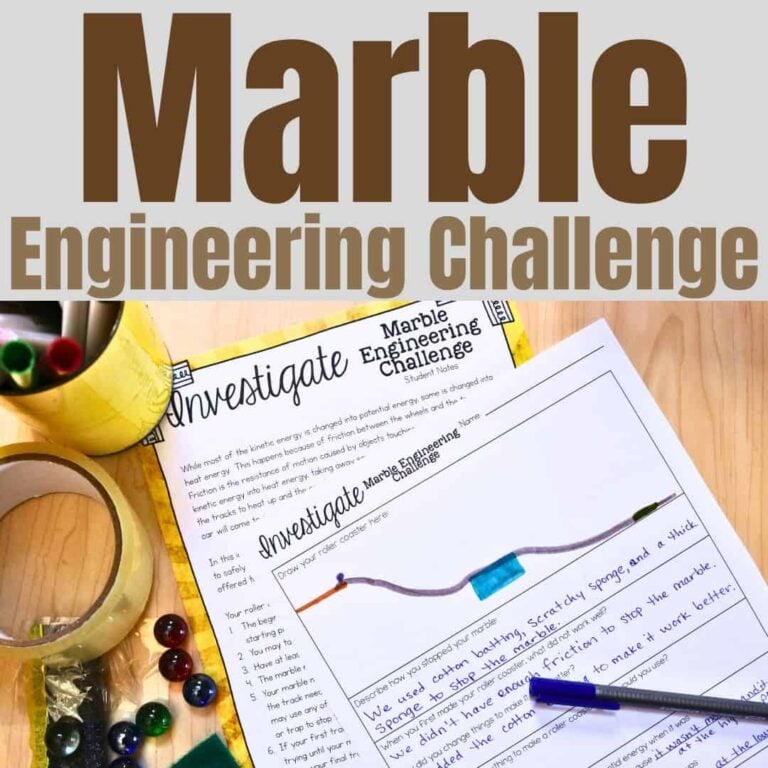
Teaching energy in fourth grade can feel tricky. Students can memorize vocabulary like potential energy and kinetic energy, yet still struggle to explain what those ideas actually look like in…

Helping students understand the difference between inherited traits and learned behaviors can feel like a big task, especially for third or fourth graders who are just starting to explore life…
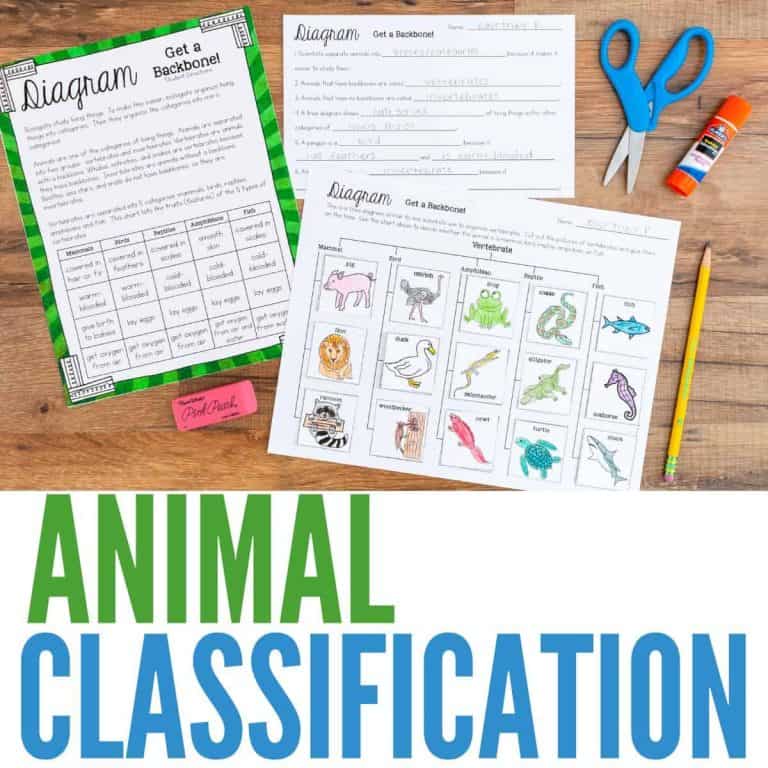
Animal classification is one of those standards that makes more sense once students do something with it. Reading about vertebrates is fine, but having students physically sort animals by whether…
End of content
End of content