Whether you’re teaching multi-digit operations, introducing fractions, building math fluency, or organizing math centers, these resources are designed to support student thinking and deepen understanding. Explore the sections below to find strategies and activities aligned to specific math concepts.
Addition & Subtraction Strategies
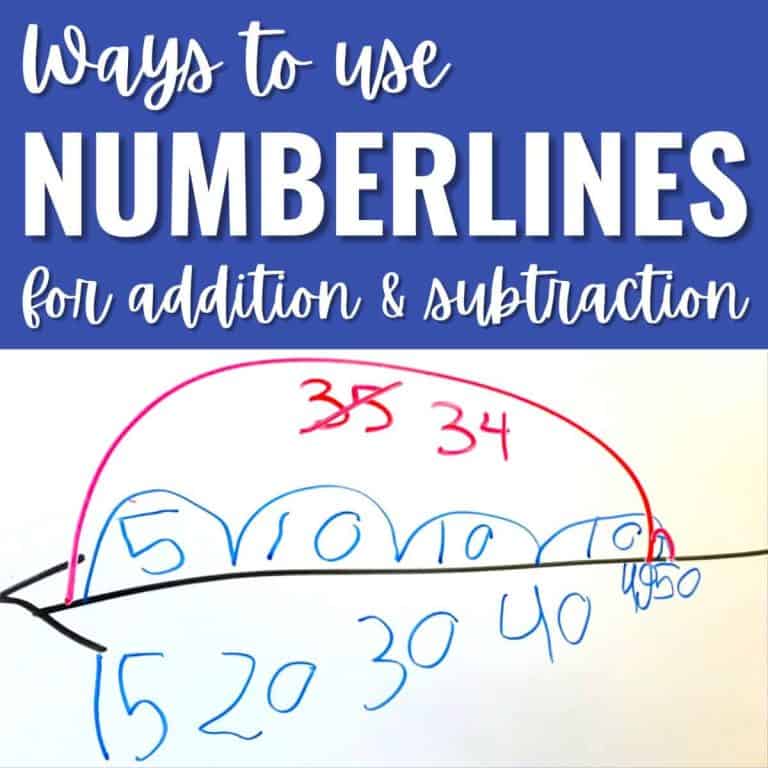
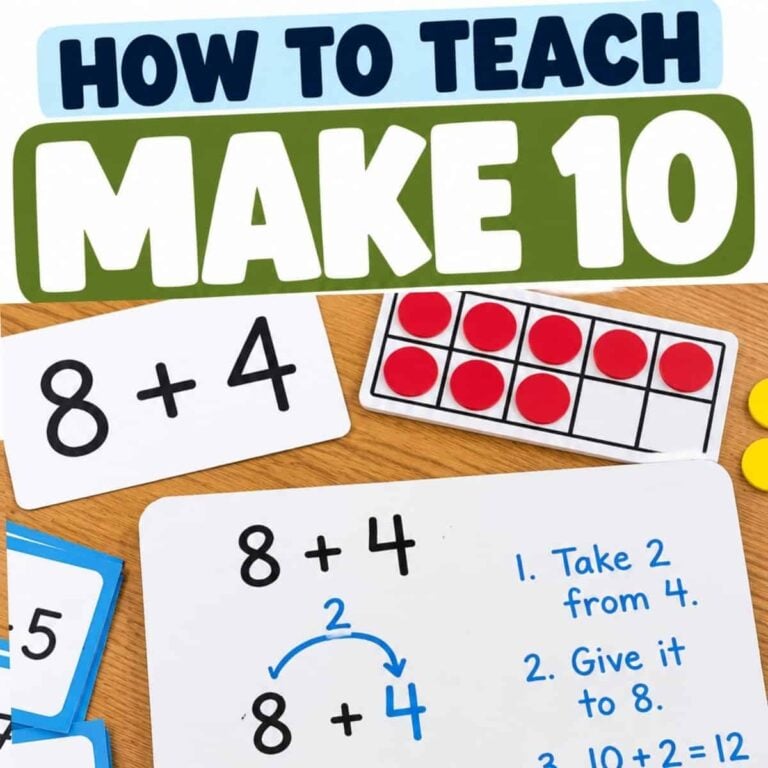
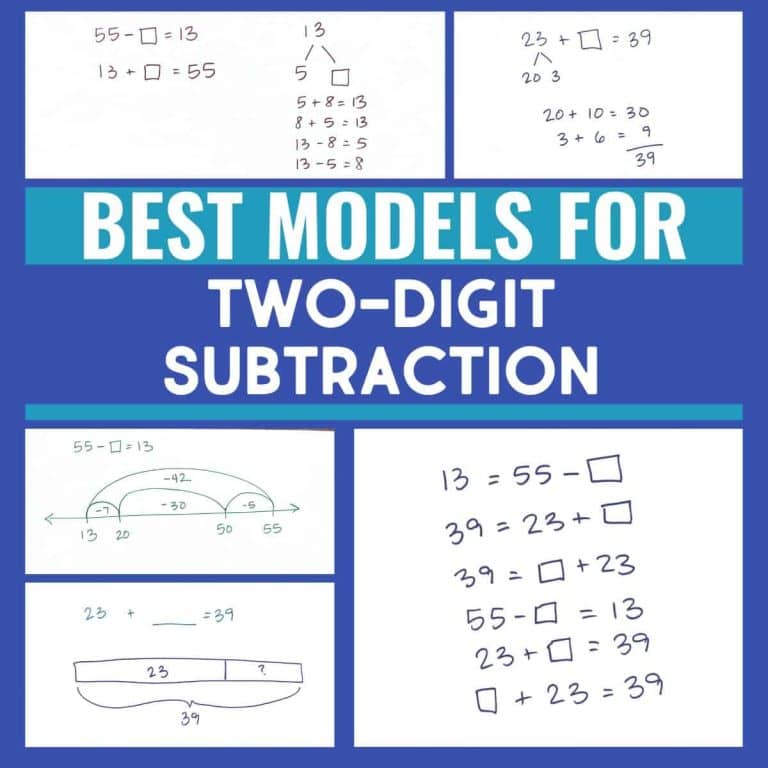
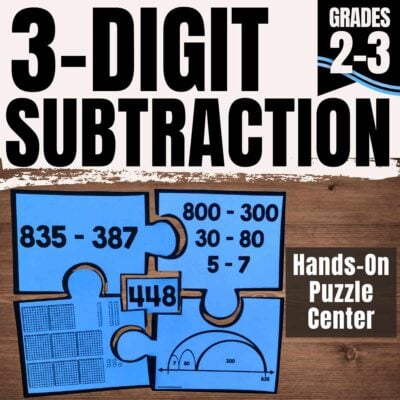
Effective addition and subtraction instruction goes beyond memorization. These posts focus on modeling strategies, number lines, place value reasoning, regrouping, and multi-digit problem solving. You’ll find hands-on activities and visual models that help students understand why procedures work.
Word Problems & Mathematical Reasoning
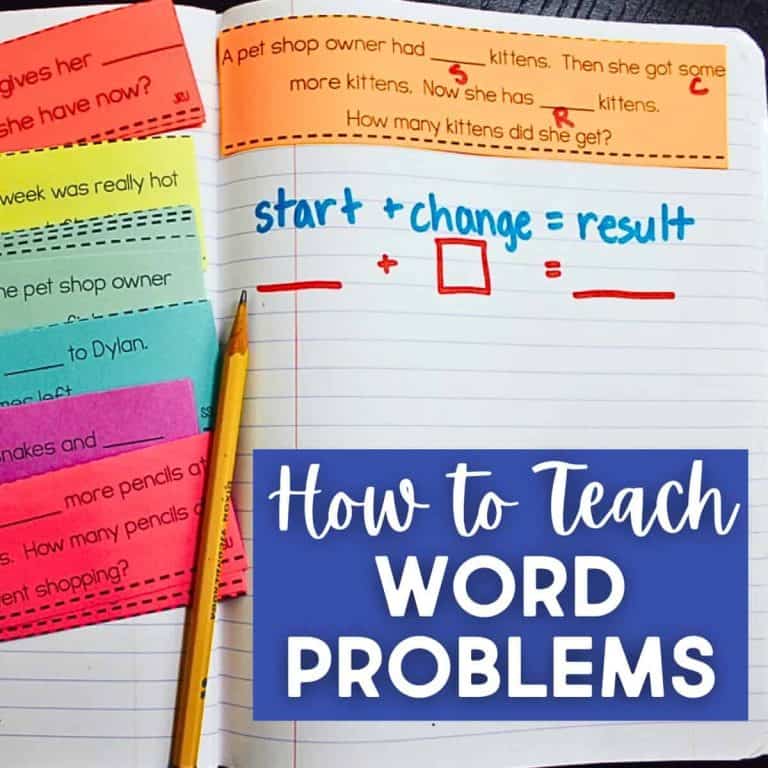
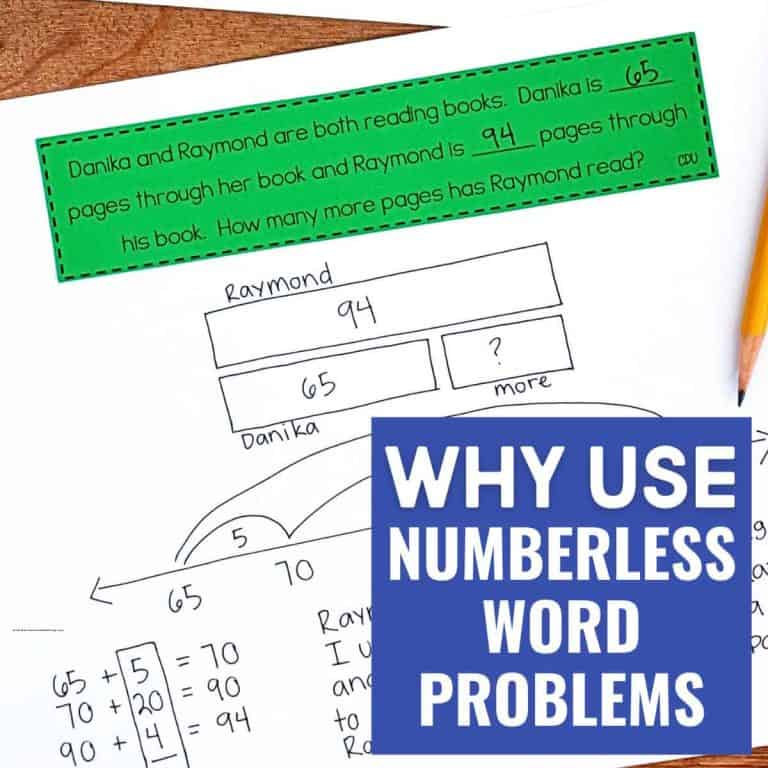
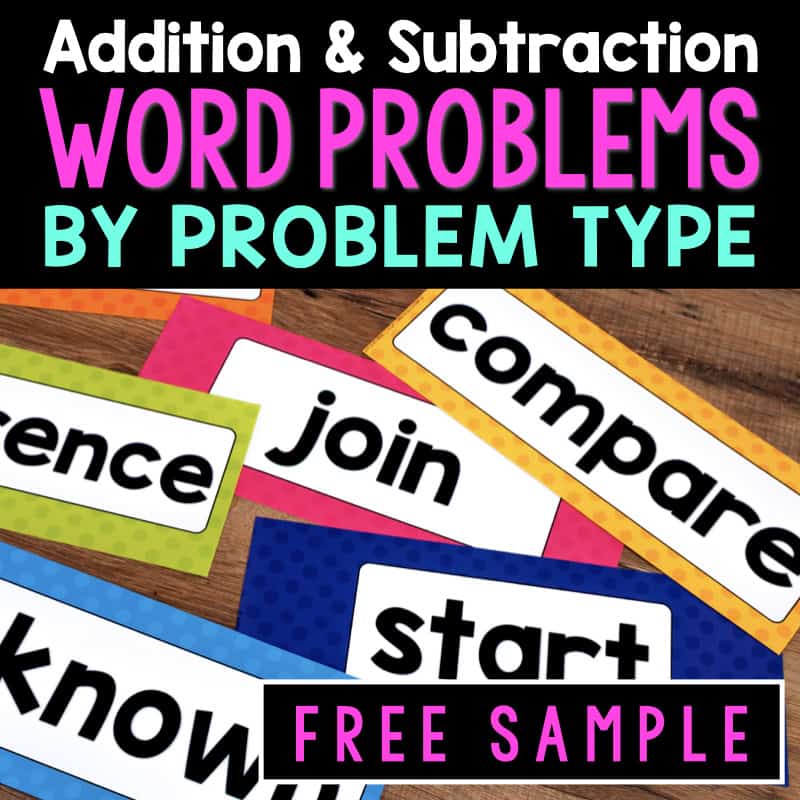
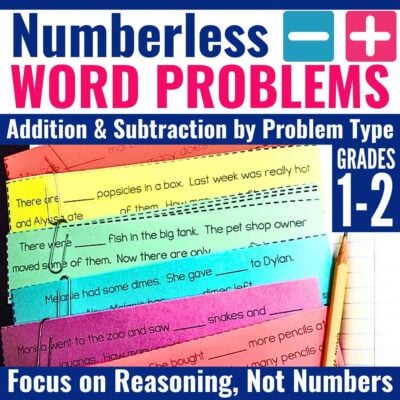
Solving word problems requires more than keywords. These strategies help students analyze problem types, represent thinking visually, and apply mathematical reasoning. Explore structured routines, tape diagrams, and numberless word problems that build deeper understanding.
Place Value & Number Sense
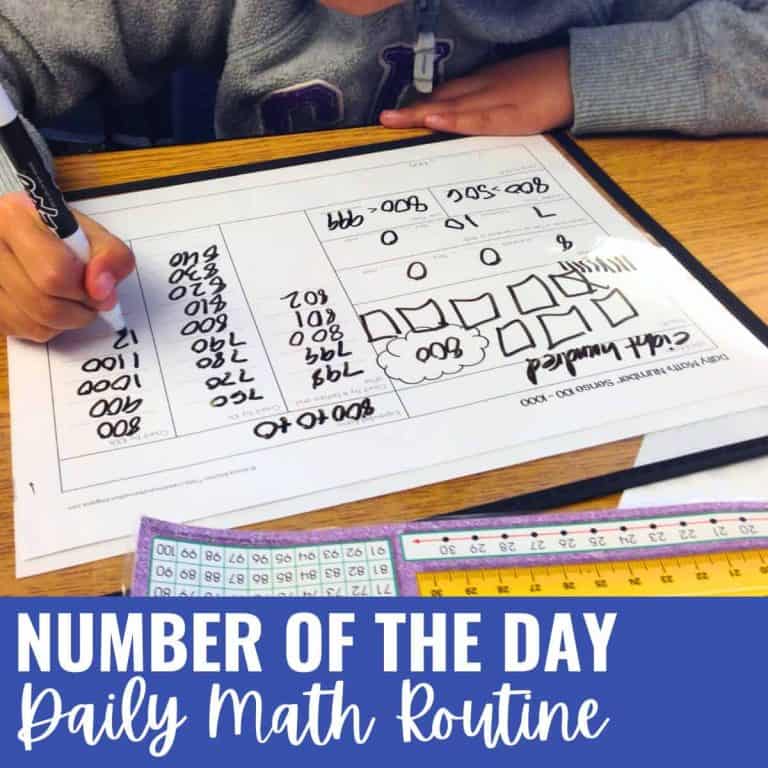
Place value is foundational to all upper elementary math. These strategies focus on composing and decomposing numbers, expanded form, mystery numbers, and daily routines that strengthen number sense.
Shop Popular Math Resources
-
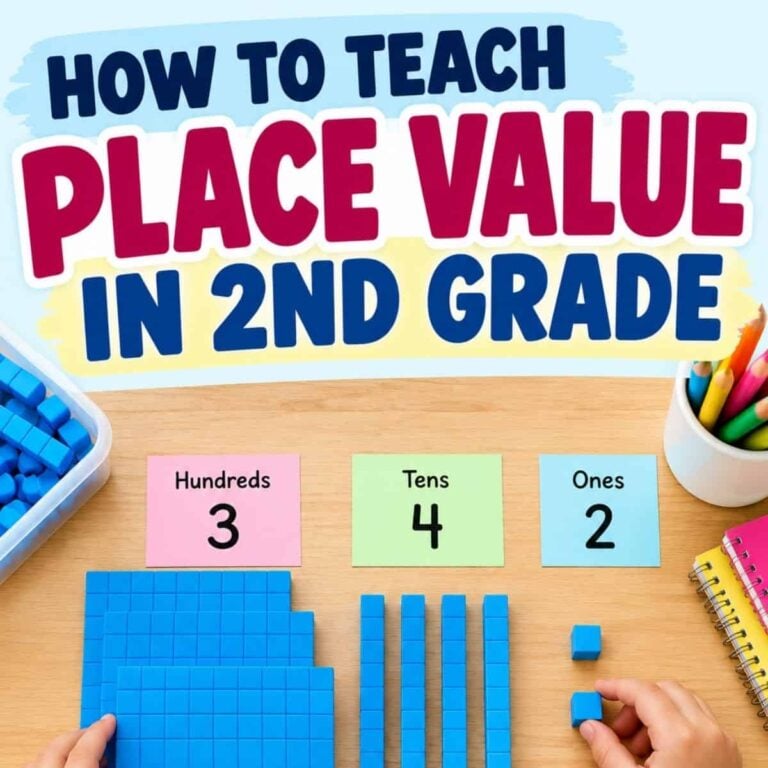
Second grade is the year place value grows up. Students who spent first grade bundling tens now stretch into the hundreds, learn to write a number three different ways, and…
-
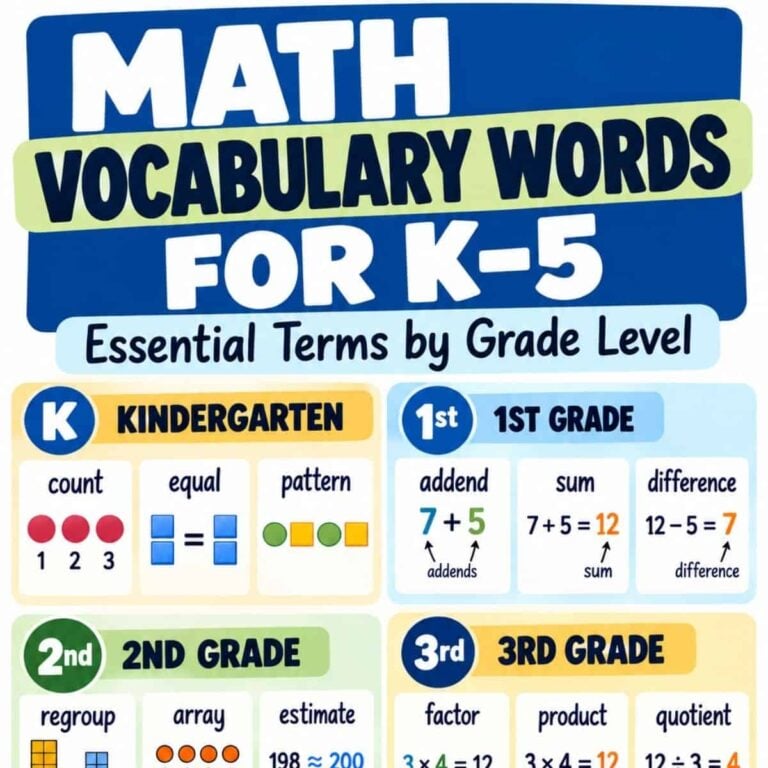
A student can solve 7 plus 5 and still freeze when you ask them to explain how they found the sum. The gap is almost always vocabulary. Math words like…
-
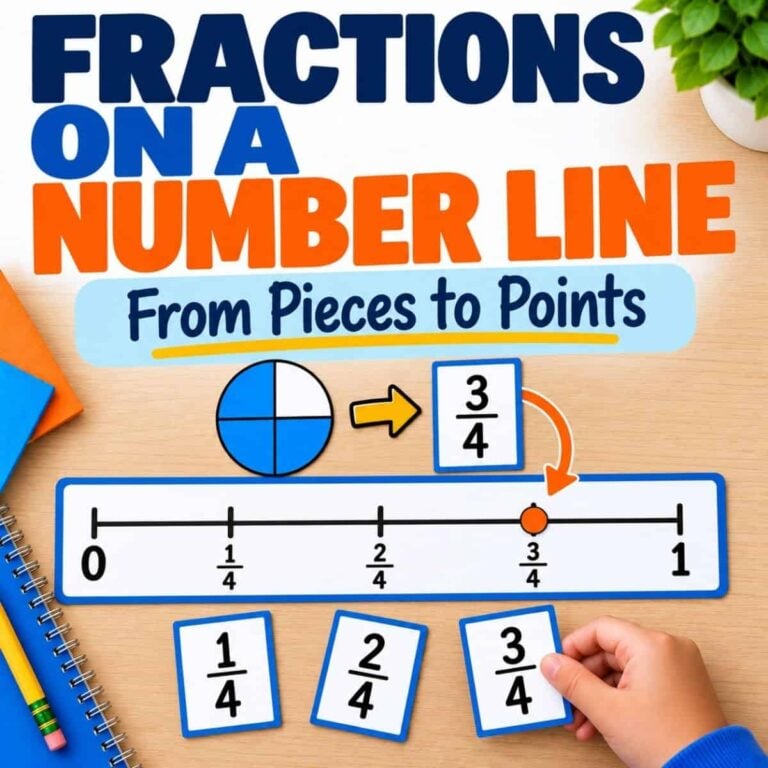
Most students meet fractions as pieces of a pizza or a chocolate bar, so the first time they see a fraction sitting on a number line, it throws them. Suddenly,…
-
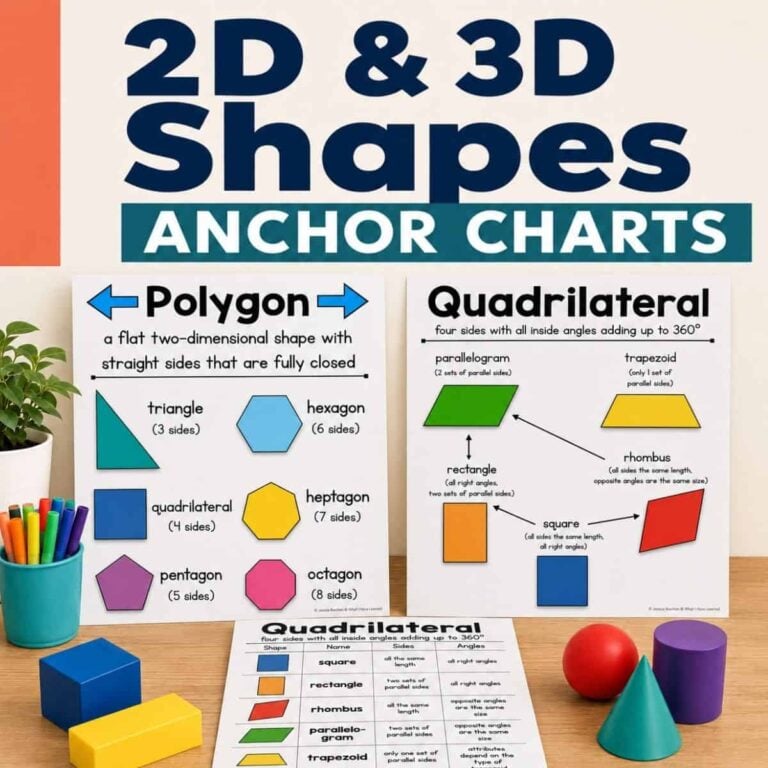
Every year around the geometry unit, the same thing happens: a student points at a square and calls it a rectangle, or names a cube a “square” because that is…
-
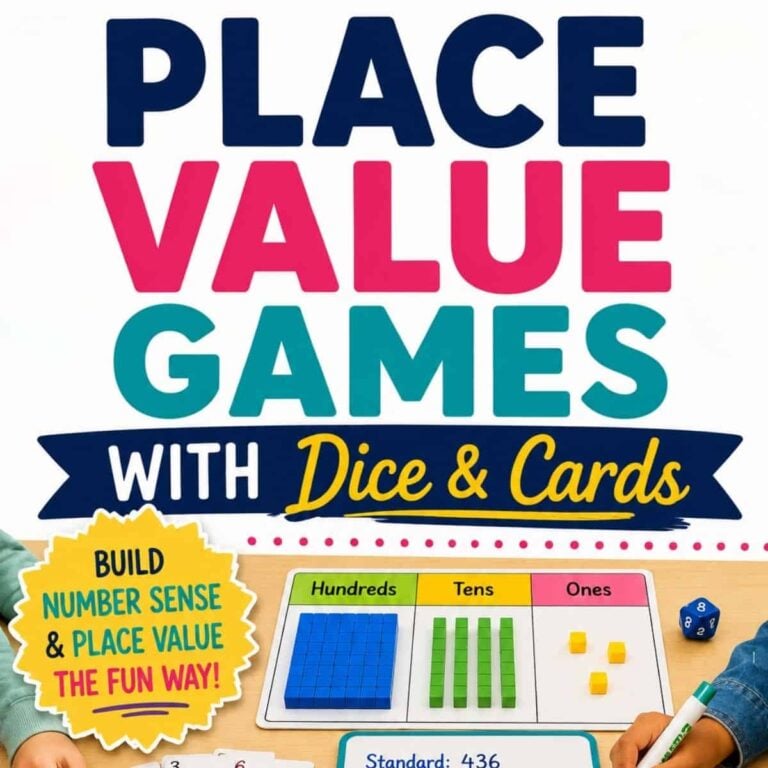
The fastest way to turn place value practice from a worksheet into something students actually want to do is with a handful of dice and a deck of cards. Place…
-
Every elementary teacher has watched a student read the number 42 as “four, two” instead of forty-two. That small moment is why place value matters, and it’s why teaching it well…
-
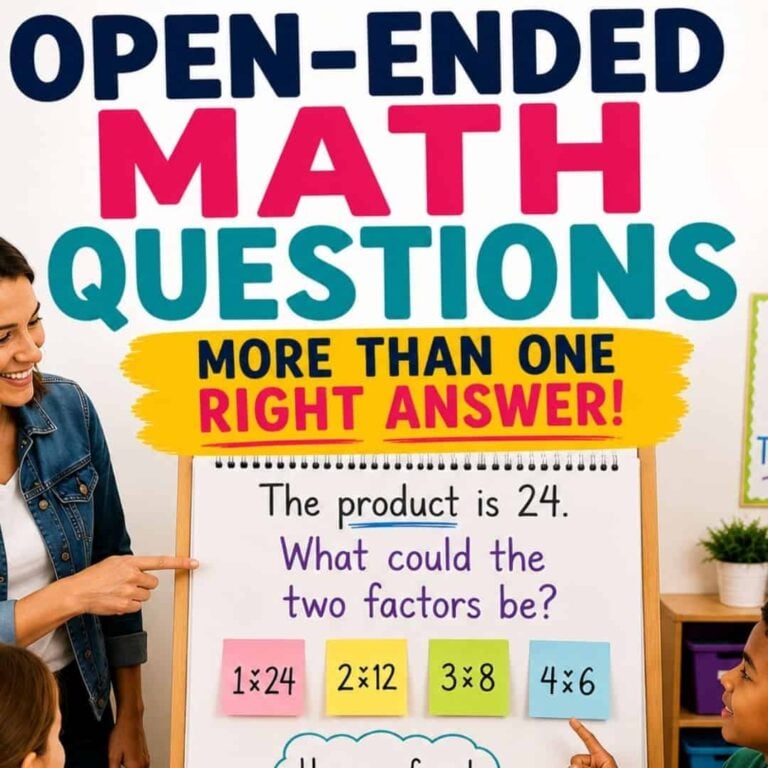
The first time I put an open-ended math question on the board for my third graders, half the class sat frozen. They kept asking, “But what’s the answer?” They had…
-
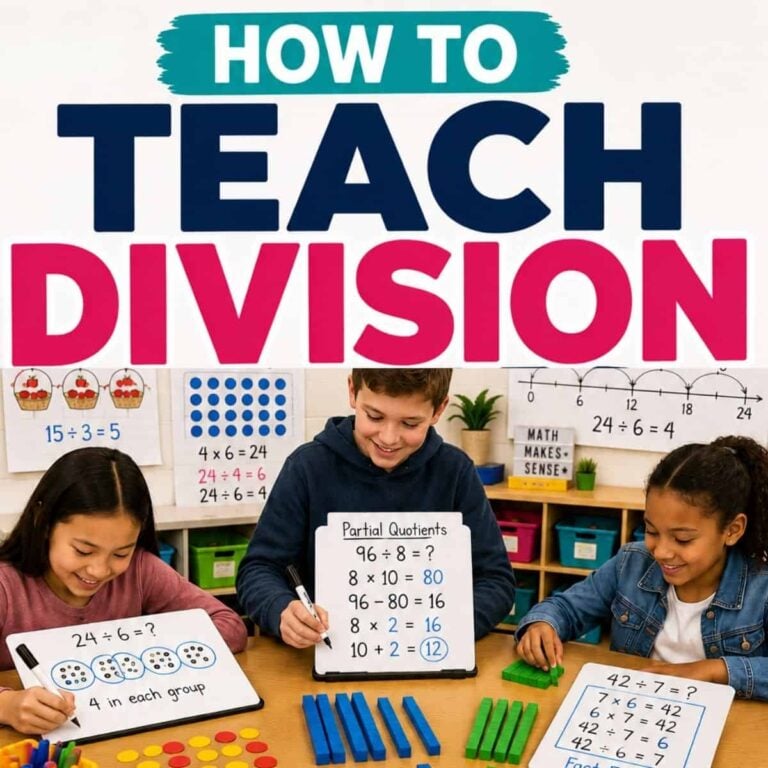
Most elementary teachers have seen it: a student who sailed through multiplication stares at a division problem and goes completely blank. Learning how to teach division well starts with understanding…
-
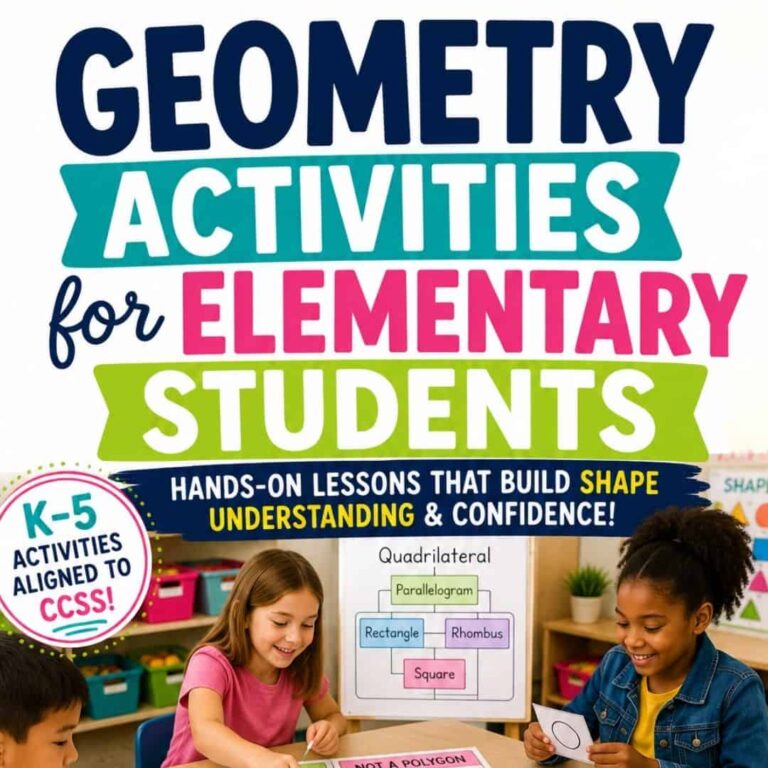
Geometry can feel like the easiest math unit to teach because students already know what a square looks like. But teaching geometry in elementary school well means going beyond shape…
-
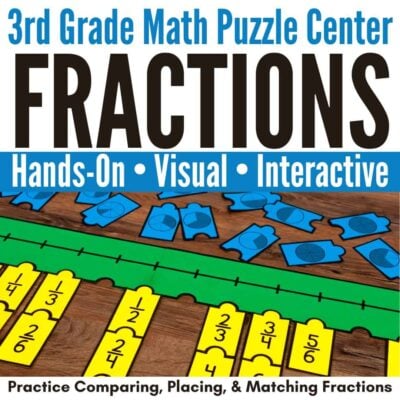
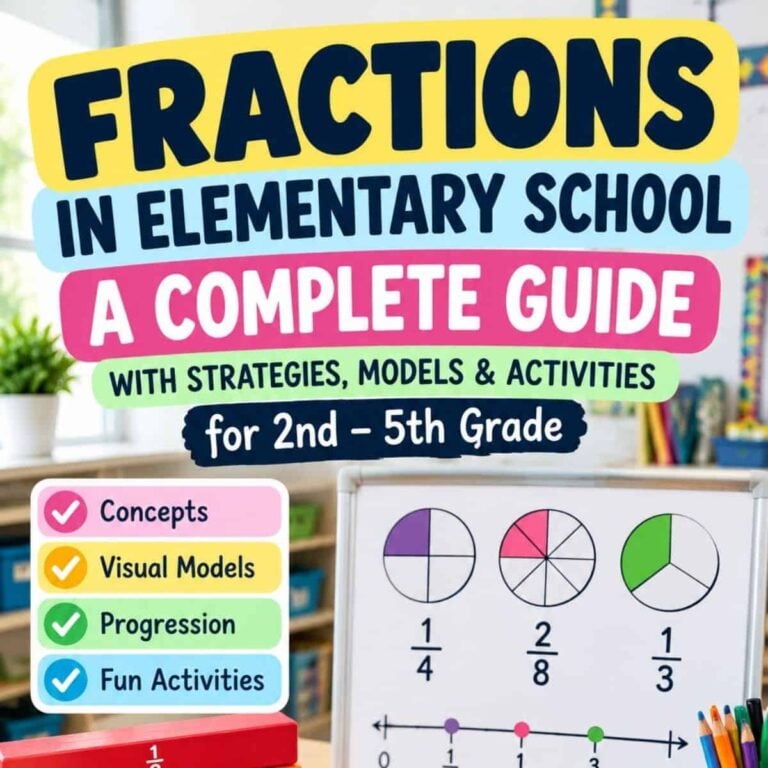
To teach fractions well in elementary school, conceptual understanding has to come before computation. The Number and Operations: Fractions (NF) domain builds steadily from 3rd grade through 5th, and each…
-
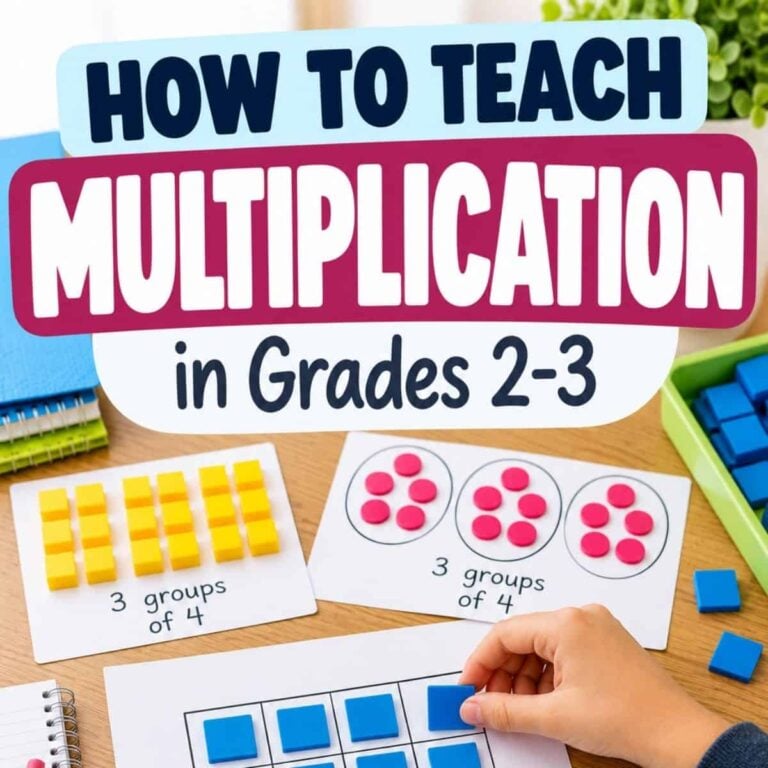
Multiplication gets introduced twice in elementary school, and both introductions matter. In 2nd grade, the goal is conceptual. Students build a mental model of what multiplication means using equal groups,…
-
If you’ve ever read a student’s solution to a word problem and thought, “Wait… how did you even get that answer?”—you’re not alone. Word problems have a way of turning…
End of content
End of content