Skip to content
Free printables and teaching tips Get them here
What I Have Learned Logo
  • AboutExpand
    • Frequently Asked Questions
    • Contact
    • Legal Policies
    • How to Teach Word Problems
  • Teaching StrategiesExpand
    • Classroom Management
    • English Learners
    • Differentiation
    • Goal Setting
    • Explore by GradeExpand
      • Kindergarten
      • First Grade
      • Second Grade
      • Third Grade
      • Fourth Grade
      • Fifth Grade
  • Teaching IdeasExpand
    • Math
    • Reading
    • Writing
    • Science
    • Seasonal
Shop on TPT
What I Have Learned Logo
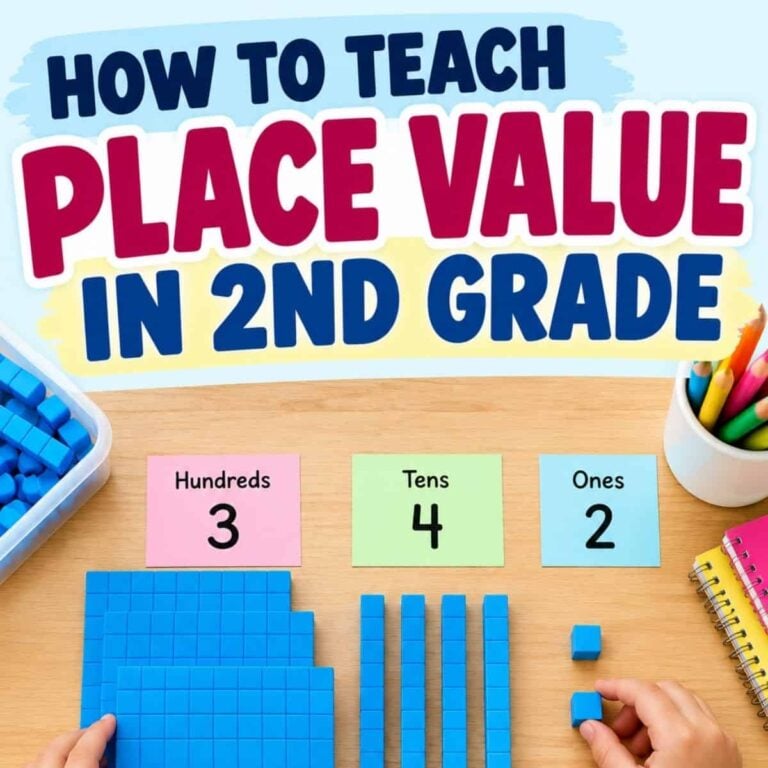
  • Hands arrange blue base ten blocks into hundreds, tens, and ones under labeled cards on a table with colorful stationery nearby. Text reads: Teach Place Value to 2nd Graders (2).
    Math

    How to Teach Place Value to 2nd Graders: Step by Step

    Second grade is the year place value grows up. Students who spent first grade bundling tens now stretch into the hundreds, learn to write a number three different ways, and…

    Read More How to Teach Place Value to 2nd Graders: Step by StepContinue

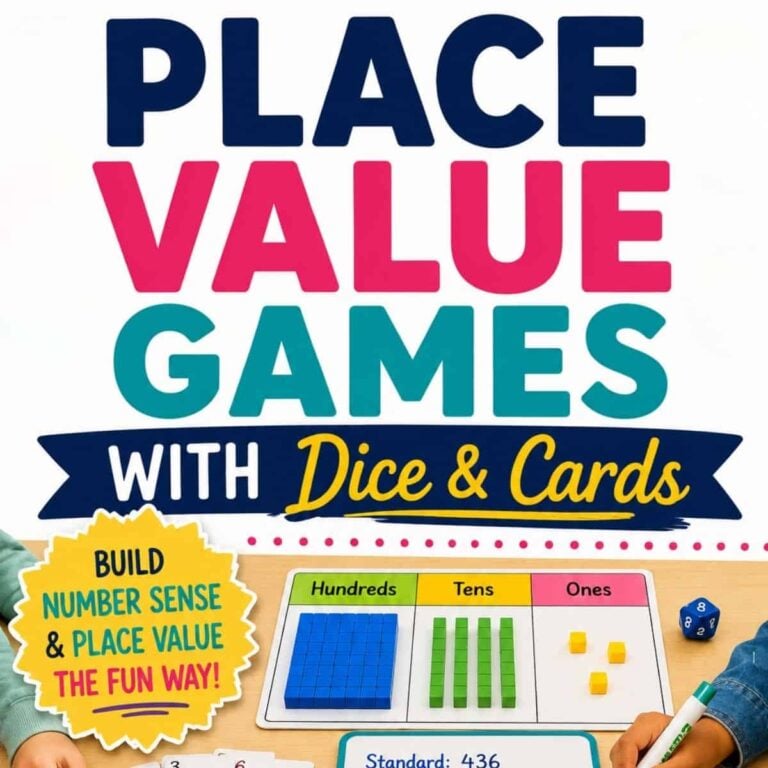
  • Place Value Games Cover: Below, hands are playing engaging place value games using dice, counters, and a board labeled Hundreds, Tens, Ones. A yellow sign reads, “Build number sense & place value the fun way!”.
    Math

    Place Value Games: Dice and Card Games by Grade Level

    The fastest way to turn place value practice from a worksheet into something students actually want to do is with a handful of dice and a deck of cards. Place…
    Read More Place Value Games: Dice and Card Games by Grade LevelContinue

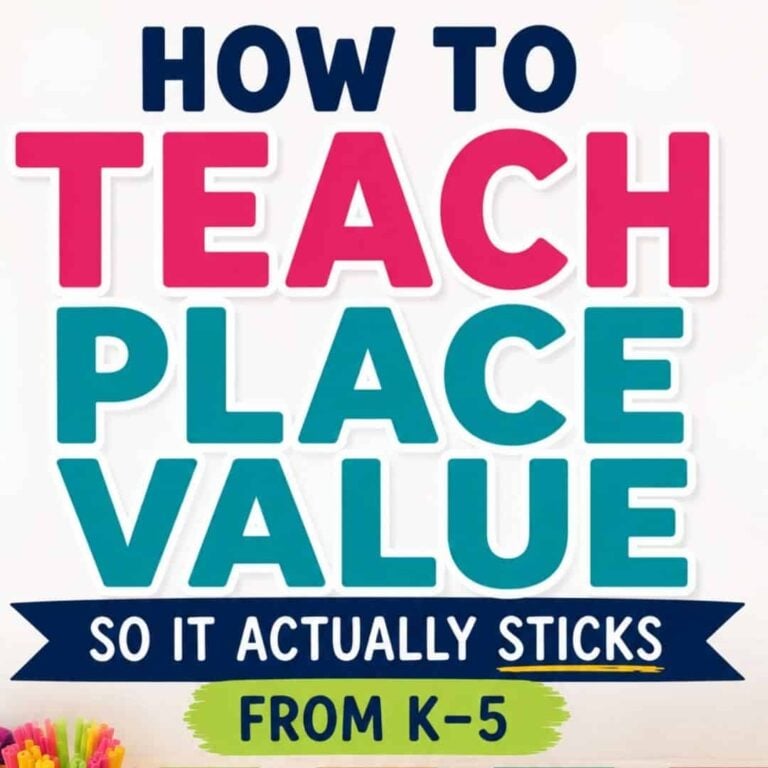
  • Text reads: How to Teach Place Value K-5 in bold, colorful letters, with a background featuring colored pencils in the bottom left corner and a Place Value Accordion prominently displayed to reinforce key concepts.
    Math

    How to Teach Place Value in Elementary School

    Every elementary teacher has watched a student read the number 42 as “four, two” instead of forty-two. That small moment is why place value matters, and it’s why teaching it well…
    Read More How to Teach Place Value in Elementary SchoolContinue

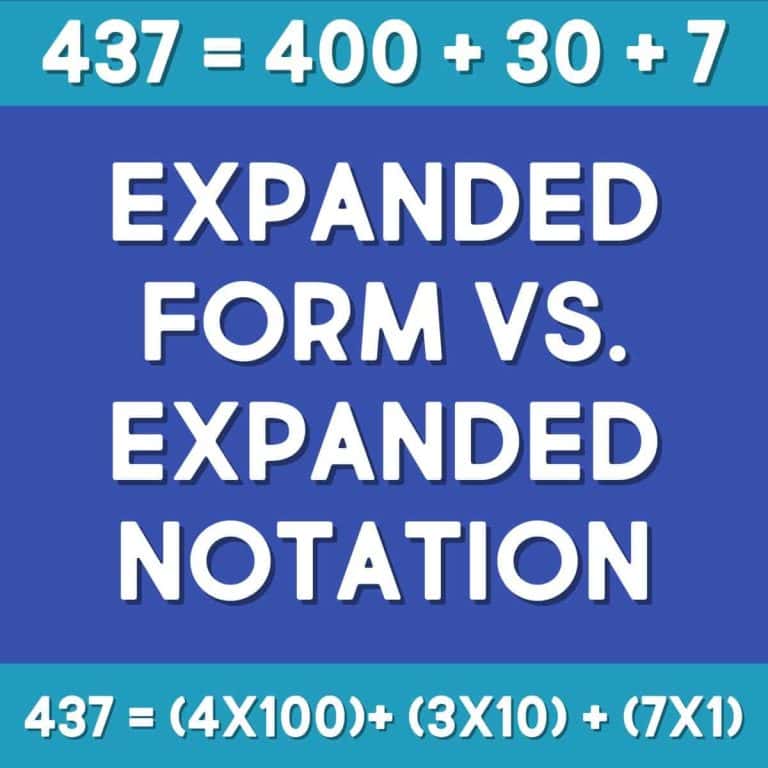
  • Blue graphic displays “437 = 400 + 30 + 7” at the top, highlighting Expanded Form vs. Expanded Notation in the center, and shows “437 = (4X100) + (3X10) + (7X1)” at the bottom.
    Math

    Expanded Notation vs Expanded Form: Clear Examples for 2nd–4th Grade

    Teaching place value is one of those foundational math skills that affects everything else students learn. When students truly understand how numbers are built, addition, subtraction, multiplication, and even decimals…
    Read More Expanded Notation vs Expanded Form: Clear Examples for 2nd–4th GradeContinue

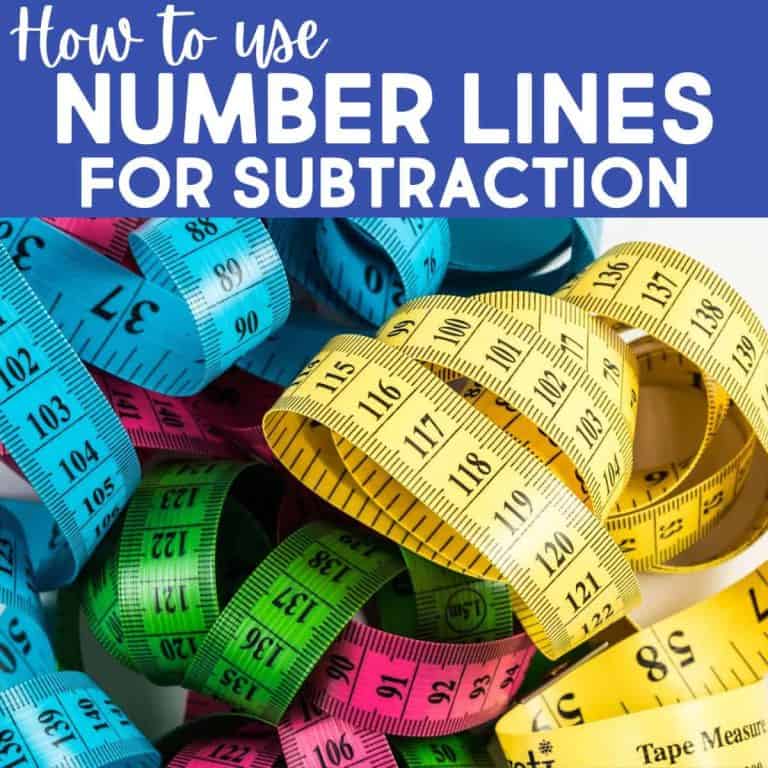
  • A pile of colorful measuring tapes—yellow, green, blue, and pink—sits below the bold text “How to use NUMBER LINES FOR SUBTRACTION,” introducing helpful number line strategies for subtraction.
    Math

    How To Use Number Lines For Subtraction

    A number line is a powerful tool for teaching a variety of mathematical concepts. They are a great visual tool for helping students understand and learn single-digit, two-digit, and three-digit…
    Read More How To Use Number Lines For SubtractionContinue

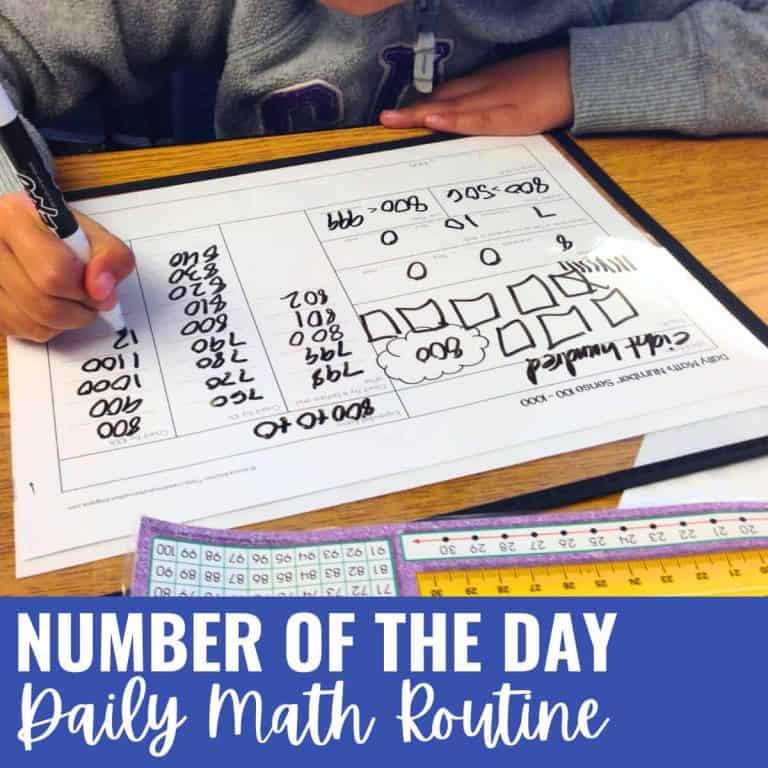
  • A child writes numbers on a Number of the Day worksheet at a wooden desk, using a black marker. Math tools like number charts and rulers are nearby. Text overlay reads: Daily Math Routine with Number of the Day.
    Math

    Daily Math: A Number Sense Routine for Elementary Grades

    This Daily Math routine is similar to a Number of the Day and Number Routine for second grade. It covers many place value number sense standards. It includes two-digit and three-digit number sense, time, money, and more. Students practicing using a number line and many addition strategies.
    Read More Daily Math: A Number Sense Routine for Elementary GradesContinue

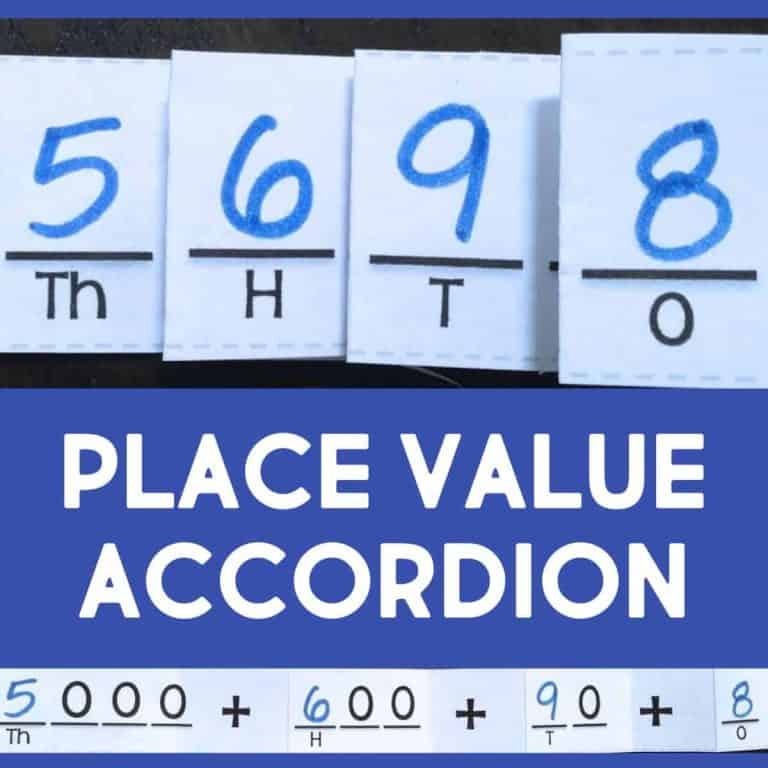
  • Four cards labeled Th, H, T, and O display the digits 5, 6, 9, and 8. Below is text reading Place Value Accordion alongside the expanded form: 5,000 + 600 + 90 + 8.
    Math

    Place Value Accordion: A Hands-On Way to Teach Standard and Expanded Form

    If you’ve ever watched your students’ eyes glaze over during place value lessons, you know how tricky it can be to help them see the connection between digits and their…

    Read More Place Value Accordion: A Hands-On Way to Teach Standard and Expanded FormContinue

  • A rolled-up SQUARE circular 100s chart showing numbers 0–99 in a grid, wrapped around a cylinder, with “FREE! SQUARE CIRCULAR 100S CHART” text on a purple background.
    Math

    Free 0-99 Circular Number Chart

    With a circular hundreds chart, students can effortlessly count and smoothly transition across tens. This simple 0-99 chart aids students in counting numbers within the range of 100. Its user-friendly…

    Read More Free 0-99 Circular Number ChartContinue

Become a part of the Email Community!

Sign up to get a free resource of your choice!

Click to Get a Free Resource
WIHL Footer Logo homepage.
  • Facebook
  • Pinterest
  • Instagram
  • Amazon
  • YouTube

Information

  • About
  • FAQ
  • Shop
  • Contact

Topics

  • Math
  • Science
  • Reading
  • Writing

Teaching Ideas

  • Seasonal
  • Differentiation
  • Management
  • English Learners
  • Privacy Policy
  • Refund Policy

© 2026 What I Have Learned

  • What I Have Learned
  • Learn
    • Math
    • Reading
      • Early Reading
    • Writing
    • Science
    • Instructional Strategies
      • Seasonal
      • Classroom Management
      • Goal Setting
  • Shop
    • Bundles
    • Animal Articles
    • Goal Setting
    • Craftivities
    • Math
    • Phonics
    • Social Studies
    • Science
  • About
    • Courses & Collections
    • FAQ
Search