
How To Use Number Lines For Subtraction
A number line is a powerful tool for teaching a variety of mathematical concepts. They are a great visual tool for helping students understand and learn single-digit, two-digit, and three-digit addition and subtraction. How can teachers use number lines for subtraction?

In this blog post, we’ll focus on how number lines can be used to teach subtraction in second grade. We’ll provide an overview of teaching students to subtract using a number line, along with strategies and tips for using number lines in the classroom.
Teaching Students To Subtract On A Number Line
There are a few different ways that teachers can introduce subtracting numbers on a number line to their students.
Review Addition on a Number Line
One way is to start with a review of addition on a number line. This will help students understand the concept of movement along a number line, as well as “taking away” or subtracting. Relating addition to subtraction will anchor the new concept on known information. When you move from a single-digit to a two-digit subtraction strategy, start with addition. Model it on a number line, then move to subtraction.
Subtract by Finding the Distance Between Two Numbers
It can be helpful for students to see that the answer to a subtraction problem is always the distance between the two numbers on the number line. Find two numbers on the number line and then have students count the distance between them. Do this repeatedly.
Subtract by Counting Backward on a Number Line
Another way to introduce subtraction on a number line is to have students start with a whole number and then count backward by the desired amount. For example, if you want students to find the answer to the subtraction problem 9 – 3, you could have them begin with the number 9 on the number line and then count back 3 units. This would take them to the number 6, which is also the answer to the problem 9 – 3.
Strategies And Tips For Using Number Lines for Subtraction in the Classroom
Number lines can be used in a variety of ways in the classroom beyond just teaching addition and subtraction problems. Here are a few number line strategies:
- Use a number line as part of your daily calendar routine. Have students count forwards or backward by ones, twos, or fives each day as they move along the number line together.
- Incorporate movement into your math lessons by having students walk along or jump along a human number line when finding answers to addition or subtraction problems.
- Use open-ended tasks and prompts that allow students to make choices and be creative when working with number lines. For example, you might ask students to create their own games or puzzles involving addition and subtraction on a number line.
- Hang a blank number line in your classroom and invite students to add new elements to it (e.g., markings for important holidays or events) throughout the year as they learn more about measurement and place value concepts.
- Give students opportunities to work with small groups or partners when using number lines to encourage collaborative learning and student engagement.
Daily Math Number of the Day Activity
One of the key ways I have taught my students to subtract using a number line is to repeat the process. We worked it into our daily math routine. At the beginning of the year, we chose easier numbers and modeled number lines with one-digit numbers. As we learned more math, we increased the complexity of the numbers on the number line.
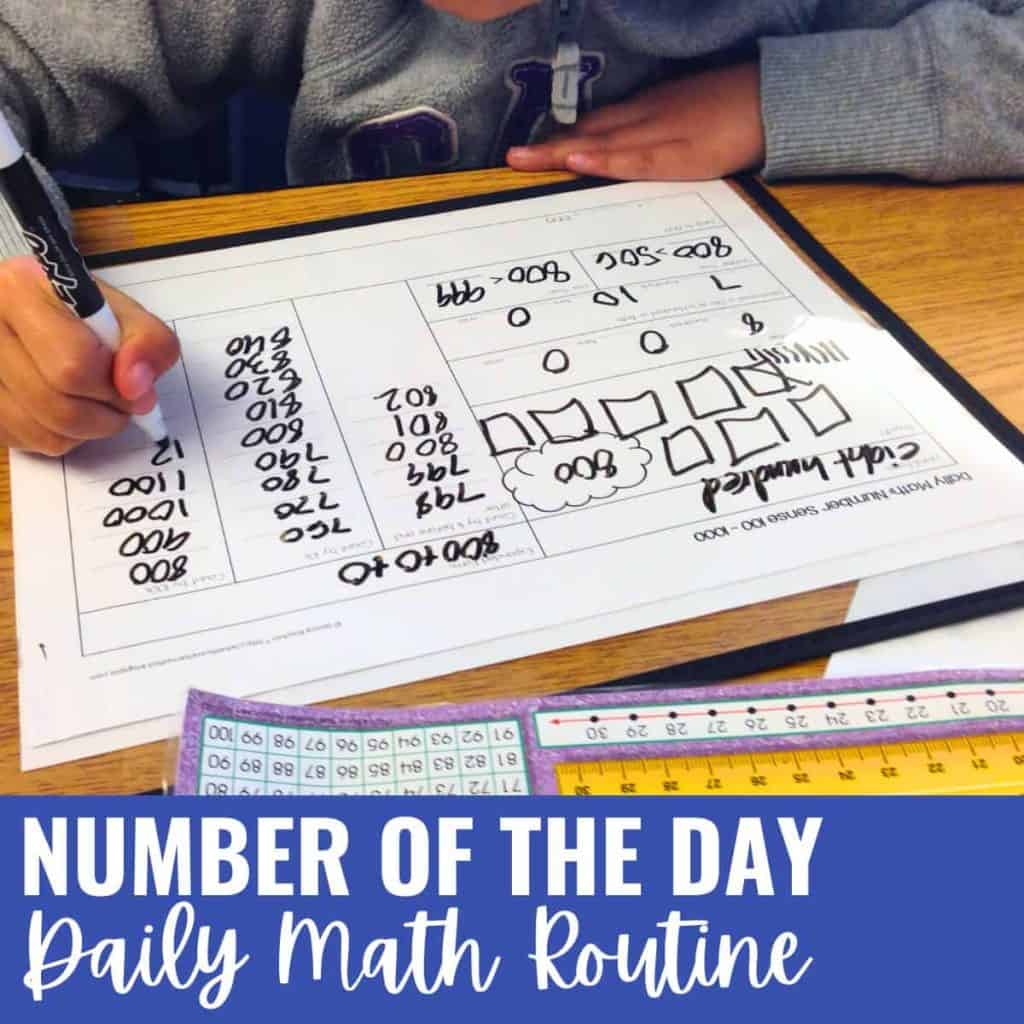
See our daily math routine and how I teach students to use a number line with daily practice
Ways to Use Number Lines for Addition and Subtraction
Teachers can use a variety of number line strategies to help their students work through complex mathematical problems.
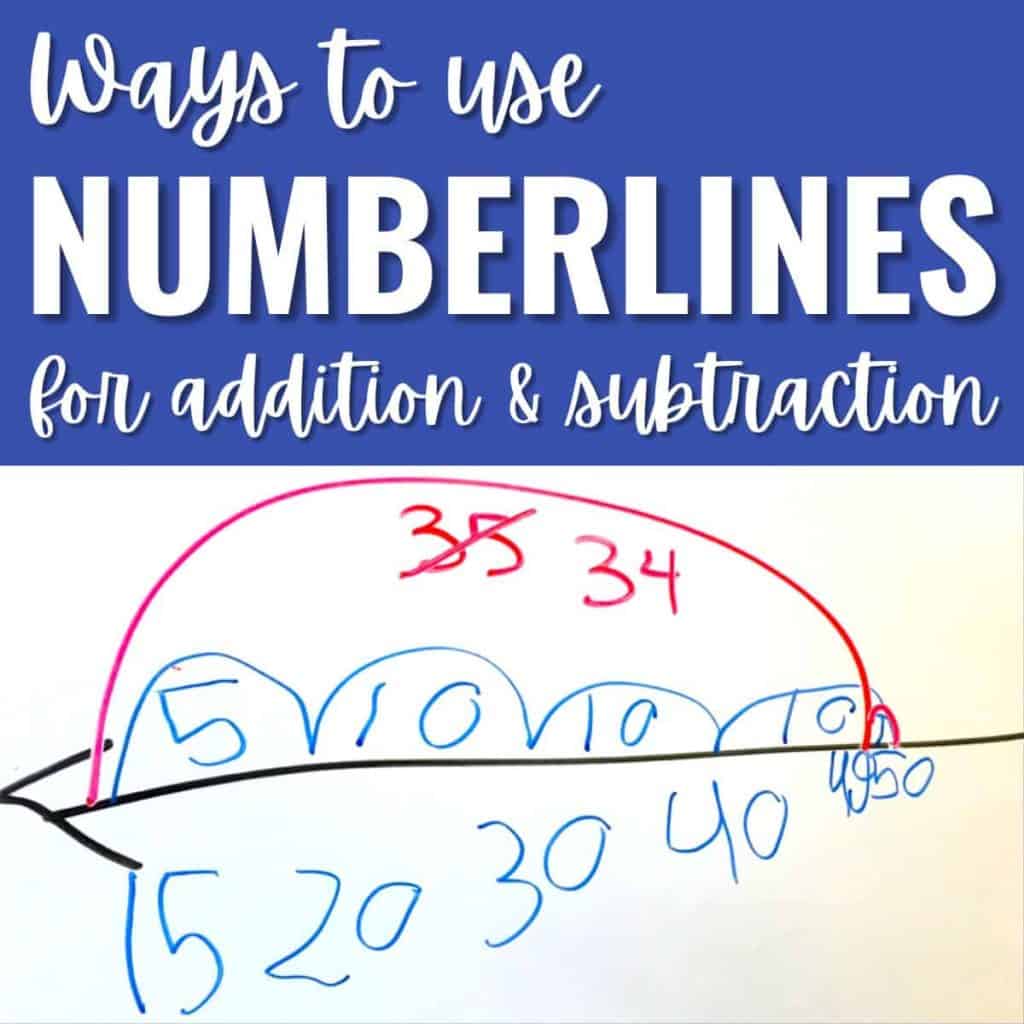
This blog post goes into ways to use a number line for addition and subtraction of whole numbers.
Number Line Strategy for Three-Digit Subtraction
Are you teaching three-digit subtraction with regrouping? Or having to cross hundreds and tens? A number line is a great tool to use for three-digit subtraction.
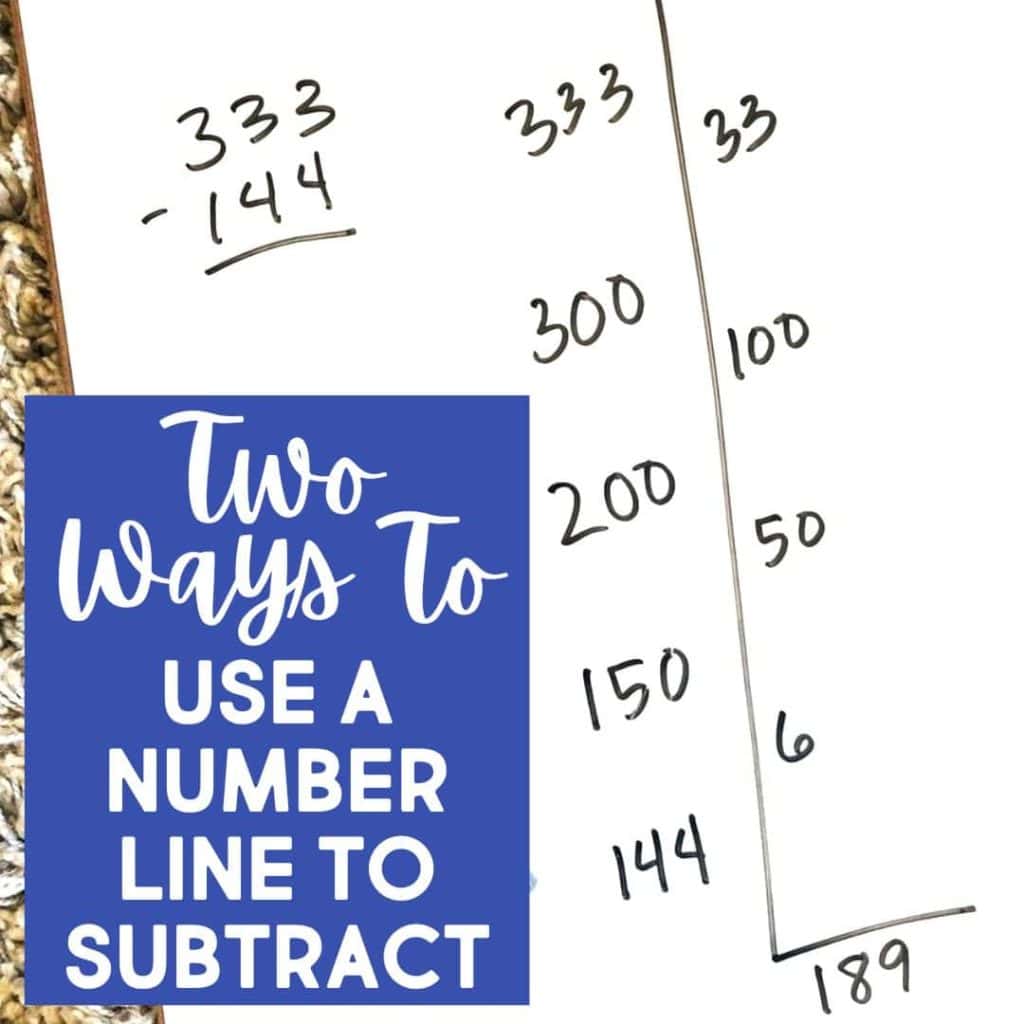
This blog post shows you a unique teaching strategy for using number lines with three-digit numbers.
Vertical Number Lines
Have you ever thought of using a vertical number line? Sometimes just turning the number line on its side will help students see it in a different way. This number line strategy mimics a thermometer.
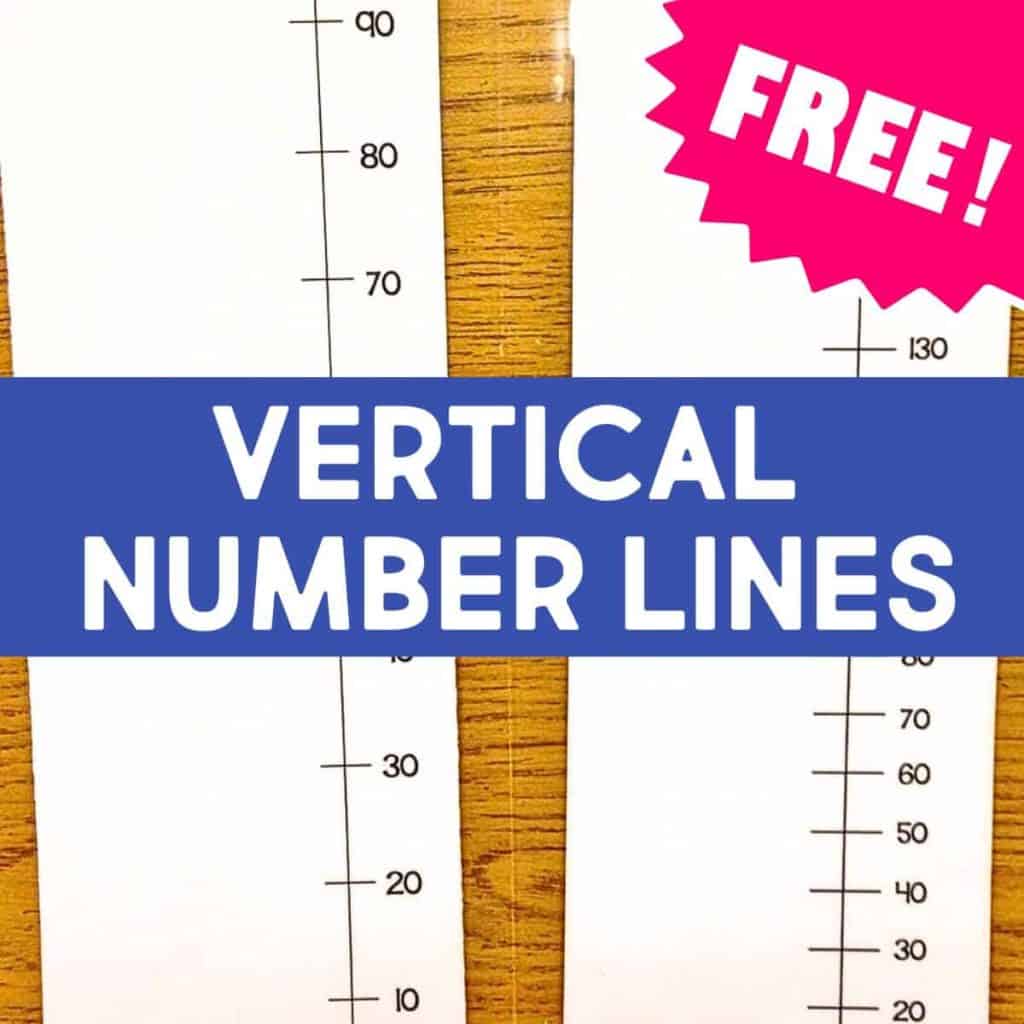
In this blog post, I explain how I use a vertical number line in my classroom.
Frequently Asked Questions about Using Number Lines for Subtraction
Number lines are versatile tools that can be used in many different ways in the classroom. We hope this blog post has given you some ideas for using number lines in your own second-grade classroom when teaching addition and subtraction problems!
Jessica BOschen
Jessica is a teacher, homeschool parent, and entrepreneur. She shares her passion for teaching and education on What I Have Learned. Jessica has 16 years of experience teaching elementary school and currently homeschools her two middle and high school boys. She enjoys scaffolding learning for students, focusing on helping our most challenging learners achieve success in all academic areas.