Strong classroom management strategies include both prevention and response. Prevention means teaching routines, practicing procedures, organizing materials, and building classroom community before problems start. Response means addressing behavior calmly and consistently when challenges arise. In elementary classrooms, both matter. A well-taught transition can prevent disruptions just as effectively as a thoughtful behavior plan can reduce repeated issues.
On this page, you’ll find classroom management resources organized into two key areas: classroom behavior and expectations, and classroom community and student engagement. Whether you’re preparing for the first week of school or refining systems mid-year, these ideas are designed to help you build a classroom that runs smoothly and supports every learner.
Classroom Behavior & Expectations
Clear expectations and consistent follow-through are the backbone of effective classroom management. In this section, you’ll find strategies for preventing disruptions, teaching procedures, responding to challenging behavior, and creating systems that help students understand what success looks like. When students know the routines and trust the structure, the entire day runs more smoothly.
Classroom Community & Student Engagement
Strong classroom management isn’t just about rules—it’s about relationships. These posts focus on building classroom community, strengthening social-emotional skills, and keeping students actively engaged in learning. When students feel connected and involved, behavior improves naturally and participation increases.
More Classroom Management Ideas
-
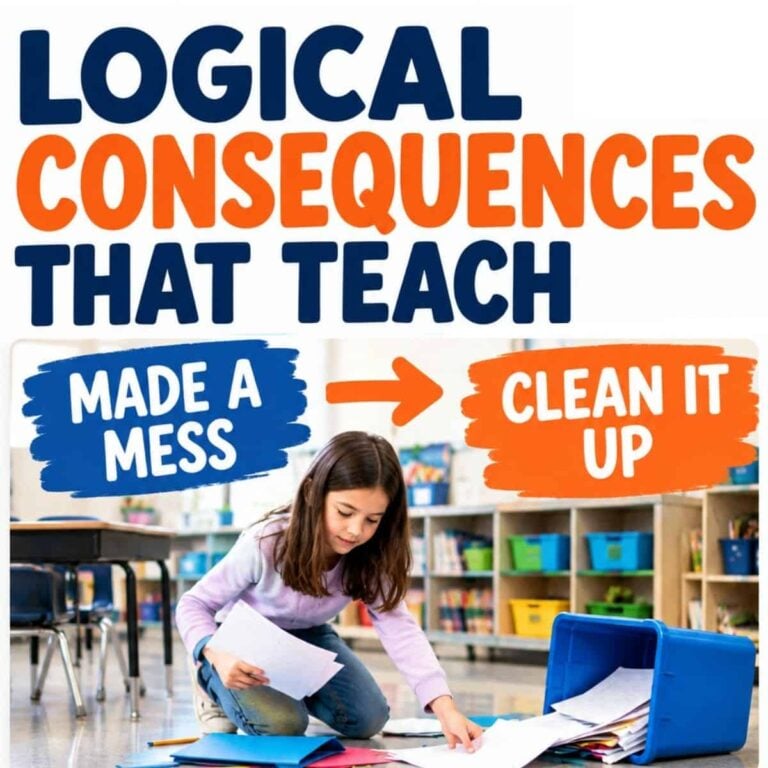
When a student breaks a rule, the question every teacher faces in the moment is what happens next. The best classroom consequences are not about making a student feel bad….
-
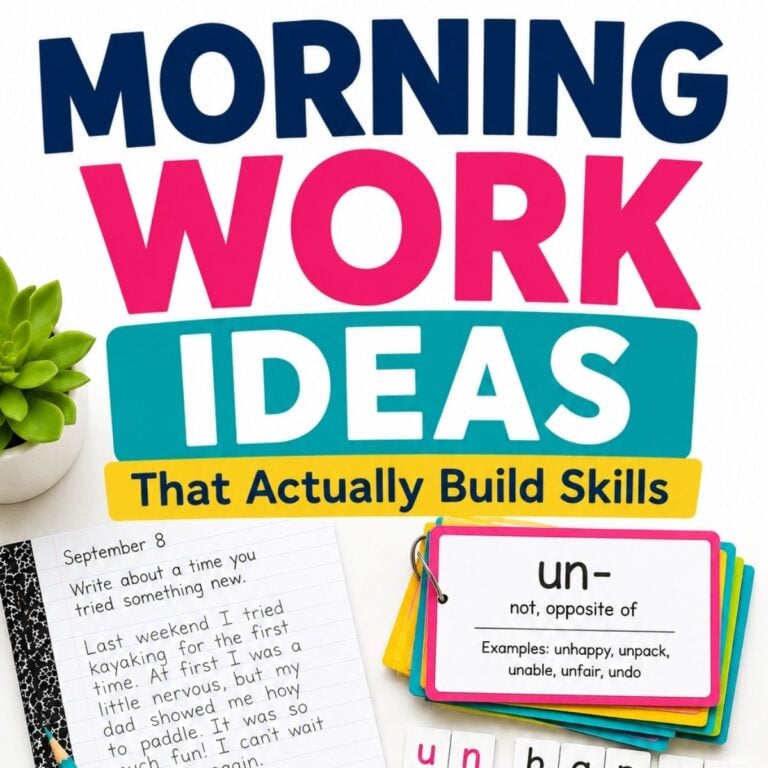
The first ten minutes of the day set the tone for everything that follows. Students trickle in, you take attendance and answer the same question for the fifth time, and…
-
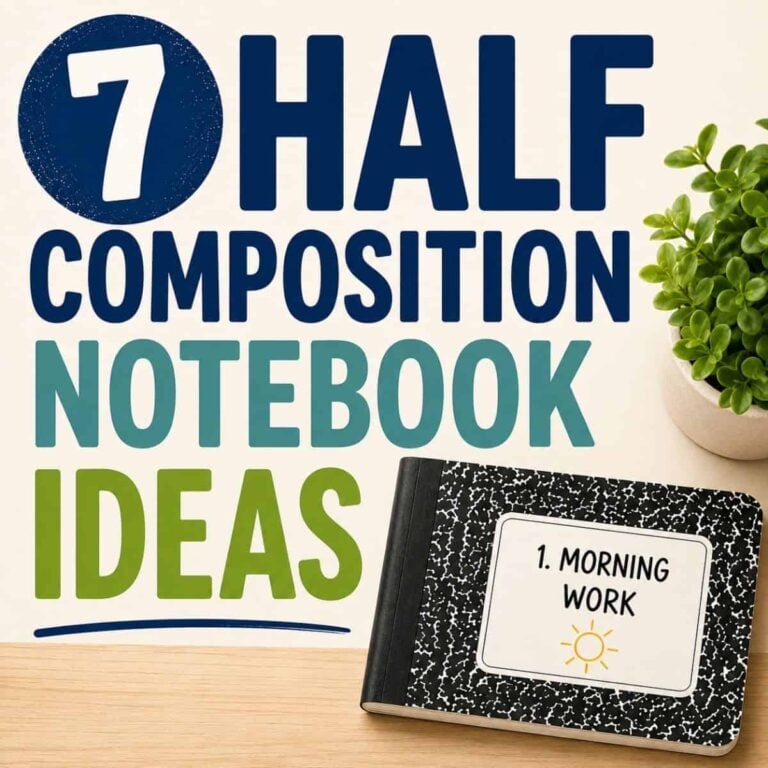
Half composition notebooks are cheap, tiny, and everywhere in teacher supply hauls right now, but once you’ve bought a class set of 40, the real question is what to do…
-
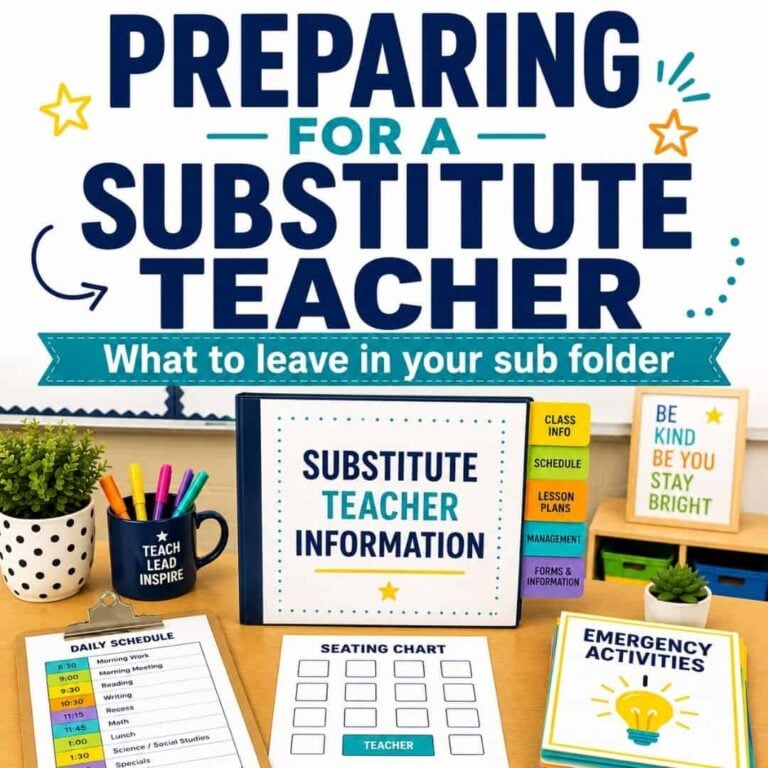
Preparing for a substitute teacher is one of those things that can feel surprisingly stressful, especially when you’re dealing with it the night before or the morning of an unexpected…
-
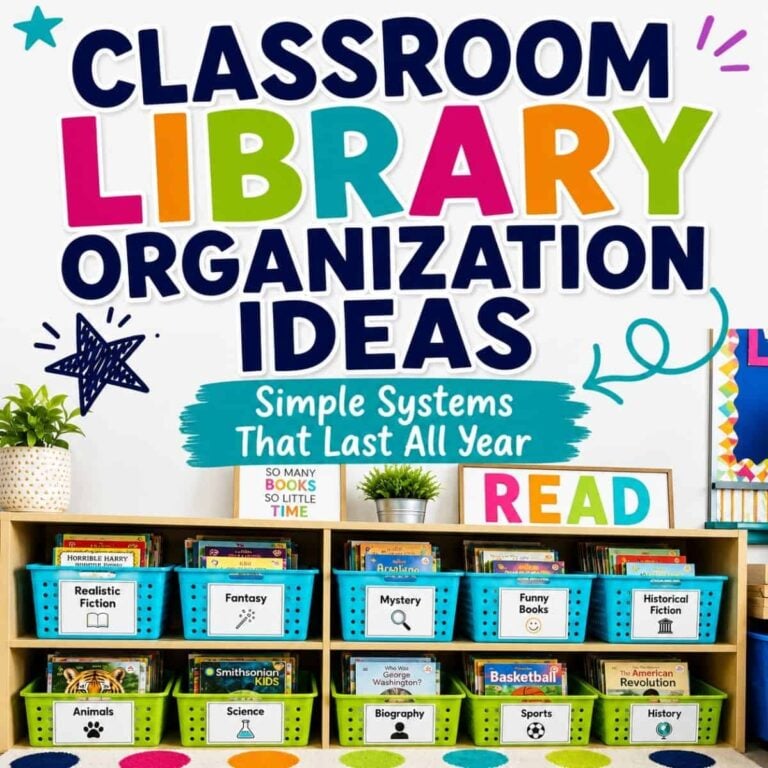
For years, my classroom library was a mess. I had picture books and chapter books mixed together, guided reading books on a separate shelf, and a system that kept falling…
-
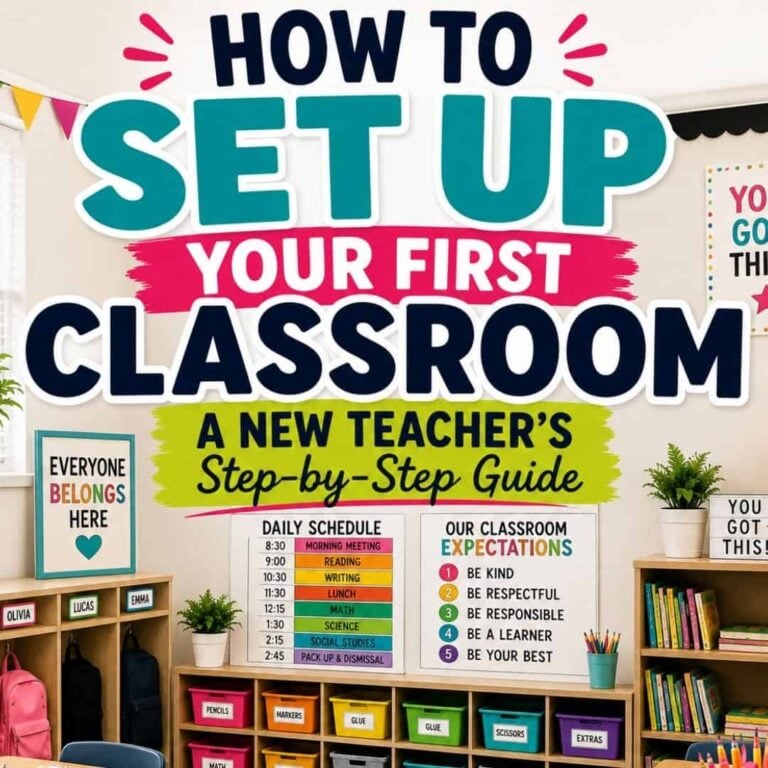
Setting up a classroom for the first time is one of those tasks that feels both exciting and completely overwhelming. You walk in, see four walls and a pile of…
-
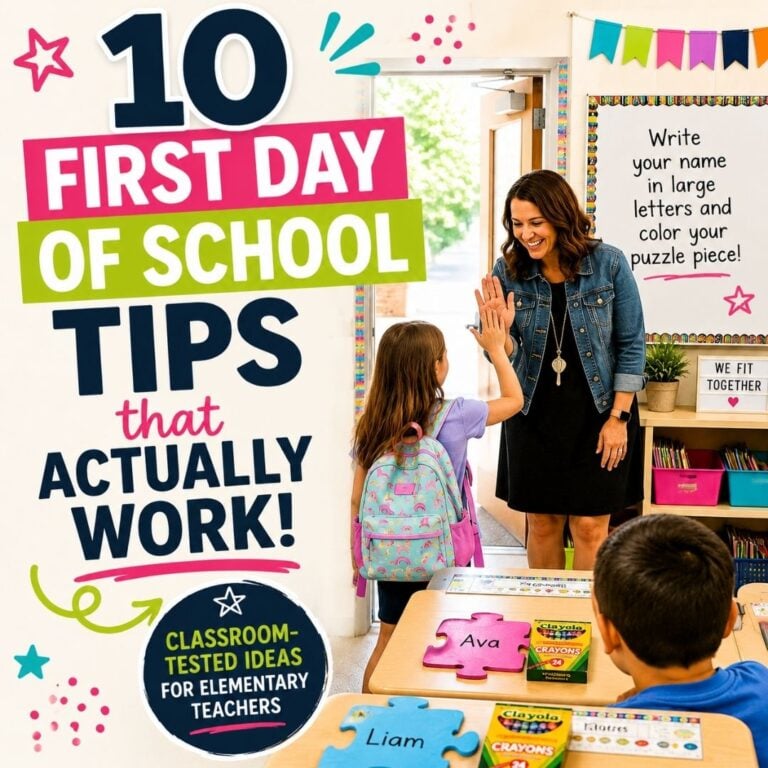
The first day of school tips for teachers that actually stick are the ones you learn the hard way — from the years where something didn’t go the way you…
-
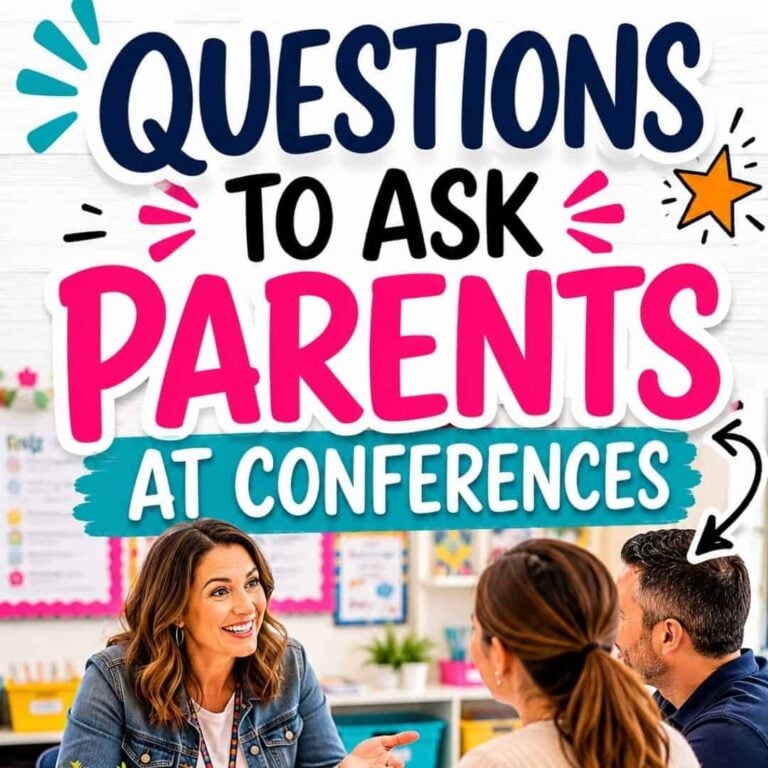
Twenty minutes with a family go fast. If you spend most of it talking, you leave the conference knowing exactly what you walked in knowing, which isn’t much. The best…
-
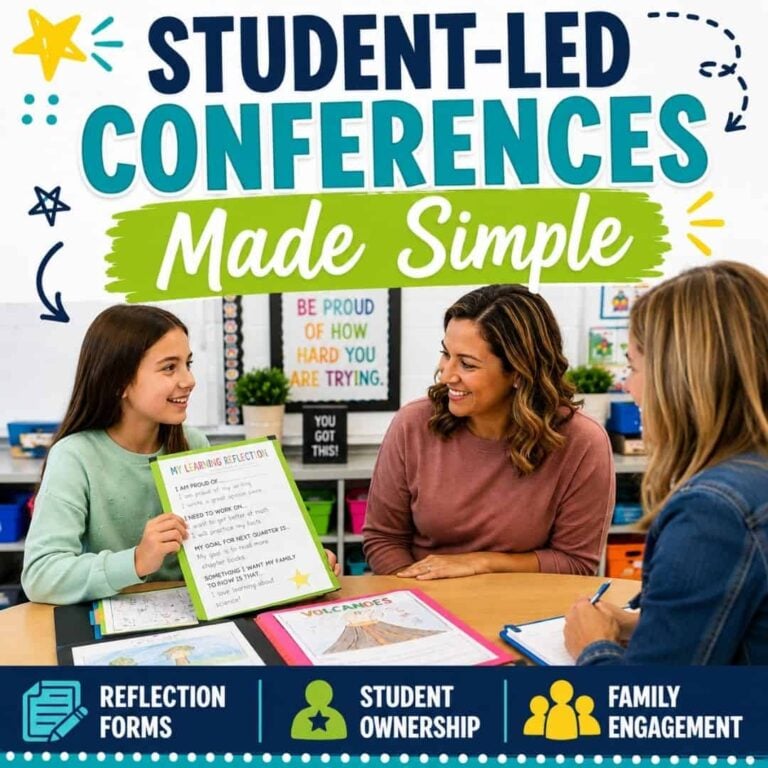
Student-led parent teacher conferences completely change the dynamic of conference week — and once you’ve run them, it’s hard to go back. Instead of spending twenty minutes narrating a student’s…
-
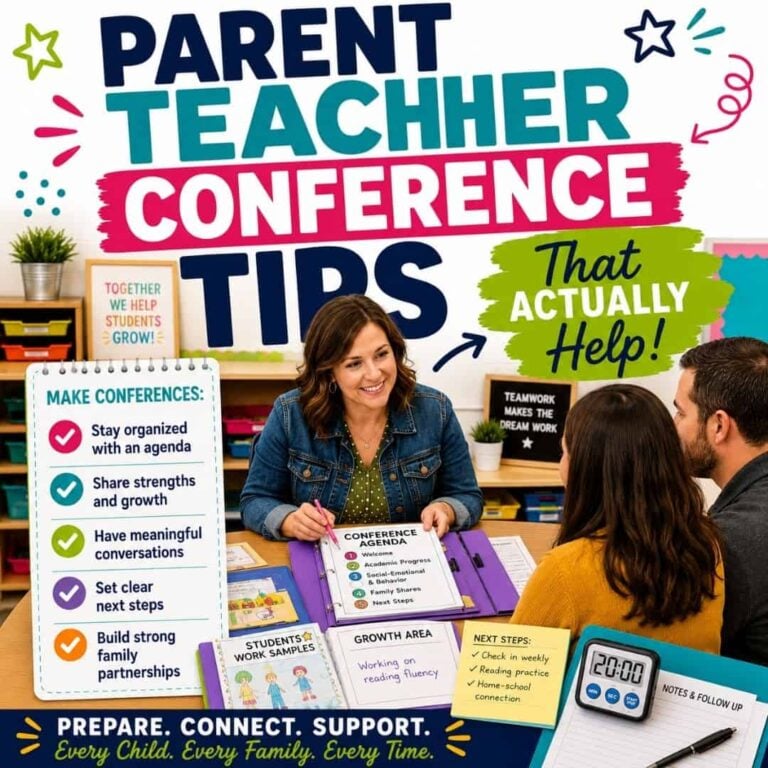
Parent teacher conferences can feel like a marathon with back-to-back families, limited time, and a lot of ground to cover. With a clear agenda and a few intentional parent teacher…
-
Classroom management is one of those topics that sounds simple… until you’re in the middle of a noisy transition, three students are arguing over a pencil, and someone is calling…
-
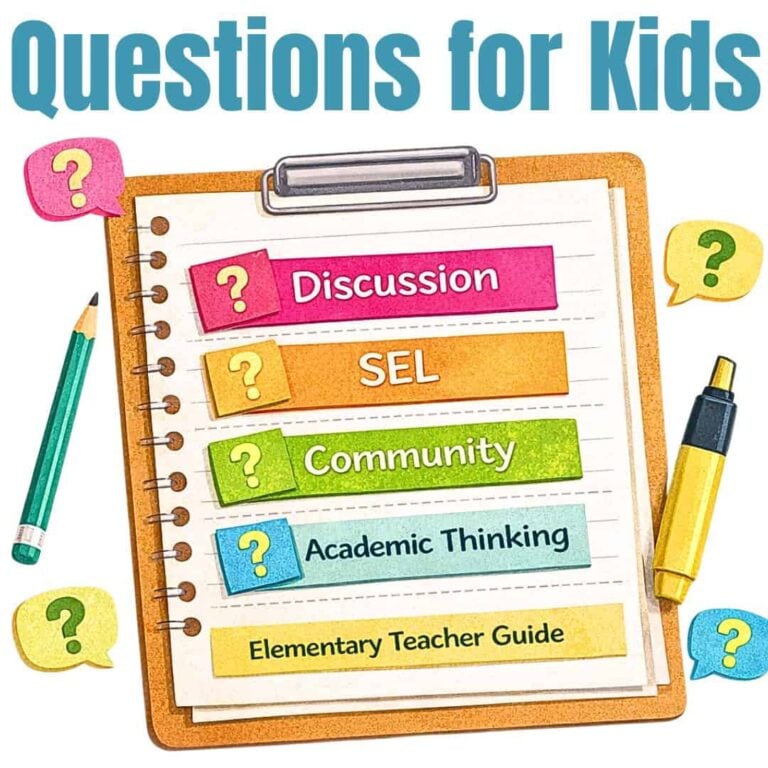
Questions are one of the most flexible tools teachers use every day. The right questions help students feel comfortable sharing, guide meaningful discussions, and support both social and academic growth…
End of content
End of content