
Kindness Videos for Kids: 10 Videos for Elementary SEL Lessons
Kindness is one of the most important lessons we can teach our students. It builds empathy, strengthens relationships, and shapes the kind of classroom community where every student feels seen and valued. Using videos in your Social and Emotional Learning (SEL) lessons is one of the most effective ways to engage students and spark meaningful discussions about what it means to be kind.
The ten videos below work for grades K–5 and are short enough to fit into a morning meeting, a counseling lesson, or the last few minutes of the day. Each one includes a note on how to use it with your students.
Quick Reference: All 10 Kindness Videos
| # | Video Title | Grade Level | Best For |
|---|---|---|---|
| 1 | Why Be Kind? | K–5 | Opening discussion, real-kid perspectives |
| 2 | How to Be Kind and Caring: Social Story | K–3 | Practical kindness in everyday situations |
| 3 | Color Your World with Kindness | K–5 | Ripple effect of small acts |
| 4 | Kid President: How to Change the World | 3–5 | Humor + ripple effect discussion |
| 5 | Sesame Street: Empathy with Mark Ruffalo | K–2 | Introducing empathy, young students |
| 6 | Daniel Tiger: It’s Great to Be Kind | K–2 | Catchy song, morning meeting |
| 7 | Great Kindness Challenge: Make Your School Kinder | K–5 | School community, kindness month |
| 8 | Kid President: 20 Things We Should Say More Often | 3–5 | Kindness through words |
| 9 | The Science of Kindness | 3–5 | Deeper dive, upper elementary |
| 10 | All About Kindness! | 2–5 | Variety of examples, closing discussion |
1. Why Be Kind?
This video features real kids sharing why kindness matters to them. Through honest, relatable examples, it highlights the power of empathy and compassion in everyday life. Students hear from peers their own age, which makes the message land differently than a cartoon or adult narrator. After watching, ask students: “Which example from the video looked most like something that could happen in our school?”

Best for: K–5 | Opening a kindness unit or discussion
2. How to Be Kind and Caring: Social Story for Kids
This social story walks students through specific, practical examples of how to be kind and caring in everyday situations. It is a strong choice for helping students practice kindness and empathy in their interactions with classmates and friends—especially students who benefit from seeing social situations modeled step by step.

Best for: K–3 | Teaching specific kindness behaviors, social skill practice
3. Color Your World with Kindness
This animated short shows how even small acts of kindness can have a lasting impact. As each character does something kind, more color fills the world around them. This memorable visual helps students understand the ripple effect of kindness. Pair it with an activity where students create their own “kindness chain” or add a color to a class mural each time they complete an act of kindness.

Best for: K–5 | Acts of kindness activities, kindness chain projects
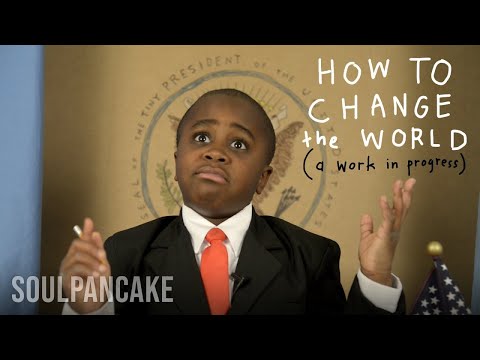
4. Kid President: How to Change the World
Kid President brings his signature humor and energy to this video, showing how acts of kindness inspire others to do the same. It is a strong conversation starter about the ripple effect of kindness and the role students can play in making their school a better place. After watching, ask students what one thing they could do this week to change their classroom or school.
Best for: 3–5 | Ripple effect discussion, school community building
5. Sesame Street: Empathy with Mark Ruffalo
Murray Monster and Mark Ruffalo team up to explain what empathy is and what it looks like in real life. This video is ideal for younger students who are just beginning to understand the connection between kindness and how others feel. After watching, ask students to share a time when someone noticed how they were feeling and did something kind because of it.

Best for: K–2 | Introducing empathy, connecting kindness to feelings
6. Daniel Tiger: It’s Great to Be Kind
This short Daniel Tiger video features a catchy, easy-to-remember song about being kind. The lyrics give young students concrete examples of kind behaviors they can recognize in their own lives. It works well as a morning meeting opener because students can sing along and carry the message with them through the day.

Best for: K–2 | Morning meeting, SEL song, quick kindness reminder
7. Great Kindness Challenge: Ways to Make Your School Kinder
This video from The Great Kindness Challenge gives students specific, actionable ideas for spreading kindness throughout their school — not just in their classroom. It works well as a launching point for a school-wide kindness campaign or for Kindness Month in November. After watching, ask each student to pick one idea from the video to try that week.

Best for: K–5 | Kindness Month, school community, November SEL lessons
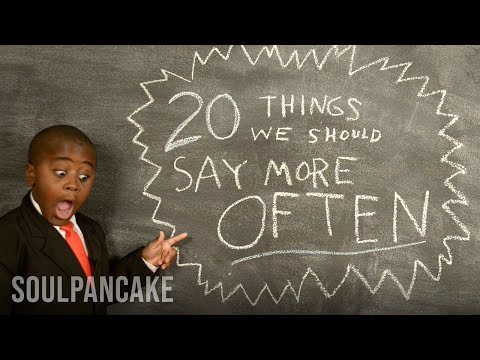
8. Kid President: 20 Things We Should Say More Often
This Kid President video focuses on kindness through the words we choose. Students hear a list of phrases that can make a real difference in how someone feels. After watching, have students choose two or three phrases from the video that they want to use more often, then discuss why words are one of the most accessible ways to show kindness every day.
Best for: 3–5 | Kindness through words, empathy and language connection
9. The Science of Kindness
This video approaches kindness from a scientific angle, explaining how kind acts affect the brain — both the person giving and the person receiving. It is well suited for upper elementary students who are ready for a deeper look at why kindness matters beyond just “being nice.” Use it to open a discussion about how kindness connects to our wellbeing and the wellbeing of people around us.
Best for: 3–5 | Deeper discussion, connecting SEL to science, upper grades
10. All About Kindness!
This video covers a wide variety of kindness examples across different settings and situations. At just under six minutes, it is one of the longer videos on this list, making it a good fit for a dedicated SEL block rather than a morning meeting window. After watching, ask students to name two examples from the video and describe one situation from their own life where they could use the same kind of kindness.

Best for: 2–5 | Full lesson block, variety of kindness examples, discussion anchor
How to Use These Kindness Videos in Your Classroom
Here are some tips to make the most of these videos:
- Pre-Watch and Prep: Preview the video before you show it. Identify one or two key moments you want to pause on or come back to in discussion.
- Discuss After Watching: Ask students how they felt watching the video and one thing they noticed that they want to try themselves.
- Extend the Learning: Pair the videos with activities like creating kindness posters, journaling about kind acts, role-playing situations from the video, or starting a classroom kindness challenge.
No matter when you use them, these videos are a starting point for the conversations that build a kinder classroom all year long.
Looking for more SEL video resources? Check out these videos to teach respect.
Jessica BOschen
Jessica is a teacher, homeschool parent, and entrepreneur. She shares her passion for teaching and education on What I Have Learned. Jessica has 16 years of experience teaching elementary school and currently homeschools her two middle and high school boys. She enjoys scaffolding learning for students, focusing on helping our most challenging learners achieve success in all academic areas.