
Respect Videos for Kids: 10 Videos for Elementary SEL Lessons
Videos are one of the fastest ways to start a classroom conversation about respect. A short clip gives students something concrete to react to. And it’s easier to talk about a character’s behavior on screen than real-life situations.
Here are the respect videos for kids I come back to most often in elementary SEL lessons, with notes on how I use each one.
Respect Videos for Elementary Students
Below are five excellent videos that help teach elementary students the value of respect. Note: Preview any video before showing it to your class, since YouTube content and availability can change.
1. I Choose Respect Video Series
This video series is designed specifically for young learners. It introduces the fundamentals of respect through relatable scenarios and fun lessons. With 10 lessons, it works well for ongoing SEL lessons throughout the year. Bonus: It includes an additional lesson focused entirely on respect!

2. Respect for Others – How to Behave at School
Created by students, this video emphasizes good manners and respectful behavior in school settings. It’s perfect for helping students understand how their actions impact those around them, whether in the classroom or on the playground.
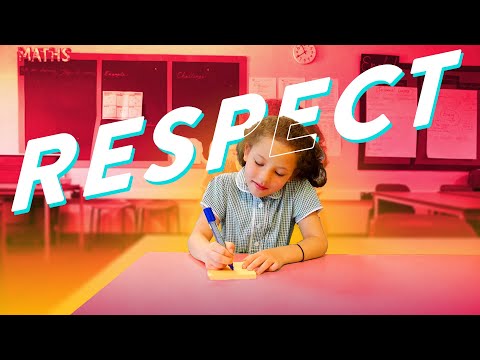
3. Respect (1 of 3) | Social Emotional Learning for Kids
Part of a three-chapter SEL series, this episode explores how to respect others by considering their feelings. It works well as a conversation starter, encouraging students to think about empathy and how their behavior can show respect.
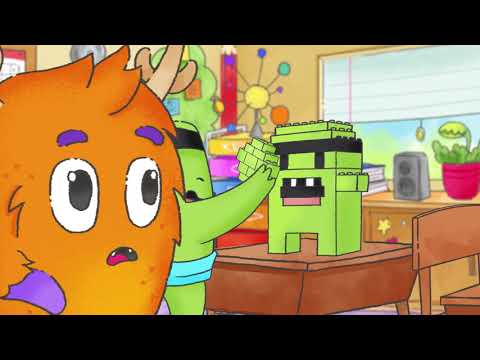
4. Show Some Respect
This video blends stories and practical tips to teach students about kindness and respect. It offers a variety of real-world examples that elementary students can relate to, making it useful for reinforcing classroom expectations.
5. Golden Rule Video – Respect Lesson by Flocabulary
A hip-hop-inspired video from Flocabulary, this lesson brings the concept of respect to life in a creative way. It focuses on the Golden Rule and provides concrete examples of how students can demonstrate respect in their daily interactions. The video is free to watch, but the accompanying lesson resources are paid. Watch on Flocabulary
Additional Videos
[K-2] All About Respect | SEL Song for Kids
A song-based approach to teaching respect. Song format works well for kindergarten and first grade, where movement and repetition help concepts stick. Use at the start of a lesson as an activator rather than the main instructional piece.

[K-2] Jack Hartmann — Respect
Jack Hartmann is a well-known K-2 music educator whose songs are designed for classroom use with movement built in. This one covers respect in the same format teachers already use his phonics and math songs. Short enough to use as a daily morning meeting warmup.

[2-4] Being Respectful Video for Kids | Character Education
A character education video focused on defining what respectful behavior looks like in concrete situations. Works well for grades 2-4 before a discussion or role-play activity. Pause-and-discuss format is easy to use with this one.

[3-5] Respect Activities for Big Kids: Grades 3-5
Explicitly designed for upper elementary. The title signals content that takes a more mature angle on respect than the K-2 videos — appropriate for students who are ready to move past basic definitions toward why respect matters in relationships and communities. Good anchor for a grades 4-5 lesson.

[2-5] Respect (2 of 3) | Social Emotional Learning for Kids
This is the second part of the three-part series (part 1 is above). If you are doing a multi-day SEL unit, parts 1 and 2 together give about 10-12 minutes of video content you can spread across two lessons.

How to Use Respect Videos in Your Classroom
The most effective way to use a respect video is not to let it play start to finish without stopping. Pick one or two moments in the video where something notable happens — a character is disrespected, or someone chooses to respond with respect when they could have done otherwise — and pause there.
Ask: “What just happened? How do you think that person felt? What could they have done differently?” These questions do more than reviewing the concept after the video does. They give students a chance to practice the kind of thinking respect requires — considering someone else’s perspective before reacting.
After the video, one of these follow-ups tends to work well:
Role-play: Give students a scenario card (a disagreement at recess, a partner who didn’t listen, someone cutting in line) and ask them to show a respectful response. Acting it out is more effective than writing about it for younger students.
Quick write: “Write about a time someone showed you respect, or a time you showed someone else respect. What happened?” This works for grades 2 and up.
Class anchor chart: Add examples from the video to a “What Does Respect Look Like?” anchor chart that stays visible in the classroom.
If you are building a broader SEL unit, the videos to teach kindness post has a similar curated list for kindness lessons — the two topics pair well together.
Which of these videos will you try first? Let me know in the comments!

Hello,
I know that these are simulations, however in the 2nd video that the students created, I don’t like how many of the students who are being unkind have a dark complexion. I just feel that it sends the wrong message. The other videos that I viewed are good. Just sharing an observation and my opinion.
Thank you for sharing your observation. I understand your concern and appreciate you taking the time to point it out.
The video you mentioned was created by an elementary school and reflects the unique makeup of their student population. The intent of the activity was to give students a chance to role-play different scenarios around kindness and unkindness, not to make any broader statement about people or groups.
That said, I recognize how representation can impact perception, and I’ll keep your feedback in mind as I review student-created content in the future.