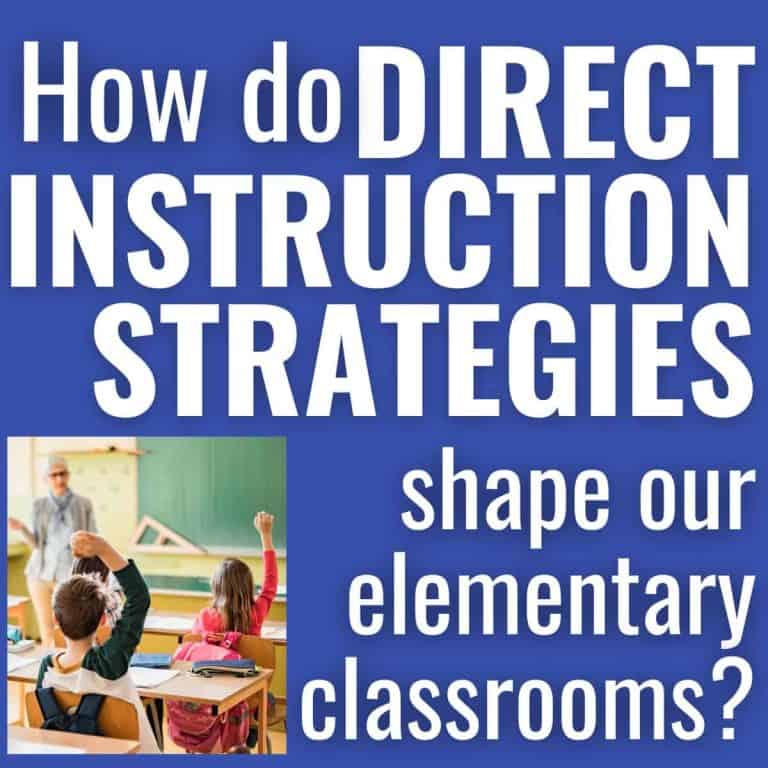
On this page, you’ll find a curated collection of instructional strategies designed for elementary classrooms. These ideas support everything from collaborative learning and academic language development to lesson planning and technology integration. Whether you’re refining your teaching practice or trying something new, these strategies are meant to be practical, adaptable, and student-centered.
Instructional strategies also include differentiation—meeting students where they are and providing the scaffolds they need to succeed. You can explore our dedicated Differentiation section below for targeted supports and strategies for diverse learners.
Student Engagement & Collaboration
Student engagement is at the heart of effective instruction. These strategies help students participate actively, think critically, and collaborate meaningfully with peers.
Formative assessment is essential for responsive teaching. These strategies help you check for understanding, adjust instruction in real time, and provide meaningful feedback that supports student growth. When assessment is built into daily instruction, it becomes a tool for learning—not just evaluation.
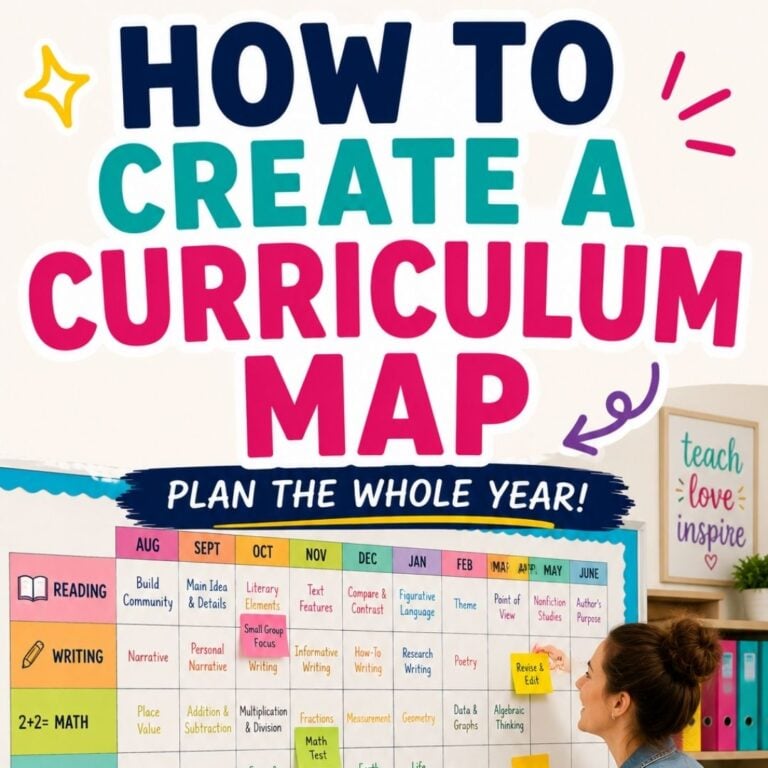
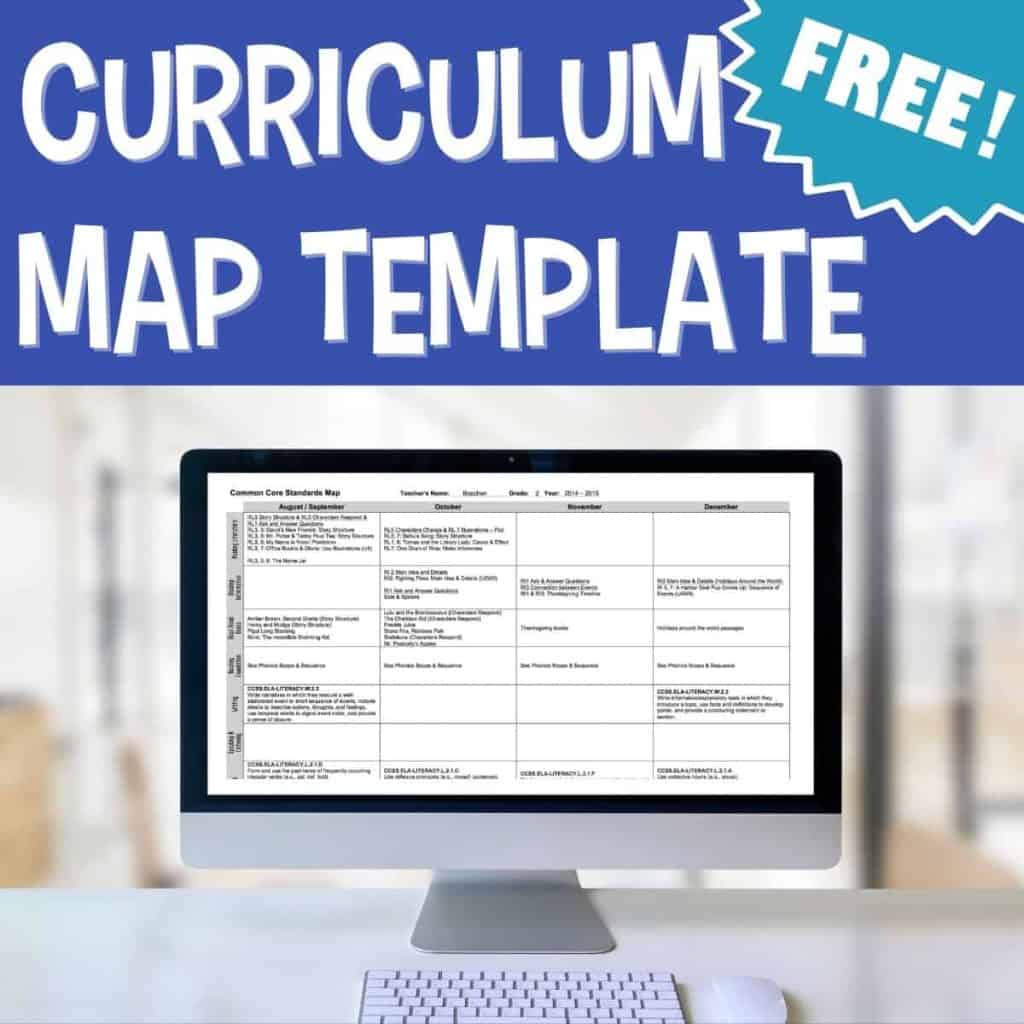
Thoughtful lesson design creates clarity and purpose in the classroom. These posts focus on planning strategies, curriculum mapping, and structuring learning experiences that align with standards and goals.
Technology can enhance instruction when used intentionally. These strategies support research, collaboration, virtual learning, and digital tools that strengthen classroom instruction.
Meeting the needs of diverse learners requires intentional scaffolding and flexible instruction. Explore our full Differentiation collection for strategies to support English learners, students with IEPs, and varied learning needs.
All Instructional Strategy Articles
-
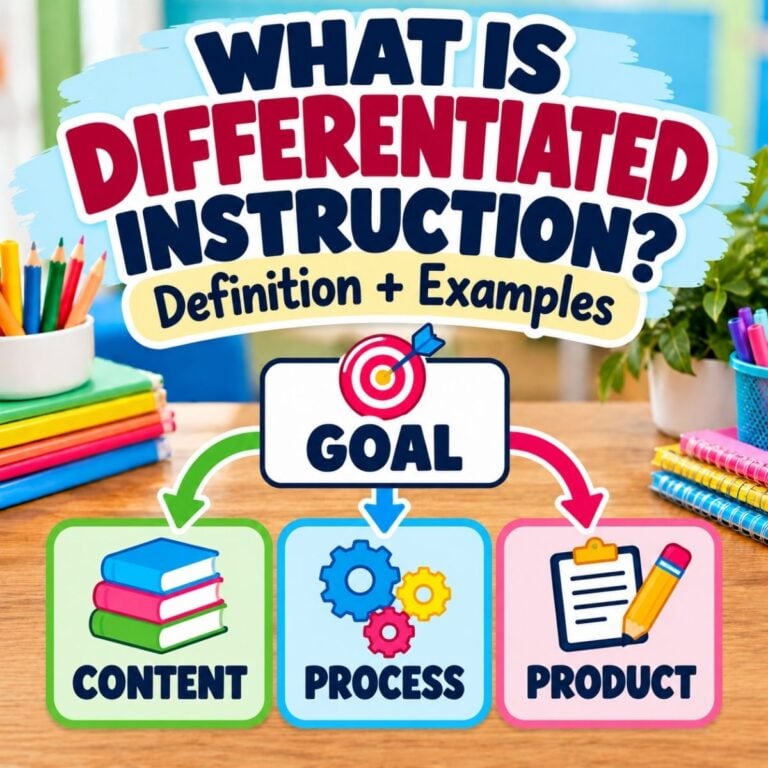
You sit in a staff meeting, the evaluator mentions differentiated instruction, and everyone nods like they know exactly what it means. If you have ever wanted a clear, confident answer…
-
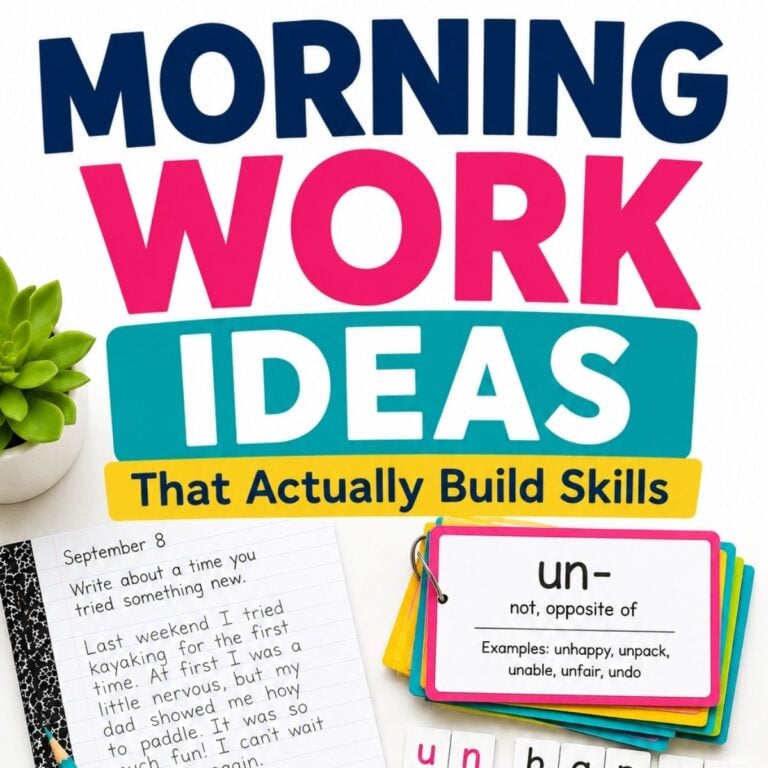
The first ten minutes of the day set the tone for everything that follows. Students trickle in, you take attendance and answer the same question for the fifth time, and…
-
Nothing gets a laugh out of a class faster than a well-timed science pun. Whether you’re wrapping up a chemistry unit, taking a brain break during earth science, or just…
-
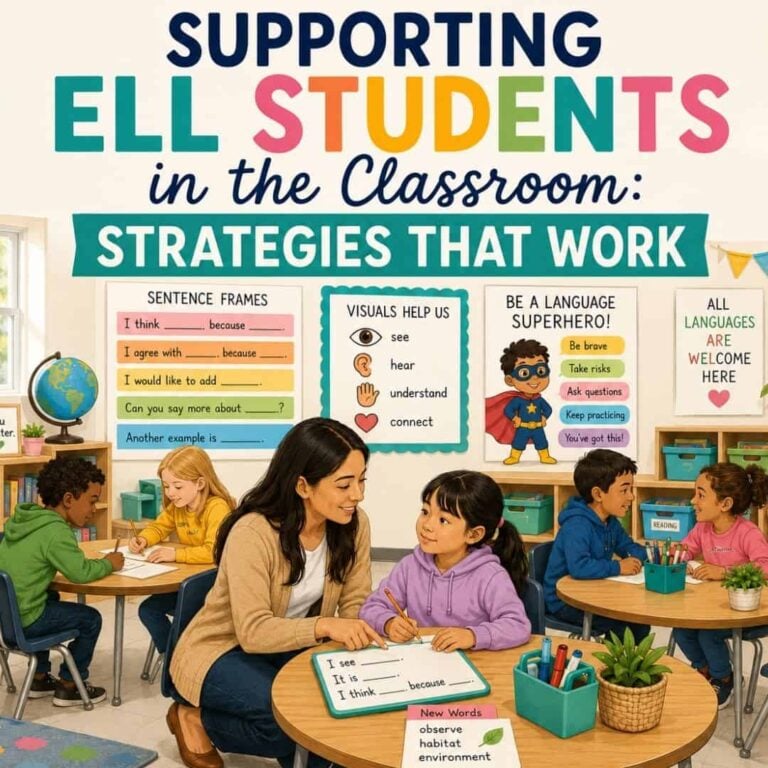
You have a new student in your classroom, and she speaks very little English. She watches everything carefully, follows what other students do, and rarely raises her hand. You want…
-
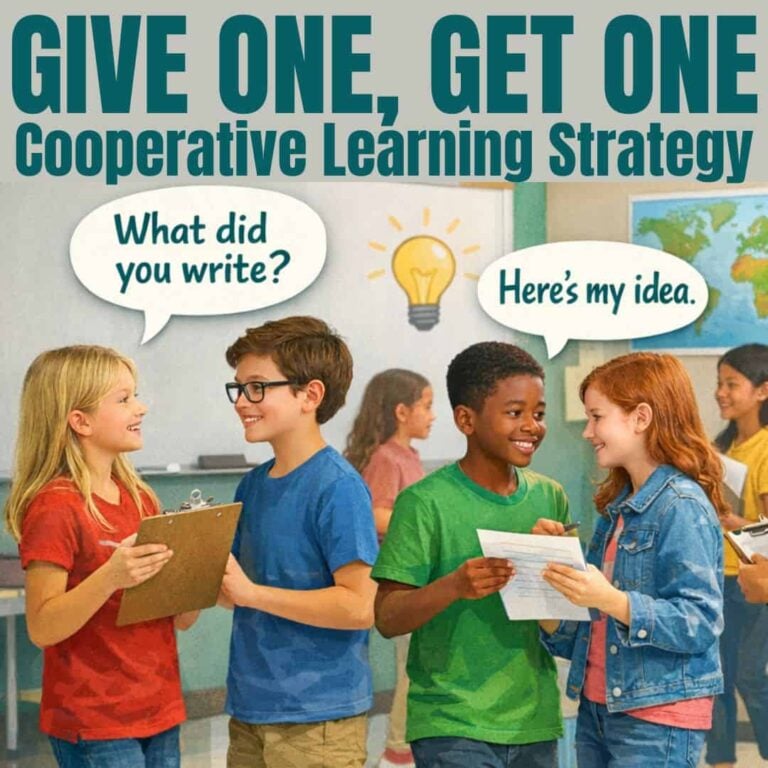
The Give One, Get One strategy is a cooperative learning activity where students share an idea with a partner and collect a new idea in return. Students begin by writing…
-
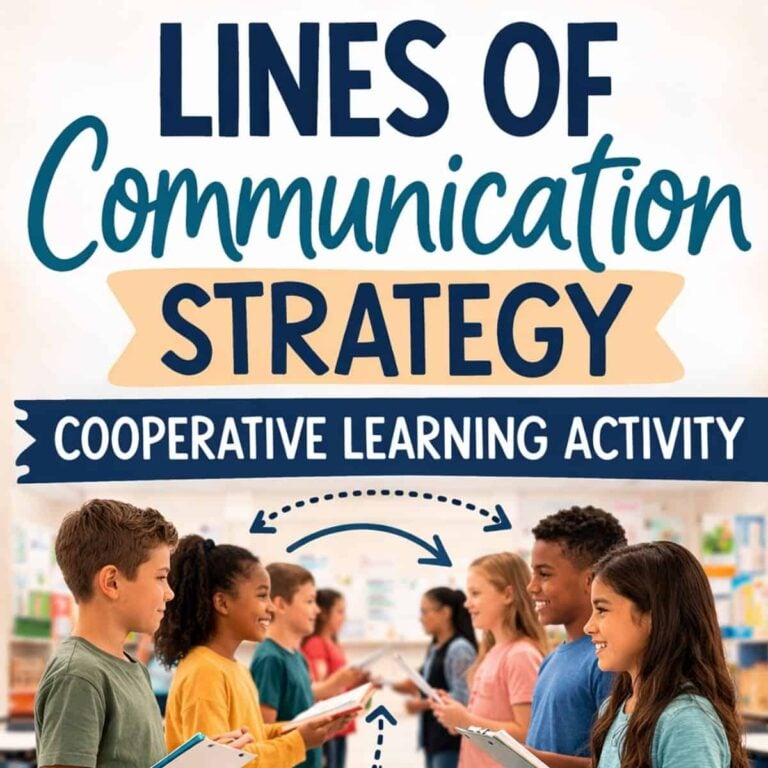
The Lines of Communication strategy is a cooperative learning activity where students form two lines facing each other and discuss questions or review concepts with a partner. After each discussion,…
-
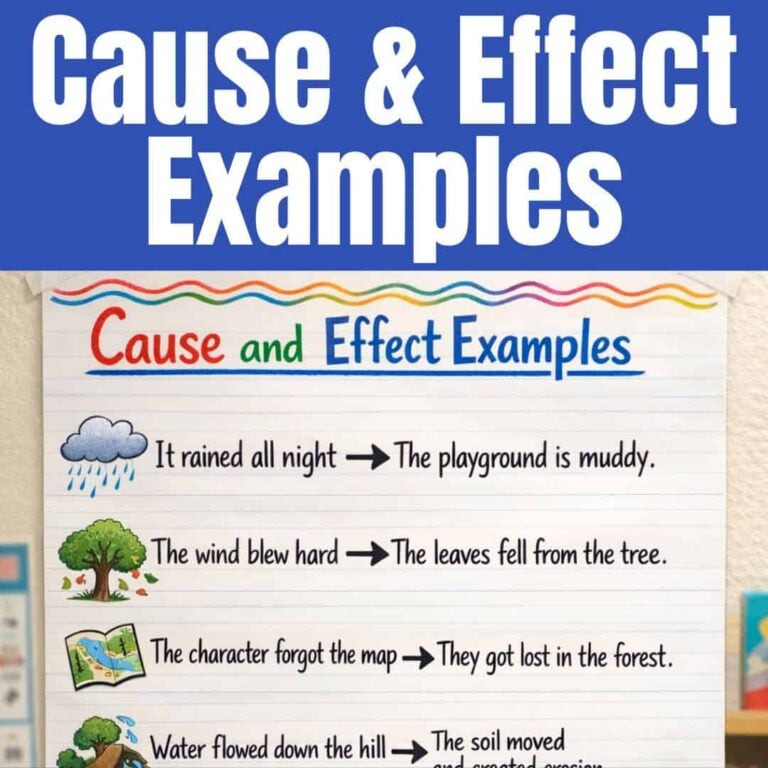
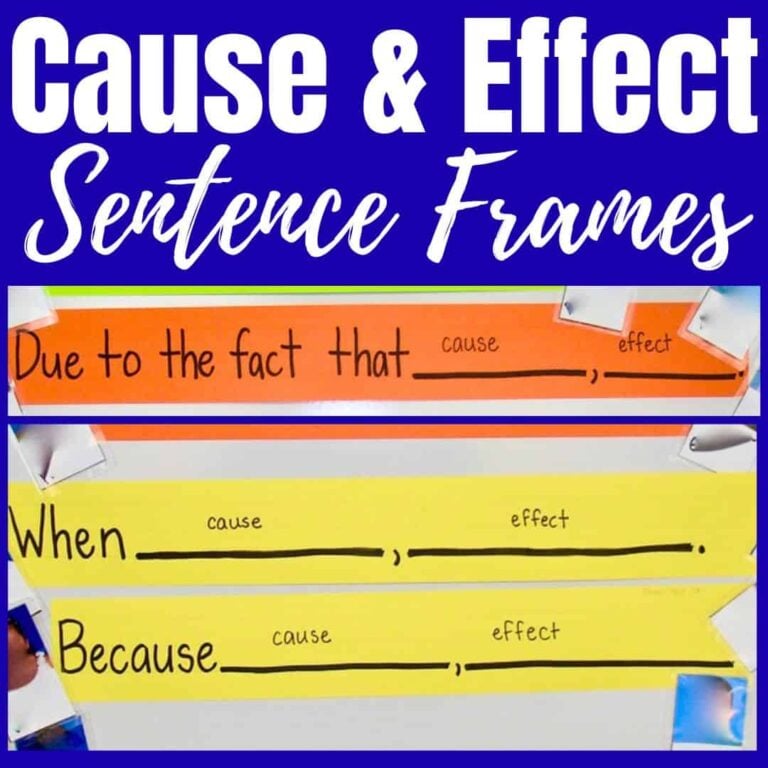
Students notice cause and effect all day long. When someone pushes a swing, it moves. When it rains, puddles appear. When a character in a story makes a choice, something…
-
Understanding cause and effect is a foundational reading and writing skill for elementary students. When students recognize how events are connected, they become stronger readers, clearer writers, and better thinkers….
-
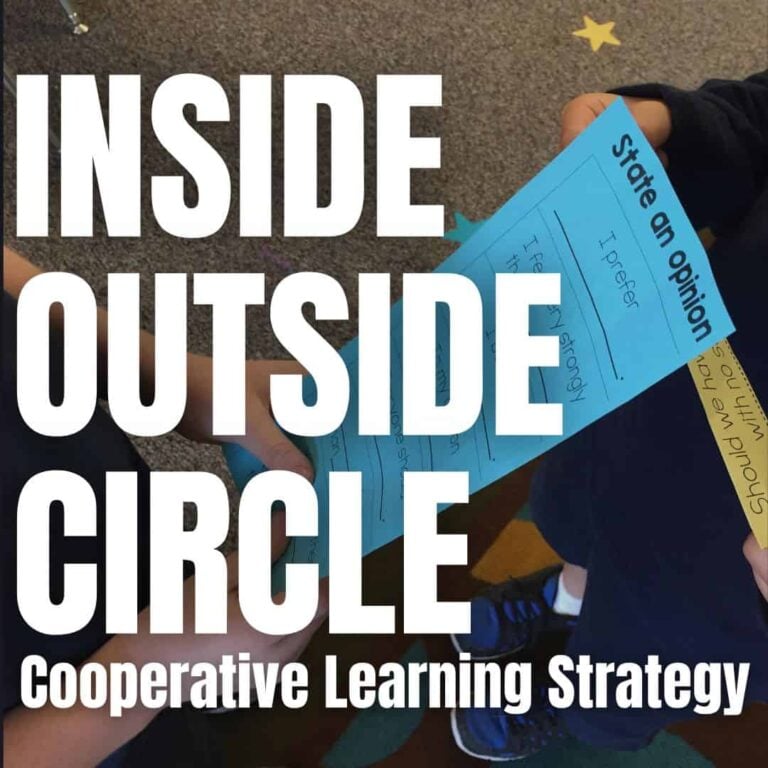
The Inside-Outside Circle strategy is a cooperative learning structure in which students form two circles and discuss questions or review concepts with a partner. One circle faces inward while the other…
-
Cooperative learning strategies are simple routines that help students think, talk, and learn together during classroom lessons. Instead of listening quietly during instruction, students pause to discuss ideas, explain their…
-
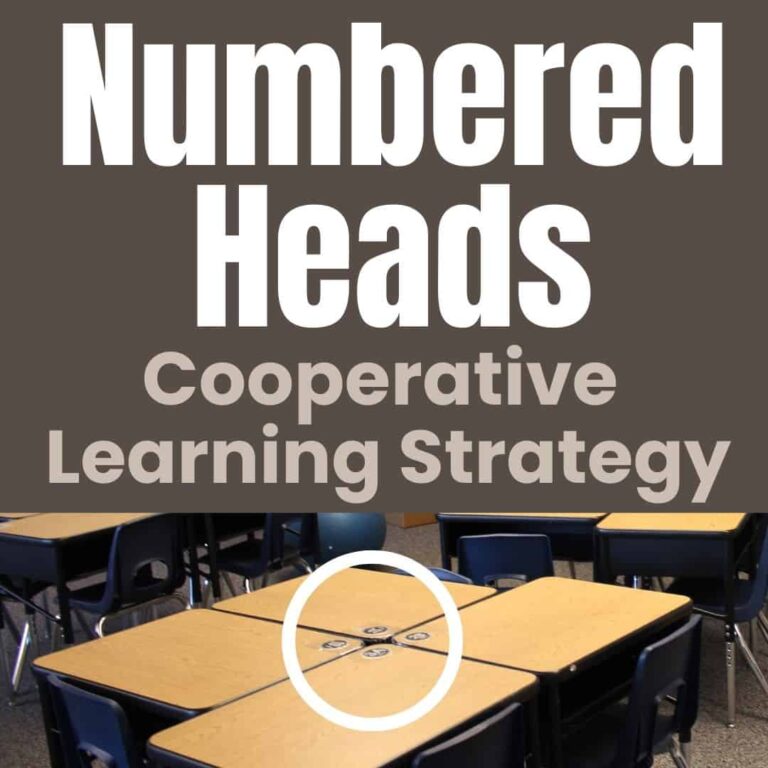
The numbered heads together strategy is a cooperative learning routine that helps students discuss ideas, share their thinking, and work toward a shared answer as a team. Instead of responding…
-
Teachers are constantly trying to answer one big question: Are my students actually getting this? Some days it’s obvious—students are nodding, participating, and turning in work that makes your teacher’s…
End of content
End of content