
Animal Research Websites for Kids (Safe Sites for Animal Reports)
The best animal research websites for kids include National Geographic Kids, Britannica Kids, San Diego Zoo Wildlife Explorers, Animal Corner, and Ducksters. Each site is written at a level students can read independently and organized by topic, so students can find information about habitats, diets, adaptations, and life cycles without wading through adult-level text.

If you’re planning a full research project, you may also find these animal report templates helpful for organizing student notes and writing.
For a full guide to organizing a research unit, see this overview of animal research projects for elementary students.
Best Animal Research Websites for Kids
These websites provide student-friendly information about animals, including habitats, diets, life cycles, and adaptations.
National Geographic Kids
National Geographic Kids is one of the most popular animal research websites for students. The site includes articles, photos, videos, and quick facts about animals from around the world.
Students can learn about:
- animal habitats
- endangered species
- animal adaptations
- wildlife conservation
The site is visually engaging and works well for elementary and middle school students researching animals.
Content is produced by National Geographic’s editorial team and reviewed for accuracy, making it one of the most reliable sources students can use independently.
Britannica Kids
Britannica Kids provides reliable encyclopedia-style articles written for younger readers. Many schools also have access to the classroom version called Britannica School.
Students can find information about:
- animal classifications
- habitats
- life cycles
- ecosystems
The articles are structured clearly, making them useful for students who are writing animal reports.
Britannica has a long history as a reference publisher; the kids’ version is reviewed for age-appropriateness and editorial accuracy, and many schools subscribe to the classroom version.
Animal Corner
Animal Corner provides detailed but accessible pages about many different animals. Each animal page typically includes sections on appearance, diet, habitat, and behavior.
Students researching animals will often find helpful sections such as:
- interesting animal facts
- life cycle information
- physical characteristics
- conservation status
Animal Corner is an independent animal encyclopedia. It is accurate for basic facts about appearance, diet, and habitat, though it is less institutionally reviewed than zoo or museum sites. It works well as a supplementary source.
San Diego Zoo Wildlife Explorers
San Diego Zoo Wildlife Explorers includes articles, videos, and interactive features about animals found around the world.
Students can explore topics like:
- endangered species
- animal habitats
- conservation efforts
The site is designed specifically for young learners, which makes it especially useful for elementary students.
Content is produced by the San Diego Zoo’s conservation and education team, making it reliable for species information and conservation status.
NatureWorks
NatureWorks focuses on wildlife found in nature. Students can research animals while learning about ecosystems and environmental conservation.
The site includes information about:
- mammals
- birds
- reptiles
- amphibians
- insects
Produced by New Hampshire PBS, a public media organization with educational standards. Reliable for North American wildlife.
Ducksters
Ducksters includes simple, clearly organized animal pages that are easy for students to read.
Each animal page typically includes sections such as:
- habitat
- diet
- classification
- interesting facts
This makes it a helpful starting point for younger students.
Written and reviewed for student use. A reliable starting point for basic animal facts, especially for younger students.
North Carolina Zoo
North Carolina Zoo provides educational information about animals found in the zoo and around the world.
Students can learn about:
- animal habitats
- conservation programs
- wildlife protection
Many pages include images and short explanations that are accessible for elementary readers.
Zoo-produced content reviewed by animal care specialists. Reliable for the species covered.
A-Z Animals
A‑Z Animals contains thousands of animal entries with quick facts, classifications, and descriptions.
Students can search by animal name and quickly find information about:
- habitat
- diet
- predators
- lifespan
- classification
A-Z Animals is one of the largest animal reference sites available. It is generally accurate for basic facts — habitat, diet, lifespan, classification — and useful for quick research. It is less rigorous than institutional sources like zoos or museums, so it works best as a starting point rather than a sole source.”
Websites for Researching Endangered Animals
If students are studying endangered animals or conservation topics, these websites provide additional information about species that are at risk.
World Wildlife Fund
The World Wildlife Fund provides detailed information on endangered animals and conservation efforts worldwide.
Students can explore:
- endangered species lists
- animal habitats
- conservation projects
WWF is one of the world’s most respected conservation organizations. Its endangered species data is reliable and regularly updated.
Smithsonian National Zoo
Smithsonian National Zoo includes educational pages about animals and conservation programs.
Students can learn about:
- endangered species
- animal care
- conservation research
Smithsonian-produced content reviewed by zoologists and conservation scientists. One of the most authoritative sources for animal and conservation information.
How Students Can Use These Websites for Animal Research
When students begin an animal research project, it helps to guide them toward specific information they should look for. Students can gather facts such as:
- what the animal looks like
- where the animal lives
- what the animal eats
- how the animal survives in its habitat
- whether the animal is endangered
Providing a list of reliable animal research websites helps students focus on reading and learning instead of spending time searching for sources.
Animal articles that include QR codes work well alongside this website list. After students read the article about their animal, they can scan the QR codes to explore additional sources like National Geographic Kids, San Diego Zoo, and other kid-friendly wildlife websites.
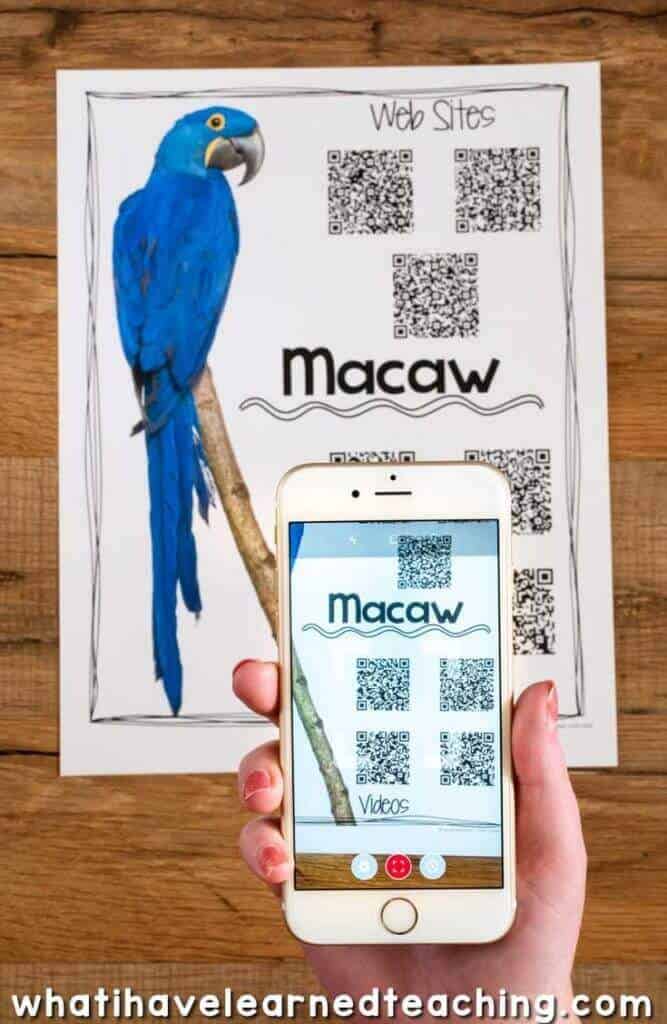
These QR codes make it easy for students to access safe, student-friendly research materials without having to search the internet on their own. They can watch short videos, read additional facts, and gather more information for their animal report.
If you’re looking for ready-to-use materials, these animal informational articles include QR codes for student research, making it easier for students to explore multiple sources while completing their animal reports.
Free Animal Report Pages for Students
Once students begin researching animals, they need a place to organize the information they find. Having structured report pages helps students focus on the most important facts rather than deciding what to write.
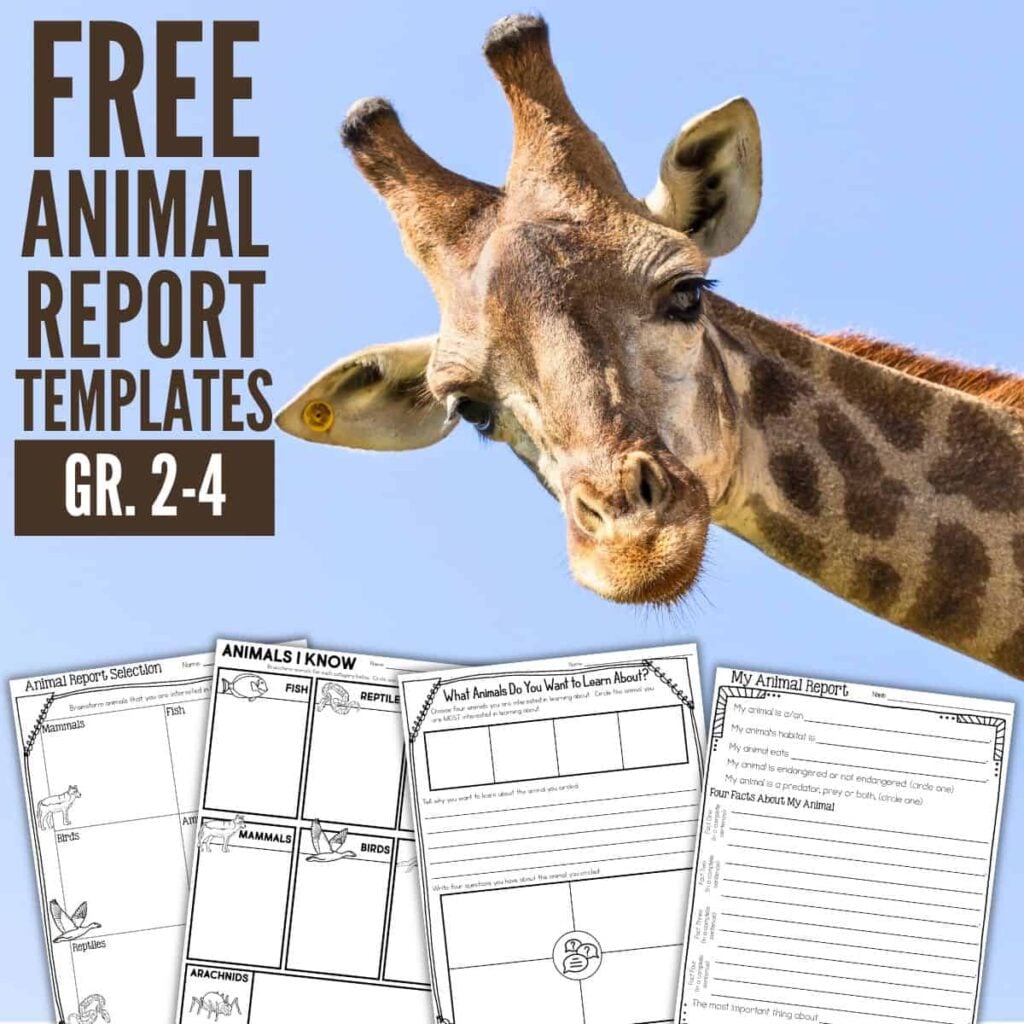
These free animal report pages guide students through the research process with sections such as:
- animal habitat
- diet
- physical characteristics
- predators
- interesting facts
Students can use the pages while reading articles, exploring websites, and watching research videos. The structured format makes it easier for students to turn their research into a complete animal report.
If you’d like a simple set of pages students can use while researching animals, you can download the free animal report pages here.
Helping Students Research Animals
Animal research projects allow students to practice reading informational text while learning about wildlife and ecosystems. By exploring trusted websites, students can discover how animals live, survive, and interact with their environments.
Using reliable animal research websites helps students gather accurate information while building research and writing skills.
If you’re planning a full research unit, you might also find these resources helpful:
- How to teach animal reports in elementary school
- Animal research project ideas
- Animal report templates for students
These tools can guide students through the entire research process, from choosing an animal to presenting their final report.
Do you need engaging informational texts that your elementary students will actually want to read?
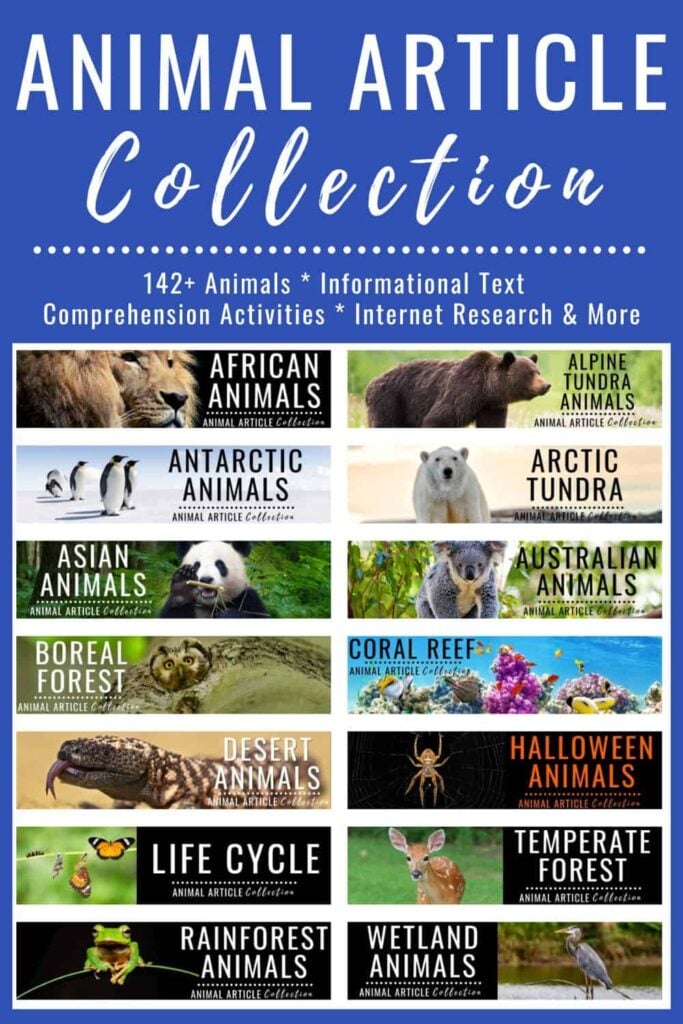
The Animal Article Collection includes 142+ animal articles spanning 14 ecosystems, complete with reading comprehension and structured writing activities. Students can choose their animal while building skills in informational text, research, and report writing.
Jessica BOschen
Jessica is a teacher, homeschool parent, and entrepreneur. She shares her passion for teaching and education on What I Have Learned. Jessica has 16 years of experience teaching elementary school and currently homeschools her two middle and high school boys. She enjoys scaffolding learning for students, focusing on helping our most challenging learners achieve success in all academic areas.