
Animal Research Project Ideas for Elementary Students
Animal research projects are a common activity in elementary classrooms. These projects allow students to explore the animal kingdom while practicing important academic skills such as reading informational text, gathering facts, organizing notes, and presenting what they learned.
For many students, an animal research project is one of their first experiences with independent research. Students learn how to read informational sources, identify key details, and turn their notes into a report or presentation about the animal they studied.
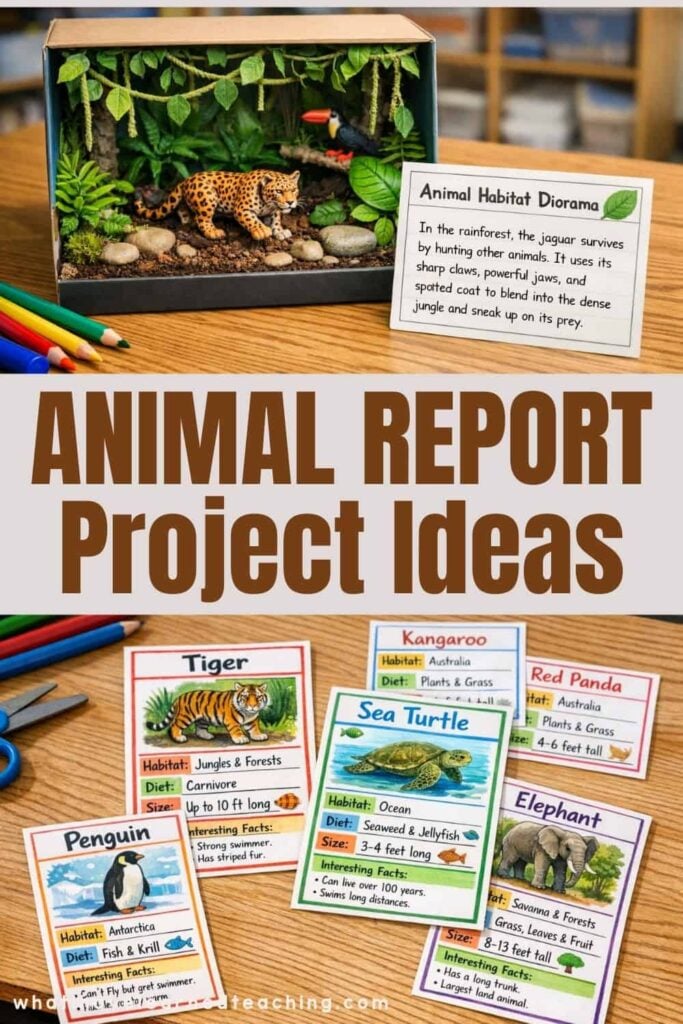
Teachers often combine research with creative projects so students can share their learning in different ways. Below are several animal research project ideas that work well for elementary students.
If you’re planning a full unit, this guide to animal research projects for elementary students includes research tools, report templates, websites for research, and activities that help students complete animal reports from start to finish.
What Is an Animal Research Project?
An animal research project asks students to study an animal and present what they learn about its characteristics, habitat, and behavior.
Students usually research topics such as:
- where the animal lives
- what the animal eats
- physical characteristics
- predators and survival strategies
- life cycle
- interesting facts
After gathering information, students organize their research into a final project such as a report, poster, presentation, or creative display.
Many teachers begin with a structured animal report and then allow students to present their findings through a project format.
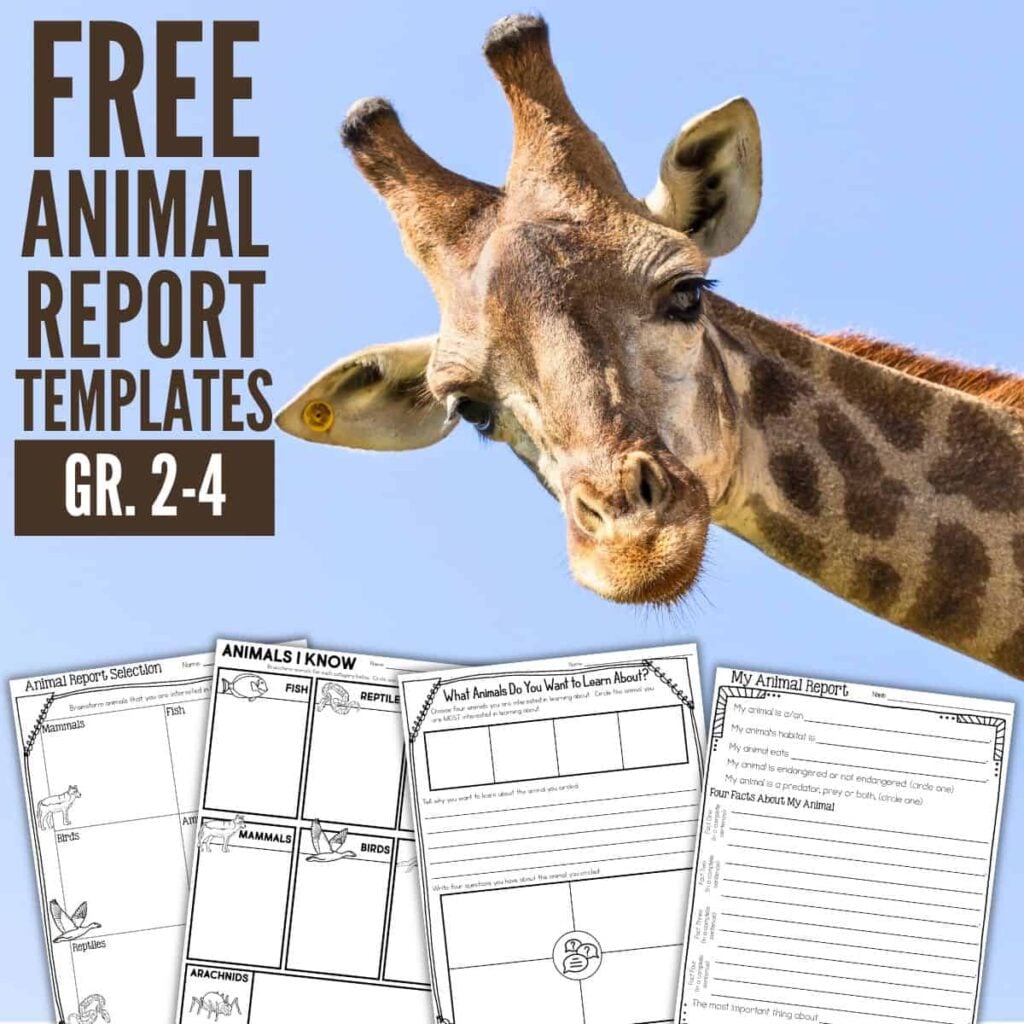
Free Animal Report Templates
Before students begin creating their final project, they need a place to organize the information they discover about their animal.
Using animal report templates can help students record important facts while they research. These pages guide students to look for key information about their animal and keep their notes organized.
Students often gather facts about:
- habitat
- diet
- physical appearance
- predators
- life cycle
- interesting facts
These templates work well while students read books, explore research websites, or watch videos about their animal.
If you’d like a simple way to support students during their research, you can download free animal report templates that help students organize their notes and prepare for their final animal project.
10 Animal Research Project Ideas
These animal research project ideas allow students to explore animals while practicing research and presentation skills.
1. Animal Research Report
One of the most common animal research projects is a structured written report.
Students research an animal and organize their information into sections such as:
- habitat
- diet
- appearance
- predators
- interesting facts
Students often begin with note-taking organizers before writing their final report.
If you’re looking for a structured format, these animal report templates can help students organize their research and writing.
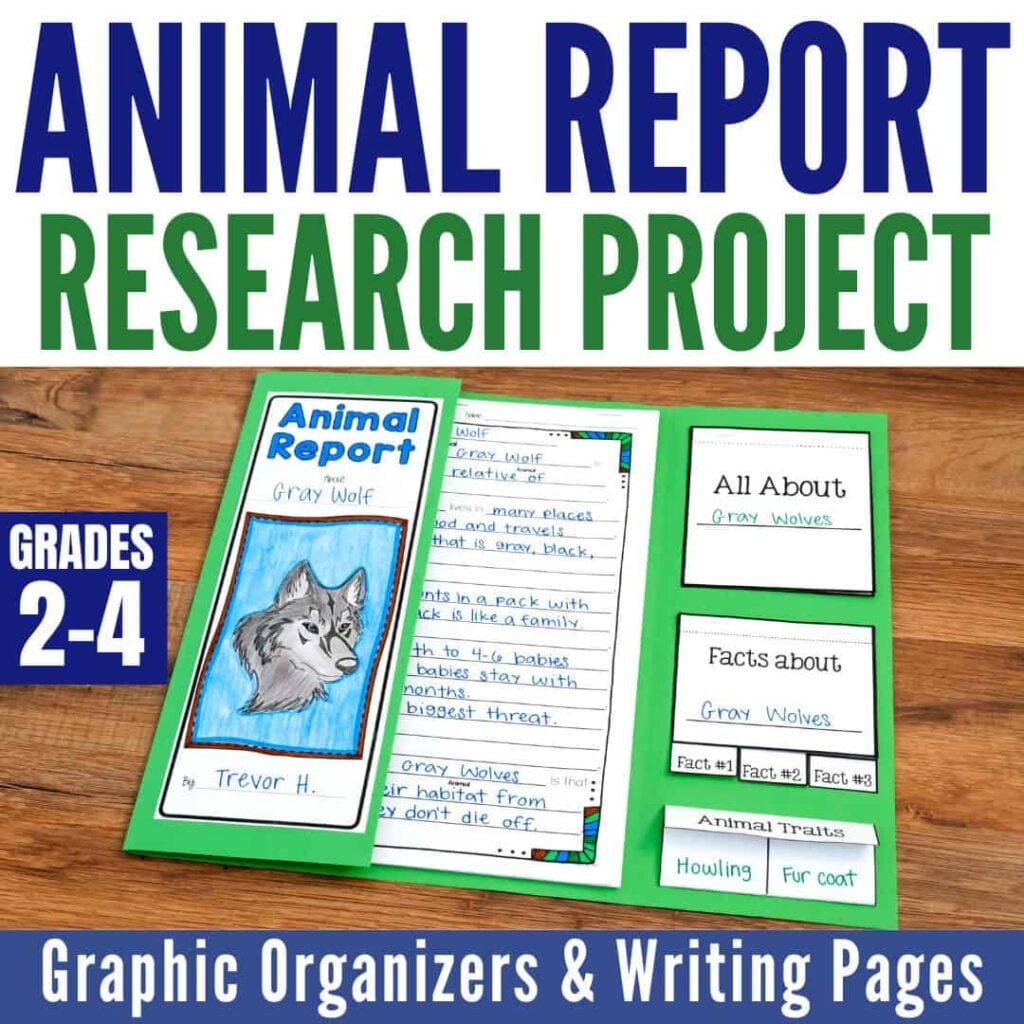
Animal Report Templates, Graphic Organizers, Rubric, Lapbook, Trifold
This animal report project helps students research and write about any animal. The resource includes graphic organizers, research pages, report templates, and project options such as booklets, trifolds, lap books, and interactive notebooks.
2. Animal Poster Research Project
Students create a poster that explains the animal they researched.
The poster acts as a visual version of their animal report and usually includes several sections such as:
- habitat
- diet
- physical characteristics
- predators
- interesting facts
Students often include drawings, maps, and labeled diagrams. Posters can be displayed around the classroom while students present their research.

3. Animal Habitat Diorama
In this project, students create a small model showing the animal’s habitat.
The diorama might include:
- plants and landforms from the habitat
- the animal itself
- other animals that share the environment
Students can include a short written explanation describing how the animal survives in its habitat.
4. Animal Life Cycle Project
Students create a timeline showing the life cycle of the animal they researched.
The life cycle timeline might include:
- birth or hatching
- early development stages
- growth and adulthood
- reproduction
This project helps students understand how animals grow and change over time.

Life Cycle Articles & Organizers
Take a look at these life cycle animal articles and graphic organizers to help students complete a life cycle project.
5. Animal Newspaper Article
Students write a newspaper-style article about their animal. This works especially well for endangered animals, where students report on the animal’s status.
The article might include:
- a headline about the animal
- facts about where it lives
- information about how it survives in the wild
This project connects science research with informational writing skills.

6. Animal Trading Cards
Students create trading cards that include important information about their animal.
Each card might include:
- the animal’s name
- habitat
- diet
- size
- interesting facts
Students can share their cards with classmates to learn about many different animals.
7. Animal Slide Presentation
Students create a slideshow presentation about the animal they researched.
Slides might include:
- pictures of the animal
- habitat information
- diet and behavior
- interesting facts
Students present their slideshow to the class and explain what they learned.
8. Animal Research Booklet
Students turn their research into a small informational book about their animal.
Each page can focus on a different topic such as:
- habitat
- diet
- adaptations
- predators
Students can add illustrations and labels to make their booklet more engaging.


9. Animal Comparison Project
Students research two animals and compare their characteristics.
They might compare:
- habitats
- diets
- physical adaptations
Students can present their findings using a Venn diagram or a comparison chart.
10. Animal Fact Poster
An animal fact poster focuses on quick facts and visuals rather than a full research report.
Students create a poster filled with short pieces of information about the animal, such as:
- scientific name
- size and weight
- habitat
- diet
- lifespan
- surprising facts
Students often include illustrations or labeled diagrams to make the poster more visually engaging.
This type of project works well as a science center activity or a quick research project.
Helping Students Research Animals
Research can be challenging for younger students, especially when they are searching for information online.
Teachers often support students by providing:
- kid-friendly animal websites
- informational articles about animals
- research questions or note-taking organizers

Animal Research Websites for Kids
These animal research websites for kids provide safe and reliable sources that students can use while researching their animal.
In my classroom, I also use animal articles with QR codes that link to additional research websites and videos. Students can scan the QR codes to explore more information about their animal and gather additional facts for their report.
Choosing the Right Animal Research Project
When selecting an animal research project, teachers often consider the age of their students and the goals of the lesson.
Younger students may benefit from:
- posters
- fact sheets
- simple reports
Older students may enjoy:
- slideshow presentations
- comparison projects
- detailed research reports
Many teachers combine a written report with a creative presentation so students can practice both research and communication skills.
Animal Research Projects Help Students Learn About the Natural World
Animal research projects allow students to explore the diversity of animals while learning about ecosystems, habitats, and adaptations. As students research different animals, they begin to understand how animals survive and interact with their environments.
Through these projects, students practice important academic skills such as reading informational text, organizing research notes, and presenting what they learn to others.
If you’re planning an animal research unit, you might also find these resources helpful:
- Animal research websites for kids
- How to teach animal reports in elementary school
- Animal report templates for students
Together, these resources can help guide students through the entire research process—from choosing an animal to presenting their final project.
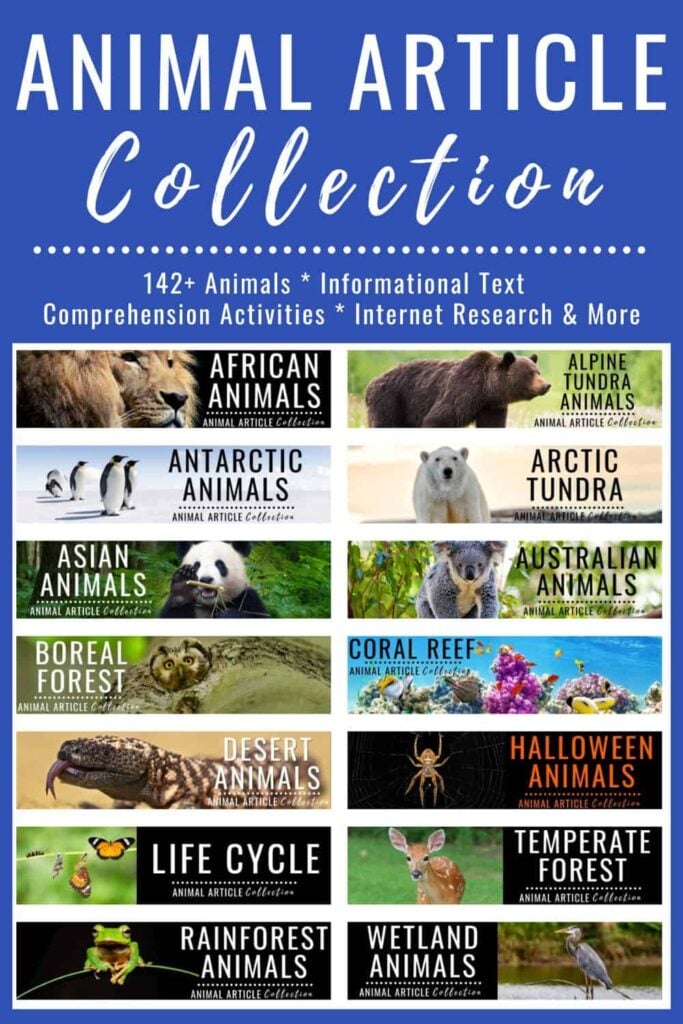
Do you need engaging informational texts that your elementary students will actually want to read?
The Animal Article Collection includes 142+ animal articles spanning 14 ecosystems, complete with reading comprehension and structured writing activities. Students can choose their animal while building skills in informational text, research, and report writing.
Jessica BOschen
Jessica is a teacher, homeschool parent, and entrepreneur. She shares her passion for teaching and education on What I Have Learned. Jessica has 16 years of experience teaching elementary school and currently homeschools her two middle and high school boys. She enjoys scaffolding learning for students, focusing on helping our most challenging learners achieve success in all academic areas.