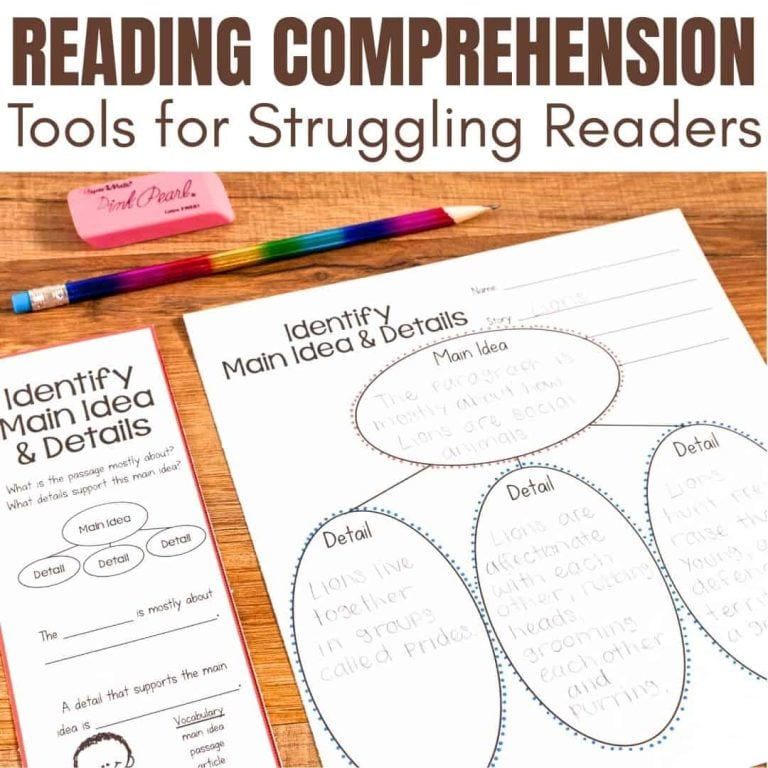
On this page, you’ll find reading comprehension resources organized into key instructional areas. Whether you’re teaching students how to analyze text structure, respond to questions in writing, or engage thoughtfully during read-alouds, these strategies are designed to build confident, capable readers.
Explicit strategy instruction helps students understand how skilled readers think. These posts focus on modeling comprehension strategies such as asking and answering questions, identifying main ideas, summarizing, making inferences, and analyzing text structure. You’ll find practical routines and structured approaches that move beyond worksheets and support meaningful text analysis.
Informational Text & Nonfiction
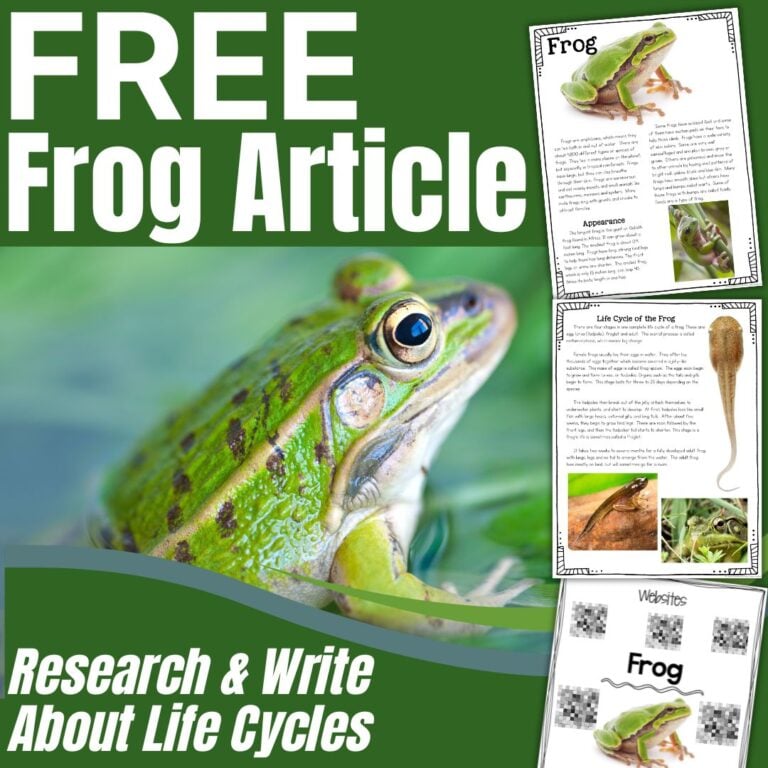
Students must learn how to navigate nonfiction text structures, analyze informational content, and extract key details. Informational text instruction includes teaching text features, identifying main ideas, comparing texts, and synthesizing information across sources.
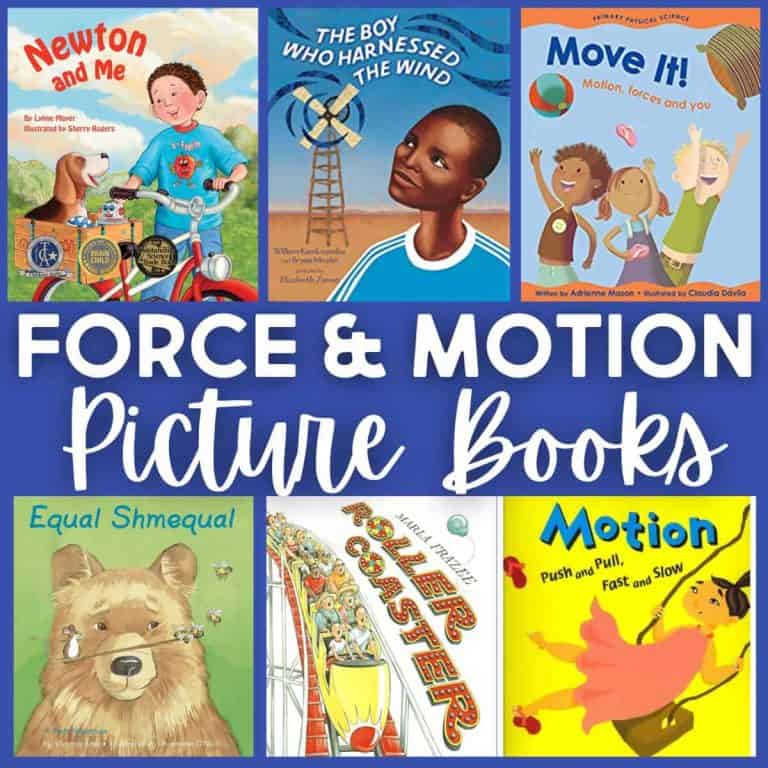
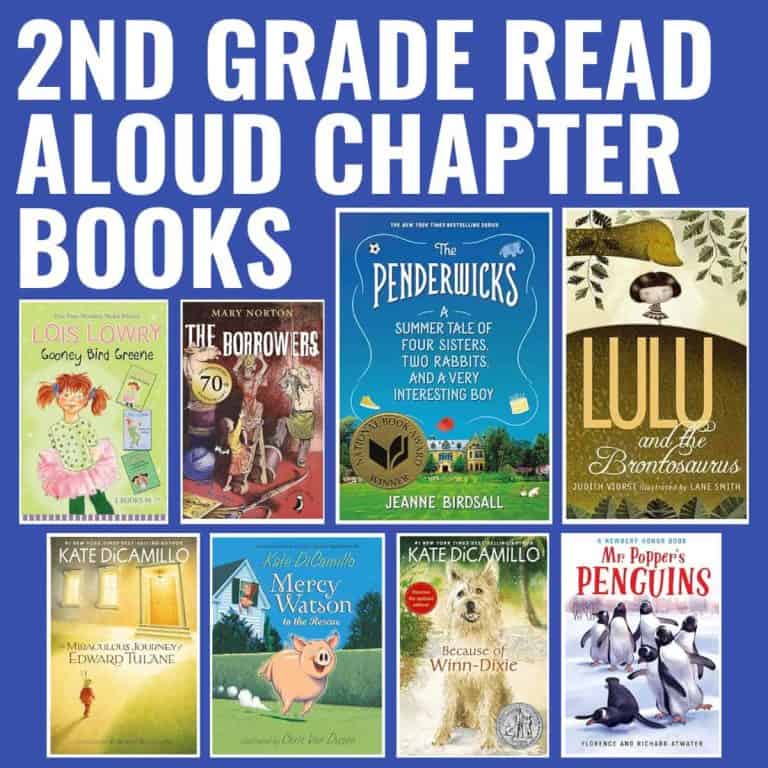
Thoughtfully chosen read-alouds model fluent reading and provide rich opportunities for comprehension instruction. Strategic book selections can introduce complex themes, expose students to diverse perspectives, and spark meaningful classroom conversations.
Shop Reading Comprehension Resources
Explore All Reading Comprehension Articles
Below, you’ll find our full collection of reading comprehension resources, including strategy instruction, nonfiction text support, reading response tools, and book recommendations for elementary classrooms.
-
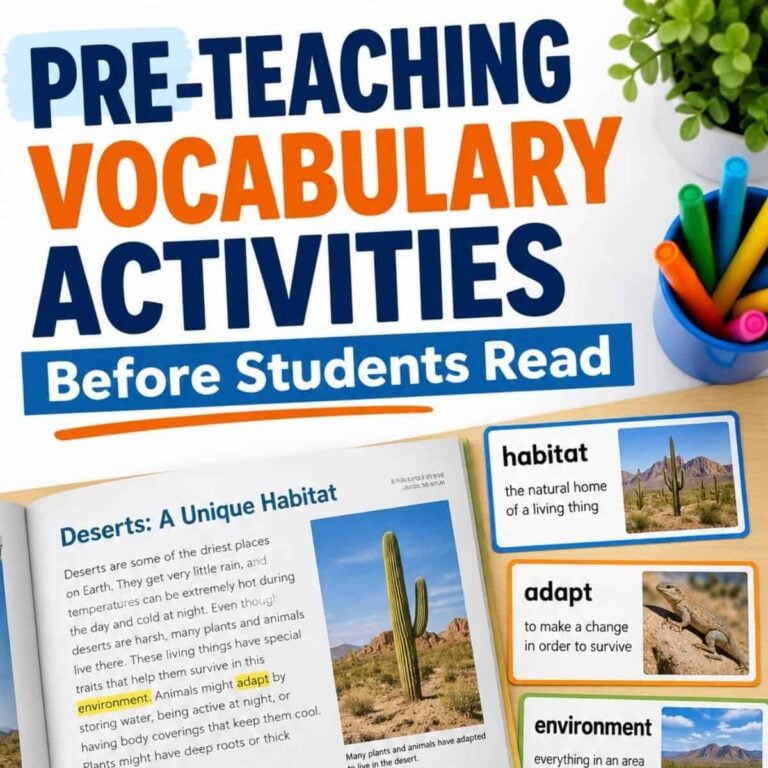
You hand out a new science article, students start reading, and within a paragraph, three hands go up: “What does habitat mean? What’s adapt?” By the time you have answered,…
-
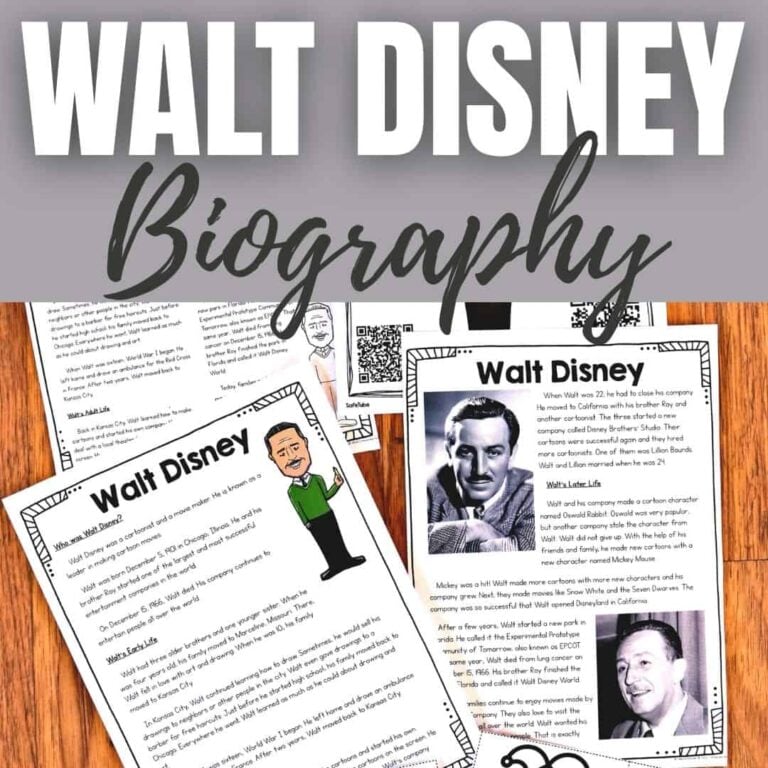
Teaching a Walt Disney biography unit gives students a story that genuinely captures their attention — a kid who loved to draw, faced real setbacks, and kept creating anyway. Whether…
-
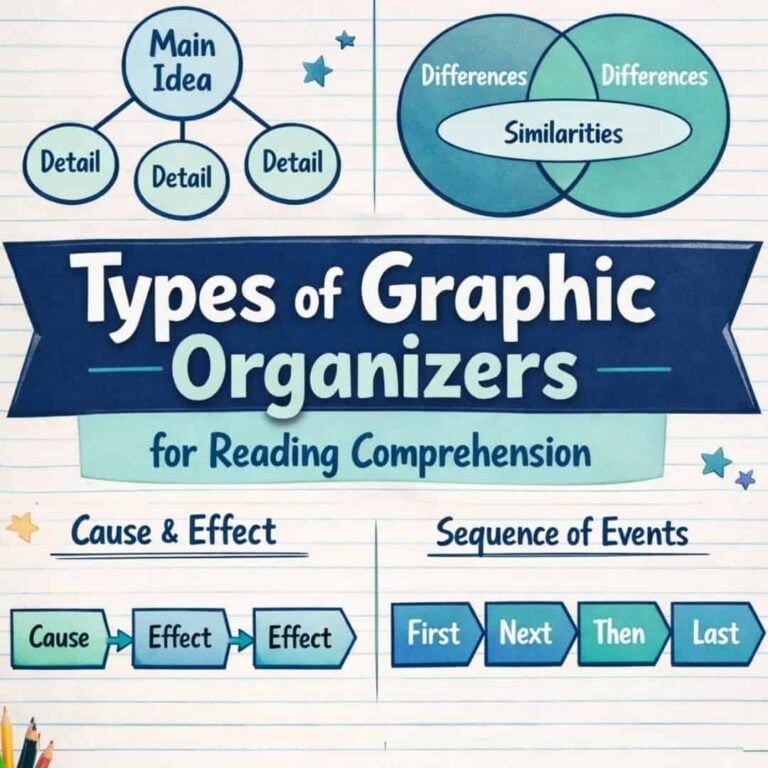
Graphic organizers are a common part of reading instruction, but not all types of graphic organizers support comprehension equally. The key is choosing the right one for the reading comprehension…
-
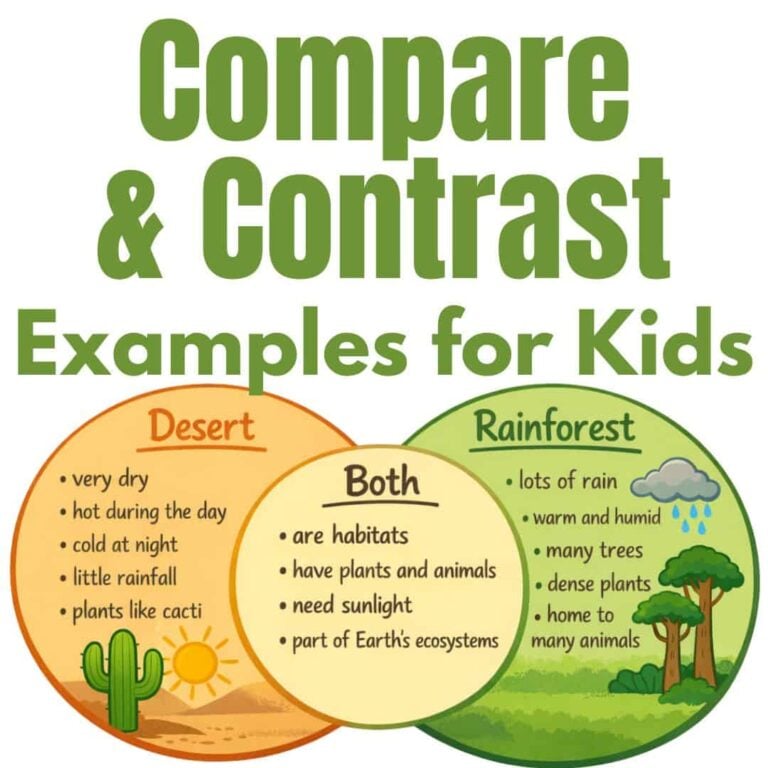
Compare and contrast examples for students show what this type of writing actually looks like in practice. Understanding the skill is one thing; seeing a finished sentence, paragraph, or essay…
-
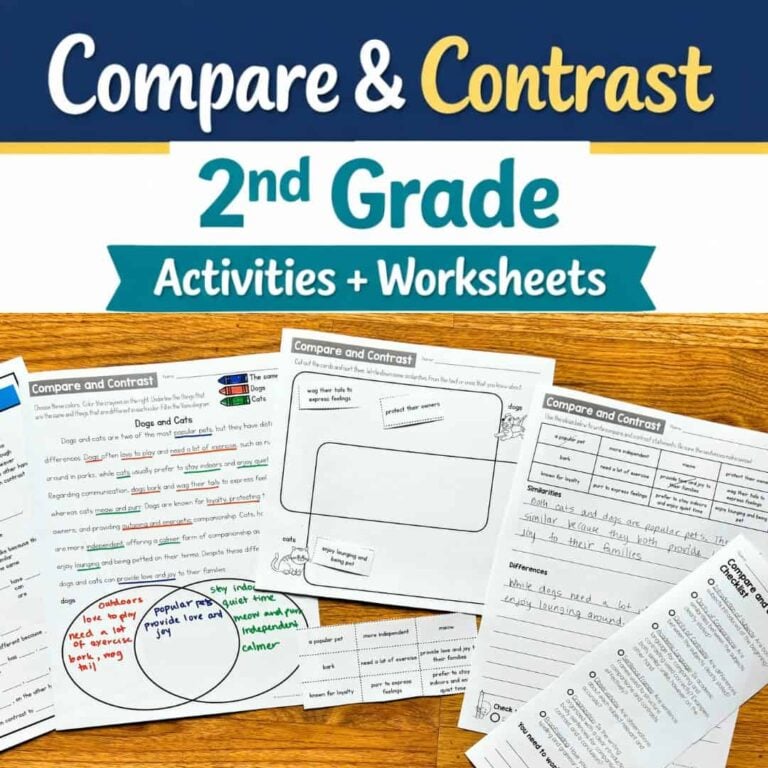
Teaching students how to compare and contrast in 2nd grade and 3rd grade is one of those skills that shows up everywhere, from reading comprehension to science discussions and even…
-
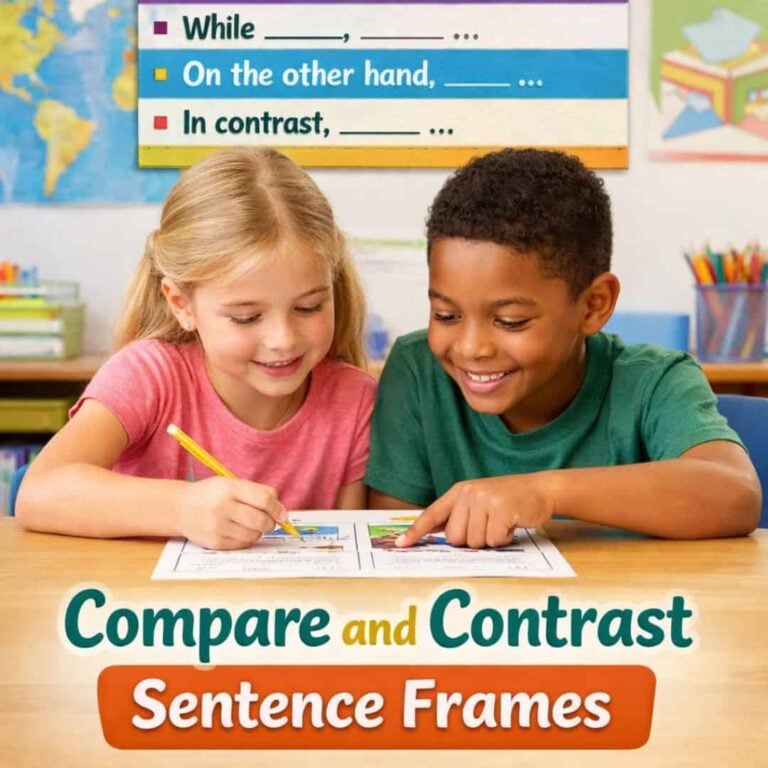
Compare and contrast sentence starters give students the language they need to explain similarities and differences without getting stuck on how to begin. Instead of writing short, repetitive sentences, students…
-
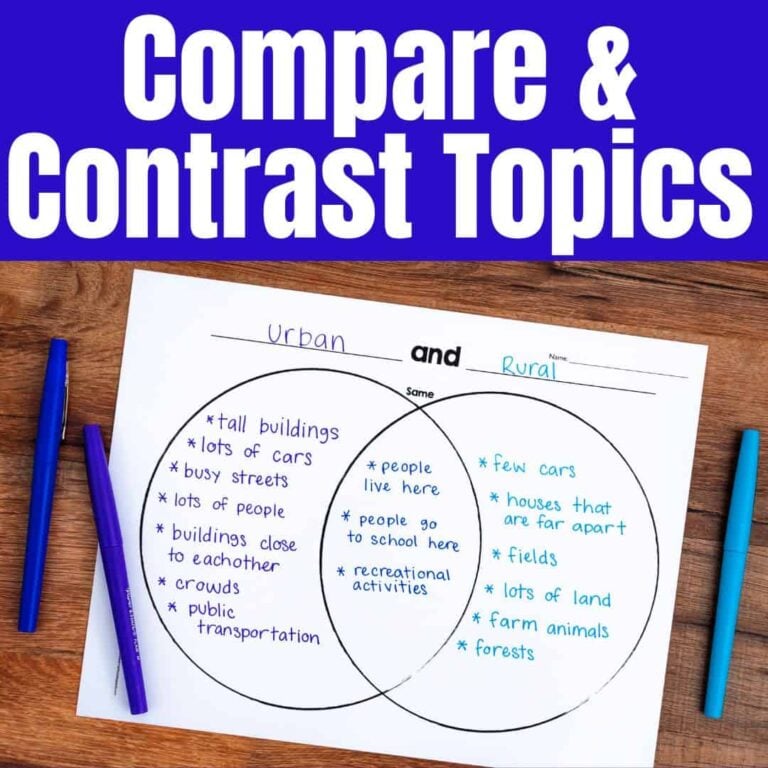
Students naturally notice similarities and differences in the world around them. They compare which snack is better, which game is more fun, and which animal is faster. Using engaging compare…
-
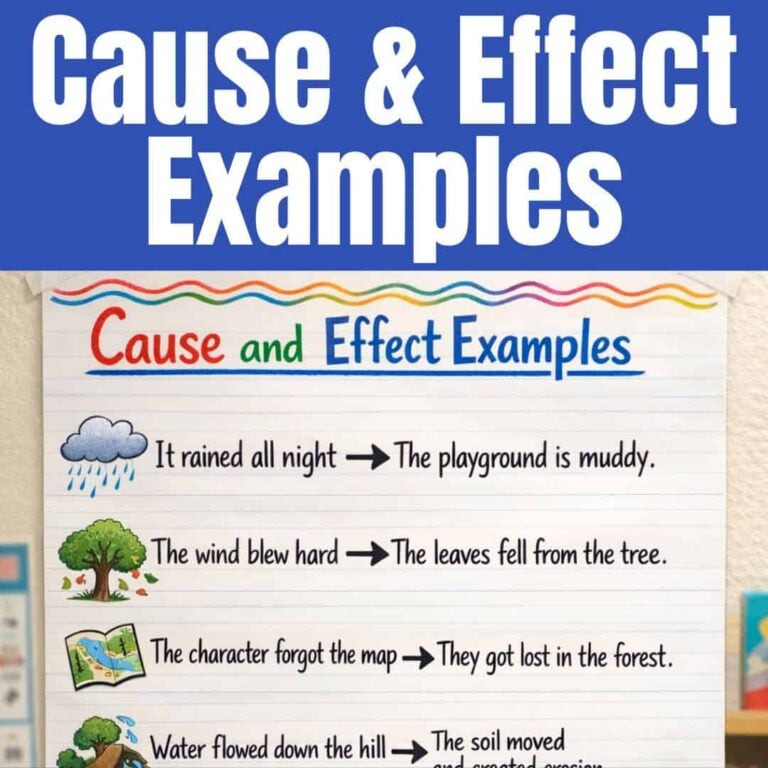
Students notice cause and effect all day long. When someone pushes a swing, it moves. When it rains, puddles appear. When a character in a story makes a choice, something…
-
If you’re looking for a clear Frayer Model example or wondering how to use a Frayer Model in 2nd grade, you’re in the right place. A Frayer Model is a…
-
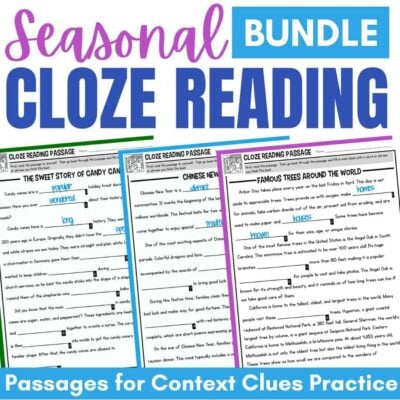
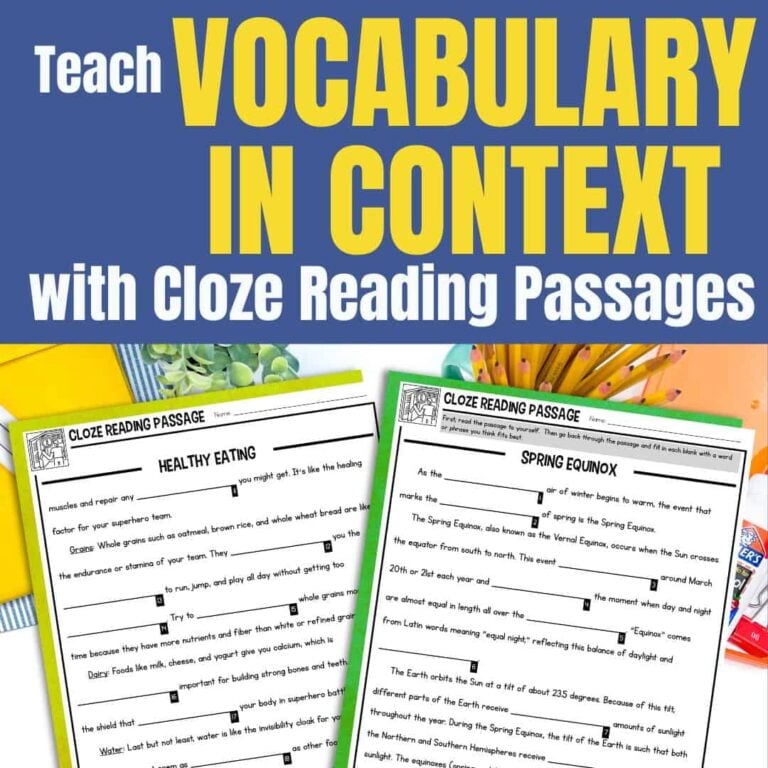
Vocabulary instruction works best when students see words doing real work inside meaningful text. That’s where Cloze reading shines. Cloze reading passages ask students to think beyond guessing a missing…
-
Differentiation in reading instruction can feel like a constant balancing act. In one group, students need significant support to understand a text, while in another, students are ready to analyze…
-
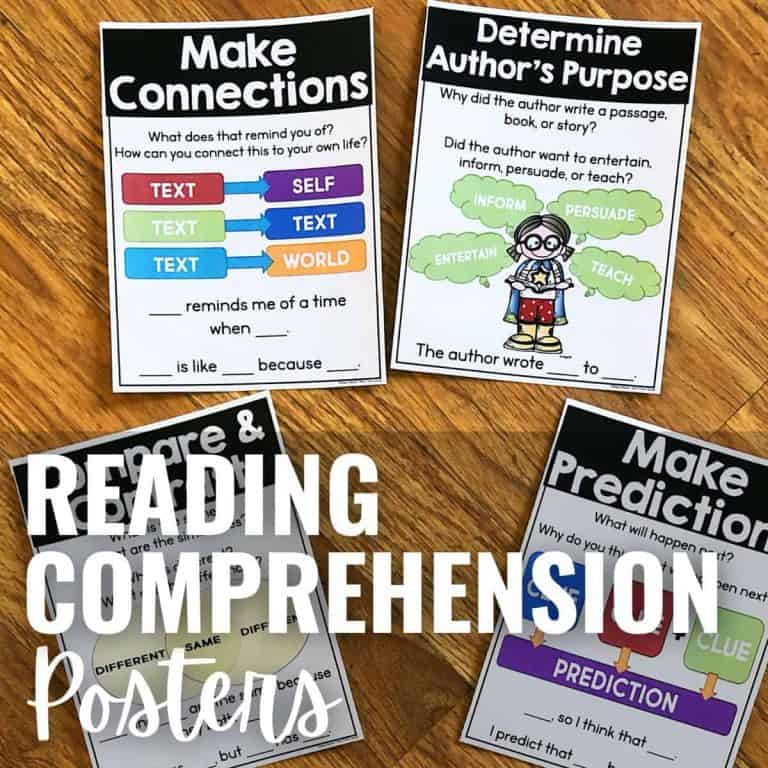
Teaching reading comprehension can feel like one of the hardest parts of literacy instruction. You’ve read the story together, asked the questions, maybe even used a graphic organizer, and still,…
End of content
End of content