
Why Our Fact Sorts Don’t Include Answer Keys (And How to Make the Most of Them in Your Classroom)
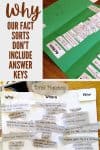
If you’ve ever used our fact sorts, you may have noticed that they don’t come with answer keys. We occasionally get questions about why we don’t provide one, so we wanted to take a moment to explain—and, more importantly, to share how you can make this activity even more meaningful for your students.
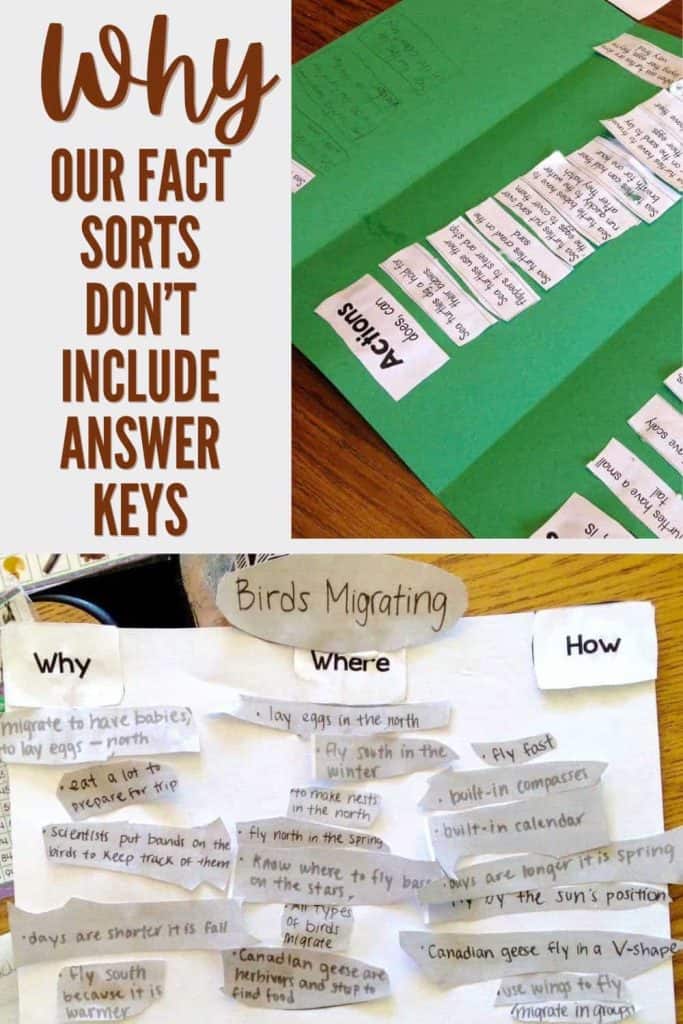
The Power of Discussion and Analytical Thinking
Fact sorts are designed to be more than just a sorting exercise—they are an opportunity for students to engage in deep thinking, justify their reasoning, and see multiple perspectives.
When students categorize facts, they are making decisions about how information is organized. Since many facts can fit into multiple categories depending on how students explain their choices, there isn’t always a single “correct” answer.
For example, in an animal fact sort, one student might place a fact under Attributes because it describes a physical characteristic of the animal, while another student might argue that the same fact fits under Actions if it describes something the animal does.
Both students could be correct, as long as they can support their reasoning!

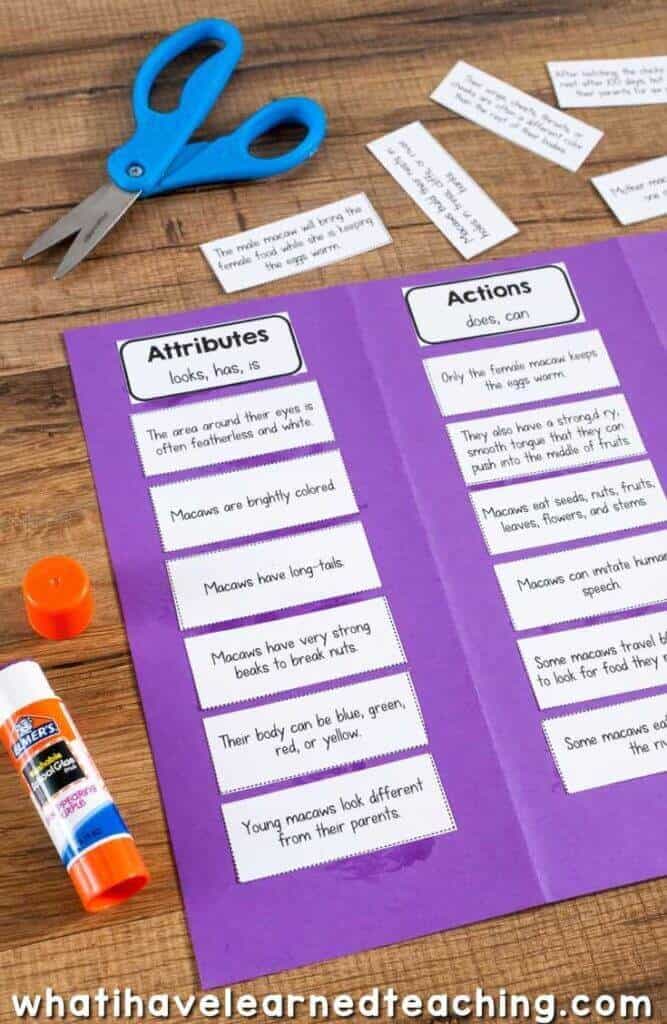
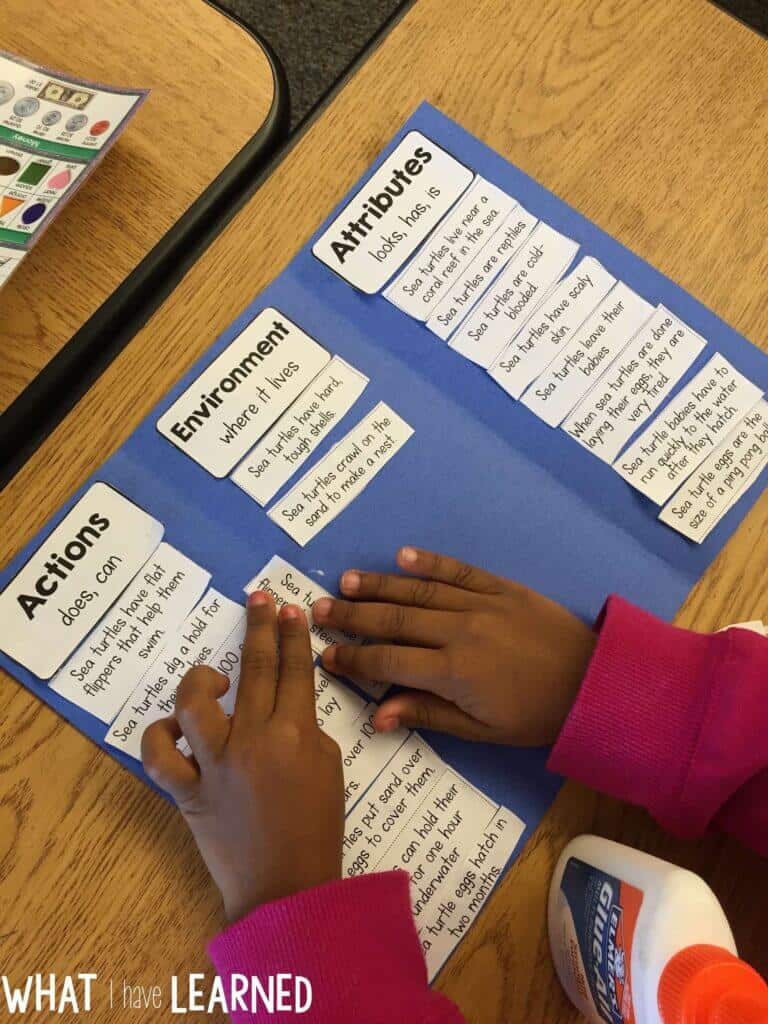
Encouraging Critical Thinking in the Classroom
Without an answer key, students must rely on discussion, justification, and debate to determine the best placement of facts. This process helps develop critical thinking skills, communication skills, and confidence in their own reasoning.
If you’re wondering how to support students in this activity, here are some strategies to make the most of fact sorts in your classroom:
- Facilitate a Class Discussion – After students have completed their sorts, ask them to explain their placements. Encourage classmates to ask questions and respectfully challenge different categorizations.
- Use Blank Category Cards – We provide blank category cards so students can create their own categories when the given ones don’t quite fit. This allows for even deeper thinking about the relationships between facts.
- Require Justification – Have students write a brief explanation for why they placed each fact in a specific category. This can be done individually, in pairs, or in small groups.
- Compare and Contrast – After students have completed their sorts, have groups swap and analyze each other’s work. This helps them see different perspectives and consider alternative categorizations.
- Turn It Into a Debate – Pick a fact that could reasonably fit into multiple categories and have students debate which category it belongs in. Encourage them to use evidence to support their arguments.
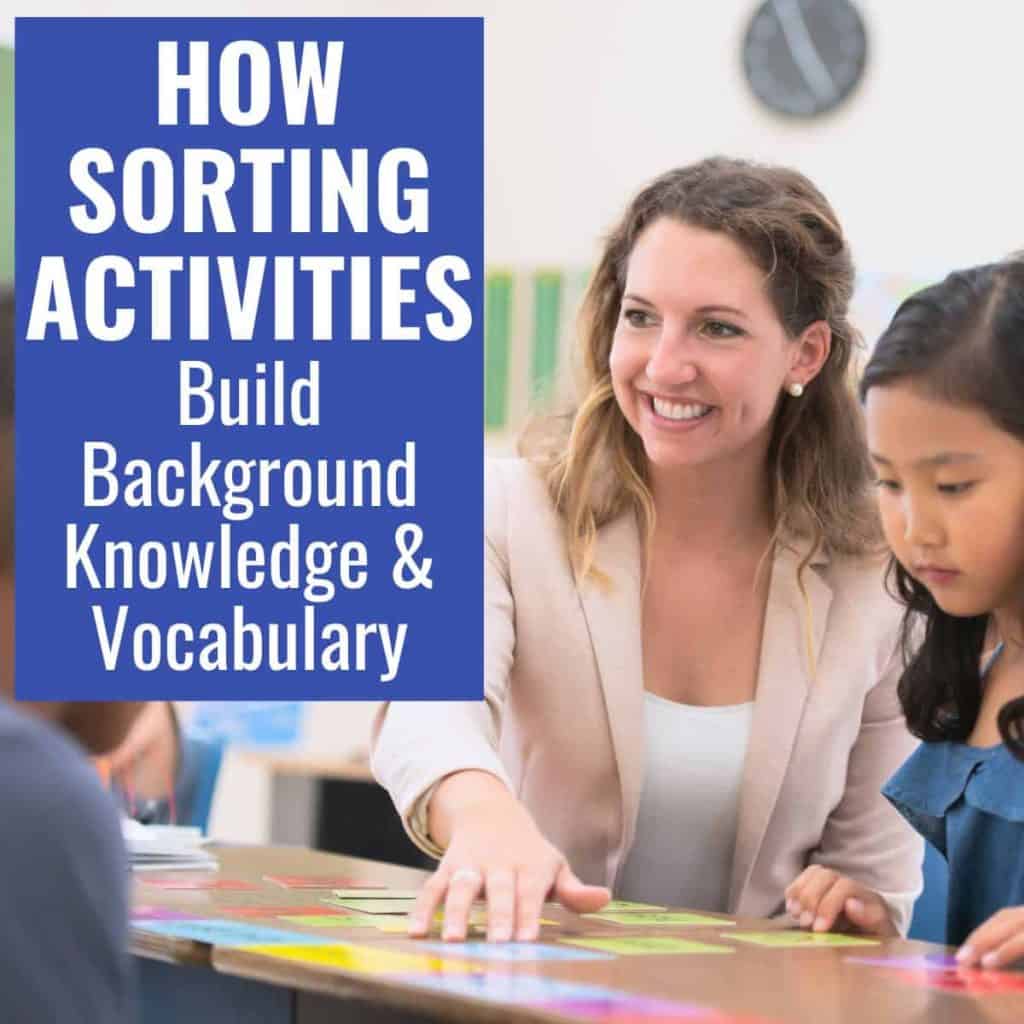
Use Sorting Activities to Build Background Knowledge, Vocabulary, and Higher-order Thinking Skills
Sorting activities are a powerful tool in the elementary classroom. This post explores what they are and how to use them.
What If You’re Unsure About a Specific Card?
If you or your students are unsure about where a fact belongs, embrace the opportunity for discussion! Ask students:
- What evidence supports your placement?
- Could this fact fit in another category? Why or why not?
- What would make this fact clearly belong in only one category?
This kind of analytical thinking is where the real learning happens. Instead of looking for a single right answer, students learn to evaluate information critically and articulate their thought processes—skills that will benefit them far beyond the classroom.
Embracing Open-Ended Learning
We know that answer keys can feel like a safety net, but in this case, removing them creates a richer learning experience. Fact sorts are designed to spark discussion, challenge thinking, and allow students to explore information in a flexible, meaningful way.
So the next time your students ask, “Is this the right answer?” remind them that in analytical thinking, the process is just as important as the outcome. As long as they can justify their choices, they’re on the right track!

Read more about organizing Facts for Informational Writing
Fact sorts are a large part of our informational writing process. Learn how we sort and organize all of our facts in this post!
Jessica BOschen
Jessica is a teacher, homeschool parent, and entrepreneur. She shares her passion for teaching and education on What I Have Learned. Jessica has 16 years of experience teaching elementary school and currently homeschools her two middle and high school boys. She enjoys scaffolding learning for students, focusing on helping our most challenging learners achieve success in all academic areas.