
Use Sorting Activities to Build Background Knowledge, Vocabulary, and Higher-order Thinking Skills
Sorting activities can be a great resource in the elementary classroom. They allow students to explore their background knowledge creatively and build upon new ideas and vocabulary words. These activities are fun and interactive, and they have been proven effective in helping foster cognitive development.
In this blog post, we’ll discuss how sorting activities can provide valuable learning experiences for your elementary school students. These activities can also create meaningful conversations among peers and stimulate higher-order thinking skills.

Why use Sorting Activities in the Classroom?
Sorting activities are a powerful tool in the elementary classroom. Here are five reasons you should consider using sorts in your K-5 classroom:
- Sorts provide hands-on, active learning experiences that engages students deeply in the instructional process.
- Sorts promote critical thinking and problem-solving skills as students are required to categorize, compare, and contrast different elements.
- Sorts provide an avenue for students to apply their learned knowledge in real-world contexts, reinforcing their understanding and memory retention.
- Sorting activities are also a wonderful way to differentiate instruction to meet the diverse needs of students.
- They can be easily adapted to cater to different learning styles and levels, making learning accessible and enjoyable for every student.
What is the Difference Between Open Sorts and Closed Sorts?
Open sorts and closed sorts represent two different types of classification exercises that can provide unique learning opportunities for students.
Open Sorts
An open sort is a sorting activity where students are given a collection of items with no predetermined categories. The students are tasked with defining their categories based on their observations and insights.
This type of sorting encourages creative thinking and allows students to demonstrate their unique perspectives and reasoning skills. It offers an opportunity to explore the depth and complexity of their understanding, as they are free to classify items based on any characteristic they deem relevant.
Closed Sorts
In contrast, a closed sort is a sorting activity where the teacher provides the categories into which students sort items. This type of sorting is valuable for reinforcing specific concepts or guided learning. It enables teachers to direct students’ attention to the specifics of a topic, ensuring that they understand the predetermined categories.
Closed sorts can be particularly useful when dealing with more complex or abstract concepts that may be challenging for students to categorize without guidance.
Teachers may choose between an open sort and a closed sort based on their learning objectives and the student’s familiarity with the material. Both methods serve to enhance students’ cognitive skills, including observation, comparison, and classification.

Why Our Fact Sorts Don’t Include Answer Keys
We occasionally get questions about why we don’t provide an answer key, so we wanted to take a moment to explain—and, more importantly, to share how you can make this activity even more meaningful for your students.
What are Some Examples of Sorting Activities for Elementary Students?
Here are some practical examples of interactive and engaging sorting activities that can be implemented across different subjects in the elementary curriculum. These activities are designed to spark students’ curiosity and facilitate a deeper understanding of the studied concepts.
Whether categorizing animals in science, arranging numbers in math, or ordering historical events in social studies, these sorting tasks will provide your students a dynamic and engaging learning experience.
Science Sorting Ideas
- Categorizing Species: One of the fundamental aspects of biology is categorizing species. Students can sort different animal or plant cards into their correct species, families, or kingdoms. This interactive method can make the complex taxonomy topic more digestible and engaging.
- Classifying Rocks: Geology becomes a hands-on study when students are tasked with sorting different rocks based on their properties. This could be according to type (igneous, sedimentary, metamorphic), hardness, or any other distinguishing features.
- Environmental Sorting: This activity can help students understand the impact of human actions on the environment. Provide different scenarios or items, and the students must sort them into ‘harmful’ or ‘beneficial’ to the environment.
- Chemical vs Physical Changes: Provide a list of different changes, and have students sort them into whether they are chemical changes (where a new substance is formed) or physical changes (where no new substance is formed).
- Sorting States of Matter: Have students sort different objects or substances based on their state of matter: solid, liquid, or gas. This can be taken a step further by including plasma or by having students sort changes in state (e.g., melting, freezing, condensing).
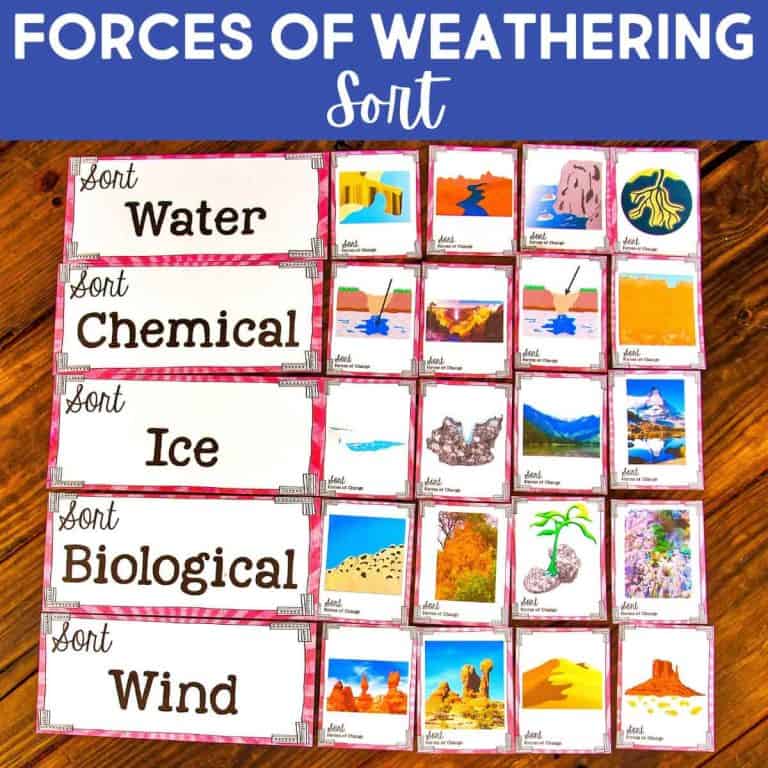
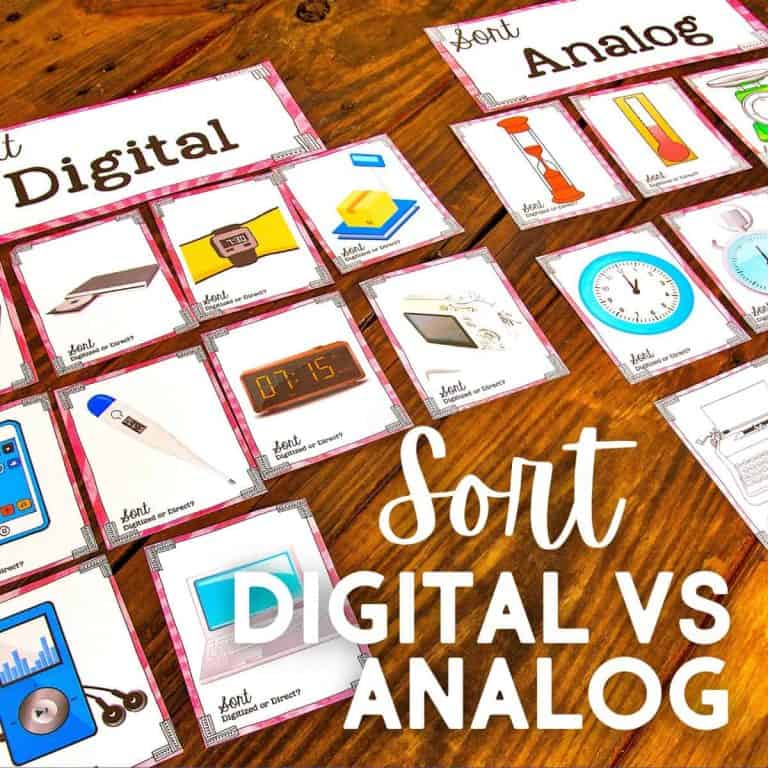
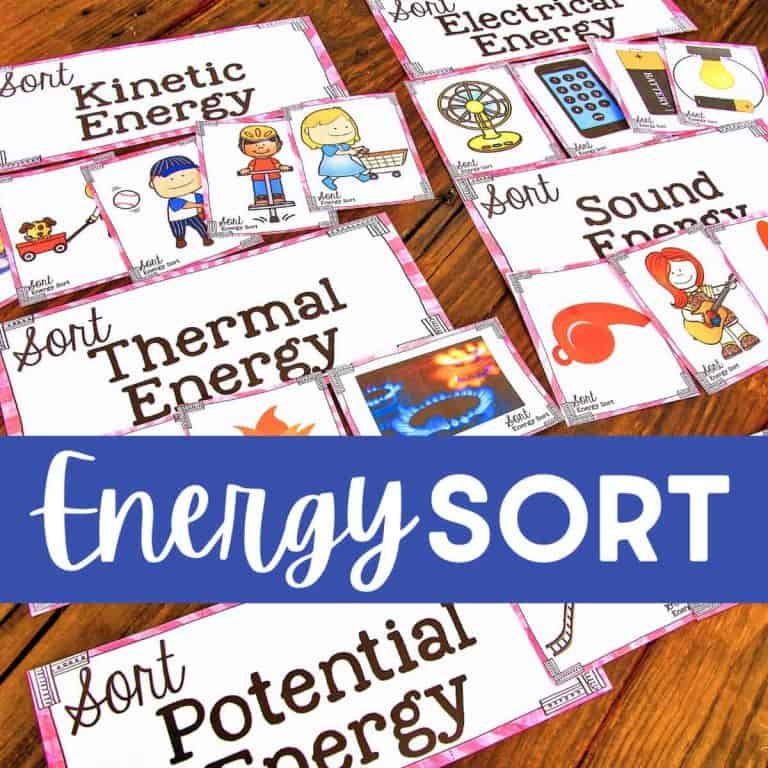
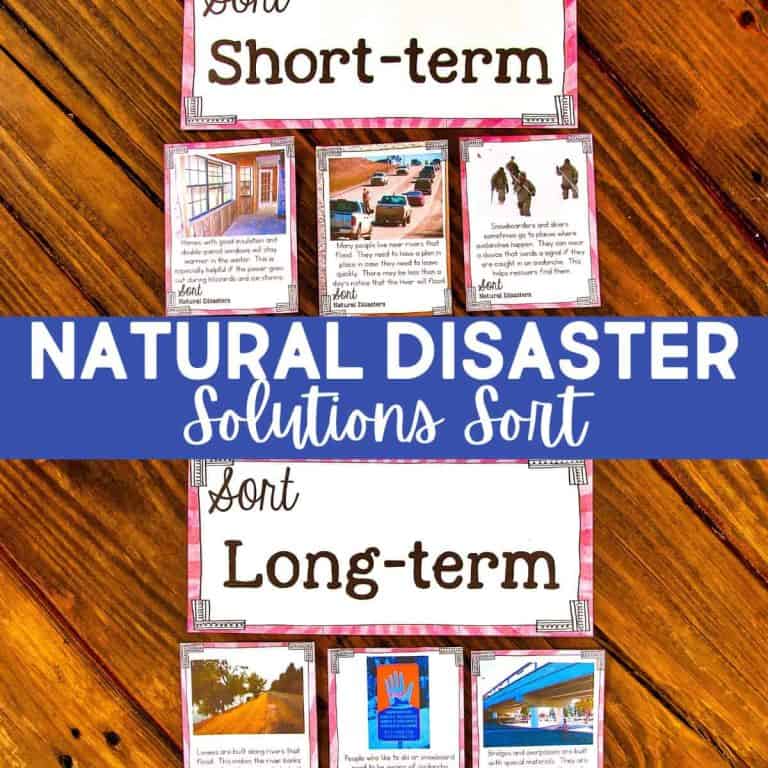
We have science sorting activities for second through fifth grades, including picture sorts and sorting worksheets. Students can do these science sorts as an open sort or a closed sort with the included categories. Here are a few to get you started.


English Language Arts Sorting Ideas
- Sorting by Genre: Provide a variety of book titles, and have students sort them into their appropriate genres, such as fiction, non-fiction, fantasy, mystery, and biography. This can enhance their understanding of different literary genres and subgenres.
- Sorting by Author’s Purpose: Students can sort a collection of text excerpts based on the author’s purpose: to inform, persuade, or entertain. This activity sharpens their critical thinking and interpretative skills.
- Character Traits Sorting: Provide students with various character traits and a selection of character descriptions. The task is to match characters with the appropriate traits, aiding in the development of character analysis skills. Or students can group traits together that might be found in one character.
- Sorting Story Elements: Students sort different story elements (plot, characters, setting, problem, solution) from a text. This could help them understand the components of narrative structure and enhance their comprehension abilities. This is also a great way to generate ideas for creating writing. I have a Roll a Story resource for grades 2-5 that compliments this type of sorting activity. You could cut apart the pages from it to use as the sorting cards!

Read more about organizing Facts for Informational Writing
Fact sorts are a large part of our informational writing process. Learn how we sort and organize all of our facts in this post!
Phonics Sorting Activities
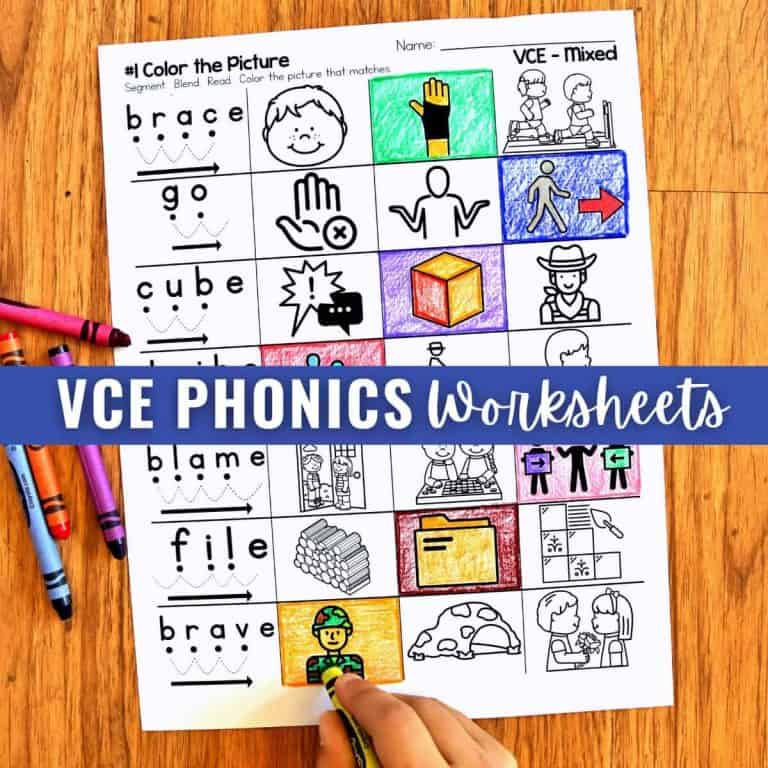
- Sorting by Short vs Long Vowels: Provide a list of words or pictures for students to sort based on whether they contain short or long vowel sounds. This helps reinforce the difference between these two types of vowel sounds.
- Sorting Words by Initial Sounds: Give students a set of words to sort according to their initial sounds. This activity strengthens their understanding of beginning sounds and letter-sound correspondence.
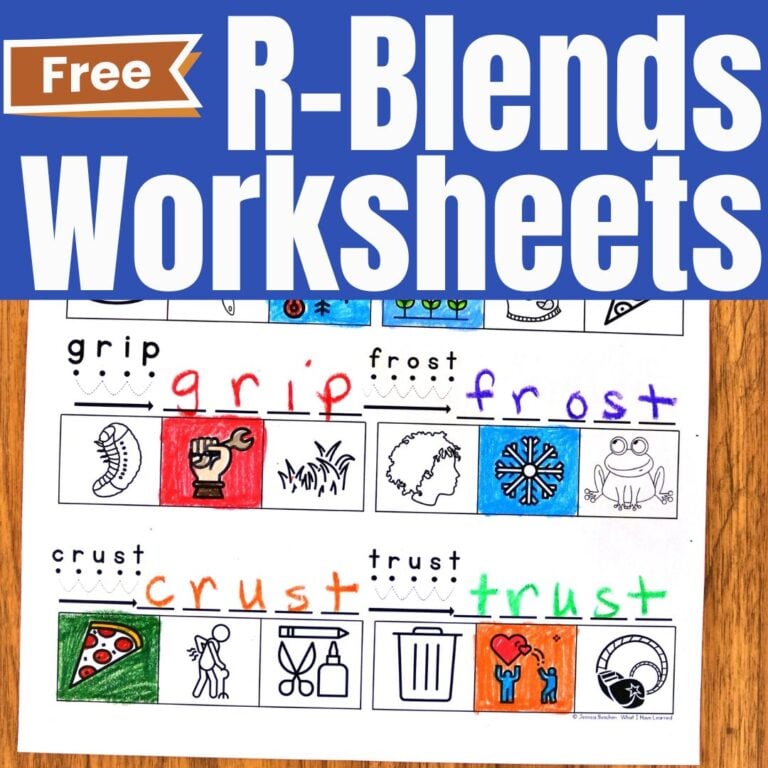
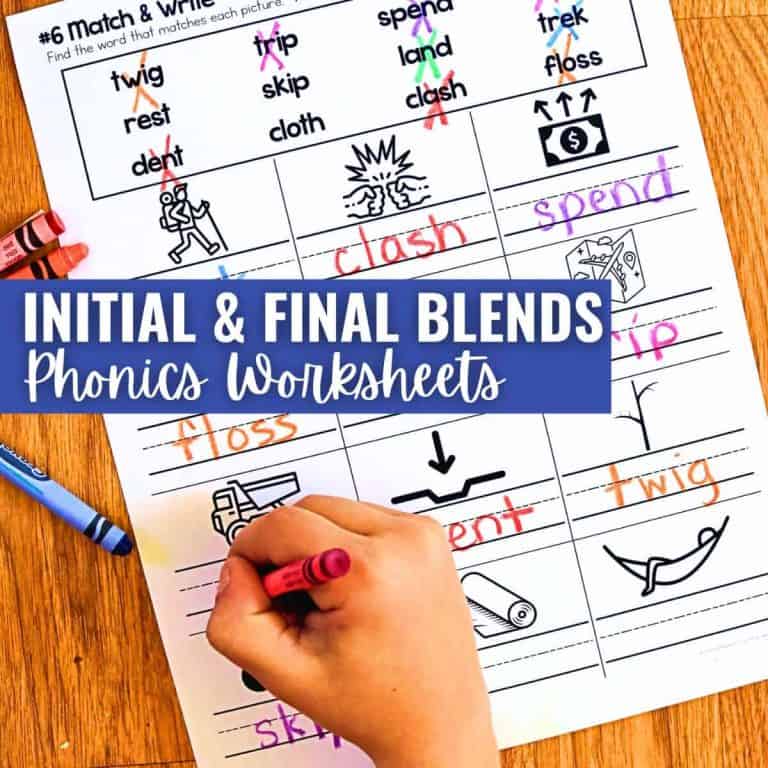
- Sorting by Consonant Blends: Students sort words based on the distinct consonant blend they begin or end with (such as ‘st’ or ‘bl’). This can aid in enhancing their phonics and decoding skills.
- Sorting by Phonics Patterns (like ‘oo’ or ‘ee’): Provide words with different phonics patterns and have students sort them. This activity helps students recognize common phonics patterns, assisting them in their reading abilities.
- Sorting by Syllables: Give students a variety of words to sort based on the number of syllables each word contains. This can help them understand the concept of syllables, which can improve their pronunciation and reading skills.
All of our Phonics Worksheets have both picture and word sorts. Our Open and Closed Syllables resources have sorting by syllables in several different ways.
Math Sorting Activities
- Sorting by Shapes: Have students sort a collection of different objects or images based on their shape. You could have students find 2-d and 3-d objects and sort them into various categories. This not only helps to reinforce their knowledge of various shapes but also encourages keen observation skills.
- Sorting by Size: Provide a series of objects to the students and ask them to sort them from smallest to largest or vice versa. This activity helps them understand the concept of size comparisons.
- Number Sorting: Give the students a set of numbers to sort in ascending or descending order. This activity strengthens their number sense and understanding of numerical order.
- Sorting by Mathematical Operations: Provide a variety of mathematical statements and have students sort them based on the operation used – addition, subtraction, multiplication, or division. This activity reinforces their understanding of different mathematical operations.
- Sorting by Even and Odd Numbers: Students sort a given set of numbers into two categories: even and odd. This activity helps them grasp the concept of even and odd numbers, further enhancing their numerical literacy.
Social Studies Sorting Ideas
- Sorting Historical Events: Students can be given a series of historical events to sort in chronological. This can provide a better understanding of historical timelines and the relationships between different events.
- Sorting by Continents and Countries: Students sort a collection of country names under the correct continent. This activity enhances their understanding of global geography and the distribution of nations.
- Sorting by Government Types: Provide different country names and have students sort them based on their type of government, such as democracy, monarchy, or dictatorship. This can reinforce their knowledge of political science.
- Cultural Sorting: Provide an array of cultural elements, such as food, clothing, or festivals, and have students sort them by the country or region they originate from. This activity fosters a deeper appreciation and understanding of world cultures.
- Sorting Economic Systems: Older students sort a list of countries based on their economic system: capitalism, socialism, or communism. This activity helps students understand the different ways in which societies organize their resources and production.
We have many science, phonics, and math sorting activities available on TpT.

How do you promote student engagement with sorting activities?
To boost the effectiveness of sorting activities and transform them into more dynamic, interactive experiences, implementing active engagement games can be a game-changer. These games are not only designed to make learning fun, but they also promote teamwork, enhance critical thinking, and stimulate on-the-spot problem-solving. The following is a list of engaging games that can be employed during sorting activities to maintain students’ interest and foster a more immersive learning environment.
Relay Races
A relay race can be an active way to approach sorting any topic. Students are divided into teams and each team is given a set of items to sort. The race begins with the first member of each team running to a specified spot, sorting an item, and running back to tag the next team member. This continues until all items have been sorted. The activity combines physical activity with cognitive skills, promoting teamwork and communication while reinforcing the sorting concept.
Group Sorting
In this activity, students are divided into small groups and each group is given a set of items to sort. Students collaborate to find the best way to sort their items.
Group sorts are great for open sorts. Each group will likely sort the items in a slightly different way. After the exercise, have groups visit each other’s table to see the different ways of sorting.
This method not only encourages teamwork and cooperation but also allows for diverse thinking and perspectives in finding solutions. It’s a great method to promote peer learning and interpersonal skills.
Station Rotation
This activity involves setting up different sorting stations around the room, each with a different sorting task. Students rotate through the stations in a set amount of time, challenging themselves to complete the task at each station. This promotes independent thinking, reinforces the concept of sorting, and keeps students engaged by providing a variety of tasks.
Interactive Board or Digital Sorting
Using an interactive whiteboard or smartboard, create a digital sorting task. Students can drag and drop items into the correct categories. This activity is engaging, visually appealing, and incorporates technology into learning. It’s especially effective for visual learners and caters to the tech-savvy students.
All of our Science Station Sorts come with a Google Slides version of the sorting cards so that students and teachers can engage in the activity digitally.
Constructive Competition
Organize a friendly competition where students or groups compete to see who can sort a set of items the fastest or with the highest accuracy. Each individual or group has the same items and stays in one location, versus running to a place in the classroom like the relay race. Constructive competition adds an element of excitement to the sorting activity. It encourages students to perform their best while still reinforcing the educational objective of the sorting exercise.
Sorting activities are not just about organizing items into groups; they are powerful learning tools that can nurture critical thinking, enhance cognitive skills, and deepen understanding of various subjects. They offer boundless opportunities for exploration and discovery in a fun, engaging way.
By incorporating active engagement games into these activities, we not only focus on the learning process, but also foster teamwork, and communication, and promote a love for learning.
Jessica BOschen
Jessica is a teacher, homeschool parent, and entrepreneur. She shares her passion for teaching and education on What I Have Learned. Jessica has 16 years of experience teaching elementary school and currently homeschools her two middle and high school boys. She enjoys scaffolding learning for students, focusing on helping our most challenging learners achieve success in all academic areas.