
Free Science Sorting Activity for 2nd, 3rd, 4th and 5th Grades
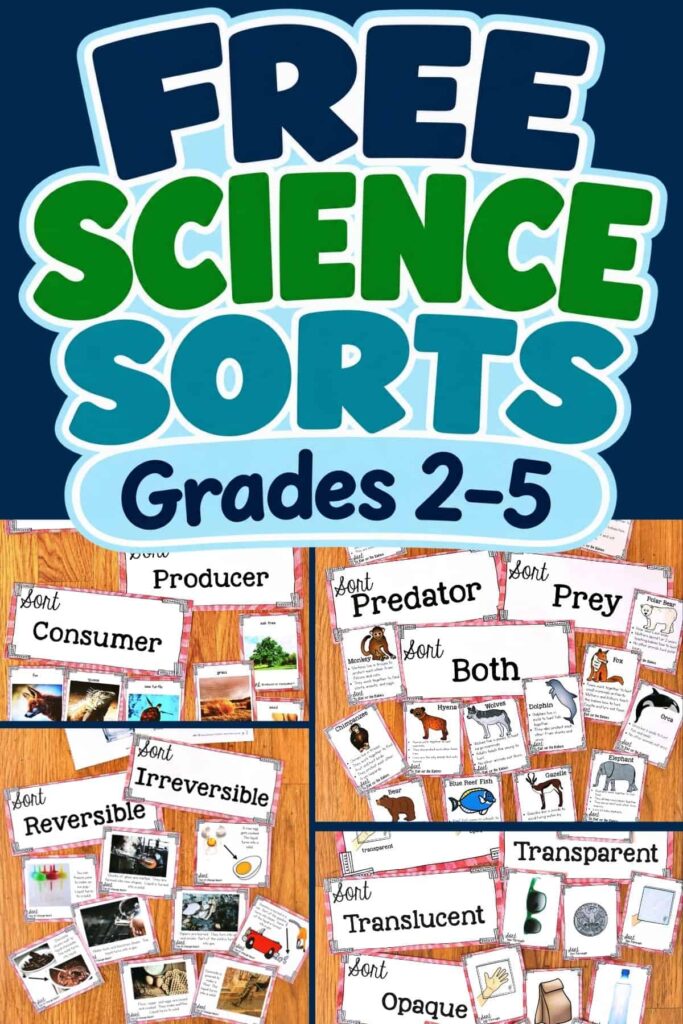
Would you like some FREE Science Stations for your elementary classroom? We create rigorous science curriculum for second grade, third grade, fourth grade, and fifth grade and we want to let you have some of the science lessons for FREE! I’ve got some FREE Science Stations for you below.
First, let me explain how we wrote our science curriculum and how it is aligned with the Next Generation Science Standards.
How We Wrote Our Science Curriculum
All of the science curricula that we have developed is correlated to the Next Generation Science Standards. The NGSS is complicated, very complicated. We wrote an entire blog post explaining how we used the NGSS to write both the science stations and the 5E Units.
If you are looking for a deeper understanding of how the curriculum ties in with the standards, that is the blog post to read.
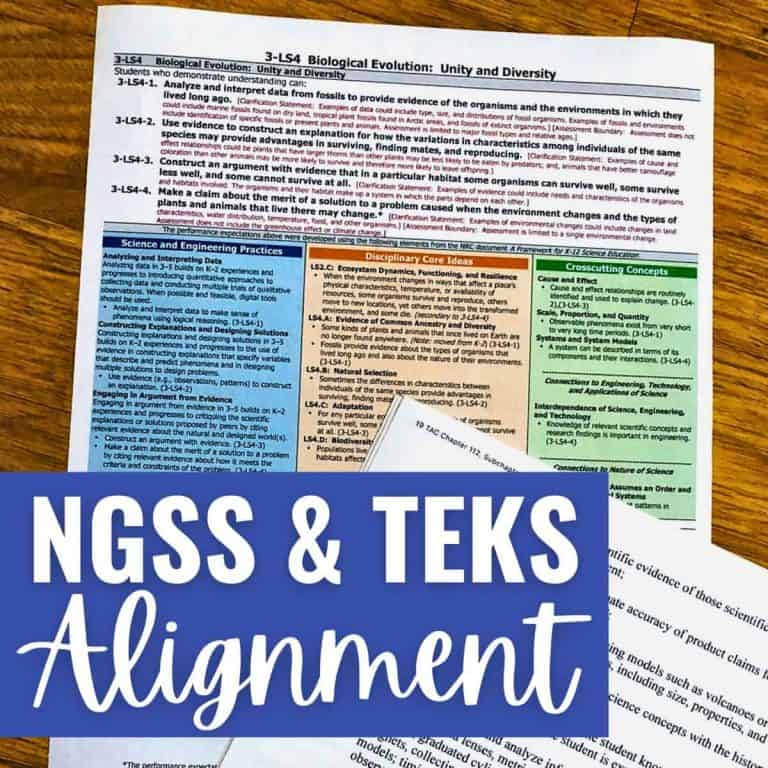
NGSS & TEKS Alignment
If you teach in Texas, we also aligned the NGSS with the TEKS for grades 2-4. Again, it’s complicated, but we have a blog post all about the NGSS alignment with the TEKS!
Science Stations & 5E Units
We have (and will have) two kinds of curriculum for each grade level, grades 2-5. We have Science Stations AND 5E units. The 5E Units are for direct instruction and use an inquiry model of teaching. The Science Stations are designed to follow the 5E units and be used for more independent practice. That will, of course, depend on your students, their background knowledge, and your classroom.
What are in the Science Stations?
When we started creating a science curriculum, we started with Science Stations. Each Science Unit has 8 stations:
- Watch: At this station, students watch a video relevant to the topic and answer questions.
- Play: Students play an online video game or a printable interactive game and answer questions about the experience.
- Investigate: Students use materials to investigate the science topic by following directions and recording results.
- Diagram: Students draw and label a diagram specific to certain requirements. Students then explain how their diagram meets the requirements.
- Read: Students read a short passage about the topic and answer questions about the information in the passage.
- Model: Students use materials to illustrate the science concept and answer questions.
- Explore: Students create a sample and manipulate it using the new science concepts they have learned. Students answer questions based on their effects.
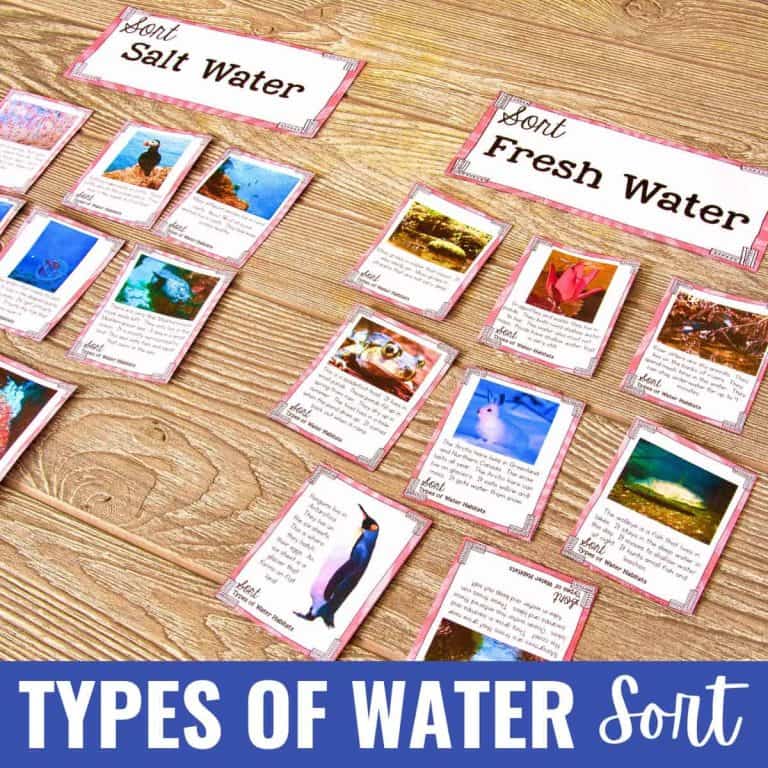
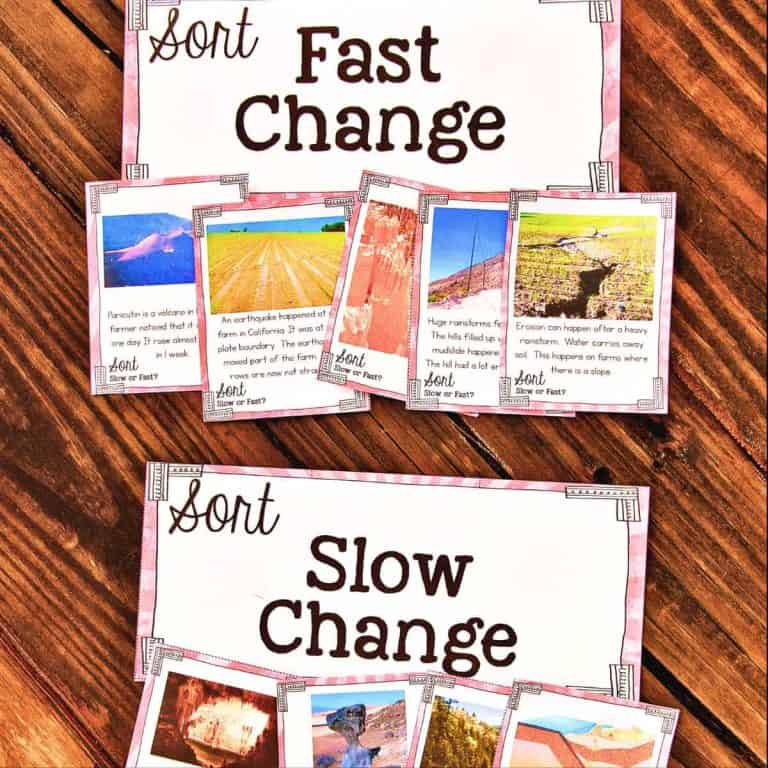
- Sort: Students sort cards into groups or put them in a specific order. Students record the sort and then describe their reasoning.
All of the science stations include differentiated responses where students can reflect on the task or text via short answer, fill-in-the-blank, or multiple-choice questions.
Science Stations are currently available for second grade, third grade, and fourth grade. We are in the process of creating fifth grade science stations.
Are you ready for the FREE Science Stations?
These science stations are all a SORT station for one unit in each grade level, 2nd through 4th. I chose the SORT station because it is one of the easier-to-implement stations while at the same time being hands-on. Other stations, like the Investigate, Diagram, Model and Explore are more hands-on and engaging, but they also often require extra materials.
The SORT stations are print-and-go.
FREE Second Grade Science Station
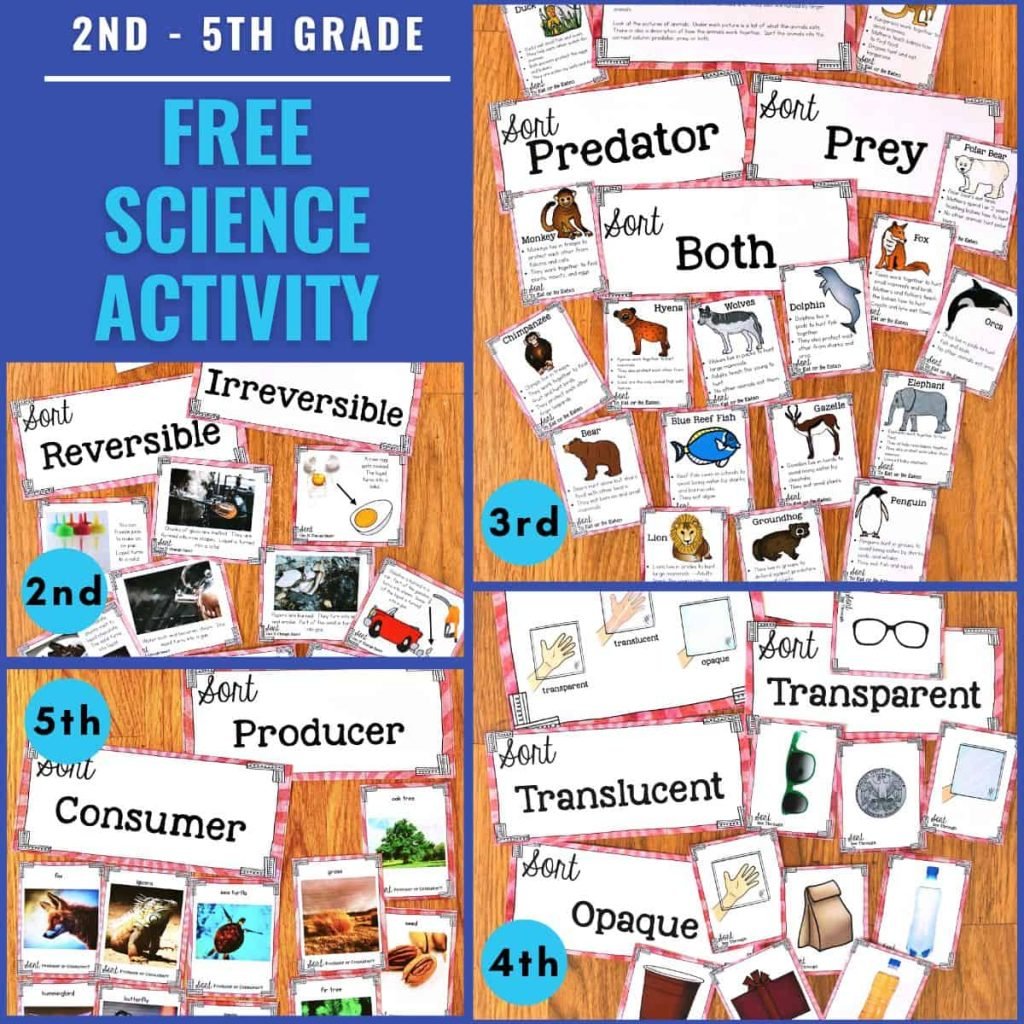
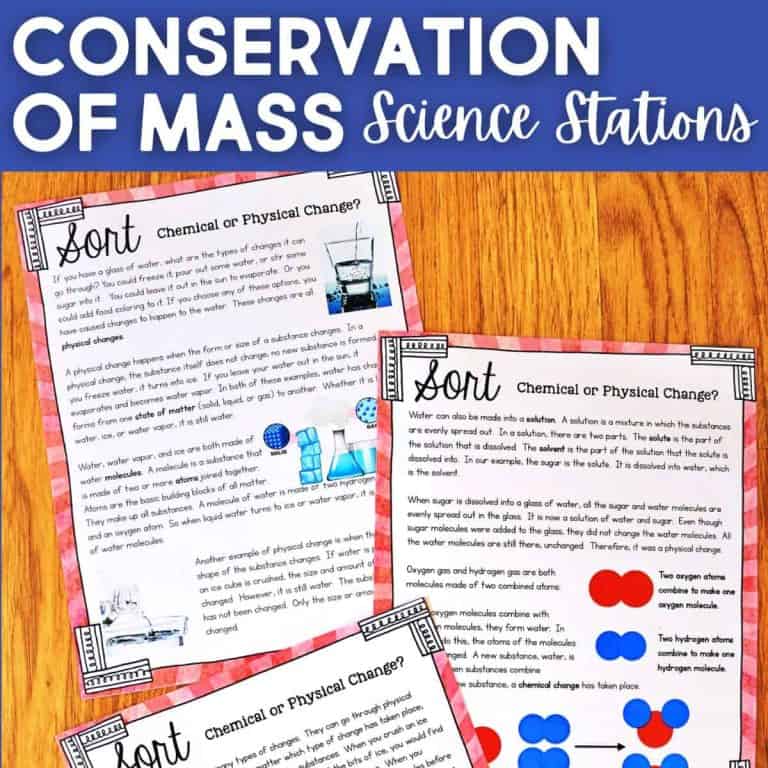
The second grade science station is all about reversible and irreversible changes. In this science station, students read a passage about whether or not a change can be reversed. Students then sort changes into two piles: reversible and irreversible changes.

Also included are differentiated responses. After the activity, students reflect on the activity and answer questions about reversible and irreversible changes.

Note: If you are not able to access the signup box, click here to signup for the free Science Stations.
More Second Grade Science Stations
Free Third Grade Science Station
The third grade science station is part of our Life Science Stations. In this particular one, students are studying about animal groups and identify whether an animal is predator, prey or both.
Students read a short passage, read the description for each animal and then sort the animals. Color table center cards are included like below as well as a cut and paste version.

Also included are differentiated responses where students reflect on the activity.
You can read more about the third grade science station in these blog posts. More blog posts are coming soon.
- All of the Third Grade Science Stations
- Explanation of What is in Each Science Station Unit
- How to Read the Third Grade NGSS
- Ecosystems & Biodiversity
- Life Cycle of Plants and Animals
- Warm-Blooded vs. Cold-Blooded Animals SORT
- Ancient Animals SORT
- Magnetism SORT

More Third Grade Science Stations
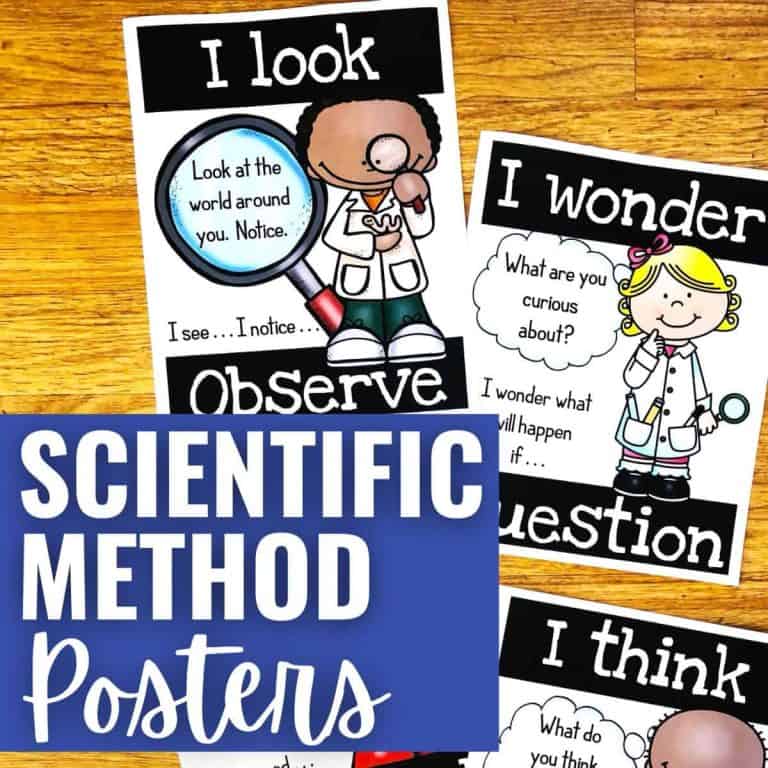

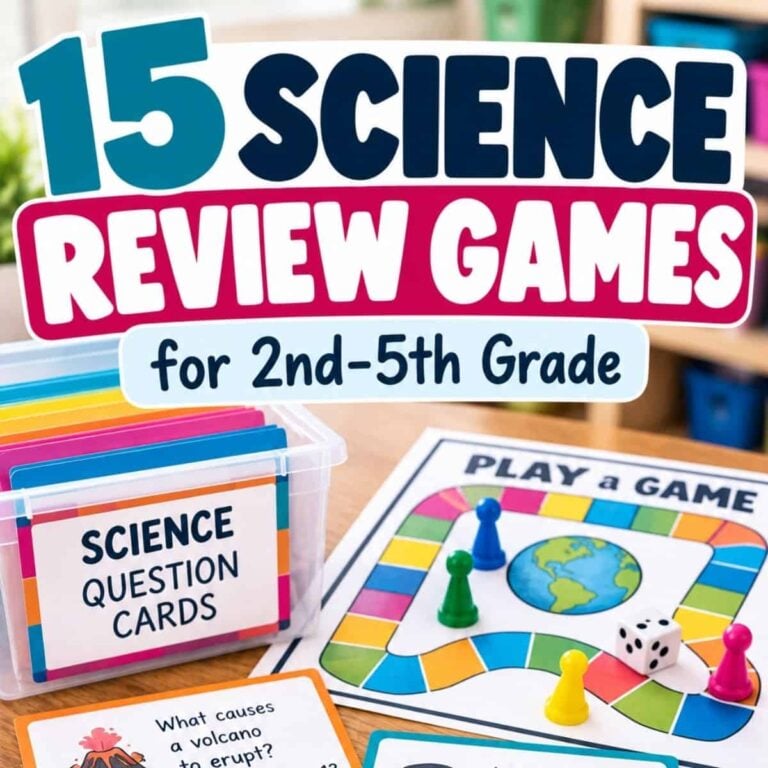
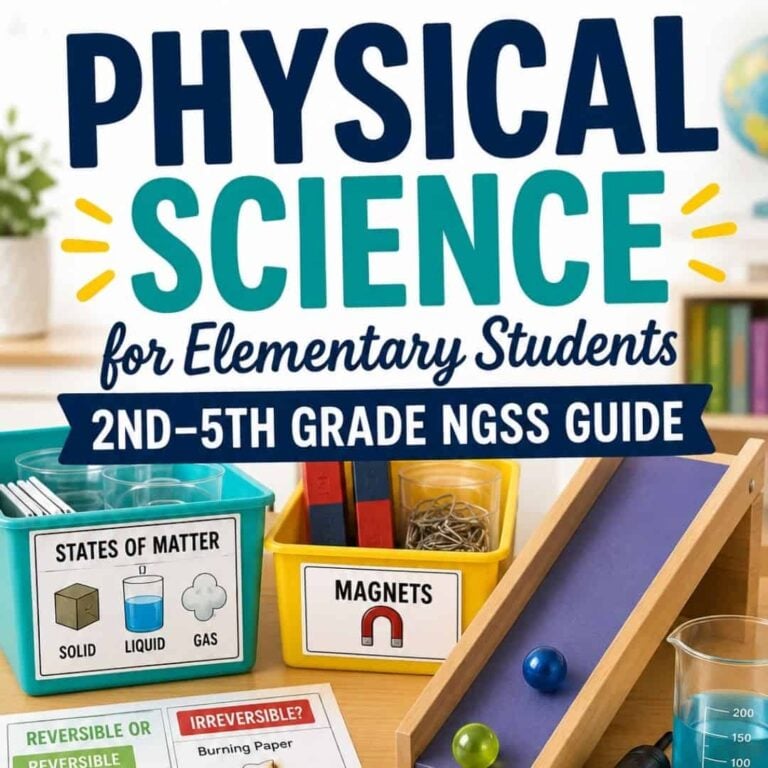
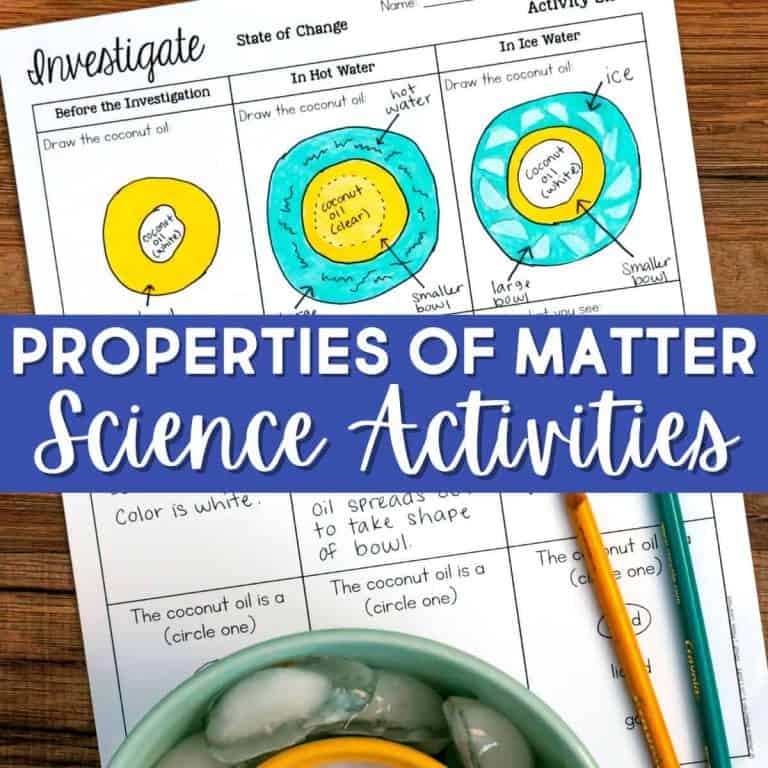
Free Fourth Grade Science Station
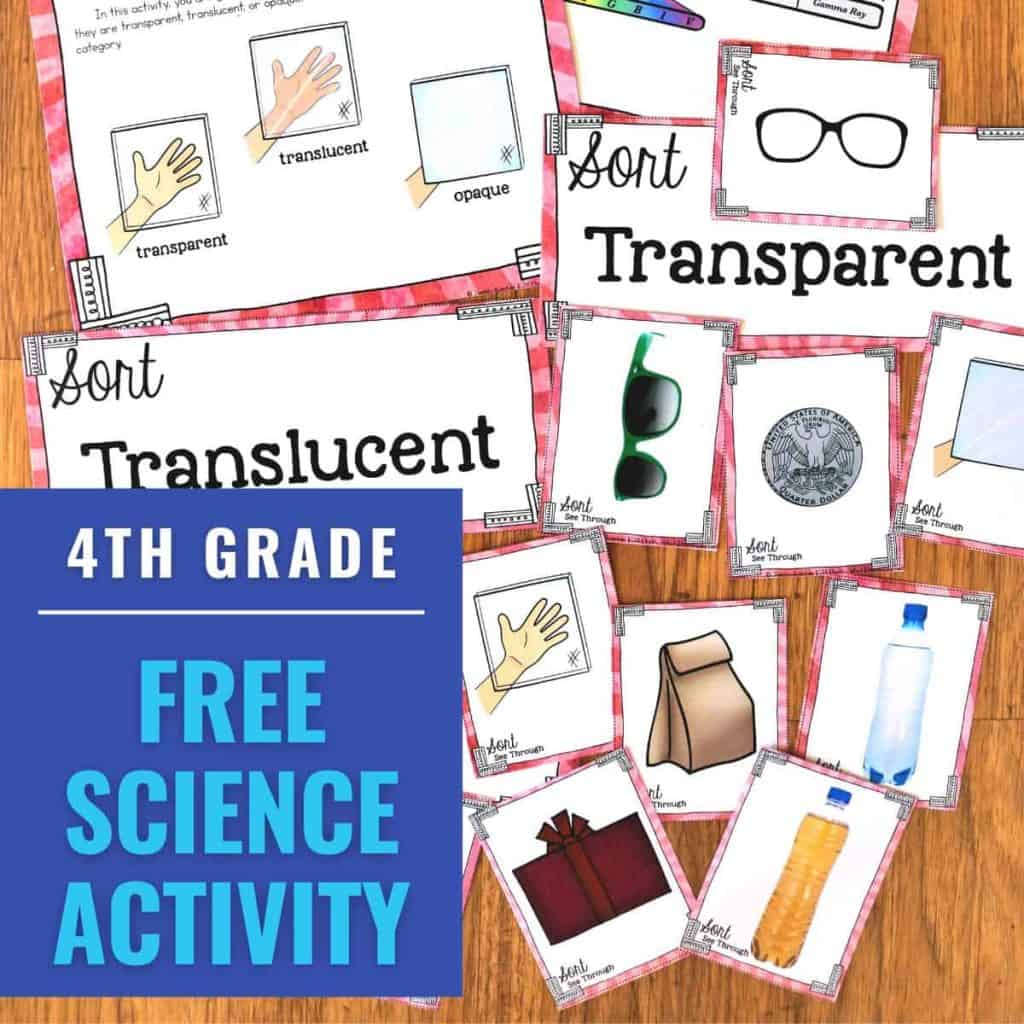
The Fourth Grade Science Station focuses on how the eye sees objects. In this science station, students read a passage about light waves and the properties of transparent, translucent and opaque objects.
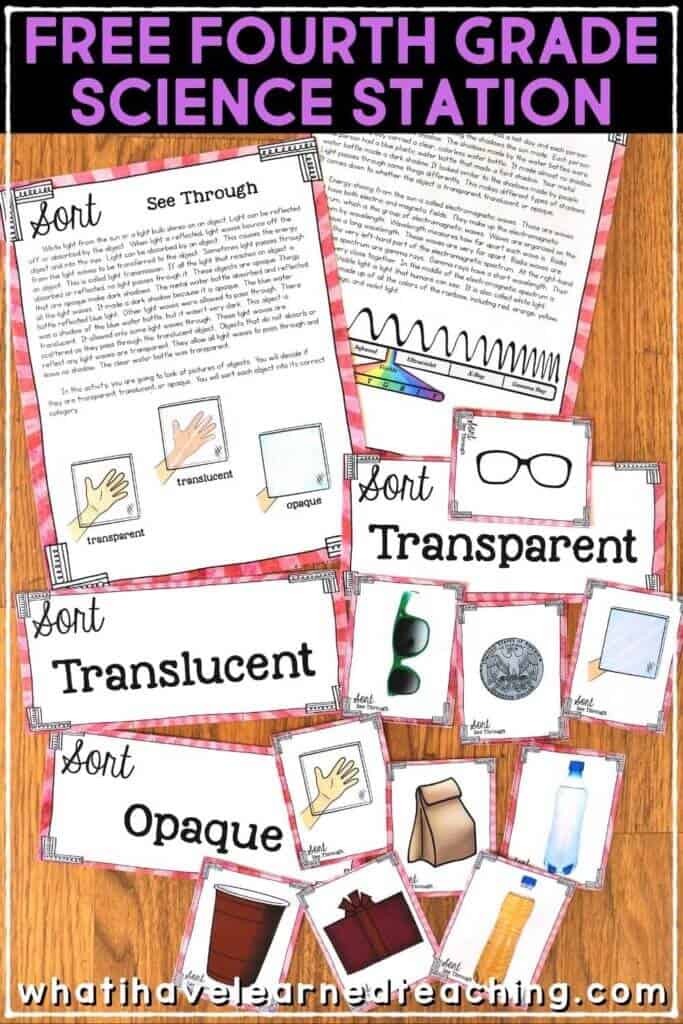
Students sort objects into one of the three categories and then reflect on the activity via one of the differentiated question formats.
You can read more about the fourth grade science stations in these blog posts. More are coming soon!
More Fourth Grade Science Stations


FREE Fifth Grade Science Station
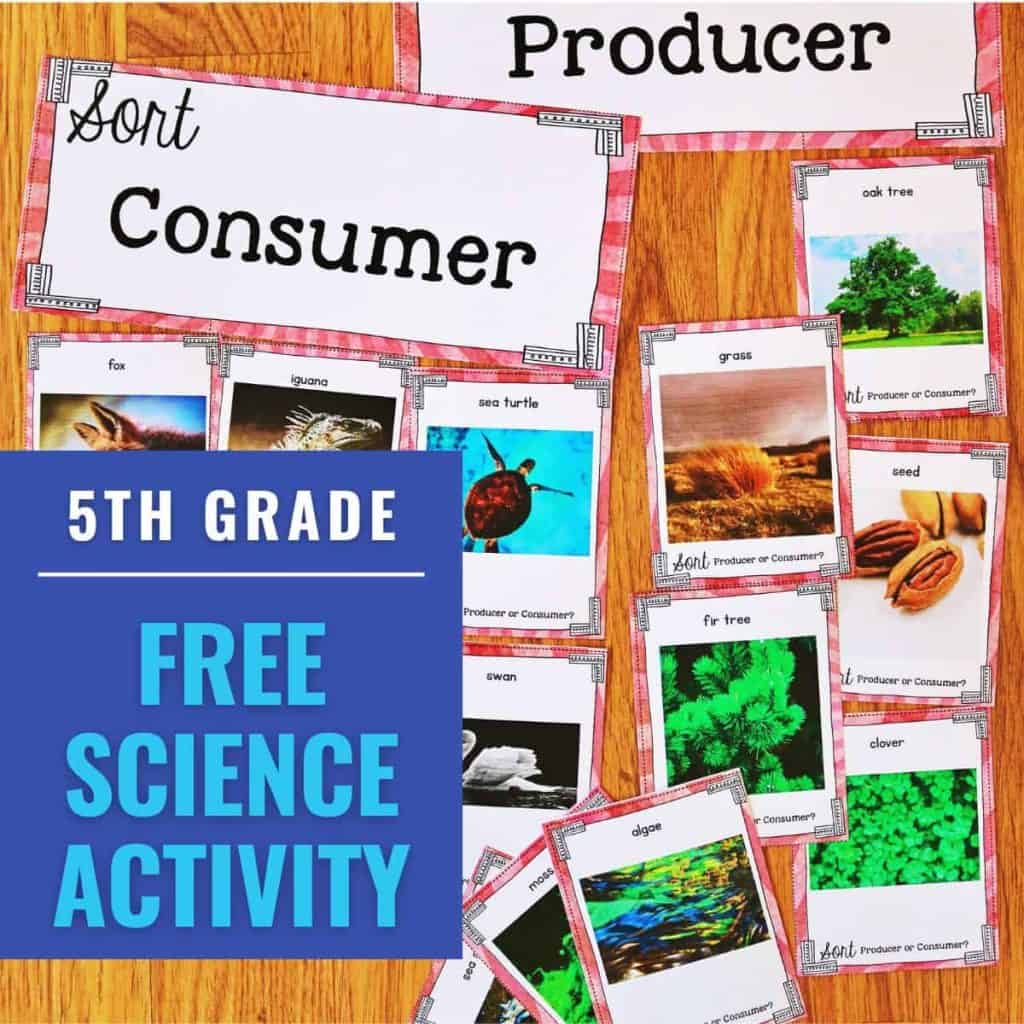
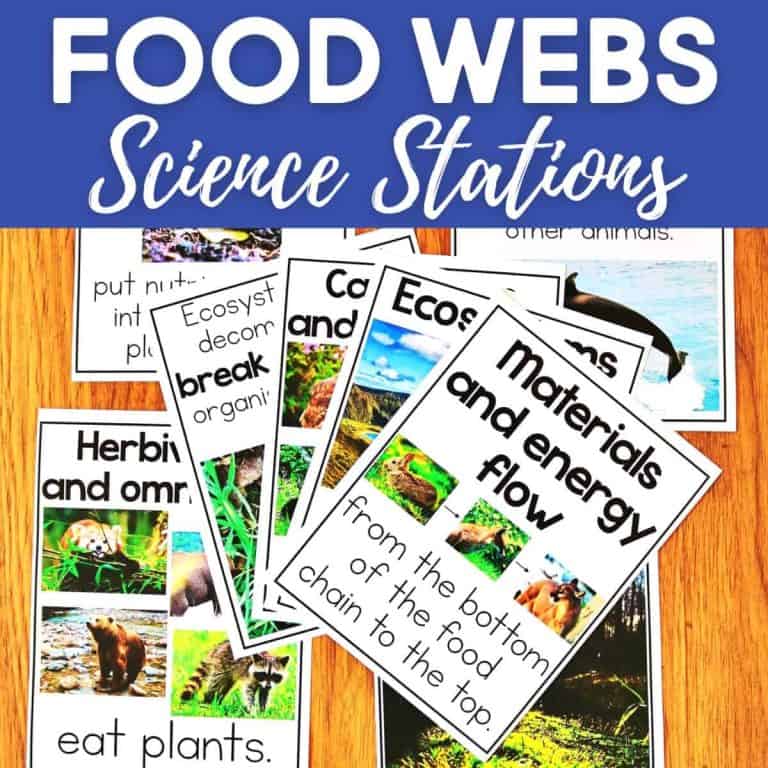
The fifth grade science station is all about producers and consumers. In this science station, students read a passage about both producers and consumers within food webs. Students then sort animals into two categories: producers or consumers.
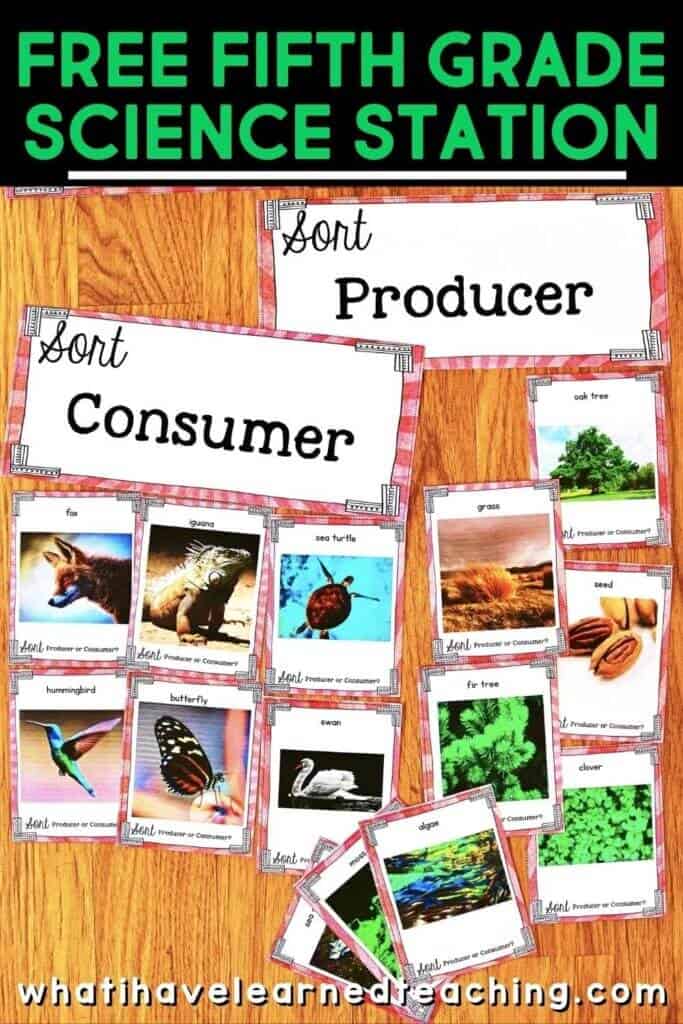
Also included are differentiated responses. After the activity, students reflect on the activity and answer questions about reversible and irreversible changes.
You can read more about our fifth grade science stations in this blog post. More will be available soon!
More Fifth Grade Science Stations
Whew! That is a lot of information! I hope this FREE Science Station for second grade, third grade, fourth or fifth grade meets your classroom science needs!


Hello, the picture links are not working for me.
If you have an ad blocker, it may be interfering with the pop up that asks for your email.
Click here and scroll to the bottom to sign up.
I’m actually Elementary Agriculture for grade 5 – 7 Arts grade 4 – 6 teacher in Namibia. I will be happy happy if you can get me relevant materials for those subjects to help my learners who is really coming from a weak background and needs more exposure in this field.
I love this! Any chance you will have 5E lessons for 4th grade soon? I only see third grade on your TPT. Great job with everything you do! You’ve really inspired me!
Yes! We are currently working on the first couple of units. We plant to release them throughout the 2021-2022 school year.