
Physical Science for Elementary Students: 2nd–5th Grade Guide
Physical science is where students first realize that science isn’t just about living things. It’s also about the stuff that makes up everything around them and how that stuff moves, changes, and interacts. A ball rolling down a ramp, a magnet pulling a paper clip from across a desk, and water changing from liquid to solid to gas. These everyday phenomena are the starting points for deep scientific understanding.
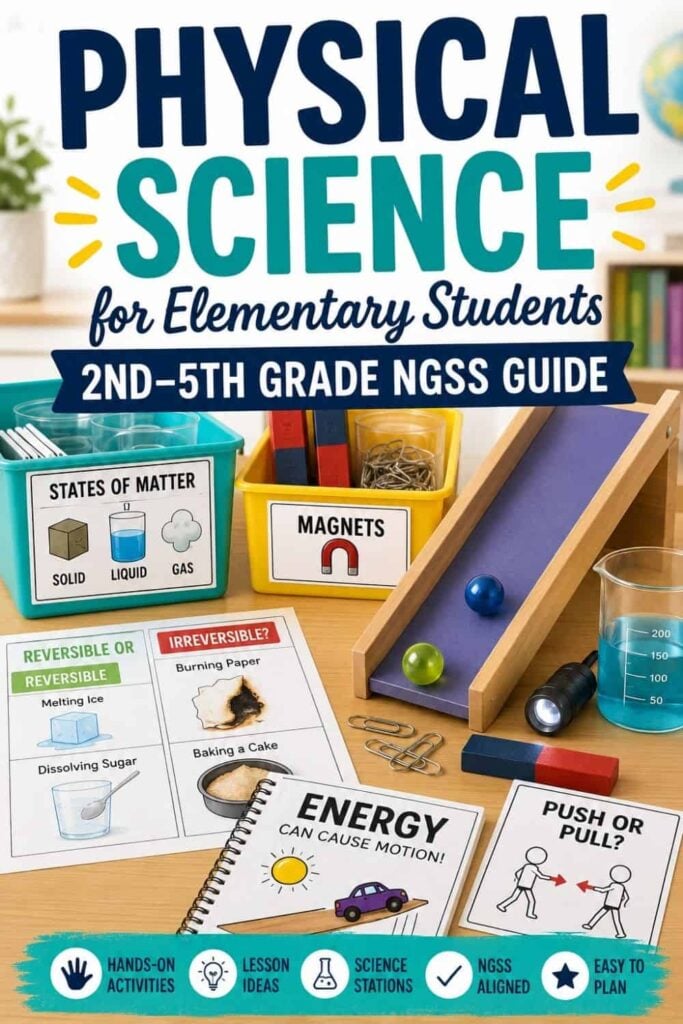
This physical science for elementary students guide pulls together all physical science teaching ideas and resources on this site, organized by grade level and aligned with the Next Generation Science Standards (NGSS). Use it as your planning hub for 2nd through 5th grade.
What Is Physical Science?
Physical science is the study of matter, energy, forces, and waves — essentially, the non-living world and the rules that govern how things behave. In the NGSS framework, physical science is organized into four disciplinary core ideas that students revisit with increasing depth from kindergarten through high school:
- PS1: Matter and Its Interactions — what matter is made of, its observable properties, and how it changes through physical and chemical processes
- PS2: Motion and Stability: Forces and Interactions — how and why objects move, the role of forces, and the invisible interactions between objects like magnetic and gravitational forces
- PS3: Energy — what energy is, how it’s stored and transferred, and how it connects to the motion of objects and living systems
- PS4: Waves and Their Applications in Technologies for Information Transfer — the properties of waves, how light and sound travel, and how wave patterns are used to send information
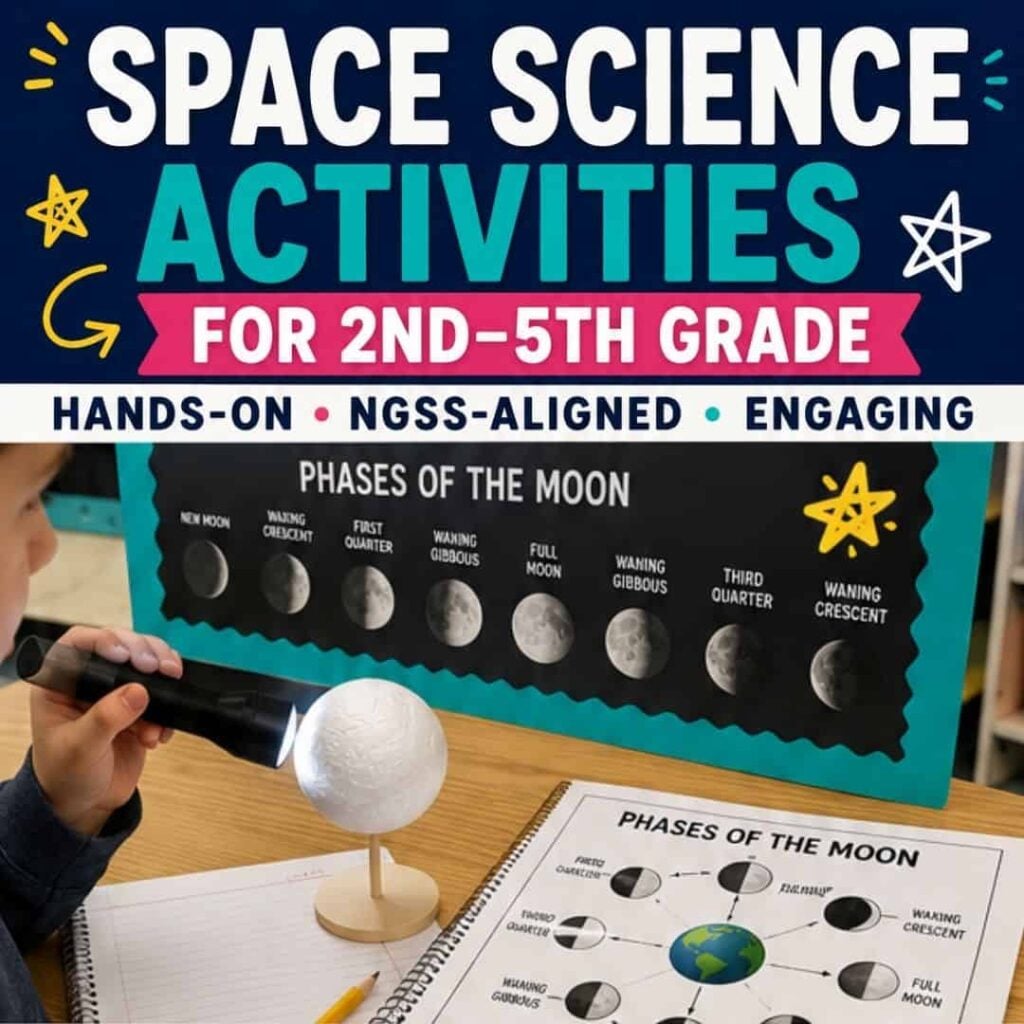
The progression in physical science in elementary school is deliberately built. Second grade starts with the observable properties of materials — what things look like, feel like, and how they behave. Third grade introduces forces and interactions, including the invisible push and pull of magnets. Fourth grade adds energy and waves, asking students to explain what happens when things move, collide, and transmit information. Fifth grade returns to matter at the atomic scale and connects gravitational force and energy to broader systems.
2nd Grade Physical Science: Properties of Matter
Second-grade physical science centers on one big idea: matter has properties we can observe and test, and some changes to matter can be reversed, while others cannot. The NGSS standards for 2nd grade (2-PS1-1 through 2-PS1-4) ask students to describe and classify materials by their properties, test materials for specific purposes, explore how objects can be assembled from and disassembled into smaller pieces, and investigate how heating and cooling cause changes that may or may not be reversible.
At this grade level, the emphasis is squarely on observation and evidence. Students aren’t expected to explain why matter behaves as it does — that comes later. They’re building a vocabulary of properties (color, texture, flexibility, hardness, whether something dissolves) and beginning to notice patterns in how materials behave under different conditions.
Properties and Changes in Materials — 2-PS1-1 through 2-PS1-4
Hands-on investigation is the key at this stage. Students need to actually test materials — bend them, mix them with water, heat them — to understand what properties mean in practice. Sorting activities work especially well in 2nd grade because they push students to articulate why a material belongs in a category, not just which pile it goes in.
- Properties of Matter 2nd Grade Science Stations — eight stations covering observable properties, states of matter, and simple experiments
- States of Matter Sort — Solid, Liquid, Gas Properties of Matter Sorting Activity — a hands-on sort that connects familiar objects to the three states
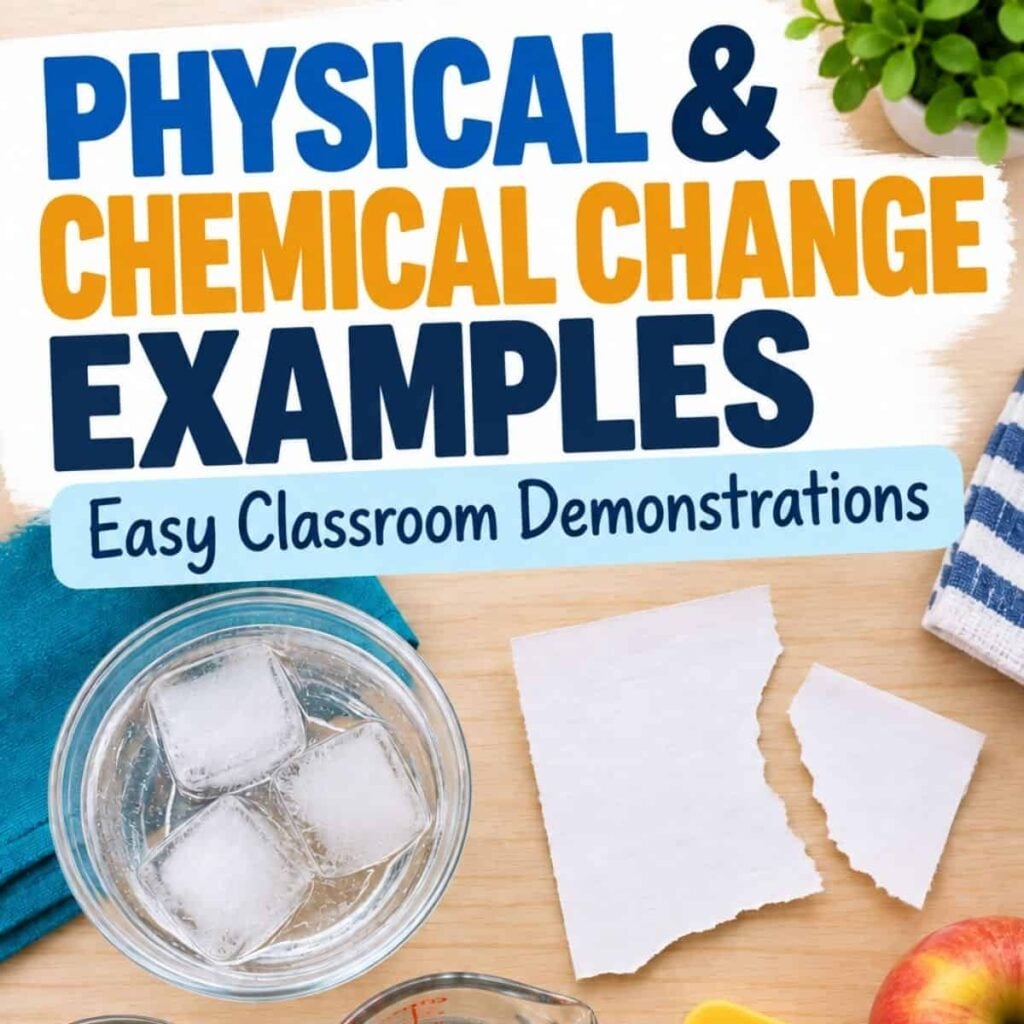
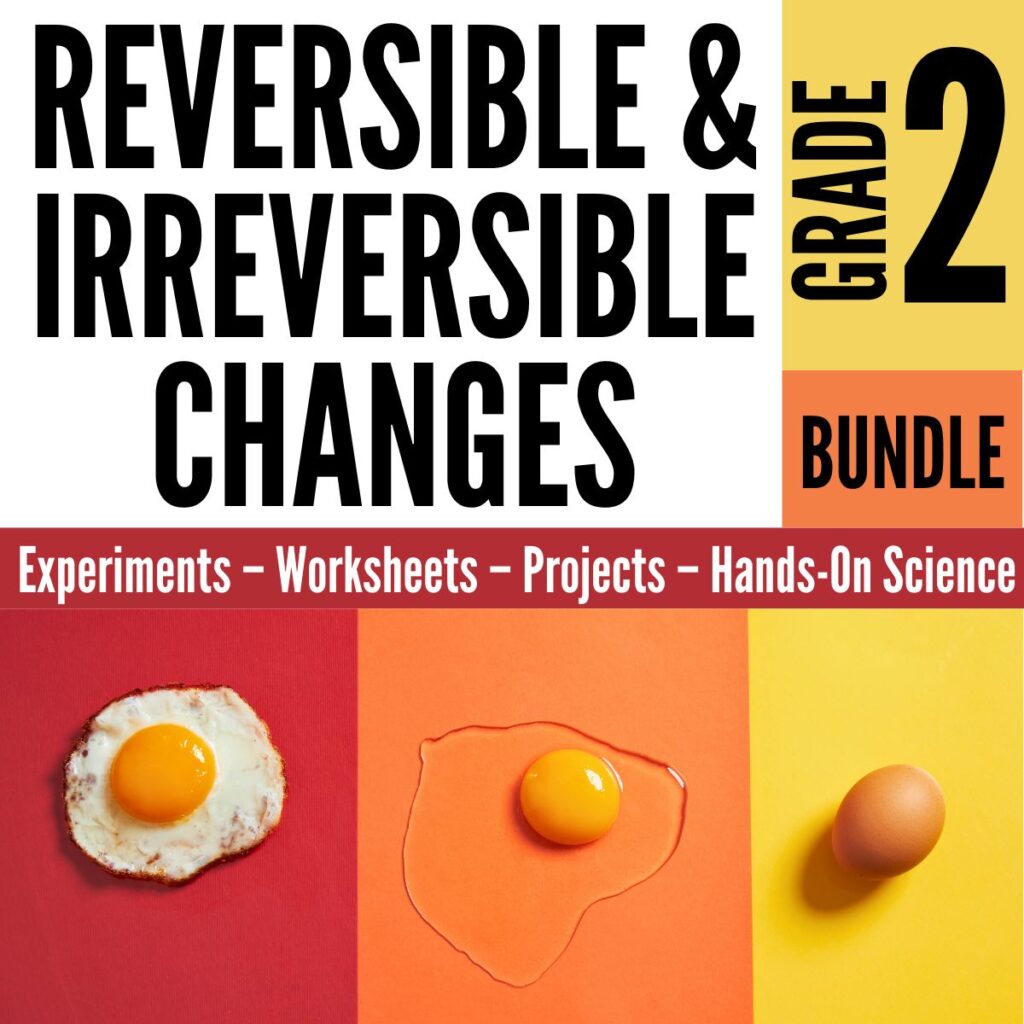
- Reversible and Irreversible Changes Science Station Sort — helps students distinguish between changes that can be undone (melting ice) and those that can’t (burning paper)
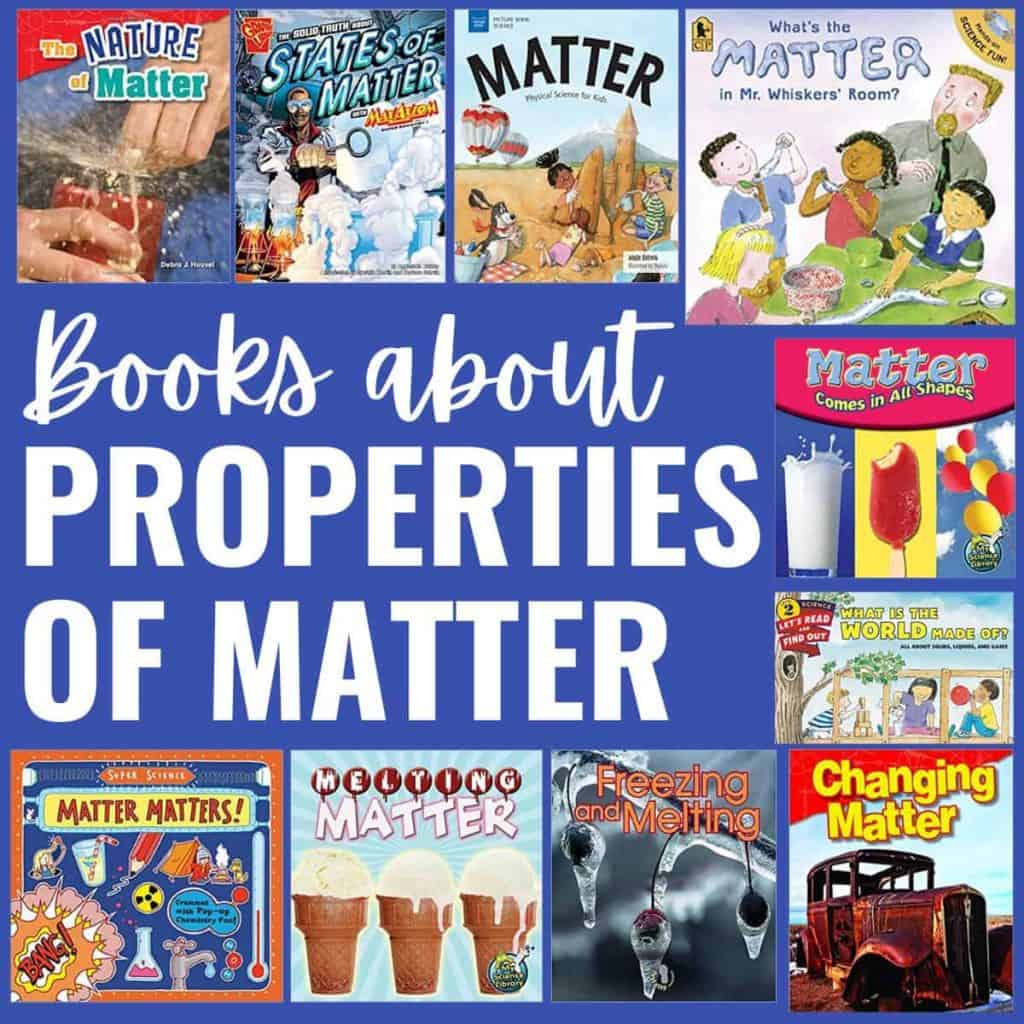
- Books About Properties of Matter and Changes in Matter for Elementary Students — read-aloud recommendations to build vocabulary and background knowledge



3rd Grade Physical Science: Forces, Motion, and Magnets
Third grade is when physical science starts to feel genuinely surprising to students. They’ve been pushing and pulling things their whole lives — now they’re going to find out that some objects push and pull each other without even touching. The 3rd grade physical science standards (3-PS2-1 through 3-PS2-4) address balanced and unbalanced forces, patterns in motion, and the invisible interactions created by electric charges and magnets.
The big conceptual leap here is from contact forces (pushes and pulls that require direct contact) to non-contact forces (magnetic and electric interactions that act at a distance). Students who understand this distinction are well-prepared for the gravitational force work they’ll do in 5th grade.
Balanced and Unbalanced Forces — 3-PS2-1 and 3-PS2-2
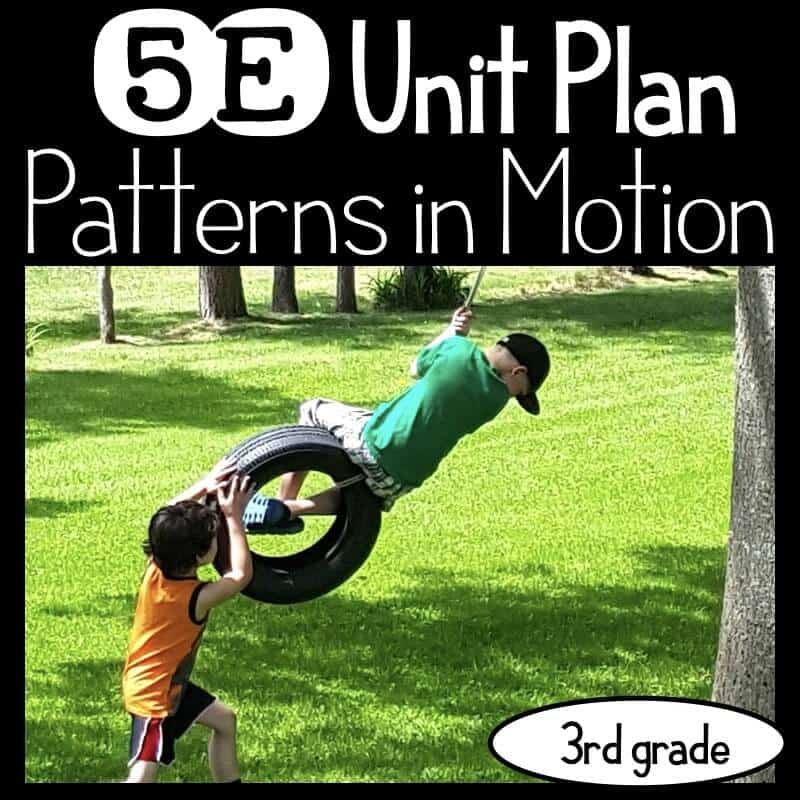
Force and motion are among the most naturally engaging topics in physical science because students can test ideas immediately. A push that’s too weak doesn’t move the object. A bigger push does. Two equal pushes in opposite directions cancel out. Students can observe all of this using simple materials, making these standards particularly well-suited for lab-style investigations.
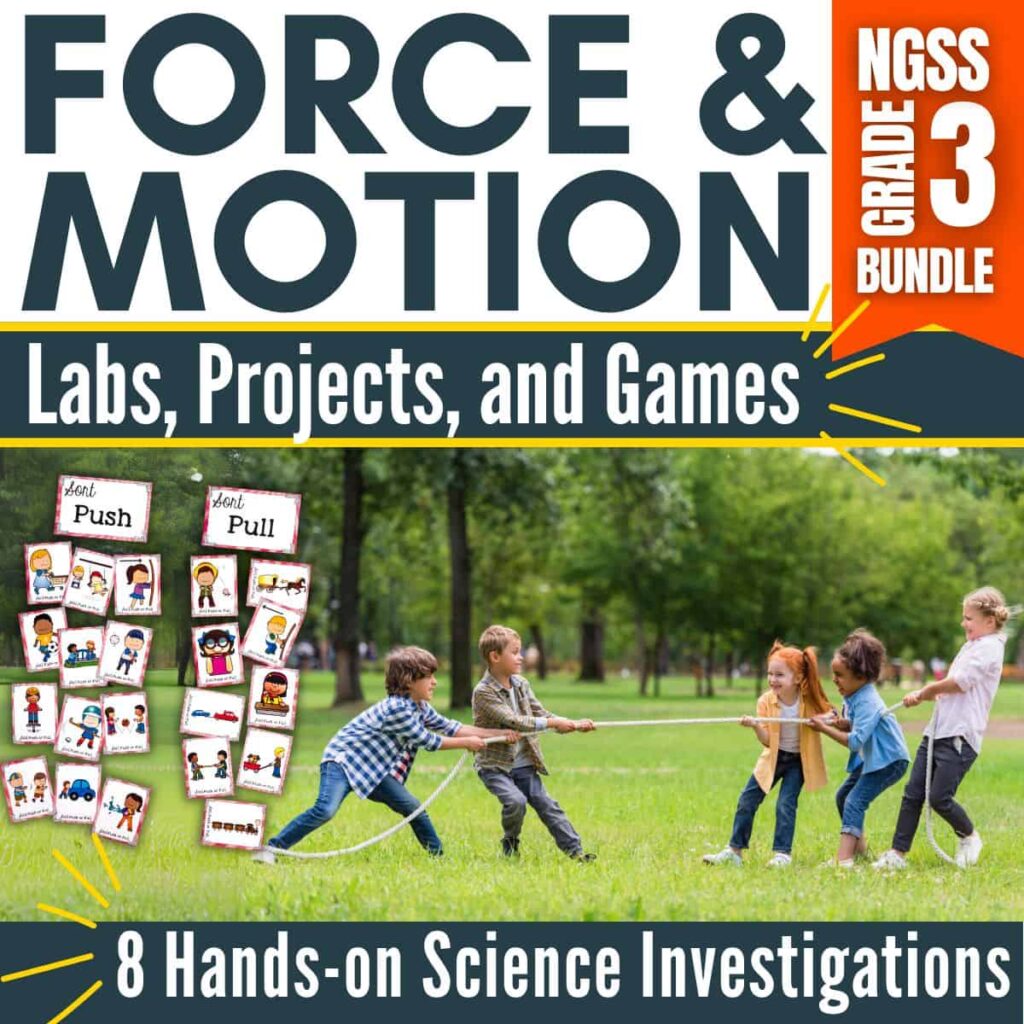
- 50+ Force and Motion Activities to Teach Balanced and Unbalanced Forces and Patterns in Motion — a comprehensive collection of demonstrations, experiments, and science station ideas
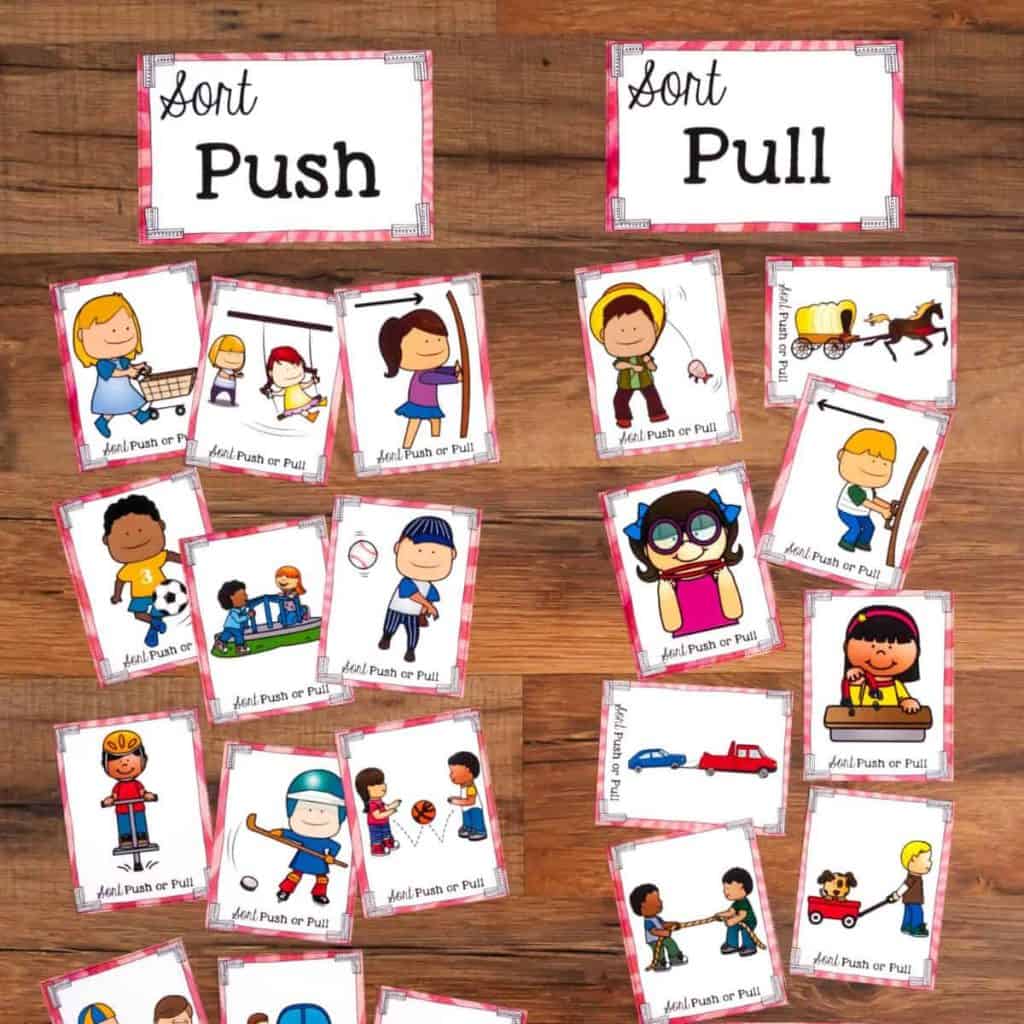
- Push and Pull Sorting Activity for Third Grade Science Force and Motion — NGSS-aligned sort where students categorize force examples
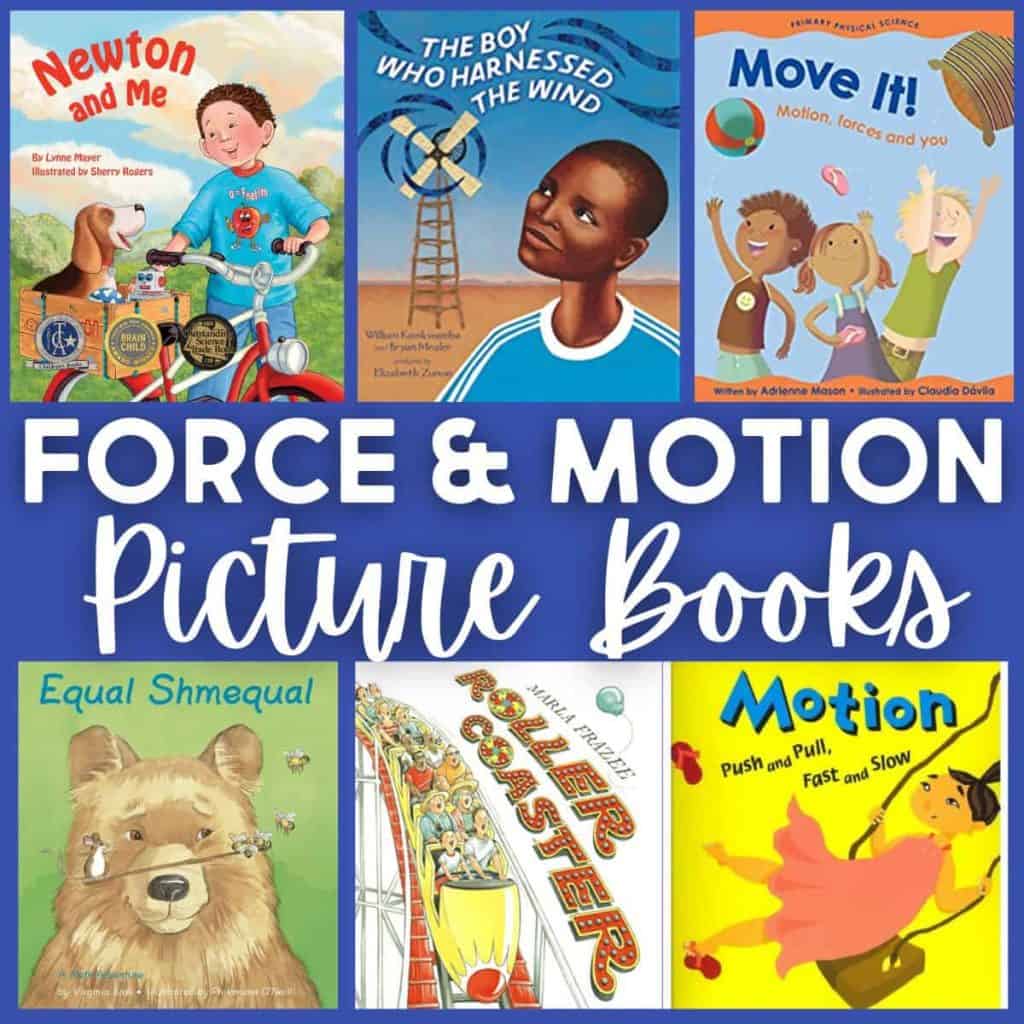
- 15 Force and Motion Picture Books to Engage Young Learners — read-aloud recommendations organized by concept

Electric and Magnetic Interactions — 3-PS2-3 and 3-PS2-4
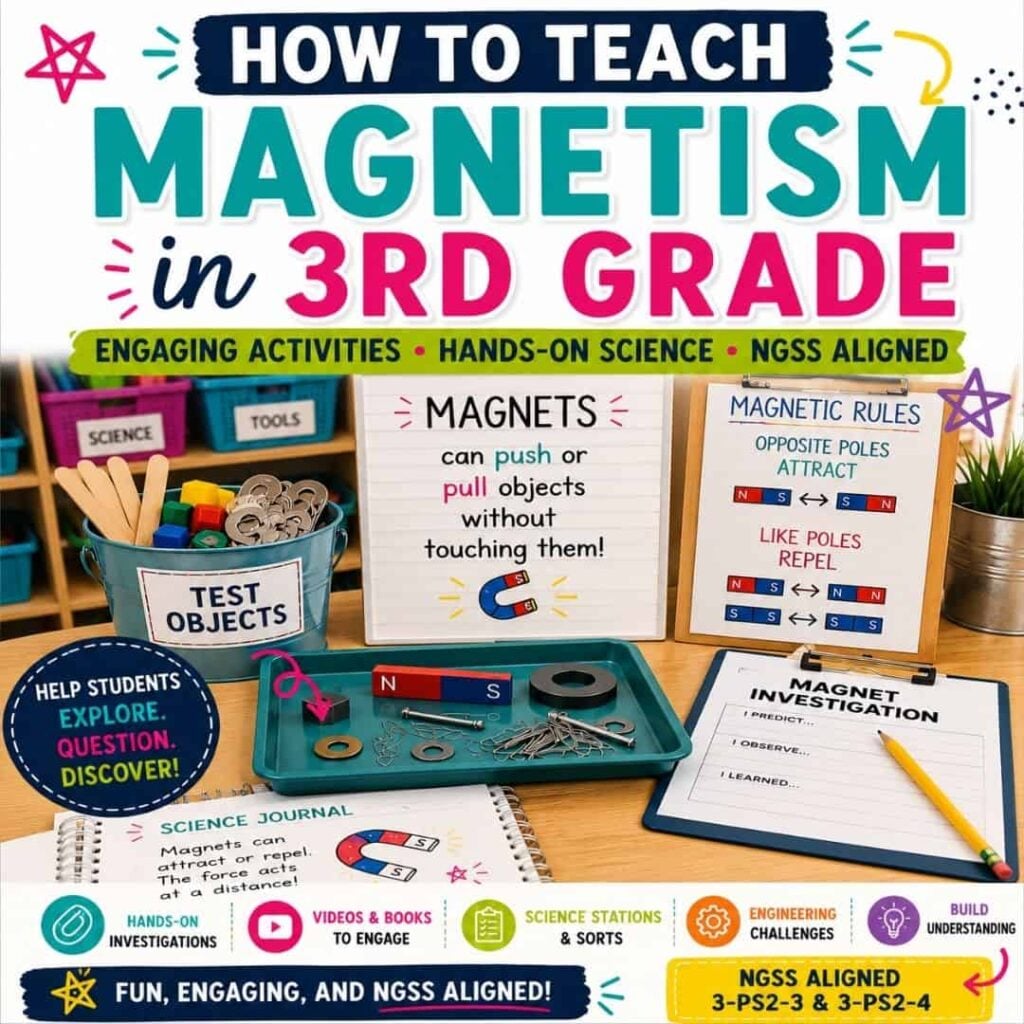
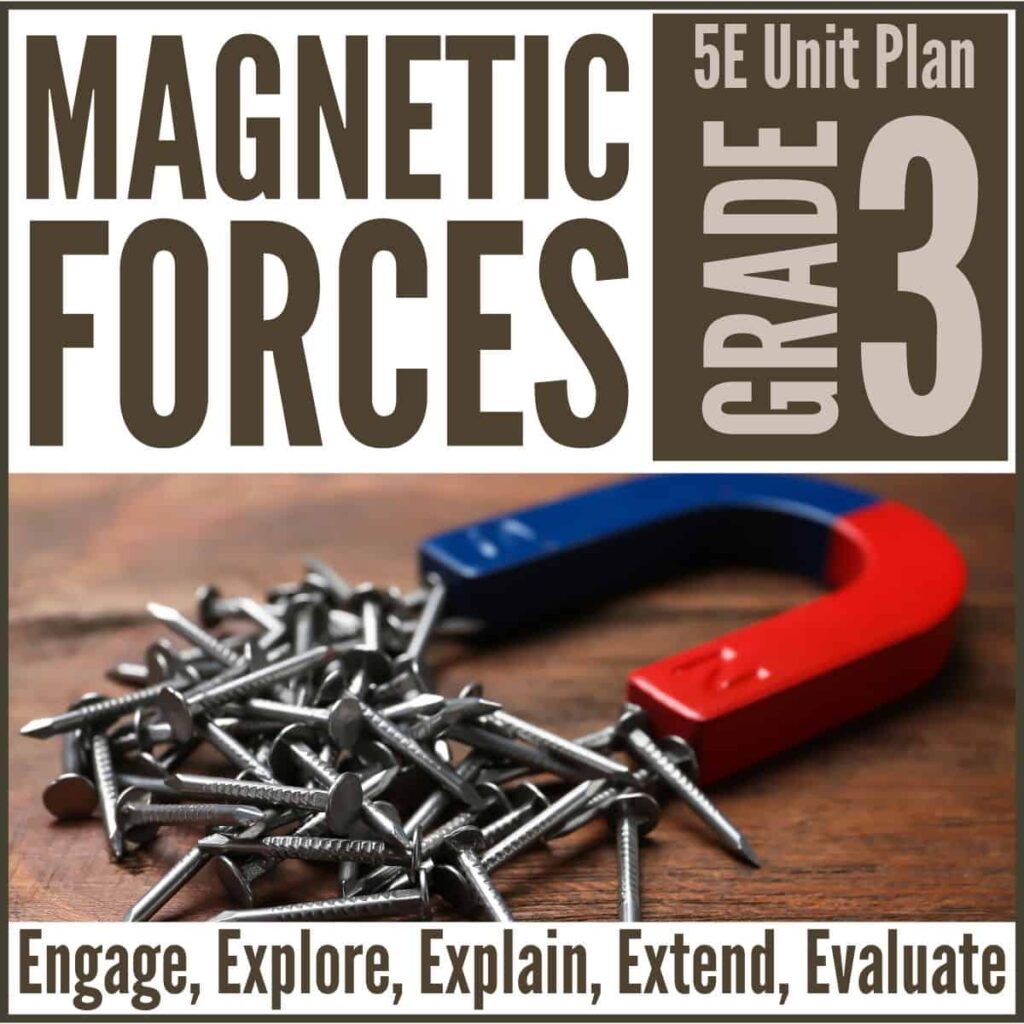
Magnetism is one of those science topics that never gets old. Students who have played with magnets before still find it remarkable that a magnet can pull a paper clip through a piece of paper or across a gap of air. That sense of “wait, how?” is exactly the right entry point into 3-PS2-3 and 3-PS2-4, which ask students to investigate cause-and-effect relationships in magnetic interactions and apply that understanding to design problems.
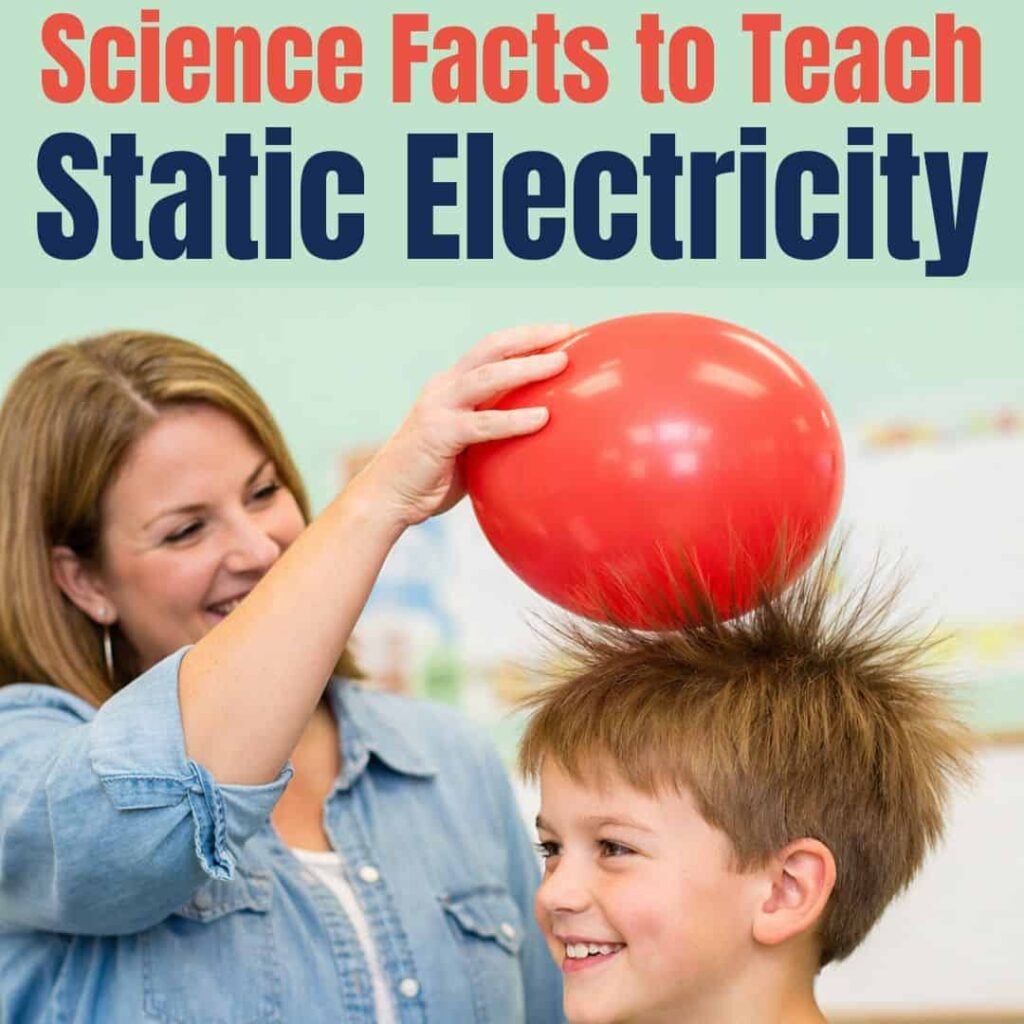
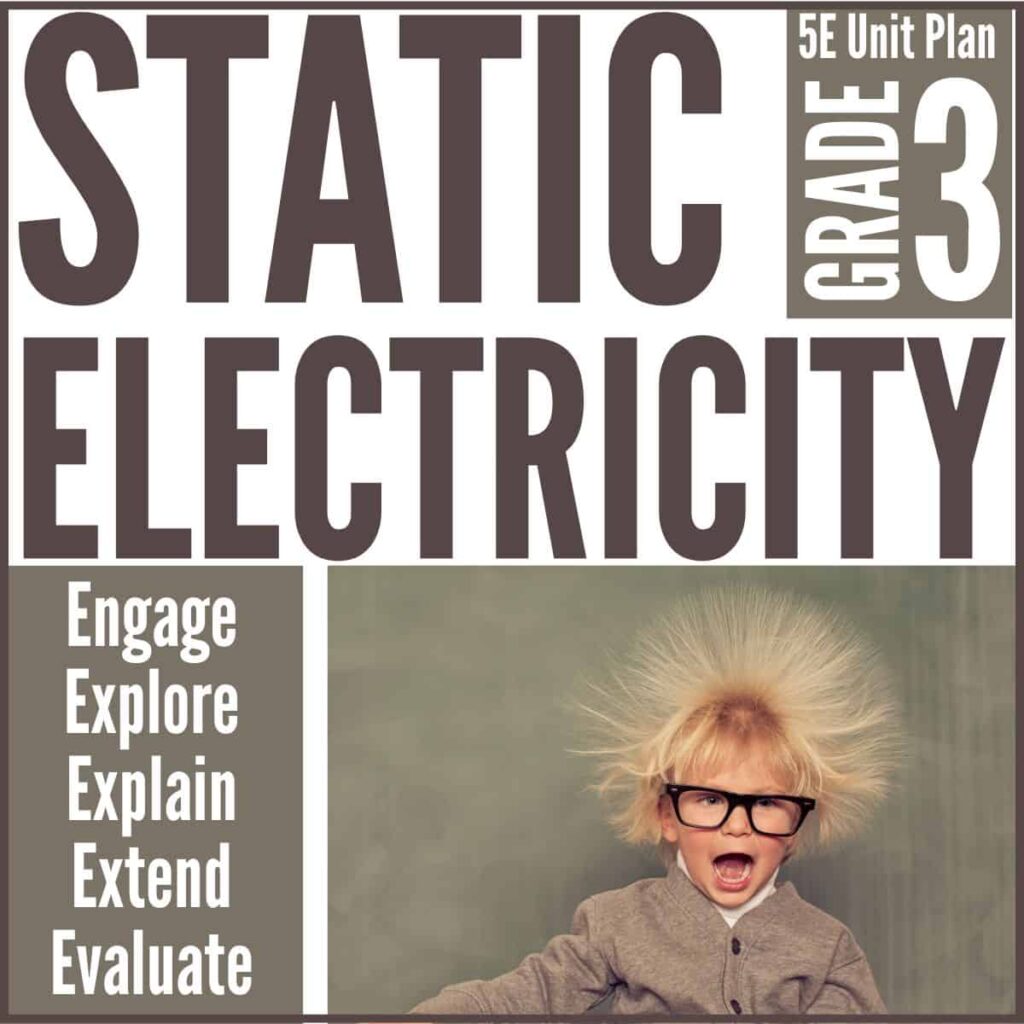
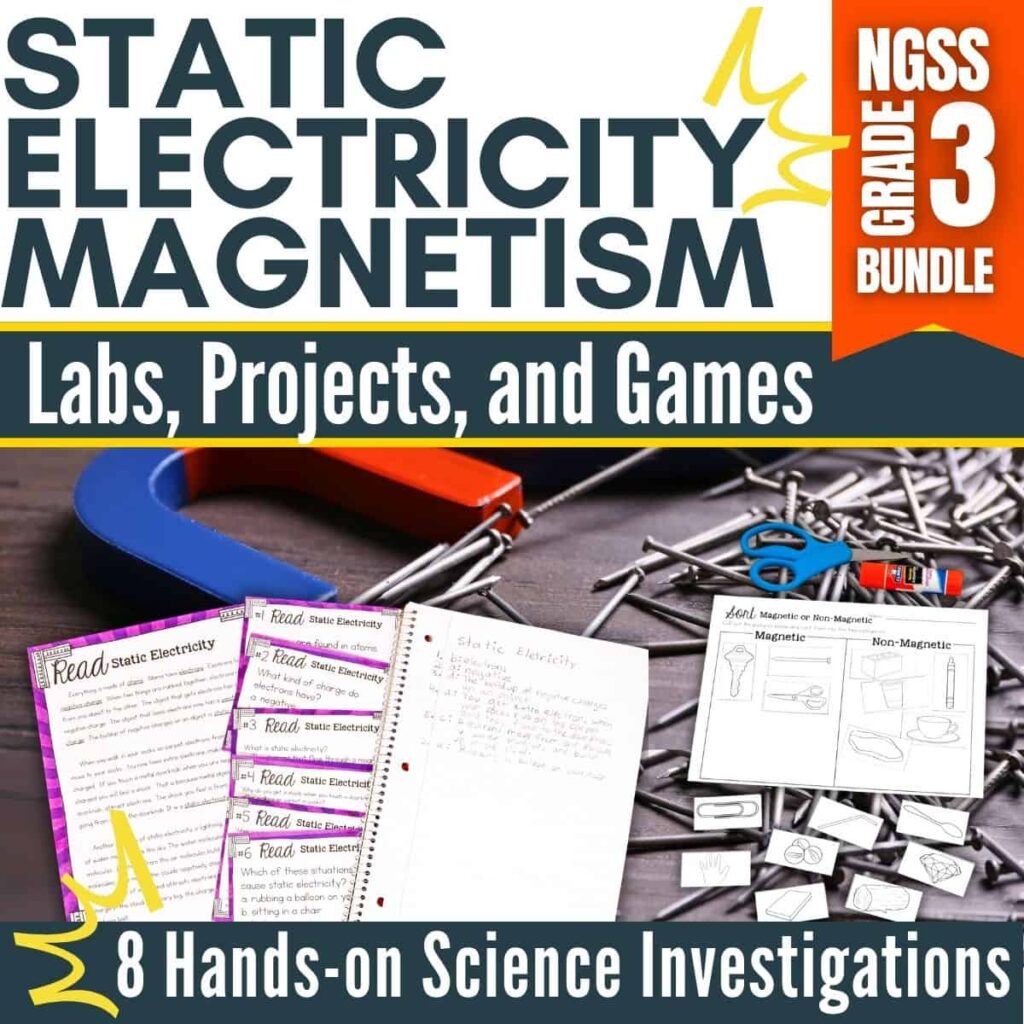
Static electricity fits naturally alongside magnetism at this grade level — both involve invisible forces between objects that aren’t in direct contact, and students can observe both with simple classroom materials.
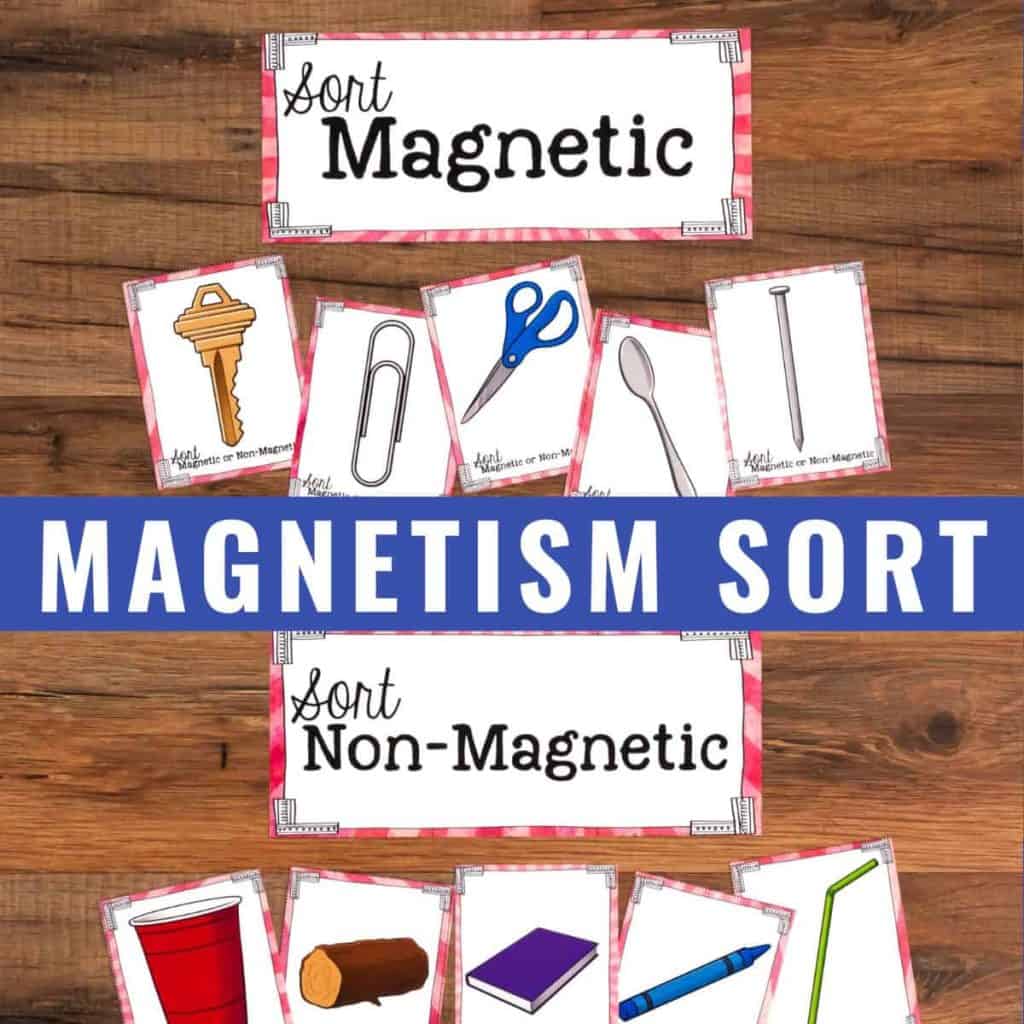
- Magnetism Sorting Activity for Third Grade Science — students sort magnetic and non-magnetic objects, then read about why magnetism works
- 10 Books About Magnets for Elementary Students — curated list for read-alouds and independent reading
- Static Electricity Lessons for Kids: Activities and Experiments for 3rd Grade — investigation ideas for building static charge and testing its effects
- Static Electricity Facts for Kids Plus Common Misconceptions — background reading and a breakdown of the ideas students most commonly get wrong


4th Grade Physical Science: Energy and Waves
Fourth grade is the heaviest physical science year in the elementary NGSS progression. Students work with two sets of standards — energy (PS3) and waves (PS4) — and the ideas connect in ways that make the grade particularly rich for instruction. Energy can be stored and transferred; waves are one of the ways that transfer happens. By the end of 4th grade, students should be able to explain phenomena as different as a roller coaster, a ringing bell, and a digital signal using the same core ideas.
Energy Transfer and Motion — 4-PS3-1 through 4-PS3-4
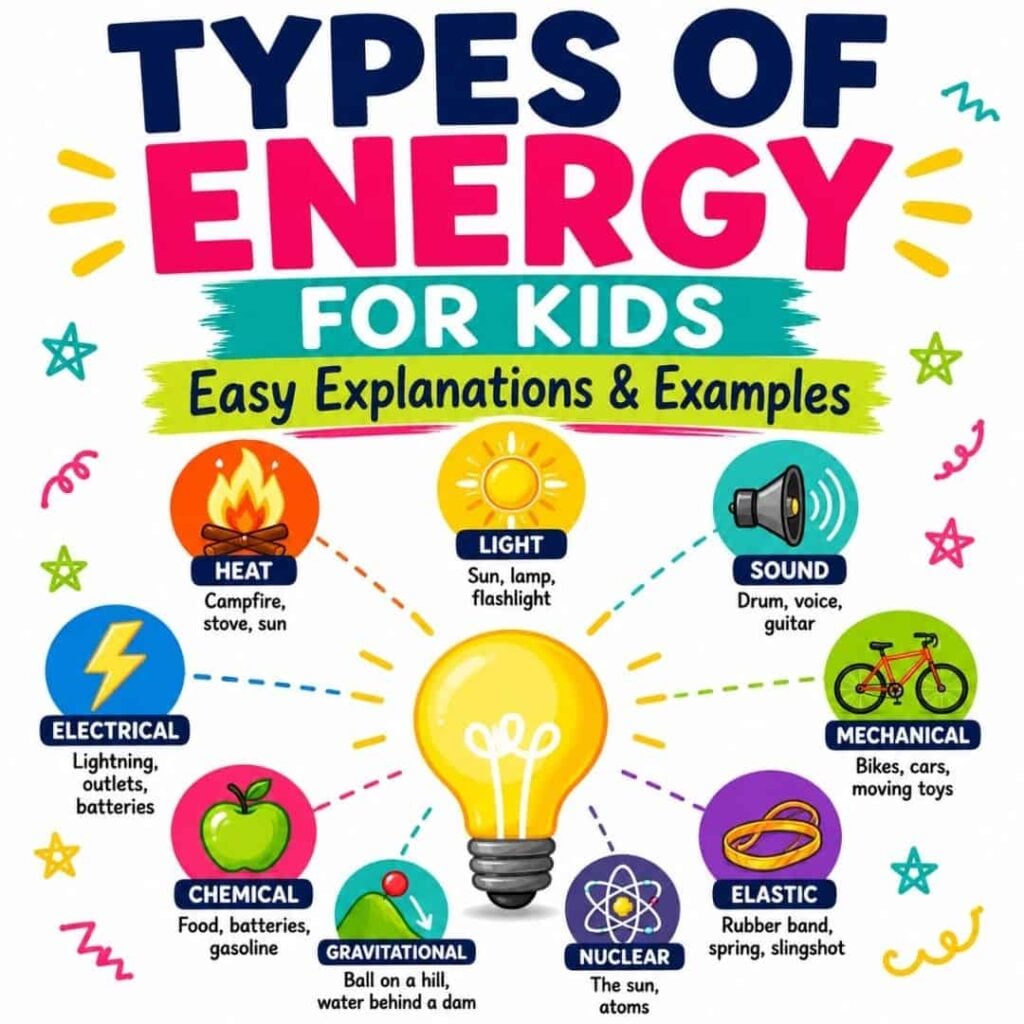
The 4th grade energy standards ask students to connect the speed of an object to its energy (faster = more energy), observe how energy moves from place to place through sound, light, heat, and electric currents, predict what happens when objects collide, and apply these ideas to design a device that converts energy from one form to another. Engineering challenges fit naturally here — building a device that converts stored energy into motion gives students a concrete way to apply abstract ideas.
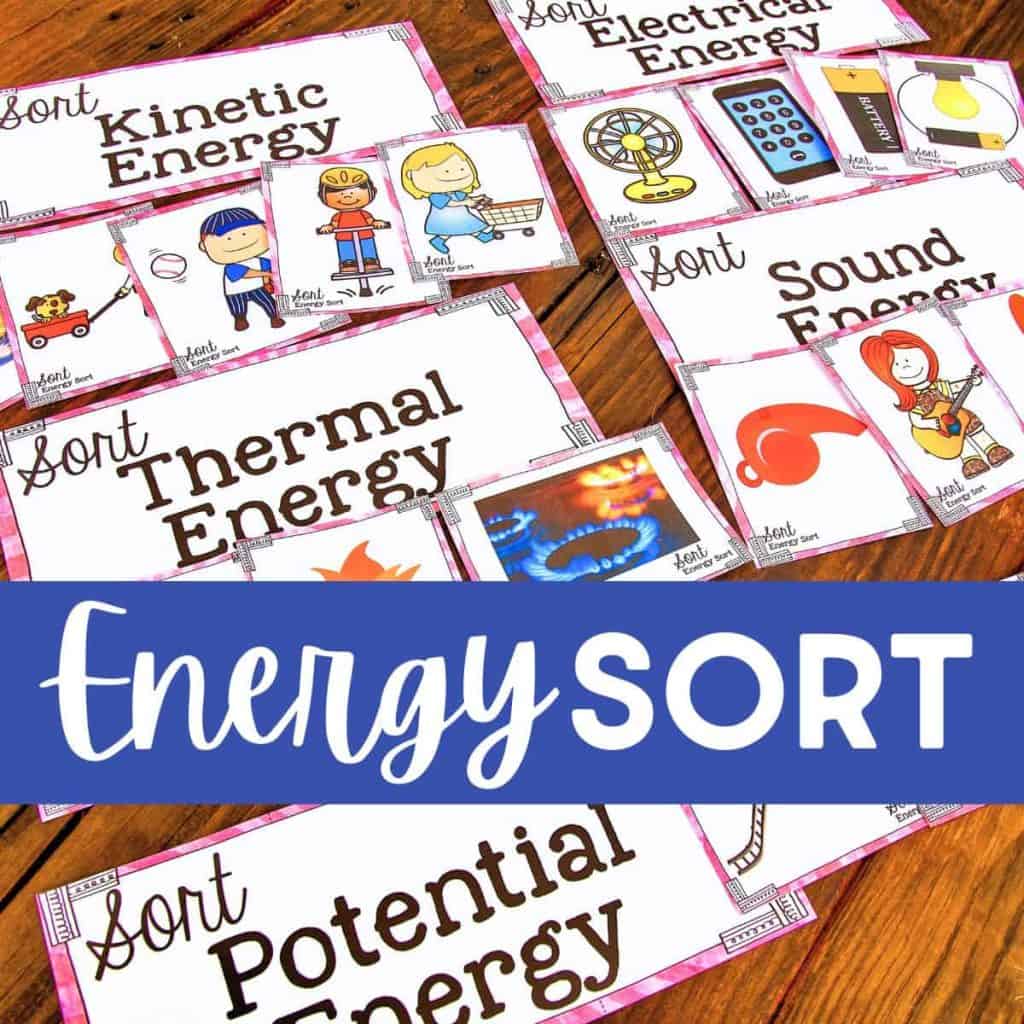
- Forms of Energy Sort for Fourth Grade Science Stations — students sort and classify kinetic, thermal, potential, electrical, and sound energy
- Energy Science Stations for Fourth Grade — stations covering energy transfer, light energy, and the conversion of electrical energy to other forms
- Energy Teaching Ideas for Elementary Students — a curated list of activity and resource ideas for teaching all of the 4th grade energy standards
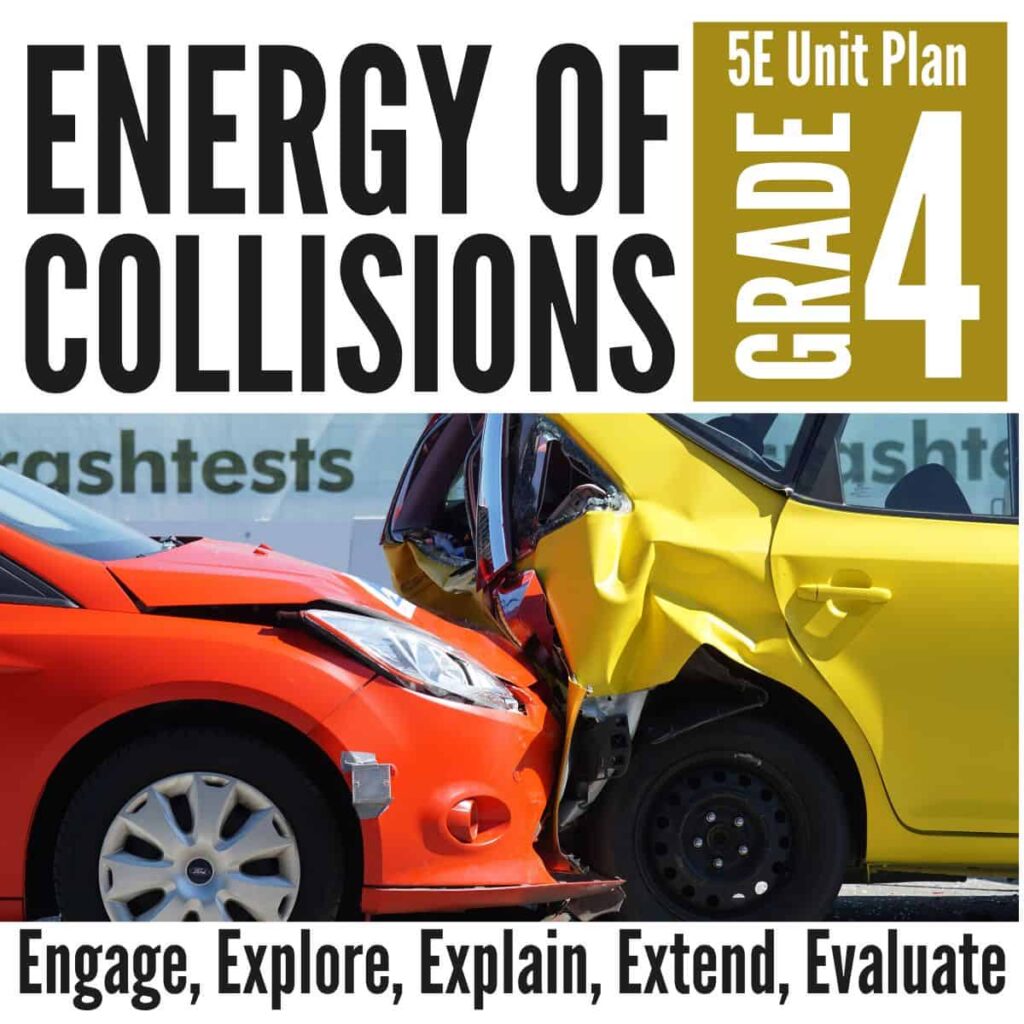
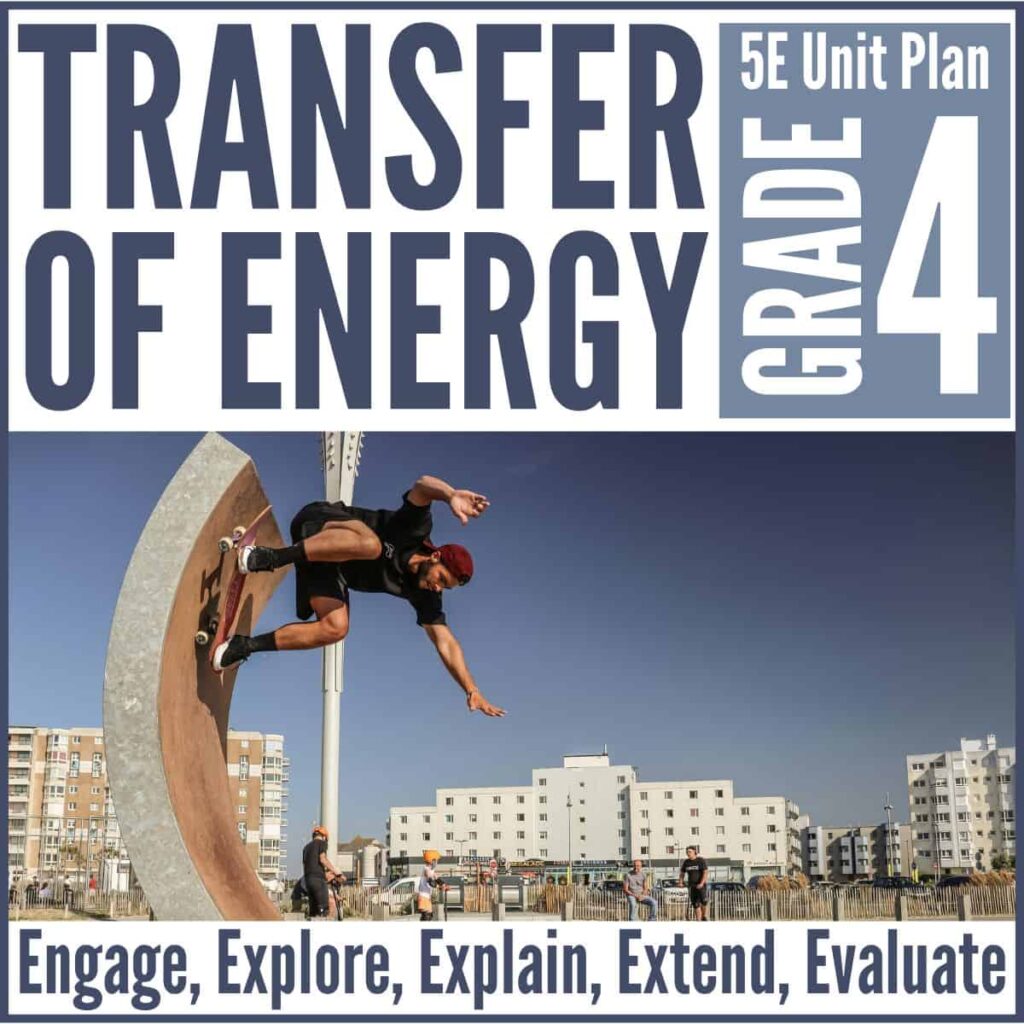
- Energy in Motion 5E Unit Plan for Fourth Grade — a full inquiry-based unit plan for the energy in motion standards
- Marble Roller Coasters Engineering Challenge for 4th Grade — a design challenge where students apply potential and kinetic energy concepts to build a working marble track




Waves, Light, Sound, and Information — 4-PS4-1 through 4-PS4-3
The waves standards in 4th grade introduce students to a genuinely new way of thinking about the world. Waves carry energy, and their patterns can carry information. Students who understand this can start to explain how a phone sends a message, how a speaker makes sound, and why you can see your reflection in a window. Standard 4-PS4-3 specifically addresses how patterns are used to transfer information, which is where digital vs. analog technology becomes a relevant classroom conversation.
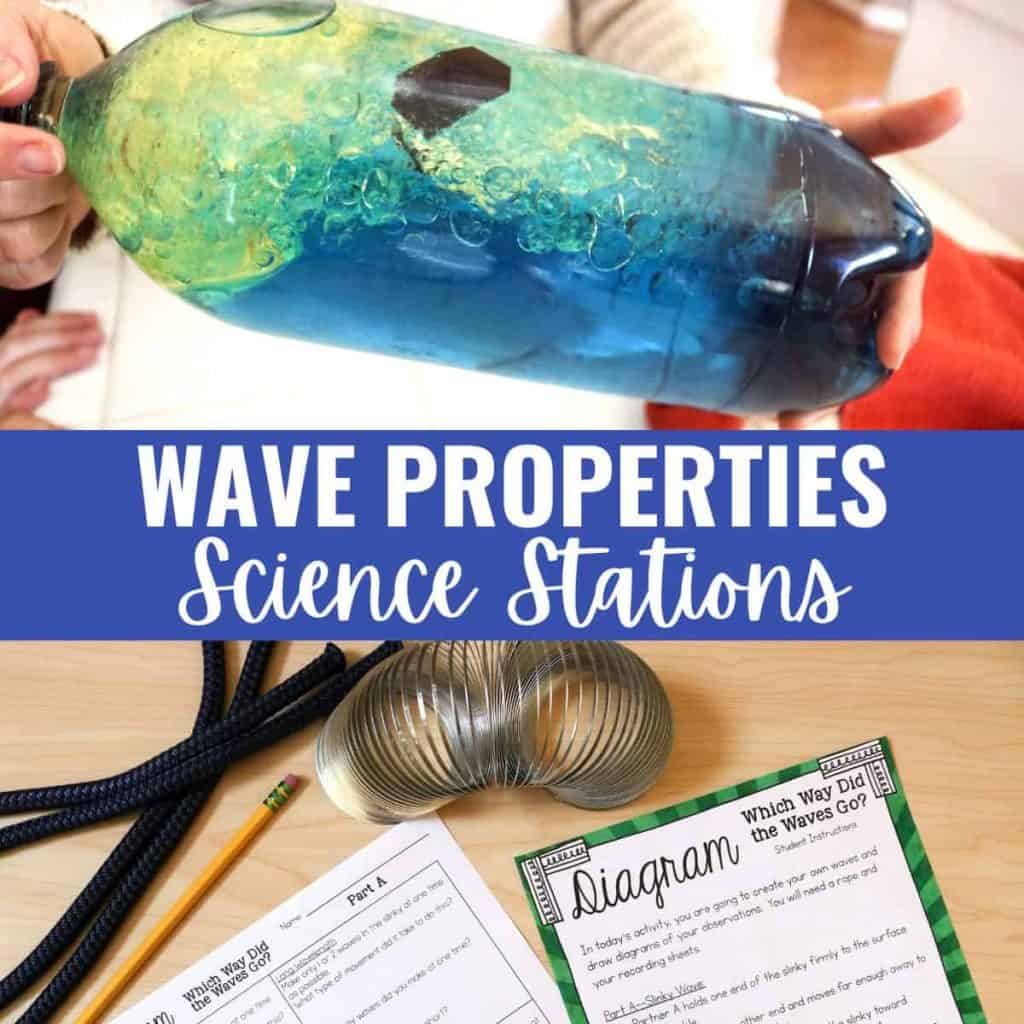
- Making Waves: Sound Wave Properties Fourth Grade Science Stations — stations on the properties of sound and ocean waves, including a hands-on wave bottle construction activity
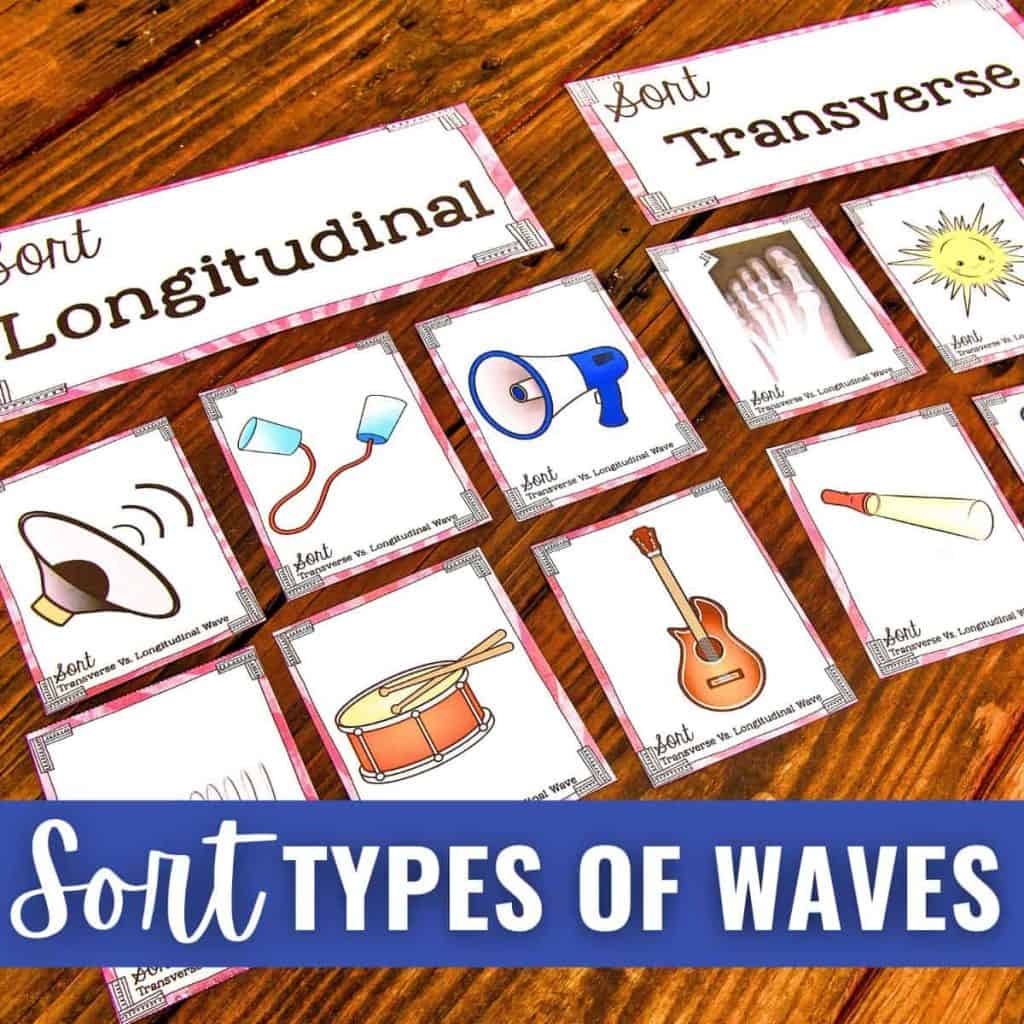
- A Fun Types of Waves Sort for Fourth-Grade Science — students sort examples of longitudinal and transverse waves
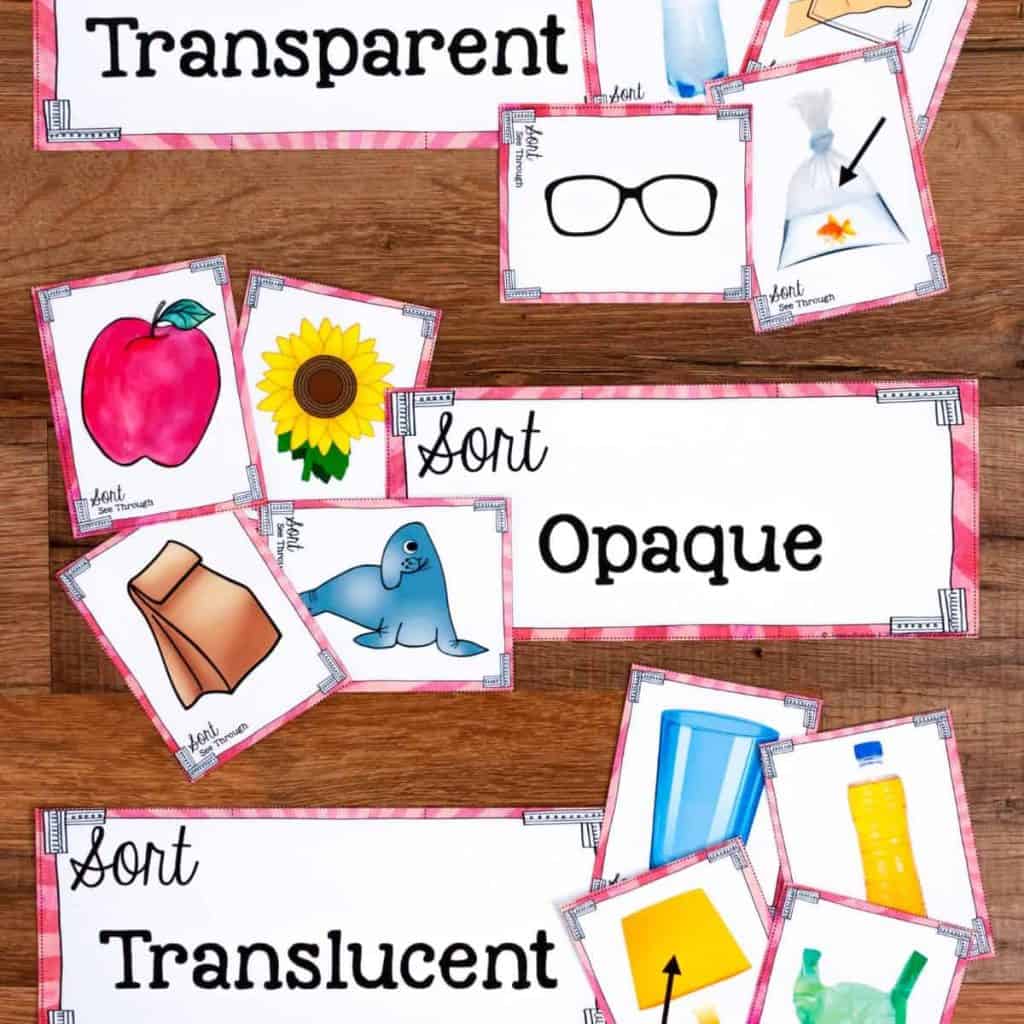
- Translucent, Transparent, and Opaque Objects Sorting Activity for 4th Grade Science — sort focused on how light interacts with different materials
- Teaching About Waves and Technology with Elementary Students — ideas and context for connecting wave properties to information technology
- Digital vs. Analog Sort for Fourth Grade Science Stations — students classify technologies as digital or analog and explore how each stores and transmits information
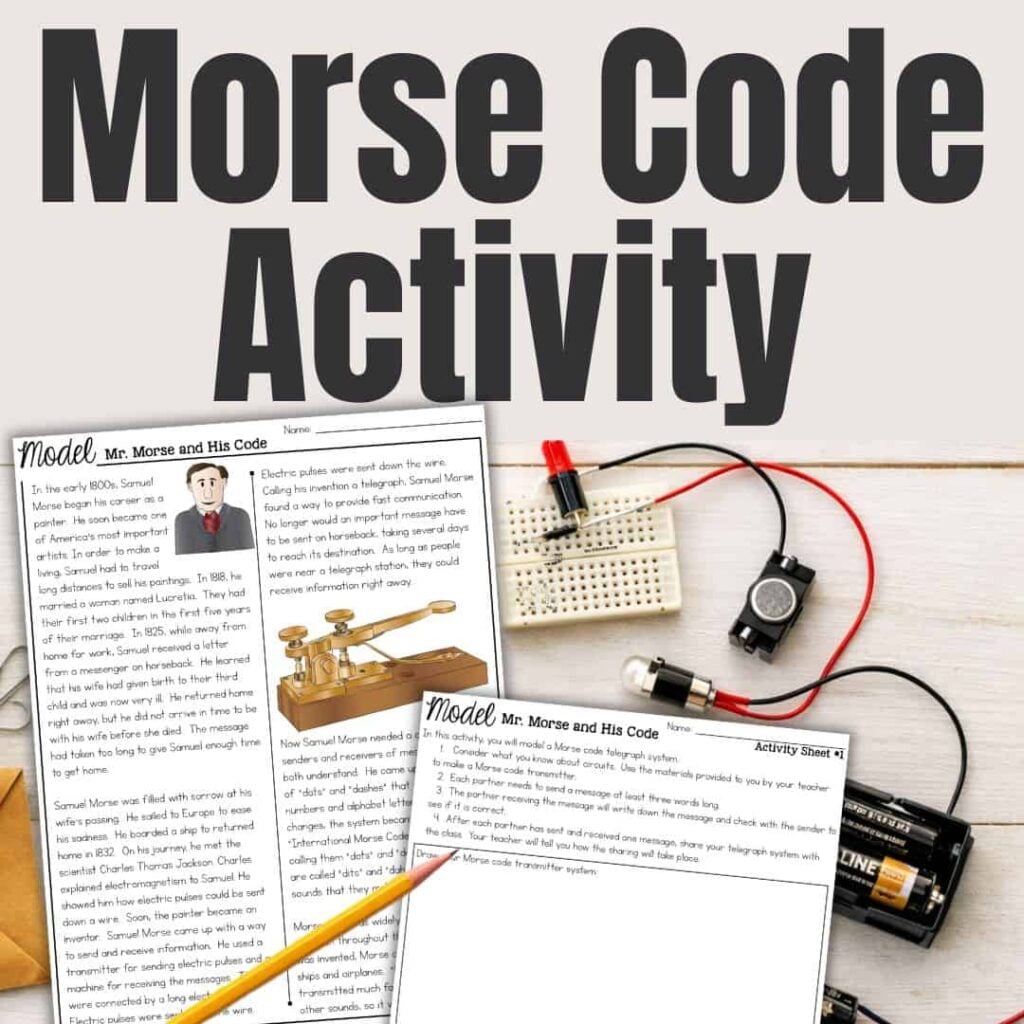
- Morse Code Activity: A Hands-On STEM Lesson with Binary Code Connections — students build a working circuit and send messages, connecting wave patterns to digital information transfer

-

Communication through Codes & Technology BUNDLE Science Stations
$14.78 -

Images and Vision BUNDLE Science Stations
$14.78 -
Information Technology 5E NGSS Science Unit Plan
$9.90 -
Light Energy 5E NGSS Science Unit Plan
$9.90 -
Wave Properties BUNDLE Science Stations
$14.78 -
Waves 5E Science Unit Plan for Fourth Grade | 4-PS4-1
$9.90

5th Grade Physical Science: Matter, Gravity, and Energy
Fifth grade brings physical science back to matter, but with a fundamentally new lens: matter is made of particles too small to see. This shift from observable properties (2nd grade) to atomic structure (5th grade) is one of the biggest conceptual jumps in elementary school science. Students also encounter gravitational force as a non-contact force that acts between all objects with mass, and they connect energy in physical systems to the energy stored in food — bridging physical and life science.
Structure and Properties of Matter — 5-PS1-1 through 5-PS1-4
The 5th grade matter standards (5-PS1-1 through 5-PS1-4) build directly on what students learned in 2nd grade, but push into explanatory territory. Students move from “ice melts when it warms up” to “the particles are the same but they’re moving differently.” They investigate conservation of mass — the total amount of matter stays the same even when it changes form — and explore what happens when two substances mix and form something new. Chemical vs. physical changes, atoms and molecules, and the structure of matter at a scale that can’t be observed directly are all fair game.
- Properties of Matter Science Stations for Fifth Grade — hands-on stations where students test, observe, and classify substances by their physical properties
- Atoms and Molecules Science Activities for 5th Grade — stations on the structure of matter, including a candy-based model-building activity for atoms and molecules
- Build an Atom With This Hands-On 5th Grade Activity — students construct models of atoms to understand the relationship between protons, neutrons, and electrons
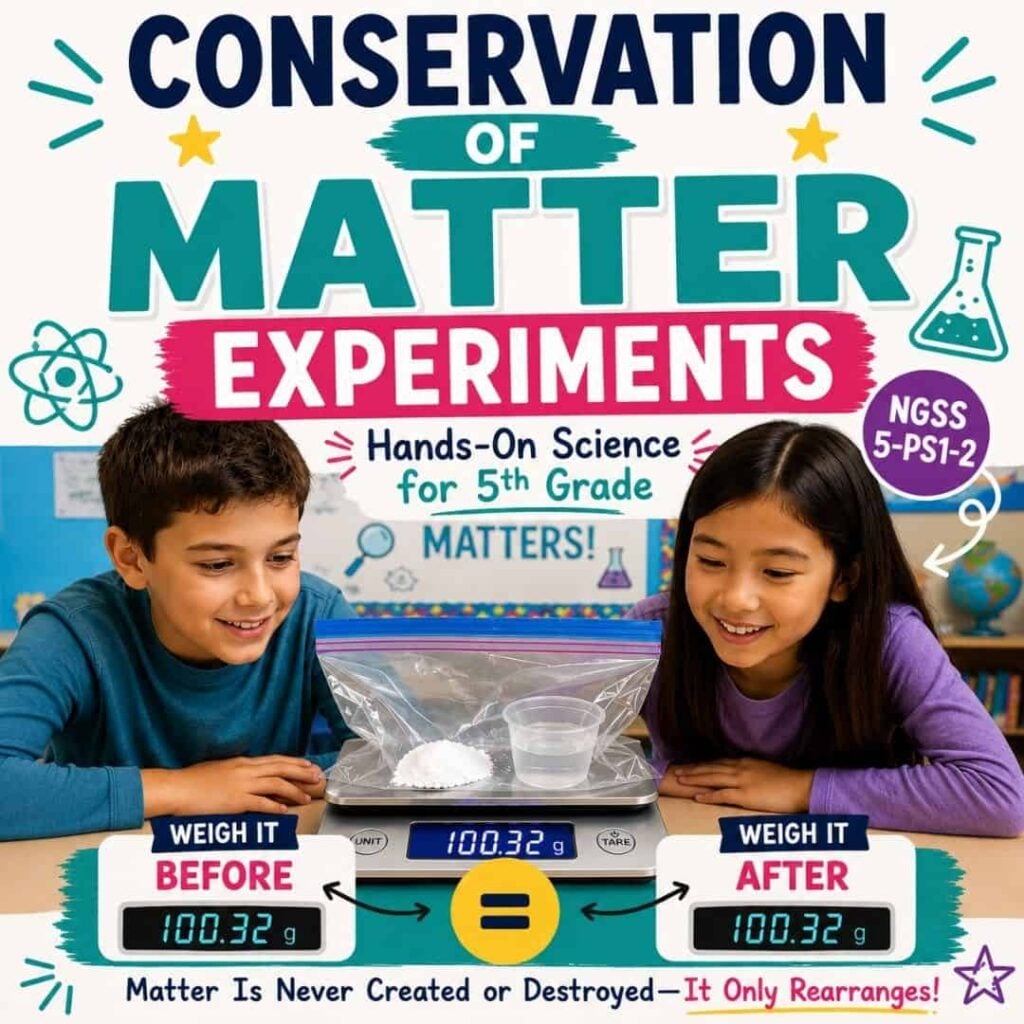
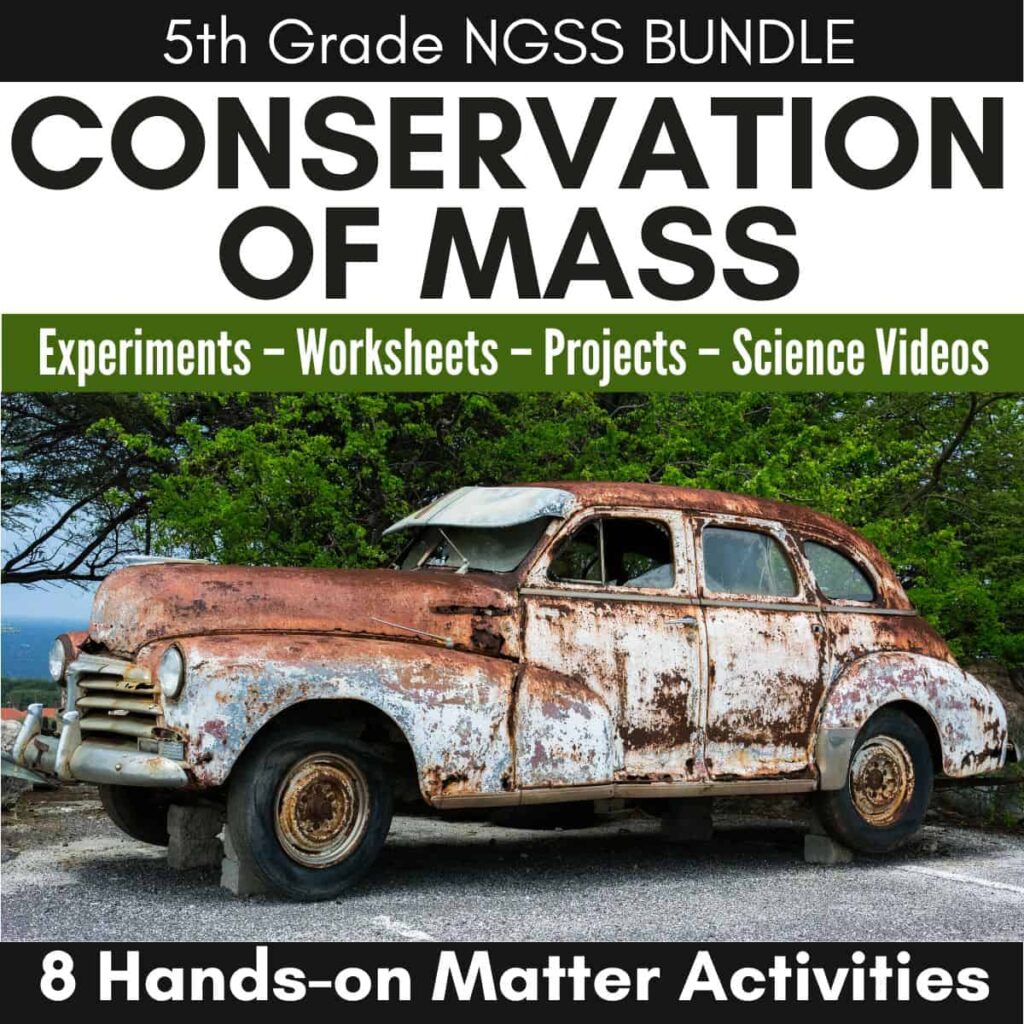
- Conservation of Mass 5th Grade Science Stations — stations on physical and chemical changes, dissolvable solids, and how to measure whether mass is conserved
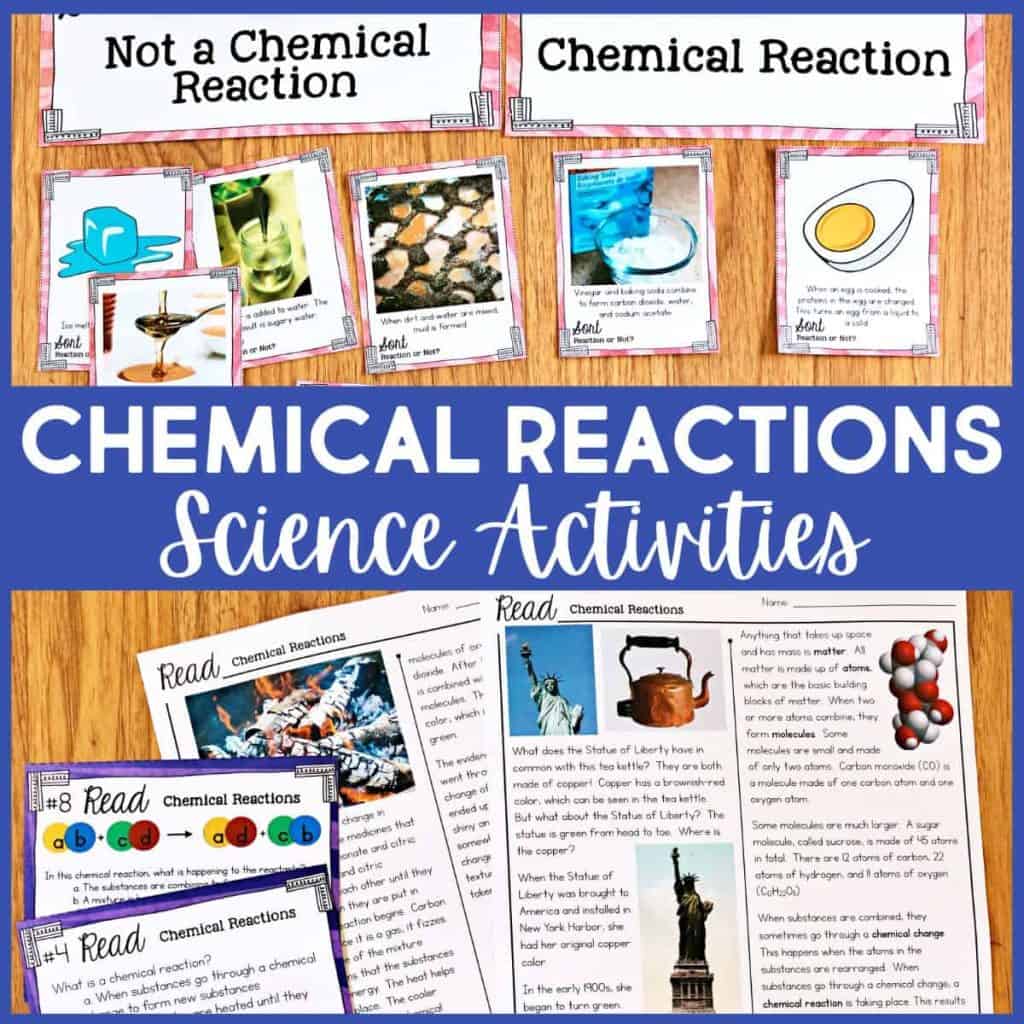
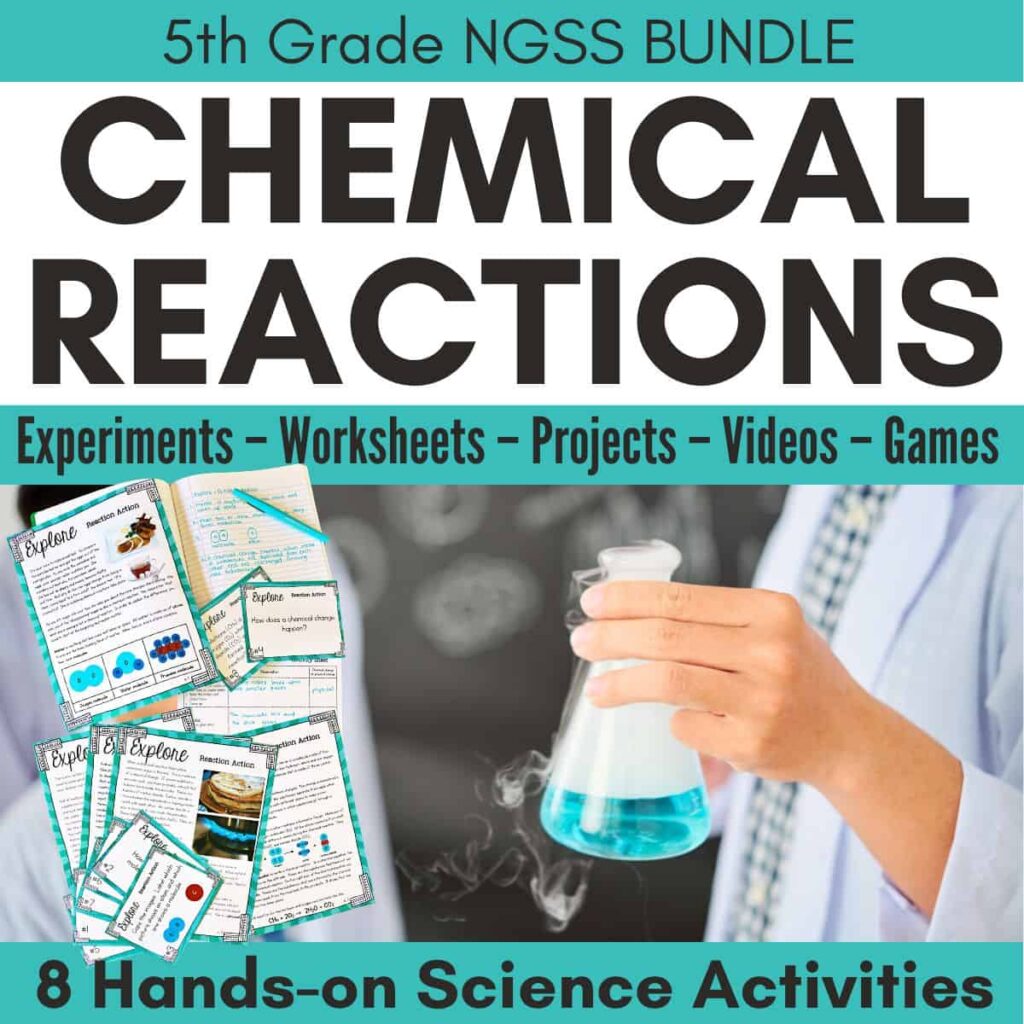
- Engaging Chemical Reactions Science Activities for Fifth Grade — students identify evidence of chemical reactions and sort examples
- Engaging Chemical Reactions Reading and Comprehension Activities — reading passages and comprehension work to reinforce chemical reaction concepts





Gravitational Force — 5-PS2-1
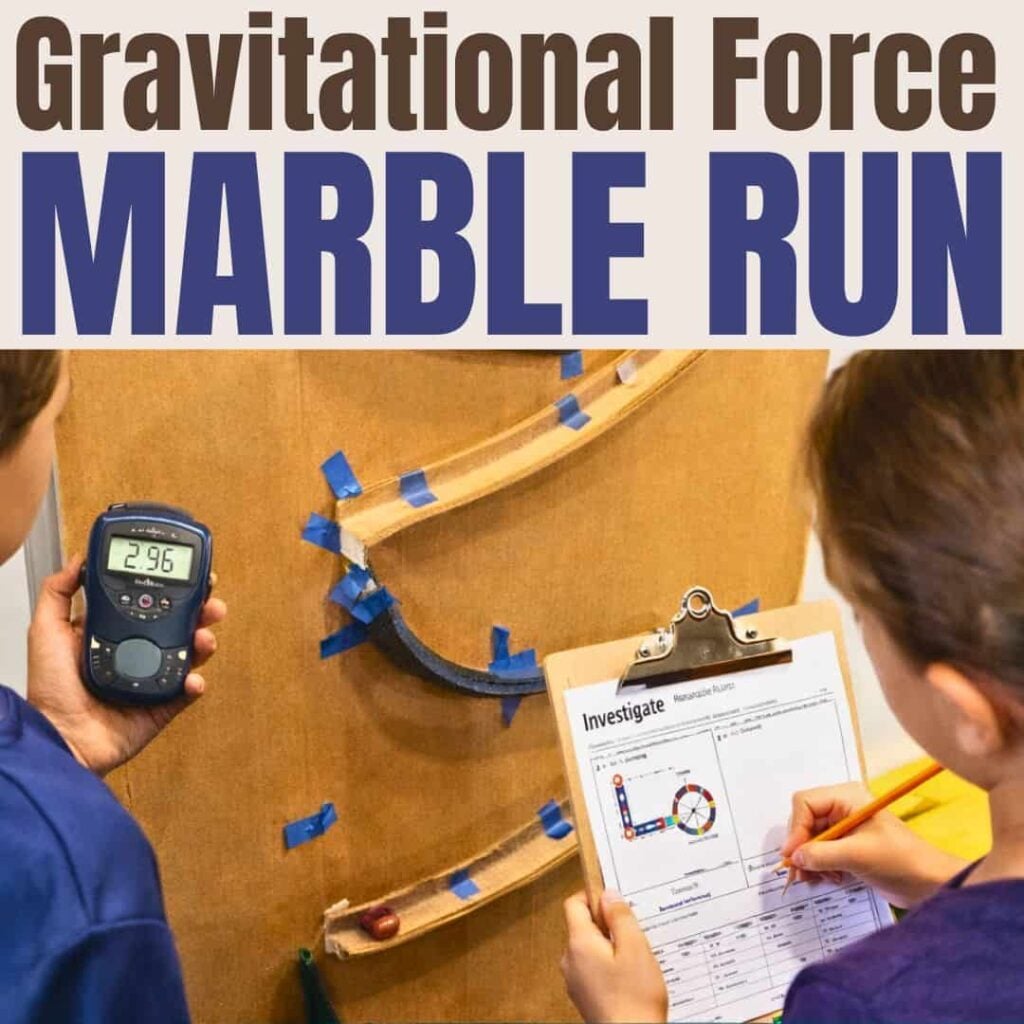
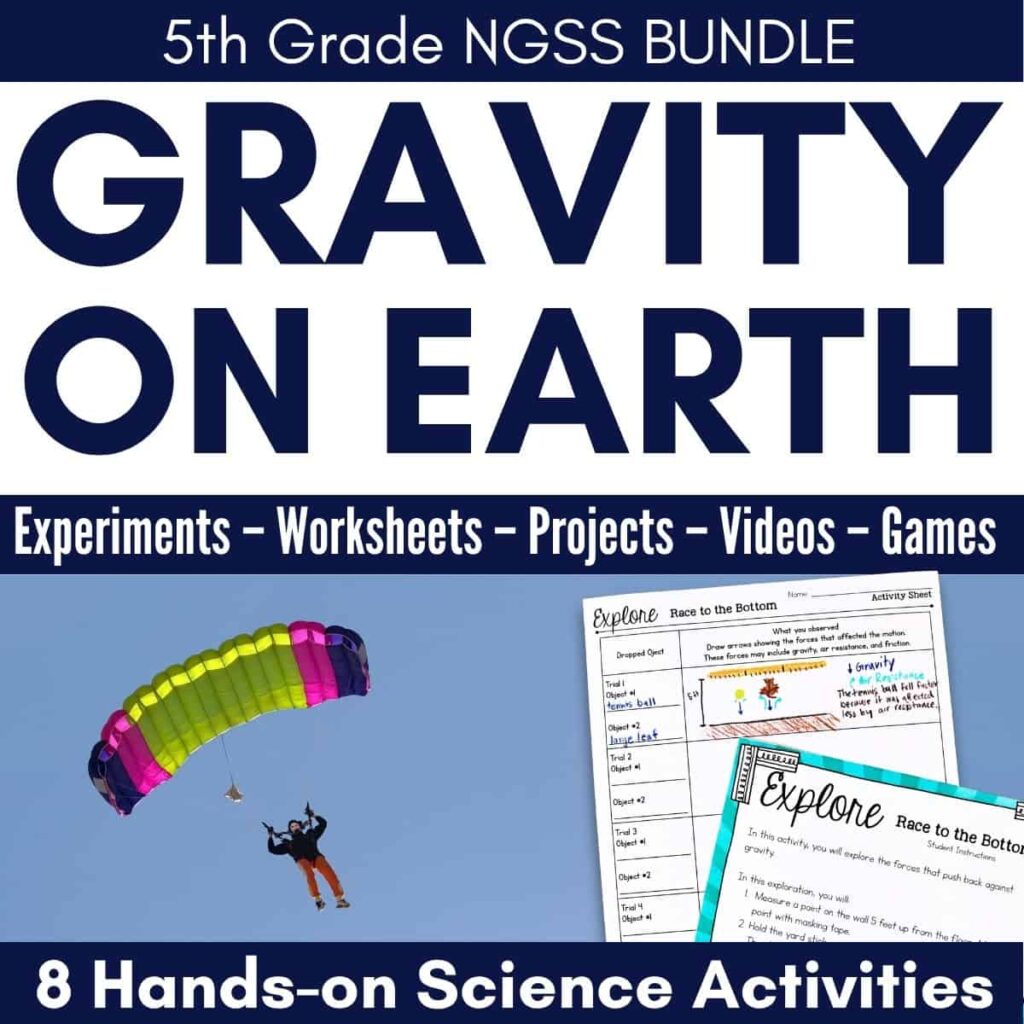
Standard 5-PS2-1 asks students to support an argument that Earth’s gravitational force pulls objects downward. Students at this stage are ready to think about gravity as a force that acts between any two objects with mass — not just as “the reason things fall.” The marble run is a particularly effective vehicle for this idea: students can observe how the height of a ramp affects how far a marble travels, connecting gravitational potential energy to motion.
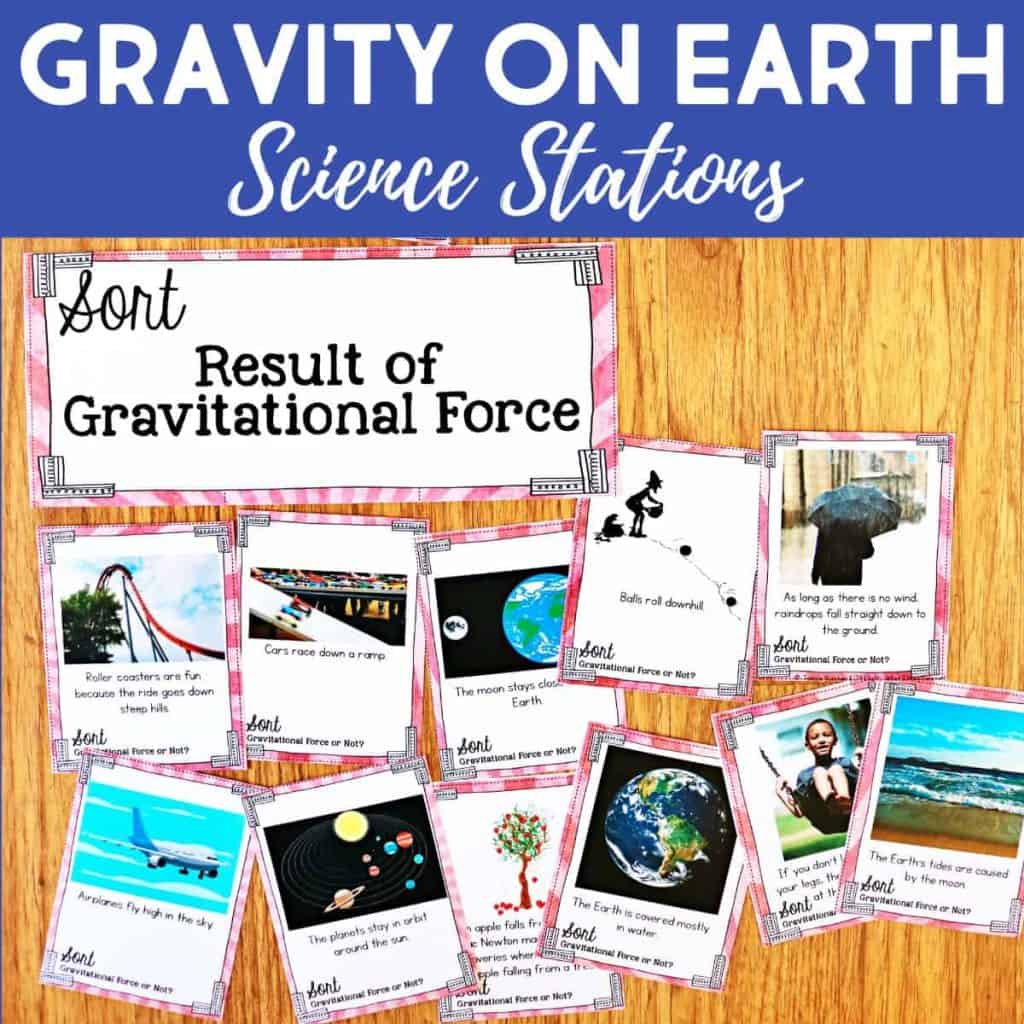
- NGSS Gravity Lessons — Gravity on Earth Fifth Grade Science Stations — stations where students sort results of gravitational force and build arguments from evidence
- A Marble Run Lesson Plan That Teaches About Gravity in 5th Grade — an engineering design challenge where students investigate gravitational force by testing and modifying a marble run
Energy in Living Systems — 5-PS3-1
Standard 5-PS3-1 is where physical science and life science meet. Students use models to describe that the energy animals use for body functions — movement, growth, warmth — was once energy from the sun, captured by plants through photosynthesis. This standard pairs directly with the 5th grade life science standards on plant growth and food webs, and teaching them together makes the connections visible to students in a way that neither strand can achieve alone.
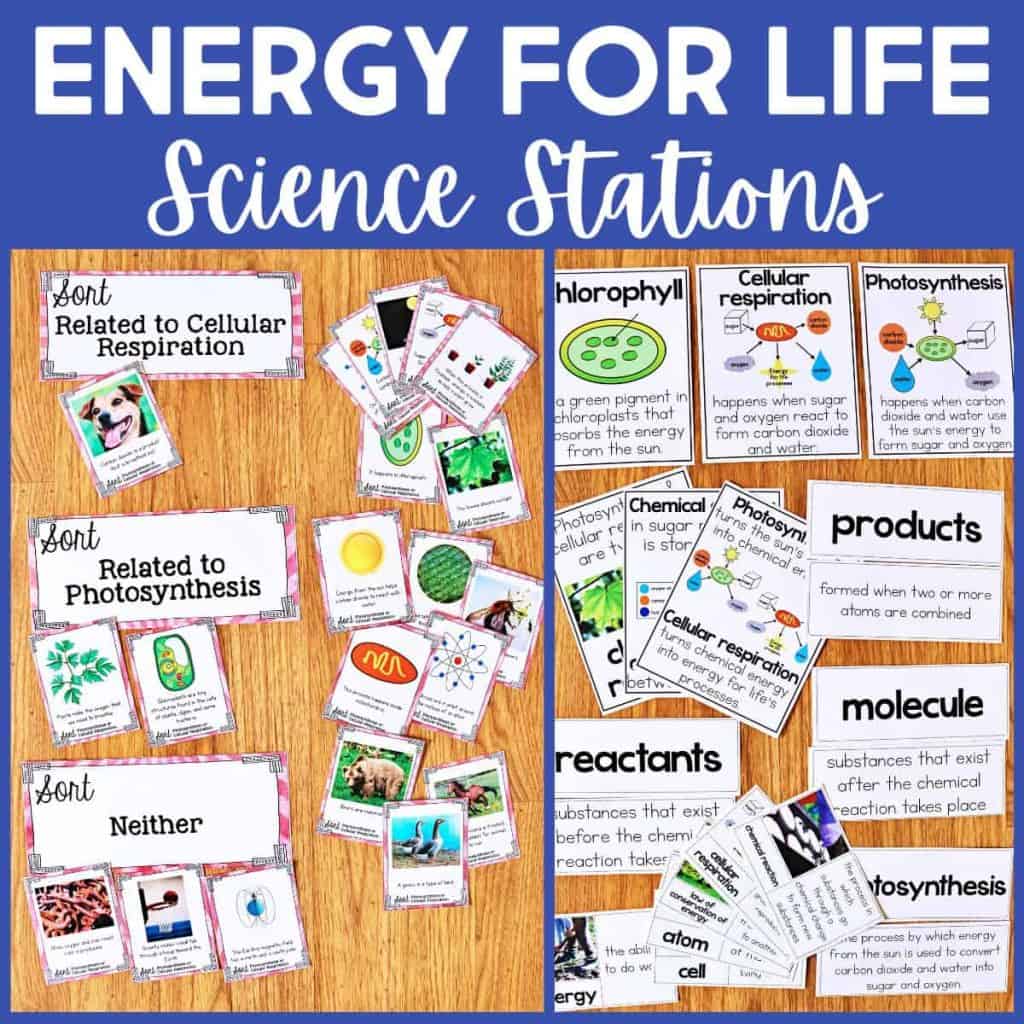
- Energy for Life Fifth Grade Science Stations — stations on cellular respiration, photosynthesis, and the flow of energy through living systems
Physical Science Topics That Span Multiple Grades
One of the hallmarks of the NGSS is that the same big ideas appear across multiple grade levels, with each grade adding depth and complexity. In physical science, a few threads run especially clearly from grade to grade.
Matter is introduced at the 2nd grade through observable properties and changes, and revisited at the 5th grade through the lens of atomic structure and conservation. A 5th grader who understands that matter is made of particles can look back at the reversible and irreversible changes they explored in 2nd grade and explain them with a mechanism — the particles are rearranging, not disappearing.
Forces appear first at the 3rd grade (balanced and unbalanced forces, magnetic interactions) and again at the 5th grade (gravitational force). Students who understand push-and-pull forces in 3rd grade are ready for the more abstract idea of gravitational force acting between objects that never touch and aren’t magnets.
Energy is the thread that connects the most across grades. The 4th-grade energy standards focus on energy transfer in physical systems — collisions, light, and sound. The 5th-grade PS3 standard connects that framework to living systems, asking students to trace energy from the sun through plants and animals. Students who have sorted forms of energy and built marble roller coasters in 4th grade have a concrete foundation for understanding why a cheetah running at top speed has more energy than one standing still — and where that energy ultimately came from.
For the life science side of that 5th-grade connection, my life science guide for elementary students covers the plant growth and food web standards that pair with PS3-1.
Tips for Teaching Physical Science for Elementary Students
Physical science can feel more abstract than life science — you can’t put an atom under a microscope the way you can observe a butterfly emerging from a chrysalis. A few strategies make a consistent difference across grade levels.
Start with the phenomenon, not the vocabulary
The NGSS is built around phenomena — observable events that students can investigate and explain. When you start a unit by asking students to observe something surprising (why does this balloon stick to the wall? Why does the marble travel farther when the ramp is higher?), they have something to explain. Vocabulary and concepts introduced after that observation have somewhere to land. Starting with a definition of “static electricity” or “potential energy” gives students words without a referent.
Use sorting activities to build conceptual categories
Sorting is one of the most effective structures for physical science instruction because it forces students to articulate the criteria they’re using. A student who can explain why a rubber band belongs in the “elastic” category and a rock doesn’t has built a mental model that a worksheet asking “is rubber elastic?” can’t match. Many of the station resources above are built around sorting precisely because the reasoning that happens during a sort reveals — and builds — understanding.
Engineering challenges deepen understanding
Physical science standards pair naturally with engineering design because the phenomena students investigate have direct real-world applications. Students who design a marble roller coaster aren’t just learning about energy — they’re testing ideas, collecting data, and revising a design based on evidence. The engineering context gives students a reason to care whether their explanation is right. If the roller coaster doesn’t work, the physics explanation isn’t quite right yet.
Let vocabulary follow understanding
Physical science has a lot of vocabulary, and it’s tempting to front-load it. Resist that. Students who investigate what happens when objects collide and talk about it in their own words first — “the faster one hit harder,” “it went farther when I pushed harder” — are ready to receive words like “kinetic energy” and “force” as useful labels for things they already understand. Vocabulary introduced before understanding is just memorization.
Bringing It All Together
Physical science for elementary students is a four-year progression that builds from observable properties in 2nd grade to atomic structure, gravitational force, and the flow of energy through living systems in 5th grade. Each grade adds something genuinely new — not just more of the same — which makes the sequence worth teaching explicitly. When students in 5th grade trace a cheetah’s energy back to the sun, they’re drawing on four years of physical science learning. That thread is there. It just needs to be made visible.
Use the grade-level sections above to find resources for wherever your students are at, and return to this page as you plan throughout the year. Each section links directly to posts and resources as they’re added, so this guide stays current as new content is published.
Jessica BOschen
Jessica is a teacher, homeschool parent, and entrepreneur. She shares her passion for teaching and education on What I Have Learned. Jessica has 16 years of experience teaching elementary school and currently homeschools her two middle and high school boys. She enjoys scaffolding learning for students, focusing on helping our most challenging learners achieve success in all academic areas.