
Properties of Matter Science Stations for Fifth Grade
Teaching properties of matter can feel abstract for students until they get their hands on it. When students test, observe, and question what they’re seeing, the concepts start to click in a way that worksheets alone just can’t match.

These Properties of Matter Science Stations for fifth grade give students multiple ways to interact with the content. Instead of just reading about physical and chemical properties, students investigate, model, sort, and apply their understanding across a variety of engaging tasks. Bonus: they stay busy and on-task while doing it.
Fifth grade matter is a significant conceptual leap from what students did in 2nd grade — from observable properties to atomic structure. My physical science guide for elementary students explains that progression and covers all four sets of 5th grade physical science standards.
Let’s take a closer look to find out what that looks like!
What’s Included in the Properties of Matter Science Stations
These science stations are designed to help students build a deep understanding of the properties of matter through hands-on and inquiry-based activities.
Students explore questions like:
- What are the properties of matter?
- How can we observe and measure them?
- How can we use properties to identify substances?
Throughout the stations, students:
- Make observations
- Construct explanations
- Use evidence to support claims
- Apply concepts in new situations
Each station is structured to be easy to implement while still challenging students with meaningful science content.

5th Grade Properties of Matter Science Stations | NGSS 5-PS1-3
Engage your students with these 5th Grade Properties of Matter Science Stations aligned to NGSS 5-PS1-3. This hands-on resource includes 8 interactive stations, reading passages, investigations, games, graphic organizers, and digital Google Classroom™ activities that help students identify materials based on their physical and chemical properties.
Focus on NGSS Standards for 5-PS1-3
These stations are aligned to NGSS standard 5-PS1-3:
Make observations and measurements to identify materials based on their properties.
Students engage with all three dimensions of NGSS:
- Disciplinary Core Idea (5-PS1.A): Properties can be measured and used to identify materials
- Science and Engineering Practices: Planning and carrying out investigations
- Crosscutting Concepts: Scale, proportion, and quantity
This alignment means students aren’t just learning vocabulary—they’re actively doing science.
Big Idea Posters for Properties of Matter
The Big Idea posters help reinforce key concepts and give students a visual anchor for their learning.
You can:
- Add them to a science bulletin board
- Have students keep them in notebooks
- Use them for quick reviews or discussions
Some of the key ideas include:
- Melting, freezing, and boiling points help identify substances
- Materials can be identified by their physical and chemical properties
- Matter exists as solids, liquids, and gases
These posters are included in the Unit Bundle.

Vocabulary Cards
Vocabulary doesn’t have to feel like a chore.
These cards include:
- Word, definition, and image versions
- Cut-and-match options for interactive practice
- Larger cards for word walls
Use them for:
- Matching games
- Pocket chart activities
- Science notebook work
They’re easy to prep and easy to reuse (laminator fans—you’re covered).

Differentiated Responses for Each Science Station
Every station includes multiple response options so you can meet the needs of all learners.
Students can respond with:
- Short answer
- Fill-in-the-blank (with and without word banks)
- Task cards (short answer or multiple choice)
This makes it simple to:
- Support struggling readers
- Challenge advanced students
- Use the same station across different groups
Answer keys are included for quick grading or student self-checking.
You can find examples of the questions in some of the images below.
Reading Passages
Most stations include optional reading passages to build background knowledge.
They come in two formats:
- Full-page with color border
- Two-column black-and-white version
Use them when students need extra support or as part of a literacy-science connection.
Google Classroom Components
If you’re using digital tools, these stations are ready for it.
Included:
- Google Forms for reading + questions
- Google Slides for directions and activities
This makes it easy to:
- Assign digitally
- Use for centers or independent work
- Support absent students
Watch a Video about the Properties of Matter
In this station, students watch one or two videos about the properties of matter. These videos help introduce or reinforce key concepts in a visual format, which can be especially helpful for students who benefit from seeing concepts in action.
After watching, students respond to questions using a variety of formats, including short answer, fill-in-the-blank, and task cards. This station supports comprehension while giving students another way to engage with the content.


Play a Game About the Properties of Matter
The game station gives students an opportunity to review concepts in a more interactive way. Students can play a board game with peers or complete a crossword puzzle or word search that reinforces key vocabulary and ideas.
During the board game, students work together to answer questions and move through the game, encouraging collaboration and discussion. The crossword puzzle includes both a version with a word bank and one without, and the digital versions provide an additional option for use in the classroom.


Investigate Mystery Material
This station allows students to take on the role of scientists as they investigate unknown substances. After reading about the properties of matter, students test materials using substances like vinegar or iodine and use their observations to identify each mystery material.
Students practice observing, testing, recording data, and drawing conclusions. This station combines hands-on investigation with critical thinking and helps students apply what they have learned in a meaningful way.


Diagram Properties of Matter
In this station, students read about the properties of matter and create a visual diagram to represent their understanding. They explore the differences between physical and chemical properties and consider how measurements like boiling and melting points can help identify substances.
Creating a diagram allows students to organize their thinking and demonstrate their understanding in a visual format, revealing deeper comprehension than written responses alone.


Read About How Things Change and How They Stay the Same
Students read about how matter can change while still maintaining certain properties. This station focuses on both physical and chemical changes and helps students understand what happens during each type of change.
Students respond to the reading using differentiated worksheets and task cards, allowing them to process the information at a level that matches their understanding.


Model: What Are All The Properties?
In this station, students apply their understanding by testing a mystery liquid and identifying its properties. They may measure pH, observe reactions, or test how the substance behaves under different conditions.
If this station leaves your students wanting to dig deeper into what’s actually happening when substances combine, this guide to mixtures and solutions is a natural next step.
Both teacher and student directions are clearly outlined, making it easy to set up and run the station. Students follow step-by-step instructions while engaging in meaningful scientific investigation.


Explore Magnetic and Electric Properties
Students explore how matter interacts with magnets and electricity in this hands-on station. After reading about magnetic and electric properties, they test different objects to determine how they respond.
This station gives students the opportunity to experiment and observe results directly, reinforcing concepts through active learning.


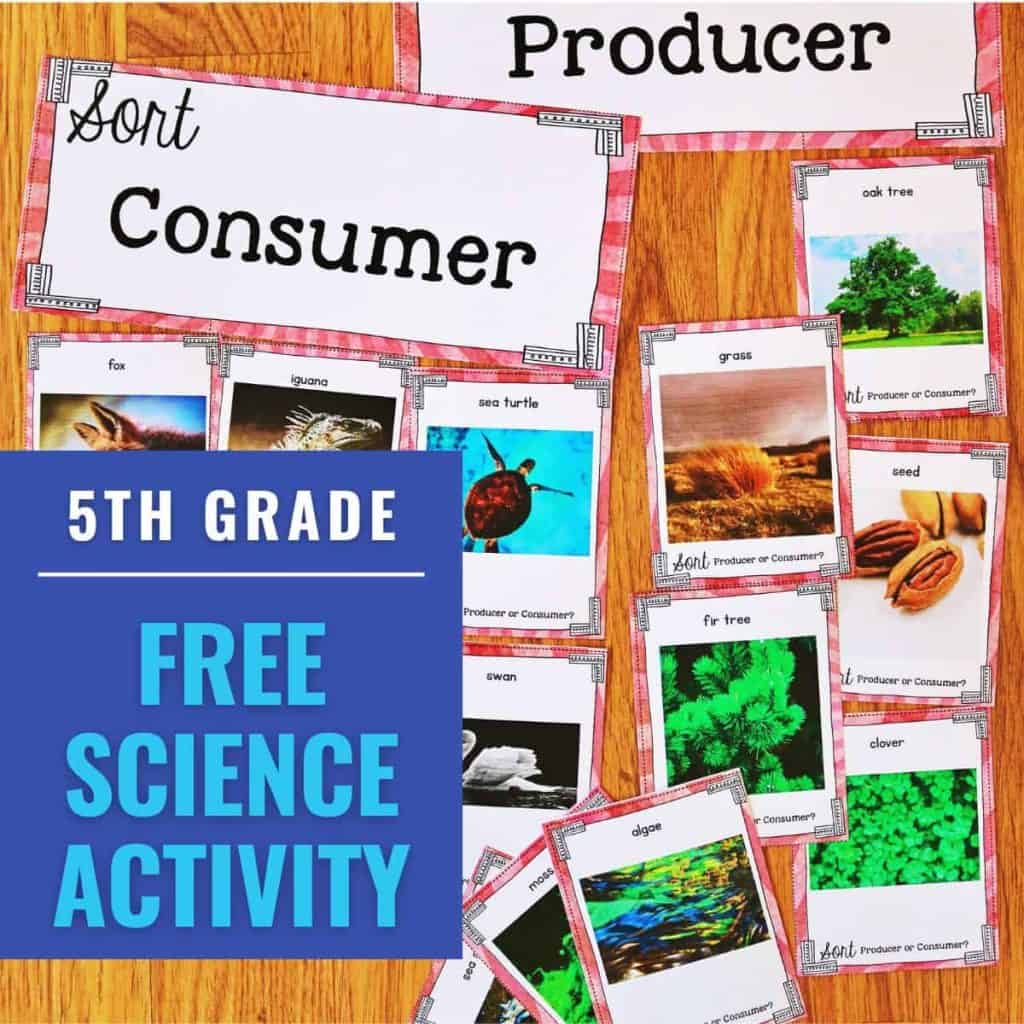
Sort Physical or Chemical Property
In the sorting station, students classify different examples as physical or chemical properties. They read scenarios, sort the examples, and explain their reasoning.
This activity pushes students to apply their understanding rather than simply recall definitions. By explaining their thinking, students deepen their understanding of the differences between physical and chemical properties.
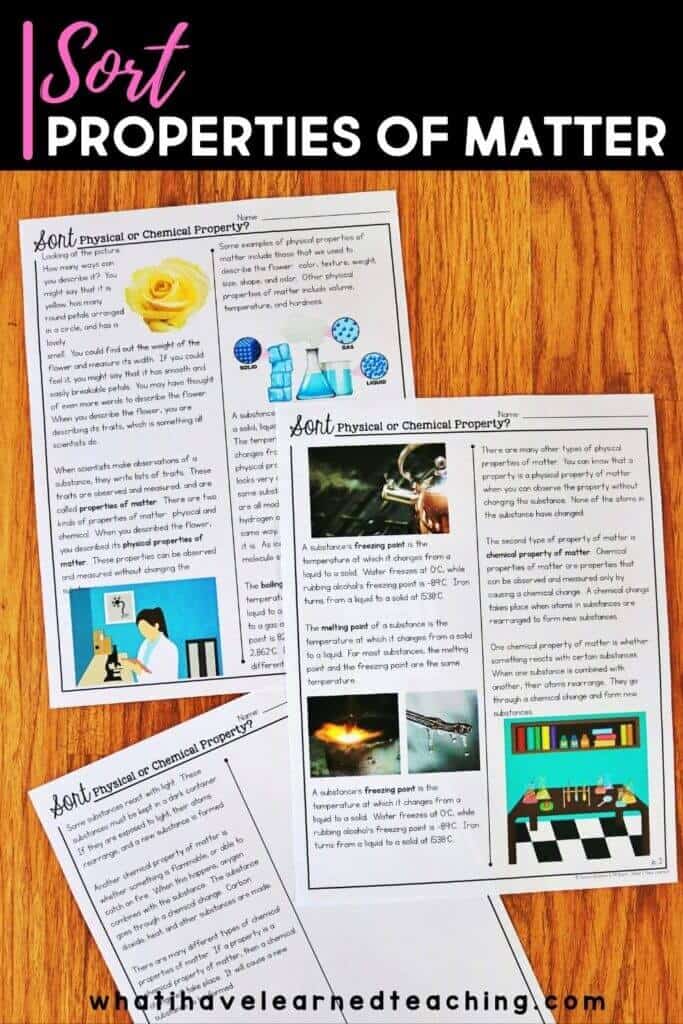


Here are a few more examples of the sort cards. Can you determine which ones are physical properties of matter and which ones are chemical properties of matter?
- Hydrogen peroxide is kept in a dark bottle. When light reaches hydrogen peroxide, it breaks down into water and oxygen.
- Silver has a melting point of 962 °C.
- Light causes water and carbon dioxide in plants to combine to form sugar and oxygen.
- The iron in a nail is magnetic.
- Soap molecules combine with molecules of dirt and grease, allowing them to be carried away in water.
5th Grade Properties of Matter Science Stations | NGSS 5-PS1-3
Engage your students with these 5th Grade Properties of Matter Science Stations aligned to NGSS 5-PS1-3. This hands-on resource includes 8 interactive stations, reading passages, investigations, games, graphic organizers, and digital Google Classroom™ activities that help students identify materials based on their physical and chemical properties.
How to Purchase the Fifth Grade Properties of Matter Science Stations
The Properties of Matter Station Unit can be purchased on my website or on Teachers Pay Teachers.
If you’ve ever felt like your students “kind of get” properties of matter but can’t fully explain or apply them, these stations help bridge that gap.
With a mix of reading, hands-on investigation, discussion, and application, students don’t just learn the content; they actually understand it. And you get a classroom full of engaged learners doing real science (without having to reinvent the wheel).
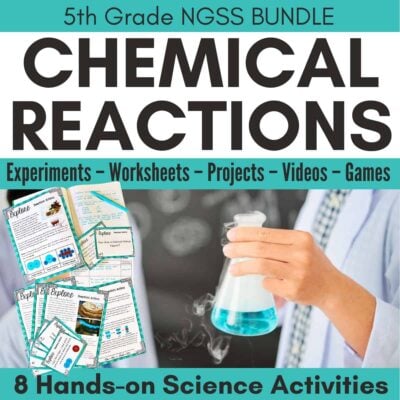
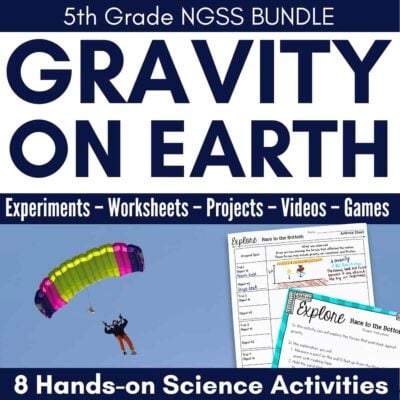
Other Fifth Grade Science Stations
Looking for more science stations aligned to NGSS?
Check out the other fifth-grade science station units to build a full year of hands-on science instruction.
-
 Product on sale5th Grade NGSS Science Station Yearlong BUNDLEOriginal price was: $316.00.$177.87Current price is: $177.87.
 -
-
-
-
-
-

Jessica BOschen
Jessica is a teacher, homeschool parent, and entrepreneur. She shares her passion for teaching and education on What I Have Learned. Jessica has 16 years of experience teaching elementary school and currently homeschools her two middle and high school boys. She enjoys scaffolding learning for students, focusing on helping our most challenging learners achieve success in all academic areas.