On this page, you’ll find early reading resources organized by foundational skill area. Whether you’re supporting emergent readers in kindergarten or reinforcing decoding skills in first and second grade, these strategies focus on helping students connect sounds, letters, and meaning in purposeful ways.
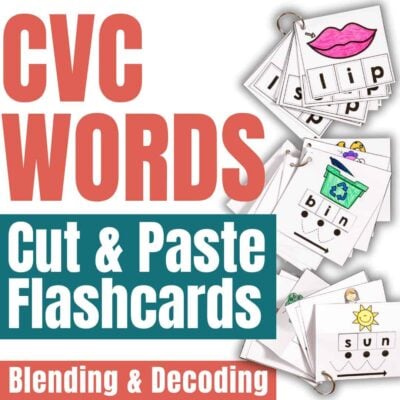
Phonics instruction connects sounds to letters and letter patterns so students can read words independently. Effective decoding instruction includes explicit modeling, guided practice, and opportunities to apply skills in connected text. The resources in this section support systematic phonics instruction, syllable work, and strategies that help students tackle unfamiliar words with confidence.
Sight Words & High-Frequency Words
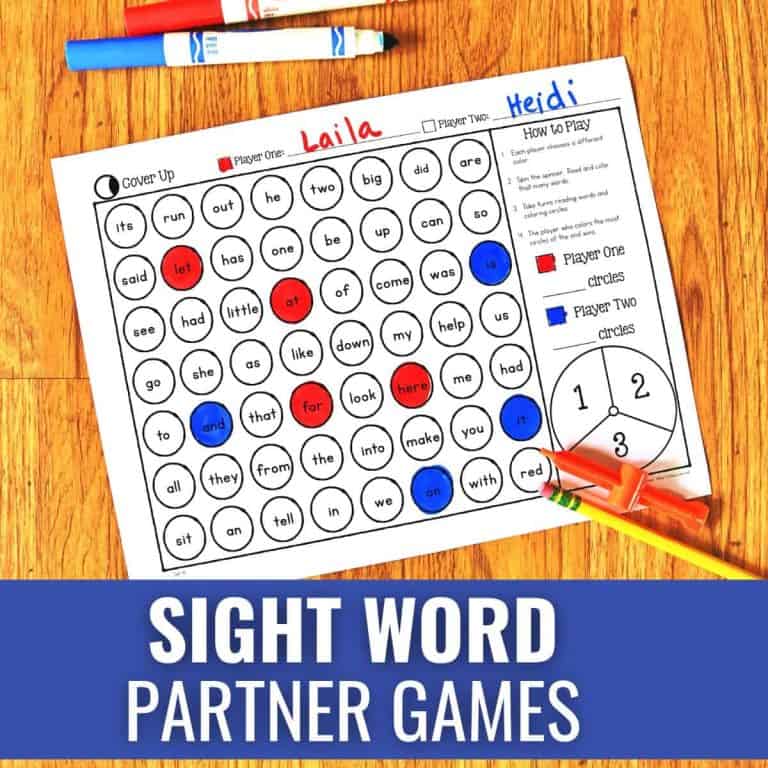
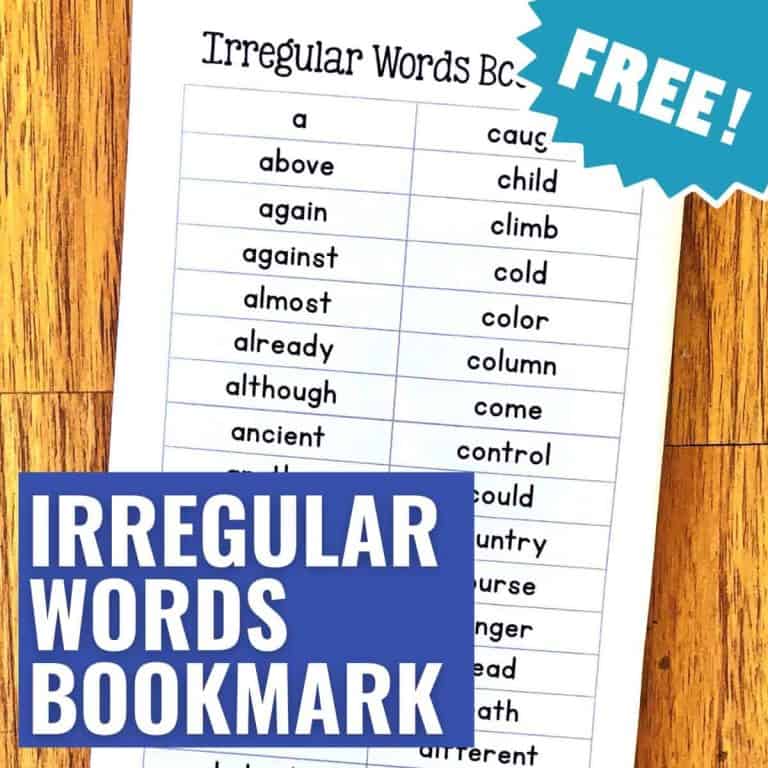
High-frequency words appear regularly in early texts and require repeated exposure and intentional practice. These activities help students recognize common words automatically while reinforcing phonics patterns when possible. You’ll find hands-on practice ideas and structured routines designed to build accuracy and fluency.
Shop Popular Early Reading Resources
Explore All Early Reading Articles
-
In any kindergarten or first grade classroom, you’ll have readers all over the map, some naming letters, some blending their first words, and some not quite sure where a sentence…
-
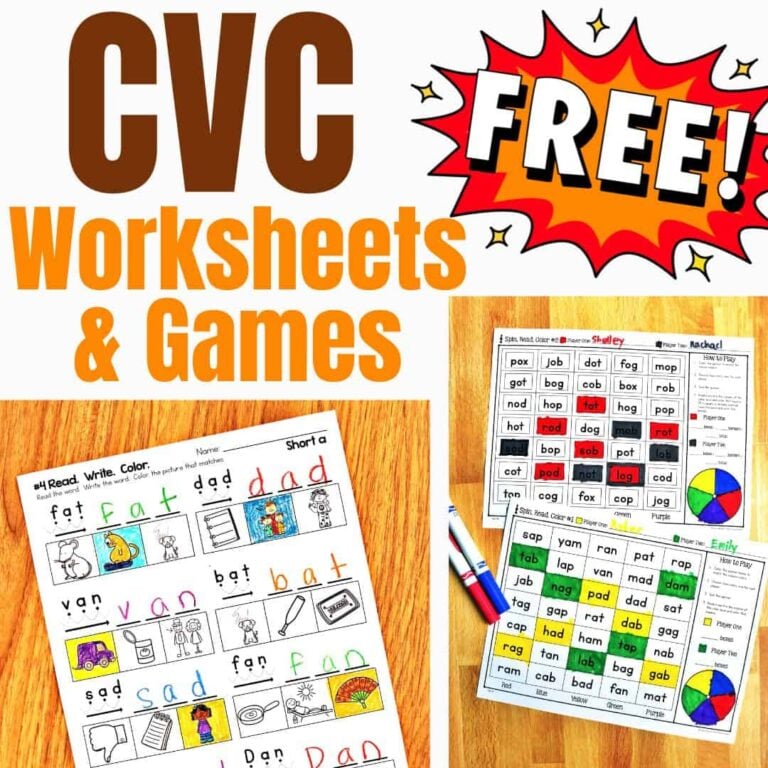
If you’ve ever searched for free CVC worksheets PDF at 9:30pm while sipping cold coffee… you’re in good company. CVC words are one of those foundational skills that need a…
-
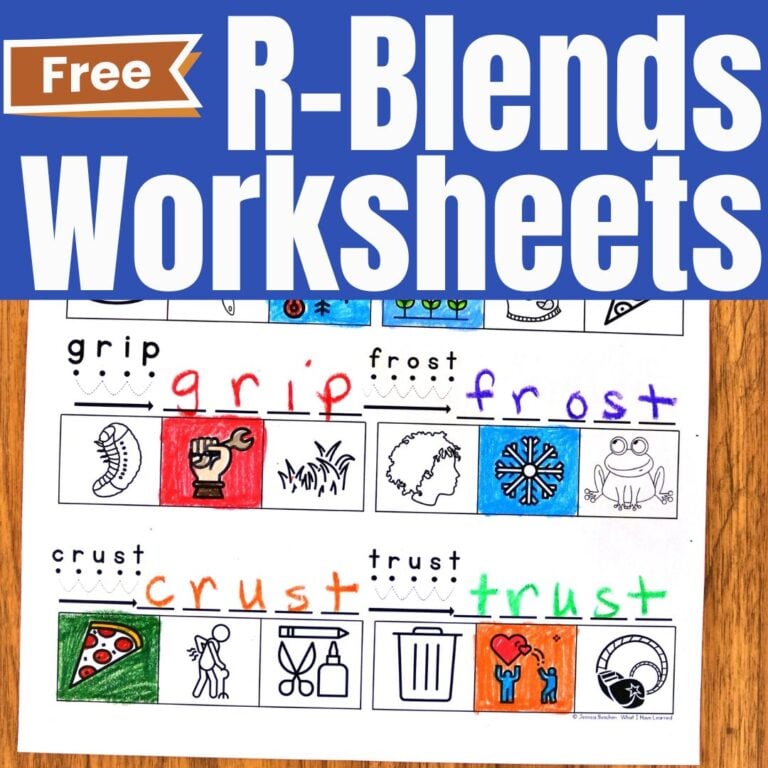
If you’re looking for r blends worksheets, this is the place for you! R blends can be tricky for early readers because students need to say both sounds together without…
-
Multisyllabic r-controlled words require more than simple phonics recognition. When r-controlled vowels appear inside longer words, students must coordinate vowel pattern knowledge, syllable division skills, and blending strategies at the…
-
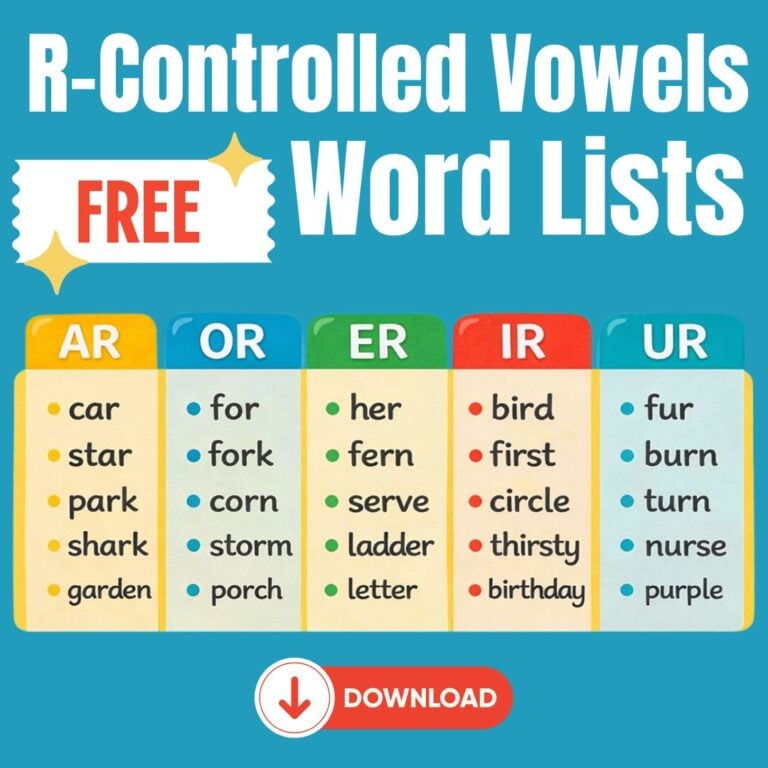
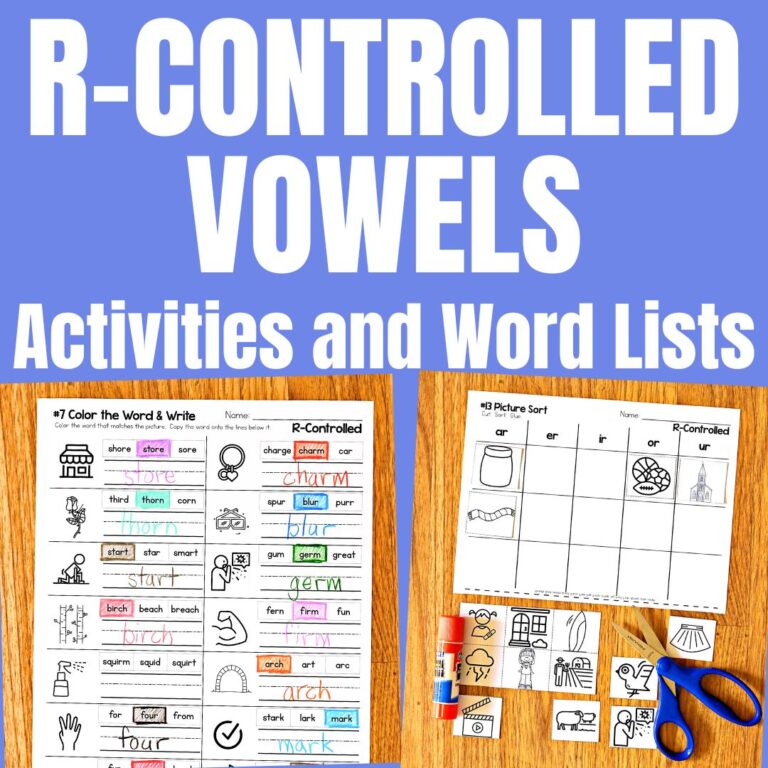
R-controlled vowels are a key phonics pattern students must master to read accurately. When a vowel is followed by r, the vowel sound changes, and students can no longer rely…
-
R-controlled vowels are a common sticking point for developing readers. When a vowel is followed by the letter r, the vowel sound changes, and students can no longer rely on…
-
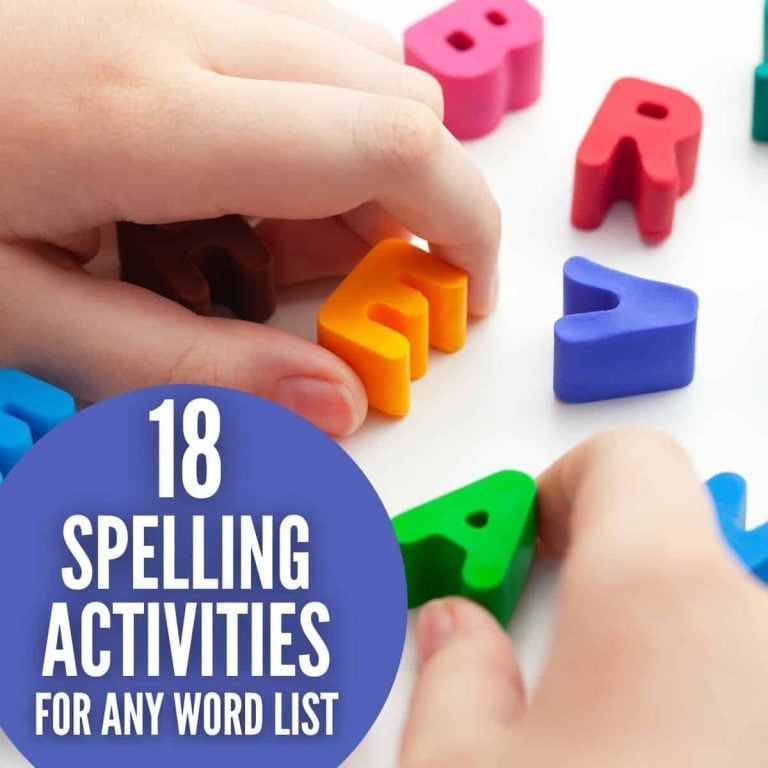
Having a set of spelling activities that work with any word list means you can reuse the same routines week after week — students already know the directions, so time…
-
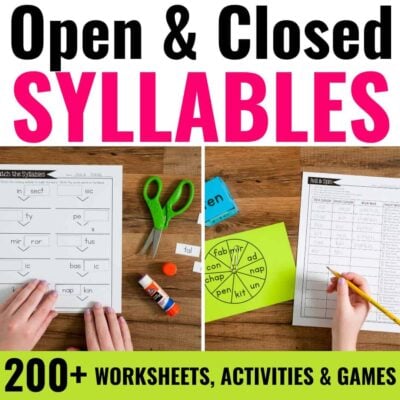
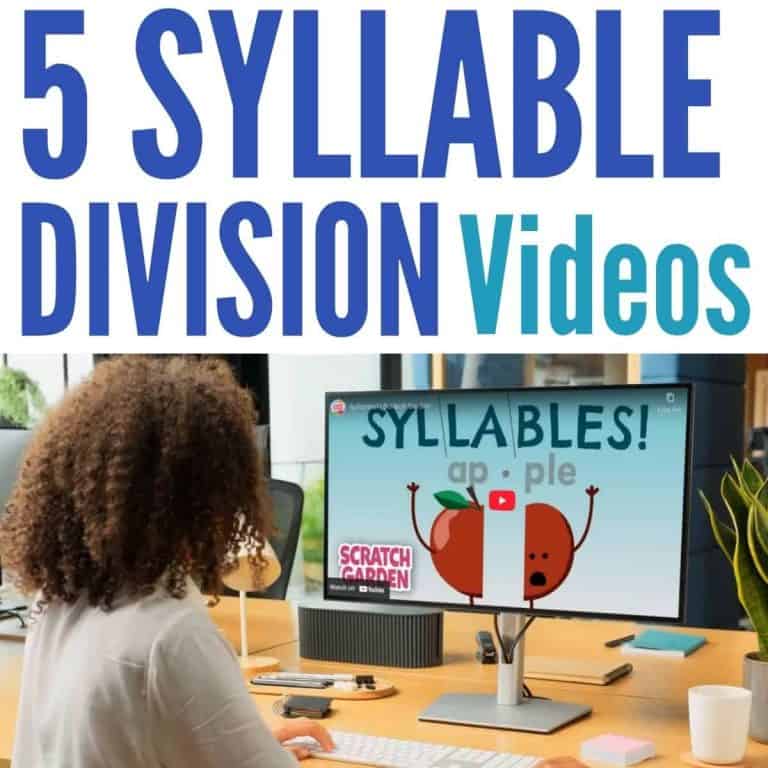
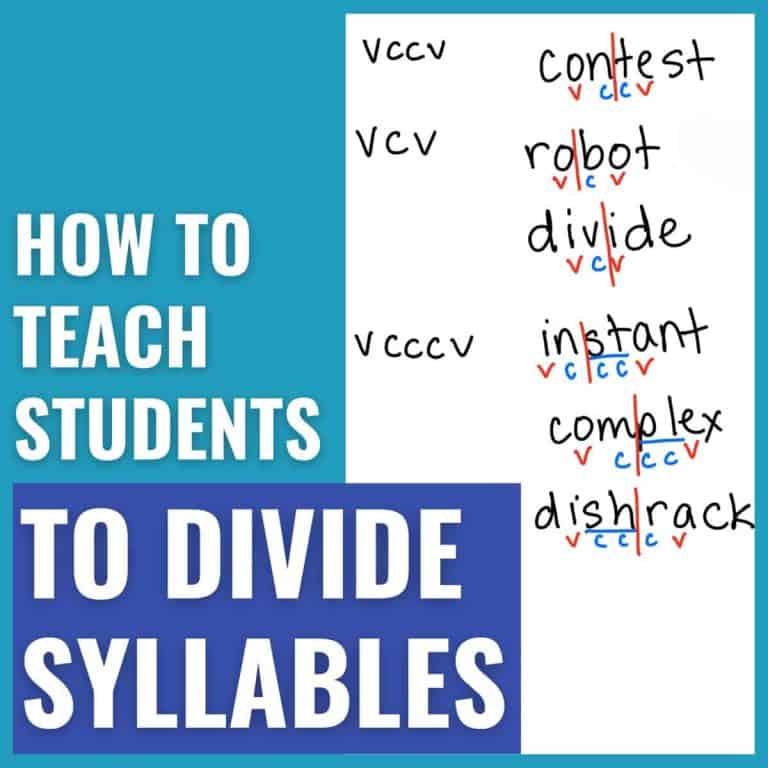
Teaching syllable division can be a game-changer for young readers. It helps them break down words into manageable parts. Understanding syllables improves reading fluency and boosts confidence in decoding new…
-
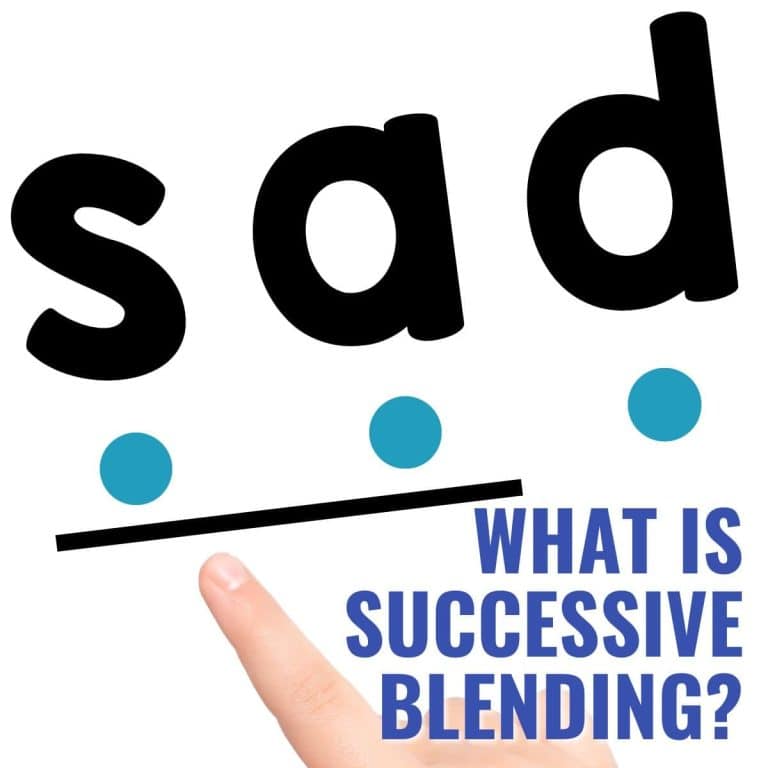
Successive blending is a phonics intervention strategy for students who can identify individual letter sounds but struggle to retain all three sounds long enough to blend them into a word….
-
The heart word method is a research-backed approach to teaching sight words that asks students to analyze each word’s sounds rather than memorize the word as a whole. If you’ve…
-
When a student hits a long word and stops cold, syllable division is often the missing skill. Breaking multisyllabic words into smaller chunks is one of the most transferable decoding…
-
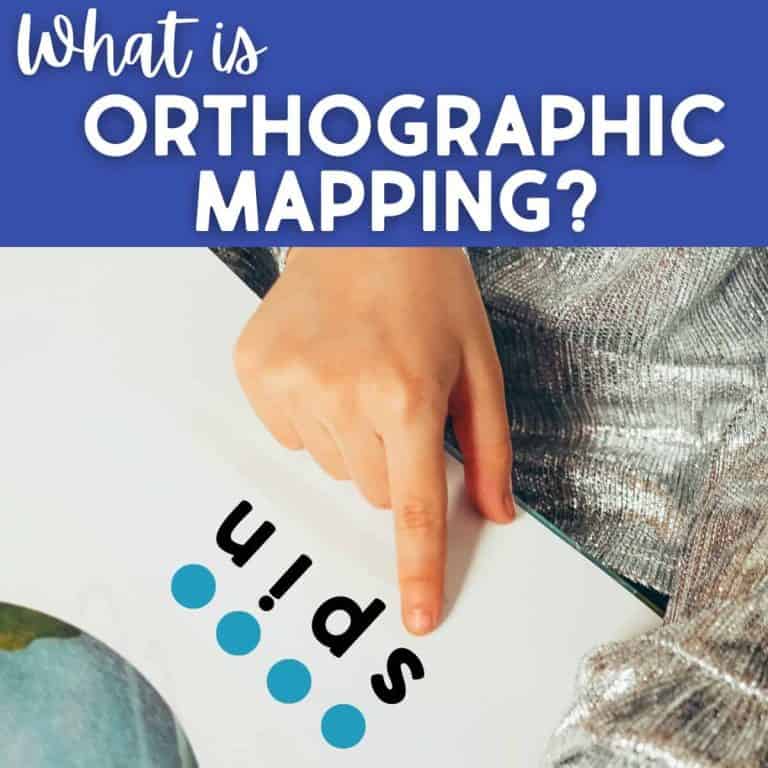
Orthographic mapping is an effective and widely used technique for teaching children how to read. This powerful method helps students recognize and remember the written representation of spoken words, which…
End of content
End of content