
R-Controlled Vowels Activities and Word Lists for Elementary Phonics
R-controlled vowels are a common sticking point for developing readers. When a vowel is followed by the letter r, the vowel sound changes, and students can no longer rely on the short or long vowel patterns they already know. This shift often leads to guessing, mispronunciation, and breakdowns in decoding.
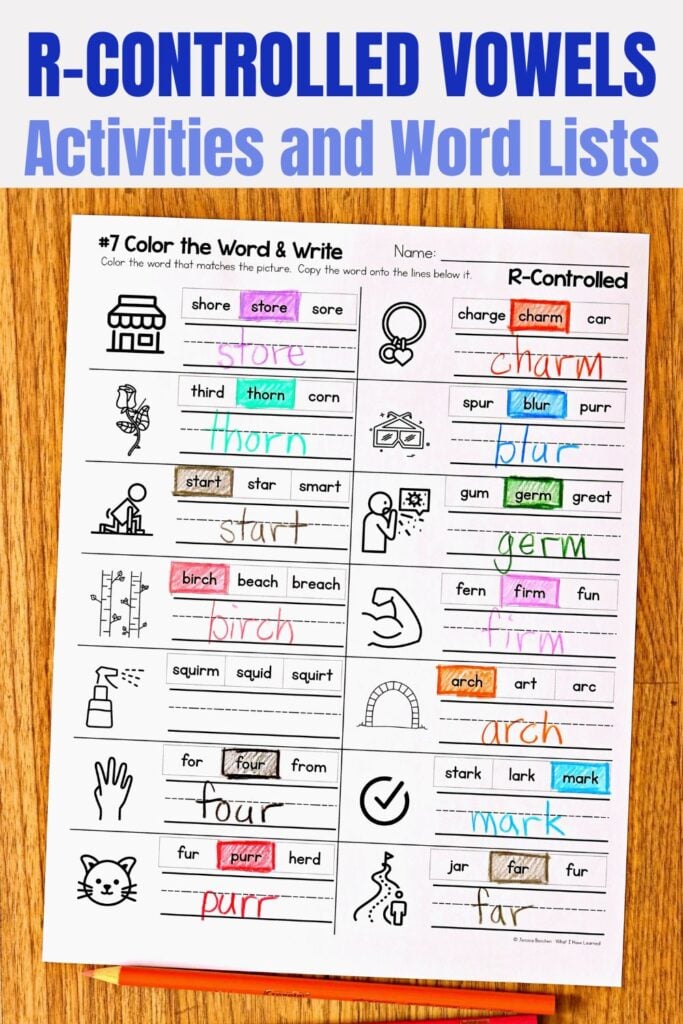
Clear instruction, organized word lists, and repeated practice help students learn how r-controlled vowels work and how to read them accurately in both one-syllable and multisyllabic words.
This post breaks down what r-controlled vowels are, the patterns students encounter most often, and classroom activities that support strong decoding.
What Are R-Controlled Vowels?
R-controlled vowels occur when a vowel is followed by the letter r, which alters the vowel sound. The vowel is no longer short or long. Instead, the r controls the sound.
Teachers sometimes refer to these as bossy r vowels, but regardless of the name used, students must learn that these vowel sounds behave differently from other phonics patterns.
Common r-controlled vowel patterns include:
- ar
- or
- er / ir / ur
- air (often taught later)
Understanding these patterns helps students read unfamiliar words without relying on memorization.
Types of R-Controlled Vowel Patterns
AR Words
The ar pattern creates a distinct sound that students usually recognize early.
Examples:
car, farm, shark, market
OR Words
The or pattern can sound similar to other vowel sounds, which makes it challenging for some students.
Examples:
fork, storm, corner, horse
ER / IR / UR Words
These three patterns often sound the same in spoken English, which confuses reading and spelling.
Examples:
bird, nurse, turn, teacher
AIR Words
The air pattern is less common but appears frequently in grade-level text.
Examples:
chair, fair, airport
Students benefit from seeing these patterns grouped rather than mixed randomly.
Why R-Controlled Vowels Are Difficult for Students
R-controlled vowels present several challenges:
- The vowel sound changes from what students expect
- ER, IR, and UR sound alike in many words
- Students cannot rely on long/short vowel rules
- Guessing often replaces decoding
Without explicit instruction, students may skip over these words or misread them repeatedly.
R-Controlled Vowels Activities for the Classroom
Effective instruction combines clear modeling with repeated, structured practice. Below are activities that support accurate decoding.
Word Sorting by Pattern
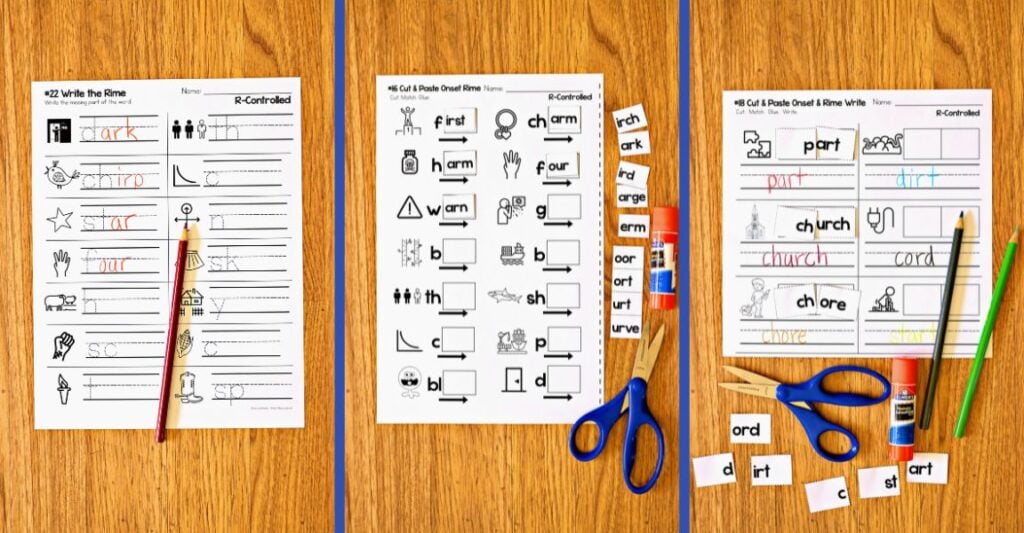
Students sort words into groups based on r-controlled vowel patterns. This helps them notice how vowel sounds behave across words.

Blending and Segmenting Practice
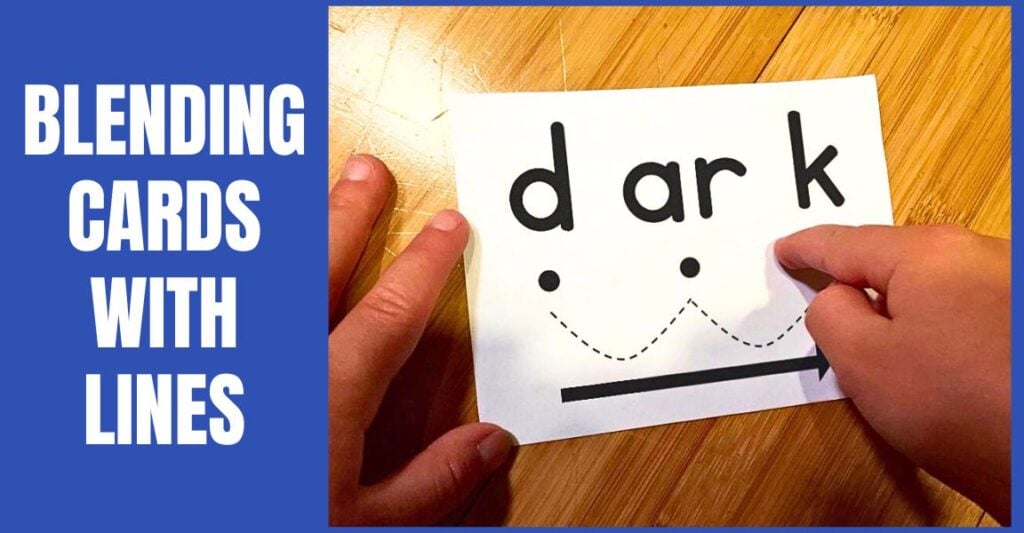
Using blending lines or word chains allows students to practice reading r-controlled words smoothly rather than sound by sound.
Decoding in Context
Have students read r-controlled vowel words within phrases or sentences to support transfer into connected text.
Small-Group Intervention
Focused practice with a single pattern (such as AR or OR) helps struggling readers build confidence before moving on to mixed practice.
These activities work well during phonics lessons, small groups, or intervention blocks.
R-Controlled Vowels in Multisyllabic Words
R-controlled vowels appear frequently in multisyllabic words. Students must recognize the r-controlled syllable and apply the correct vowel sound before blending the word.
Examples include:
market, teacher, corner, garden, surface
When students understand r-controlled vowels at the syllable level, decoding longer words becomes more manageable.
For strategies that focus on breaking longer words apart and blending them back together, see this post on multisyllabic decoding strategies.
How R-Controlled Vowels Connect to Syllable Division
R-controlled vowels often appear within closed or r-controlled syllables. Students use their knowledge of vowel patterns after a word has been divided into syllables.
A full explanation of syllable types and syllable division rules is covered here:
Master Syllable Division Rules: Teach Students to Divide Words into Syllables
In decoding instruction, syllable types support decision-making rather than memorization.
R-Controlled Vowel Word Lists and Practice Resources
Consistent exposure to well-organized word lists helps students internalize r-controlled vowel patterns. Using targeted activities with real words supports accuracy, fluency, and spelling.
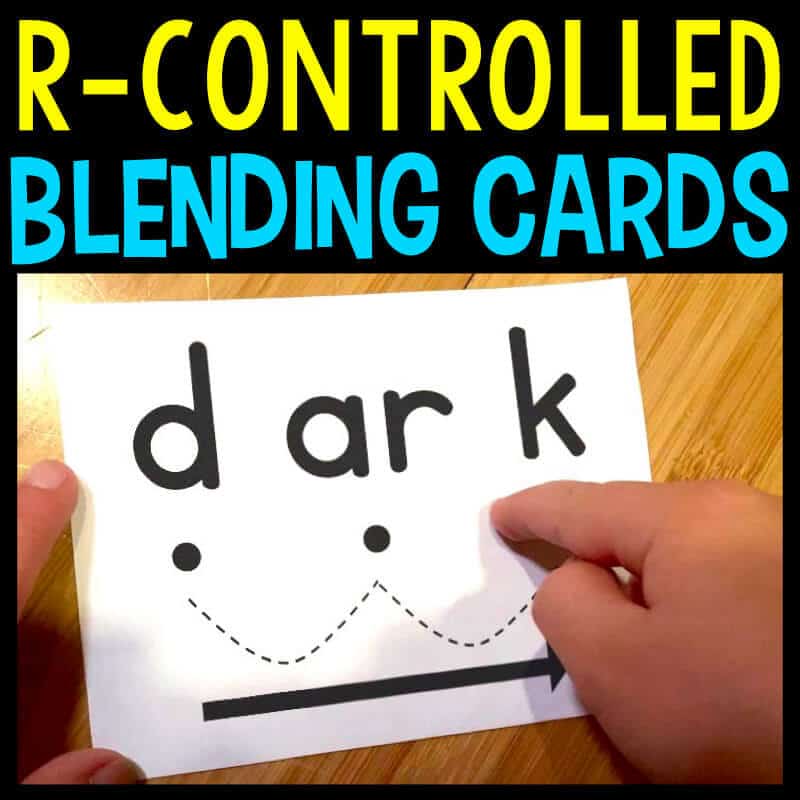
Below are resources that provide structured practice with r-controlled vowels, including word lists, blending activities, and phonics games designed for classroom and intervention use.
Recommended Products


Why This Instruction Matters
R-controlled vowels appear frequently in grade-level text and cannot be decoded using basic vowel rules. When students learn how these vowel patterns work and practice them regularly, reading becomes more predictable and less frustrating.
Strong instruction gives students tools they can apply across new words, helping them read with accuracy and confidence as text difficulty increases.
Jessica BOschen
Jessica is a teacher, homeschool parent, and entrepreneur. She shares her passion for teaching and education on What I Have Learned. Jessica has 16 years of experience teaching elementary school and currently homeschools her two middle and high school boys. She enjoys scaffolding learning for students, focusing on helping our most challenging learners achieve success in all academic areas.