Chemistry Experiments for Kids That Teach Real Science
Chemistry sounds like something that belongs in a high school lab with goggles and beakers, but some of the best chemistry experiments for kids use nothing more than baking soda,…

Teach key concepts with these physical science activities for elementary students, including force and motion, energy, light, sound, and matter. These hands-on experiments and science stations help students investigate how things move, interact, and change, making abstract concepts easier to understand in upper elementary classrooms.

Chemistry sounds like something that belongs in a high school lab with goggles and beakers, but some of the best chemistry experiments for kids use nothing more than baking soda,…

Stir salt into a glass of water, and it seems to disappear. Stir sand into water, and it just sits there. Both are mixtures, but only one is a solution,…
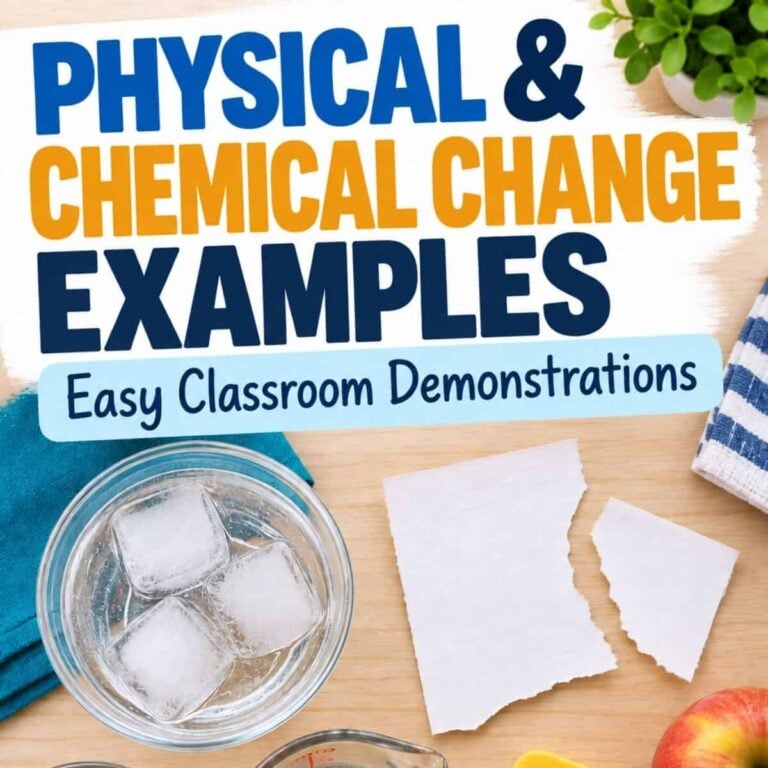
When students are learning about matter, nothing lands better than watching a change happen in front of them. But it helps to have a bank of clear examples of physical…

Teaching physical and chemical changes sounds simple until a student asks why dissolving sugar isn’t a chemical change but rusting a nail is. It’s one of those topics where students…
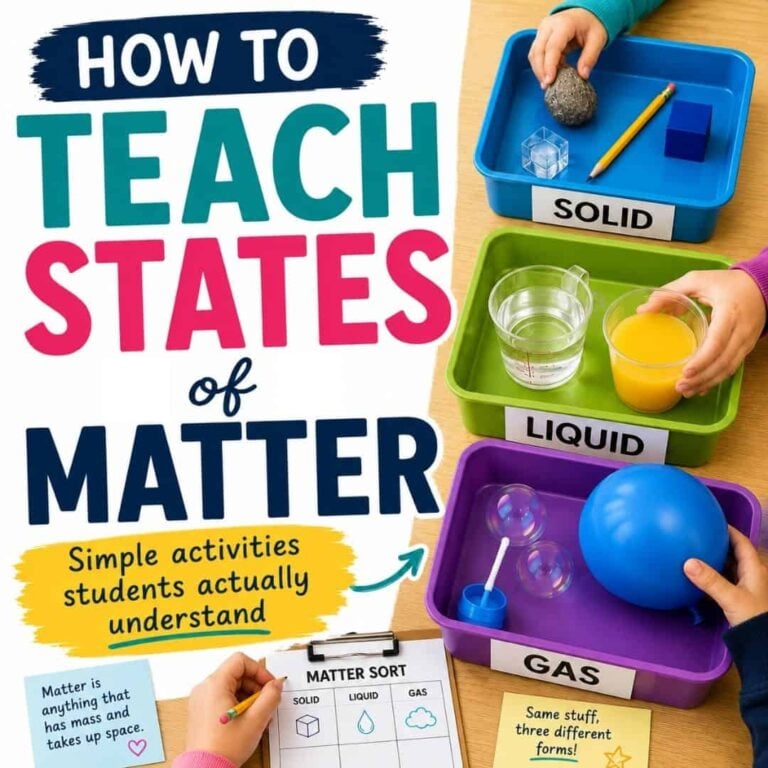
An ice cube, a glass of water, and the steam off a hot cup are all the same stuff in three different forms. That’s the whole idea behind the states…
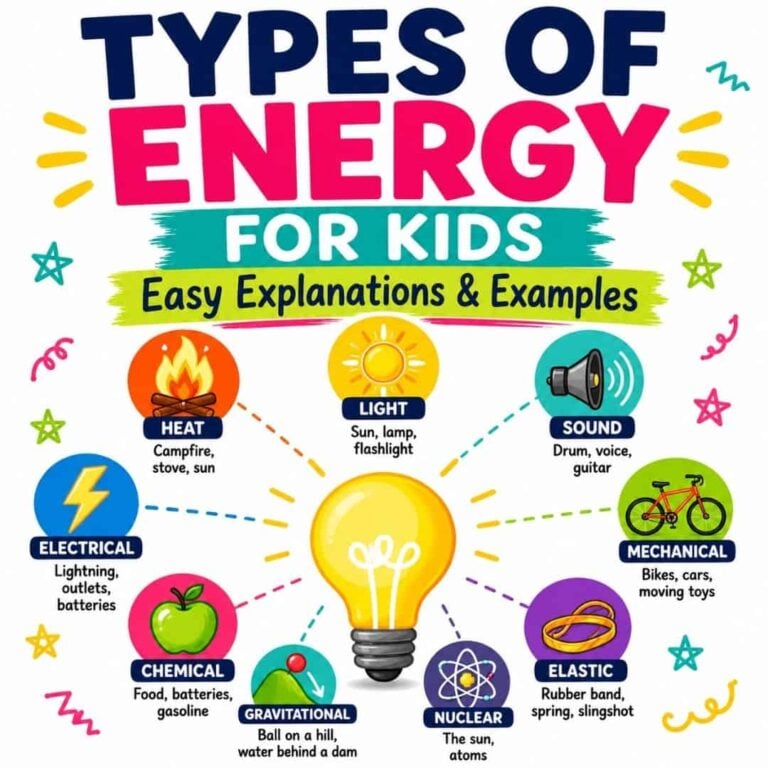
Energy is one of those words students hear all the time, but ask them what it actually is, and you’ll get a lot of shrugs. Teaching the types of energy…
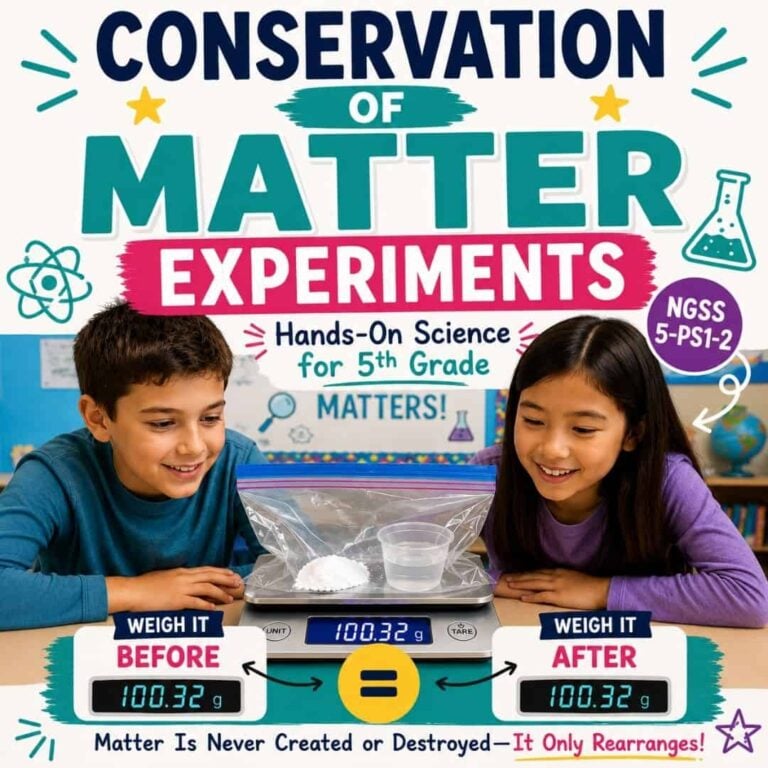
When a candle burns down, or a tablet fizzes in water, students assume the matter has disappeared. Teaching the conservation of matter is how you replace that idea with the…
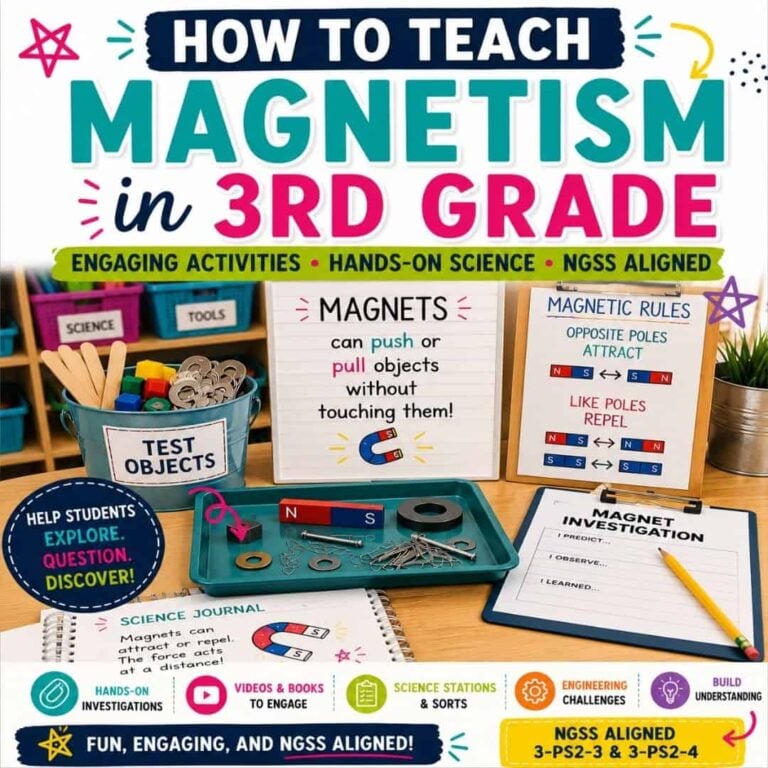
Magnet activities for kids are some of the most naturally engaging science lessons you can teach. Students are endlessly curious about why some objects stick, and others don’t. Third grade…
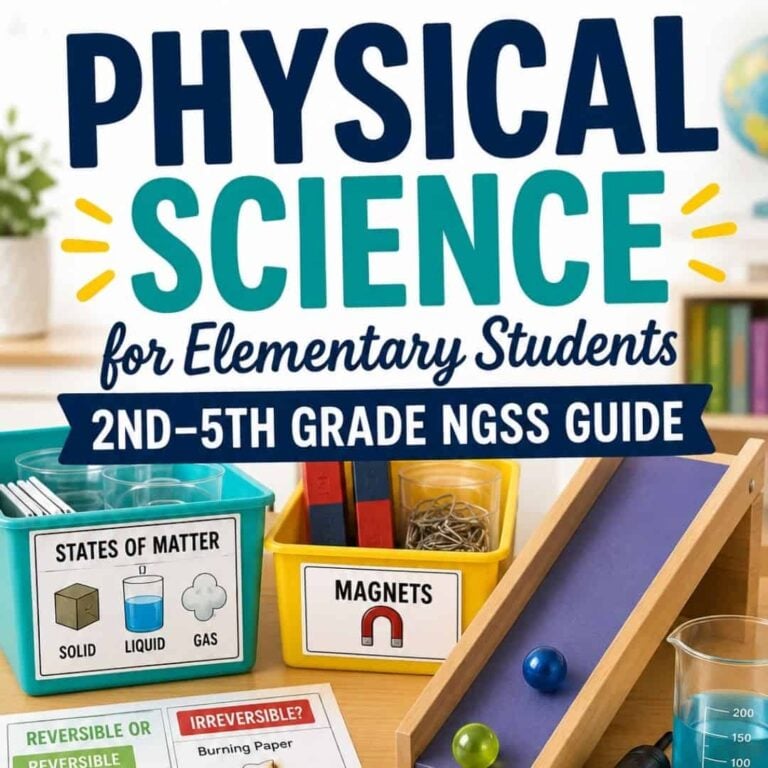
Physical science is where students first realize that science isn’t just about living things. It’s also about the stuff that makes up everything around them and how that stuff moves,…
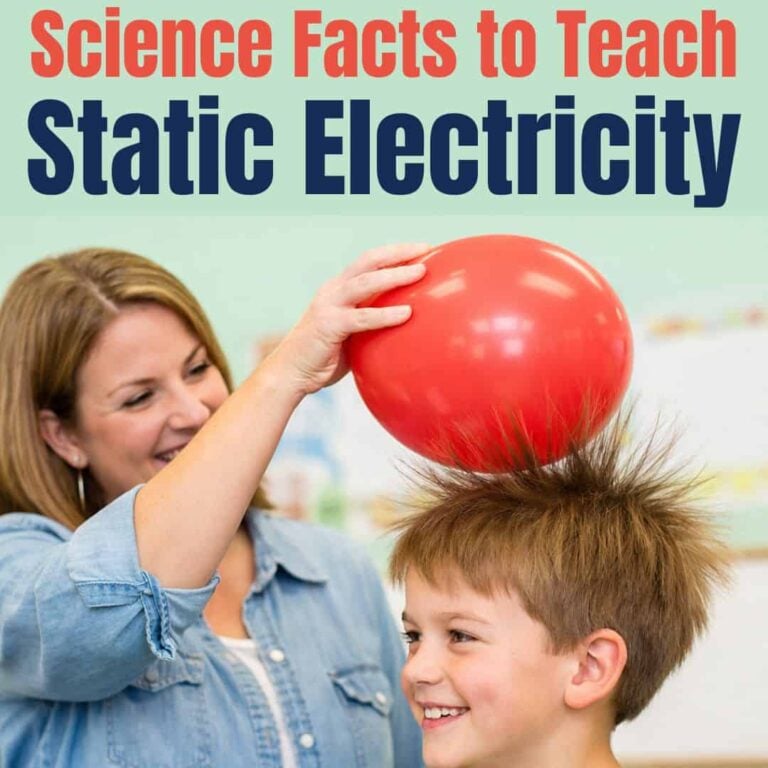
If you’ve ever had a student gasp after getting a tiny shock from a doorknob, you already know that static electricity is one of those science topics that grabs attention…
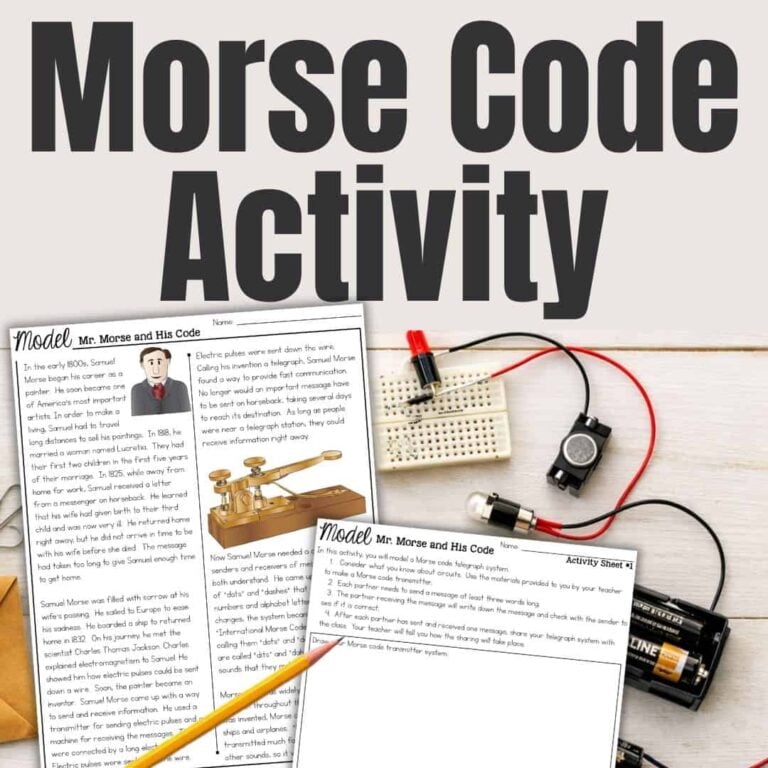
If you’re looking for a Morse code activity that goes beyond paper-and-pencil and actually gets students thinking, building, and communicating, this one checks all the boxes. It blends science, engineering,…
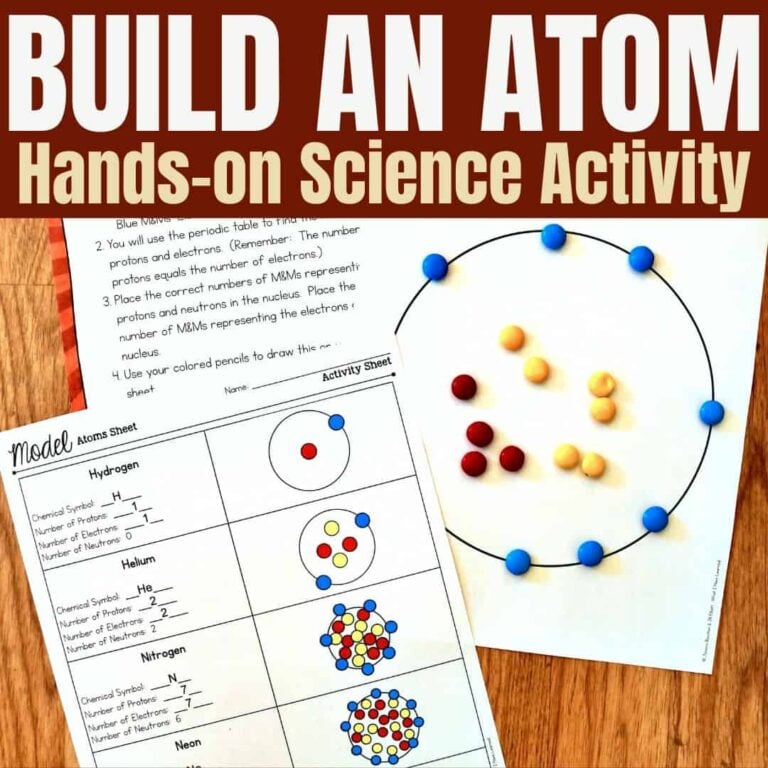
Atoms are one of those science topics that feel abstract to students. They hear words like protons, neutrons, and electrons, but it can be tough for them to picture how…
End of content
End of content