Kindergarten Teaching Ideas
Kindergarten is a foundational year for building early literacy skills. Students learn letter recognition, phonemic awareness, phonics patterns, and high-frequency words while developing confidence as beginning readers. Clear routines and explicit instruction help young learners build strong literacy habits that support future academic growth.
This page gathers practical kindergarten teaching ideas with a focus on phonics and early reading instruction, along with foundational classroom routines that support young learners.
Phonics Instruction in Kindergarten
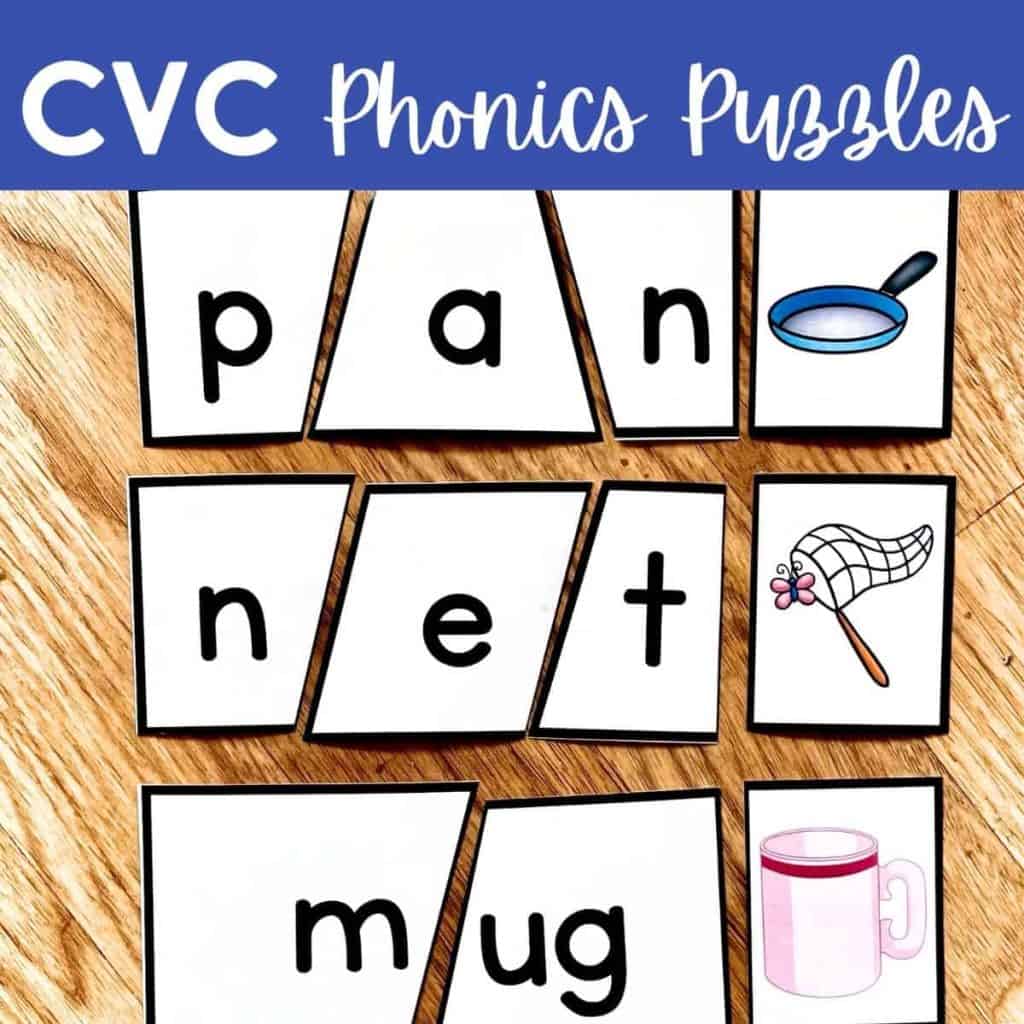
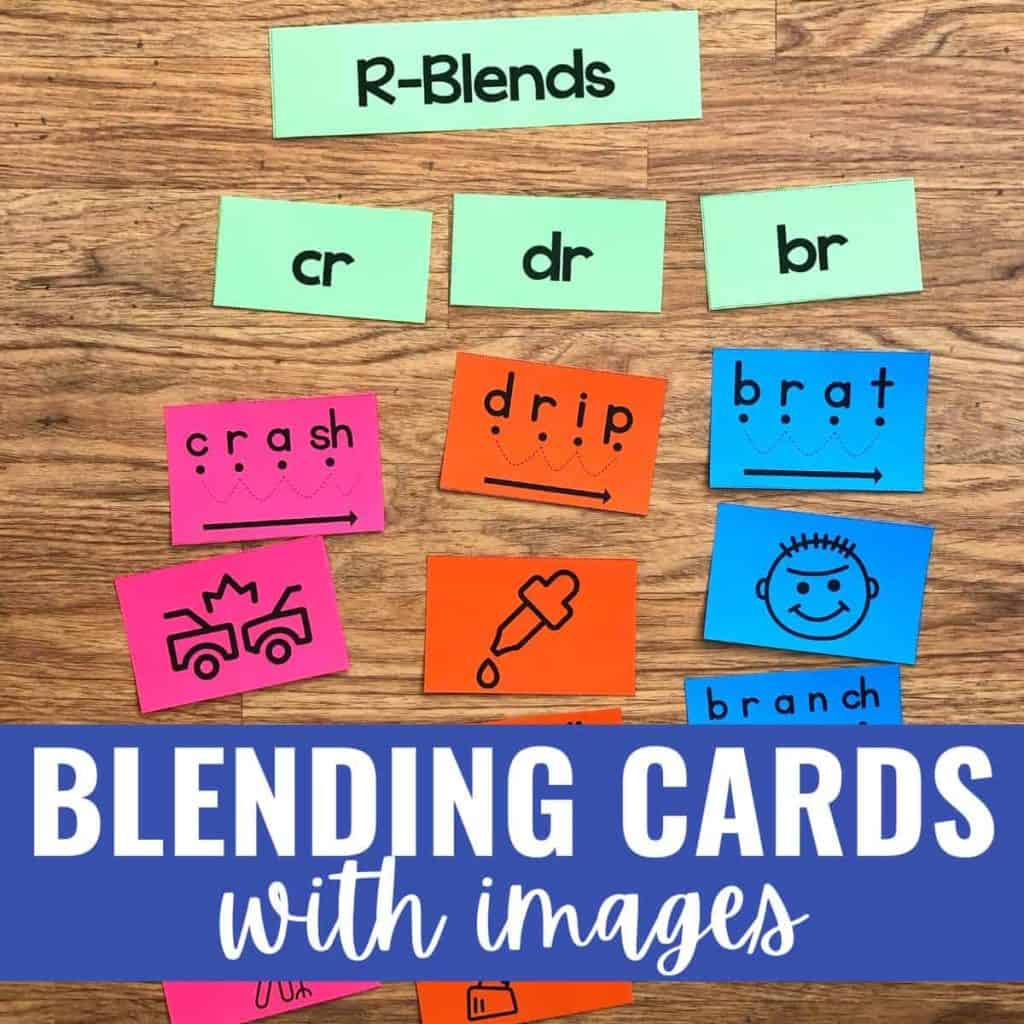
Kindergarten phonics instruction focuses on letter-sound correspondence, blending and segmenting sounds, recognizing CVC words, and building phonemic awareness. Students benefit from direct modeling, hands-on practice, repetition, and structured routines. The resources below support systematic phonics instruction that helps students develop strong decoding skills.





Sight Words in Kindergarten
Kindergarten students begin building automatic recognition of high-frequency sight words that appear often in early reading texts. Developing strong sight word recognition supports reading fluency and helps students focus more on comprehension rather than decoding every word. Effective instruction includes repeated exposure, structured routines, and opportunities to read and write sight words in meaningful contexts. The resources below support consistent sight word practice that strengthens early literacy skills and builds reading confidence.