Skip to content
Free printables and teaching tips Get them here
What I Have Learned Logo
  • AboutExpand
    • Frequently Asked Questions
    • Contact
    • Legal Policies
    • How to Teach Word Problems
  • Teaching StrategiesExpand
    • Classroom Management
    • English Learners
    • Differentiation
    • Goal Setting
    • Explore by GradeExpand
      • Kindergarten
      • First Grade
      • Second Grade
      • Third Grade
      • Fourth Grade
      • Fifth Grade
  • Teaching IdeasExpand
    • Math
    • Reading
    • Writing
    • Science
    • Seasonal
Shop on TPT
What I Have Learned Logo
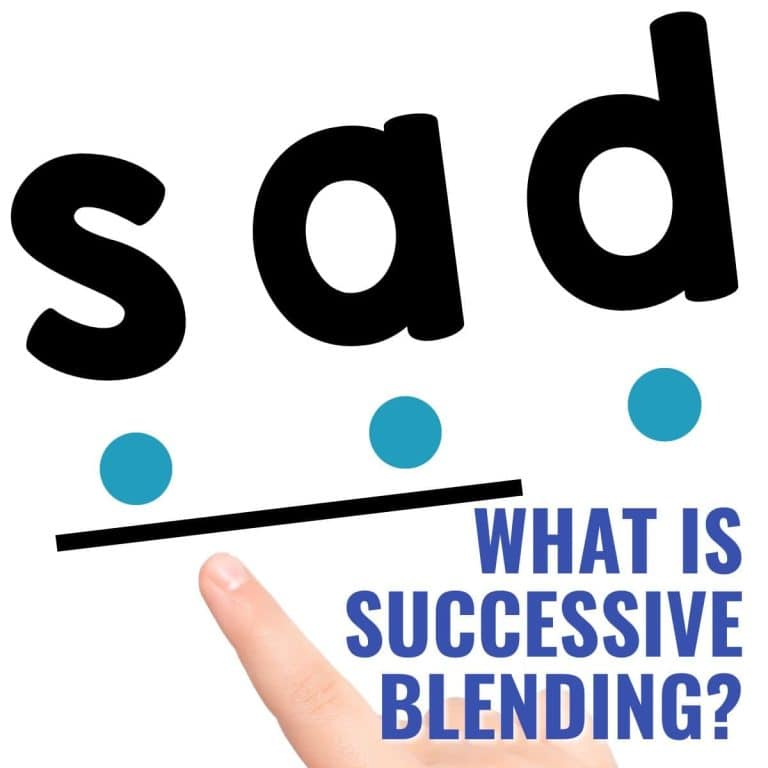
  • The word sad is shown with blue dots beneath each letter and a black line under the dots. A finger points to the line, illustrating successive blending. Text reads: WHAT IS SUCCESSIVE BLENDING?.
    Early Reading

    What Is Successive Blending? A Phonics Intervention for Struggling Readers

    Successive blending is a phonics intervention strategy for students who can identify individual letter sounds but struggle to retain all three sounds long enough to blend them into a word….
    Read More What Is Successive Blending? A Phonics Intervention for Struggling ReadersContinue

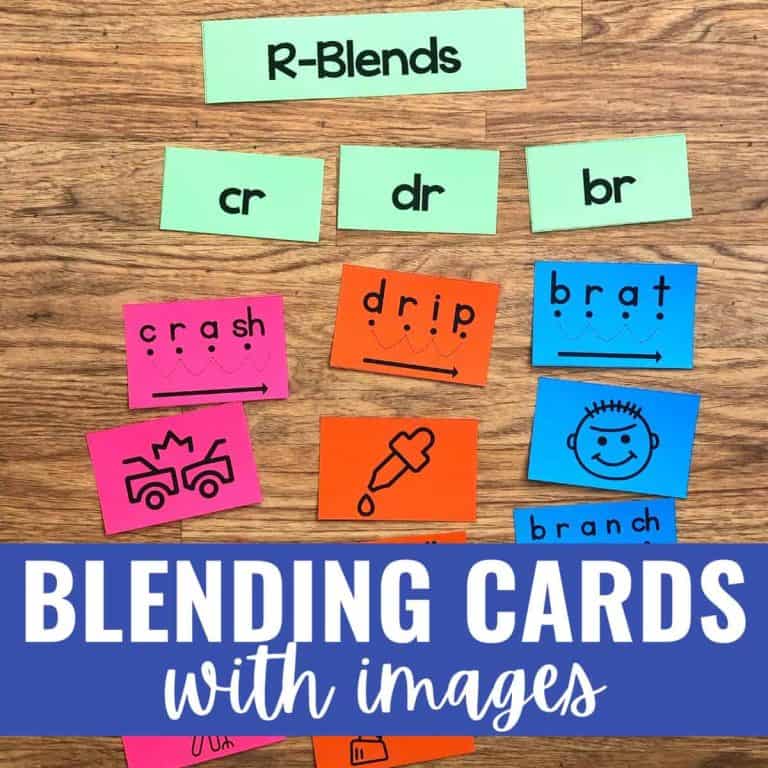
  • Colorful blending cards with images are displayed on a wooden surface, showing “cr,” “dr,” and “br” blend sounds, along with illustrated word cards like “crash,” “drip,” and “branch.” Text below reads: Blending Cards with Images.
    Early Reading

    Blending Cards with Images

    Blending cards help early elementary students by prompting them to pay attention to each sound in the word. These blending cards with images are a great tool to use with…

    Read More Blending Cards with ImagesContinue

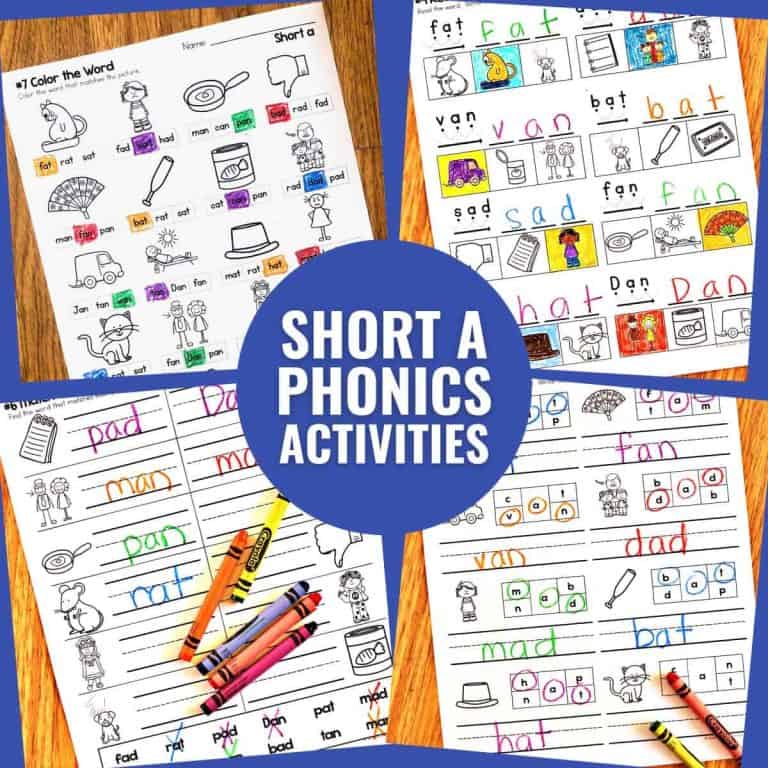
  • Short A Phonics Worksheets that give students practice read and write short a CVC words. There are 18 different worksheet templates with multiple pages for each template to accommodate all of the short a CVC words.
    Early Reading

    Short A Phonics Worksheets for Kindergarten and 1st Grade

    Do your students need some extra practice with reading and writing words with short a phonics patterns? These Short A Phonics Worksheets & Activities are perfect for your short a word work centers during literacy time.

    Read More Short A Phonics Worksheets for Kindergarten and 1st GradeContinue

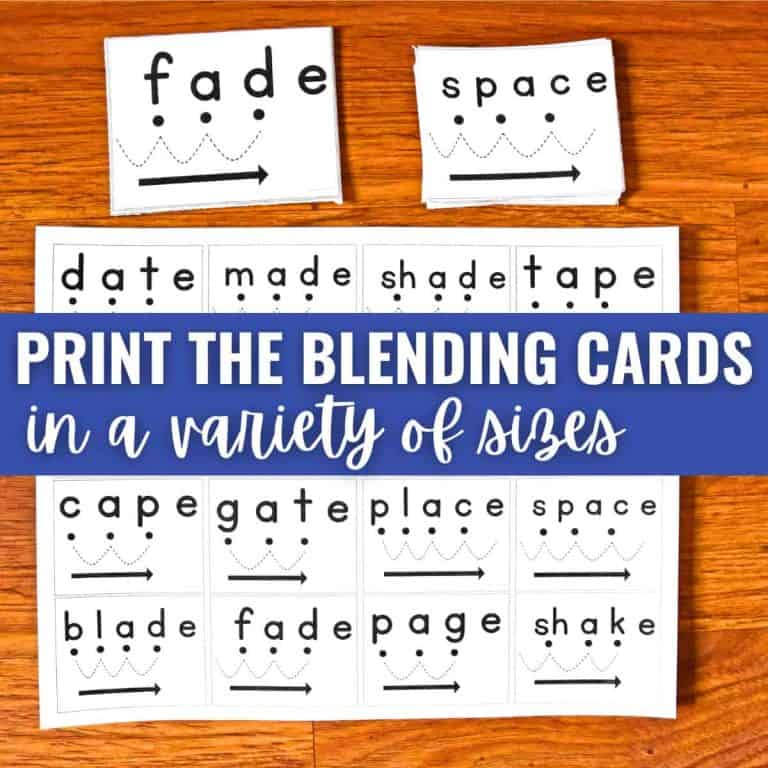
  • Blending cards with words like fade, space, date, and made are shown in various sizes on a wooden surface. A blue banner reads, PRINT THE BLENDING CARDS—perfect for blending for kindergarten—in a variety of sizes.
    Early Reading

    How to Print the Blending Cards in a Variety of Formats

    Blending Cards are a great tool to use with students who are learning to read.  The Blending Cards are formatted whole-page, but you can print them in many different page configurations to meet…

    Read More How to Print the Blending Cards in a Variety of FormatsContinue

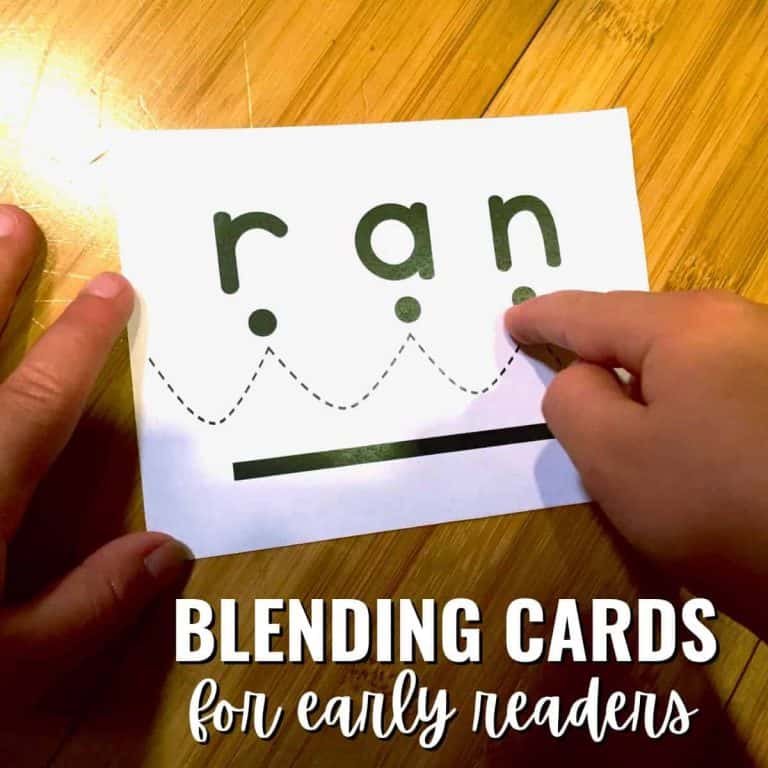
  • A child's hands hold a blending card with the word "ran" in lowercase letters, each letter above a dot and a dashed curved line connecting them. Text reads: Blending cards for early readers.
    Early Reading

    Blending Cards for Early Readers

    Blending Cards help students segment, blend, and read words in a variety of phonics patterns. They are great for kindergarten and first grade students or second or third grade students…

    Read More Blending Cards for Early ReadersContinue

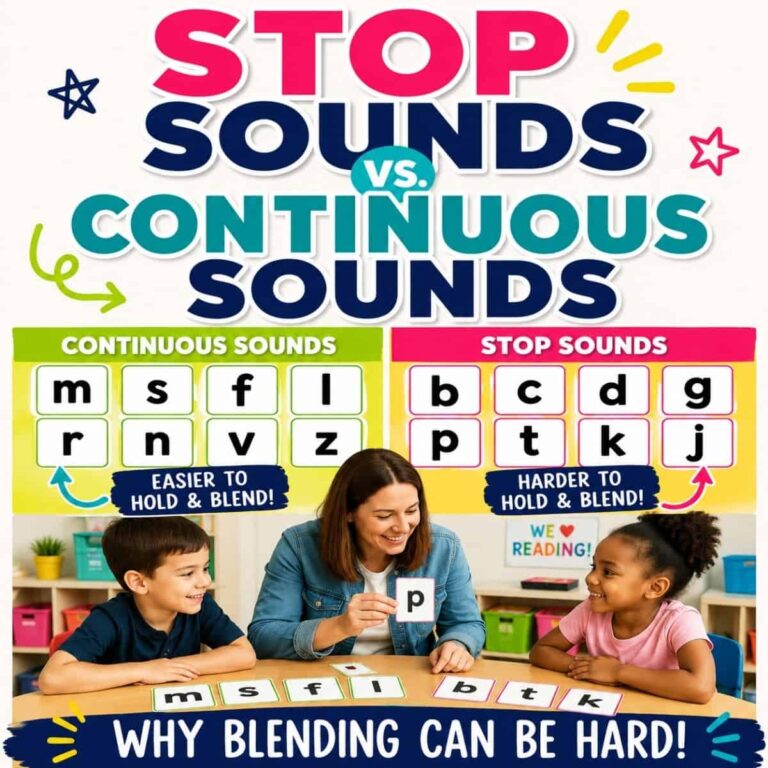
  • A teacher sits at a table with two children, showing a letter card. Above, text from blending stop vs continuous sounds explains the difference with examples, under a banner: Why Blending Can Be Hard!.
    Early Reading

    Stop Sounds vs. Continuous Sounds: What Every Reading Teacher Should Know

    Understanding the difference between stop sounds vs. continuous sounds is one of the most practical things you can know as a reading teacher. How you model each sound directly affects…

    Read More Stop Sounds vs. Continuous Sounds: What Every Reading Teacher Should KnowContinue

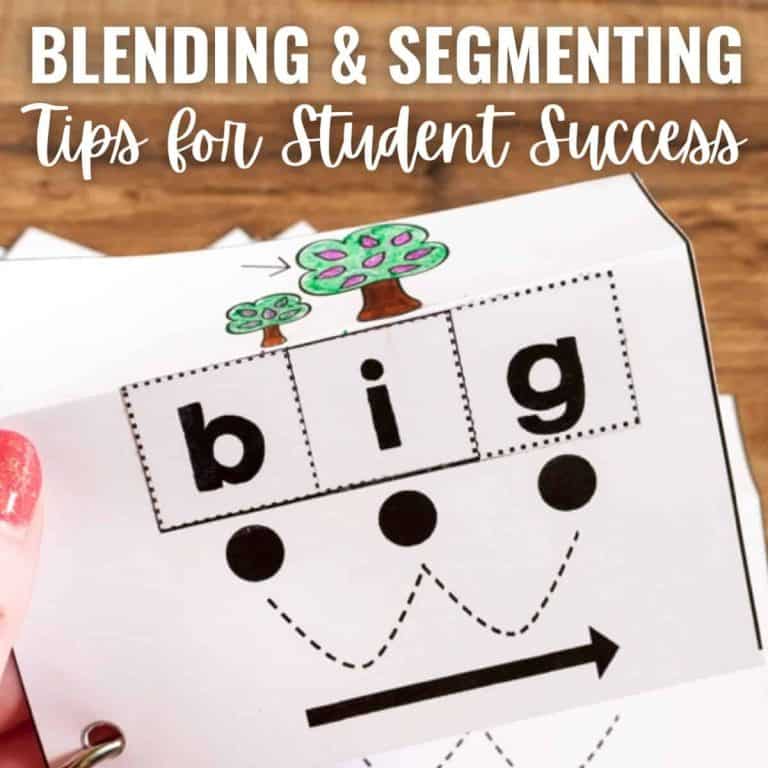
  • A hand holds a flashcard showing the word big, with each letter in a box, dots beneath, and an arrow connecting the dots—illustrating blending and segmenting words. Text above reads Blending & Segmenting Tips for Student Success.
    Early Reading

    Blending and Segmenting Tips for Student Success

    If you teach early reading, consider how you are teaching your students to read. Do you teach students to memorize words? Or, do you teach them to sound out a word and…

    Read More Blending and Segmenting Tips for Student SuccessContinue

Become a part of the Email Community!

Sign up to get a free resource of your choice!

Click to Get a Free Resource
WIHL Footer Logo homepage.
  • Facebook
  • Pinterest
  • Instagram
  • Amazon
  • YouTube

Information

  • About
  • FAQ
  • Shop
  • Contact

Topics

  • Math
  • Science
  • Reading
  • Writing

Teaching Ideas

  • Seasonal
  • Differentiation
  • Management
  • English Learners
  • Privacy Policy
  • Refund Policy

© 2026 What I Have Learned

  • What I Have Learned
  • Learn
    • Math
    • Reading
      • Early Reading
    • Writing
    • Science
    • Instructional Strategies
      • Seasonal
      • Classroom Management
      • Goal Setting
  • Shop
    • Bundles
    • Animal Articles
    • Goal Setting
    • Craftivities
    • Math
    • Phonics
    • Social Studies
    • Science
  • About
    • Courses & Collections
    • FAQ
Search