Frog Informational Article and Comprehension Activities
$3.00

Strong reading instruction develops foundational skills, builds comprehension, and fosters a lifelong love of reading. In elementary classrooms, literacy includes early decoding skills, comprehension strategies, informational text instruction, and meaningful opportunities for students to engage with books.
Early reading instruction focuses on phonemic awareness, phonics, sight words, and foundational decoding skills. These resources support emergent and beginning readers as they develop confidence and fluency.
As students grow as readers, comprehension becomes central. These strategies help students analyze text, ask and answer questions, summarize, and respond to both fiction and nonfiction texts.
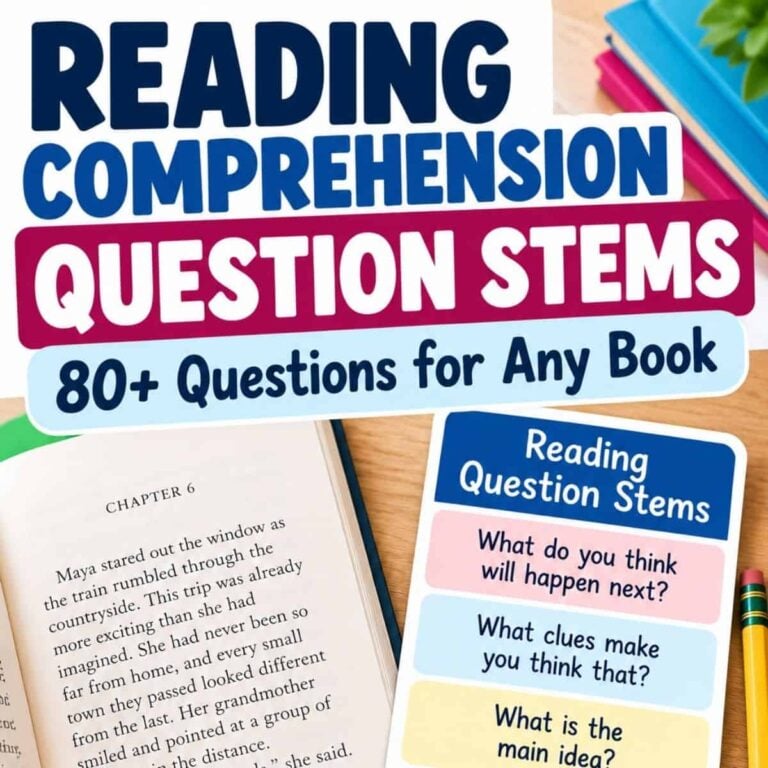
You are three minutes into a guided reading group. A student finishes reading, looks up, and you need a comprehension question right now. One that pushes thinking instead of just…
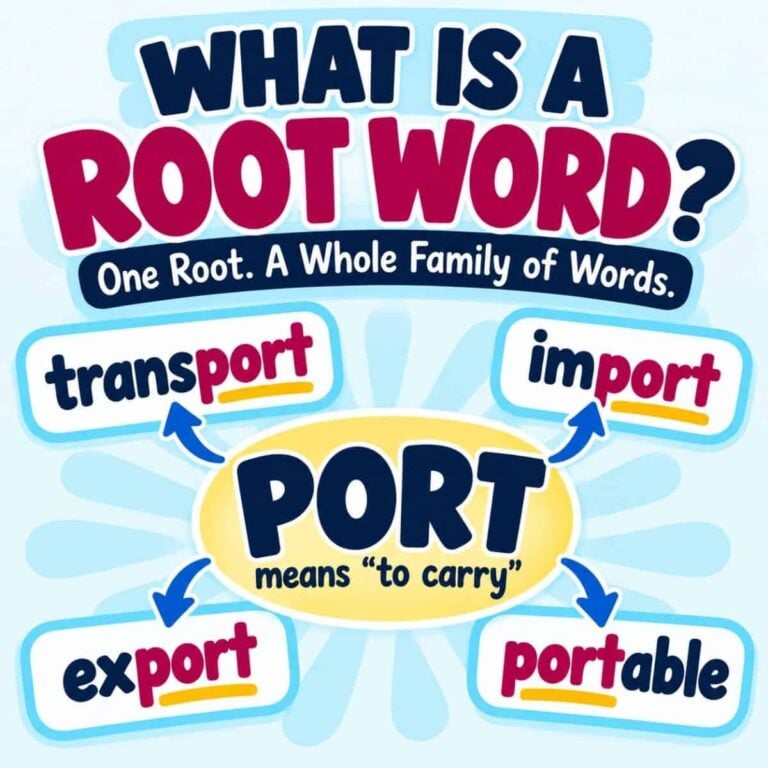
A student hits the word transportation and freezes, sure they have never seen it before. But hidden in the middle is a root they may already know: port, meaning to…
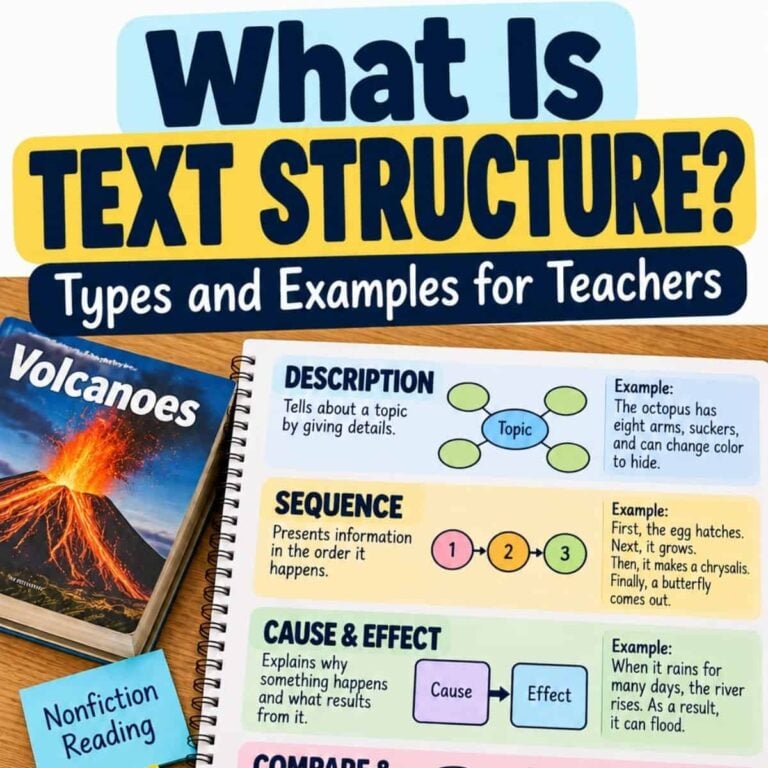
A student reads a two-page article about volcanoes, closes the book, and cannot tell you a single thing it said. The words were not the problem. What they missed was…
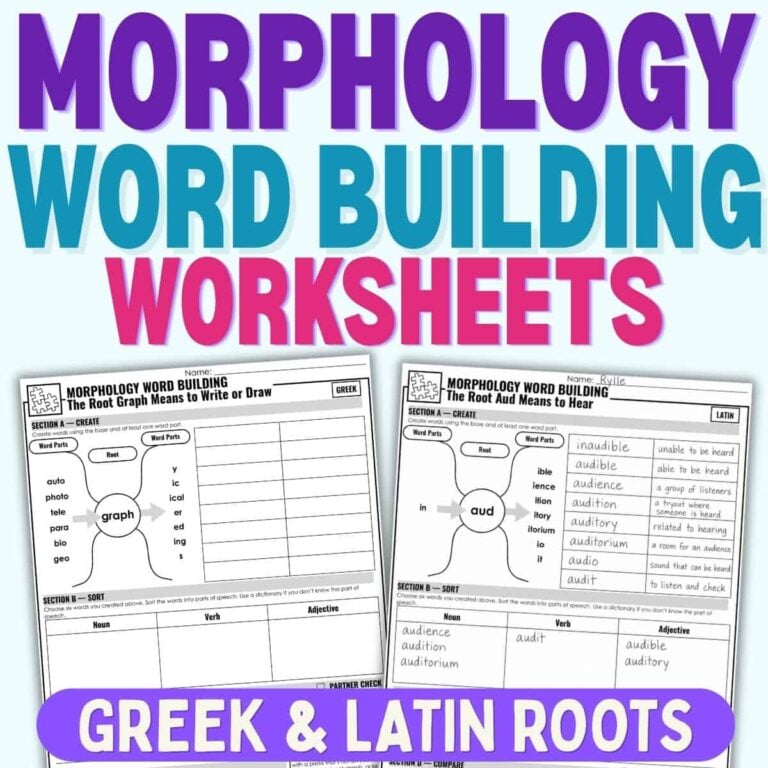
Open most morphology worksheets, and you find the same task: match the root to its meaning, then draw a line. Students can pass that page without ever building a word…
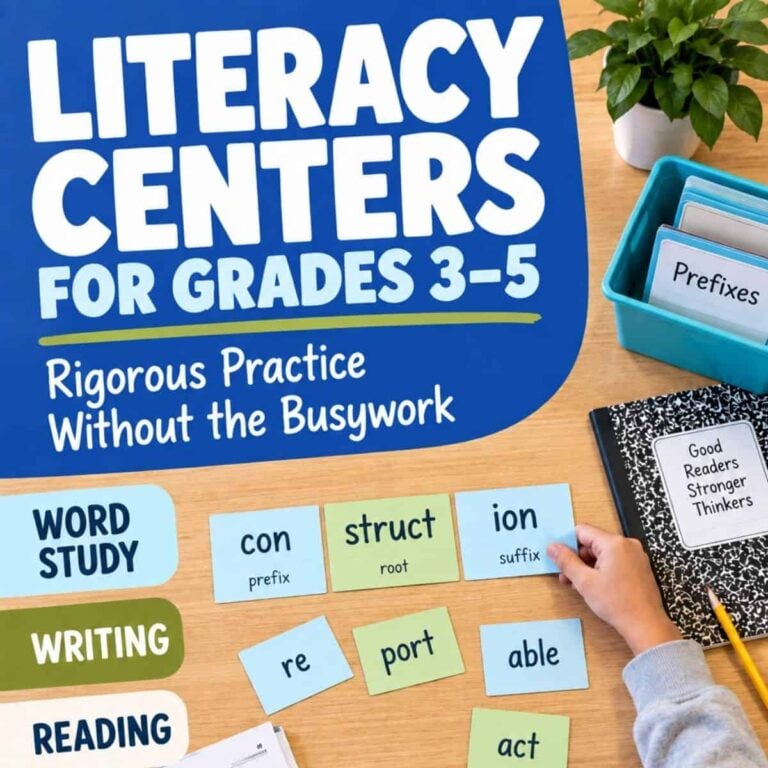
Literacy centers for upper elementary have to do more than keep hands busy. In grades 3 through 5, a good station holds students accountable, reinforces the reading and word work…

A student reads, “The path was so arduous that the hikers had to stop and rest,” and even without knowing the word arduous, they can figure out that it means…

A student who gets stuck on unhelpful is not really stuck. Show them that it is un plus help plus ful, and the meaning falls right out: not full of…
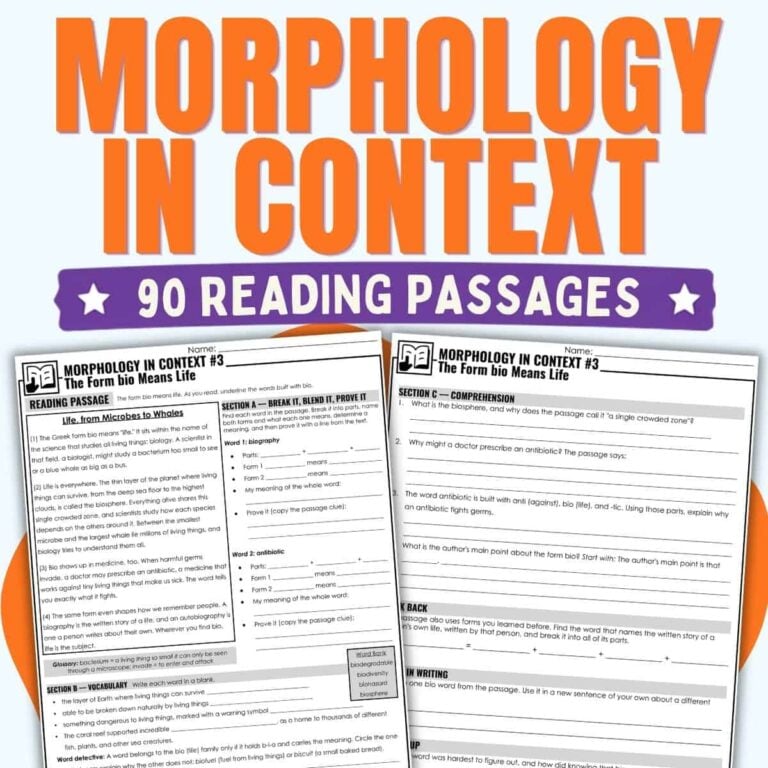
Your students can define a prefix on a worksheet, but the real test comes when they hit a long, unfamiliar word in the middle of a science article and have…
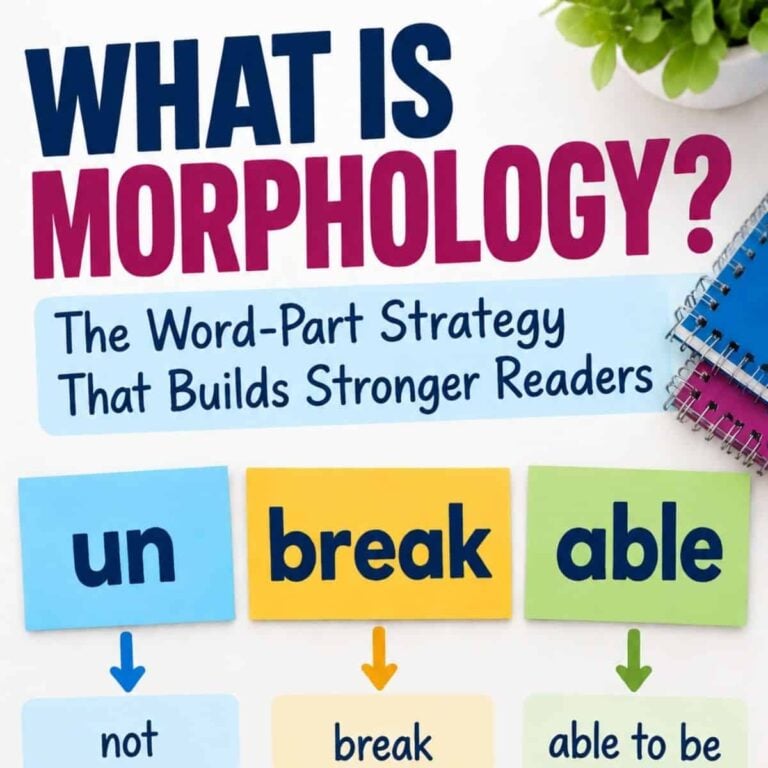
A student reads the word unbreakable and stops cold. But break it into un, break, and able, and the meaning falls right out: not able to be broken. That move,…
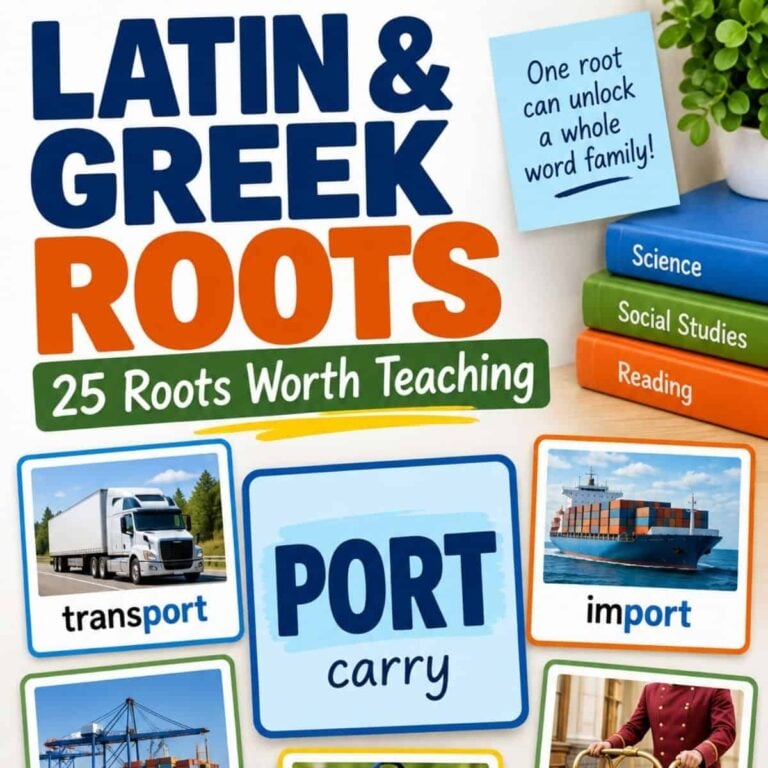
Teach a student the root port, and you have not taught them one word. You have handed them a key to transport, import, export, portable, and porter. That is the…
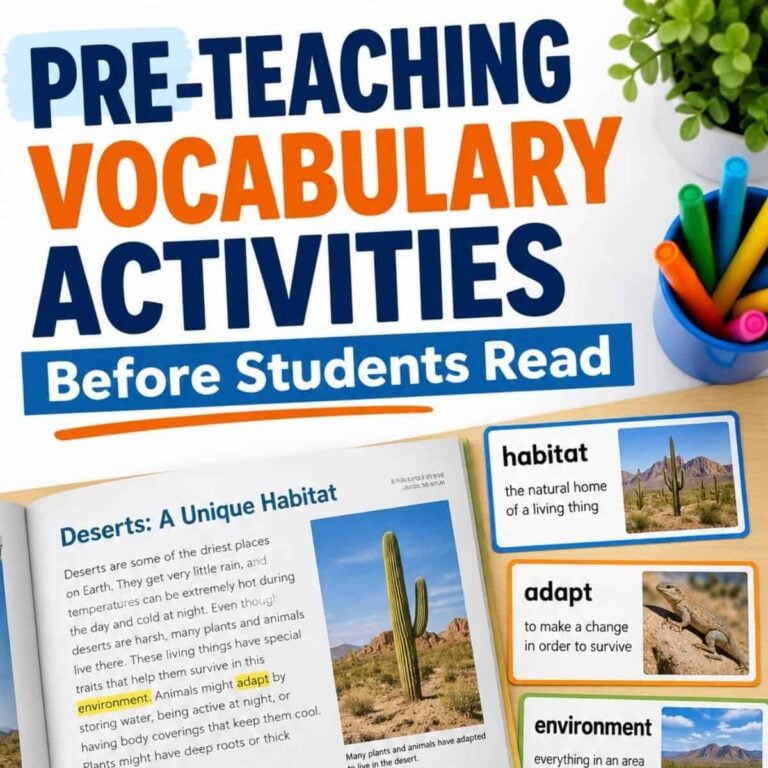
You hand out a new science article, students start reading, and within a paragraph, three hands go up: “What does habitat mean? What’s adapt?” By the time you have answered,…
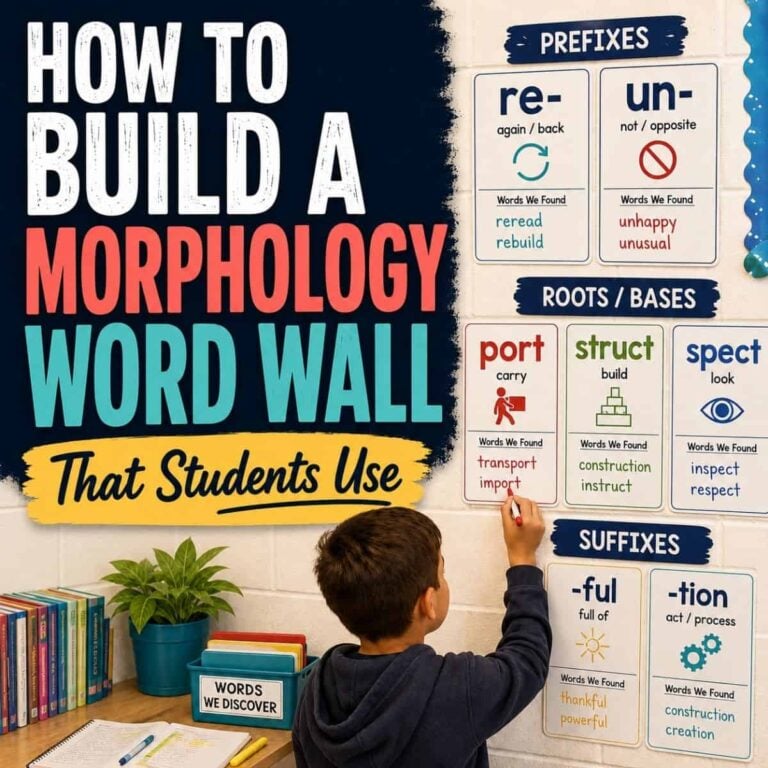
When a 4th grader hits the word transportation in a science text and freezes, it is usually not because they have never seen it. It is because no one has…
End of content
End of content
