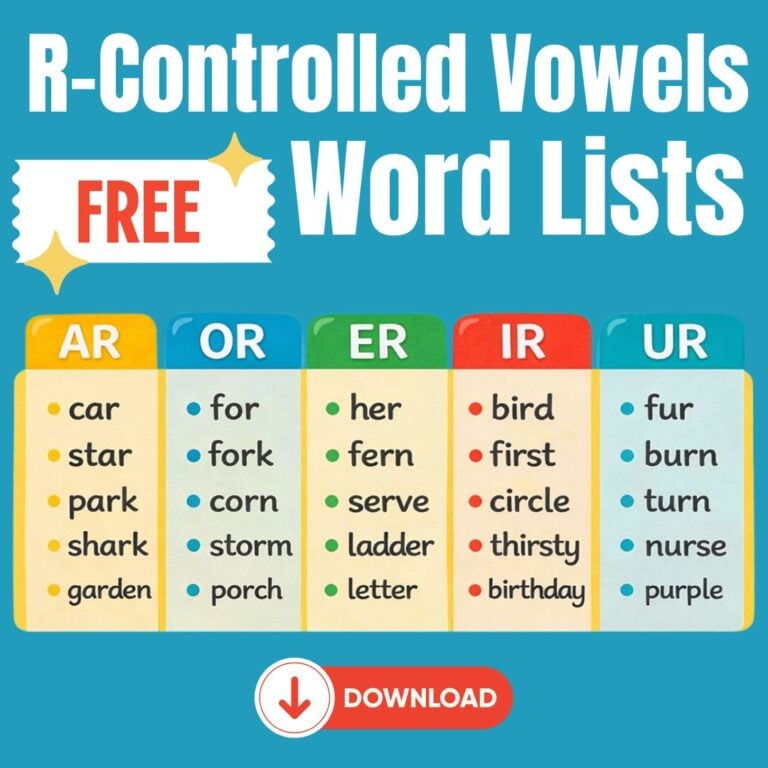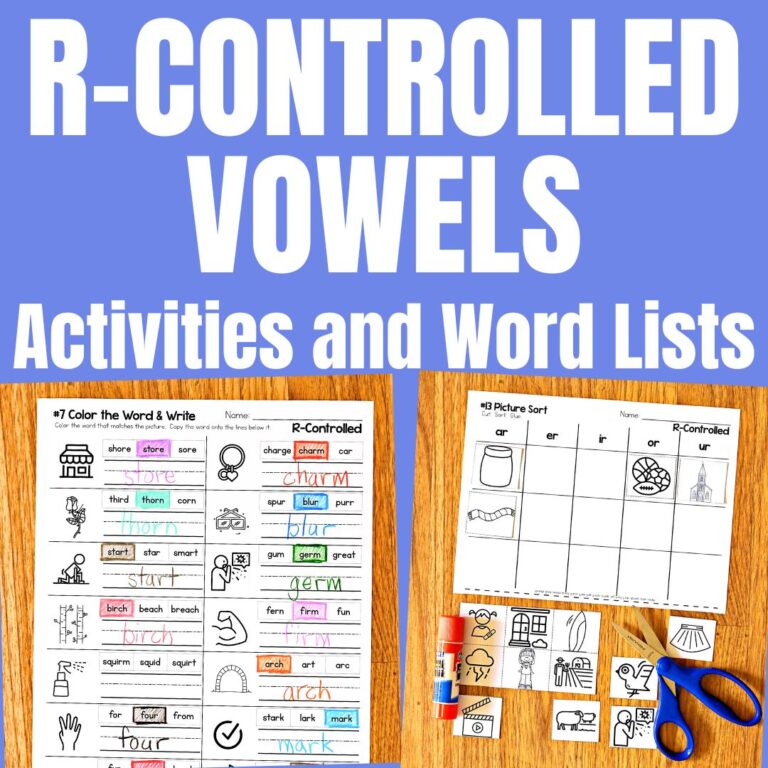
R-Controlled Vowels Activities and Word Lists for Elementary Phonics
R-controlled vowels are a common sticking point for developing readers. When a vowel is followed by the letter r, the vowel sound changes, and students can no longer rely on…
Strong reading instruction develops foundational skills, builds comprehension, and fosters a lifelong love of reading. In elementary classrooms, literacy includes early decoding skills, comprehension strategies, informational text instruction, and meaningful opportunities for students to engage with books.
R-controlled vowels are a common sticking point for developing readers. When a vowel is followed by the letter r, the vowel sound changes, and students can no longer rely on…
If you’re looking for a free informational writing resource for 2nd or 3rd grade, this frog informational article includes structured nonfiction text, note-taking, and paragraph writing support in one ready-to-use…
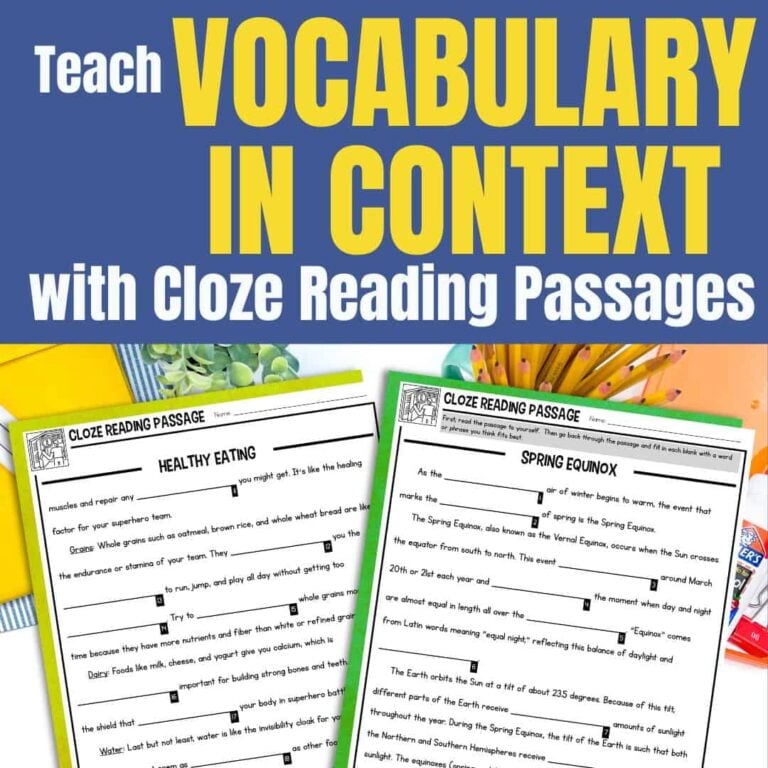
Vocabulary instruction works best when students see words doing real work inside meaningful text. That’s where Cloze reading shines. Cloze reading passages ask students to think beyond guessing a missing…
Differentiation in reading instruction can feel like a constant balancing act. In one group, students need significant support to understand a text, while in another, students are ready to analyze…
Teaching reading comprehension can feel like one of the hardest parts of literacy instruction. You’ve read the story together, asked the questions, maybe even used a graphic organizer, and still,…
Teaching kids to read is one of the most exciting—and sometimes challenging—parts of the kindergarten year. Whether you’re a teacher helping a class of emerging readers or a parent supporting…
Spelling practice doesn’t have to be boring! With the right mix of creativity and structure, spelling time can become one of the most engaging parts of the day. Whether you’re…
Teaching character traits can sometimes feel like you’re repeating the same lesson—students identify that a character is “nice” or “mean,” and that’s the end of the discussion. Helping students go…
Teaching syllable division can be a game-changer for young readers. It helps them break down words into manageable parts. Understanding syllables improves reading fluency and boosts confidence in decoding new…
If you’ve ever used our fact sorts, you may have noticed that they don’t come with answer keys. We occasionally get questions about why we don’t provide one, so we…
Finding time to prepare engaging reading response activities for every book or read-aloud can feel overwhelming. Whether you’re dealing with the whirlwind of morning meetings, the hustle of getting through…
February is a strange mix of excitement and exhaustion. The calendar is packed, students are energetic, and lessons still need to move forward. Many teachers want seasonal content that keeps…
End of content
End of content