
Earth Science for Elementary Students: 2nd–5th Grade Guide
Earth science is one of those topics that feels enormous on paper but becomes immediately concrete the moment students pick up a rock, watch water carve a path through sand, or look up and see clouds forming in real time. The challenge isn’t finding interesting content. It’s organizing it.
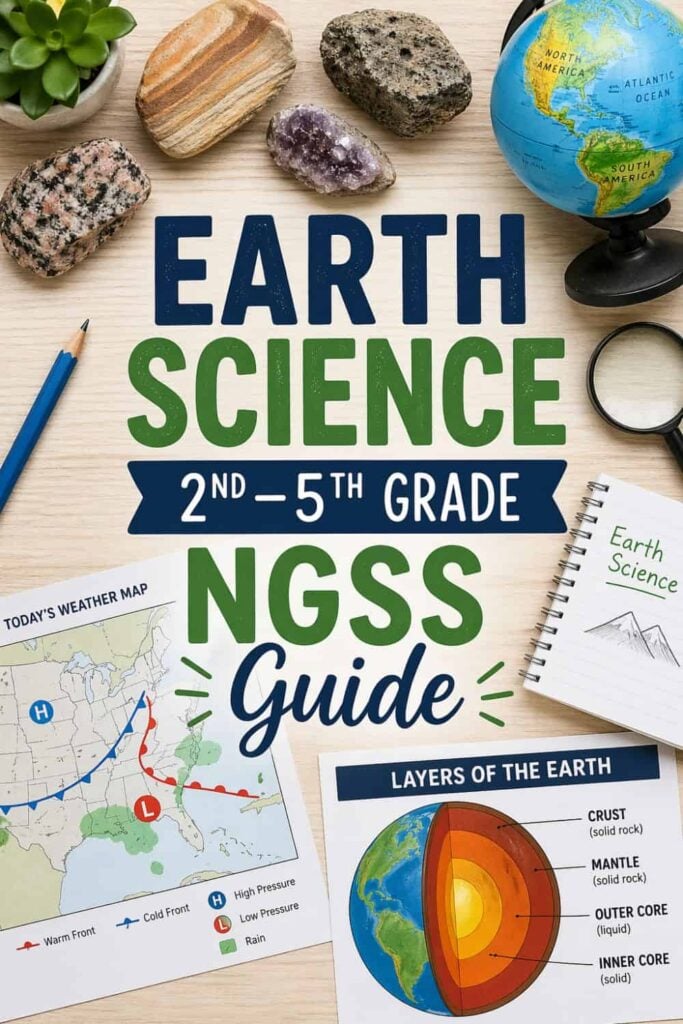
The elementary Earth science standards span rocks, weather, volcanoes, the water cycle, the solar system, and more, and they build in complexity from second through fifth grade in ways that aren’t always obvious at a glance on your curriculum map.
This guide pulls together all of the earth science teaching ideas and resources on this site, organized by grade level and aligned to the Next Generation Science Standards (NGSS). Whether you’re planning a full unit or just need a few activities to round out a lesson, use this as your go-to hub. Each section links to deeper posts with hands-on activities, experiments, books, videos, and science-station ideas for each topic.
What Is Earth Science?
Earth science is the study of our planet, its rocks, landforms, atmosphere, water systems, and place in the solar system. In the NGSS framework, earth science is organized into three main domains that students revisit at increasing depth from kindergarten through 5th grade:
- Earth’s Place in the Universe — stars, the solar system, day and night, seasons
- Earth’s Systems — the rock cycle, weather and climate, the water cycle, and how Earth’s spheres interact
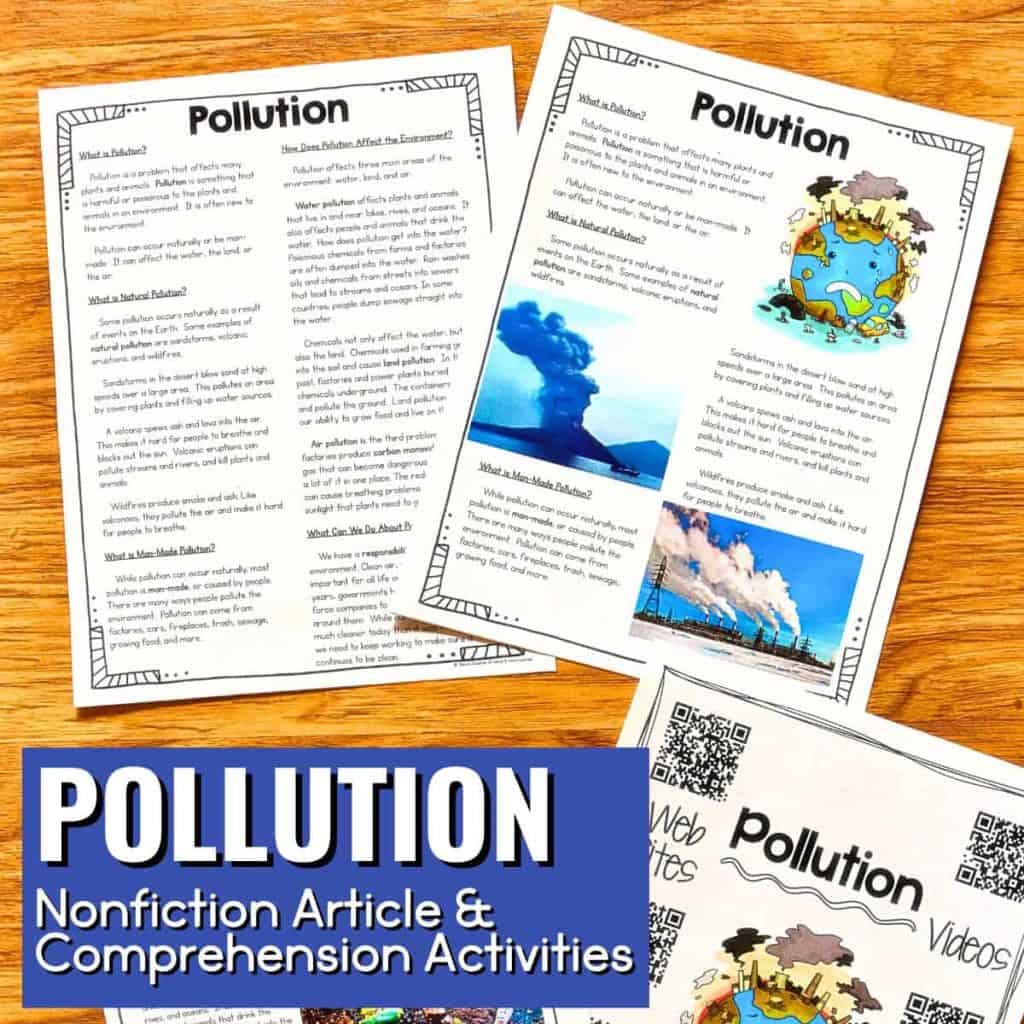
- Earth and Human Activity — natural resources, natural hazards, and how people’s choices affect the planet
The goal across all grade levels is for students to think like scientists: observing patterns, making models, gathering evidence, and explaining how and why Earth changes over time.
If you’re new to teaching with the NGSS or want a refresher on how the standards are structured, start with How to Read the 2nd Grade Next Generation Science Standards. For 4th grade in particular, the performance expectations get more layered, so Unpacking the 4th Grade NGSS is worth a read before you start planning.
2nd Grade Earth Science: Earth’s Systems and How the Land Changes
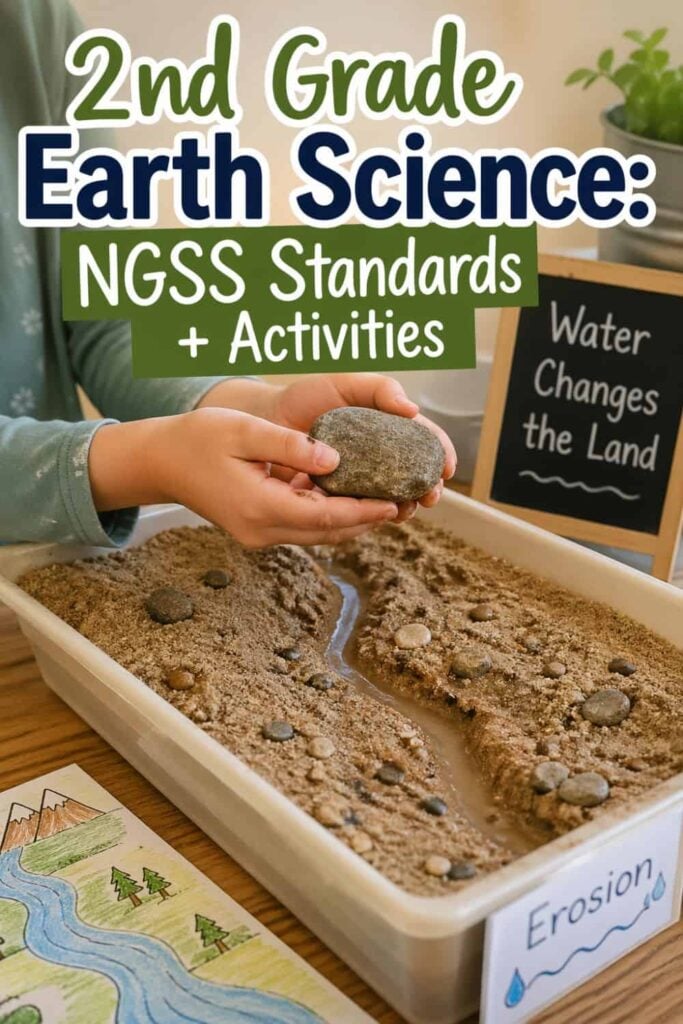
Second graders are natural earth scientists. They love picking up rocks, poking at the dirt, and noticing how puddles form and disappear. The 2nd-grade NGSS earth science standards channel that curiosity into four big ideas: how Earth events change the landscape quickly or slowly, how wind and water reshape the land, how to represent landforms and bodies of water, and where water is found on Earth. The standards deliberately stay concrete and observable. Second graders are gathering evidence from the world right in front of them.
How the Earth Changes Quickly and Slowly — 2-ESS1-1
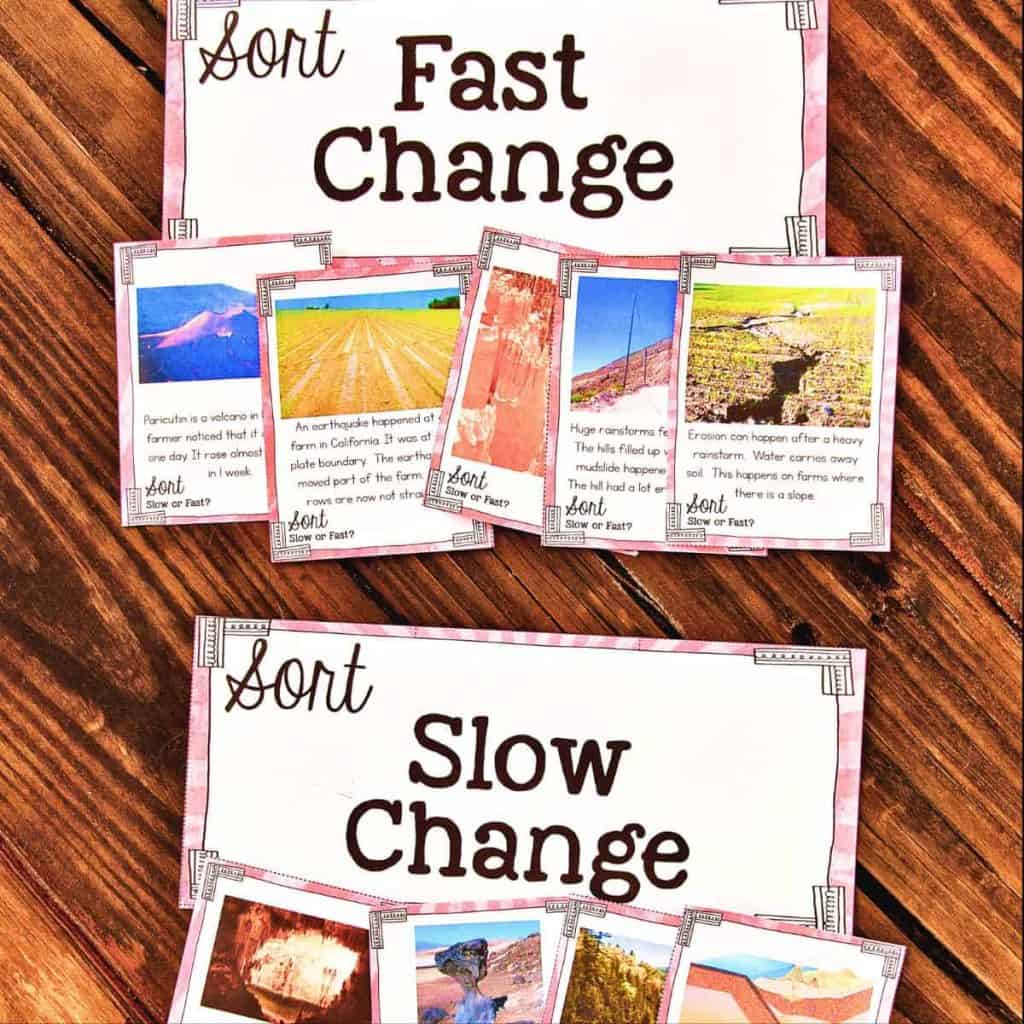
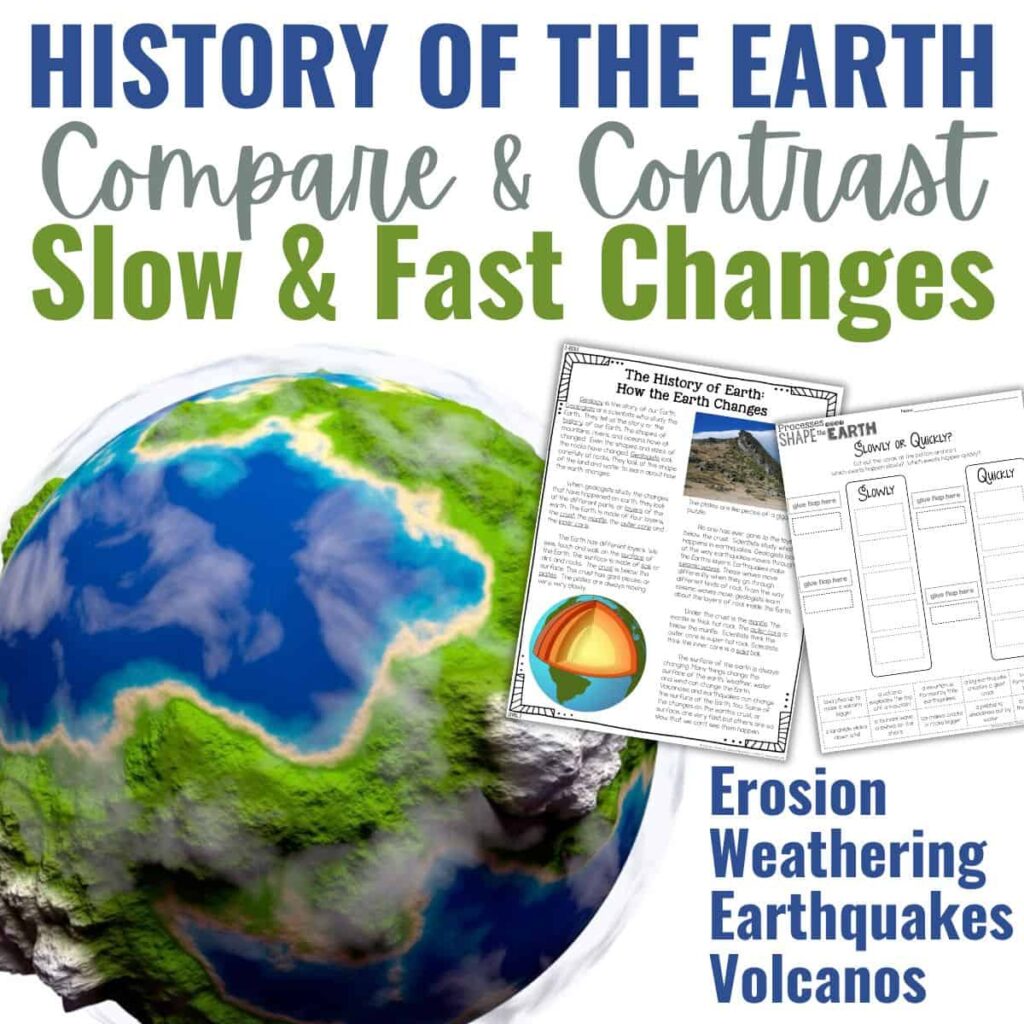
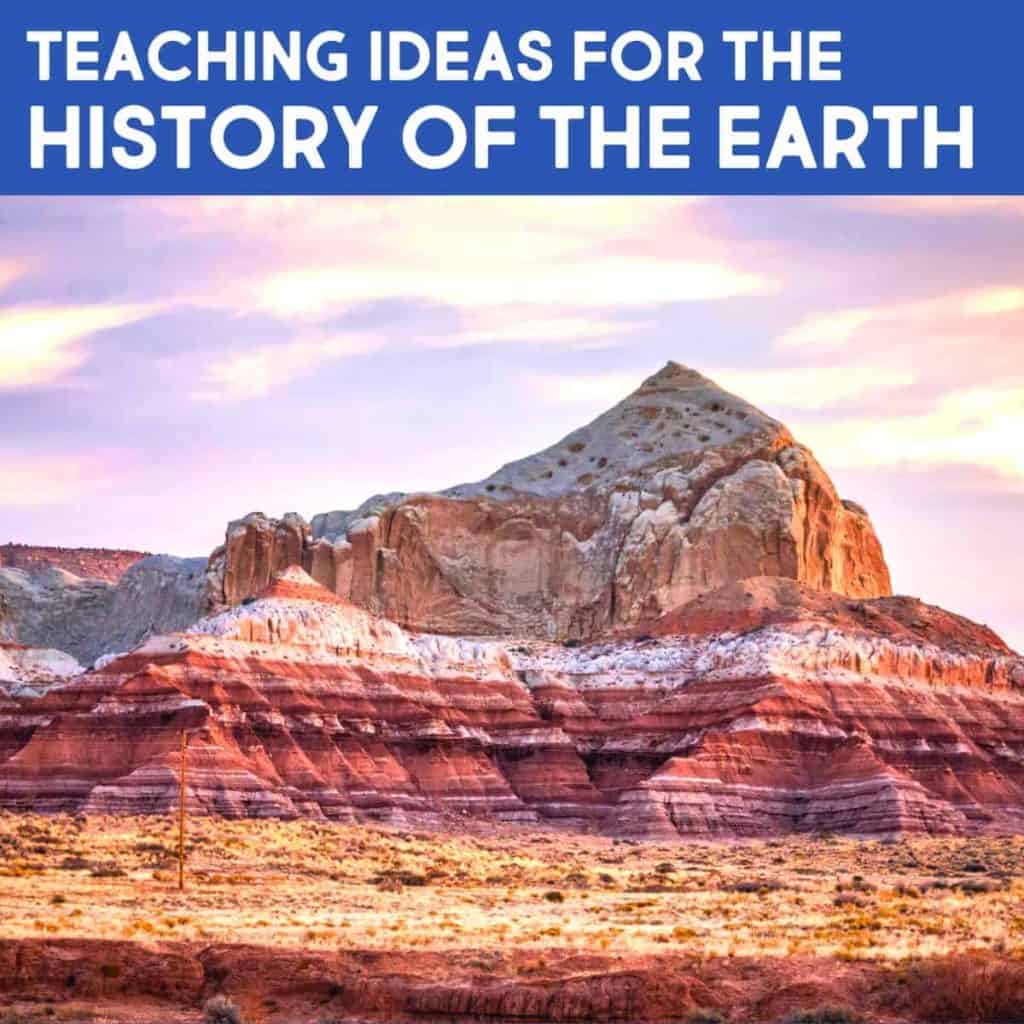
The key idea here is that both rapid changes (floods, volcanic eruptions) and slow changes (canyon erosion, coastal retreat) leave evidence that students can find and interpret. The work isn’t just identifying examples — it’s using multiple sources to build an evidence-based argument about how Earth changes over time.

Wind and Water Shape the Land — 2-ESS2-1
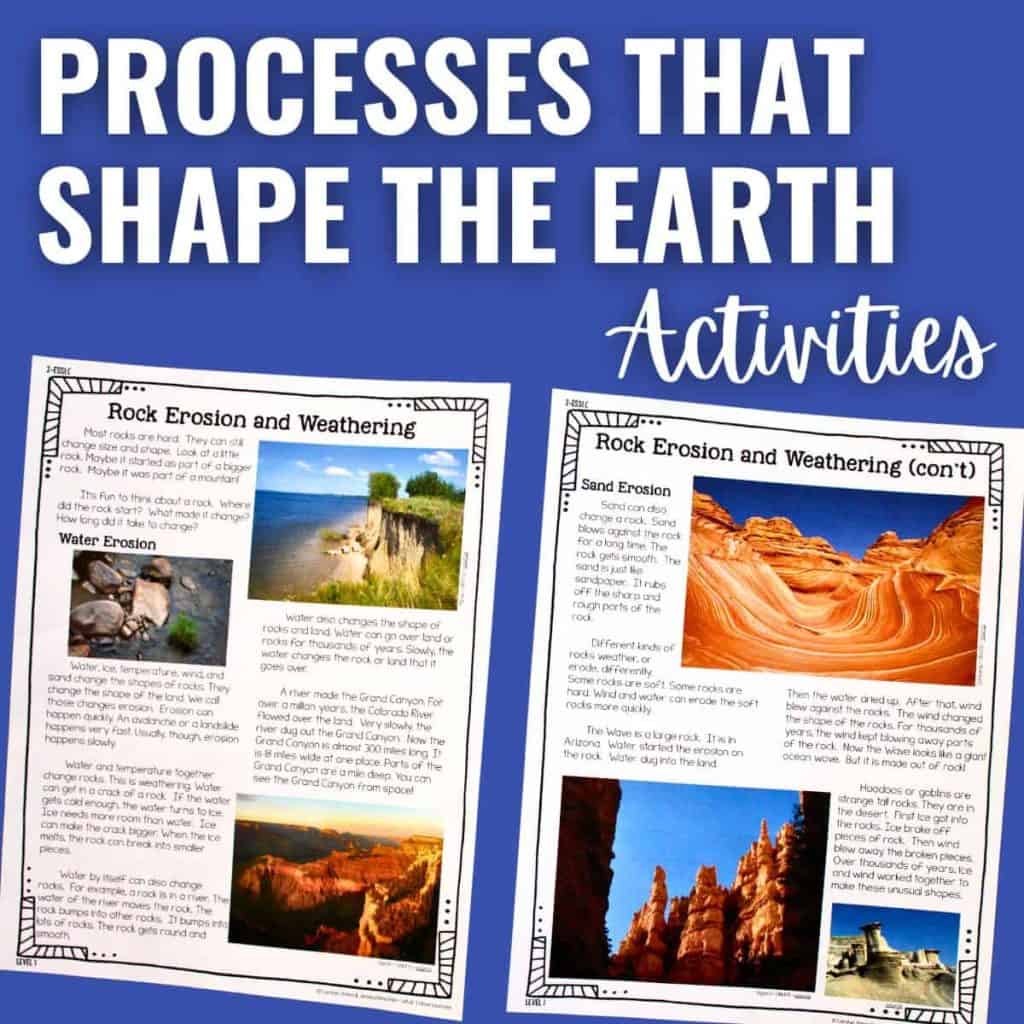
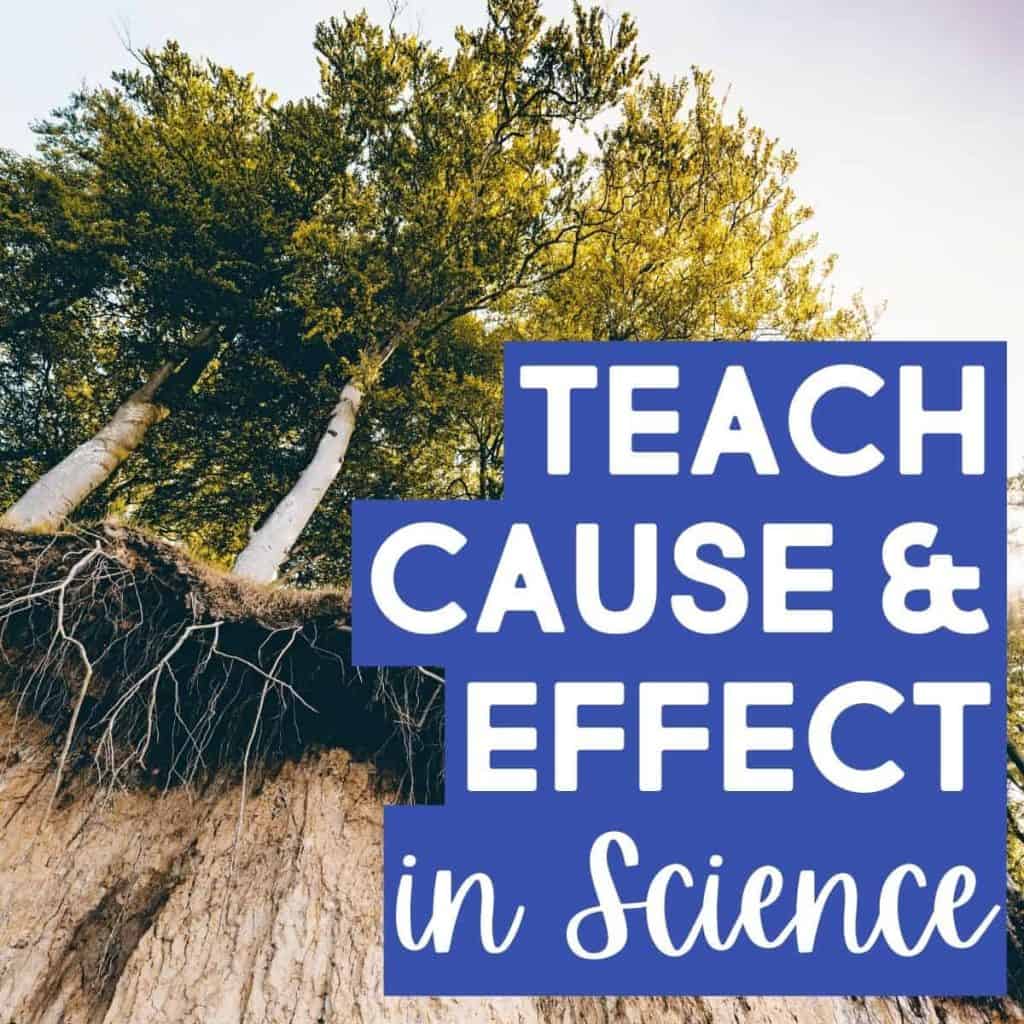
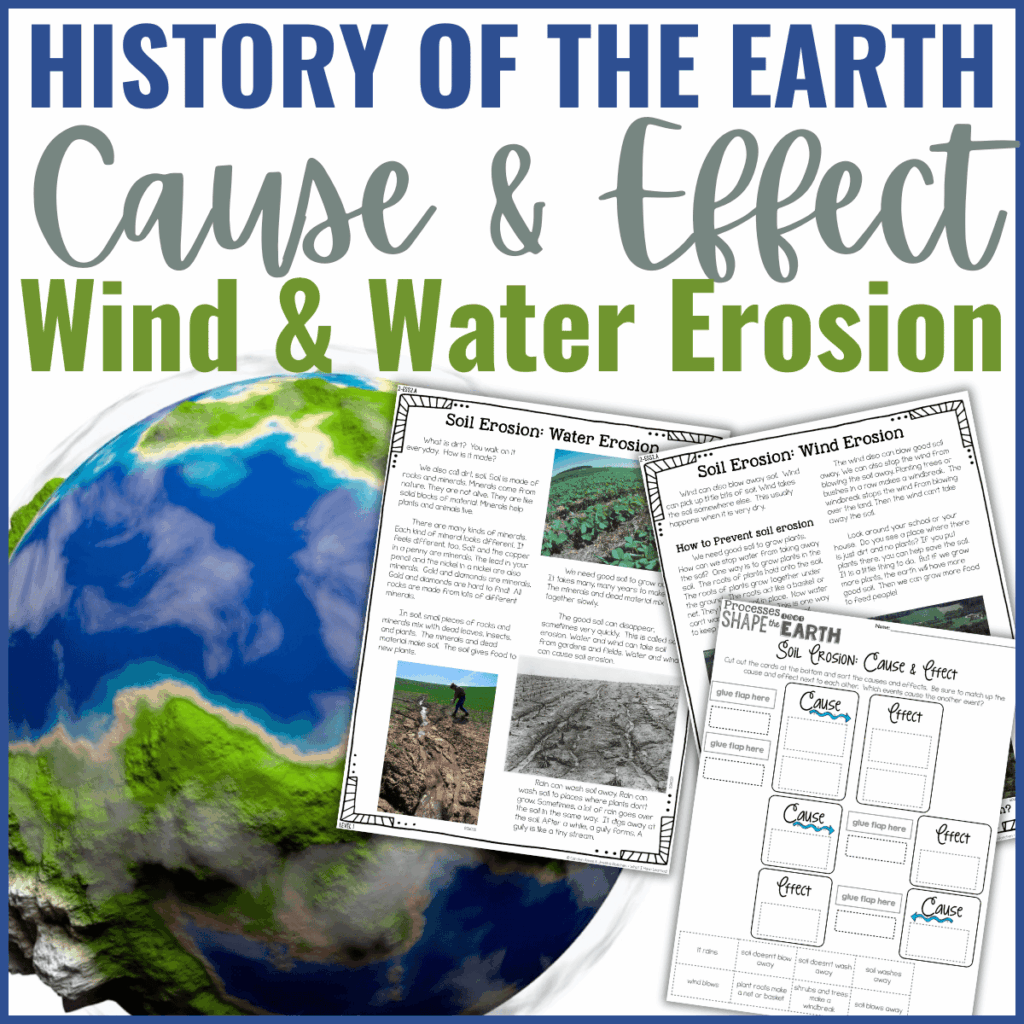
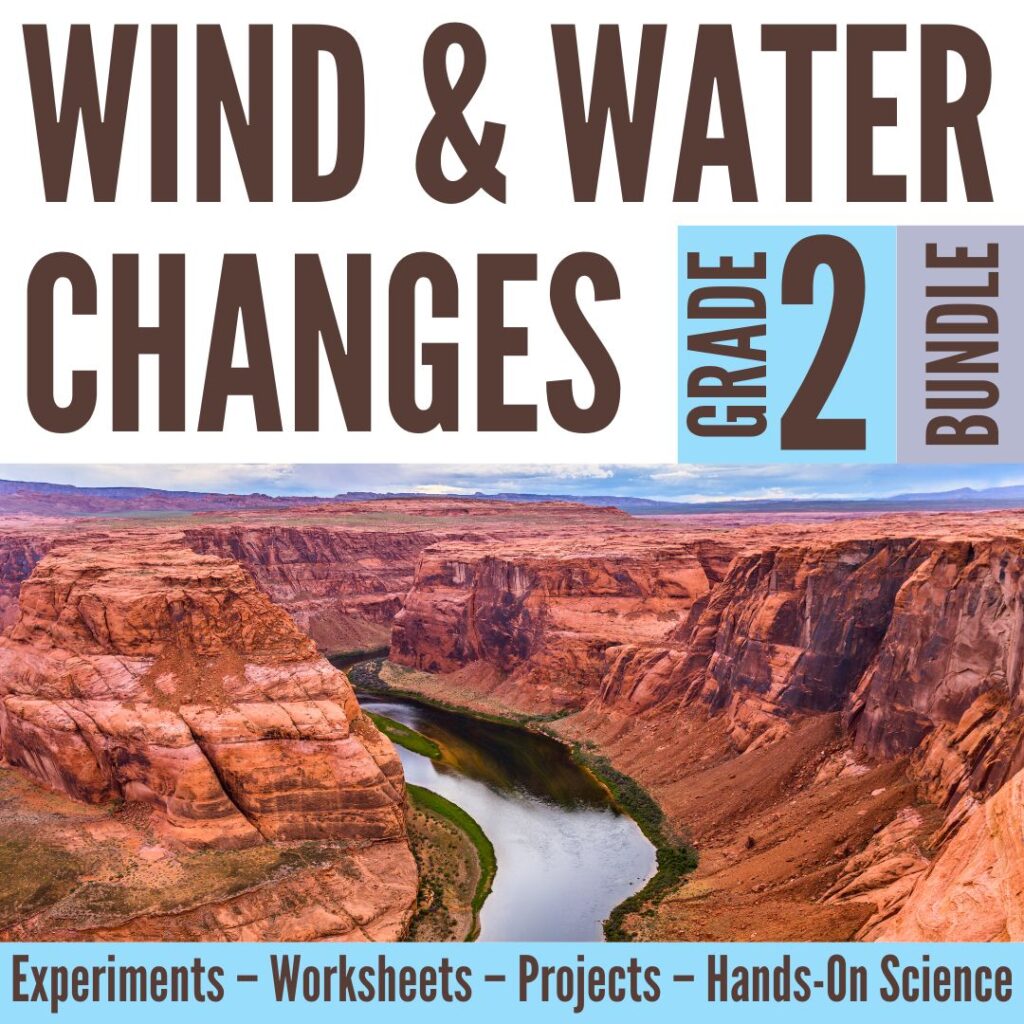
This standard is where 2nd-grade earth science gets engineering design: students compare solutions designed to slow or prevent wind or water from changing the land. Before they can evaluate solutions, they need to understand the problem — watching erosion happen firsthand in a sand tray or water table makes the cause-and-effect relationship visible. This standard directly sets up the more rigorous measurement work in 4-ESS2-1.

Mapping Land and Bodies of Water — 2-ESS2-2
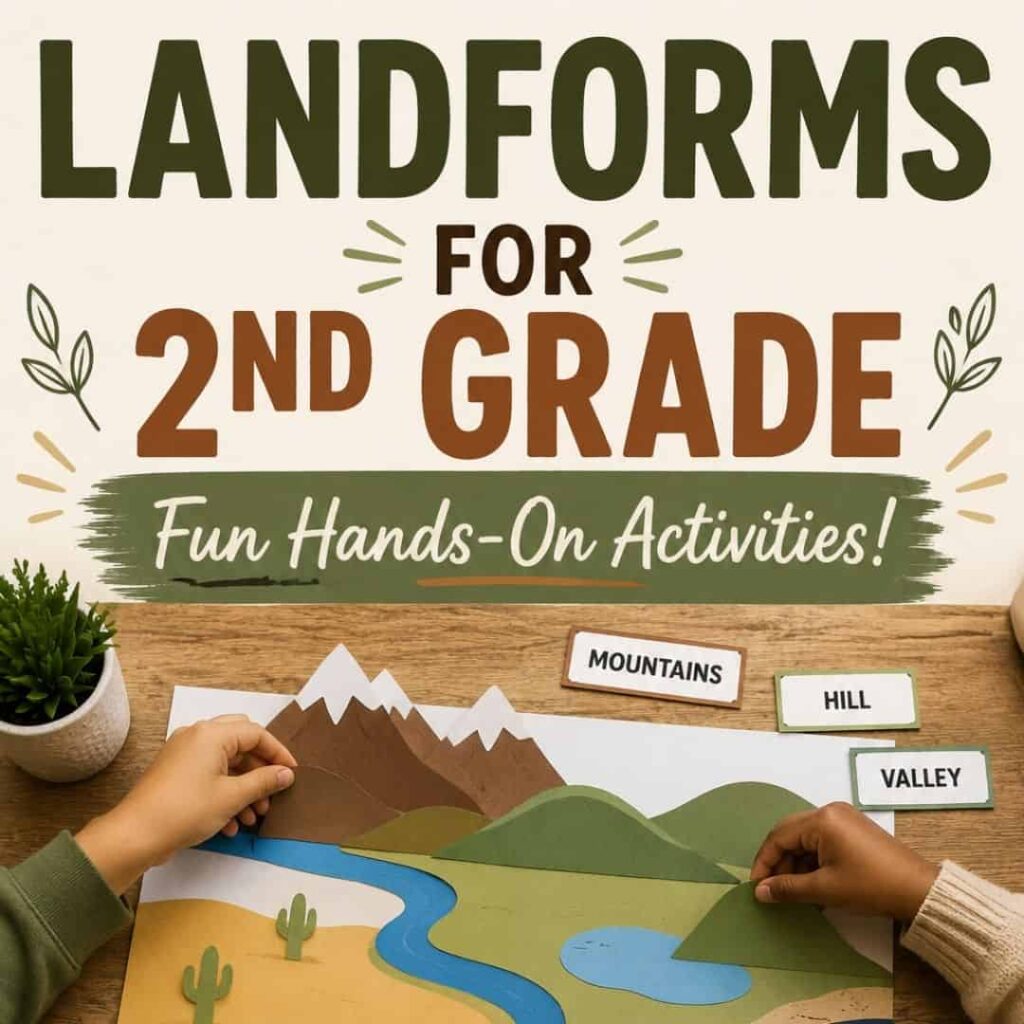
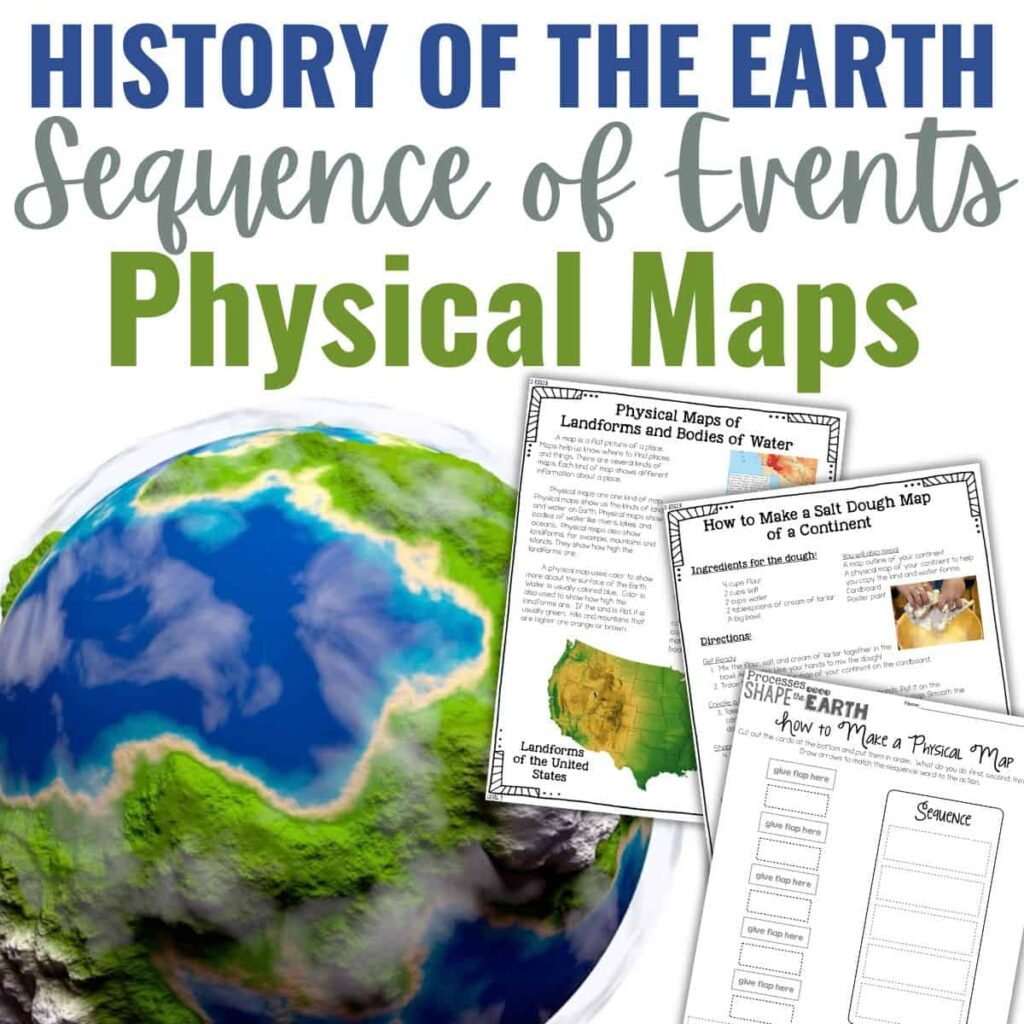
Students develop a model — a map, diagram, or 3D representation — showing the shapes and kinds of land and bodies of water in an area. Starting locally works well: a sketch of the school grounds or neighborhood, then zooming out to the state or region, gives students a meaningful anchor for the abstract work of map reading and landform identification.
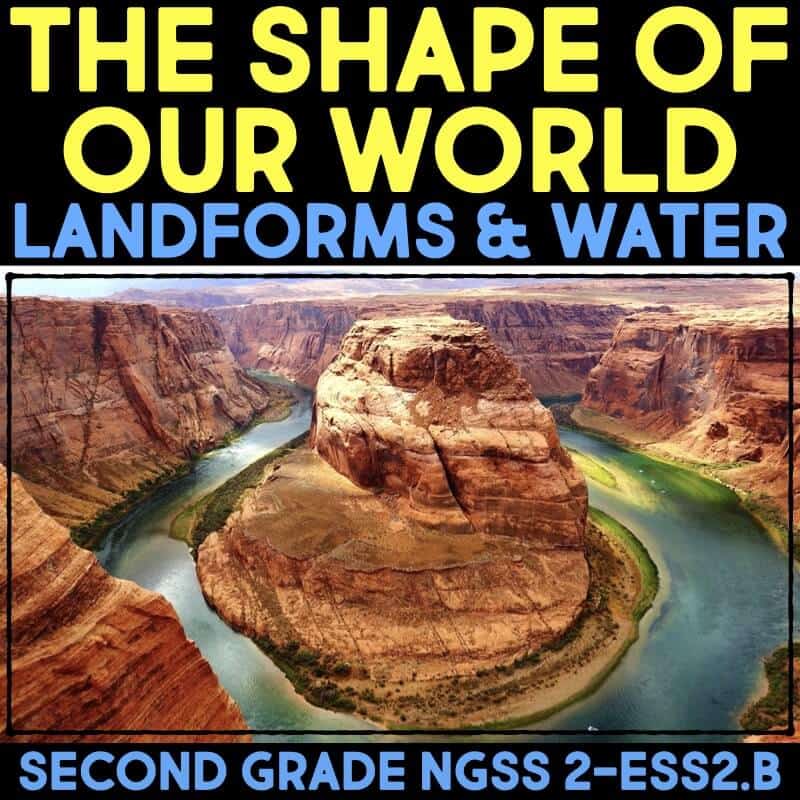
Types of Water on Earth — 2-ESS2-3
Water shows up in more places and more forms than most second graders initially realize — oceans, rivers, lakes, glaciers, groundwater, and water vapor in the air, in both solid and liquid states. This standard plants the seed for the water distribution and water cycle work students will do in 5th grade with 5-ESS2-2, making it worth teaching with that progression in mind.

3rd Grade Earth Science: Weather, Climate & Natural Hazards
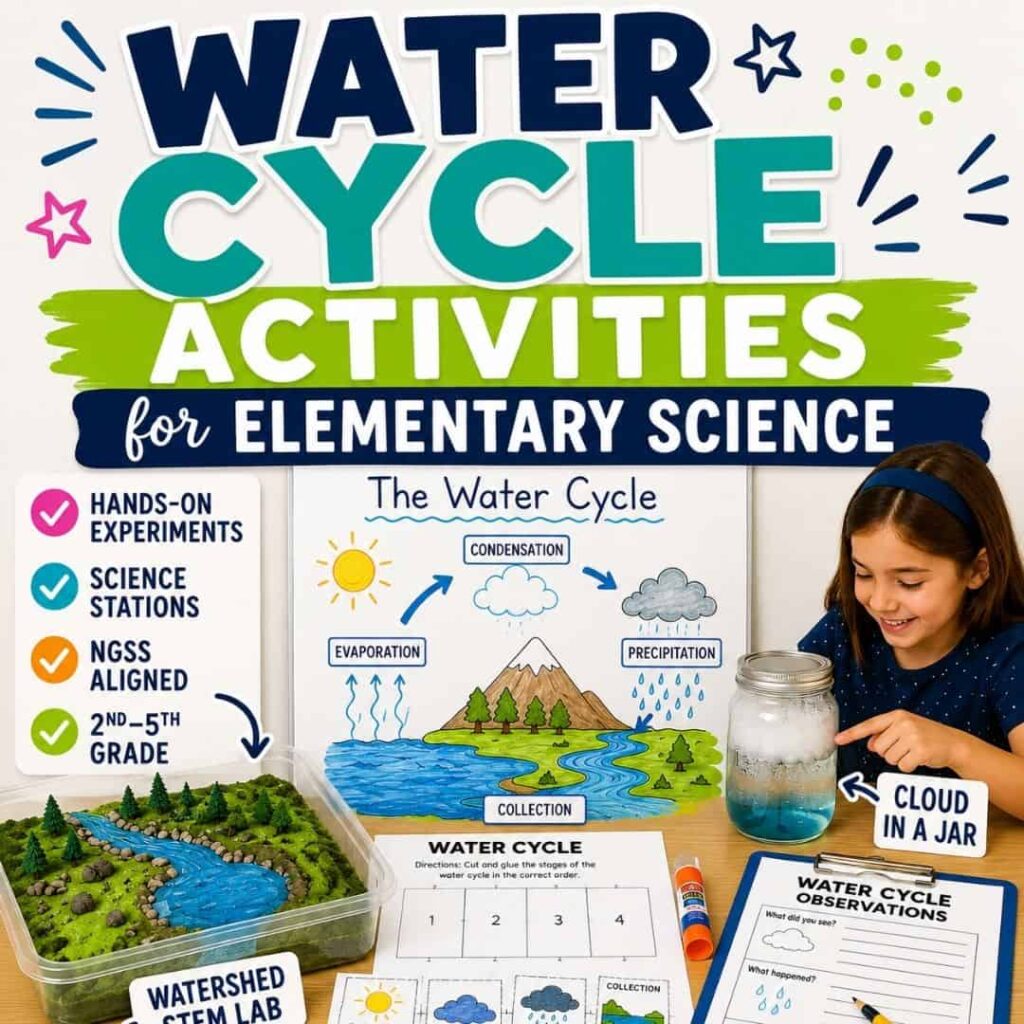
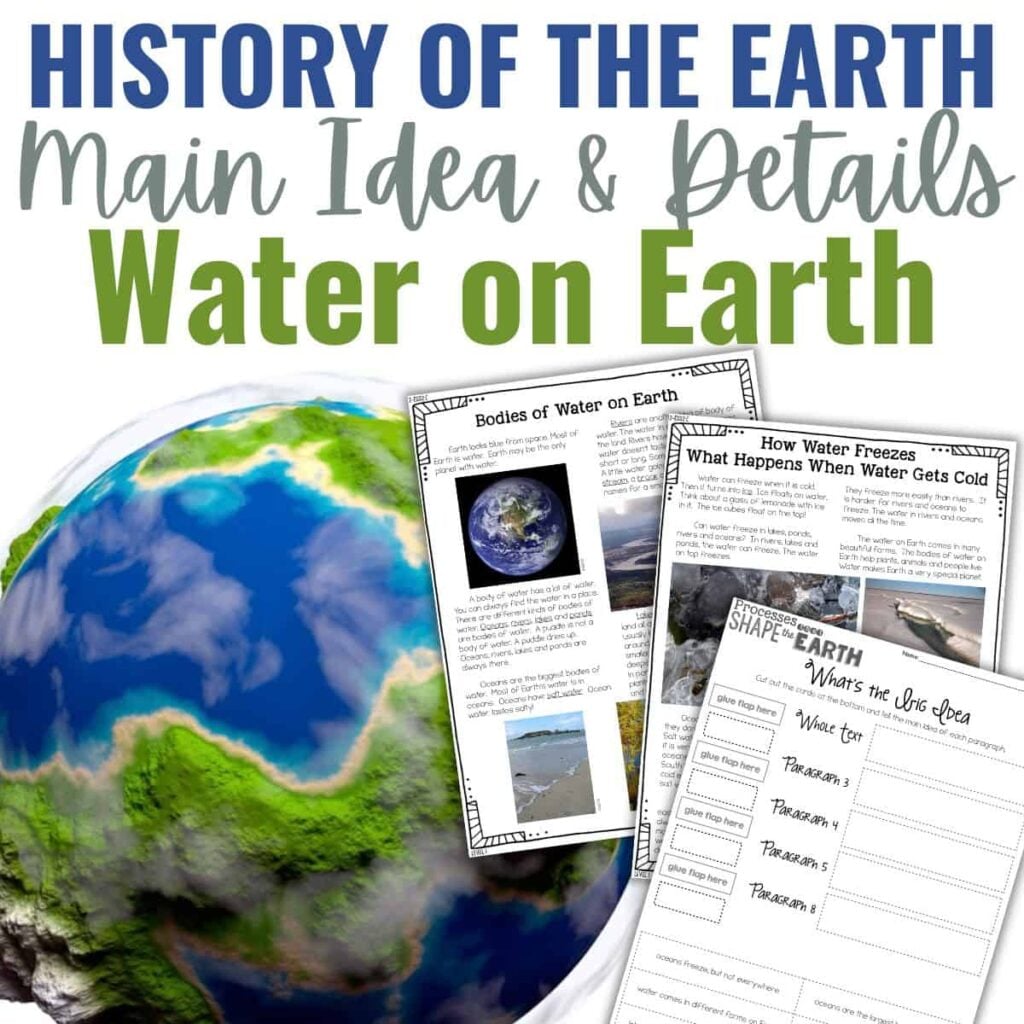
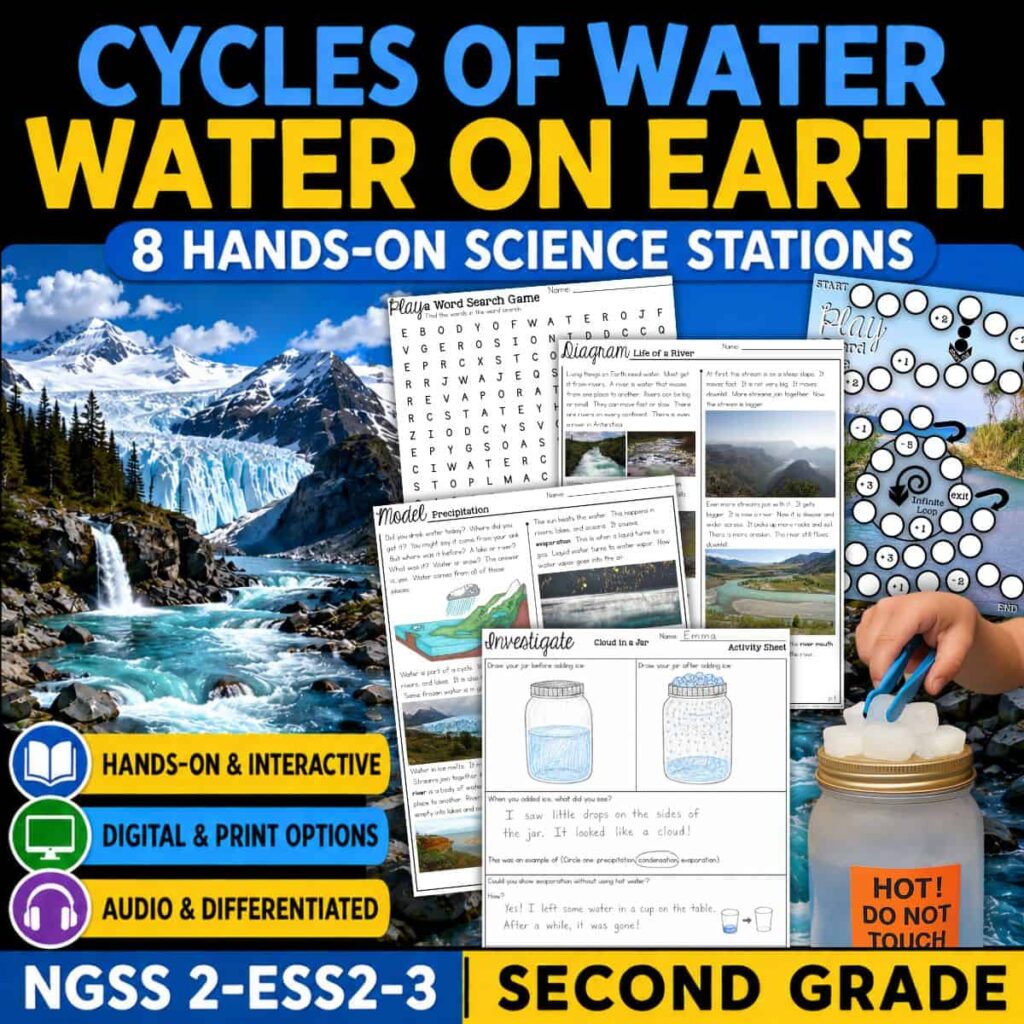
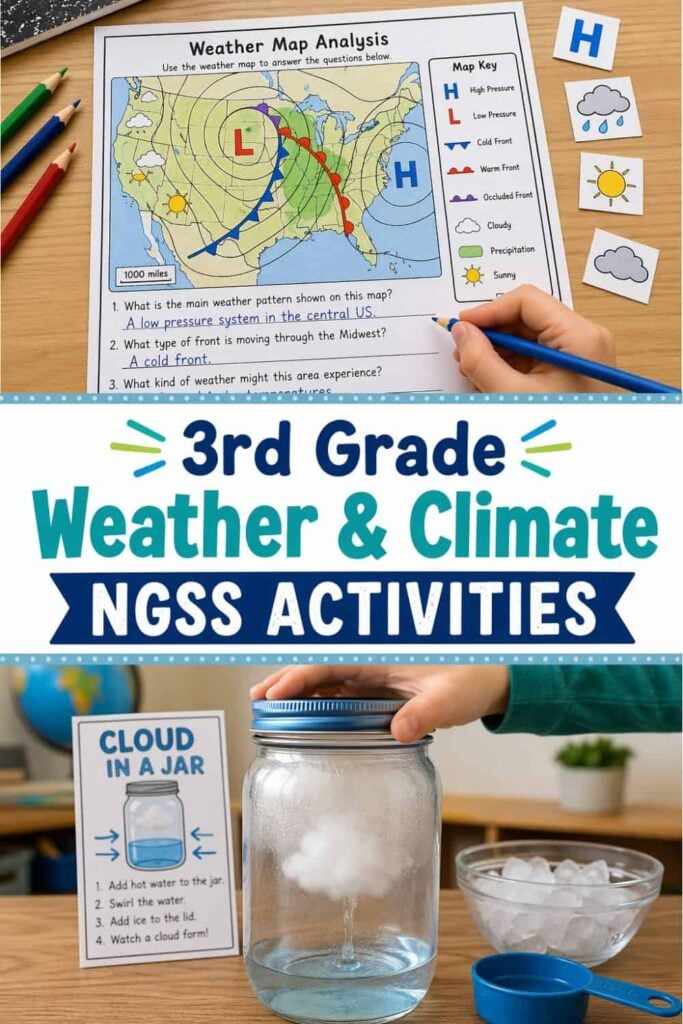
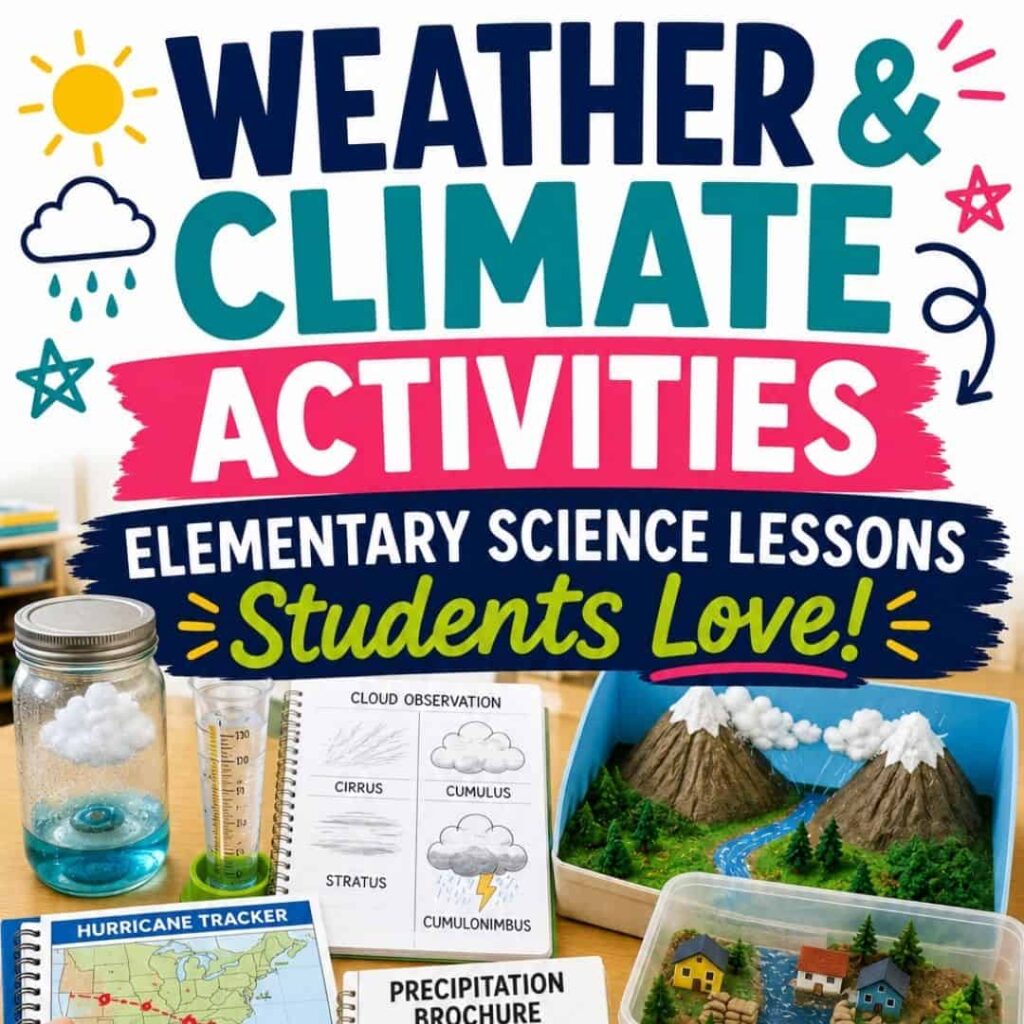
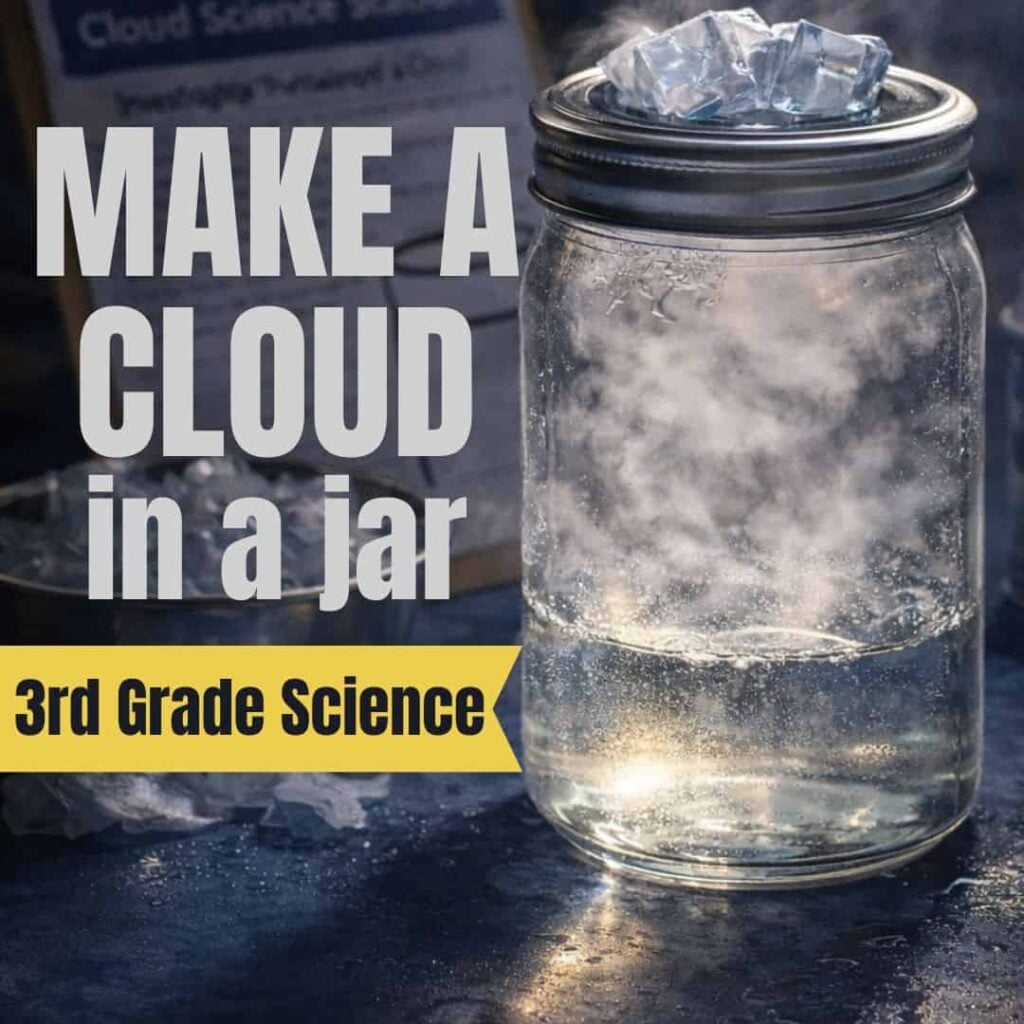
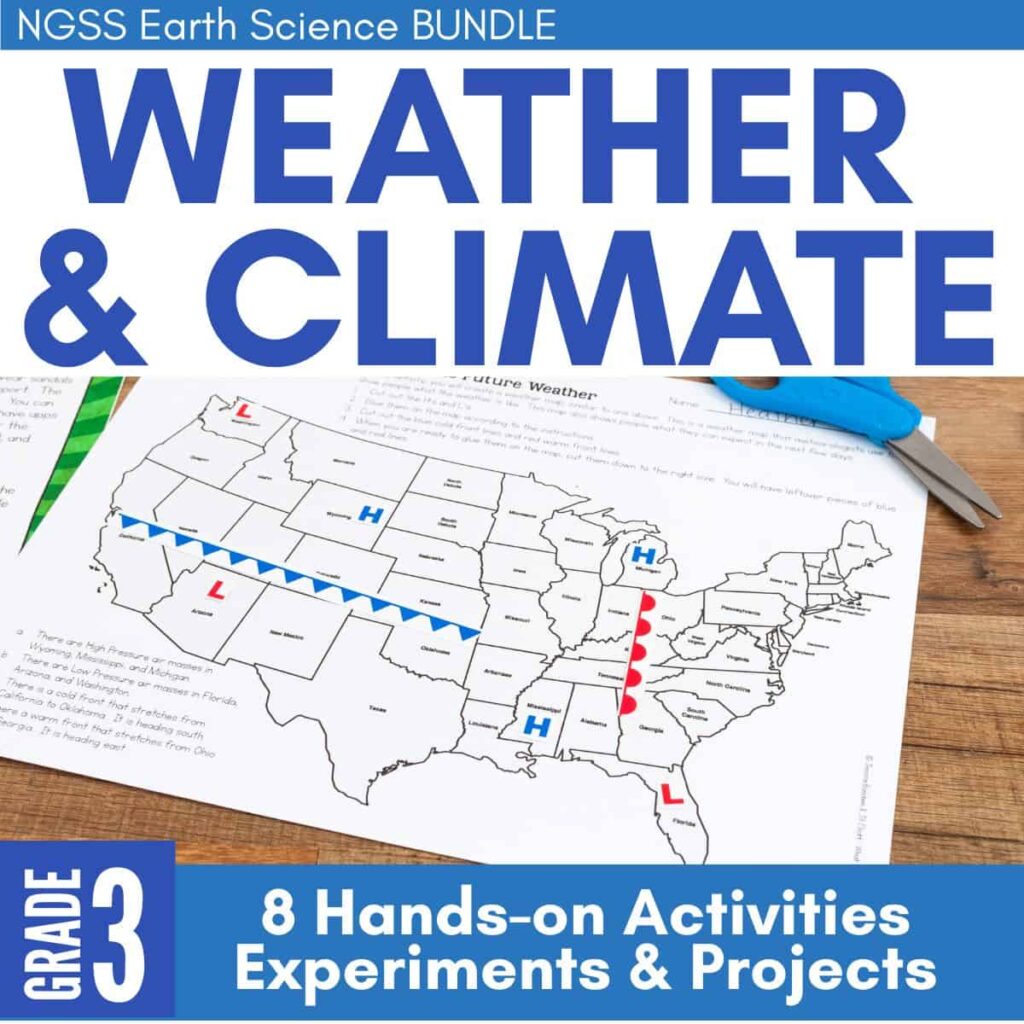
Third grade moves students from observing weather to analyzing it. The three standards form a natural sequence: first, students study weather patterns in their own region across seasons (3-ESS2-1), then they zoom out to compare climates across different parts of the world (3-ESS2-2), and finally, they apply that understanding to evaluate solutions for weather-related hazards (3-ESS3-1). Weather vocabulary and data representation skills run through all three — students can’t describe patterns they don’t have words for.
Typical Weather Conditions and Seasonal Patterns — 3-ESS2-1
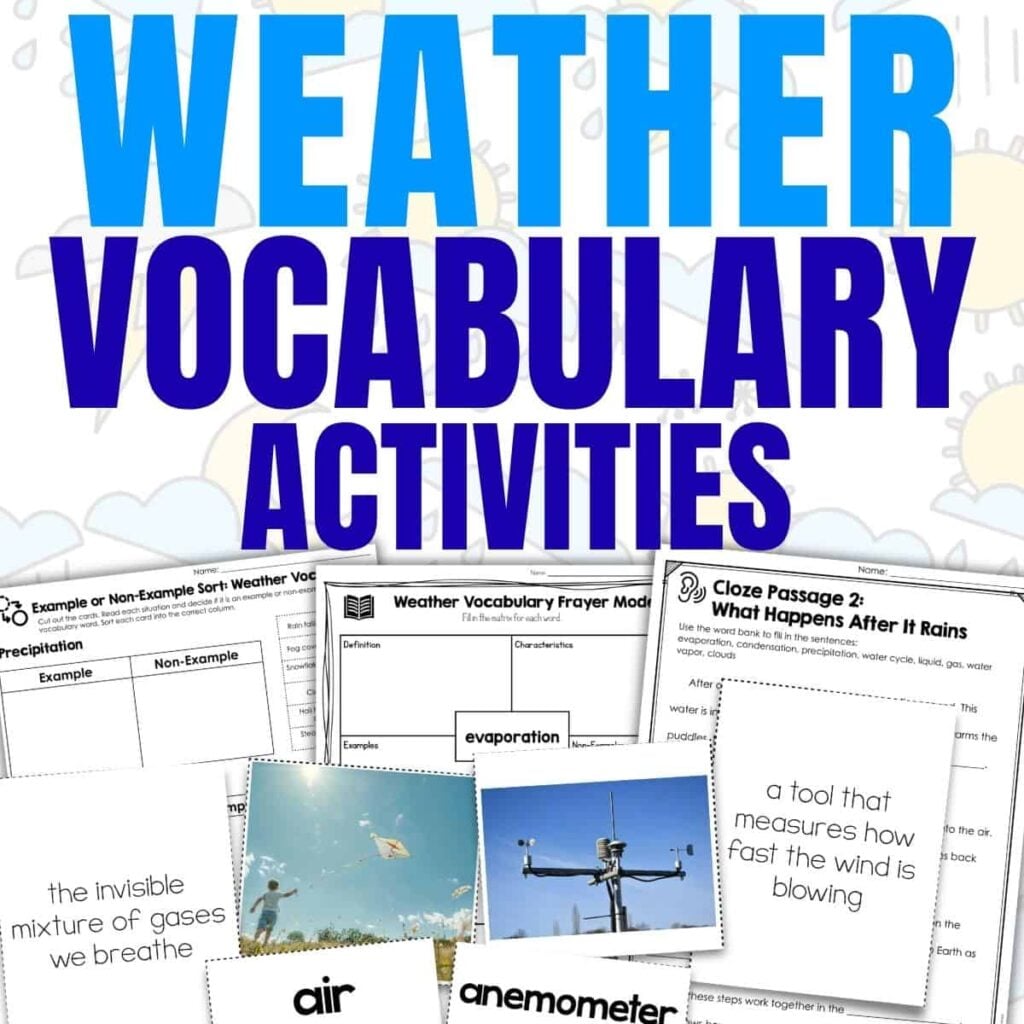
This standard is fundamentally about patterns in data. Students need enough weather observations over time to see that certain temperatures, precipitation types, and conditions are predictable by season — that weather isn’t random. Building weather vocabulary first is essential; students can’t represent and discuss patterns they don’t have precise language for.

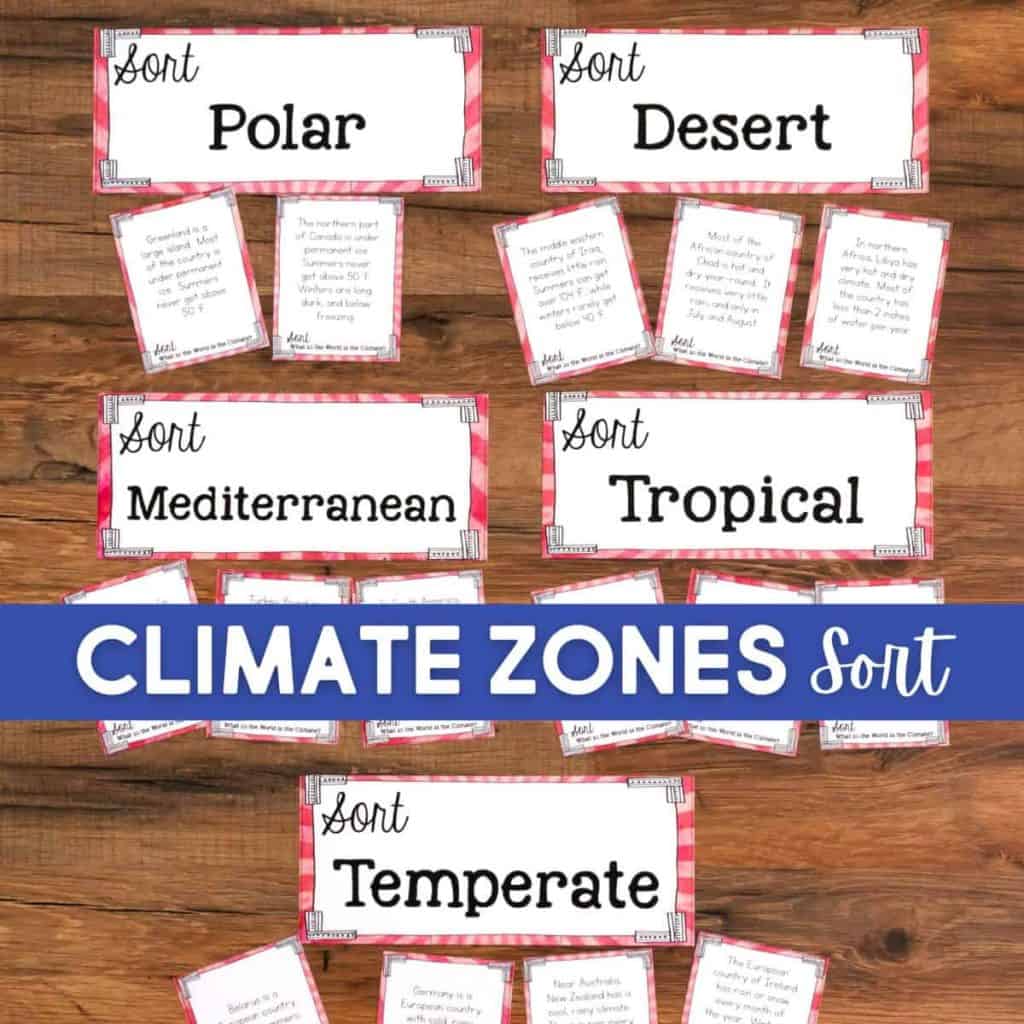
Climate Across Different Regions — 3-ESS2-2
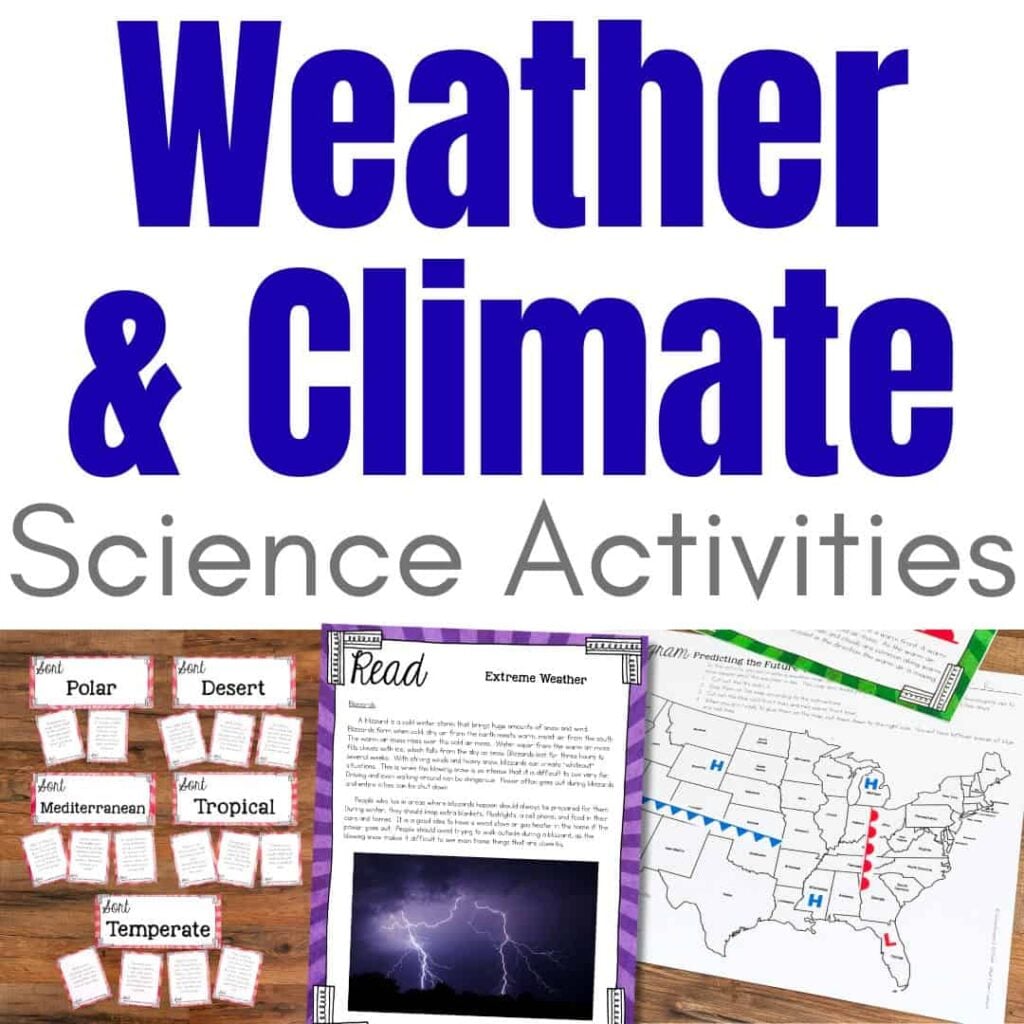
Once students can describe their local seasonal patterns, 3-ESS2-2 asks them to zoom out and compare climates across different regions. Why is it always hot near the equator? Why does one side of a mountain stay dry while the other gets rain? These questions push students from describing local weather to thinking about Earth’s systems at a global scale — a meaningful conceptual step that connects directly to the spheres work in 5th grade.
Reducing the Impact of Weather-Related Hazards — 3-ESS3-1
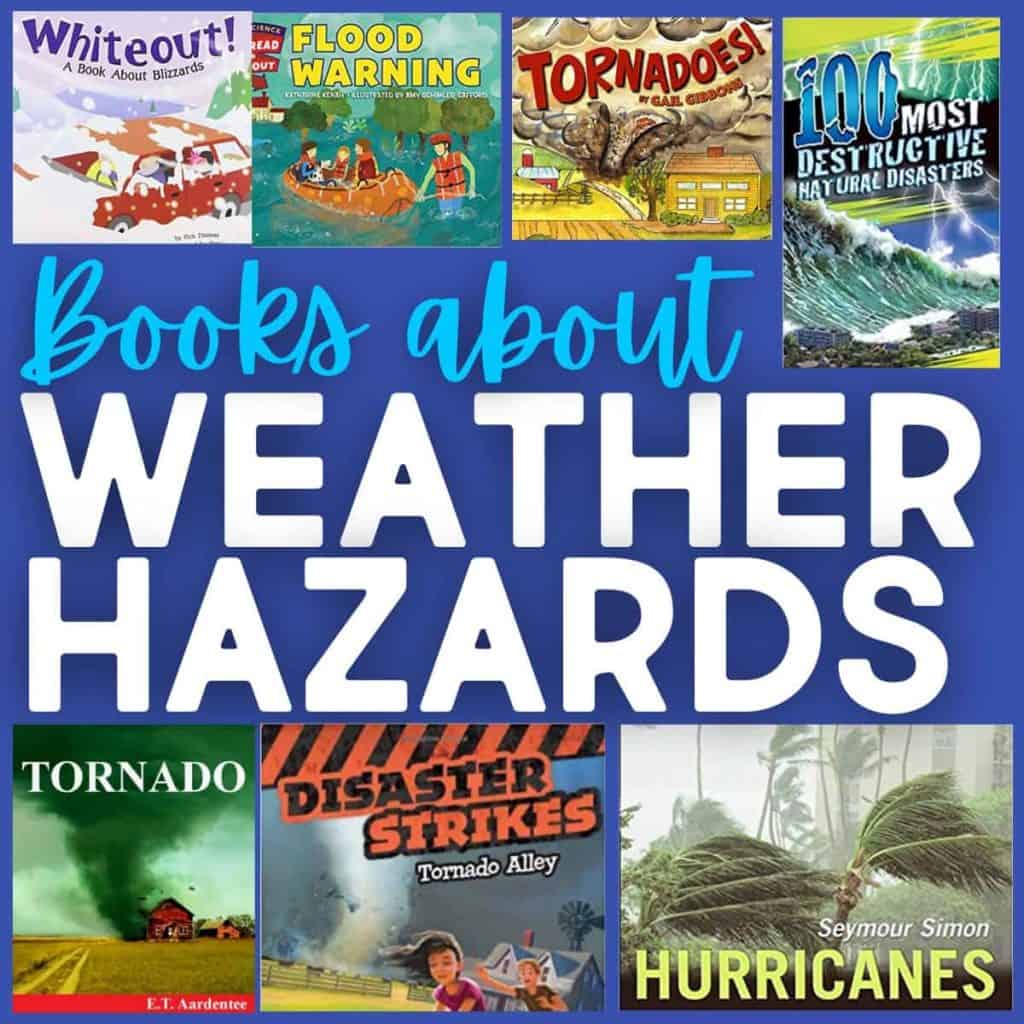
This standard brings engineering design into 3rd grade earth science. Students make a claim about the merit of a design solution that reduces the impact of a weather-related hazard, such as floods, hurricanes, tornadoes, or blizzards. The emphasis is on evaluation: not just “what could we do?” but “does this solution actually work, and how do we know?” Understanding the hazards themselves comes first, before students can meaningfully assess solutions.

4th Grade Earth Science: Fossils, Erosion, Plate Tectonics & Human Impact
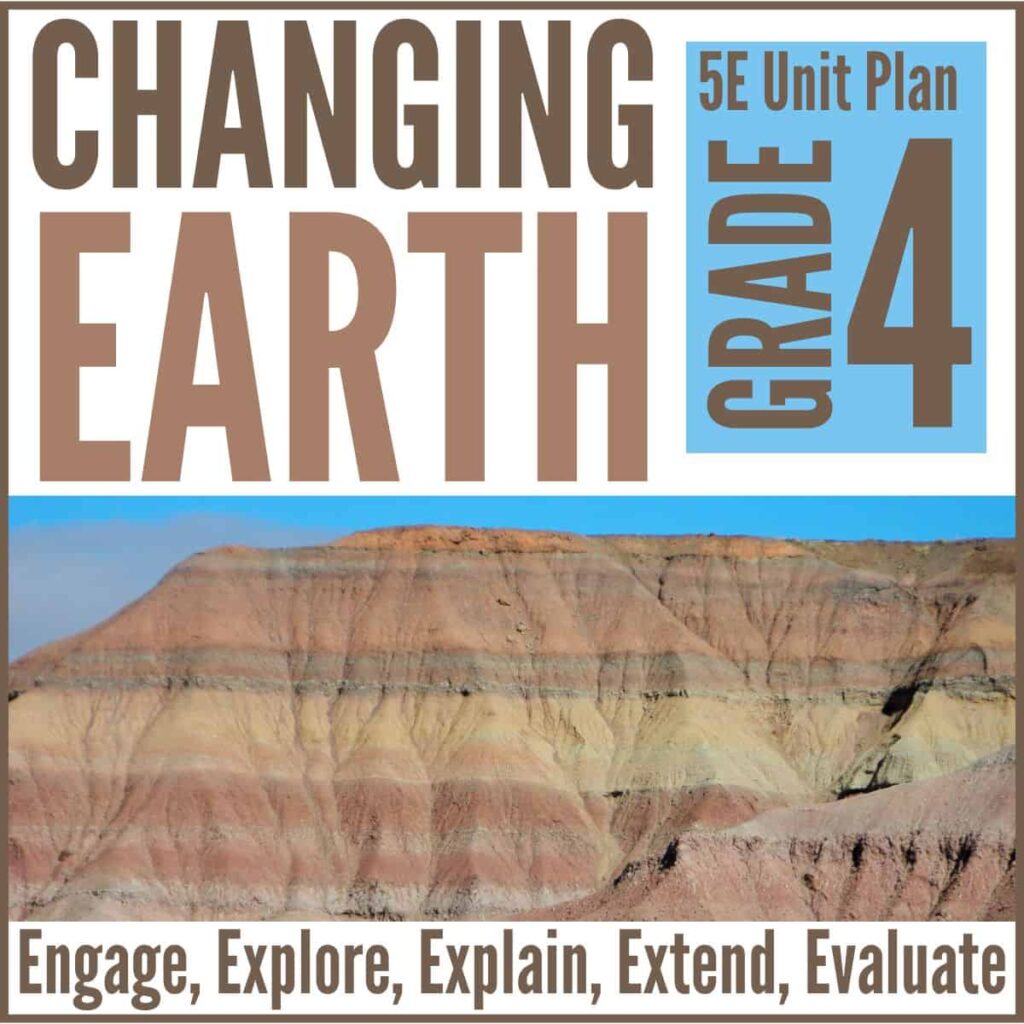
Fourth grade has the most earth science standards in the elementary band, and they cover significant ground — from deep geological time to current human decisions about energy. The standards aren’t isolated: fossils make sense because of the rock cycle (4-ESS1-1), erosion connects to the landform patterns students map (4-ESS2-1 and 4-ESS2-2), and both natural resources and natural hazards require students to weigh trade-offs and design solutions (4-ESS3-1 and 4-ESS3-2).
If you want a detailed breakdown of how each performance expectation connects before you map out your units, Unpacking the 4th Grade NGSS walks through each standard with plain-language explanations of what students are actually expected to do.
Fossils and Rock Layers — 4-ESS1-1
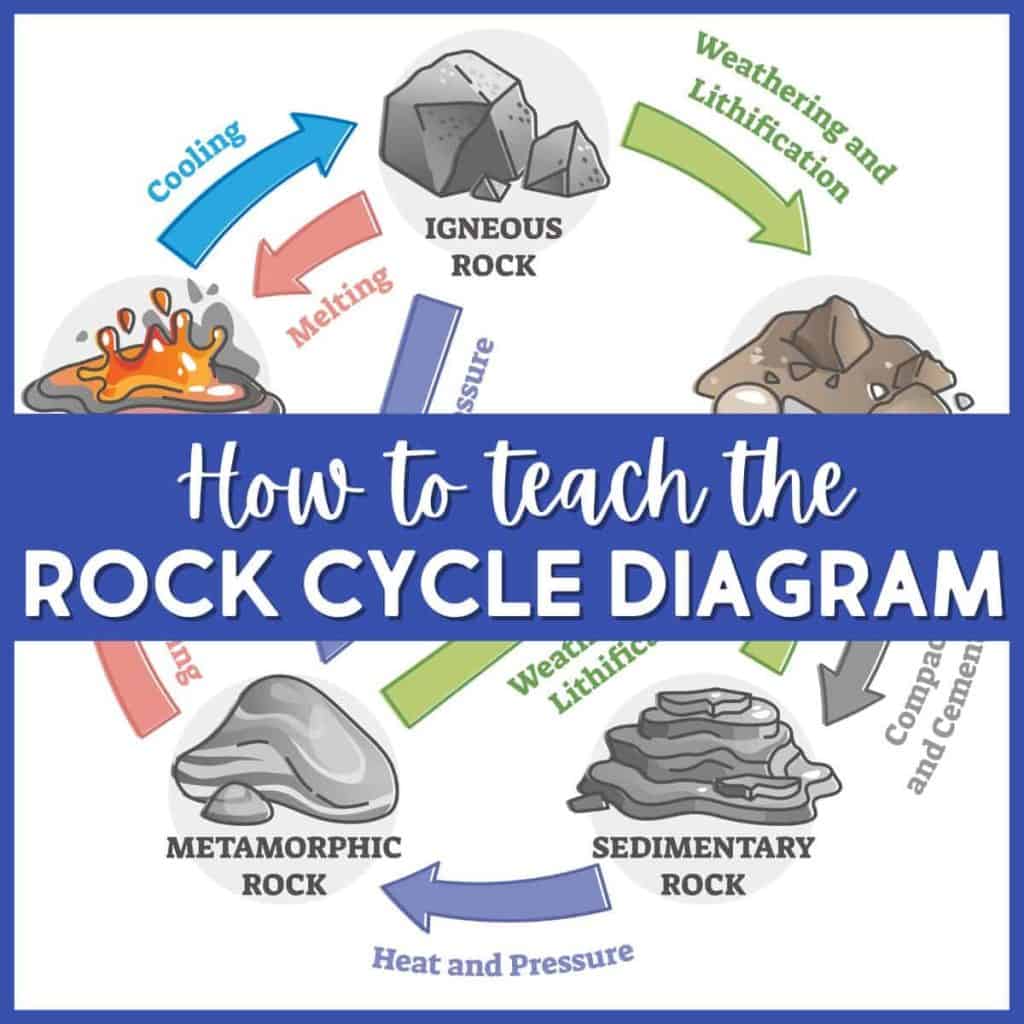
The key move in this standard is treating fossils as data, not decoration. Each rock layer tells part of the story of what lived and what the conditions were like when that sediment was deposited. The rock cycle is the essential companion here — understanding why fossils are found in sedimentary layers but not in igneous or metamorphic rock is foundational to making sense of the fossil record. This is where the Rock Cycle Diagram belongs in the progression: not as an isolated topic, but as the mechanism that explains the evidence 4th graders are analyzing.

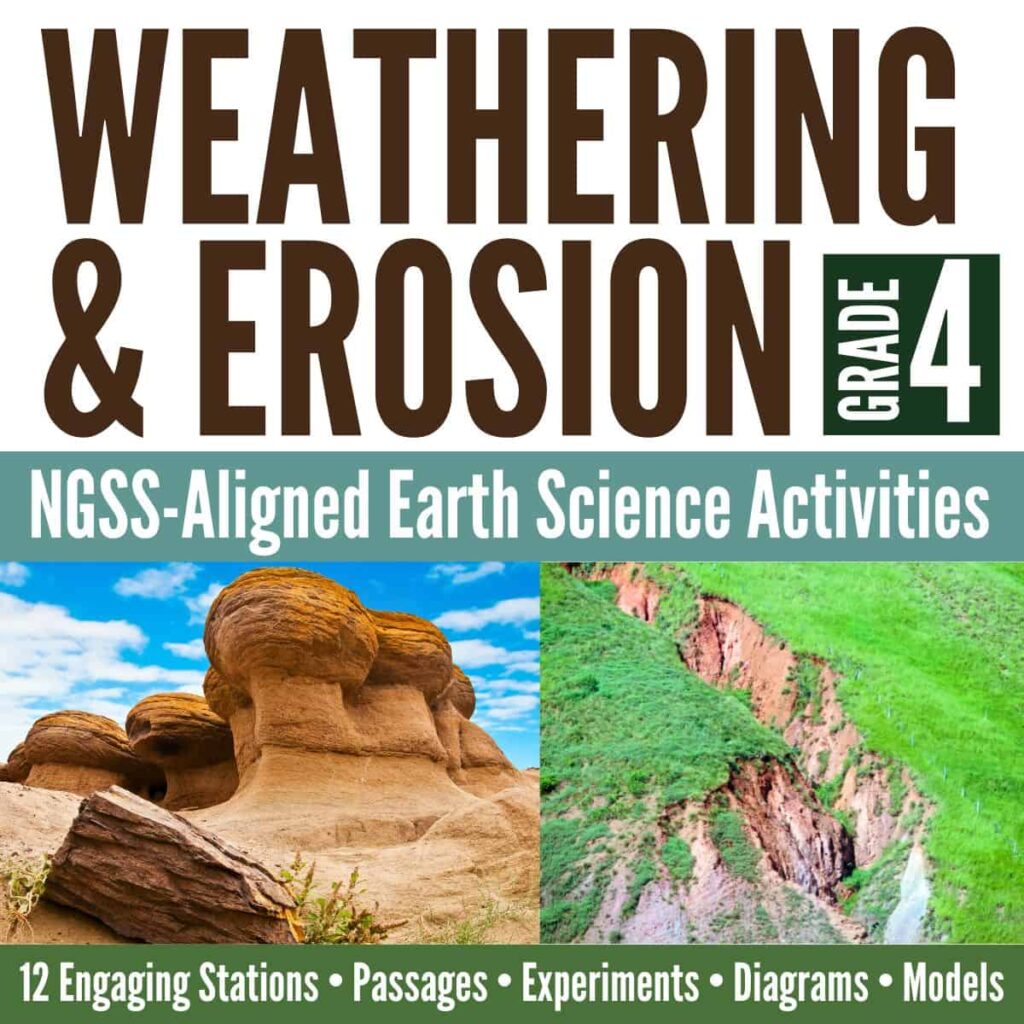
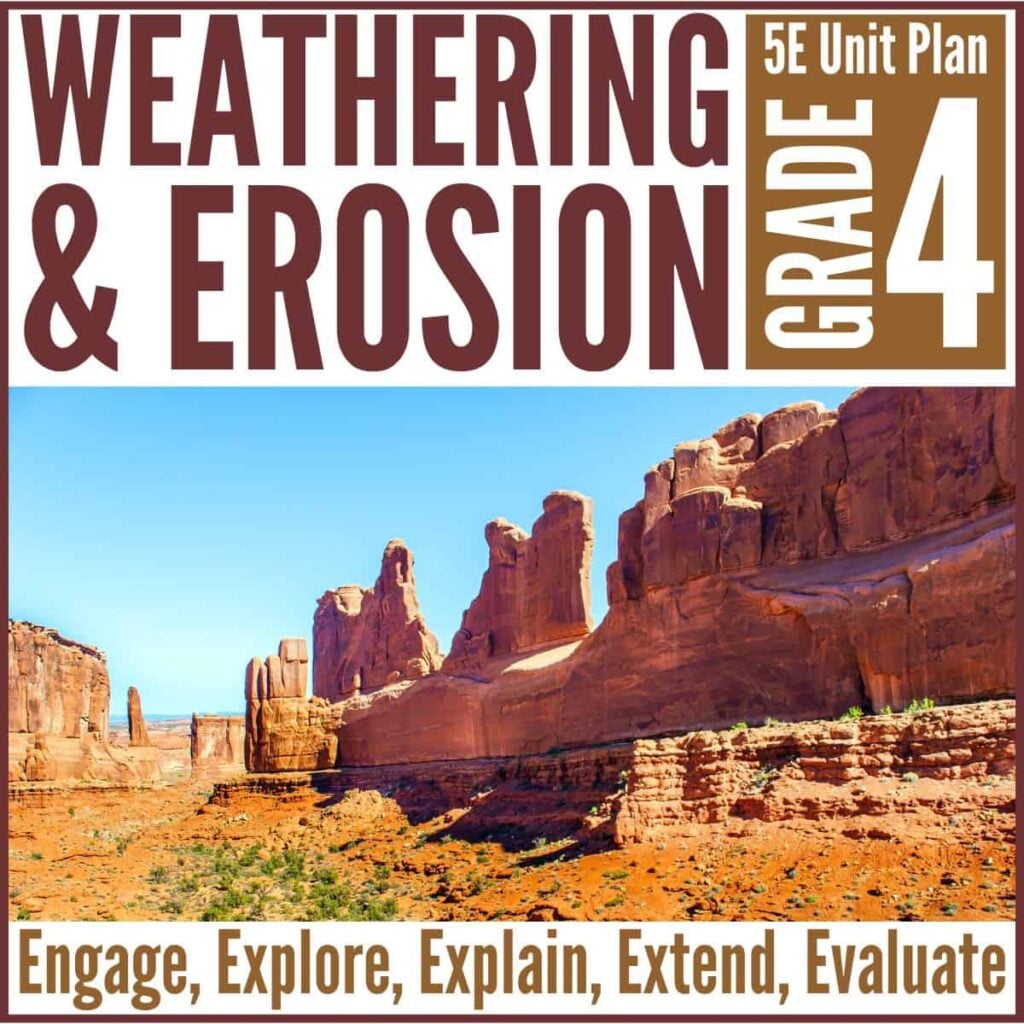
Weathering and Erosion — 4-ESS2-1
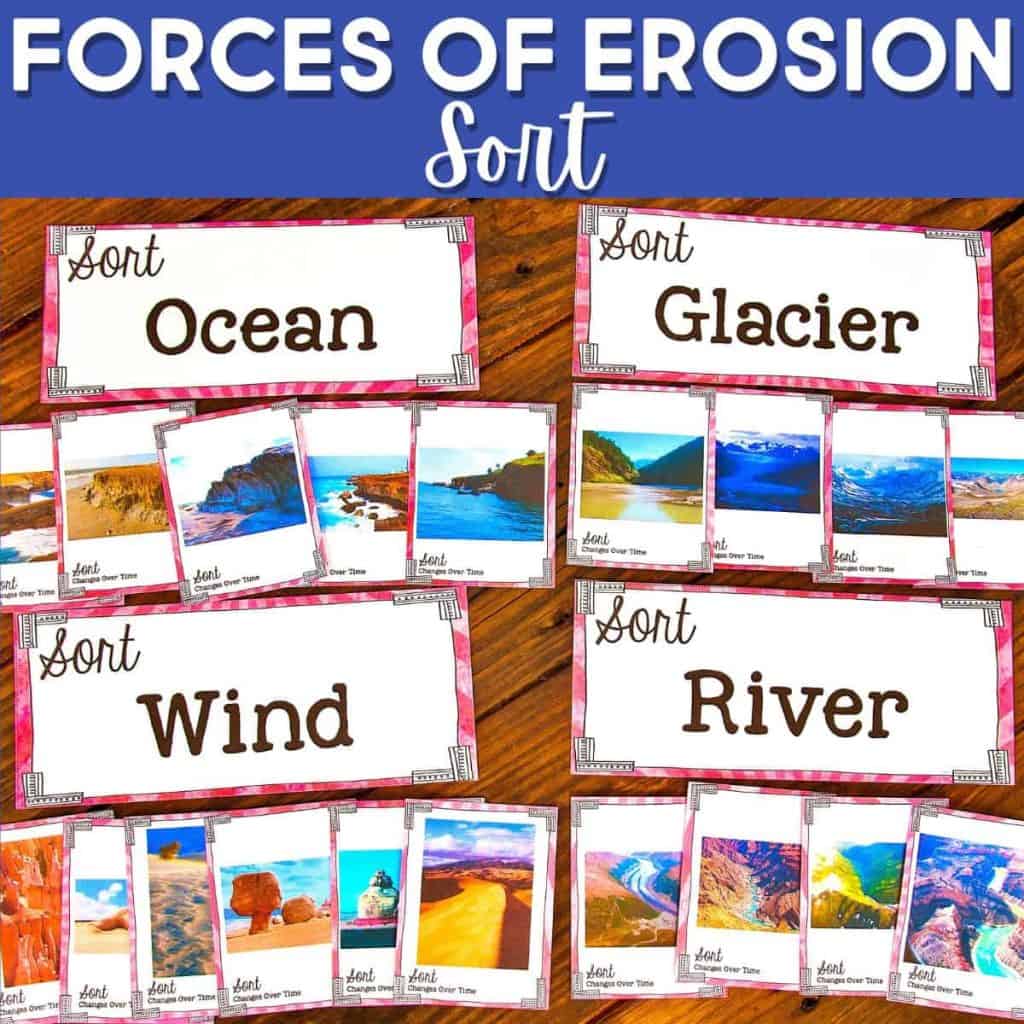
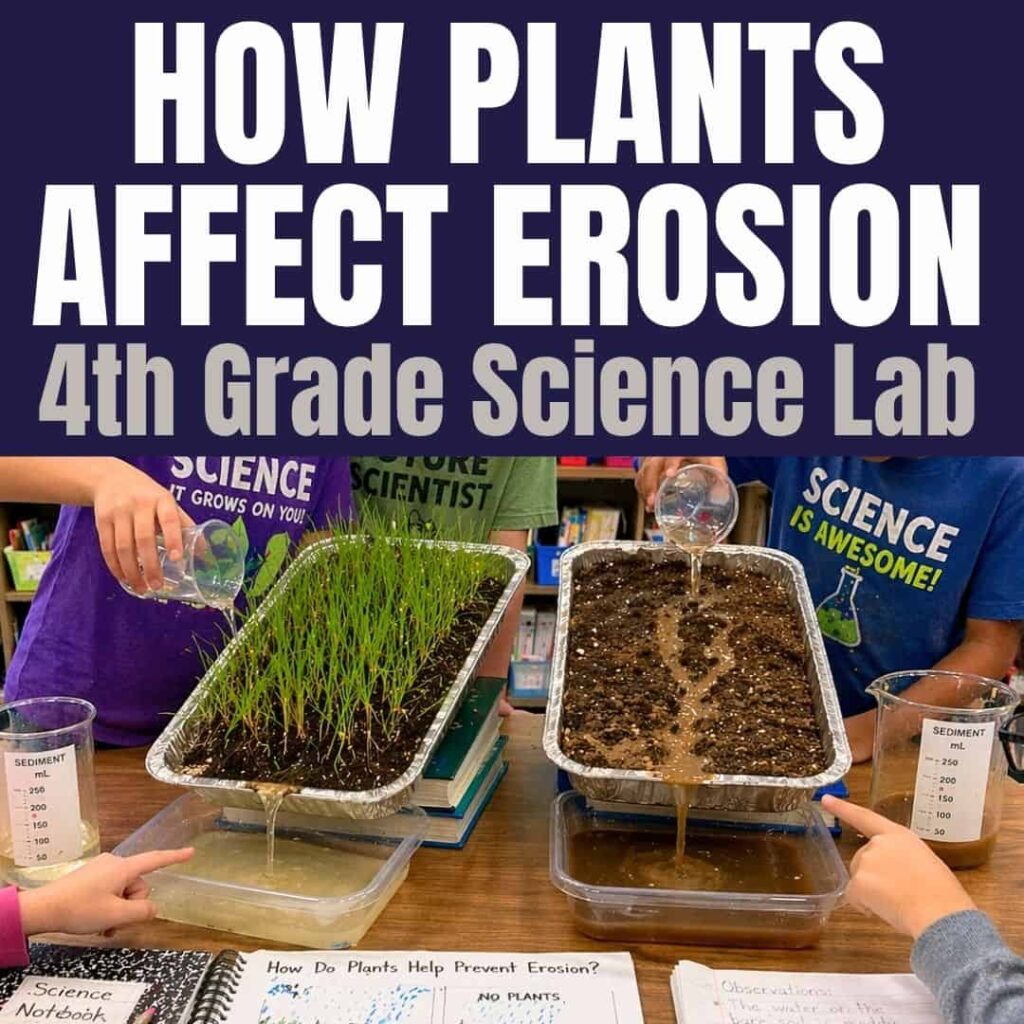
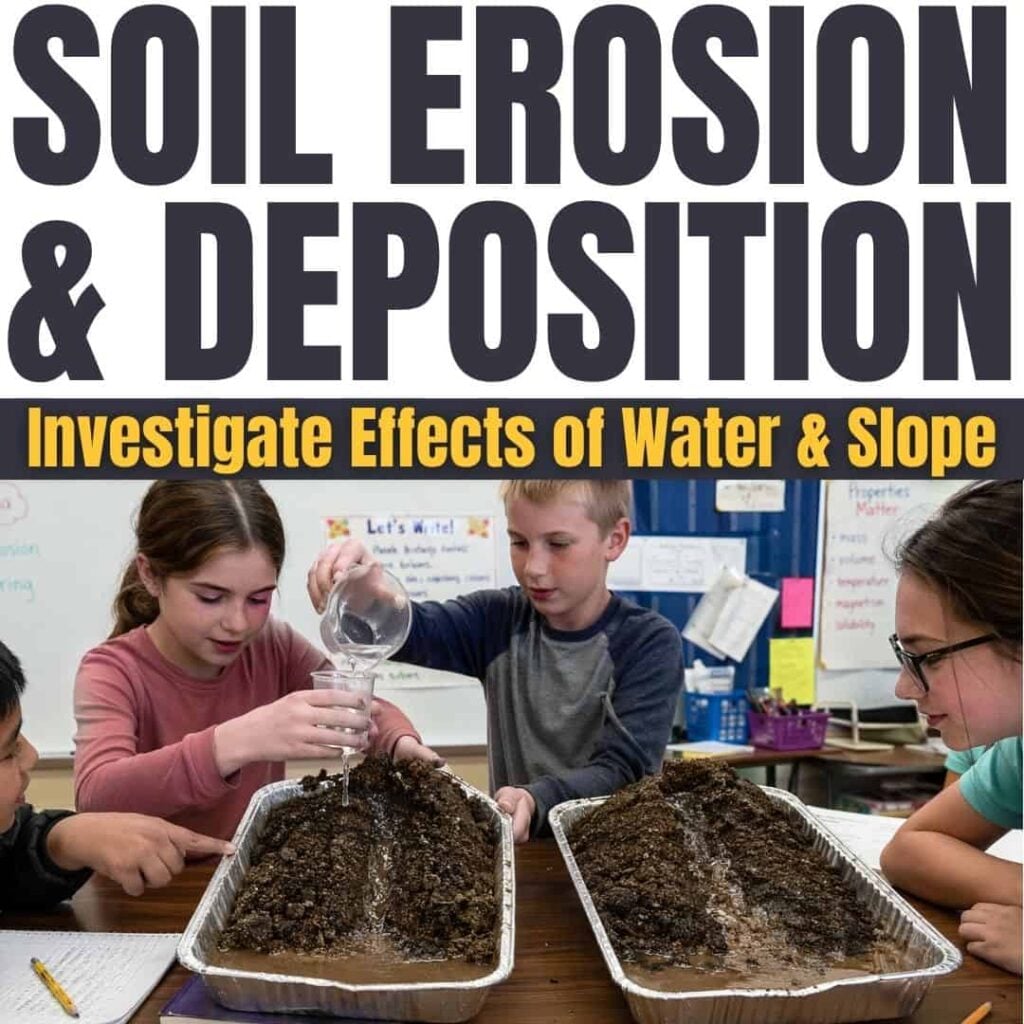
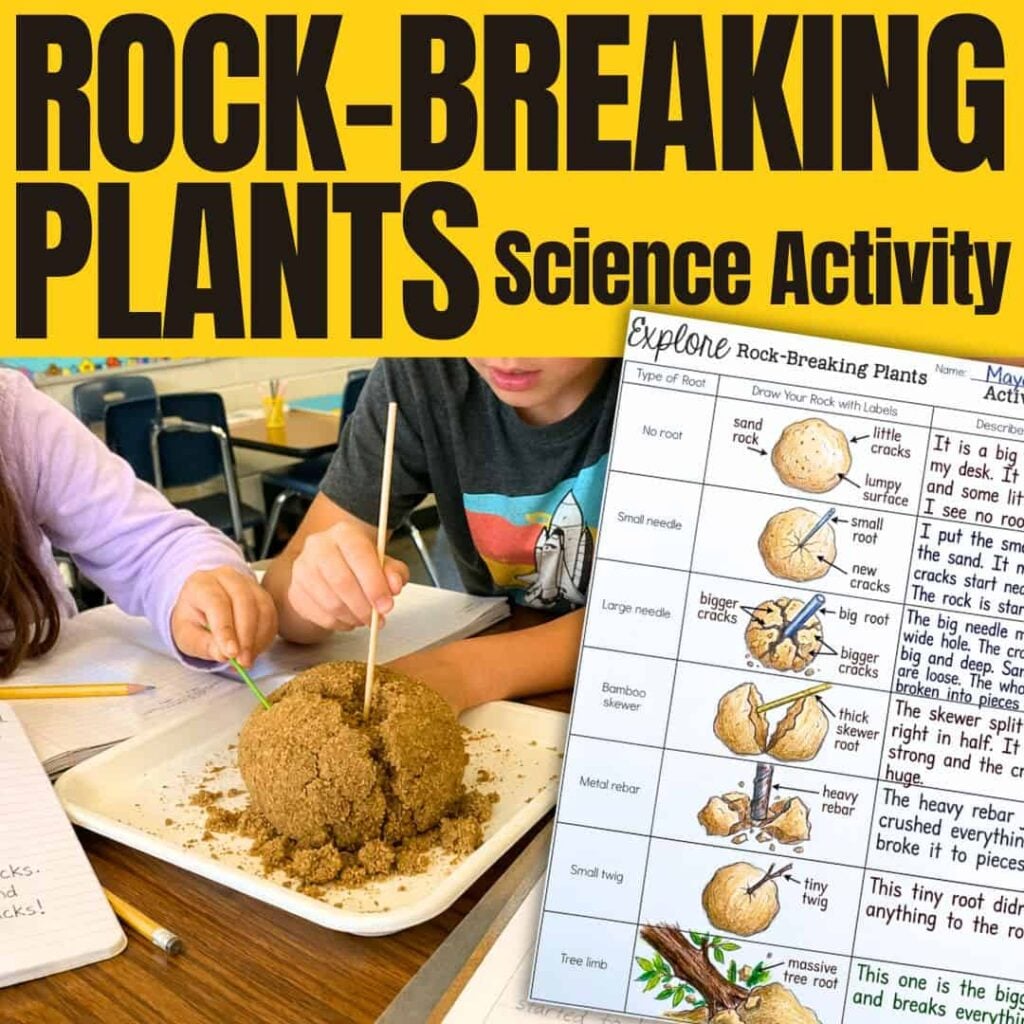
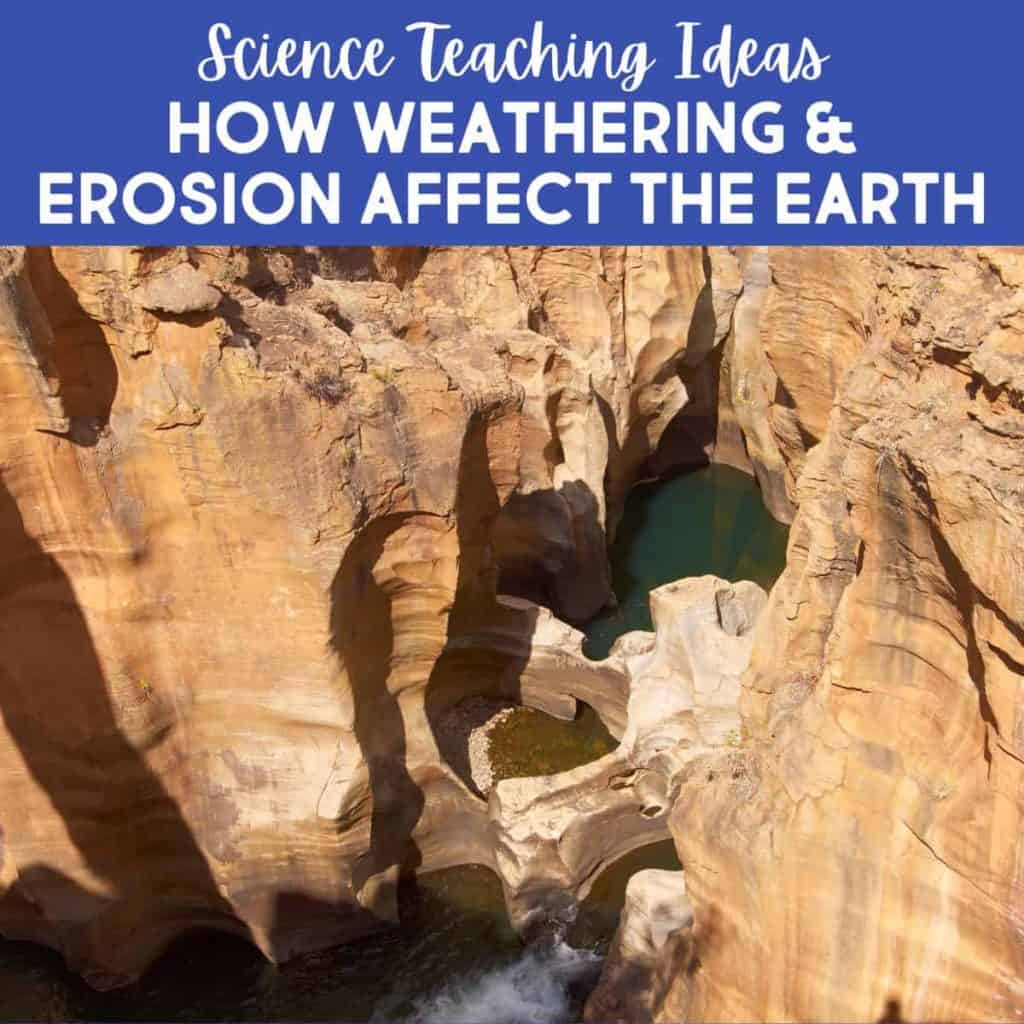
This standard raises the rigor from 2nd grade: students aren’t just watching erosion happen; they’re making observations and measurements to provide evidence of weathering rates. The shift from observation to measurement is important — students are now gathering data they can use to make and support claims, which is the core scientific practice the standard is building.

Patterns in Earth’s Features — 4-ESS2-2
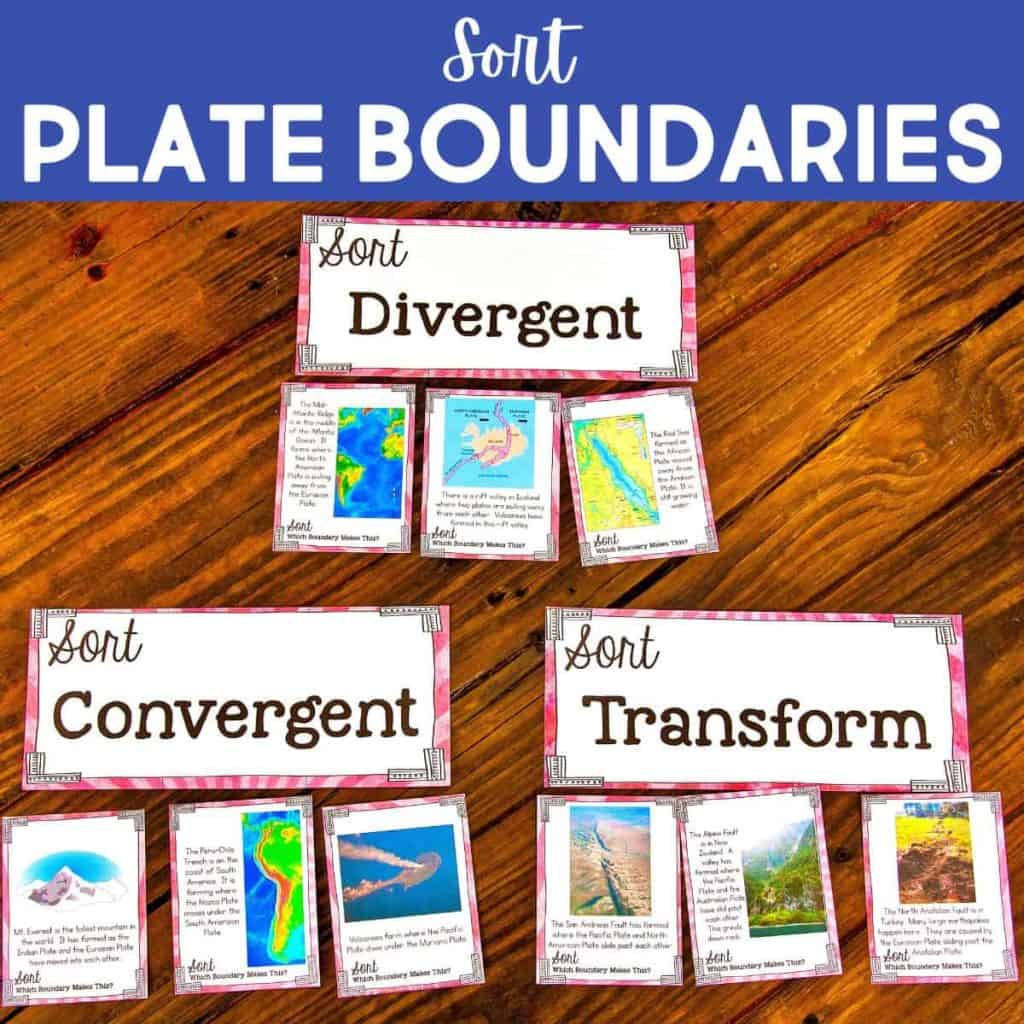
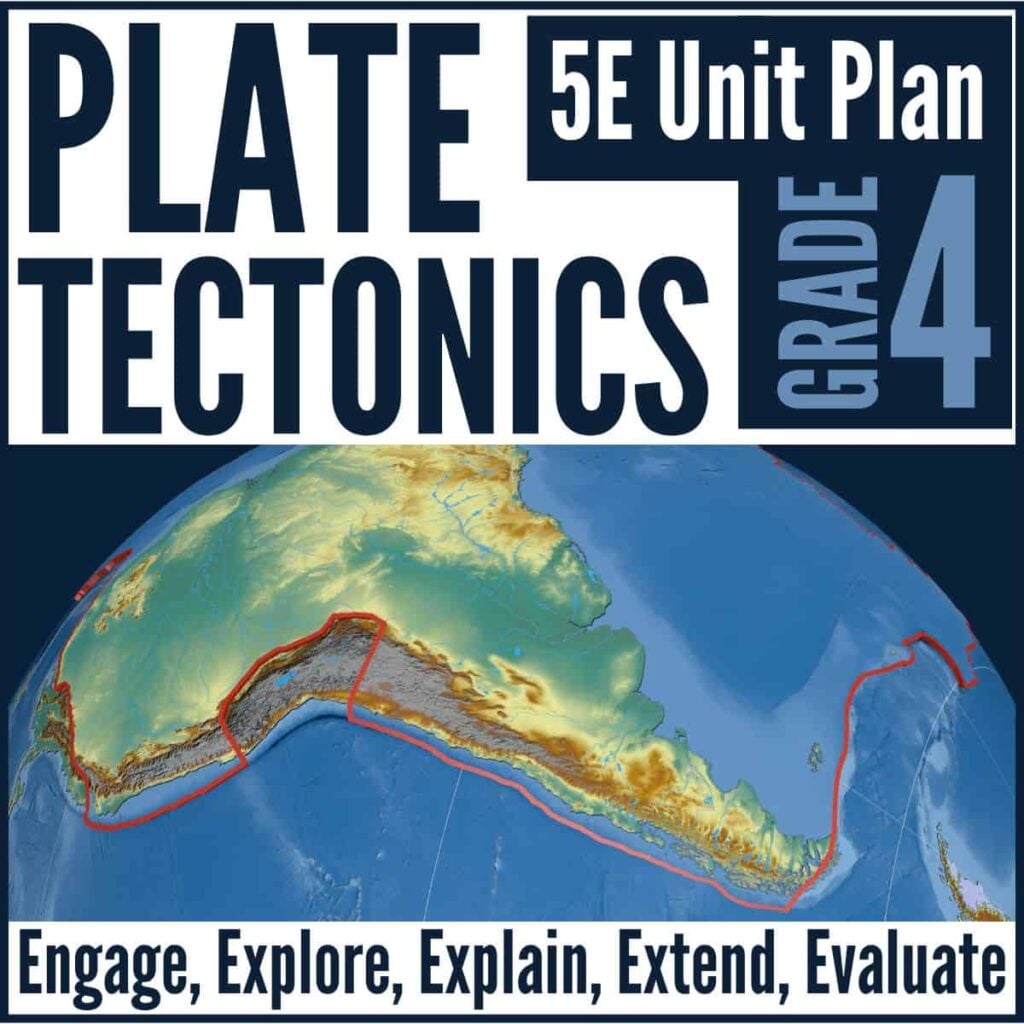
Mountain ranges, ocean trenches, earthquake zones, and volcanoes are not randomly distributed across Earth’s surface — they cluster along plate boundaries. Once students see that pattern on a map, plate tectonics moves from an abstract theory to an explanation that actually fits the evidence. Volcanoes are the most compelling entry point because the distribution pattern is dramatic and the connection to plate boundaries is immediately visible.

Natural Resources and Energy — 4-ESS3-1
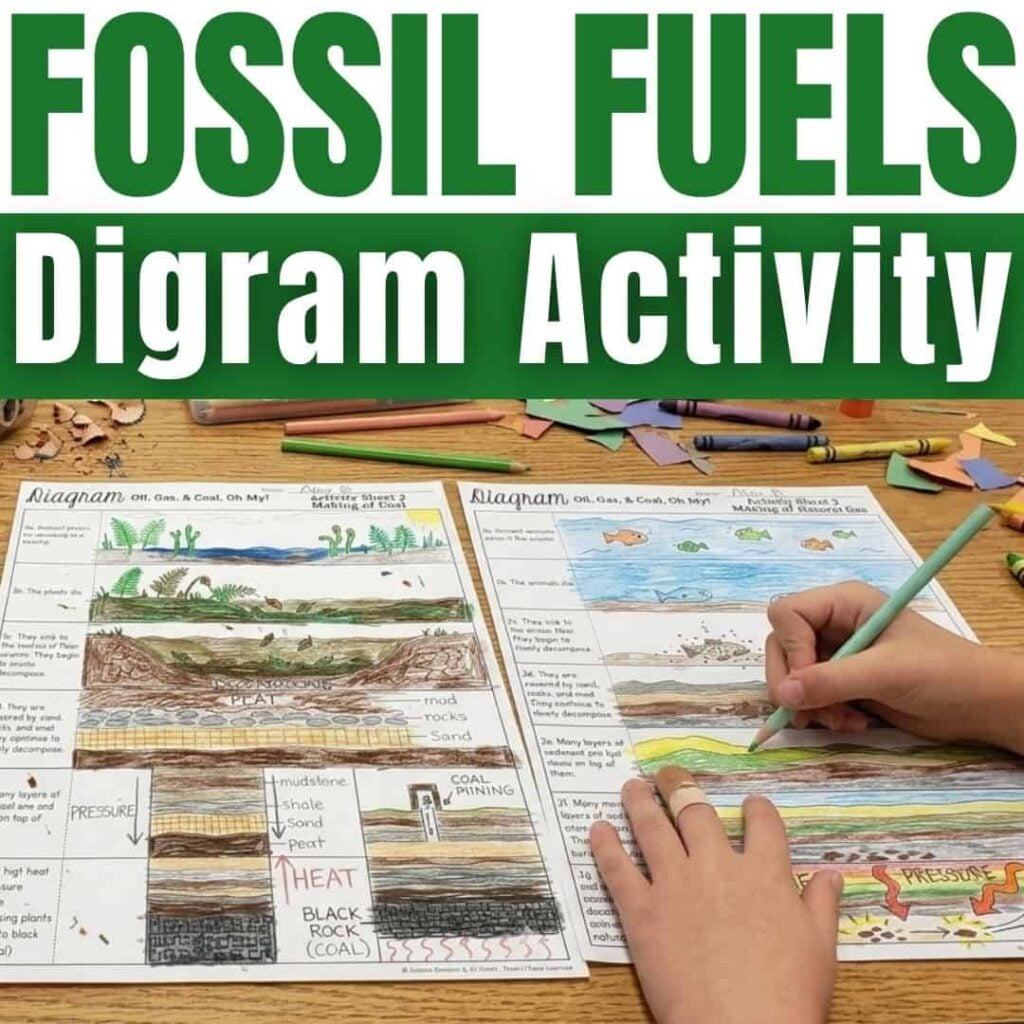
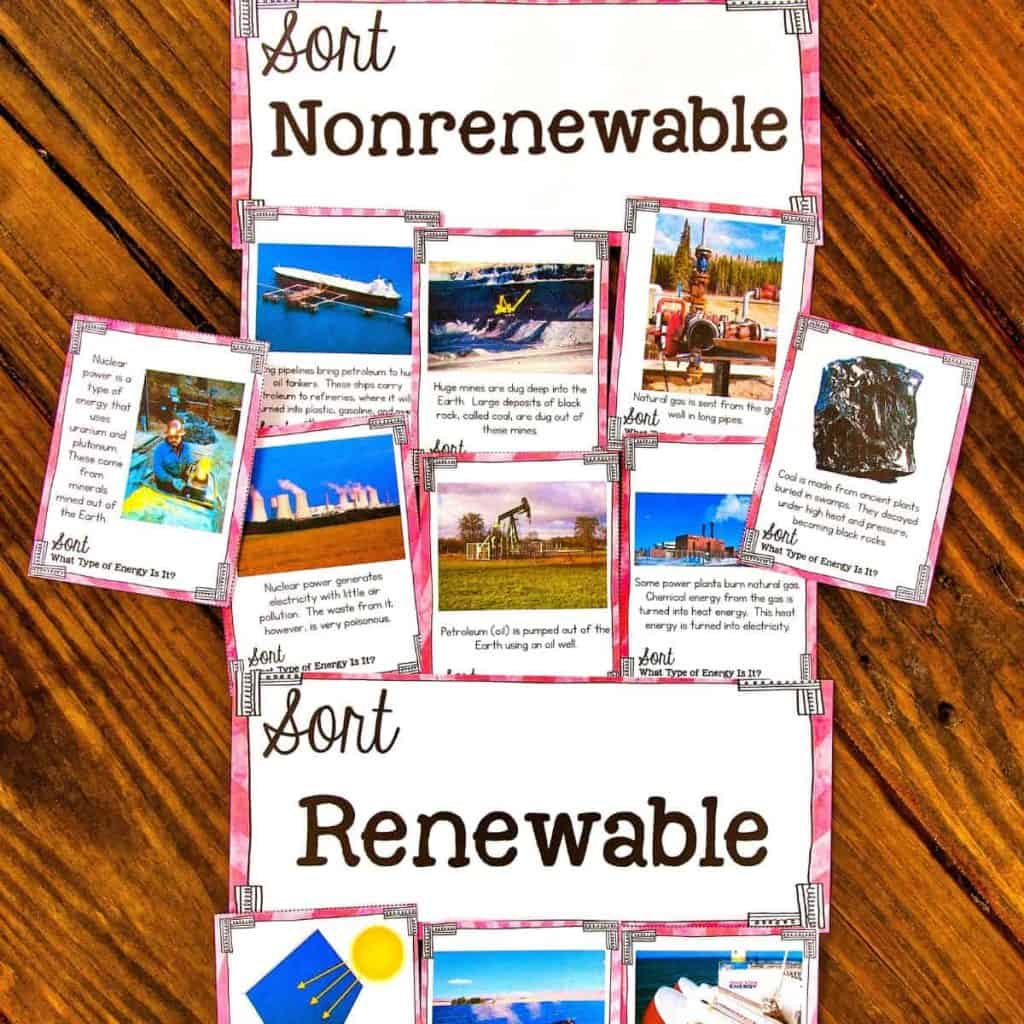
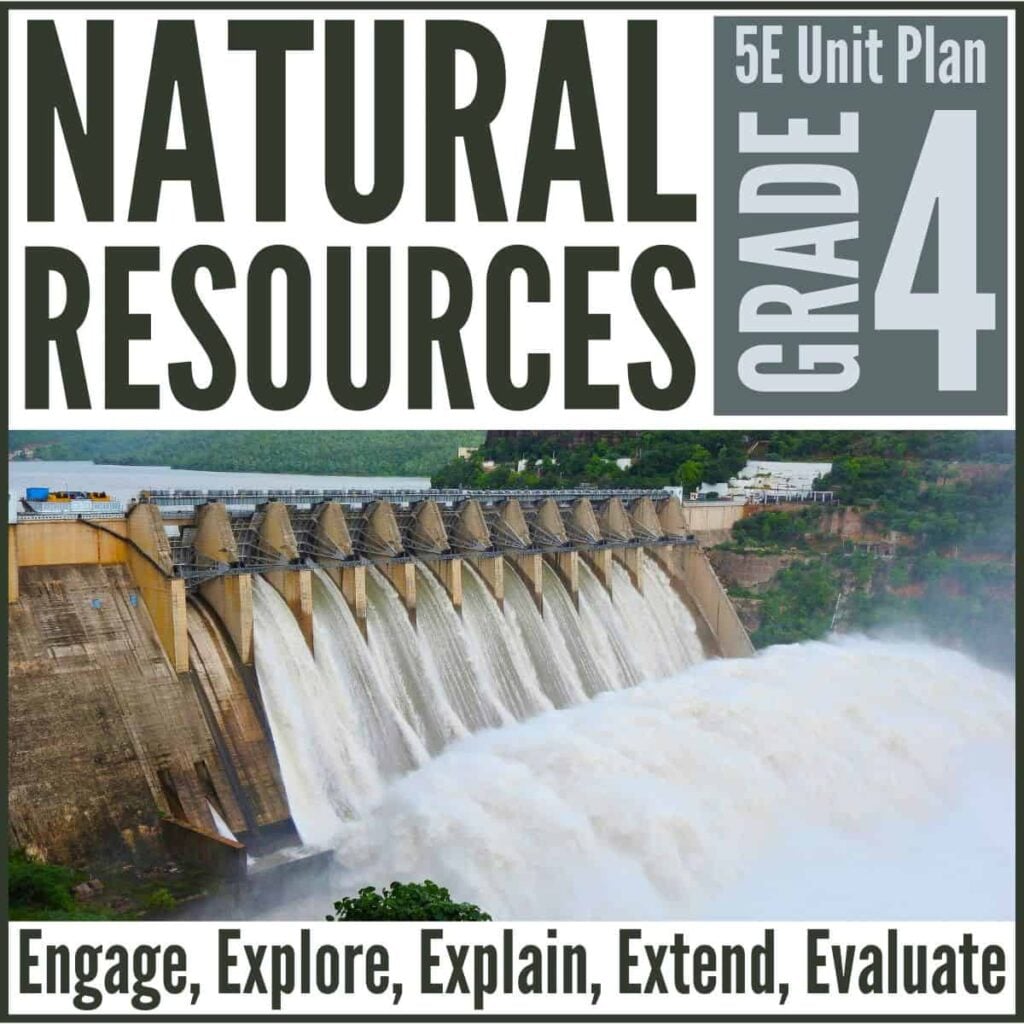
Energy and fuels come from natural resources, and using them changes the environment. Some resources renew over time; others don’t. This is where earth science and environmental literacy genuinely intersect, and students tend to invest once they understand that the trade-offs are real. The distinction between renewable and nonrenewable resources is the conceptual hinge on which the standard turns.
Reducing the Impact of Natural Hazards — 4-ESS3-2
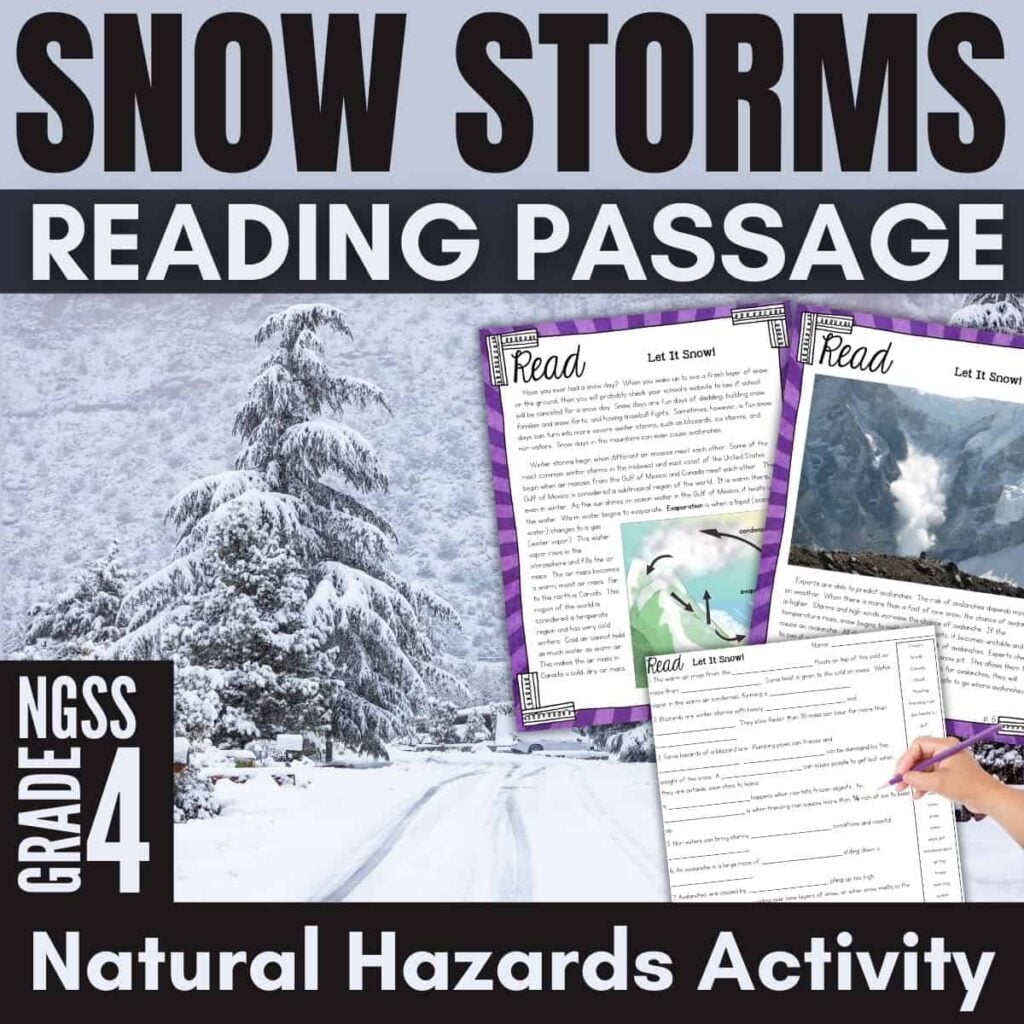
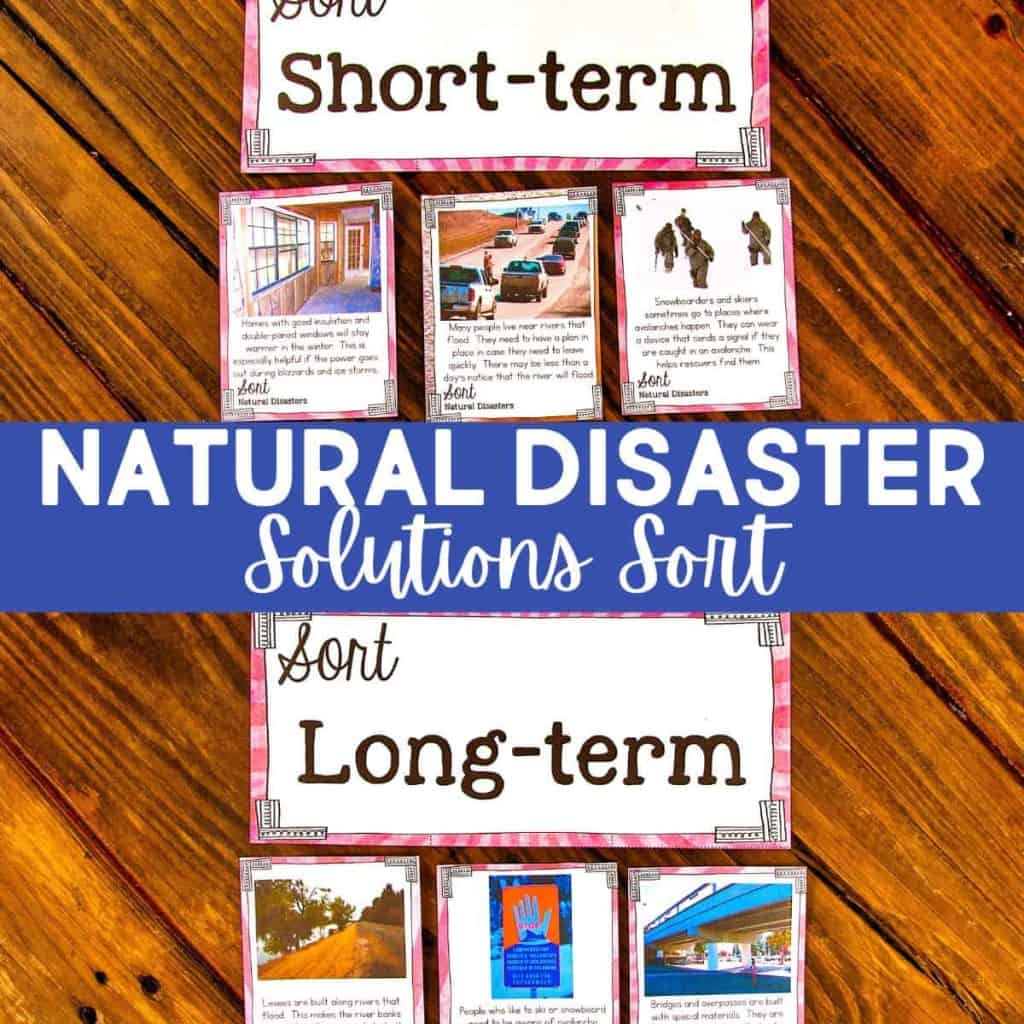
This standard asks students to generate and compare multiple solutions to reduce the impacts of natural Earth processes — earthquakes, volcanic eruptions, floods, tsunamis. The emphasis is on comparison: students evaluate solutions against each other, weighing effectiveness, cost, and feasibility. It connects directly to 3-ESS3-1 but raises the stakes from weather hazards to the full range of geologic events.

5th Grade Earth Science: Earth’s Spheres, Space & Human Impact
Fifth grade is where the full picture comes together. Students who have been studying rocks, weather, erosion, and landforms since 2nd grade are now ready to see Earth as a system of interacting spheres — and to place that system in the context of space.
The standards move from Earth’s position in the solar system (5-ESS1-1, 5-ESS1-2) to how Earth’s spheres interact (5-ESS2-1, 5-ESS2-2) to how human communities protect the resources those systems provide (5-ESS3-1). It’s a natural capstone for elementary earth science.
Stars and Their Distances from Earth — 5-ESS1-1
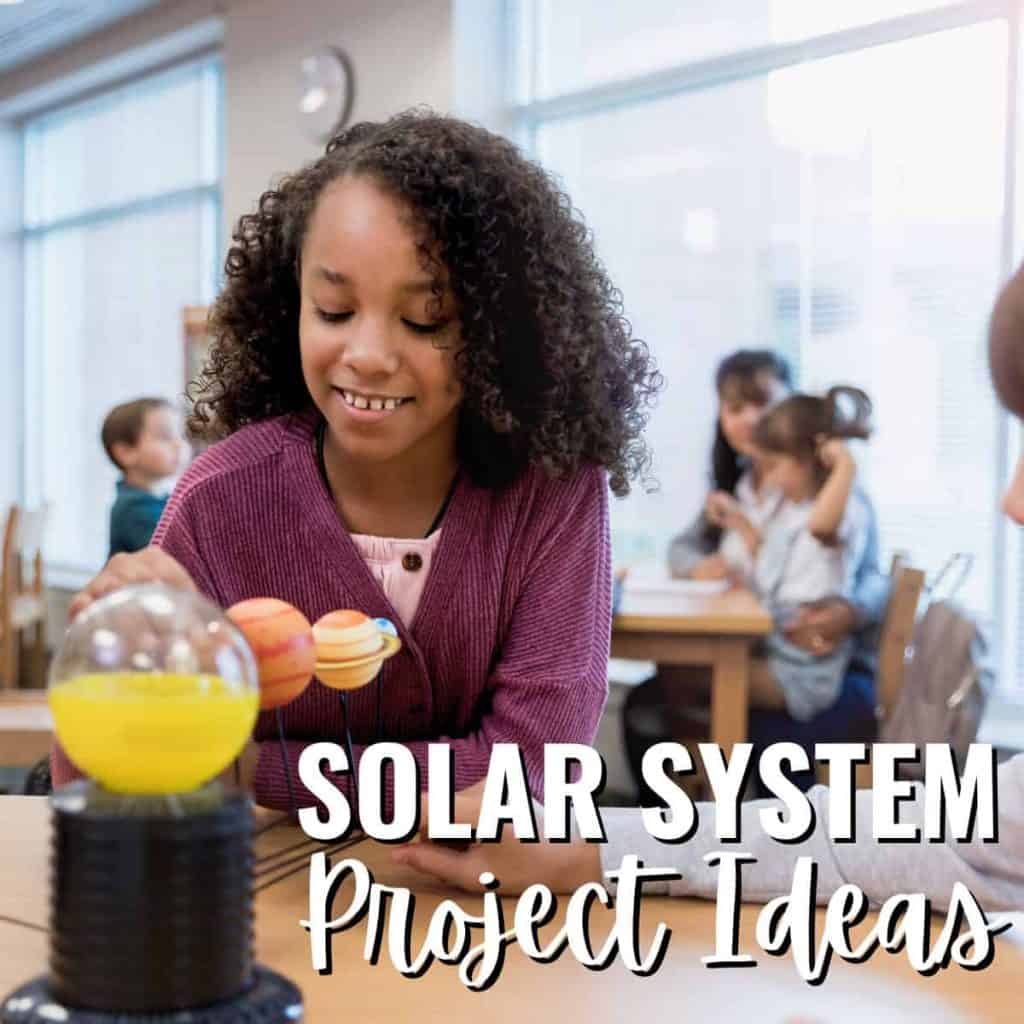
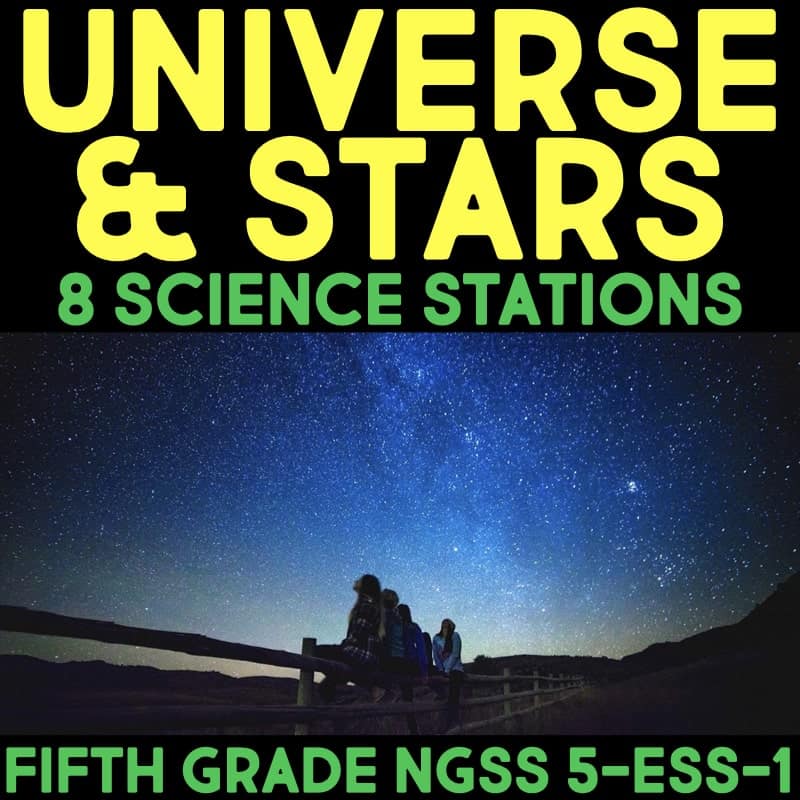
The sun looks bright not because it is the most powerful star, but because it is by far the closest. That idea — that apparent brightness reflects distance, not absolute magnitude — is genuinely mind-shifting for students who have never thought of the sun as just another star. It opens up rich discussions about scale and how scientists draw conclusions about things they can never directly visit or measure.
Day and Night, Shadows, and Seasons — 5-ESS1-2
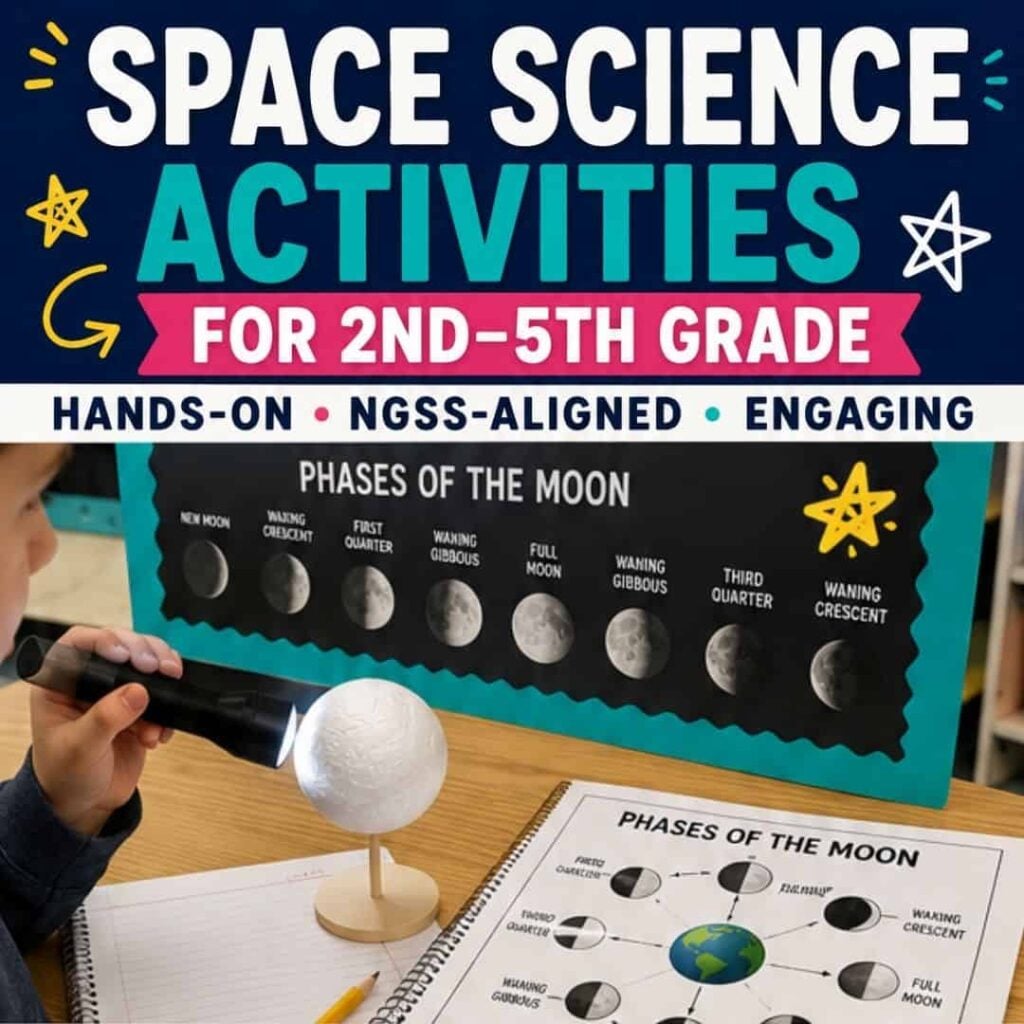
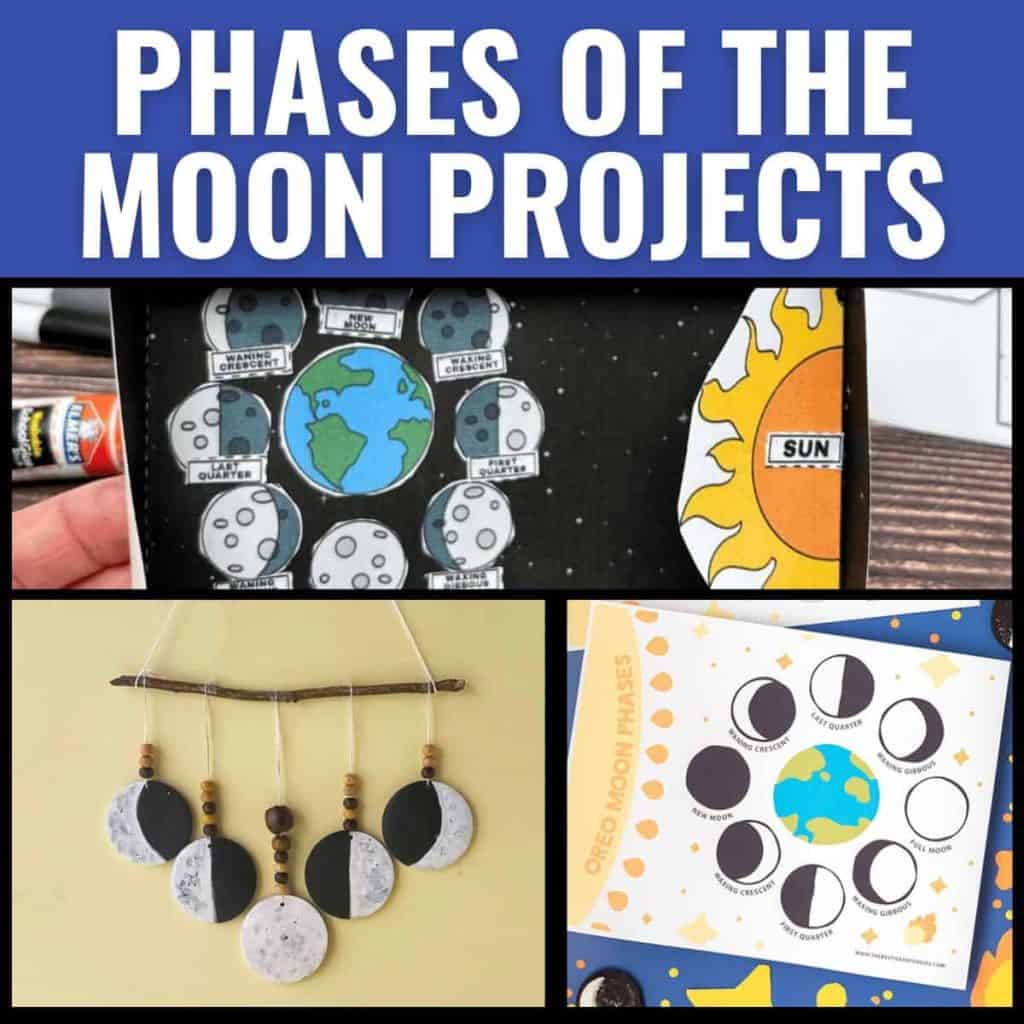
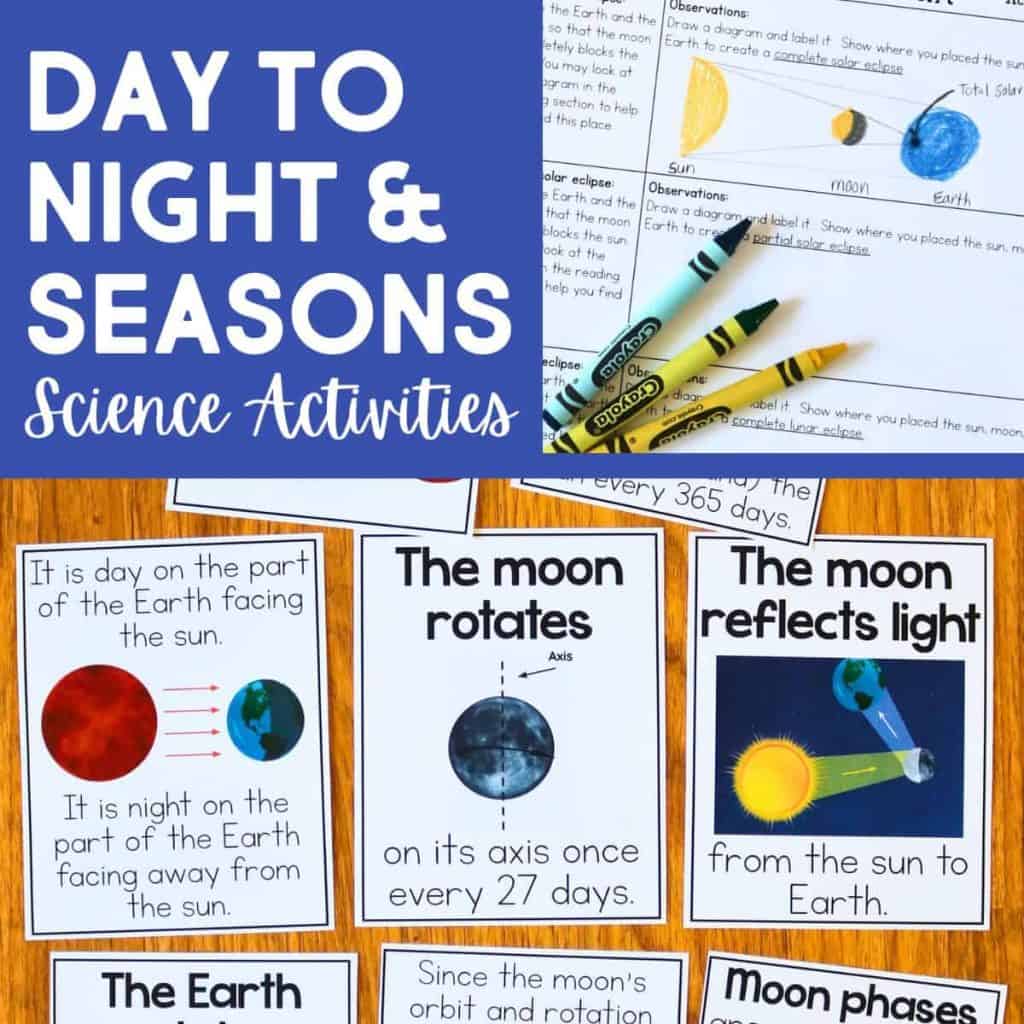
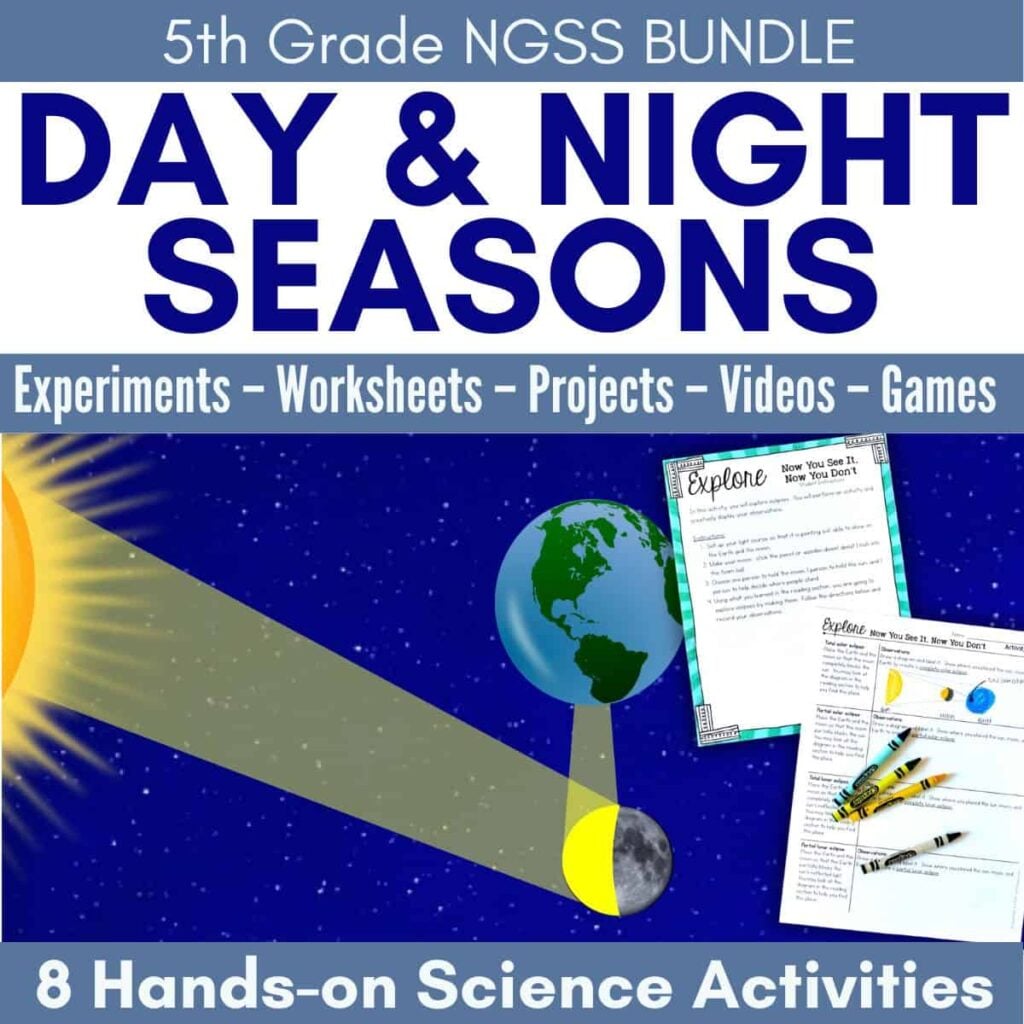
Students often arrive in 5th grade still believing the sun “goes away” at night. Helping them understand that it’s actually Earth turning — and that the same rotation and revolution explain shadow patterns, day length, and the seasonal appearance of constellations — is one of the most satisfying conceptual shifts in elementary science. The standard asks students to represent these patterns in data displays, not just describe them.
How Earth’s Spheres Interact — 5-ESS2-1
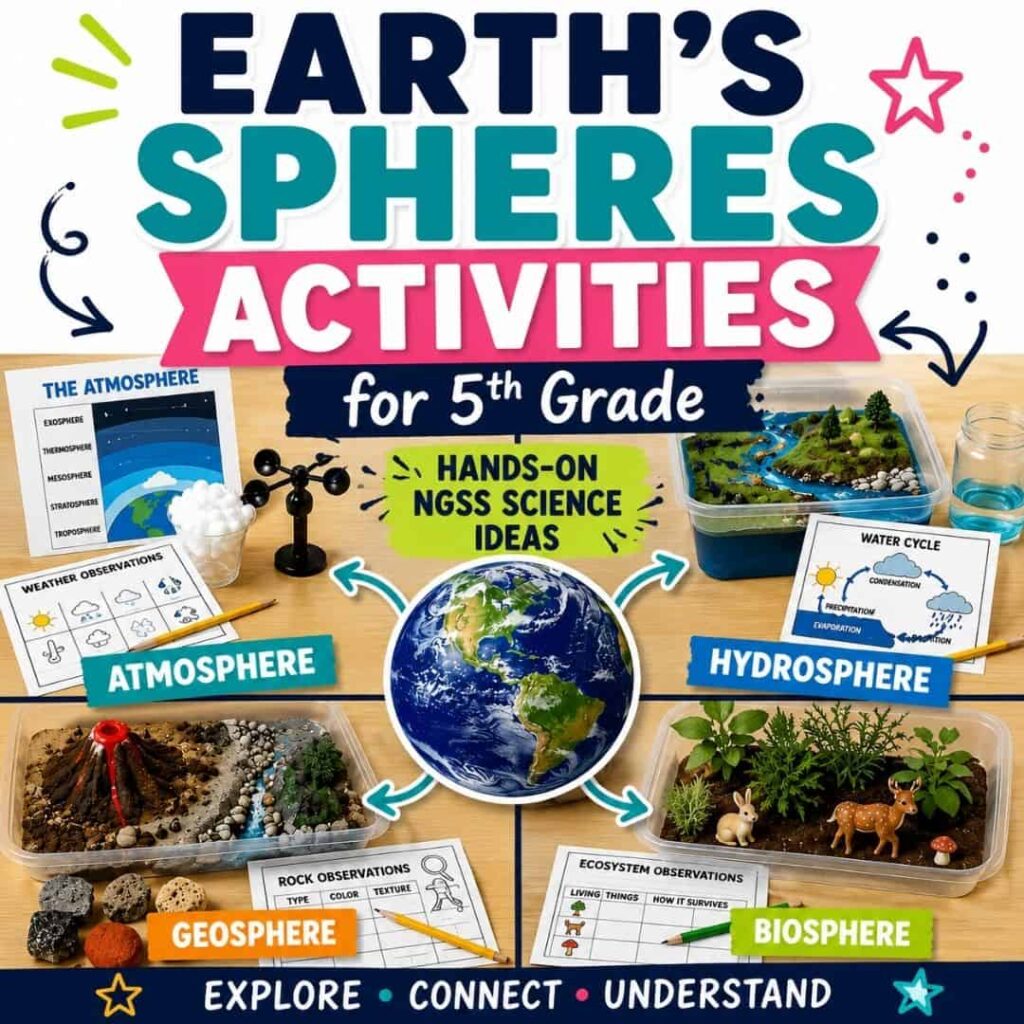
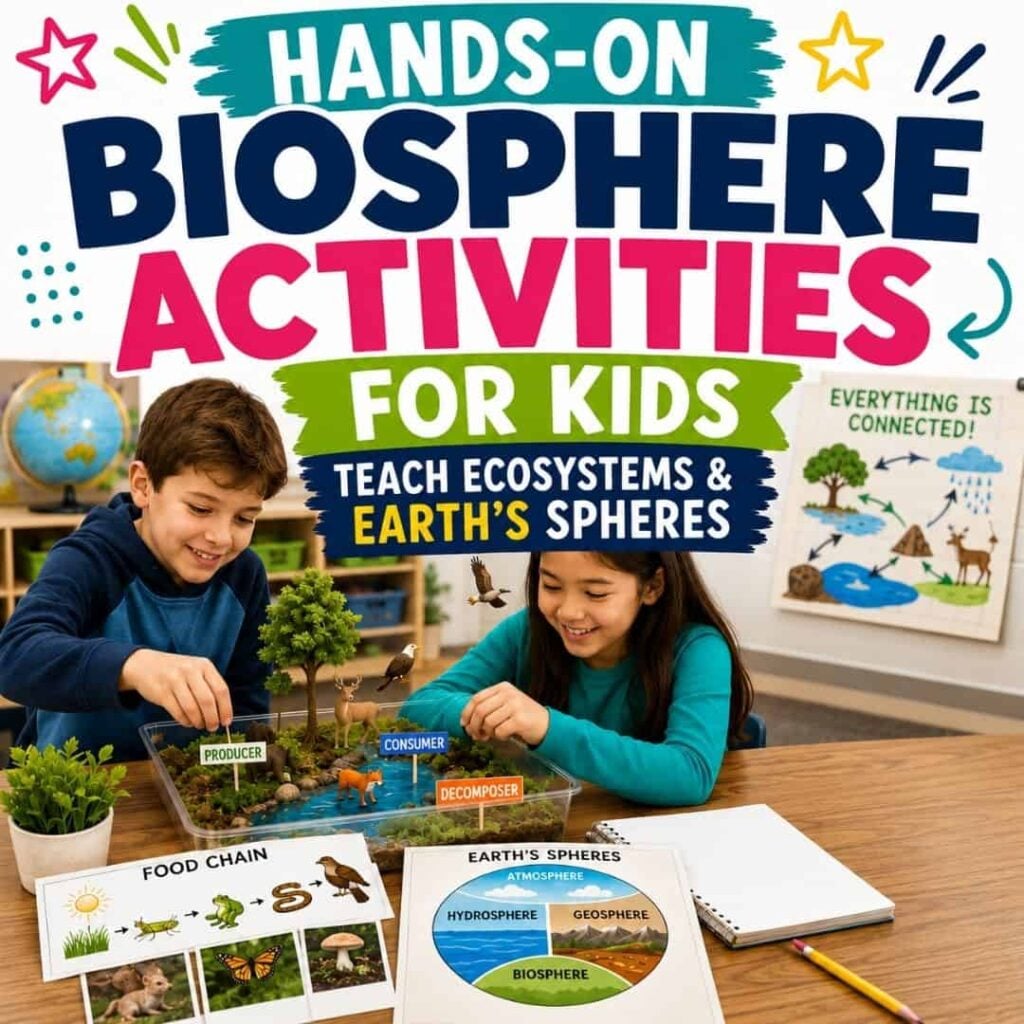
The geosphere, hydrosphere, atmosphere, and biosphere don’t operate independently — changes in one ripple through the others. Teaching this well means giving students concrete examples of those interactions rather than a list to memorize. Erosion is the geosphere and hydrosphere working together. Soil connects the geosphere to the biosphere. Rain patterns connect the atmosphere to landforms. The interactions are everywhere once students know to look for them.



Water Distribution on Earth — 5-ESS2-2
Over 96% of Earth’s water is saltwater in the ocean. The freshwater that humans and most living things depend on is a tiny fraction of the total — and most of that is locked in glaciers. Graphing those proportions tends to genuinely shift how students think about water use and conservation. This standard connects directly back to the types-of-water work in 2-ESS2-3, now with real data and a much bigger picture.

How Communities Protect Earth’s Resources — 5-ESS3-1
This is the capstone standard for elementary earth science. Students have spent four years studying how Earth’s systems work; now they examine what communities actually do to protect them. Water conservation, land use decisions, renewable energy adoption, and environmental stewardship — these are all science ideas in action. It’s a natural place to connect earth science to current events and to student agency.
Earth Science Topics That Span Multiple Grades
Some earth science topics show up across multiple grade levels, building in depth and complexity each time students encounter them. These resources are worth bookmarking regardless of which grade you teach.
The rock cycle appears in 2nd grade as part of Earth’s materials, in 4th grade as the mechanism behind fossil formation in sedimentary layers (4-ESS1-1), and in 5th grade as a process within the geosphere that interacts with other spheres. The Rock Cycle Diagram Explained is the clearest reference resource across all three grades.
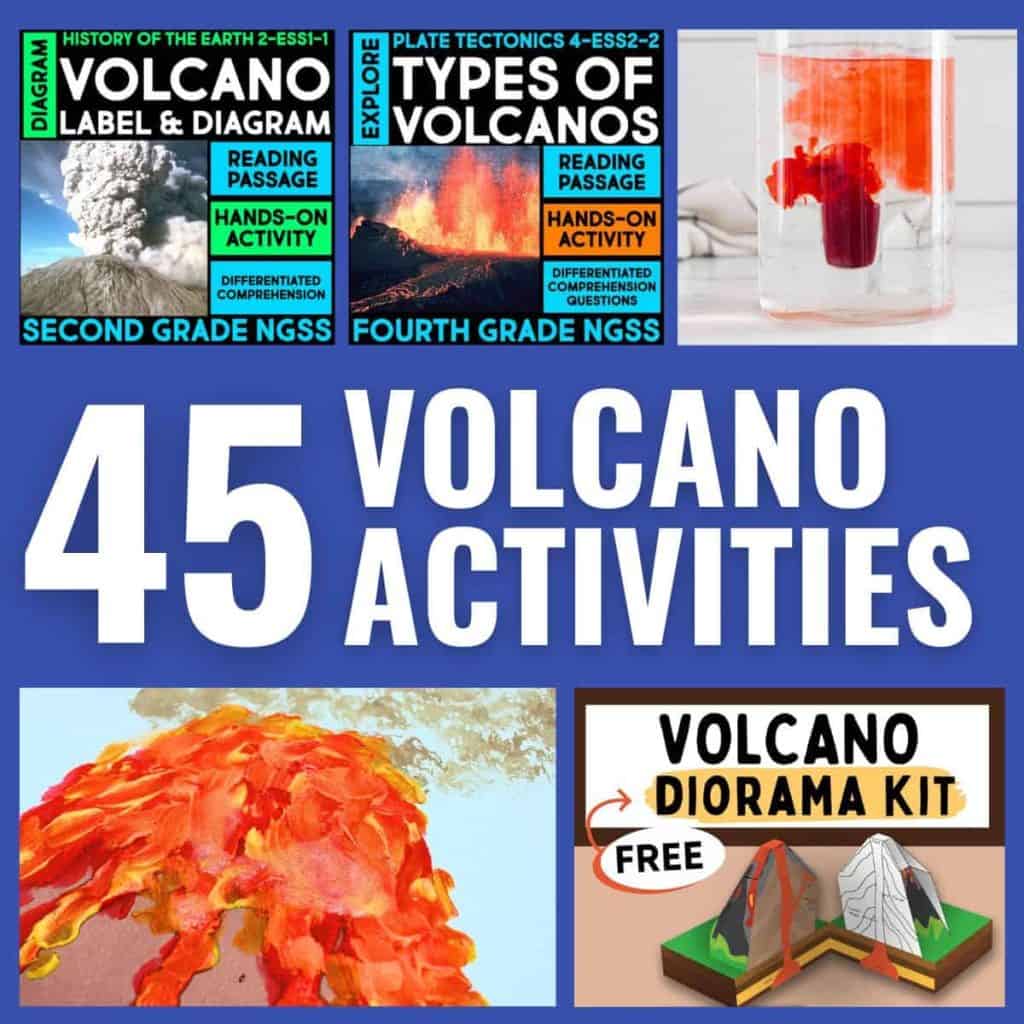
Volcanoes appear in 2nd-grade discussions of how Earth changes quickly (2-ESS1-1), in 4th-grade as evidence of plate tectonics and map patterns (4-ESS2-2), and informally across many grades as the most dramatic example of Earth’s internal energy at work. The 45 Volcano Activities post is organized by complexity so you can find the right fit for your grade level.
Erosion starts in 2nd grade with observing and comparing solutions (2-ESS2-1), returns in 4th grade with measurement and evidence-gathering (4-ESS2-1), and appears again in 5th grade as an example of geosphere-hydrosphere interaction (5-ESS2-1). Students who made that connection in 2nd grade have a real advantage in 4th.
Natural hazards show up in 3rd grade as weather-related events where students evaluate design solutions (3-ESS3-1) and again in 4th grade as geologic events requiring engineering responses (4-ESS3-2). The progression moves from weather hazards to the full range of Earth processes.
If you’re working to understand how the Earth science standards build across grade levels, these two posts are the most useful starting points:
- How to Read the 2nd Grade Next Generation Science Standards — the best first stop for teachers new to the NGSS
- Unpacking the 4th Grade Next Generation Science Standards — a detailed guide to the 4th-grade performance expectations, including the earth science standards
Bringing It All Together
Earth science is one of the most rewarding content areas to teach because the subject matter is literally under students’ feet and over their heads every single day. The goal across 2nd through 5th grade is to help students see those daily observations — a rock on the sidewalk, a storm rolling in, the sun setting earlier in winter — as evidence of the planet’s systems working in patterns they can study, describe, and ultimately understand.
This guide will continue to grow as new posts and resources are added. If you’re looking for a specific topic and don’t see it here, check the Earth Science category page for the full list of posts, or use the search bar to find what you need.
Jessica BOschen
Jessica is a teacher, homeschool parent, and entrepreneur. She shares her passion for teaching and education on What I Have Learned. Jessica has 16 years of experience teaching elementary school and currently homeschools her two middle and high school boys. She enjoys scaffolding learning for students, focusing on helping our most challenging learners achieve success in all academic areas.