
Rock Cycle Diagram for Kids: Labeled, Simple & Easy to Draw

A rock cycle diagram shows how igneous, sedimentary, and metamorphic rocks change over time. In this guide, you’ll find a clear explanation of each step, a labeled rock cycle diagram, and simple ways to teach it to elementary students.
We’ll also take a look at some teaching ideas for elementary students.

What Is a Rock Cycle Diagram?
A rock cycle diagram is a visual model that shows how rocks change between igneous, sedimentary, and metamorphic forms through processes like weathering, heat, and melting. It helps us understand the continuous cycle of rock formation and how different rock types are interrelated. Geologists at the U.S. Geological Survey describe these changes as a process that has shaped Earth for billions of years.
What the Arrows Mean in the Rock Cycle Diagram
The rock cycle diagram uses arrows to show how rocks change from one type to another. Each arrow represents a specific geological process that moves rocks through the cycle. Understanding what each arrow means helps students see how the diagram connects the three major rock types.
Cooling
When magma cools and hardens, it forms igneous rock.
- Slow cooling underground creates rocks with large crystals (like granite).
- Fast cooling above ground creates rocks with small crystals (like basalt).
Melting
When rocks are exposed to extremely high heat, they melt and turn into magma.
Any type of rock — igneous, sedimentary, or metamorphic — can melt if temperatures are high enough.
Weathering and Lithification
This arrow shows how rocks break down and eventually form sedimentary rock.
- Weathering breaks rocks into smaller pieces called sediment.
- Erosion moves those sediments.
- Lithification (compaction and cementation) turns sediment into sedimentary rock.
If you teach fourth grade, my types of weathering sort and forces of erosion sort give students hands-on practice with these exact processes, including plant erosion.
Compaction and Cementation
This process happens after sediments are deposited.
- Compaction presses the sediment together.
- Cementation binds the particles into solid rock.
Together, these processes form sedimentary rock.
Heat and Pressure
When rocks are buried deep within the Earth, they face intense heat and pressure.
This changes their structure and forms metamorphic rock.
Heat and pressure do not melt the rock — they change it while it remains solid.
Why the Arrows Form a Cycle
The arrows form a loop because there is no true beginning or end in the rock cycle.
- Igneous rock can become sedimentary rock.
- Sedimentary rock can become metamorphic rock.
- Metamorphic rock can melt and become igneous rock again.
Rocks continuously change through these processes.
Rock Cycle Steps in Order (Simplified)
The rock cycle does not have a true beginning, but these are the main processes shown in the diagram:
- Weathering
- Erosion
- Deposition
- Compaction
- Cementation
- Heat and Pressure
- Melting
- Cooling
These steps show the most common pathways rocks follow, but rocks can move through the cycle in many different ways.
The Three Main Types of Rocks in the Rock Cycle
The basic rock cycle consists of three main types of rocks: igneous, sedimentary, and metamorphic. Each type forms in a different way and represents a stage in the continuous process shown in the rock cycle diagram.
- Igneous rock forms when molten rock cools and hardens.
- Sedimentary rock forms from compacted and cemented sediments.
- Metamorphic rock forms when existing rocks are changed by heat and pressure.
These three rock types are connected through the processes illustrated in the diagram.
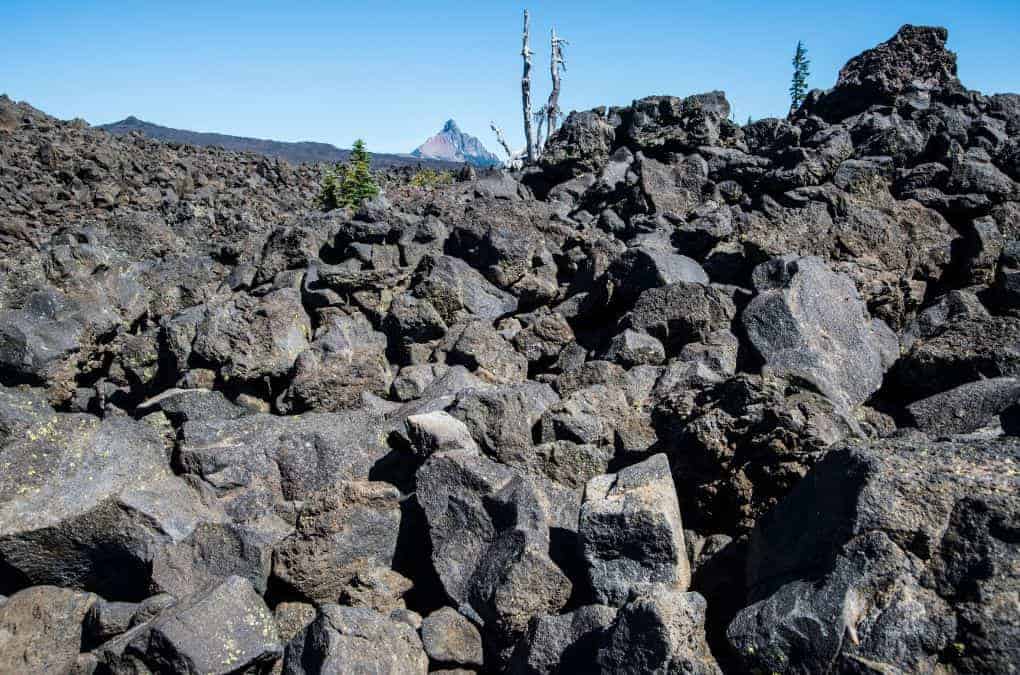
Igneous vs Sedimentary vs Metamorphic Rocks
Although the rock cycle diagram shows how rocks change over time, students often need a clear side-by-side comparison to understand how each rock type is different. Comparing how rocks form, what they look like, and common examples helps solidify the relationships shown in the diagram.
The chart below breaks down the three major rock types so students can quickly see how igneous, sedimentary, and metamorphic rocks are connected within the rock cycle.
| Rock Type | How It Forms | Texture | Example |
|---|---|---|---|
| Igneous | Cooled magma/lava | Fine or coarse | Granite |
| Sedimentary | Compacted sediment | Layered | Sandstone |
| Metamorphic | Heat & pressure | Dense, banded | Marble |
Igneous Rock Formation
Igneous rocks are formed from the cooling of magma or lava. They are formed through a process known as magma crystallization.
What is Magma Crystallization?
Magma is a molten mixture of substances found beneath the Earth’s surface. It constantly undergoes cooling and solidification to form igneous rocks.
The cooling process determines the texture and composition of igneous rocks.
- Rapid cooling results in fine-grained rocks.
- Slow cooling leads to the formation of coarse-grained rocks.
The cooling rate depends on various factors, including the depth of magma intrusion and the presence or absence of surrounding rocks.
Subcategories: Intrusive and Extrusive Rocks
Igneous rocks can be classified as intrusive and extrusive rocks. This classification depends on whether the cooling and solidification occur beneath or above the Earth’s surface.
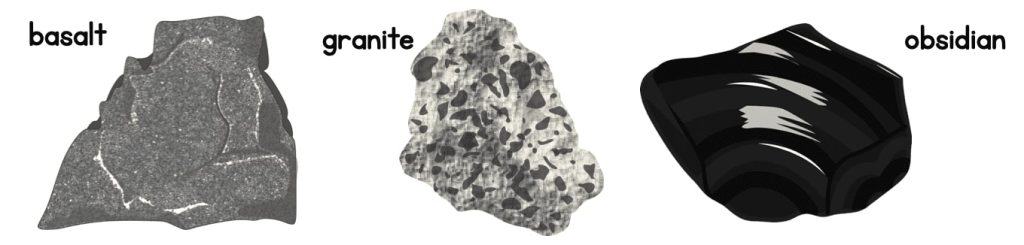
Intrusive or plutonic rocks form when magma cools and solidifies deep within the Earth. The slow cooling process allows the growth of large, visible mineral grains, which turn into coarse-grained rocks such as granite and gabbro.
Extrusive rocks, however, form when magma erupts onto the Earth’s surface and rapidly cools. The quick cooling process restricts the growth of mineral grains, resulting in fine-grained rocks such as basalt and obsidian.
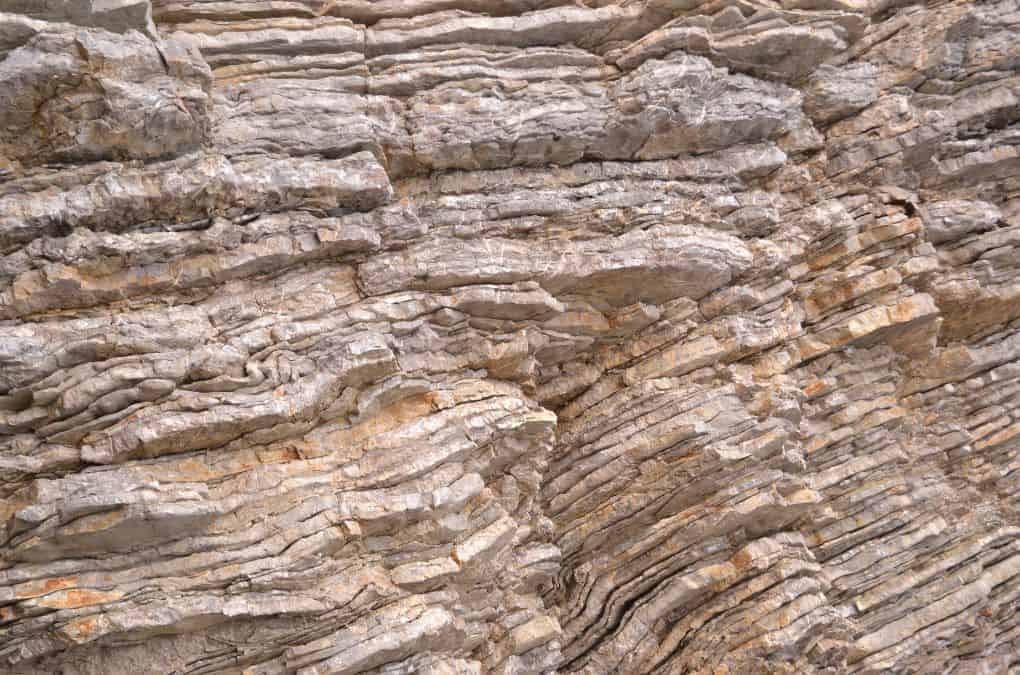
Sedimentary Rock Formation
The formation of sedimentary rocks is another key part of the rock cycle. Sedimentary rocks are formed through a series of processes that involve weathering, erosion, transport, deposition, and lithification.
These processes occur over long periods and result in the accumulation and solidification of sediments that form sedimentary rocks.

Weathering breaks down rocks into smaller particles, such as sand, silt, and clay. Physical factors, such as temperature changes, abrasion, and chemical reactions, can cause this process.
Erosion transports these sediments to different locations, usually by water, wind, or ice.
Once the sediments are deposited, they undergo compaction and cementation during lithification.
- Compaction occurs when the weight of the overlying sediments compresses the layers beneath, reducing the open spaces.
- Cementation happens when minerals dissolved in water crystallize and bind the sediments together, forming a solid rock.
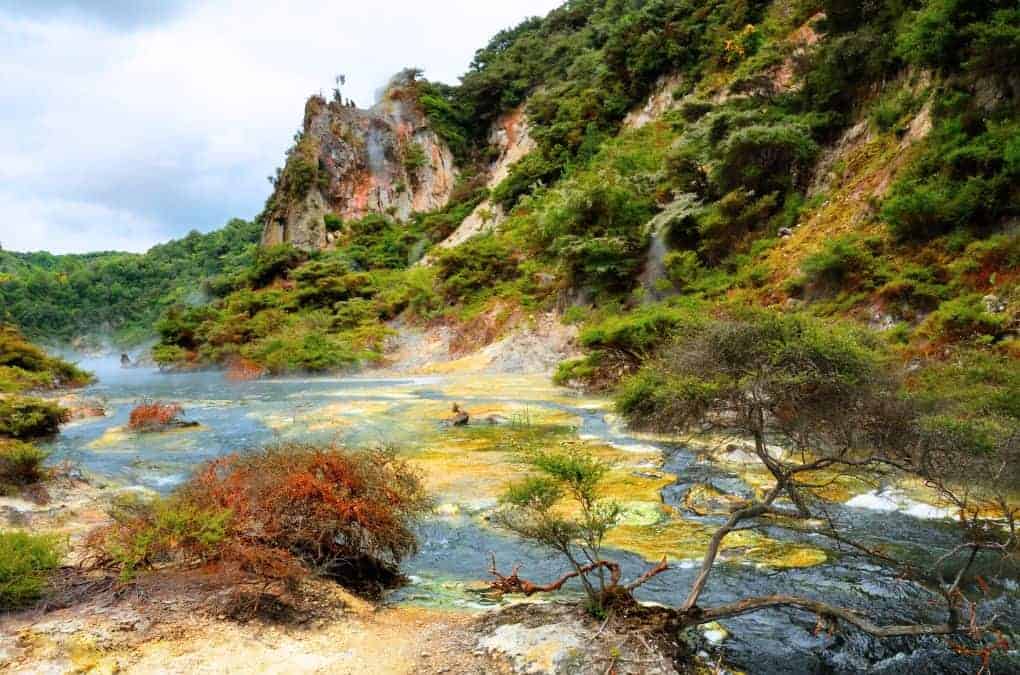
The role of water is crucial in these processes. Water is a medium for transporting sediments, shaping the landscape, and facilitating chemical reactions necessary for lithification. Lakes, rivers, and oceans play a significant role in the deposition and sedimentation of materials.
Sedimentary rocks are diverse and include common types such as sandstone, limestone, and shale, as well as more unique formations like coal and evaporites. They often contain fossils and can provide valuable clues about Earth’s history and the environments in which they were formed.
Metamorphic Rock Formation
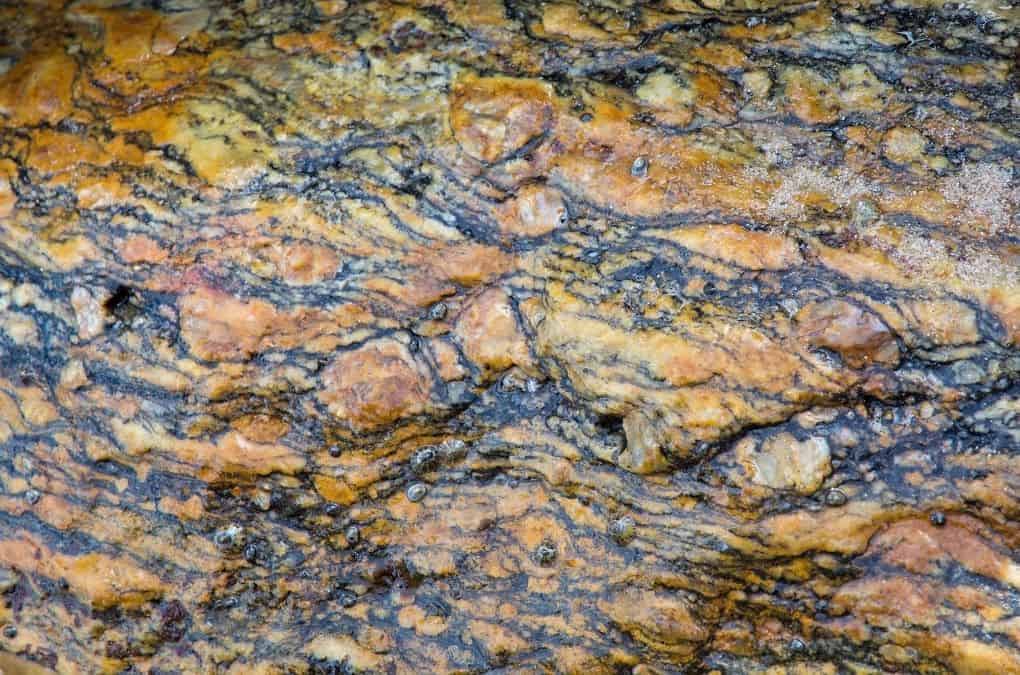
Metamorphic rock formation involves the transformation of existing rocks through the application of heat and pressure. When rocks are subjected to intense heat and pressure deep within the Earth’s crust, they undergo a metamorphic process, forming metamorphic rocks.

Extremely high temperatures cause rock minerals to recrystallize, developing new mineral structures and textures. The introduction of pressure further enhances this process by compacting the minerals and rearranging their crystal lattice.
During metamorphism, the texture and composition of the original rock are altered. The minerals within the rock may change, as well as their arrangement and size. These changes give metamorphic rocks distinct characteristics, such as layering, increased hardness, and unique color variations.
Rock Cycle Steps Explained in Detail
Teachers can help students understand the rock cycle and its significance in geology by breaking down these steps into easy-to-understand explanations.
The rock cycle consists of several key steps that illustrate the continuous transformation of rocks from one type to another.
While the simplified list shows the main processes of the rock cycle, here is a closer look at how each step works:
- Weathering: The first step in the rock cycle is weathering, which involves the breakdown of rocks into smaller fragments due to exposure to environmental factors such as wind, water, and ice.
- Erosion: Once rocks have weathered, the process of erosion takes place. Erosion refers to the movement of these fragmented rocks from their original location to another area, typically through water, wind, or ice.
- Transportation: After erosion, the fragmented rocks are transported by natural agents such as rivers, glaciers, or wind. They are carried away from their original site to a new location where they will eventually be deposited.
- Deposition: In the deposition stage, the transported fragments of rocks settle or rest in a new location. This can occur in various environments, such as rivers, lakes, or oceans.
- Compaction: Once the fragmented rocks are deposited, compaction takes place. Compaction refers to the process in which the weight of the overlying sediment compresses the layers underneath, causing them to become more compact.
- Cementation: Cementation occurs when minerals dissolved in groundwater crystallize and bind the sediment particles together. This process solidifies the sediment into sedimentary rocks.
- Heat and Pressure: As sedimentary rocks are buried deeper within the Earth’s crust, they are subjected to increasing heat and pressure. This transformative process, known as metamorphism, changes the structure and composition of the rocks, leading to the formation of metamorphic rocks.
- Melting: When exposed to extreme heat, rocks can melt and form magma. This molten rock rises to the Earth’s surface and cools, forming igneous rocks.
By understanding these simplified steps of the rock cycle, students can better understand the continuous processes involved in the formation and transformation of rocks.
Rock Cycle FAQ
Helping Kids Understand the Rock Cycle Diagram
Teaching kids about the rock cycle can be challenging, but using rock cycle diagrams can make it easier.
Simplifying Terms and Processes
When explaining the rock cycle to kids, simplify the terms and processes involved.
Use appropriate language for their age level and avoid overwhelming them with complex scientific terminology. For example, instead of using the term “igneous rock,” explain it as “rock formed from cooled lava or magma.”
Relate it to the water cycle. If kids are familiar with the water cycle diagram, the rock cycle diagram should be an easy parallel.
Another helpful strategy is to use relatable examples to illustrate the different processes. For instance, you can compare the process of sedimentary rock formation to how sand accumulates at the beach over time.
Interactive Learning Tools
Interactive rock cycle diagrams, such as hands-on investigations and online simulations, allow kids to explore the processes in a fun and interactive way. These tools provide a hands-on learning experience that encourages active participation and makes learning more enjoyable.
This Starburts Rock Cycle activity models the rock cycle. In this activity, kids create sedimentary rocks and transform them into metamorphic rocks with heat and pressure, then transform their metamorphic rocks into igneous rocks by melting and cooling them.
This interactive rock cycle activity models the possible pathways that matter may travel through the rock cycle.
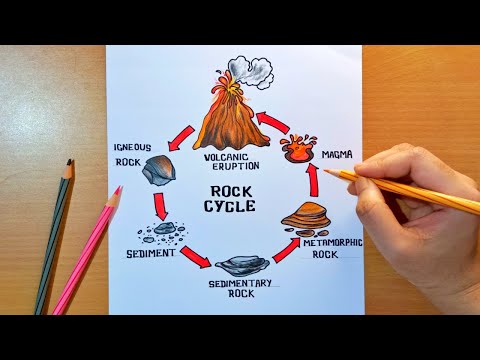
How to Draw a Simple Rock Cycle Diagram (Step by Step)
Many teachers have students draw the rock cycle diagram themselves, and it is one of the best ways to help them remember it. Here is the order I teach for drawing a simple rock cycle diagram:
- Draw a triangle layout with three boxes. Label them igneous rock, sedimentary rock, and metamorphic rock.
- Add magma at the bottom or center of the diagram.
- Draw an arrow from magma to igneous rock and label it cooling.
- Draw an arrow from igneous rock to sediment and label it weathering and erosion. Add a small box for sediment.
- Draw an arrow from sediment to sedimentary rock and label it compaction and cementation.
- Draw an arrow from sedimentary rock to metamorphic rock and label it heat and pressure.
- Draw an arrow from metamorphic rock back to magma and label it melting.
- Add any extra pathways you want students to know, such as igneous rock changing to metamorphic rock through heat and pressure.
Students in second and third grade can draw a simplified version with just the three rock types and one arrow between each. Fourth and fifth graders can add the process labels and the extra pathways.
This video teaches students how to draw the rock cycle diagram. It’s a step-by-step video where students draw and label the parts. It’s a great video, but the music is annoying, so I would use it as an interactive teaching tool, modeling the drawing on chart paper as you watch the video with students.
Weathering & Erosion Science Stations For Your Classroom
We have several science activities for weathering and erosion for second and fourth grade students.
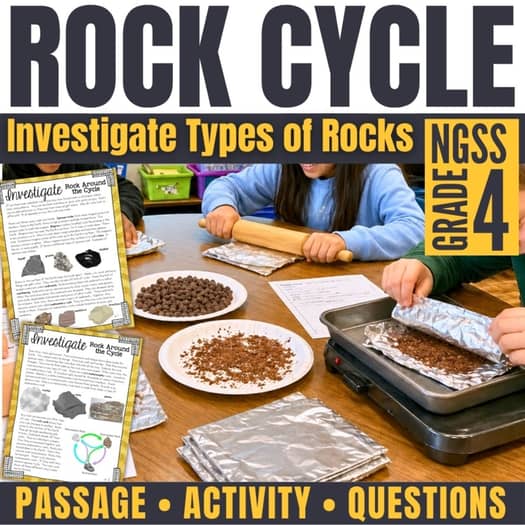
In this INVESTIGATE the Rock Cycle Activity, students read about and investigate the rock cycle by making different rocks from chocolate shavings. Various colors are used so students can see the layers.
This is a hands-on approach to understanding the dynamic processes of the rock cycle, including the formation of igneous, sedimentary, and metamorphic rocks.

This activity explores erosion. It includes a reading passage, an activity using water and sugar cubes, and comprehension questions.

The following Diagram activity looks at rock layers over time. Students read about fossil layers in sedimentary rock and diagram fossils in rock layers.

A rock cycle diagram helps students visualize how rocks change over time and connect the processes that shape Earth’s surface.
See More Earth Science Posts
- Learn about how Earth’s Systems interact with each other.
- Use interesting Earth facts in your lessons.
- Learn about snowstorms and natural hazards.
Jessica BOschen
Jessica is a teacher, homeschool parent, and entrepreneur. She shares her passion for teaching and education on What I Have Learned. Jessica has 16 years of experience teaching elementary school and currently homeschools her two middle and high school boys. She enjoys scaffolding learning for students, focusing on helping our most challenging learners achieve success in all academic areas.