
What Are Earth’s Spheres? (Geosphere, Hydrosphere, Atmosphere, Biosphere)
If you’ve ever tried explaining what are Earth’s spheres to a room full of energetic 5th graders while dodging paper airplanes and questions about Minecraft, you know that “complex” doesn’t even begin to cover it. The geosphere, hydrosphere, atmosphere, and biosphere can feel like a mouthful to say and a mountain to teach. And when you get to how they interact? Cue the wide eyes and blank stares.
But don’t worry—there’s a way to make this science topic approachable and engaging. Whether your students are future meteorologists or just here for the glue sticks, teaching Earth’s spheres can actually be fun and meaningful. In this post, I’ll break down what each sphere is, how they interact, and simple ways to introduce these ideas without overwhelming your class (or yourself).
What Are Earth’s Spheres?
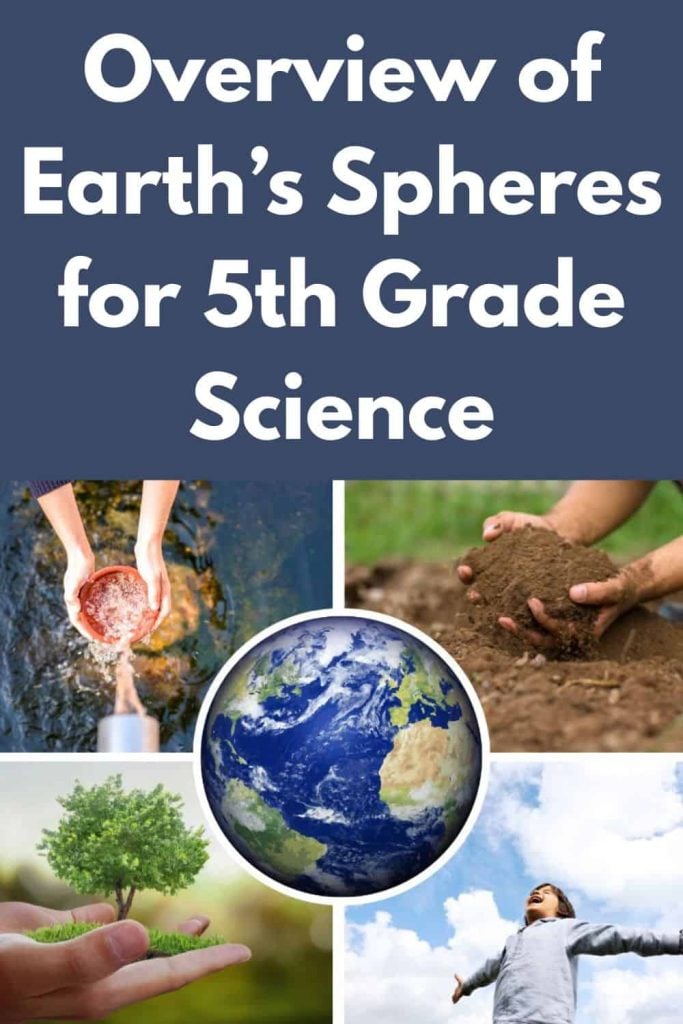
Earth’s spheres are the four main systems that make up our planet: the geosphere, hydrosphere, atmosphere, and biosphere. Each sphere represents a different part of Earth, and they all work together to support life and shape the planet.
Quick Summary of Earth’s Spheres
- Geosphere – land, rocks, and soil
- Hydrosphere – all water on Earth
- Atmosphere – air surrounding Earth
- Biosphere – all living things
What Are the Four Earth’s Spheres? (Geosphere, Hydrosphere, Atmosphere, Biosphere)
When teaching about Earth’s systems, it helps to start with the big picture. Earth is made up of four major parts, or “spheres,” that work together like teammates on a group project—except these teammates don’t forget their homework. Understanding what each sphere includes helps students make sense of how our planet functions.
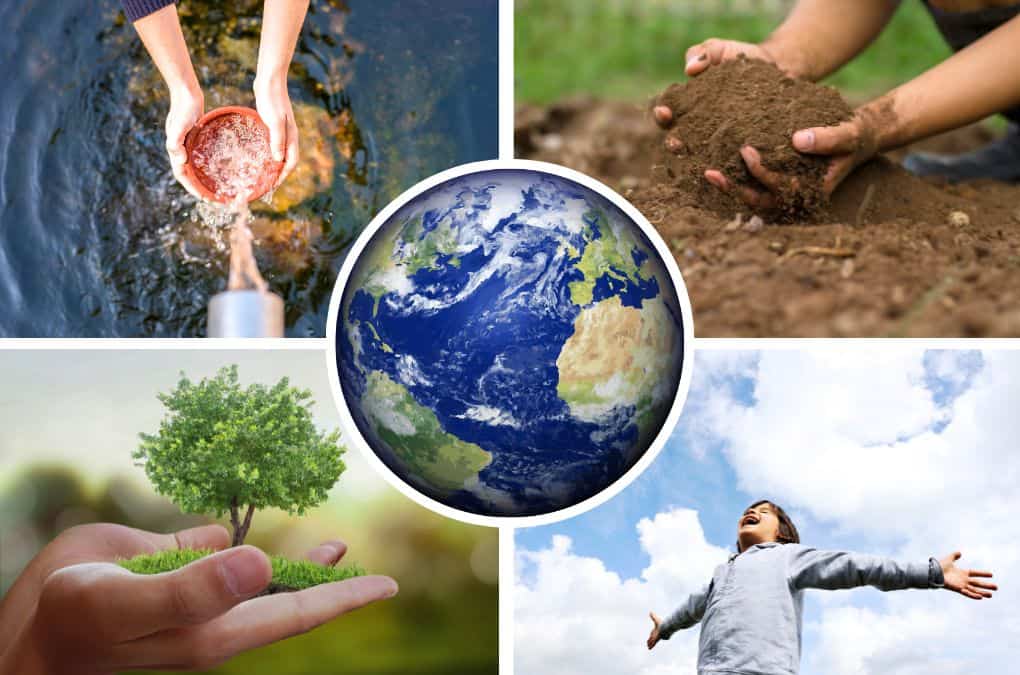
🌍 Geosphere
This is the “land stuff.” The geosphere includes rocks, soil, mountains, volcanoes—everything solid on Earth. If your students have ever tripped over a tree root at recess, congratulations, they’ve met the geosphere.
🌊 Hydrosphere
Water, water, everywhere! The hydrosphere covers oceans, lakes, rivers, puddles, and even the water vapor in the air. Any form of water—solid, liquid, or gas—belongs to the hydrosphere.
💨 Atmosphere
The atmosphere is the blanket of gases that surrounds Earth. It’s what we breathe and what the weather is like. If you’ve ever had to explain why it’s “cloudy with a chance of indoor recess,” you’ve got experience with the atmosphere already.
🌱 Biosphere
This is all living things—plants, animals, humans, and even those mysterious mold colonies growing in forgotten lunchboxes. If it breathes, grows, or eats (especially snack bars from a desk drawer), it’s part of the biosphere.
How Do Earth’s Spheres Interact?
Earth’s spheres don’t work alone—they are constantly affecting one another.
For example:
- Rain (hydrosphere) can cause erosion of the land (geosphere)
- Plants (biosphere) rely on air (atmosphere) and water (hydrosphere)
- Volcanic eruptions (geosphere) can release gases into the atmosphere
Helping students see these connections is the key to understanding Earth systems.
Once students understand the four spheres, you can reinforce their learning with hands-on activities like this Earth’s spheres card sort.
Why Understanding Earth’s Spheres Matters in 5th Grade
Understanding Earth’s spheres helps students make sense of how Earth systems work together.
At this grade level, students are ready to start seeing how Earth is more than just “the planet we live on.” They can begin to understand how these systems interact, for example, how a volcanic eruption (geosphere) can release ash into the atmosphere (atmosphere), alter water flow (hydrosphere), and affect living creatures (biosphere). That’s a big leap in thinking, but it lays the groundwork for deeper scientific understanding in middle school and beyond.
Plus, Earth’s spheres show up in all sorts of places, from natural disasters and erosion to ecosystems and climate change. The more comfortable your students are with the basics, the easier it will be for them to connect the dots later on. And honestly, it makes for some really great classroom discussions and curious questions. (Just don’t be surprised when someone asks if dogs have their own biosphere. It’ll happen.)
If you’re planning a full unit, this Earth’s spheres pacing guide shows how to teach the concepts over three weeks. You can also use the Earth’s Spheres science stations to give students repeated practice with how the spheres interact.
Make It Interactive: The Earth’s Spheres Foldout Booklet
To help students apply what they’ve learned about Earth’s spheres, try this foldout interactive booklet. It’s designed for 5th-grade classrooms and gives students a hands-on way to explore the atmosphere, biosphere, geosphere, and hydrosphere.
Here’s why it works:
- 🧠 Includes a reading passage packed with key information in student-friendly language
- ✂️ Offers multiple formats—cut-and-paste version or a more advanced write-in option
- 🎨 Comes in color and black-and-white versions so students can add their own illustrations
- 📚 Supports NGSS 5-ESS2-1 with built-in opportunities to differentiate
Students don’t just read about the spheres—they build them, flip through them, and connect their learning in a memorable way. It’s the perfect companion for any Earth Systems unit and a great introduction before diving into more complex interactions or science stations.
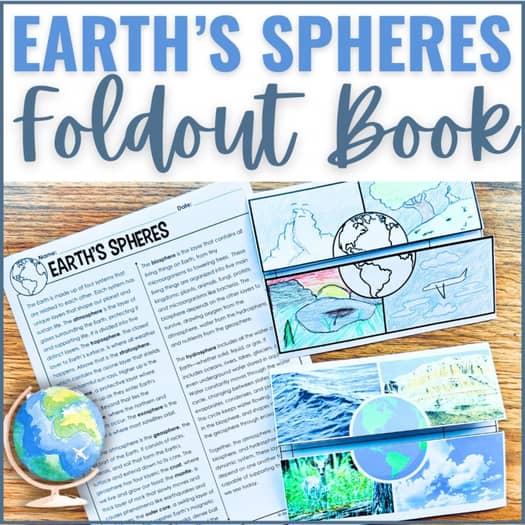
This hands-on folded hinge book engages your students in an interactive exploration of Earth’s four major spheres! Perfect for science classrooms, this activity brings the atmosphere, biosphere, hydrosphere, and geosphere to life, helping students understand the unique features and interconnectedness of the Earth’s four spheres.
Jessica BOschen
Jessica is a teacher, homeschool parent, and entrepreneur. She shares her passion for teaching and education on What I Have Learned. Jessica has 16 years of experience teaching elementary school and currently homeschools her two middle and high school boys. She enjoys scaffolding learning for students, focusing on helping our most challenging learners achieve success in all academic areas.