
Picture Books about Natural Selection and Adaptations for Elementary Students
While natural selection is a difficult concept to teach elementary students, engaging picture books can help teachers introduce the topic and supplement their instruction. With these natural selection books, students learn about plant adaptations, animal adaptations, life in the rainforest, and how organisms survive.

This post contains links to affiliate websites, such as Amazon, and we receive an affiliate commission for any purchases made by you using these links. We appreciate your support!
Natural Selection and Adaptations Picture Books
Plant Adaptations: How Will We Survive? – Sarah Lalonde
Grade: 1-5
This book discusses plants and their adaptations. It includes kid-friendly photographs and illustrations and is a perfect read-aloud book, while also being easy enough for older children to read it on their own.


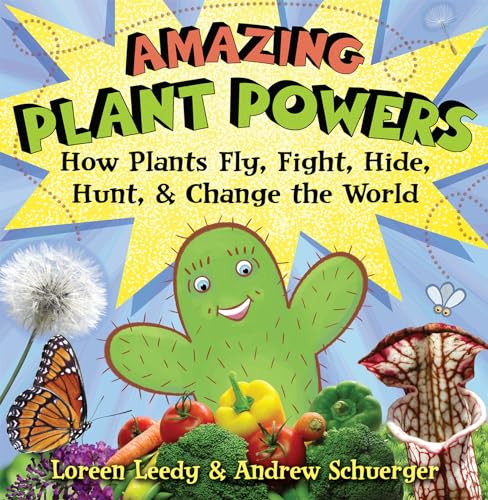
Amazing Plant Powers: How Plants Fly, Fight, Hide, Hunt, and Change the World – Loreen Leedy
Grade: Pre K-3
In this book, readers will learn about all of the incredible things plants can do and how they adapt to their environment in a wide variety of ways. Bold photos and bright illustrations highlight many surprising plant powers, and there are even some fun plant projects readers can try.
How Do Animals Adapt? – Bobbie Kalman
Grade: 2-3
This book introduces readers to the ever-changing world of animals. They’ll discover why animals need to adapt, how they use camouflage and mimicry to protect themselves, and how they can adapt to things like habitat loss.

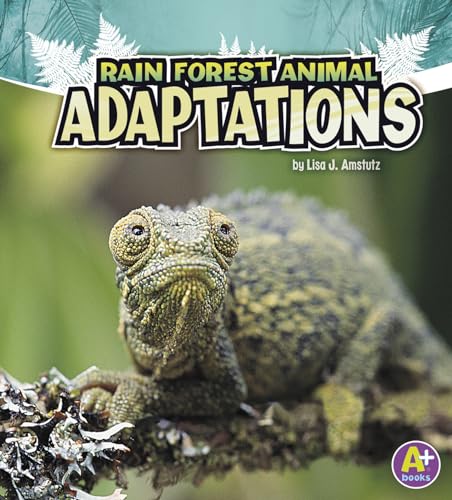
Rain Forest Animal Adaptations – Lisa J. Amstutz
Grade: K-2
In this book, readers will discover how animals survive and even thrive in extreme regions. It Includes full-color photos and engaging, easy-to-read text that covers the amazing body parts and behaviors that make living in the rain forest possible for some animal species.
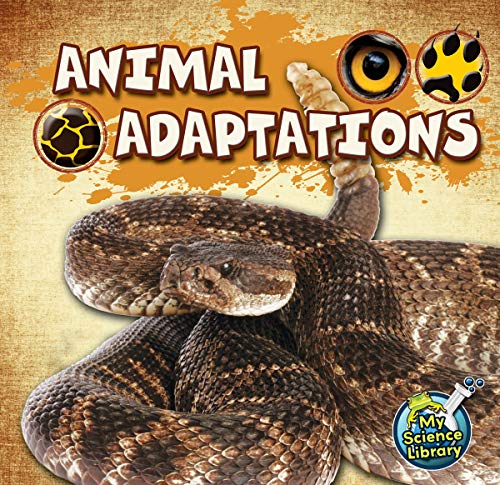
Animal Adaptations – Julie Lundgren
Grade: 1-2
In this book, early readers will investigate animal adaptations and how animals can adapt and change in order to survive.
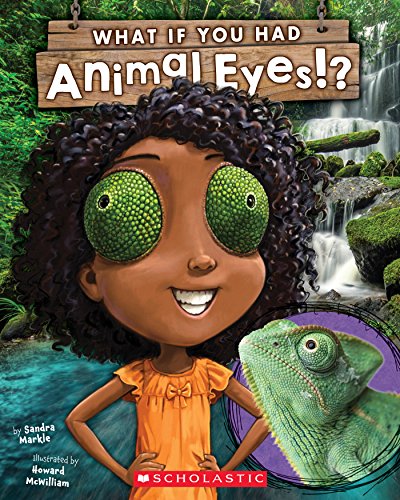
What if You Had Animal Eyes? – Sandra Markle
Grade: Pre K-3
This imaginative book helps young readers explore what would happen if you had animal eyes instead of your own. It takes them through different animal species and why they have the eyes that they do, from the chameleon’s eyes that can point in different directions, to the colossal squid’s eyes that shine in the dark, and why our eyes are just right for us.
What if You Had Animal Ears? – Sandra Markle
Grade: Pre K-3
This is another book in the “What if you had” series, and this one talks all about animal ears and why each animal species’ ears are special, and perfect for them and their survival
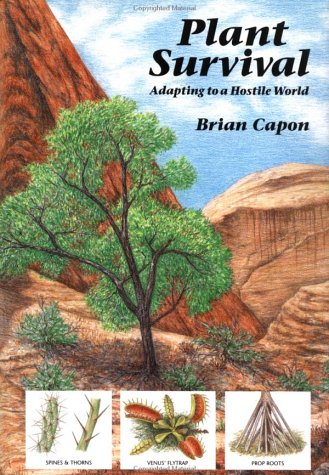
Desert Animal Adaptations – Julie Murphy
Grade: K-2
This is another book about animals surviving in extreme environments. The desert has hot temperatures and little rain. It’s a difficult place to survive, but some animals have adapted to these conditions. Readers will learn how their behaviors and characteristics allow them to call the desert home.
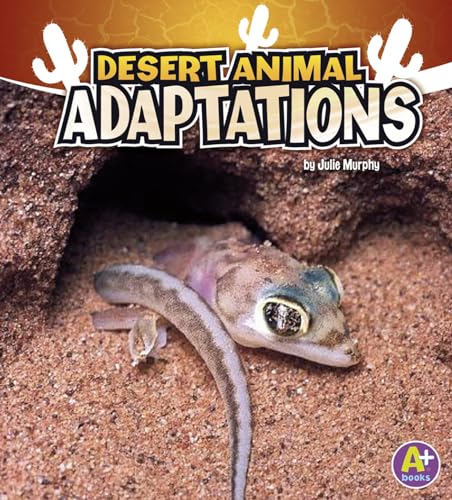
National Geographic Kids Readers: Animal Armor – Laura Marsh
Grade: Pre K-1
This book is packed with beautiful, engaging photos that will help readers learn all about animals with shells, scales, and spikes. The text is great for younger kids, but the images engage older learners.
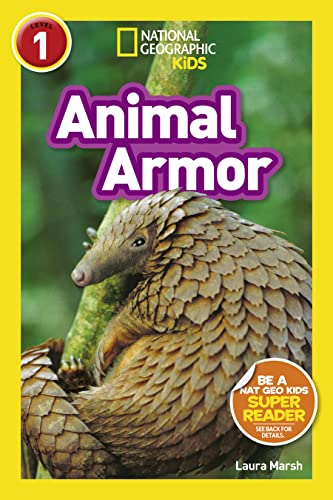
Plant Survival: Adapting to a Hostile World – Brian Capon
Grade: 4+
Plants rely on adaptations that help them to survive where they are. This book will help readers discover the fascinating mechanisms that plants use to survive in challenging environments.
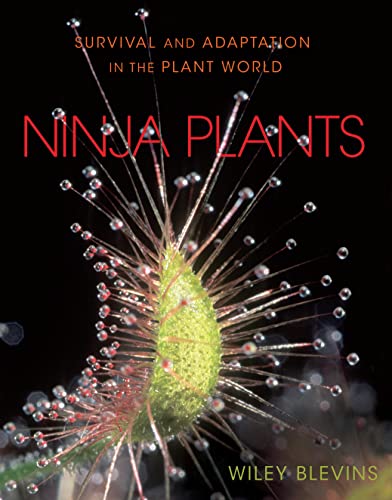
Ninja Plants: Survival and Adaptation in the Plant World – Wiley Blevins
Grade: 8-12
This book explores the ways that plants adapt to their environment in order to survive- from the venus flytrap to plants in our own back yards. The fascinating world of ninja plants is waiting to be discovered.
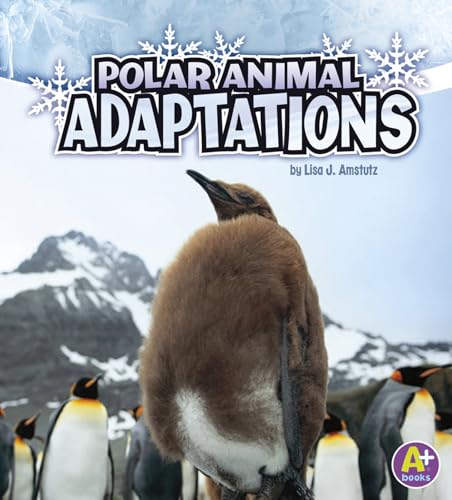
Polar Animal Adaptations – Lisa J. Amstutz
Grade: K-2
How do animals survive in snow, ice, and subzero temperatures? Several animals call these regions home, and this book explores their behaviors and body parts and how they’ve adapted to these conditions.
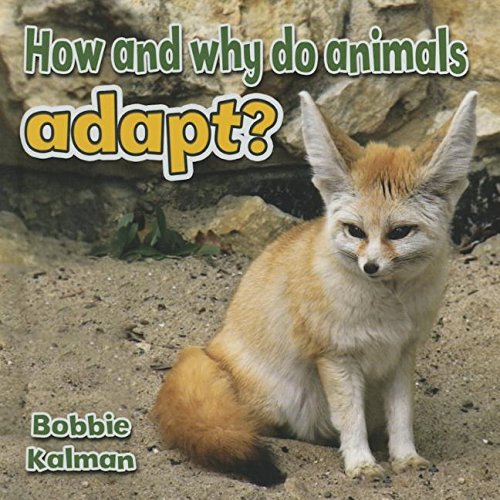
How and Why Do Animals Adapt? – Bobbie Kalman
Grade: 2-3
Camouflage, hibernation, migration, and living in groups- these are all ways in which animals adapt to their environment that are explored in this book.
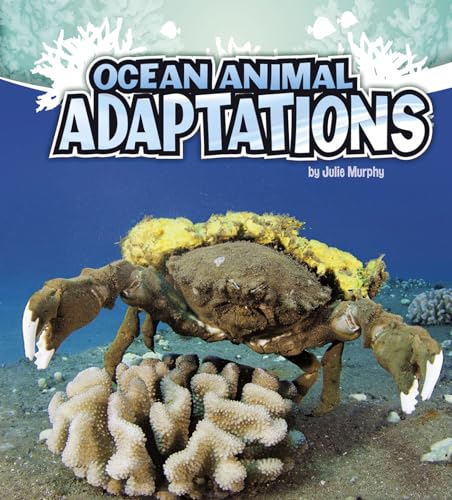
Ocean Animal Adaptations – Julie Murphy
Grade: K-2
Living in the ocean can be challenging. These animals have special features that help them survive in their watery homes. This book explores the amazing adaptations of ocean animals from deep waters to coral reefs.
List of Natural Selection and Adaptation Books
- Plant Adaptations: How Will We Survive? – Sarah Lalonde Grade: 1-5
- Amazing Plant Powers: How Plants Fly, Fight, Hide, Hunt, and Change the World – Loreen Leedy Grade: Pre K-3
- How Do Animals Adapt? – Bobbie Kalman Grade: 2-3
- Rain Forest Animal Adaptations – Lisa J. Amstutz Grade: K-2
- Animal Adaptations – Julie Lundgren Grade: 1-2
- What if You Had Animal Eyes? – Sandra Markle Grade: Pre K-3
- What if You Had Animal Ears? – Sandra Markle Grade: Pre K-3
- Desert Animal Adaptations – Julie Murphy Grade: K-2
- National Geographic Kids Readers: Animal Armor – Laura Marsh Grade: Pre K-1
- Plant Survival: Adapting to a Hostile World – Brian Capon Grade: 4+
- Ninja Plants: Survival and Adaptation in the Plant World – Wiley Blevins Grade: 8-12
- Polar Animal Adaptations – Lisa J. Amstutz Grade: K-2
- How and Why Do Animals Adapt? – Bobbie Kalman Grade: 2-3
- Ocean Animal Adaptations – Julie Murphy Grade: K-2
More Teaching Ideas for Natural Selection and Adaptations
We have third grade science stations for Natural Selection and Adaptations as well as other third grade topics that align with the NGSS.
Check out the Mimicry Sort that is part of these science stations.

Jessica BOschen
Jessica is a teacher, homeschool parent, and entrepreneur. She shares her passion for teaching and education on What I Have Learned. Jessica has 16 years of experience teaching elementary school and currently homeschools her two middle and high school boys. She enjoys scaffolding learning for students, focusing on helping our most challenging learners achieve success in all academic areas.