
14 Picture Books About Ecosystems & Biodiversity for Elementary Students
This curated list of picture books about ecosystems and biodiversity for elementary students is organized by grade level and covers topics from food chains and food webs to invasive species and predator-prey relationships.

These books work well as a read-aloud to open an ecosystems unit or as a station resource alongside science lessons. Topics include ecosystems, predator-prey relationships, food webs, food chains, invasive species, and more.
This post contains links to affiliate websites, such as Amazon, and we receive an affiliate commission for any purchases made by you using these links. We appreciate your support!
14 Picture Books about Ecosystems and Biodiversity
The Wondrous Workings of Planet Earth: Understanding Our World and Its Ecosystems – Rachel Ignotofsky
Grade: 5+
This book makes Earth science accessible and entertaining through art, maps, and infographics. Nature-loving readers will enjoy learning about how our planet works and how we can protect it. This book covers Earth’s diverse ecosystems and their inhabitants, the levels of ecology, the importance of biodiversity, the cycles of nature, and more.

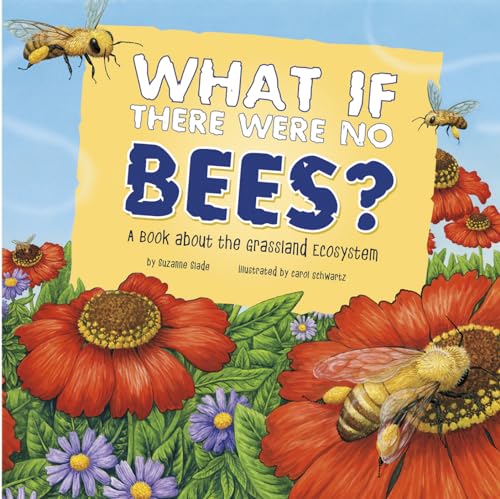
What If There Were No Bees? – Suzanne Slade
Grade: 2-4
Grassland ecosystems are on every continent. So what difference could the loss of one animal species make? Follow the chain reaction and find out what would happen if there were no more honey bees. Not only does this book cover pollination but also the interconnection of one small insect and larger animals.

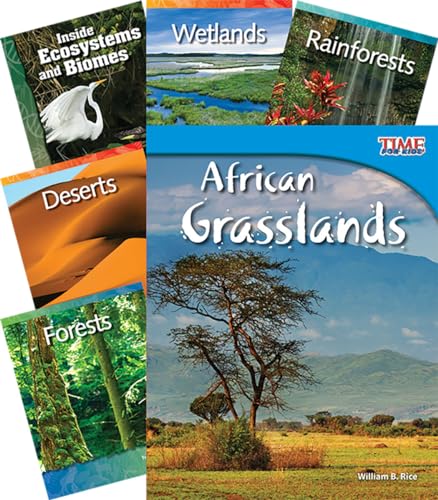
Biomes and Ecosystems – 7 Book Set – Teacher Created Materials
Grade: 2-4
This seven-book set explores different biomes and ecosystems on our planet with high-interest nonfiction text, supporting graphics and photographs, and some lab activity. Titles included in this set are Inside Ecosystems and Biomes, Life in the Ocean Layers, African Grasslands, Deserts, Forests, Rainforests, and Wetlands. This could be a great cost-effective way to build your learning library quickly.
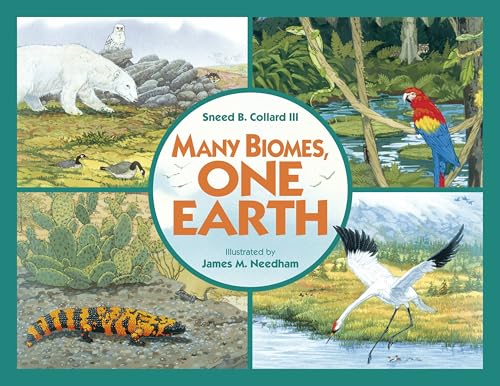
Many Biomes, One Earth – Sneed B. Collard III
Grade: 1-3
Readers will love traveling through the twelve terrestrial biomes of North and South America, including the icy tundra, grasslands, deserts, rain forests, and more. The illustrations in this book highlight the smallest details of each natural habitat and fact-filled text gives readers a detailed journey through Earth’s ecosystems.
How Does the Food Chain Work? – Baby Professor
Grade: 4-7
Did you know that humans are the key beneficiaries of the food chain? Readers will learn about what the food chain is, and how it works.
No products found.
What Are Food Chains and Webs? – Bobbie Kalman
Grade: 2-3
This book provides young readers with a simple introduction to food chains and webs. They’ll learn about herbivores, carnivores, energy, food production, and decomposition of various ecosystems.

Zana Goes Spear Fishing – Aisha A. King
Grade: K-1
In this book, Zana is saving the planet and protecting the environment, one adventure at a time. Here, Zana learns about spearfishing to catch an invasive species- lionfish, which are destroying the reef in Barbados where she lives.

Who Eats What?: Food Chains and Food Webs – Patricia Lauber
Grade: 1-2
This book helps young readers explore the food chain and how plants, animals, and humans are all ecologically linked.

Don’t Let Them Disappear – Chelsea Clinton
Grade: PreK-3
Readers will be introduced to a selection of endangered animals, learn about what makes them special, what threatens them, and how to prevent them from disappearing from our world entirely. Not only does this book teach about why animals are endangered it’s also filled with interesting and unique facts about each animal.

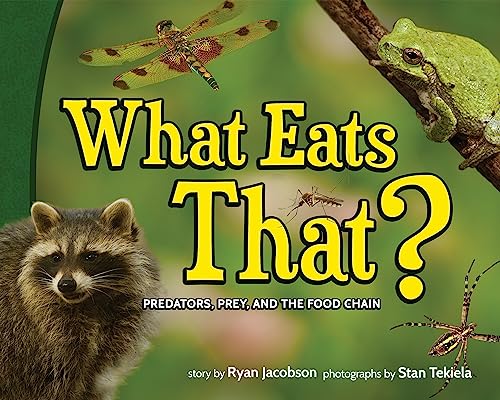
What Eats That?: Predators, Prey, and the Food Chain – Ryan Jacobson
Grade: PreK-3
This book provides a kid-friendly introduction to the predator and prey relationships of nature, sharing several great examples. It also includes photos of real critters in their natural habitats and text that explores their most interesting hunting and eating habits. Children learn about each animal and then get to guess, what eats that animal, and learn as they turn the pages.
Attack of the Zebra Mussels – Michael Rajczak
Grade: 2-3
How did Zebra Mussels get to the great lakes? Boaters see them stuck to docks and even boats. They can cause people to cut their feet, filter food out of the water that larval fish need, and more. Readers will learn what invasive species are, and how they can harm our native ecosystems. These topics introduce readers to conservation and other science curriculum topics with full-color photos, fact boxes, maps, and more.

Tree of Life: The Incredible Biodiversity of Life on Earth – Rochelle Strauss
Grade: 3-7
There are 1,750,000 species on Earth. Humans are just one of those. We share the world with millions of other forms of life. This book is amazingly illustrated and provides a child-friendly introduction to biodiversity. Readers will learn about the five kingdoms in which living things are classified, and how each impacts all aspects of life on our planet.

Because of an Acorn – Lola M. Schaefer
Grade: PreK-K
This book illustrates the important connections and layers of an ecosystem. Readers will wander down the forest path to learn how every tree, flower, plant, and animal are connected.

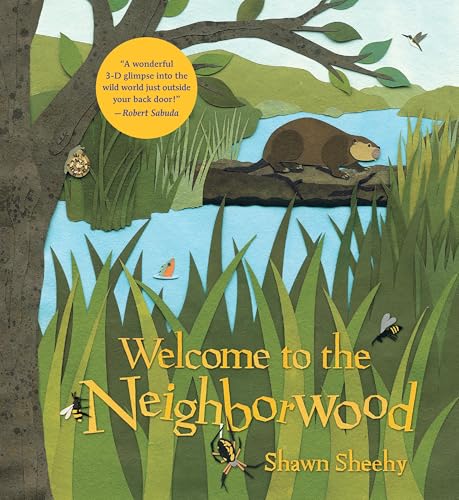
Welcome to the Neighborwood – Shawn Sheehy
Grade: PreK-3
This book explores life at the edge of the forest and how the many animals live side by side and share the resources they need to construct their homes, traps, and places to store food. Readers will love seeing how all of the Neighborwood creatures work together.
More information about teaching about Ecosystems and Biodiversity
The ecosystem picture books are a great start, but we have a TON of science lessons focused on teaching about Ecosystems and Biodiversity, including teaching about the changes in ecosystems. Here are a few highlights.
Sorts for Third Grade
This Biome Sort and Predator and Prey Sort are great to show the relationship of animals and plants within an ecosystem.
5th Grade Science Stations
We also have fifth grade science stations that focus on Food Webs and Food Chains as well as other processes within an ecosystem, like photosynthesis.
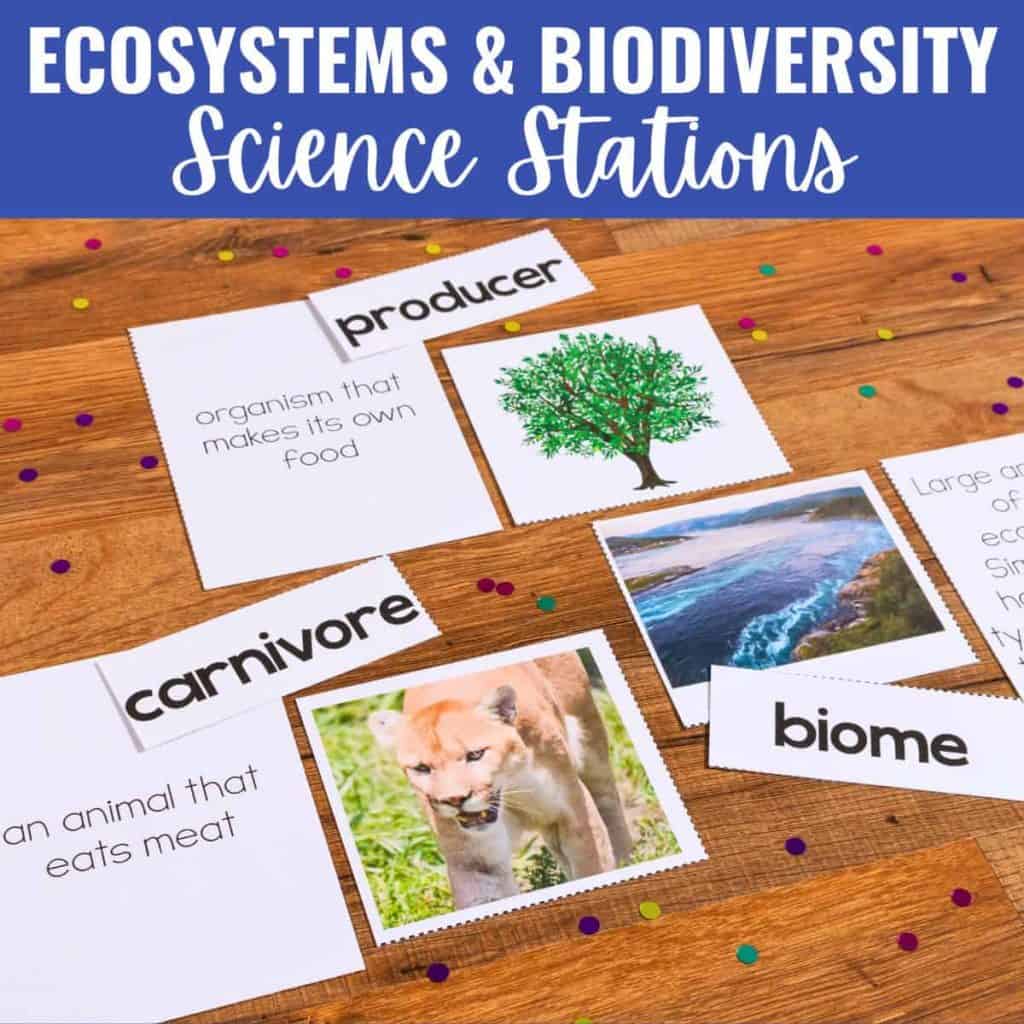
These science stations focus on how animals and plants relate to each other and to their environment. They include topics such as food chains, natural selection, and invasive species.
Jessica BOschen
Jessica is a teacher, homeschool parent, and entrepreneur. She shares her passion for teaching and education on What I Have Learned. Jessica has 16 years of experience teaching elementary school and currently homeschools her two middle and high school boys. She enjoys scaffolding learning for students, focusing on helping our most challenging learners achieve success in all academic areas.