
Animals to Research for School Projects: Lists with Linked Articles
Choosing an animal is the first challenge of any animal research project, and it matters more than students expect. Some animals are easy to research because books, websites, and videos about them are everywhere. Others are difficult for elementary students because good sources are hard to find.
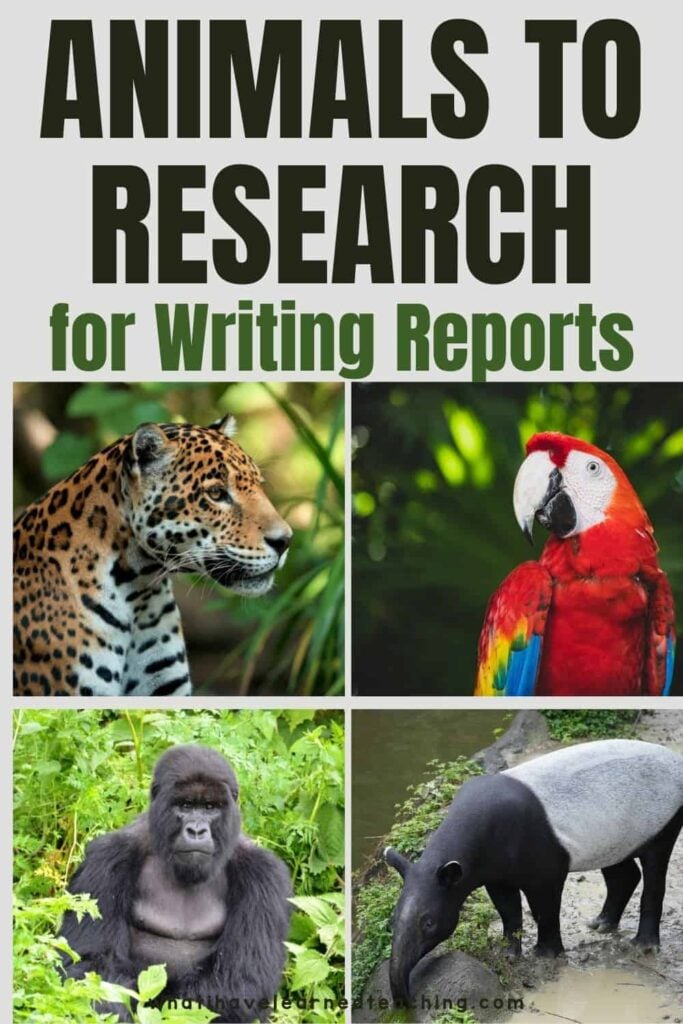
The list below organizes animals to research for school projects by category: mammals, reptiles, birds, amphibians, ocean animals, and endangered species. Many of the animals link directly to student-friendly informational articles with images and QR codes that connect students to additional videos and research websites, so students can start reading the moment they choose a topic.
These resources can help round out the research unit:
This guide to animal research projects for elementary students walks through how students choose an animal, gather information, and turn notes into a report or project.
These animal research project ideas show how students can present their research as posters, reports, dioramas, or presentations.
Animals to research for school projects
Below are many animals students can research for school projects. Choose a category that fits your science unit or student interests.
Animals students commonly research for school projects include:
Mammals: lion, elephant, dolphin, polar bear, wolf, cheetah, kangaroo, panda, giraffe, bat, sloth, zebra
Reptiles: sea turtle, crocodile, komodo dragon, tortoise, chameleon, gecko, alligator
Birds: penguin, eagle, owl, toucan, flamingo, albatross, woodpecker, hummingbird
Amphibians: frog, tree frog, poison dart frog, axolotl, salamander, toad
Ocean animals: shark, dolphin, octopus, jellyfish, whale, manta ray, clownfish, seahorse, starfish
Endangered species: giant panda, blue whale, mountain gorilla, snow leopard, orangutan, black rhino
Continue below for the full list with linked student articles for each animal.
Mammals
Mammals are often the easiest animals for students to research because many students are already familiar with them.
Examples of mammals students can research include:
- Lion
- Tiger
- Elephant
- Giraffe
- Panda
- Kangaroo
- Polar Bear
- Dolphin
- Whale
- Bat
- Wolf
- Fox
- Sloth
- Cheetah
- Zebra
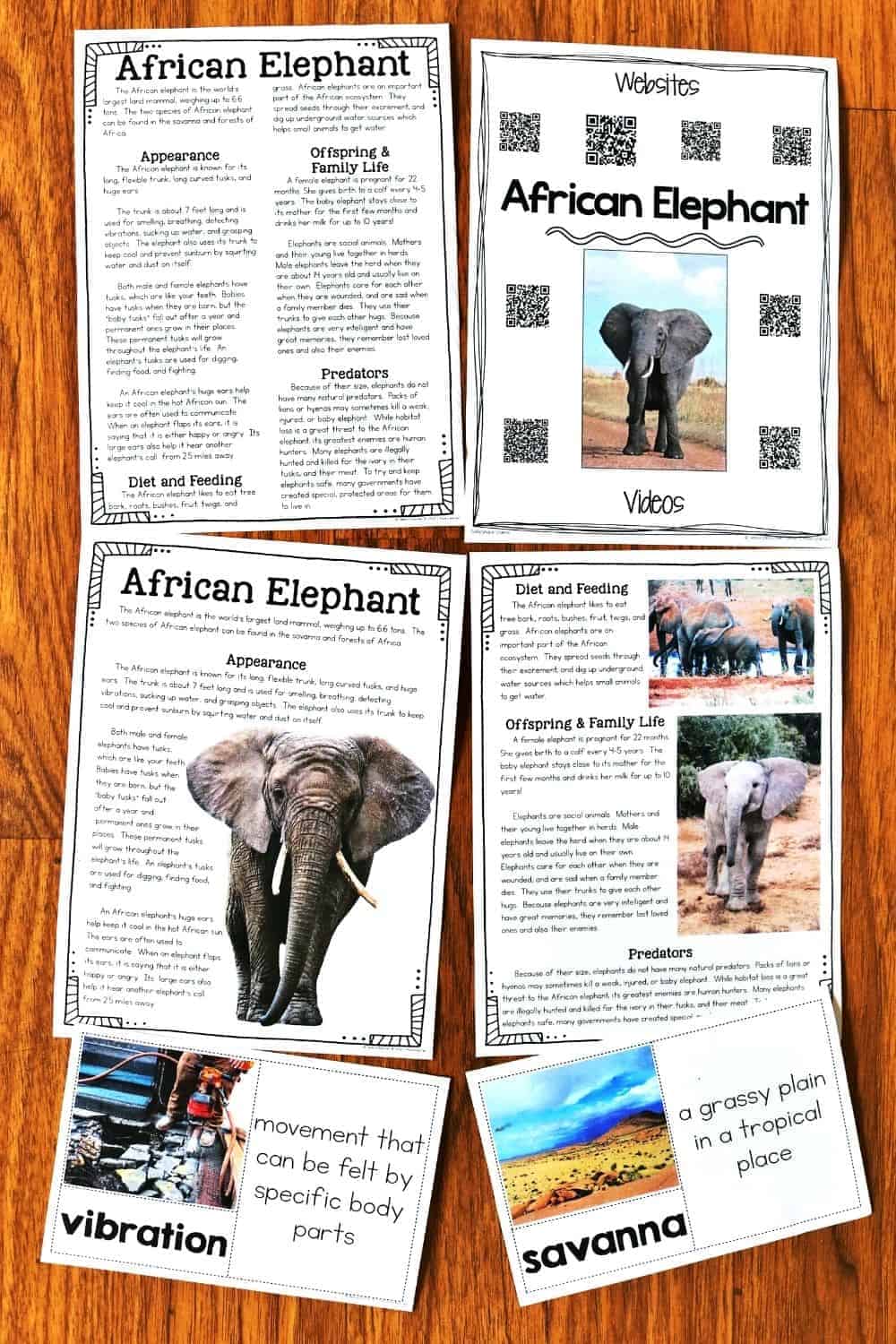
Students researching mammals often explore topics such as habitats, diets, and physical adaptations.
Reptiles
Reptiles are another interesting category for animal research projects. Students often enjoy learning about reptiles because of their unique characteristics and survival adaptations.
Examples of reptiles to research include:
- Snake
- Komodo Dragon
- Chameleon
- Iguana
- Gecko
- Alligator
- Crocodile
- Tortoise
- Sea Turtle
- Box Turtle
Students may research how reptiles regulate their body temperature and how their scales help protect them.
Birds
Birds provide many engaging animal research topics because they live in a wide variety of habitats around the world.
Birds students can research include:
Students often learn about bird adaptations such as wings, feathers, and beaks.
Amphibians
Amphibians are fascinating animals because they live part of their lives in water and part on land.
Amphibians students can research include:
- Frog
- Tree Frog
- Poison Dart Frog
- Toad
- Salamander
- Axolotl
- Newt
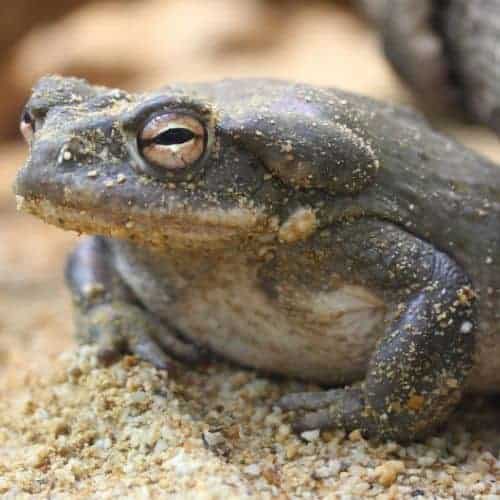
Students researching amphibians often study life cycles and metamorphosis.
Ocean Animals
Ocean animals are a favorite topic for many students. Marine animals provide opportunities to explore underwater ecosystems and food chains.
Ocean animals students can research include:
Students often learn about ocean habitats and how marine animals survive underwater.
Endangered Animals
Researching endangered animals helps students understand conservation and the importance of protecting wildlife.
Endangered animals students can research include:
- Giant Panda
- Snow Leopard
- Amur Tiger
- Blue Whale
- Sea Turtle
- Orangutan
- Mountain Gorilla
- Red Panda
- African Elephant
- Black Rhino
Students often explore why animals become endangered and what people can do to protect them.
Choosing an Animal for a Research Project
When choosing an animal, the most important factor is whether good student-friendly materials exist. Animals like lions, dolphins, penguins, and sea turtles are well-documented and easy for students to research. Less common animals can be genuinely hard to find sources for, which slows students down before research even begins.
Grade level matters too. Younger students (K-2) tend to do best with familiar animals that have straightforward life cycles: dogs, frogs, butterflies, bears. Upper elementary students (3-5) can handle more complex animals with multistep life cycles or less familiar habitats: axolotls, komodo dragons, albatrosses, manta rays.
Students can use animal research websites for kids to gather facts about their animal’s habitat, diet, adaptations, and life cycle.
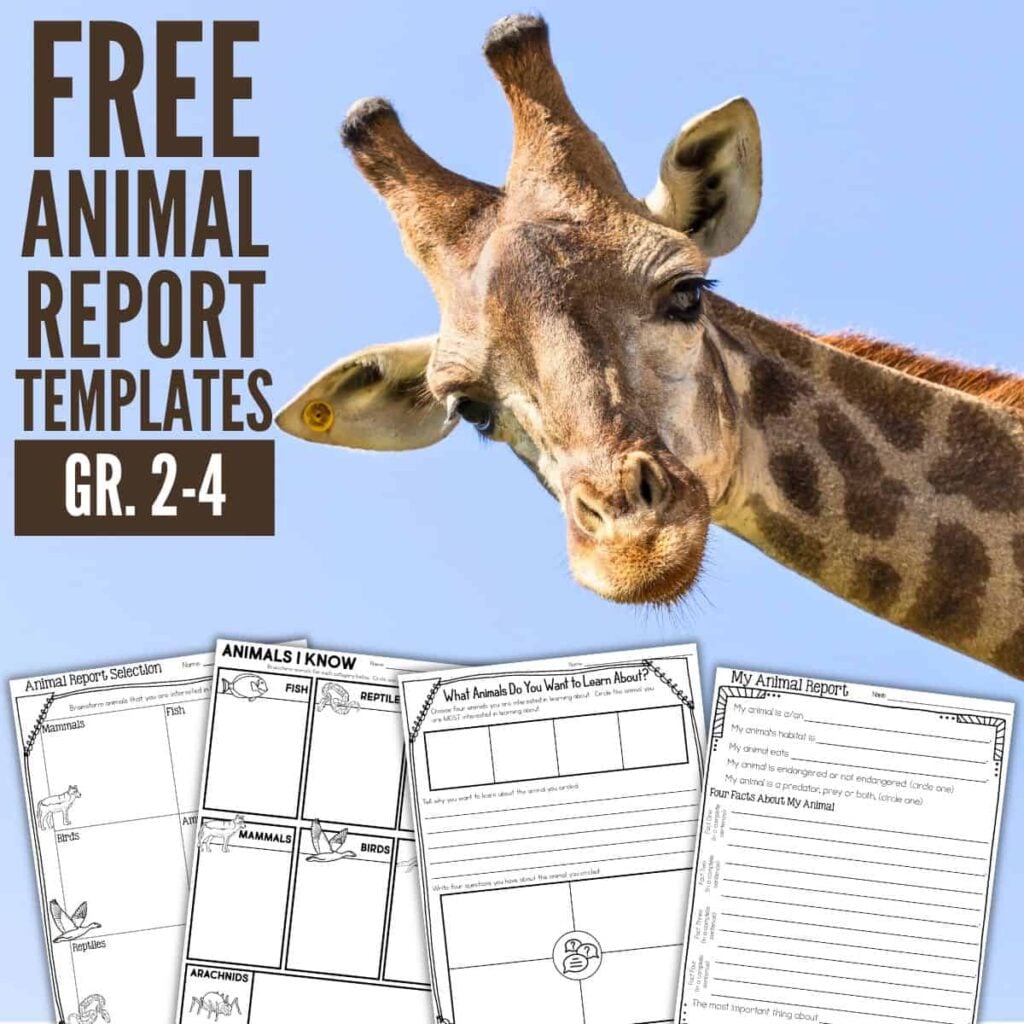
Free Animal Report Templates
Once students choose an animal, they need a way to organize what they find. These free animal report templates guide students through recording facts about habitat, diet, appearance, predators, life cycle, and interesting facts — the same categories they will need for most animal research reports.
Turning Animal Research Into a Project
After students choose an animal to research, they can organize their findings into a final project.
Common animal research projects include:
- animal reports
- habitat dioramas
- animal posters
- animal trading cards
- slideshow presentations
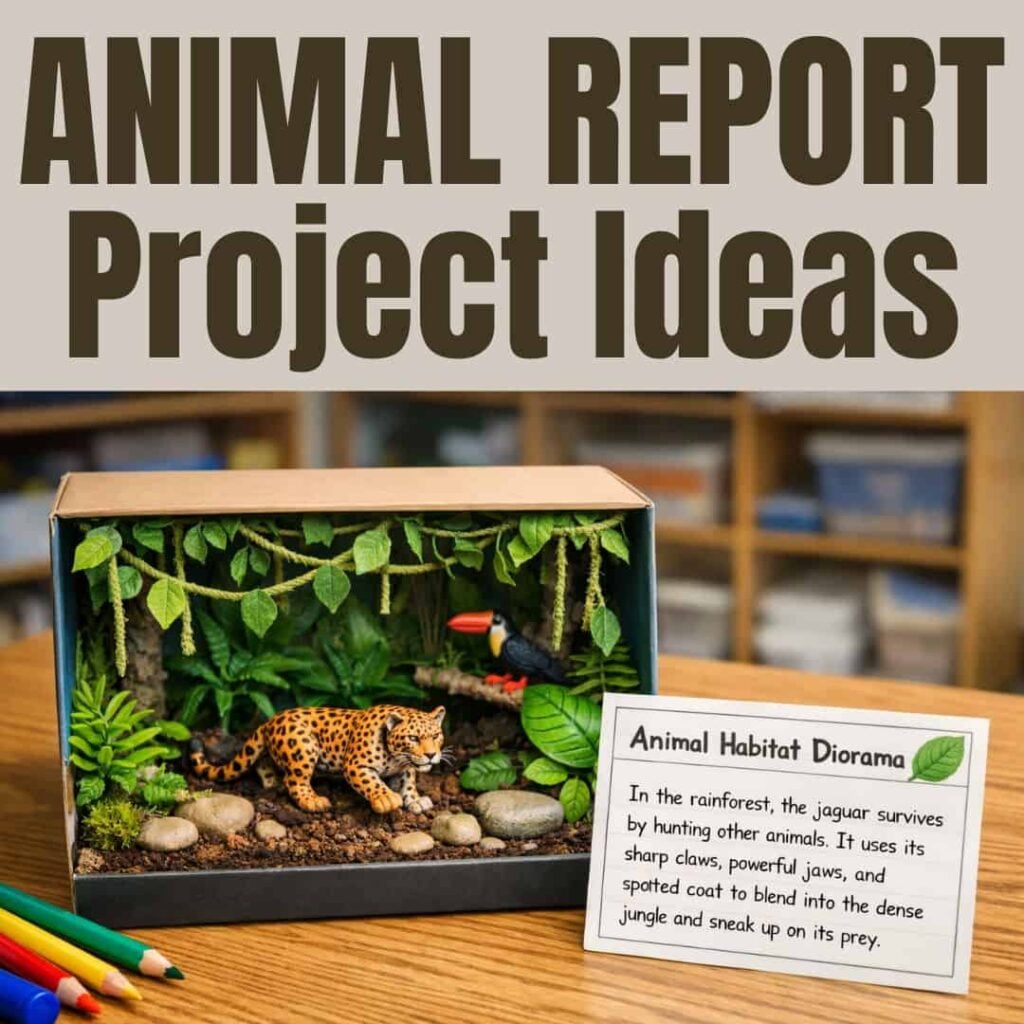
Project Ideas for Animal Reports
These animal research project ideas help students share what they learned about their animal while practicing research and writing skills.
Helping Students Share Their Animal Research
These links can help throughout the animal research unit:
Animal report templates to organize research notes
Animal research websites for kids with safe, student-friendly sources
How to teach animal reports with step-by-step strategies
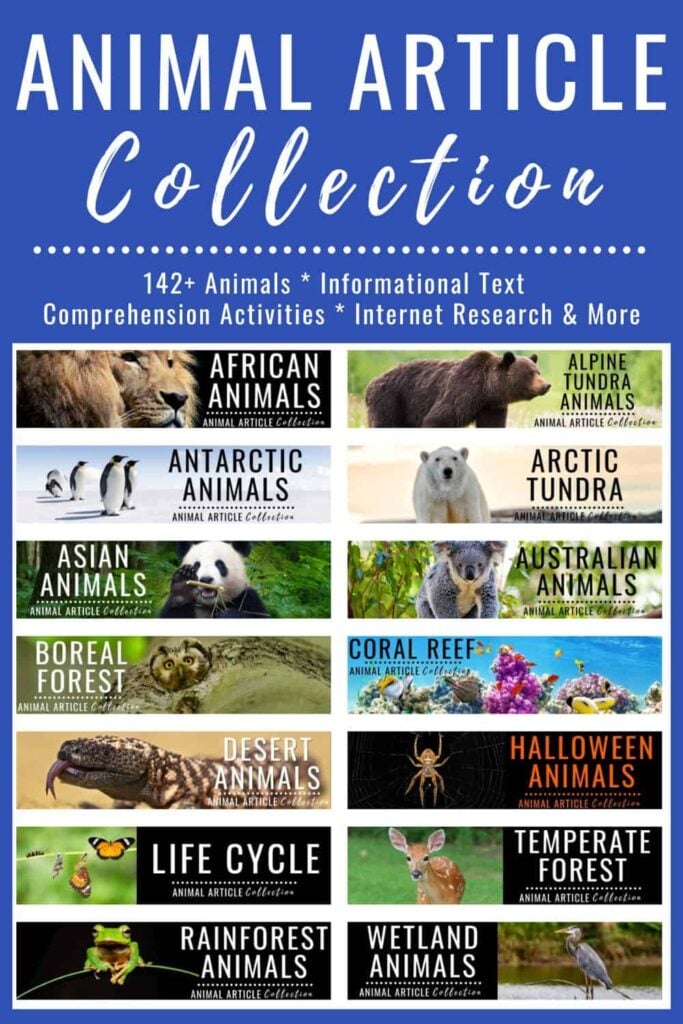
Do you need engaging informational texts that your elementary students will actually want to read?
The Animal Article Collection includes 142+ animal articles spanning 14 ecosystems, complete with reading comprehension and structured writing activities. Students can choose their animal while building skills in informational text, research, and report writing.
Jessica BOschen
Jessica is a teacher, homeschool parent, and entrepreneur. She shares her passion for teaching and education on What I Have Learned. Jessica has 16 years of experience teaching elementary school and currently homeschools her two middle and high school boys. She enjoys scaffolding learning for students, focusing on helping our most challenging learners achieve success in all academic areas.