Showing 1–15 of 56 resultsSorted by popularity
-
Rated 4.92 out of 5
$4.47
This inherited and acquired traits sort helps third and fourth grade students tell the difference between traits animals are born with and behaviors they learn. Students read a short passage, then sort animal examples into the correct categories and respond in the format that fits them best.
-

Rated 4.91 out of 5
$5.20
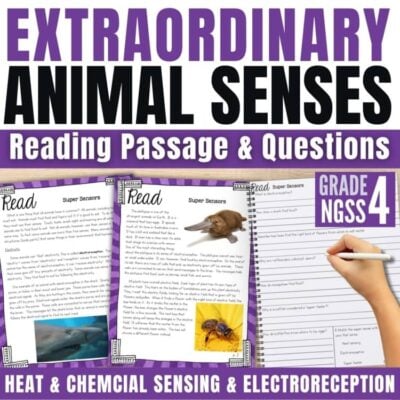
This animal senses reading passage, Super Sensors, is a READ science station for 4th grade in the Information Processing unit. Students learn about animals with enhanced senses while practicing reading comprehension skills.
-
Rated 4.72 out of 5
$3.50
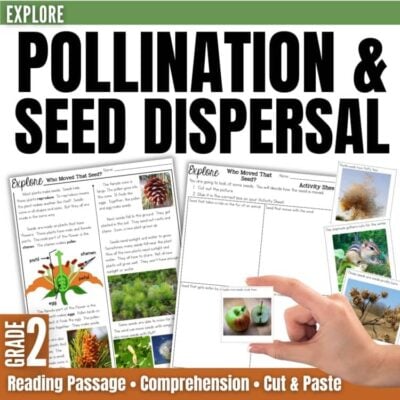
This seed dispersal sorting activity gives 2nd grade students a hands-on way to explore how seeds move by wind, water, animals, and more. Students read short informational passages and then match seed examples to how they travel.
-
Rated 4.79 out of 5
$5.59
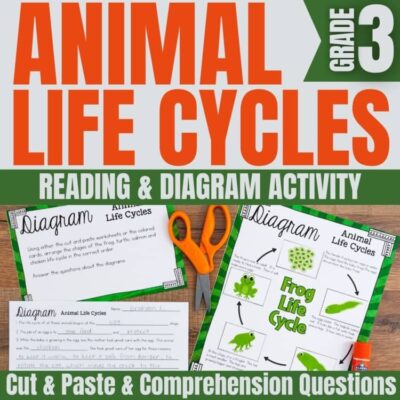
These animal life cycles diagrams help 3rd grade students explore the growth and development of frogs, sea turtles, chickens, and salmon. Students use cut-and-paste worksheets, color-coded cards, and comprehension questions.
-
Rated 4.91 out of 5
$3.50
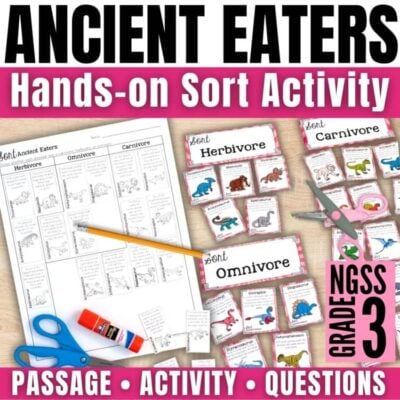
This herbivore carnivore omnivore sort helps 3rd grade students explore prehistoric life. Students analyze the diets, physical traits, and adaptations of dinosaurs and ancient animals through sorting, reading, and written responses.
-
Rated 4.87 out of 5
$3.42
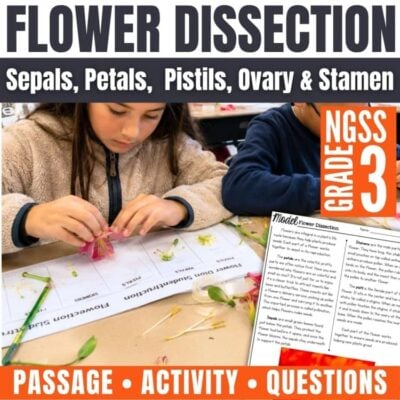
This flower dissection activity lets 3rd grade students explore the structure and function of flowers using real specimens. It is an NGSS-aligned science station on plant reproduction and anatomy.
-
Rated 4.92 out of 5
$10.75
This Inheritance of Traits 5E Unit Plan is an inquiry-based unit that focuses on providing evidence that plants and animals have traits inherited from parents. Variation of traits is also explored within groups of similar organisms.
-
Rated 4.91 out of 5
$3.23
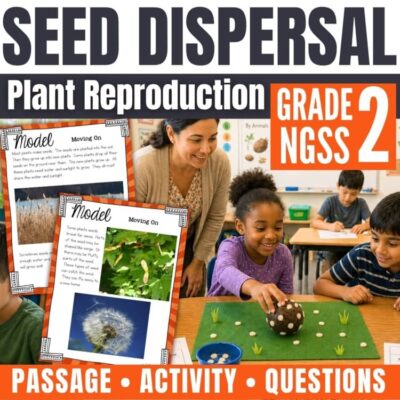
This seed dispersal model activity helps 2nd grade students explore how plants reproduce and spread through a reading passage and a hands-on design task. Students investigate how seeds move by wind, water, and animals, aligned to NGSS 2-LS2.A.
-
Rated 4.87 out of 5
$4.49
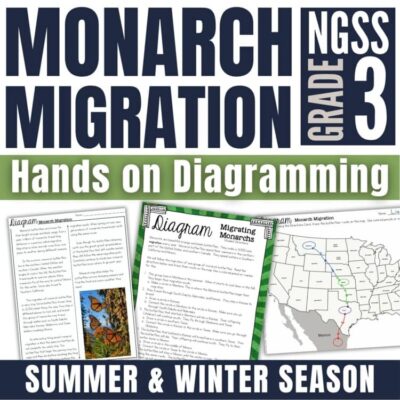
This monarch butterfly migration activity helps 3rd grade students explore animal migration and group behavior. Students trace the route monarchs take across North America and learn how migration supports survival and reproduction.
-
Rated 4.91 out of 5
$14.36
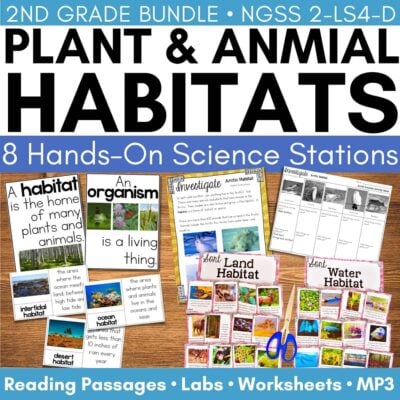
Help students explore habitats around the world with these engaging 2nd Grade Habitats Science Stations! Students learn how plants and animals live in arctic, temperate forest, intertidal, pond, desert, land, and water habitats through hands-on activities, reading passages, videos, games, models, sorting, diagrams, and differentiated response options. Aligned to NGSS 2-LS4-1 / DCI 2-LS4.D.
-
Rated 4.76 out of 5
$3.47
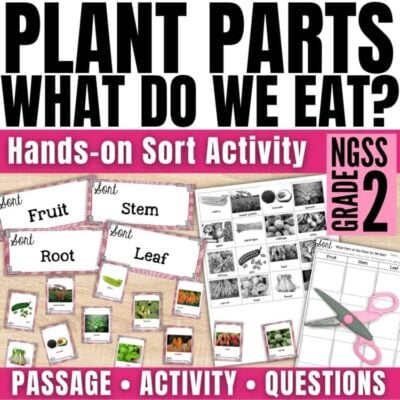
This plant parts we eat sort helps 2nd grade students identify the parts of a plant and recognize which parts show up on their plates. Students explore common foods, sort them by plant part, and record what they find.
-
Rated 4.96 out of 5
$14.96
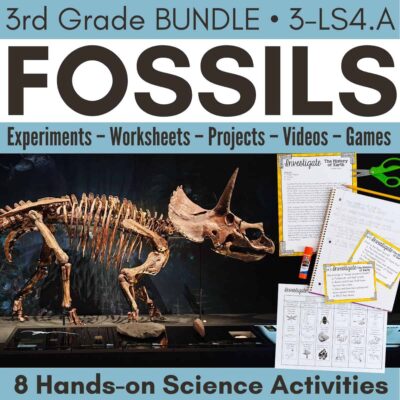
The focus is on NGSS 3-LS4.A and includes concepts such as fossils, the history of Earth, comparing the mammoth and elephants, paleontologists, and physical traits of dinosaurs.
-
Rated 4.96 out of 5
$4.10
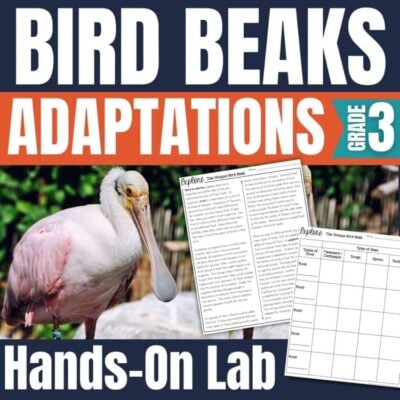
This bird beak lab engages 3rd grade students in learning about natural selection, adaptations, and bird beak structures. Students explore how different beaks are adapted to different foods.
-
Rated 4.94 out of 5
$11.44
The 5E Science Unit Plan on Structures and Functions is an inquiry-based journey where students explore how plant and animal structures help them survive, grow, and reproduce.
This unit has three segments for each of the 5 Es: Engage, Explore, Explain, Extend, and Evaluate, enabling a comprehensive, scientific inquiry approach to learning.
-
Rated 4.89 out of 5
$12.75
Structure & Function: How Organisms Live, Behave, Reproduce, Grow Science Stations for Fourth Grade Next Generation Science Standards include 8 different science stations where students deepen their understanding of internal and external structures and functions of plants and animals that support survival, growth, behavior, and reproduction.