
15 Amazing Desert Animals – Informational Reading and Writing Activities for Kids
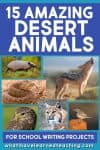
The desert can be a challenging and inhospitable place for survival. Many animals thrive in this harsh environment, adapting to the scorching heat and arid climate. Whether your class is studying the Sonoran Desert in North America or the vast Saharan Desert in North Africa, we have 15 informational articles about animals in the desert that are filled with all the facts, details, and activities for your next desert unit.

Desert Animals – Articles That Your Students Can Read and Write About
One challenge I faced when creating animal reports with my second graders was finding suitable informational articles for my students to read. I needed content easy for kids to read and write about, concise enough to fit on one page, and containing facts in a reader-friendly format. I often resorted to researching animals based on the available informational texts. However, this approach didn’t always align with my desired teaching topics.
While there are numerous resources for students reading about desert animals, the quality of the text is not always optimal. For my second-grade students, who are still grappling with decoding multi-syllabic words, the vocabulary and sentence structure proved too challenging. I came across plenty of texts for first graders and older kids, but nothing just right for my second graders.
To address this issue, I decided to create my own sets of animal articles. These articles empower my students to read, research, and write about their favorite animals!
Included in Each Desert Animal Article Teaching Resource
All of our animal articles have similar components that will help your class study the animal and help your students write informational paragraphs and essays or animal reports.
- Vocabulary Cards with key terms from the reading passage
- Informational Article in two formats (with and without photos)
- Websites for additional research: QR Codes & a Google Site
- Graphic Organizers for note-taking
- Comprehension Activities such as short answer and cloze reading
- Fact Sorts so that students can organize the facts to then write about
- Summary Pages
- Writing Pages for a mini-report
Here are examples of what’s included in the Desert Tortoise Animal Article set of resources:



Each desert animal article is available individually and includes the components above. We also have a bundle of the Sonoron Desert animals and a bundle of African Animals, which includes additional animals that live outside the deserts of Africa.
-
 Product on saleDesert Animals BUNDLEOriginal price was: $36.00.$21.20Current price is: $21.20.
 -
-
-
-
-
-
-
-
-
-
-
-
-
Product on saleAfrican Animals BUNDLEOriginal price was: $33.00.$16.51Current price is: $16.51.
-
-
-














Below are some of the animals included in our Desert Animals Unit and our African Animals Unit. The Desert Animals unit focuses on animals that live in the southwestern United States, generally around the Sonoran Desert. The African Animals set focuses on animals that live in the savanna. Some animals below migrate or can be found in a variety of habitats, including the Sahara or Arabian Deserts.
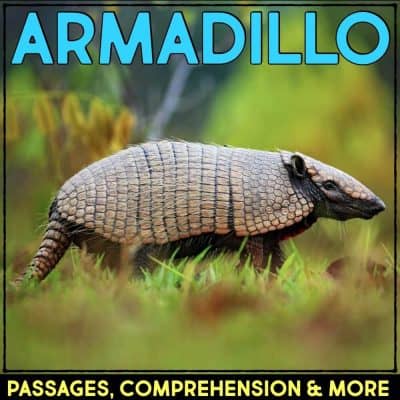
Armadillo

The Armadillo, with its distinctive armored shell and sharp claws, is one of the most unique creatures dwelling in the desert. This solitary animal, primarily nocturnal, spends its days in burrows to escape the desert heat, and forages for food such as insects, plants, and small animals during the night. Its hard outer shell serves as a protective barrier against predators, while its sharp claws help dig burrows and find food. Armadillos remain a fascinating subject of study for their ability to adapt to the harsh desert environment.
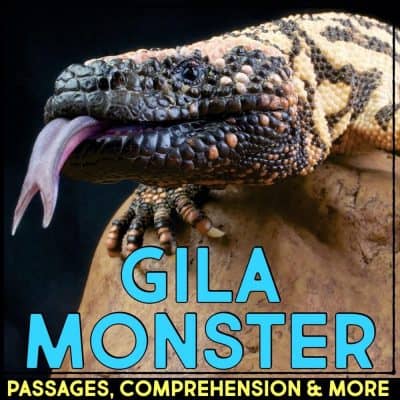
Banded Gila Monster
The Banded Gila Monster, known for its vibrant colors and venomous bite, is a remarkable inhabitant of the desert. This slow-moving reptile, usually active at night, spends its daytime hidden in burrows and rock crevices to avoid the desert sun. The Gila Monster’s diet primarily consists of small birds, mammals, frogs, and eggs. Its venom, though used for self-defense rather than hunting, is extremely potent. Despite their fierce reputation, these creatures are an important part of the desert ecosystem and a thrilling topic for young explorers to investigate.

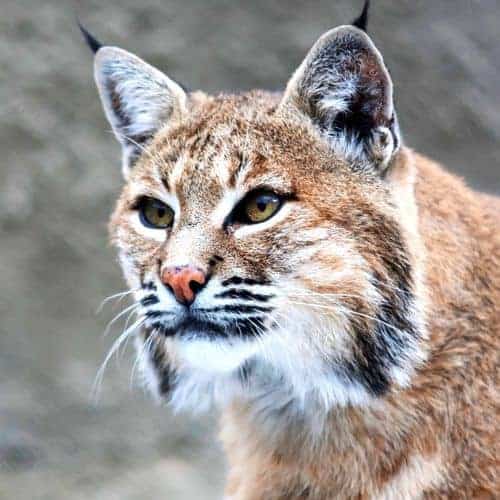
Bobcat
Bobcats, known for their tufted ears and short bobtail, are agile predators that call the desert home. These elusive animals are mostly nocturnal, resting in hidden shelters during the day and emerging at dusk to hunt. Bobcats primarily feast on rabbits, birds, mice, and other small mammals, using their keen eyesight and hearing to locate prey. Despite their small size relative to other big cats, bobcats display remarkable adaptability to extreme desert conditions, making them an intriguing subject of study for budding wildlife enthusiasts.
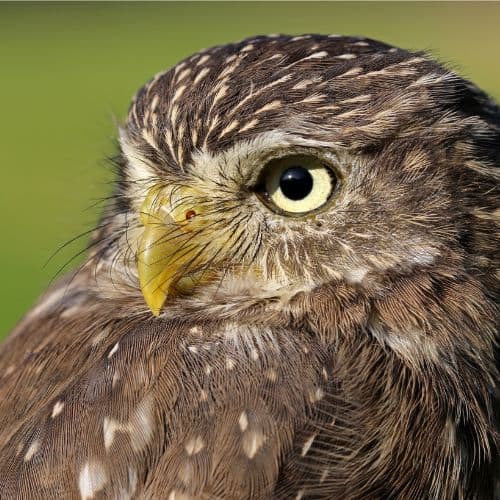
Cactus Pygmy Owl
The Cactus Pygmy Owl is a little bird that makes the desert its home. Despite their diminutive stature, these owls are known for their tenacity and resilience. Comfortably nesting within the hollows of cacti, these owls keep safe from predators and shelter from the intense desert heat. Notably active during the day, they feast on a varied diet of insects, small birds, and reptiles. Their singular presence adds a touch of mystery to the desert, making the Cactus Pygmy Owl an enthralling creature to learn about.
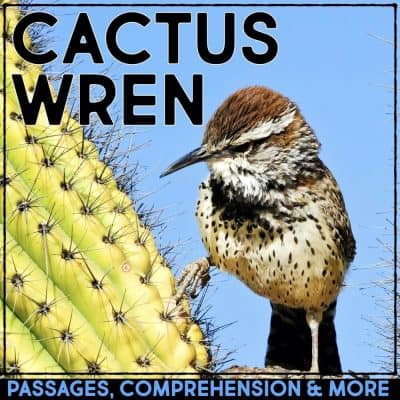
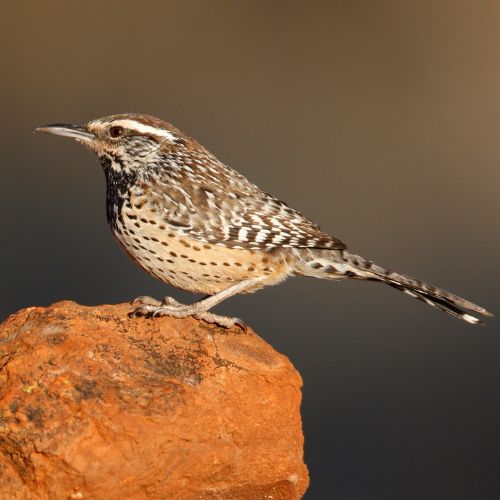
Cactus Wren
The Cactus Wren, recognized as the largest wren in North America, is a remarkable resident of the desert. These birds, known for their distinctive black and white streaks and curved beak, are aptly named for their preference to nest amidst thorny cacti, offering them protection from predators. They are omnivorous in nature, feeding on a diet of insects, fruits, seeds, and occasionally small animals. Intriguingly, cactus wrens are known to be quite bold and noisy, often heard before they are seen, making them an engaging subject for young learners.
Cheetah

The Cheetah, renowned as the fastest land animal, is an extraordinary creature that inhabits the arid regions of Africa. Resplendent in a coat of golden fur adorned with black spots, this big cat is easily identifiable and admired for its remarkable speed, reaching up to 60 mph in mere seconds when hunting. Their diet primarily consists of small to medium-sized ungulates, chased down in breathtaking, high-speed pursuits. Cheetahs also exhibit an incredible resilience to the desert heat, resting in grassy patches during the hottest part of the day. Despite their dwindling numbers due to habitat loss and poaching, cheetahs continue to captivate us with their grace and agility, offering an exciting subject for any wildlife study.
Coyote

Coyotes, admired for their adaptability and resilience, are remarkable predators found in desert ecosystems. These intelligent animals are primarily nocturnal and opportunistic, with a diet including rabbits, rodents, and insects, as well as fruits and vegetables when available. Known for their distinguished pointed ears and bushy tail, coyotes also exhibit a keen sense of hearing and smell for hunting. Their howls and yelps at night are iconic desert sounds, contributing to the mystique of these adaptable creatures. Despite sharing a challenging environment with larger predators, the coyote’s versatile survival skills make it an intriguing species to study.
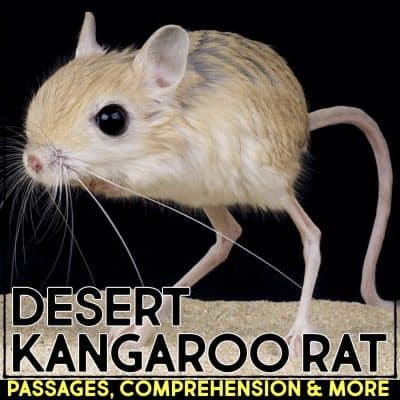
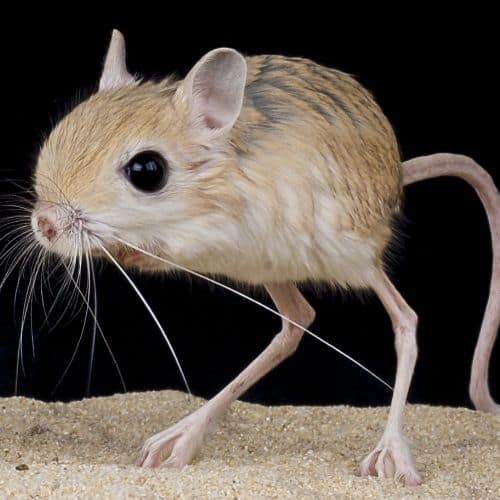
Desert Kangaroo Rat
The Desert Kangaroo Rat, native to arid regions of North America, is a fascinating creature well-adapted to the harsh desert environment. Known for their long hind legs and large feet, these rodents are built for incredible leaps, a skill used to evade predators. They are primarily seed-eaters but will consume vegetation and insects when needed. What’s truly remarkable about these creatures is their ability to survive without drinking water, relying on the moisture from their diet. Active during cooler nights, they spend the day in burrows to escape the desert heat. The unique survival mechanisms and energetic nature of the Desert Kangaroo Rat make it an engaging subject for students studying desert wildlife.
Desert Tortoise
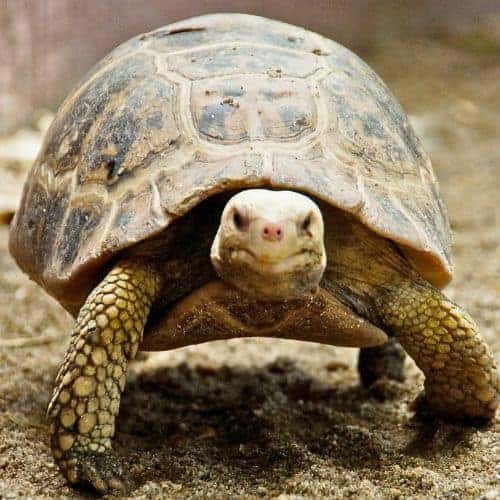
The Desert Tortoise, a true icon of desert wildlife, is a resilient creature perfectly adapted to endure the harsh conditions of arid regions. Sporting a high-domed shell and stout, elephantine legs, these tortoises are primarily herbivorous, feeding on a range of vegetation like grasses, herbs, annual wildflowers, and even cacti. Fascinatingly, they store water in their bladders to sustain themselves during droughts and can go an entire year without access to much water. Their ability to withstand intense heat by spending most of their time in burrows makes the Desert Tortoise a compelling study in desert survival tactics and an inspiring symbol of endurance.
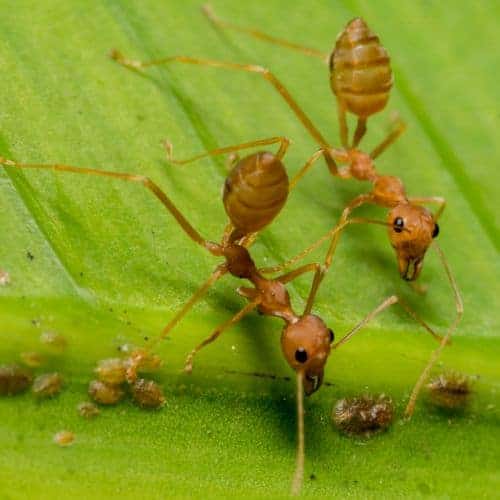
Fire Ants
Fire Ants are an audacious species of insects who have adapted to survive in the scorching desert ecosystem. Known for their reddish-brown appearance and fiery sting, these ants are incredibly robust and organized, living in large colonies often in sandy soil or under rocks. Their diet varies, consisting mainly of plant material, seeds, and even other insects. Remarkably resilient to the desert’s harsh conditions, they have the ability to change their nesting habits in response to changes in their environment, making fire ants an intriguing topic of study for those interested in understanding the diverse wildlife of deserts.
Gazelle
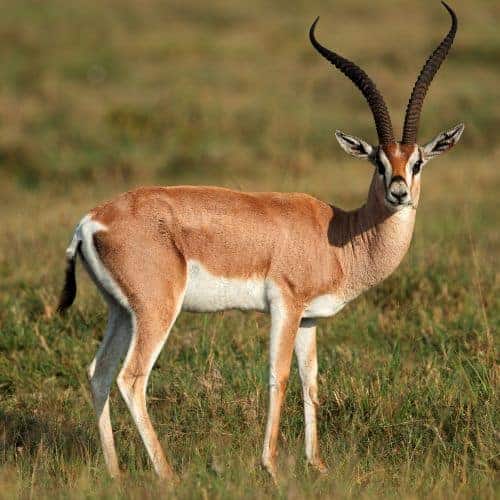
Gazelles, graceful and swift creatures, are a remarkable sight in the desert landscape. These agile animals are known for their speed and agility, with species like the Thomson’s gazelle capable of reaching speeds up to 60 mph to evade predators. Gazelles have a diet that primarily consists of grasses, shrubs, and leaves, with their highly adaptive digestive system allowing them to go without water for extended periods. Their elegant bounding leap, known as ‘pronking’ or ‘stotting’, is a distinctive behavior that adds to their charm. Gazelles, with their resilience and captivating beauty, offer a rich avenue for exploration in studies of desert wildlife.
Jackal
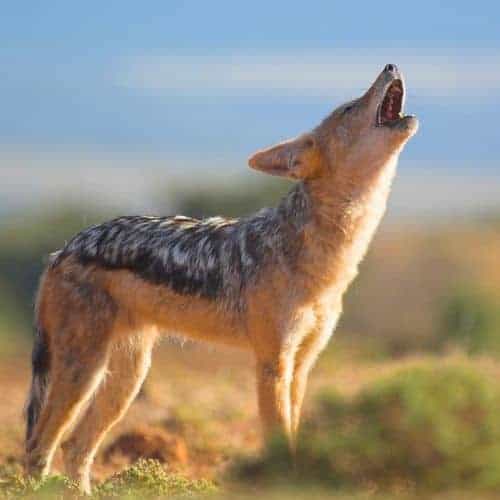
Jackals, often associated with cunning and resourcefulness, are an intriguing part of the desert ecosystem. These adaptable creatures are omnivorous, feeding on a variety of foods such as insects, fruits, small mammals, and even carcasses left by larger predators. Adapted to thrive in diverse environments, the jackal’s keen senses and swift agility make it a successful opportunistic hunter. Their distinctive, haunting howls that fill the desert night add to their enigmatic appeal, and their survival tactics in the harsh desert landscape make them a fascinating subject.
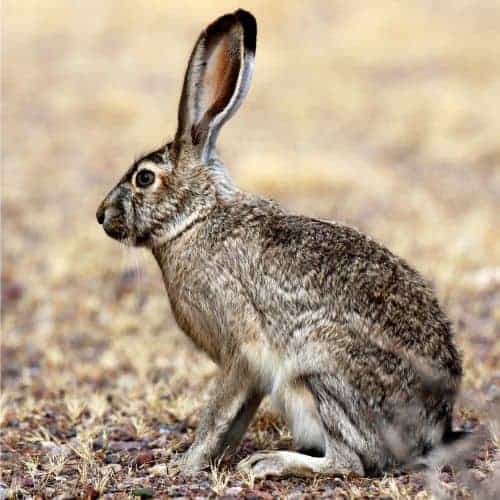
Jackrabbit
Jackrabbits, known for their oversized ears and powerful long legs, are truly iconic creatures of the desert. These hardy mammals are predominantly nocturnal, feeding on a diverse diet of plants, shrubs, and occasionally tree bark. Their large ears, apart from aiding in acute hearing, also help dissipate heat, keeping them cool in the sweltering desert environment. Jackrabbits possess an incredible ability to leap large distances to evade predators, making them incredible survivors in the harsh desert landscape. Their fascinating adaptations and swift agility make jackrabbits a fun subject for an animal report.
Rattlesnake
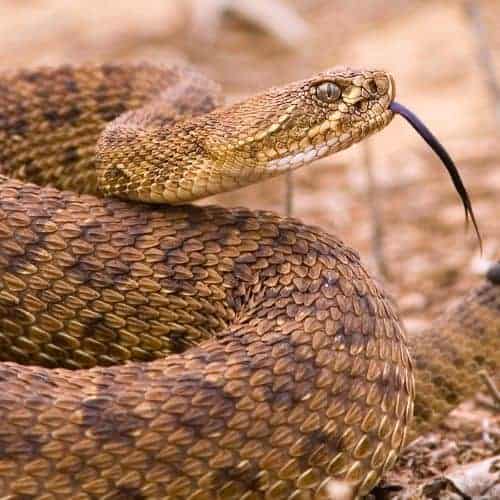
The Rattlesnake, an emblem of the desert’s untamed beauty, is a compelling creature with its distinctive rattling sound and deadly venom. These snakes are exquisite hunters, possessing heat-sensing pits near their nostrils to detect warm-blooded prey in the cool desert nights. Their diet consists mainly of small mammals, birds, and lizards. Rattlesnakes are also known for their striking warning system – the unmistakable rattling sound produced by the segments of their tail shaking against each other. This, coupled with their impressive ability to blend into the sandy and rocky desert environment, makes the rattlesnake a thrilling and significant subject for any study of desert wildlife.
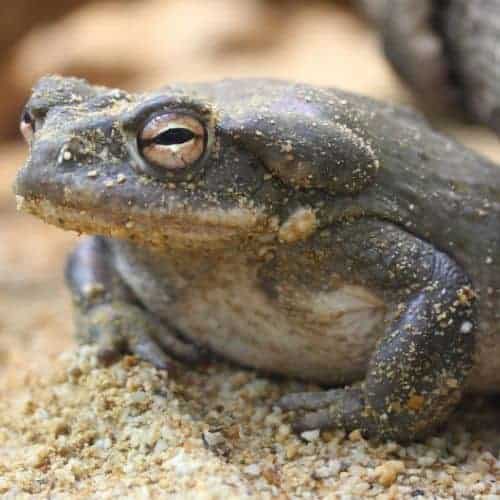
Sonoran Desert Toad
The Sonoran Desert Toad, also called the Colorado River Toad, is a species native to the American Southwest and northern Mexico deserts. Known for their large size, these toads are well adapted to harsh desert conditions. With their thick skin, they retain moisture and burrow underground during extreme heat or drought. Nocturnal by nature, they hunt for insects and small rodents at night. These toads have a potent toxin as a defense mechanism, yet they play a crucial role in controlling insect populations and are a food source for other animals in the desert ecosystem. Sadly, urbanization and road construction threaten their habitat, making conservation efforts vital for their survival.
-
Product on saleDesert Animals BUNDLEOriginal price was: $36.00.$21.20Current price is: $21.20.
-
-
-
-
-
-
-
-
-
-
-
-
-
Product on saleAfrican Animals BUNDLEOriginal price was: $33.00.$16.51Current price is: $16.51.
-
-
-
Jessica BOschen
Jessica is a teacher, homeschool parent, and entrepreneur. She shares her passion for teaching and education on What I Have Learned. Jessica has 16 years of experience teaching elementary school and currently homeschools her two middle and high school boys. She enjoys scaffolding learning for students, focusing on helping our most challenging learners achieve success in all academic areas.