
Classroom routines are the foundation of a well-managed classroom. They help students know what to expect, reduce downtime, and create a positive learning environment. Effective routines can make your day feel organized and productive whether you teach elementary, middle, or high school.
Think of classroom routines as the secret ingredient that keeps the day flowing with minimal interruptions. Whether starting the morning with a cheerful greeting or transitioning between lessons with a simple attention signal, these practices set clear expectations and minimize confusion. Not only do they help with time management, but they also foster independence and accountability in students.
Routines are one of the most important strategies for classroom management. If you’re building your full system, start here.
Classroom Routine Examples for Your School Day
In this post, you’ll find a variety of classroom routine examples, organized by time of day and purpose. These ideas can inspire you to develop routines tailored to your unique teaching style and the needs of your students.
Start-of-Day Routines
Starting the day on the right foot sets the tone for the rest of the day. These routines create structure and help students transition into learning mode:
- Morning Greeting: Greet each student with a smile, handshake, or personalized greeting to make them feel welcomed and valued.
- Morning Work: Provide a consistent task such as journaling, silent reading, or a review activity that students can complete independently.
- Attendance Check: Use a simple system like moving name tags to a “Present” column or taking attendance digitally while students work.
- Daily Schedule Overview: Spend a few minutes reviewing the day’s agenda with students to give them a sense of what to expect.
- Classroom Jobs: Assign specific responsibilities to students, such as line leader, supplies manager, or tech helper, to foster accountability.
Transition Routines
Transitions are critical moments in the day that can either run smoothly or become chaotic. These routines will help you maintain order:
- Attention Signal: Establish a signal like clapping, a bell, or a countdown to regain students’ attention quickly.
- Lining Up: Create an orderly system for lining up, such as calling students by table groups, birthdays, or silently based on readiness.
- Passing Out/Collecting Materials: Designate students as “materials managers” to distribute or collect supplies efficiently.
- Switching Subjects: Use a timer or a countdown to transition between subjects and reset students’ focus.
- Bathroom Breaks: Set clear expectations using a sign-out sheet, hall passes, or hand signals to minimize interruptions.
Instructional Routines
Clear routines during instruction time help students stay engaged and focused. These examples can work across various subjects:
- Turn and Talk: Pair students to discuss a prompt or question, encouraging participation and critical thinking.
- Think Time: Give students silent thinking time before answering questions to promote deeper reflection.
- Group Work Expectations: Teach students roles and responsibilities for working collaboratively, including noise levels and task completion guidelines.
- Class Discussions: Use rules like raising hands or active listening to ensure discussions remain respectful and on-topic.
- Independent Work: Create expectations for behavior, focus, and effort during solo tasks.
Behavior Management Routines
Managing behavior proactively is easier with established routines. These examples help maintain a positive and productive classroom atmosphere:
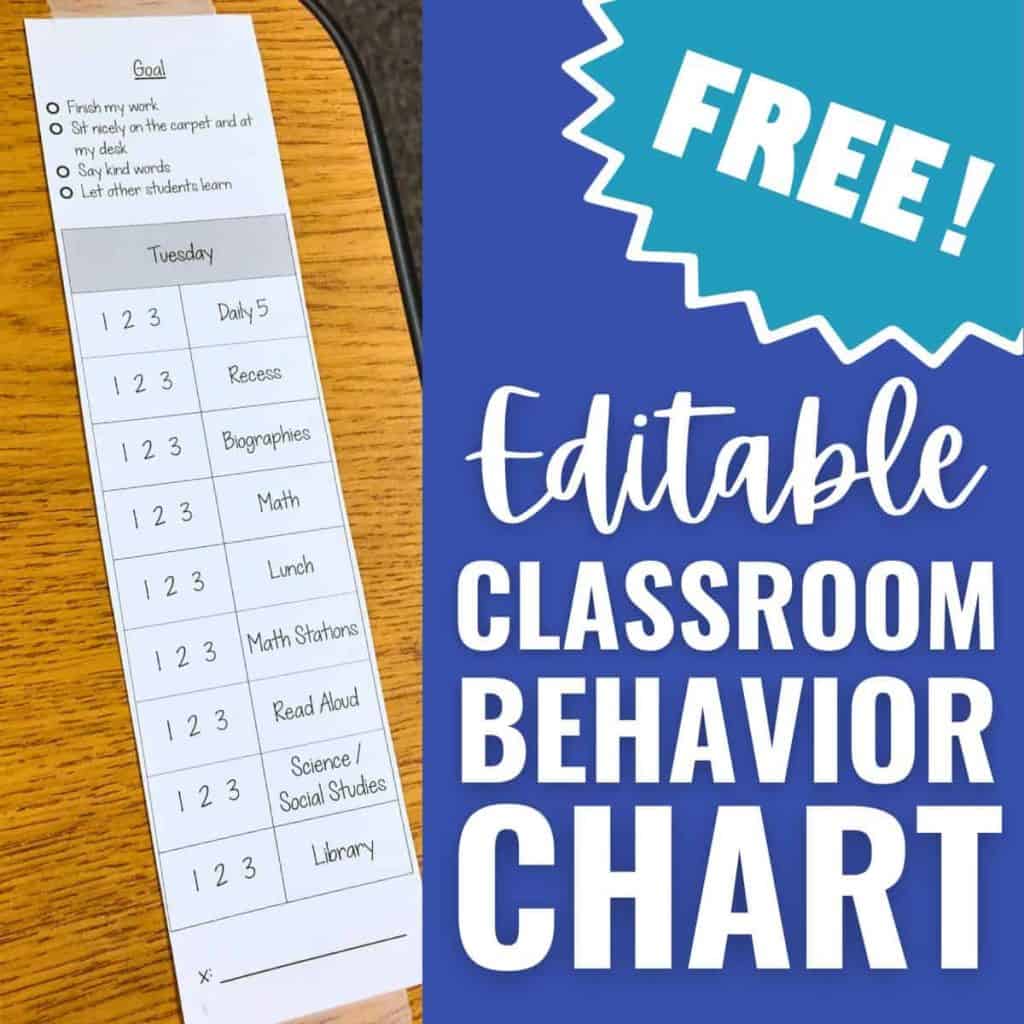
- Behavior Signals: Use non-verbal signals or visual cues, like a stoplight chart, to remind students about behavior expectations.
- Classroom Rules Check: Regularly review class rules with students to reinforce them.
- Conflict Resolution: Teach a simple process, such as “Stop, Talk, Resolve,” or establish a peace corner for solving disagreements.
- Positive Reinforcement: Use reward systems like stickers, table points, or verbal praise to encourage good behavior.
End-of-Day Routines
A smooth wrap-up to the day helps students leave feeling accomplished and ready for the next day. Try these routines:
- Reflection Time: Allow students to share something they learned or enjoyed that day.
- Clean-Up Time: Assign students specific areas or tasks to tidy before dismissal.
- Homework Check-Out: Review homework assignments or distribute materials to take home.
- End-of-Day Line-Up: Dismiss students in an organized way, such as by rows or table groups.

End of the Day ROutines
Need more ideas for the end of the day? Check out these routines to make that day just a bit calmer.
Weekly Routines
Incorporating weekly routines provides structure and predictability to the flow of your teaching week:
- Monday Morning Preview: Kick off the week by introducing goals, themes, or a special activity.
- Weekly Jobs Rotation: Rotate classroom helper roles every Monday to keep things fresh and fair.
- Fun Friday: Celebrate the week’s accomplishments with a special activity, game, or free-choice time.
Seasonal or Special Routines
These routines keep your classroom running smoothly during holidays or special times of the year:
- Holiday Transitions: Practice re-establishing routines after long breaks to refocus students.
- Birthday Celebrations: Have a simple plan for acknowledging birthdays, such as singing or a special note.
- Class Meetings: Hold weekly or monthly meetings to discuss goals, address concerns, and celebrate successes.
Classroom routines are not just about managing the flow of the day—they’re about building a positive classroom culture and maximizing learning time. Whether you’re a new or seasoned teacher, these classroom routines examples can help you create a more organized, efficient, and engaging environment for your students.
What routines work best in your classroom? Share your favorite tips or ask questions in the comments below!
Jessica BOschen
Jessica is a teacher, homeschool parent, and entrepreneur. She shares her passion for teaching and education on What I Have Learned. Jessica has 16 years of experience teaching elementary school and currently homeschools her two middle and high school boys. She enjoys scaffolding learning for students, focusing on helping our most challenging learners achieve success in all academic areas.