
What Are the Best Strategies for Managing a Talkative Class?
Every teacher has encountered that class—the one where students treat every transition like a group chat and every lesson like a social hour. While a chatty class isn’t always a bad thing (hello, student engagement!), it can derail your plans if left unchecked. So what do seasoned teachers do when the volume creeps up and productivity plummets?
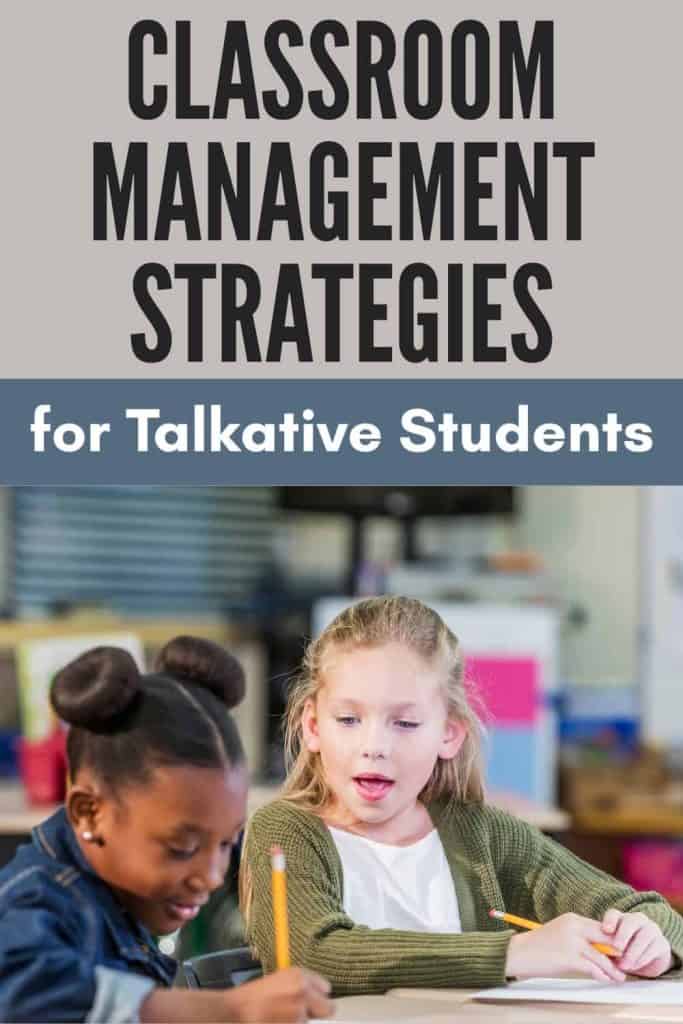
Managing talkative students is just one piece of an effective classroom system. See the full guide to strategies for classroom management.
Here are some tried-and-true strategies veteran teachers swear by when it comes to managing a talkative class.
1. Teach and Practice Attention Signals
Experienced teachers don’t just use attention-getters—they teach them. Whether it’s “Give Me Five,” a clapping pattern, call-and-response (“Macaroni and Cheese!” / “Everybody freeze!”), or simply flicking the lights, consistency is key. Practice them like you would a fire drill. Talk about what students should do with their voices, eyes, hands, and bodies when the signal is given. Then reinforce it often.
💡 Pro Tip: Switch it up occasionally to keep it fresh. Let your students help invent a new one as a class reward!

76 Fun Attention Getters to Use as Call and Responses
Would you like a list of attention getters to use in your classroom this year? Here are 76 to choose from!
2. Use Non-Verbal Cues
Sometimes, less is more. A strategic pause, a raised eyebrow, or standing silently near a chatty group can be more powerful than a verbal reminder. Many teachers keep a clipboard and silently jot down notes during instruction—this subtle move sends a clear message without interrupting the flow of your lesson.
3. Incorporate More Talking—On Your Terms
Here’s the thing: students want to talk. So let them! But structure it. Use strategies like Turn and Talk, Think-Pair-Share, or group tasks with clear roles. Not only does this redirect their need to talk into productive conversations, but it also boosts collaboration and comprehension.
🗣️ Bonus: Let students know when “talk time” is coming. “You’ll get to chat about this in just a minute, so hold that thought!”
Learn more about Turn and Talk and Think-Pair-Share in these posts:


4. Use Seating to Your Advantage
Sometimes, chatty behavior is all about proximity. Veteran teachers will quietly shift students based on patterns they observe. Move talkative friends farther apart during lessons, then offer social time as a reward for staying focused. Flexible seating is great, but it’s not always teacher-flexible unless you’ve set clear boundaries.
5. Teach What Talking Looks Like at Each Time of Day
Model and practice what an acceptable volume sounds like during partner work vs. group work vs. quiet work. Anchor charts, volume level posters (e.g., voice level 0 to 4), and student role-play scenarios can really help set the tone—pun intended.
🎯 Try This: Do a “volume walk.” Have students walk around the room practicing each voice level, and discuss what works best for different activities.
Try these voice level charts that can be displayed on your whiteboard.

Help your students manage their volume and stay on task with these clear, kid-friendly Voice Level Charts! They come with a 0-4 or 1-5 scale and kid-friendly images to help you communicate your expectations.
6. Catch Them Being Quiet
Praise is powerful. A well-timed, “Wow, I love how table three is ready and focused,” is more effective than calling out those who aren’t. Some teachers use class points, secret student monitoring, or “mystery minutes” to incentivize quiet transitions and listening.
7. Set Clear Expectations—Then Hold the Line
Talkative classes often need firmer boundaries and clearer routines. It’s not about being strict—it’s about being consistent. Be crystal clear about what’s expected, practice it often, and stick to the consequences. Most importantly, follow through with calm, predictable responses when students go off track.
Managing a chatty class isn’t about silencing your students—it’s about guiding their energy into the right places. With clear routines, structured talking opportunities, and a few stealthy teacher tricks up your sleeve, even the most talkative class can become a focused, collaborative crew.
What’s your go-to strategy when the volume gets out of hand? Let us know in the comments below!
Jessica BOschen
Jessica is a teacher, homeschool parent, and entrepreneur. She shares her passion for teaching and education on What I Have Learned. Jessica has 16 years of experience teaching elementary school and currently homeschools her two middle and high school boys. She enjoys scaffolding learning for students, focusing on helping our most challenging learners achieve success in all academic areas.