
Closing Circle Ideas, Activities, and Routine for Elementary
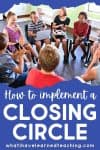
My closing circle runs about eight minutes, and in those eight minutes I learn more about what my students are actually thinking than I do in the rest of the school day combined. Someone shares that their peak was helping a friend at lunch. Someone else admits their valley was getting frustrated during math. Those moments would not happen without the structure — and once you build the routine, students hold you to it.

This post covers what a closing circle is, how to set up a routine, which activities and questions work best, and what the responsive classroom approach recommends for this part of the day.
What Is a Closing Circle?
A closing circle is a brief whole-class meeting, typically 5-10 minutes, held at the end of the school day. Students gather in a circle to reflect on the day, celebrate wins, and connect with classmates before dismissal. It is a core component of the Responsive Classroom approach and is used in elementary classrooms to build community and end the day on a calm, positive note.
Teachers use interactive modeling to guide the class through different elements.
| Closing Circle Elements | Purpose |
|---|---|
| Reflection | Students think about what they’ve done well and what they aim to do tomorrow. |
| Celebration | The class celebrates their wins, both as individuals and as a group. |
| Closing | Students move to dismissal feeling calm and connected. |
Having a regular closing circle routine helps teachers build a positive classroom environment. It encourages trust, teamwork, and a feeling of achievement among students.

Closing Circle Routine for Elementary Classrooms
Here is a routine that teachers can use to implement a closing circle in a third-grade classroom:
1. Signal for Transition (1 minute)
Use a familiar signal, such as ringing a bell, clapping a rhythm, or a call-and-response phrase, to let students know it’s time to gather for the closing circle. This helps them transition smoothly from their current activity to the circle.
2. Clear and Prepare (2 minutes)
Give students a minute to tidy their desks, put away materials, and prepare for dismissal. Encourage them to finish packing up to focus on the closing circle without distractions.
3. Gather in a Circle (1-2 minutes)
Designate a specific area in the classroom for the closing circle. Guide students to form a circle, standing or sitting on the floor. Ensure everyone can see and hear each other, reinforcing a sense of community and equality.
4. Review the Day (2-3 minutes)
Start by briefly recapping the day’s highlights. You can mention key activities, lessons learned, or achievements. Encourage students to contribute by asking open-ended questions like, “What was something new you learned today?” or “What was your favorite part of the day?”
5. Share Reflections (3-4 minutes)
Use a structured sharing activity like “Rose, Thorn, Bud” or “Two Stars and a Wish.” Go around the circle, allowing each student a chance to share. Encourage active listening by reminding students to look at the speaker and show they are paying attention. You can also use a talking stick or an object to indicate whose turn it is to speak.
6. Group Activity or Game (3-5 minutes)
Choose a quick activity reinforcing community or reflection, like a gratitude chain, a quick game of silent ball, or a class cheer. This helps wrap up the day on a positive and engaging note. The activity should be simple and inclusive so that all students can participate.
7. Set a Goal or Affirmation for Tomorrow (1-2 minutes)
Encourage students to set a personal or class goal for the next day. This could be as simple as “I will raise my hand more” or “I will help a friend.” Alternatively, end with a positive affirmation or a quick mindfulness exercise to help them leave the classroom feeling calm and centered.
8. Dismiss with a Routine (1 minute)
End the circle with a consistent dismissal routine, such as a “high-five chain,” a secret class handshake, or a group chant. This signals the end of the day and reinforces a positive, unified classroom culture.
Using this routine, teachers can create a meaningful and structured closing circle that helps students reflect on their day, feel connected to their classmates, and prepare for the next day.
For specific closing circle activities to rotate through, I have a full list in this post on closing circle activities.
Closing Circle Questions for Reflection
Not every closing circle needs a structured activity. Sometimes a single question is enough. These prompts work well to start the share:
- What was your peak and your valley today?
- What is one thing you learned today that surprised you?
- What is something you want to do differently tomorrow?
- What is something a classmate did today that you appreciated?
- What is one question you still have from today’s lessons?
- On a scale of one to five, how are you leaving school today — and why?
- What is something you are looking forward to tomorrow?
- If you could change one thing about today, what would it be?
Rotate the questions so the sharing stays fresh. Using the same prompt every day makes it feel routine in the bad sense, and students stop thinking before they answer.
Need more ideas for reflection questions? Check out these lists of questions you can use throughout your day.
Six Tips for Effective Closing Circles
Closing circles are effective for building classroom community and reflection. Here are six key tips to make them work well:
- Set aside dedicated time. Give ten minutes at the end of the day for closing circles. This time lets everyone wrap up calmly and thoughtfully without rushing.
- Ensure everyone participates. Every student and adult should join in. This builds a strong feeling of community and a shared experience.
- Teach closing circle routines. Show and teach the circle’s rules, like finishing tasks, packing up, responding to signals, forming a circle, and sharing thoughts.
- Mix Up the Activities. Variety keeps closing circles fresh and engaging. Rotate between activities—reflection, celebration, or closure games—to cater to diverse needs and interests. This keeps students excited and prevents routines from becoming monotonous.
- Keep it Positive and Constructive. Foster an environment where students feel safe sharing their thoughts. Encourage positivity and constructive feedback. Reinforce that expressing successes and challenges is okay, but always guide the conversation toward growth and learning.
- Be Flexible. Each day is different. Be ready to adjust based on your students’ energy and needs that day.
Using these tips, you can make closing circles meaningful. They help your students feel grounded, connected, and ready for more learning. These strategies improve classroom management and create a positive, community-focused space.
Reflecting on the closing circle, I see its real impact on elementary classrooms. Just 5-10 minutes at the end of the day can open new doors for students. Using closing circles helps us come together, think deeply, and celebrate our wins.
Closing circles also ensure that learning sticks. We use many ways to help students share and show what they’ve learned. These routines change how students view their learning and how connected they feel to us.
If you are looking for other end-of-day strategies, the classroom management strategies post covers more ways to build structure and community. You can also read about morning meeting as the opening bookend to the closing circle.
Jessica BOschen
Jessica is a teacher, homeschool parent, and entrepreneur. She shares her passion for teaching and education on What I Have Learned. Jessica has 16 years of experience teaching elementary school and currently homeschools her two middle and high school boys. She enjoys scaffolding learning for students, focusing on helping our most challenging learners achieve success in all academic areas.