Properties of Matter Science Stations for Fifth Grade
Teaching properties of matter can feel a little abstract for students until they actually get their hands on it. When students test, observe, and question what they’re seeing, the concepts…
As a child, I was utterly fascinated by earthquakes and volcanoes. Never mind that I lived nowhere near a faultline or plate boundary and would likely never experience these phenomena…
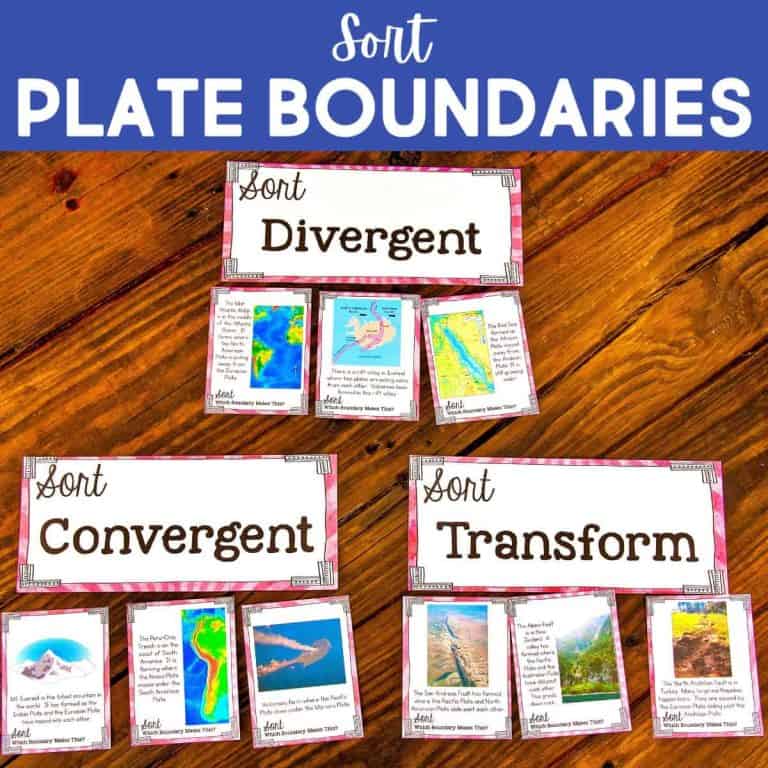
Teach students about plate tectonics and how the plates interact with one another with a Plate Boundaries Sort that is aligned with the Next Generation Science Stations for Fourth Grade….
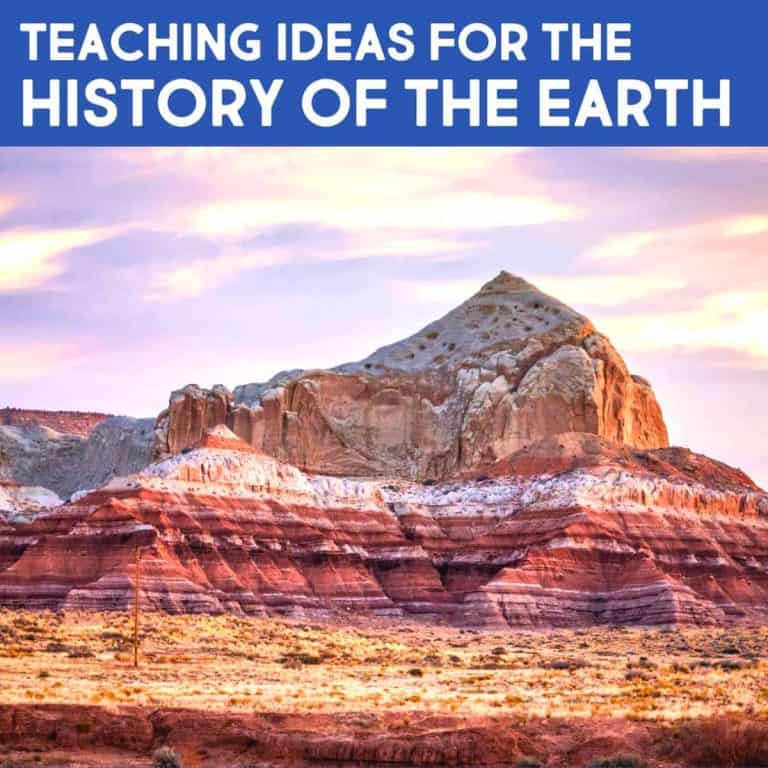
Do your 4th-grade students understand how fossils tell the age of the earth? Can they explain what causes earthquakes or how mountains are formed? If not, we can help. If…
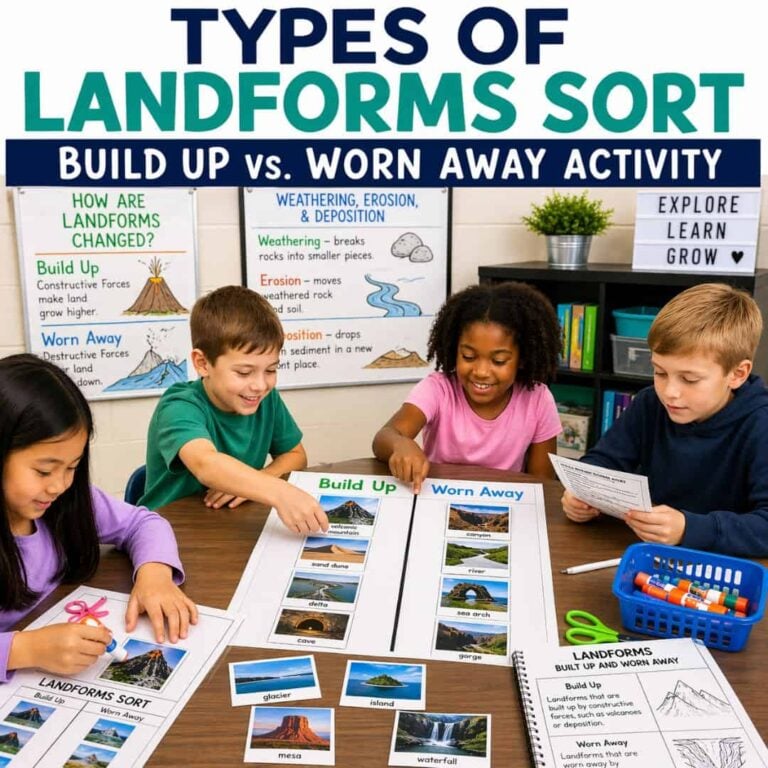
Second graders cover three main science domains under the NGSS: physical science (matter and its changes), life science (plant growth and habitats), and earth science (landforms, erosion, maps, and water)….
The Next Generation Science Standards are complicated and challenging to unpack. They are three-dimensional and include both content knowledge and performance expectations. The NGSS website gives us some information on how to…
Ever wonder how you could teach about energy in a way that brings science alive for your elementary students? Wish you had a ready-made list of helpful energy teaching ideas,…
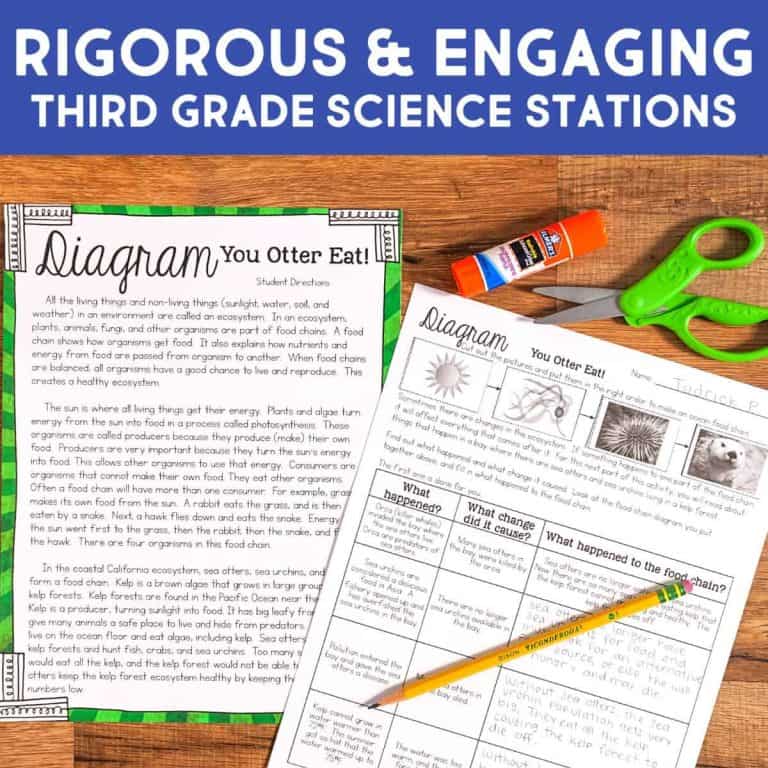
Do you ever wonder what your third graders should know in science? As an elementary teacher that follows the Next Generation Science Standards (NGSS), this third grade science curriculum helps…
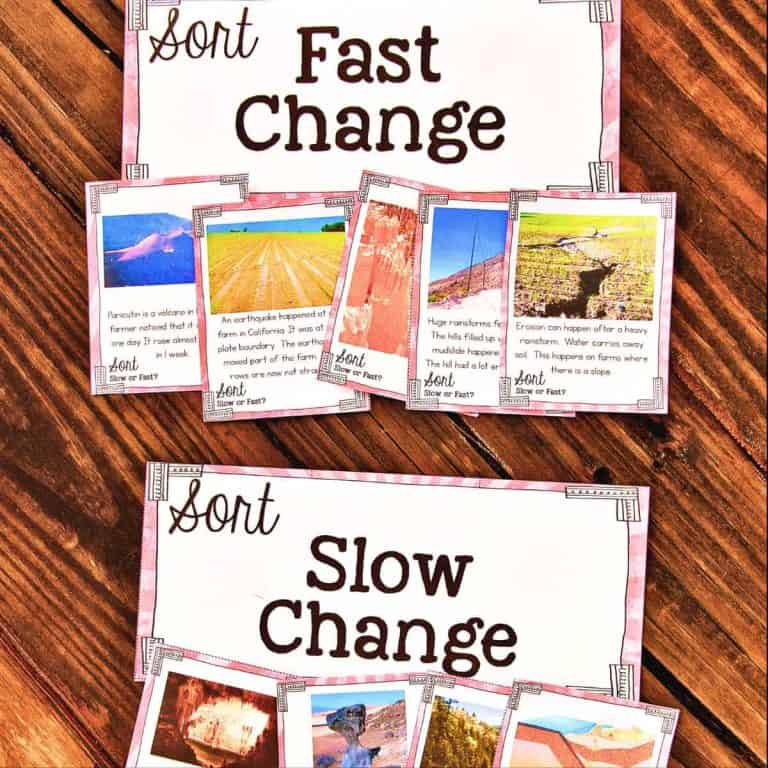
When teaching earth science, one of the most useful distinctions to help students understand is the difference between slow changes examples and fast changes examples in the real world. Slow…
Teach students about wind and water weathering and erosion with a SORT about Wind and Water Changes aligned with the Next Generation Science Stations. In this second grade station, students…
Teach students about which plant parts we eat with a SORT about identifying plant parts. In this station, students categorize plants by the part that we eat: root, fruit, stem,…
Teaching ecosystems and biomes can feel abstract for students until they actually work with real examples. This sort animals and plants into biomes activity helps students make sense of animals…
End of content
End of content