Claim, Evidence, Reasoning (CER) in Elementary Science
Ask a third grader to explain a science answer, and you’ll often get “because I just know” or a single guess with nothing behind it. Teaching claim, evidence, and reasoning…

Strong science instruction encourages curiosity, critical thinking, and hands-on exploration. In elementary classrooms, effective science teaching combines inquiry-based learning, structured instructional models, and meaningful connections across content areas. Whether you’re teaching Earth systems, life science concepts, or physical science topics, these resources are designed to support both conceptual understanding and classroom implementation.

Ask a third grader to explain a science answer, and you’ll often get “because I just know” or a single guess with nothing behind it. Teaching claim, evidence, and reasoning…
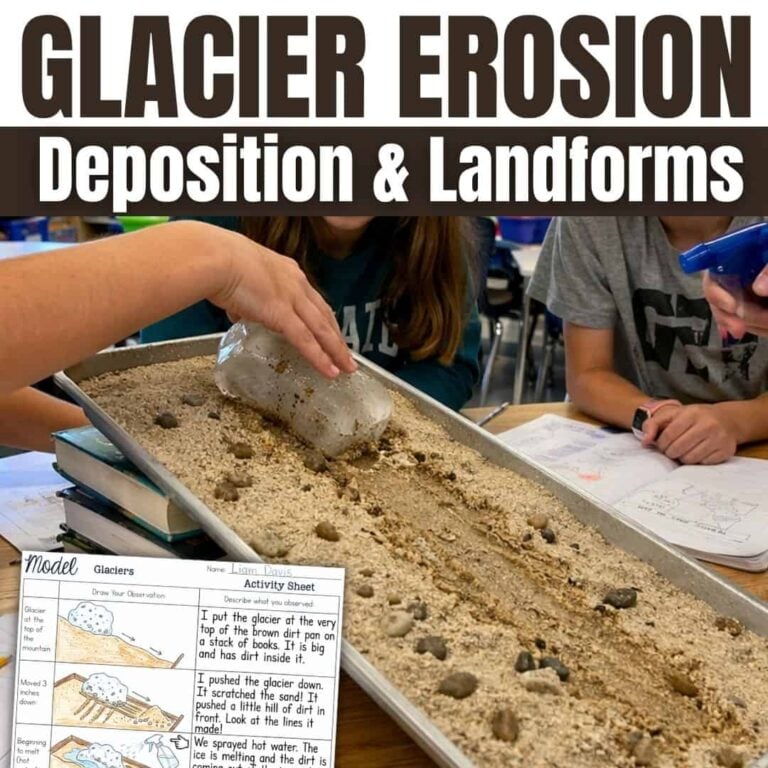
When students encounter glaciers in a science unit on Earth’s surface changes, the concept can feel abstract with ancient ice, distant mountains, and slow processes measured in centuries. This glacier…
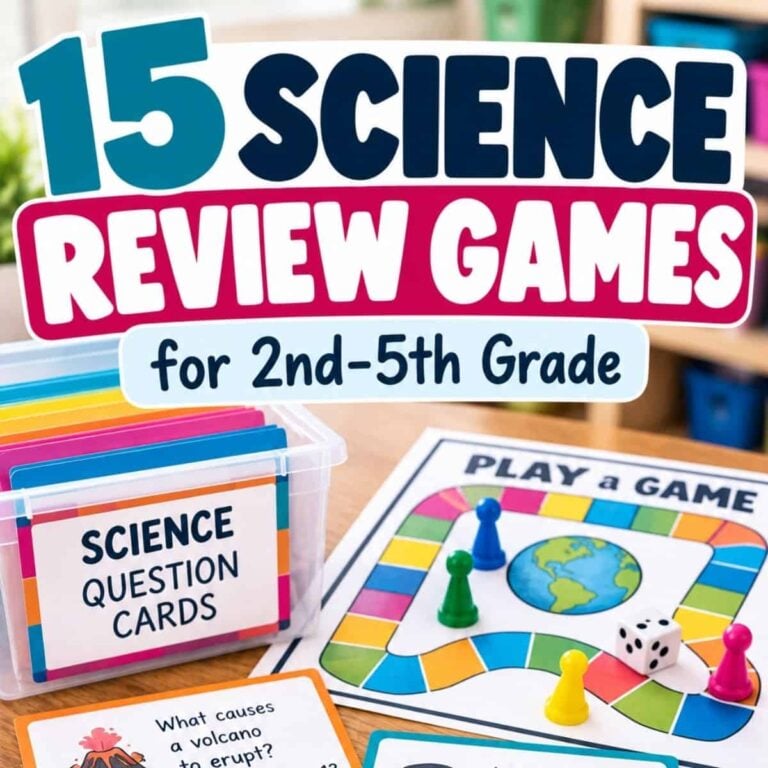
Science review games give elementary students a reason to actually think through what they’ve learned, and they work far better than another round of worksheets. Whether you’re wrapping up a…
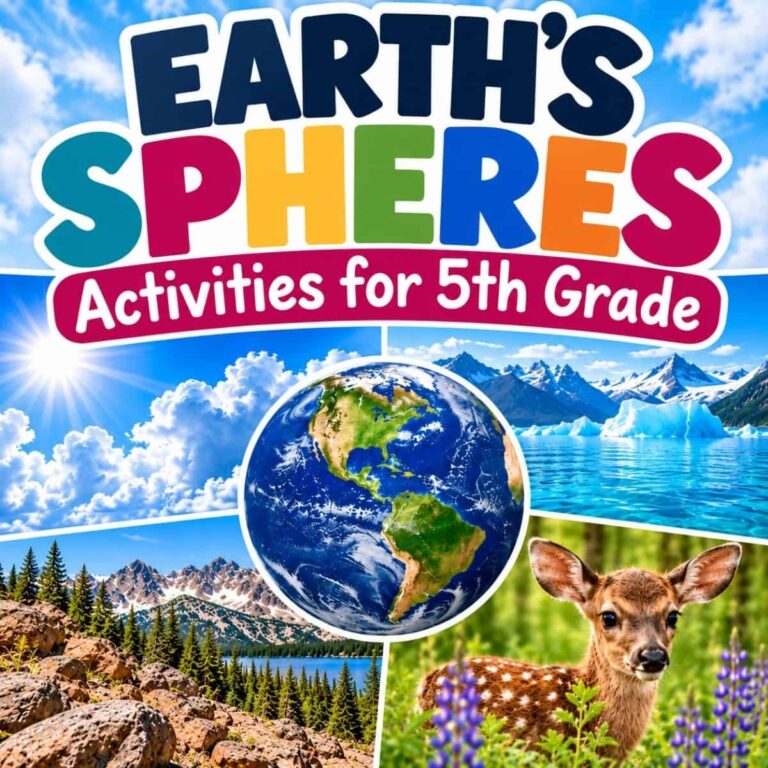
When students learn about Earth’s spheres, they’re learning to see the planet as a system rather than a collection of separate facts. The atmosphere, hydrosphere, geosphere, and biosphere are constantly…
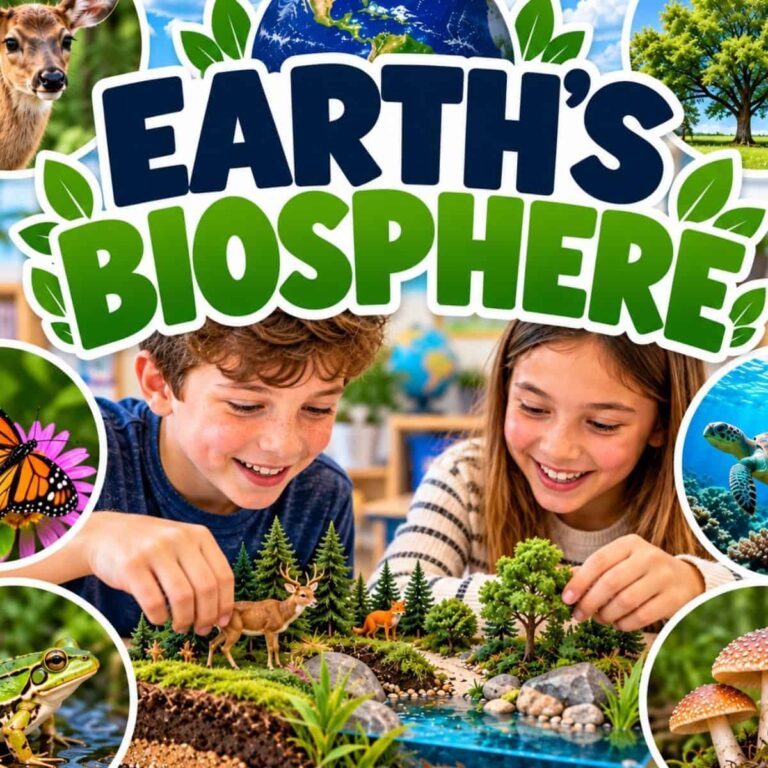
The Earth’s biosphere is the sphere that students are already part of, making it a great anchor for teaching Earth’s systems. Every organism on the planet, from the bacteria in…
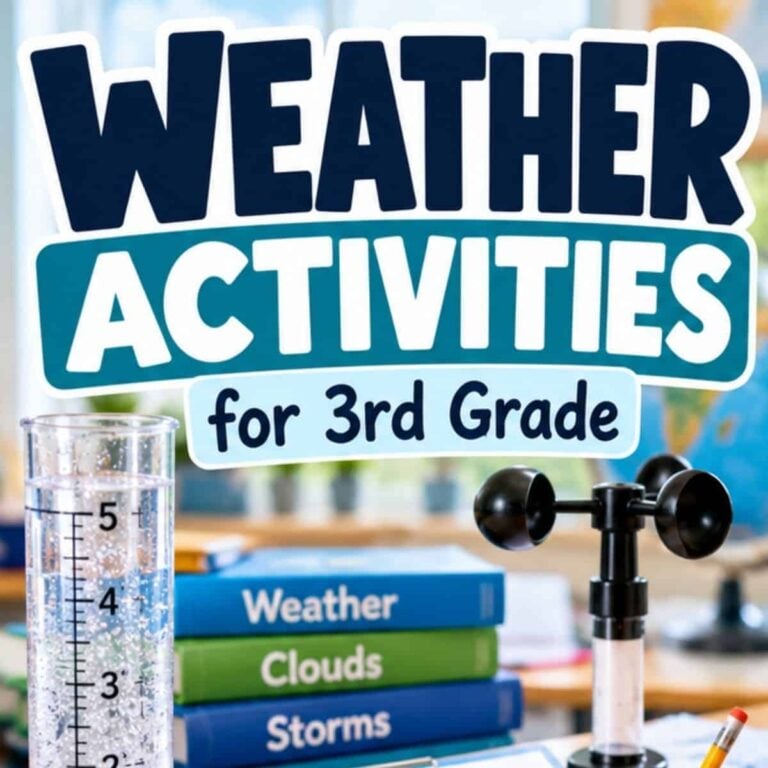
Weather activities for 3rd grade cover some of the most naturally engaging science content in the elementary curriculum. Students already have opinions about the weather, and NGSS standards 3-ESS2-1, 3-ESS2-2,…
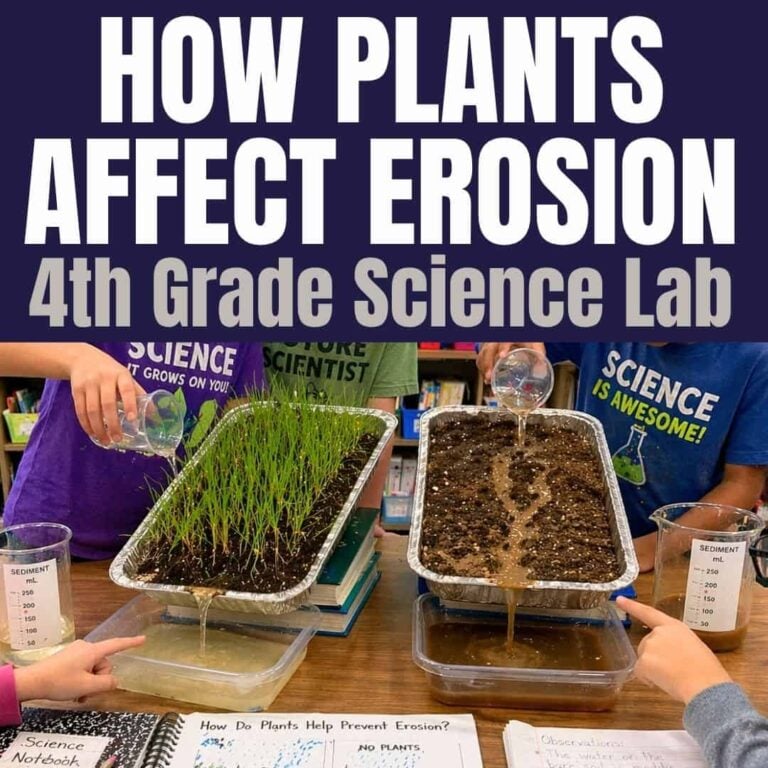
This prevent erosion science experiment has 4th graders compare bare soil to soil with plants, measure sediment in runoff, and draw diagrams to understand how vegetation protects against erosion.
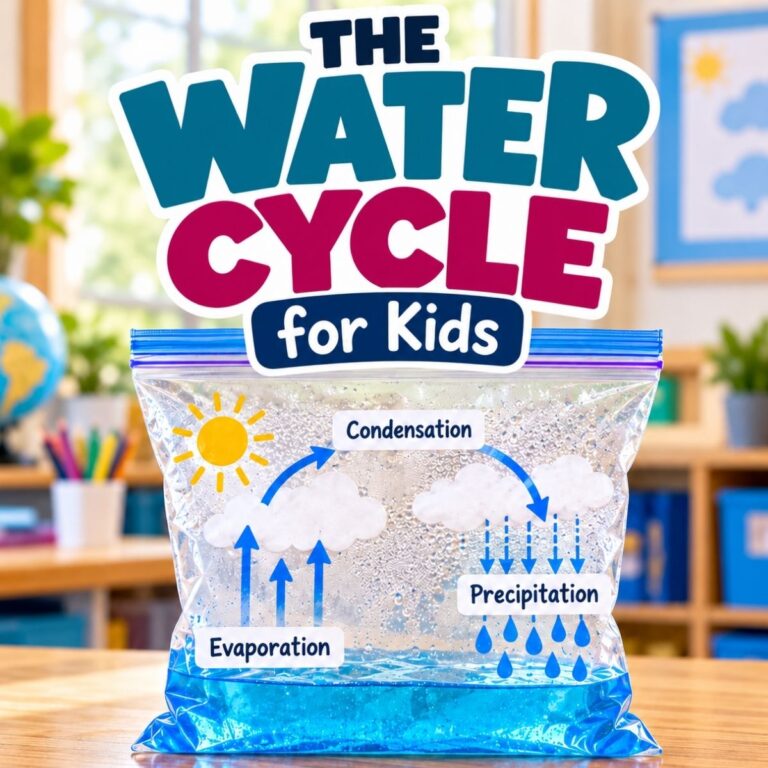
Teaching the water cycle for kids works especially well in elementary science because the topic recurs at multiple grade levels, each time with greater depth. Students encounter it first in…
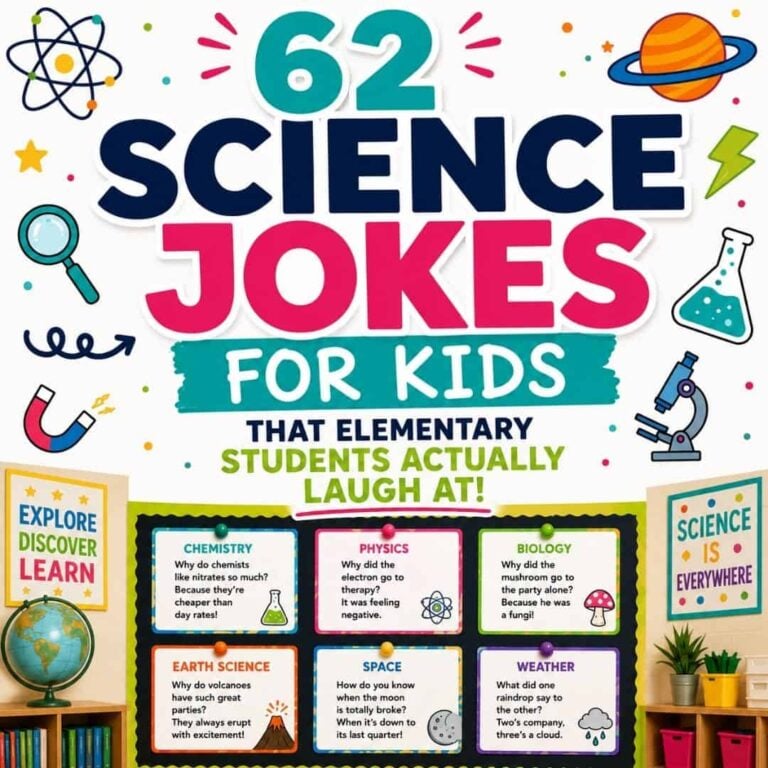
Nothing gets a laugh out of a class faster than a well-timed science pun. Whether you’re wrapping up a chemistry unit, taking a brain break during earth science, or just…
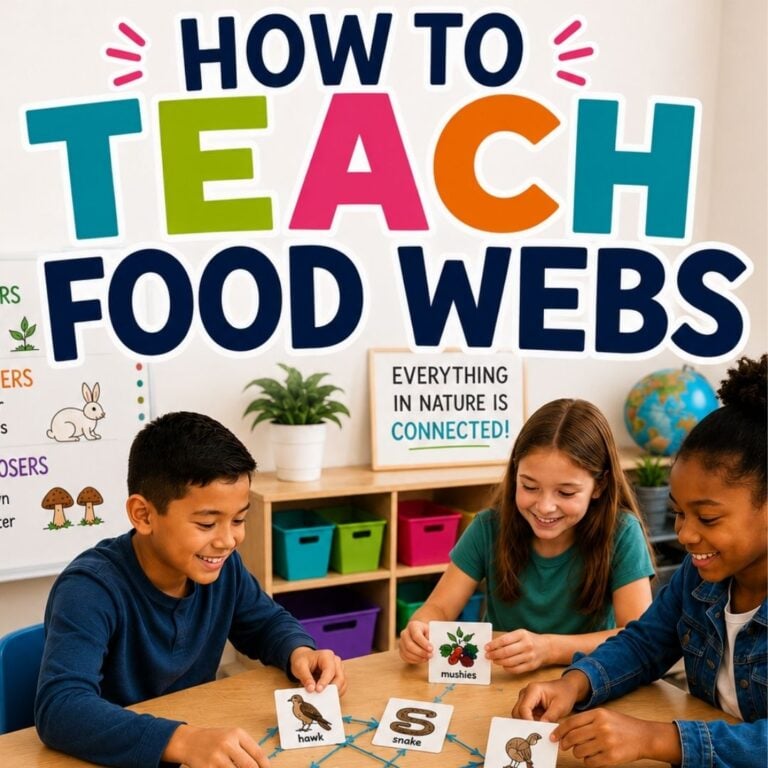
Food chains and food webs are one of those topics that sound simple on the surface but become more complex as students move through the grade levels Students encounter the…
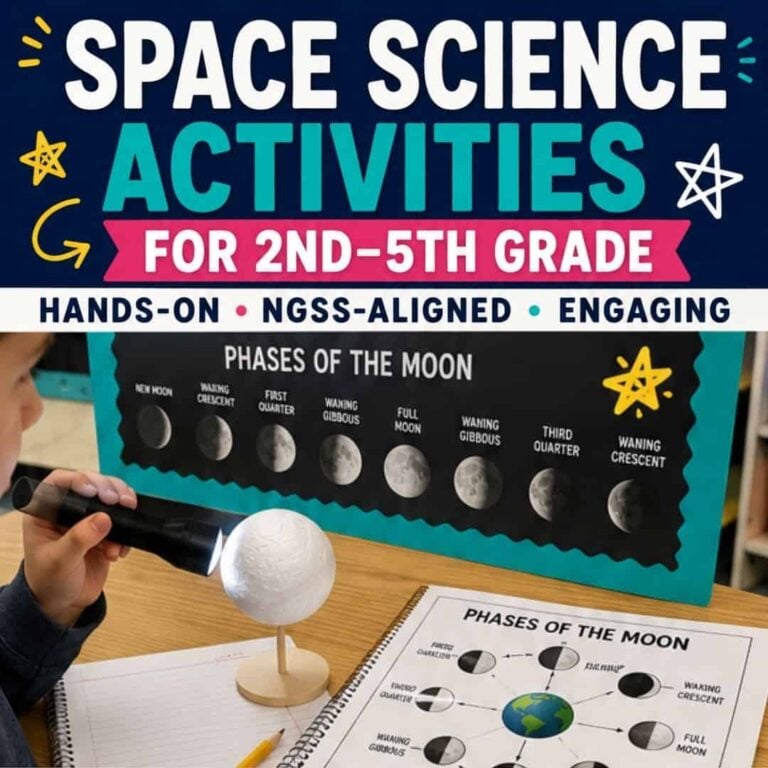
Space science for elementary students varies by grade. The NGSS sequence builds from patterns students can observe (shadows, seasons, day and night) to the physics behind those patterns (Earth’s rotation,…
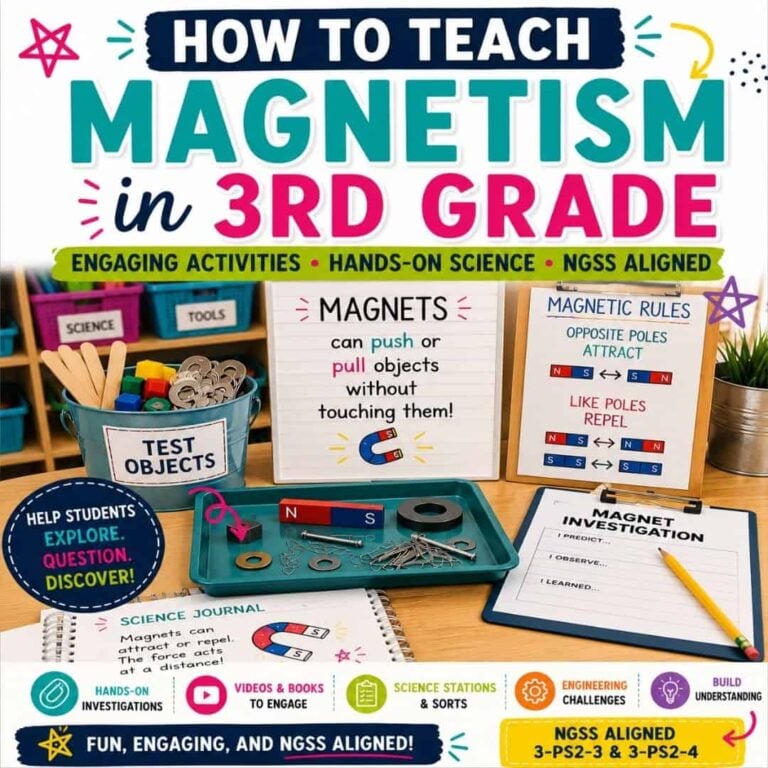
Magnet activities for kids are some of the most naturally engaging science lessons you can teach. Students are endlessly curious about why some objects stick, and others don’t. Third grade…
End of content
End of content