Structure and Function: How Organisms Live, Behave, Reproduce, and Grow
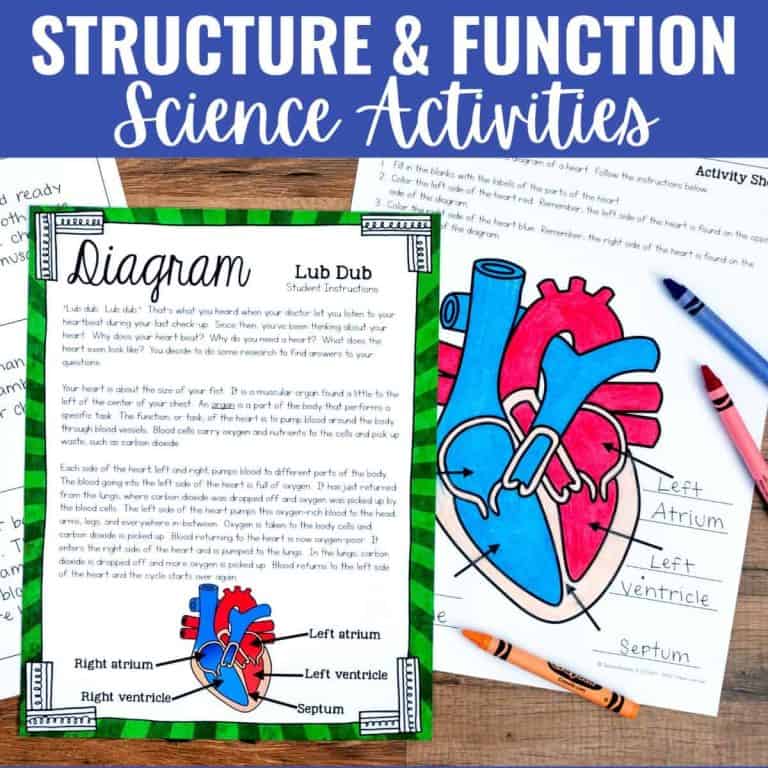
What body parts do living things have that allow them to function in their environment? How do plants and animals live and behave within their communities? Why do birds fly?…
Strong science instruction encourages curiosity, critical thinking, and hands-on exploration. In elementary classrooms, effective science teaching combines inquiry-based learning, structured instructional models, and meaningful connections across content areas. Whether you’re teaching Earth systems, life science concepts, or physical science topics, these resources are designed to support both conceptual understanding and classroom implementation.
What body parts do living things have that allow them to function in their environment? How do plants and animals live and behave within their communities? Why do birds fly?…
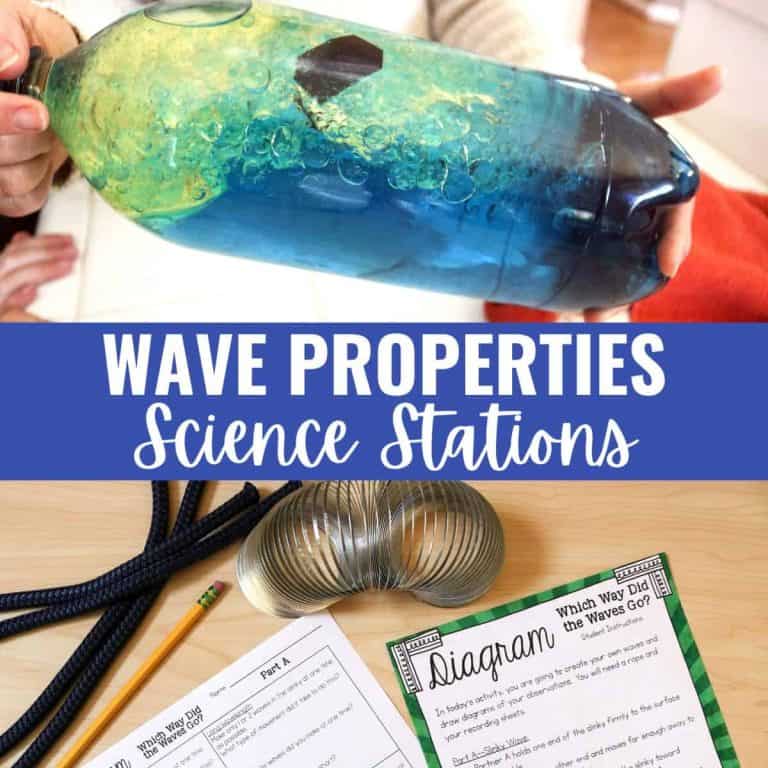
The Making Waves – Wave Properties Science Stations teach about the properties of different types of sound and ocean waves. Within these stations, students learn about sound waves, construct a phone, diagram different types…
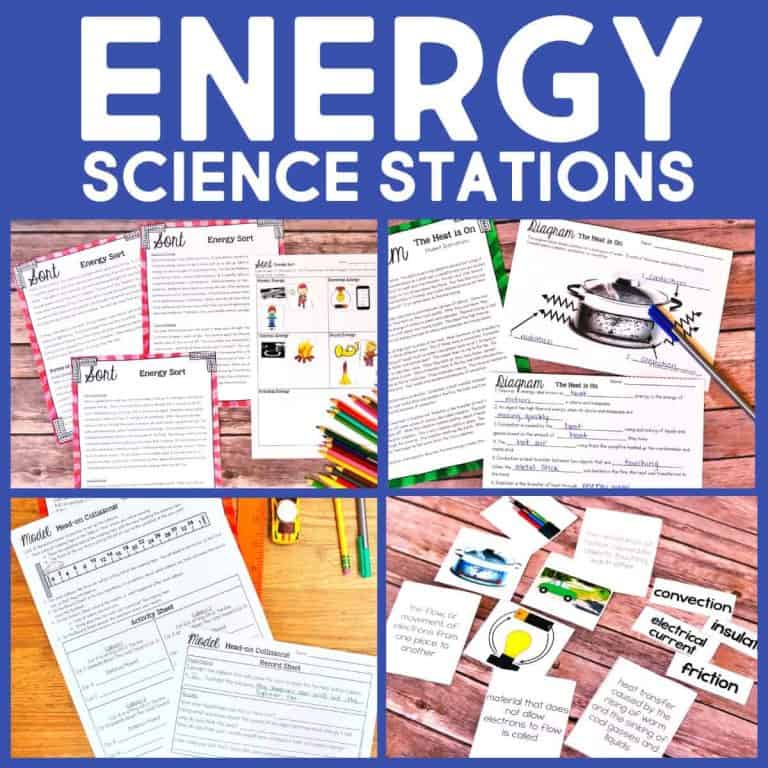
The Energy Science Stations for Fourth Grade focuses on energy transfer and conservation of energy in moving and colliding objects, light energy, and the transfer of energy from electrical to other types…
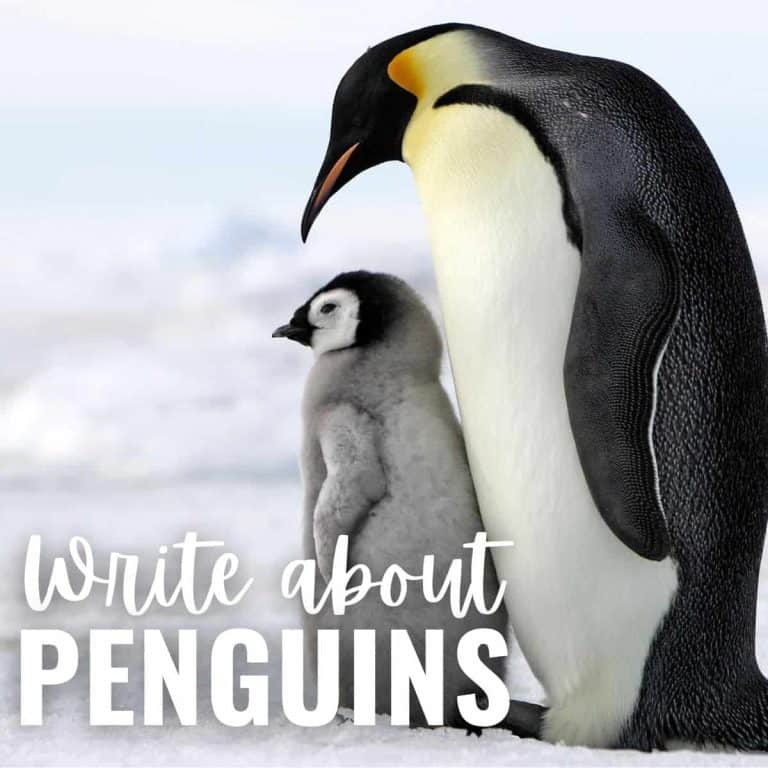
Read and write about penguins in this great seasonal activity that can be done in January or December. Use it to kick off your informational writing unit. Here is how we…
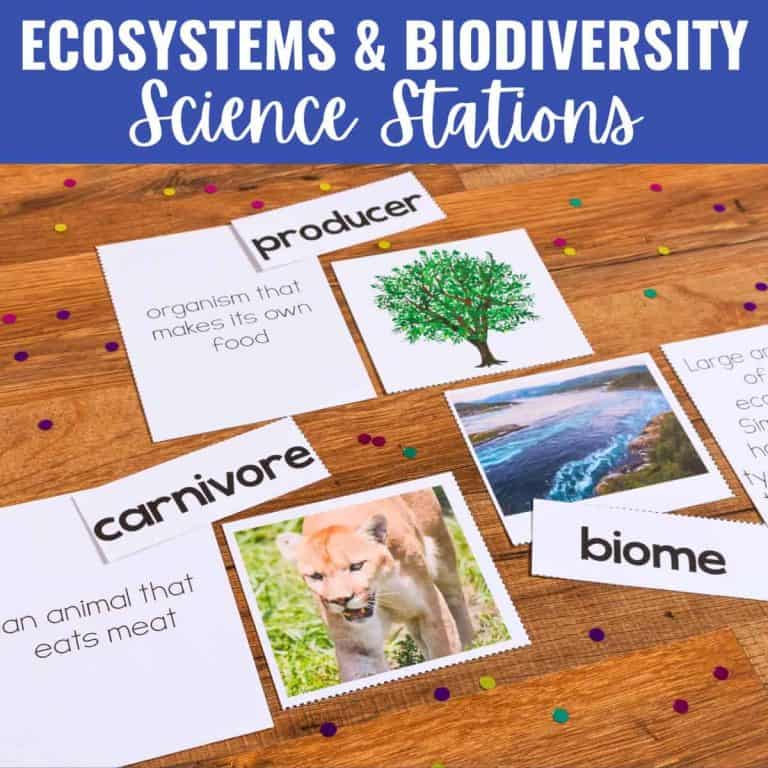
Ecosystems and Biodiversity Science Stations for third-grade help students understand how animals and plants relate to each other and to their environment. They include topics such as food chains, natural…
Teaching life science, especially biology, inside an elementary classroom can be challenging. Do you ever just want to take your class outside? Is it hard to explain the life cycles of…
As an elementary teacher, science and social studies were the subjects I struggled to teach well. I put so much time and effort into making sure my students were receiving…
Easy to read animal articles written at a middle elementary school level that include QR codes and a fact sort for informational writing. These animal articles have been a lifesaver…
How do you teach students about life cycles? Below are some ideas and resources on how we build background knowledge and work with information about life cycles and animals that…
Do you have a problem finding time to focus on Science in the early elementary grades? I find it challenging to find the time for science and as a result,…
When students struggle to talk about science content, the problem often isn’t the concept — it’s the language. Sentence frames for science give students a structure for practicing academic language…
An Earth Science Unit that includes a variety of activities to scaffold the content for your second-grade learners. Each standard focuses on one comprehension skill. There is a pre-reading activity to build background knowledge…
End of content
End of content