Magnetism Sorting Activity for Third Grade Science
Teach students about Magnetism with a SORT about Magnetic and Non-Magnetic objects. This science sort is aligned with the Next Generation Science Stations for Third Grade. Students read a short…

Strong science instruction encourages curiosity, critical thinking, and hands-on exploration. In elementary classrooms, effective science teaching combines inquiry-based learning, structured instructional models, and meaningful connections across content areas. Whether you’re teaching Earth systems, life science concepts, or physical science topics, these resources are designed to support both conceptual understanding and classroom implementation.
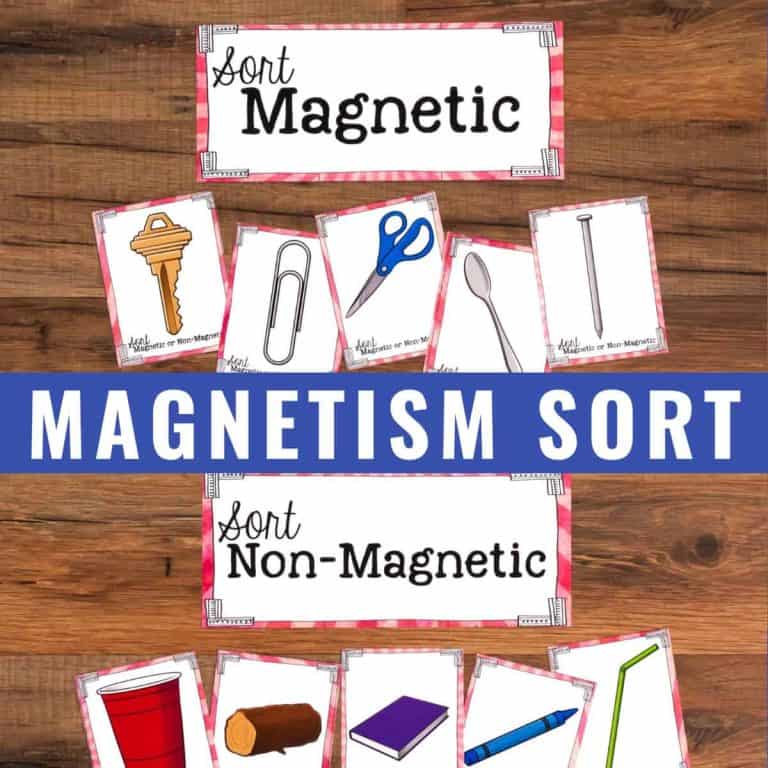
Teach students about Magnetism with a SORT about Magnetic and Non-Magnetic objects. This science sort is aligned with the Next Generation Science Stations for Third Grade. Students read a short…
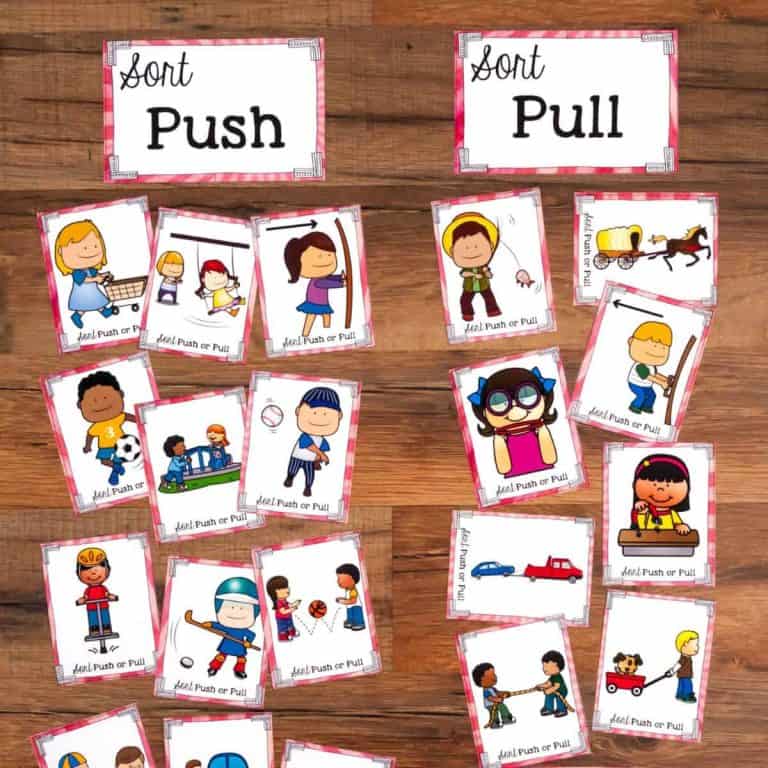
Teach students about Force and Motion with a SORT about Push and Pull Forces aligned with the Next Generation Science Standards for Third Grade. This NGSS science station has students…
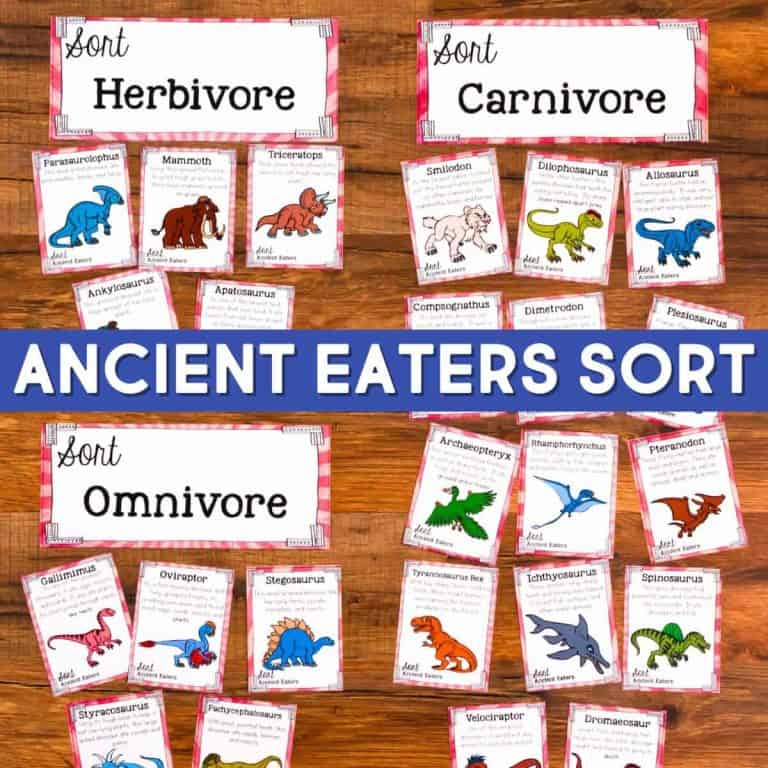
Teaching students about what ancient animals ate is one of those topics that instantly grabs attention. Dinosaurs? Teeth? Hunting? Plants? You already have their interest. The challenge is helping students…
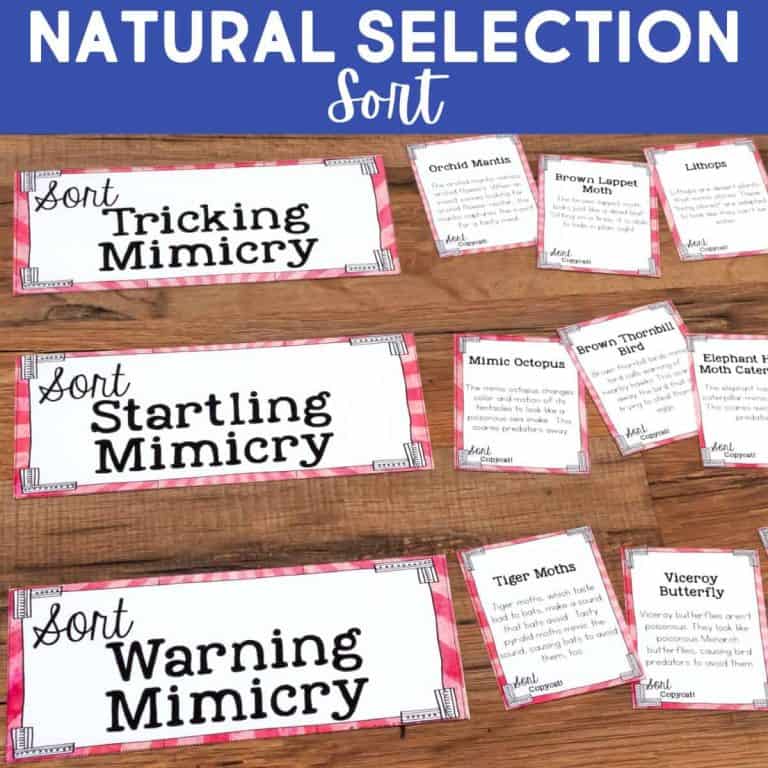
Teach students about Natural Selection with a SORT about Types of Mimicry aligned with the Next Generation Science Stations for Third Grade. This NGSS science station has students read a…
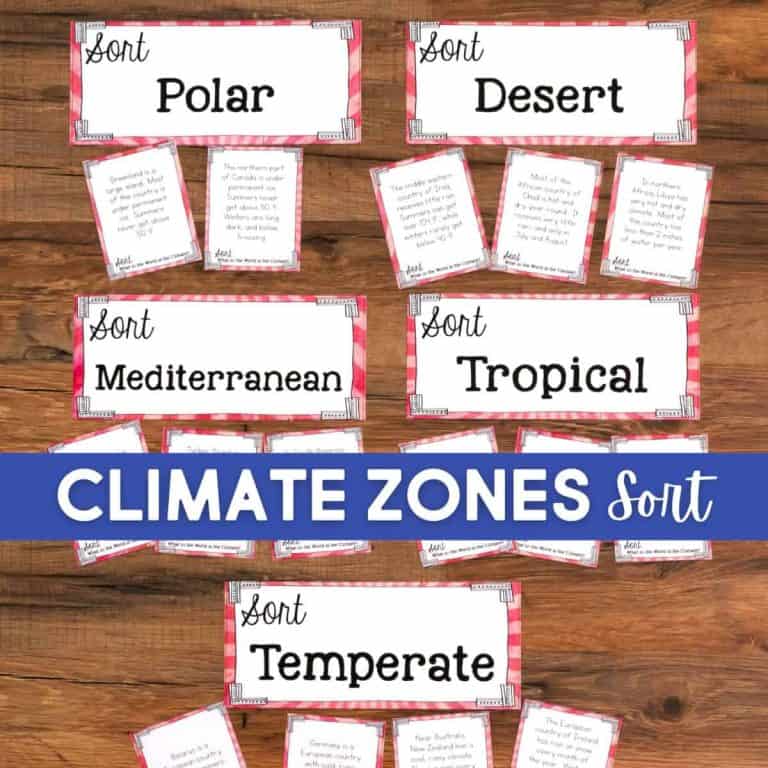
If you’re looking for a hands-on way to teach climate zones, this climate zone sorting activity for third grade makes the concept clear and engaging for students. Instead of memorizing…
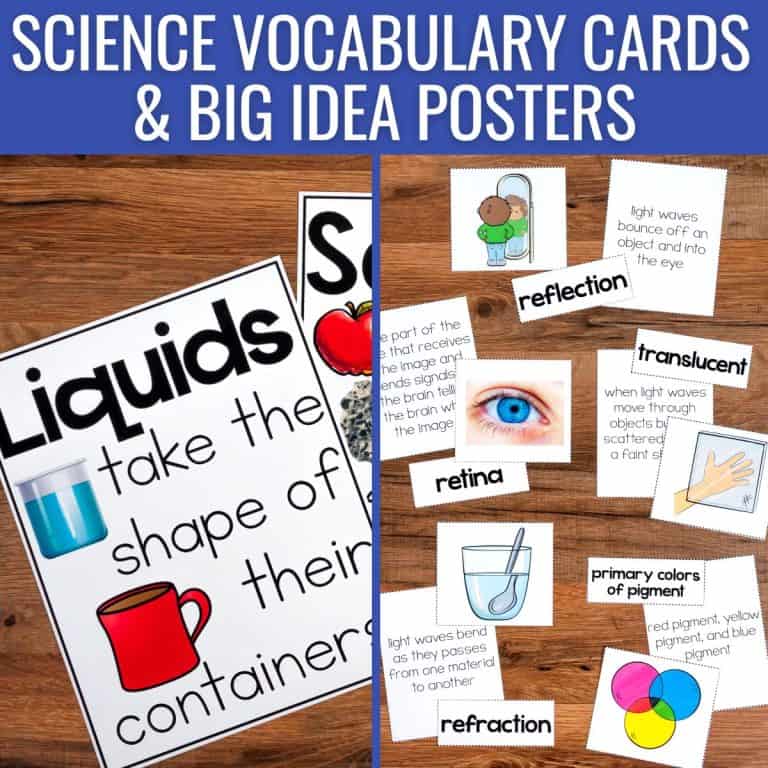
Science vocabulary cards give students a concrete way to connect science terms with pictures, definitions, and examples. When students can see a word, talk about it, match it to a…
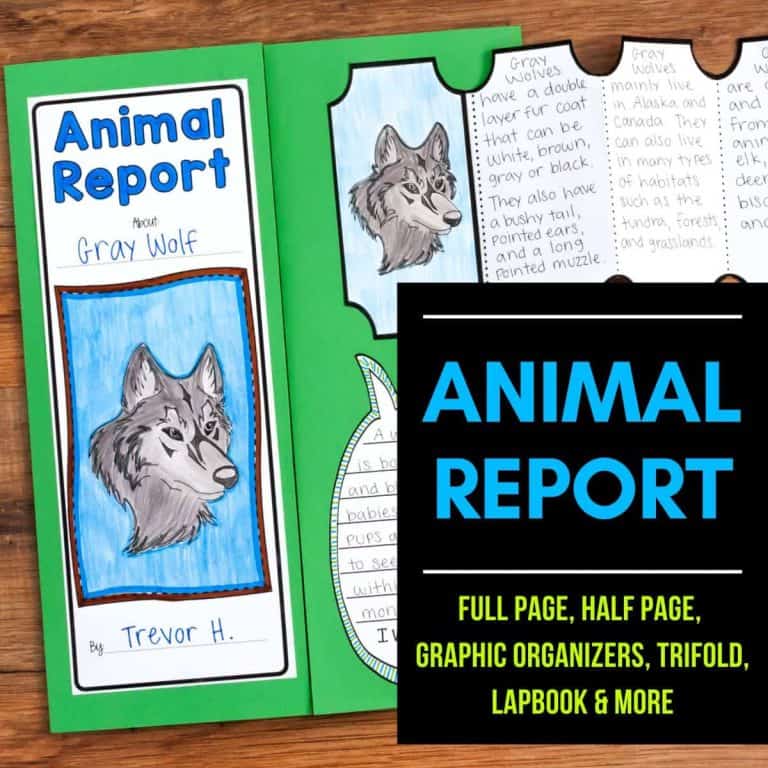
Animal reports are a common research project in elementary classrooms. Students read informational text, gather facts about animals, organize their notes, and turn their research into a written report or…
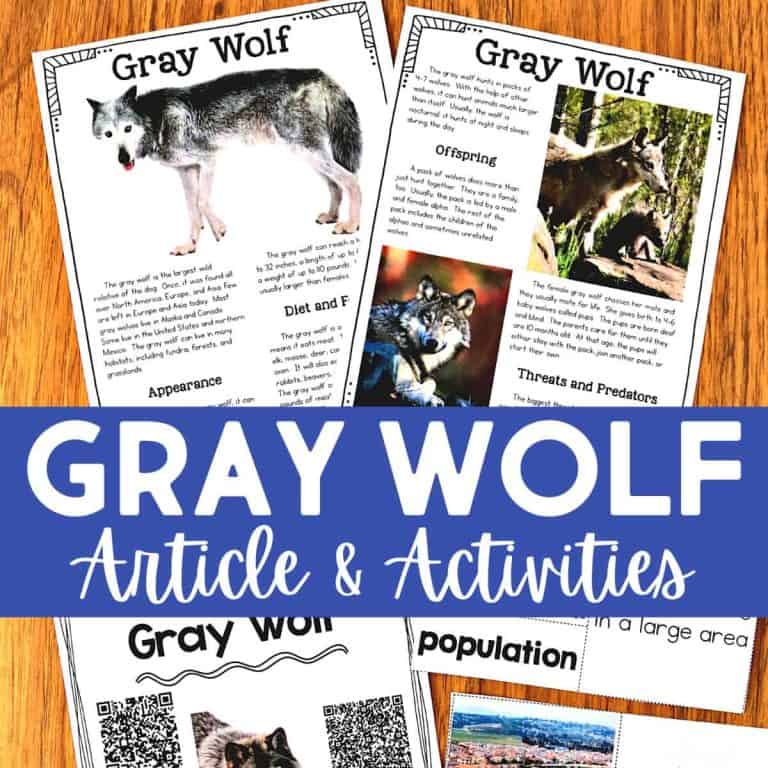
Help elementary students do animal research about gray wolves with this informational article, list of website resources, note-taking graphic organizers, and comprehension activities. What is included in the Gray Wolf…
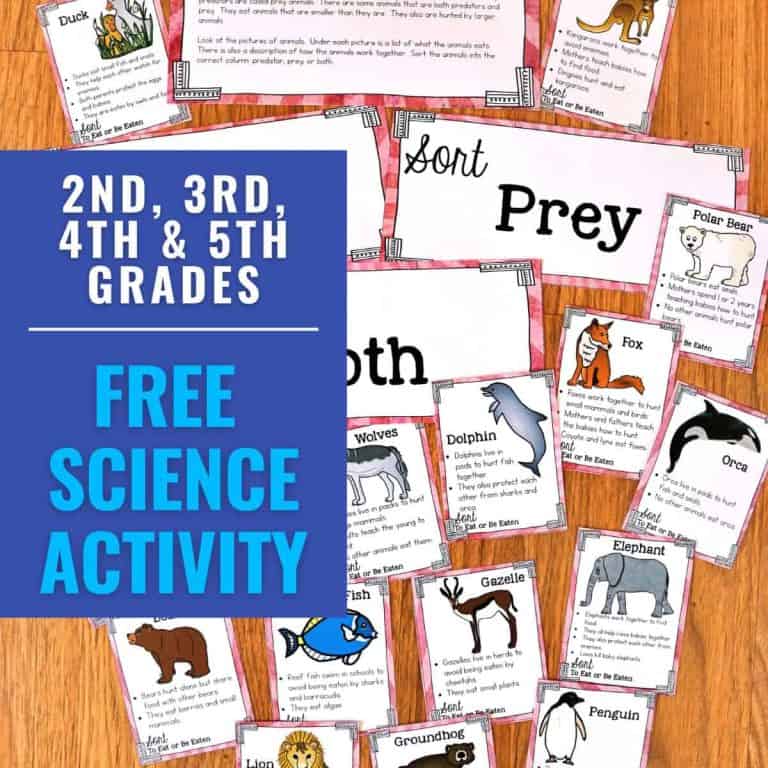
Would you like some FREE Science Stations for your elementary classroom? We create rigorous science curriculum for second grade, third grade, fourth grade, and fifth grade and we want to…
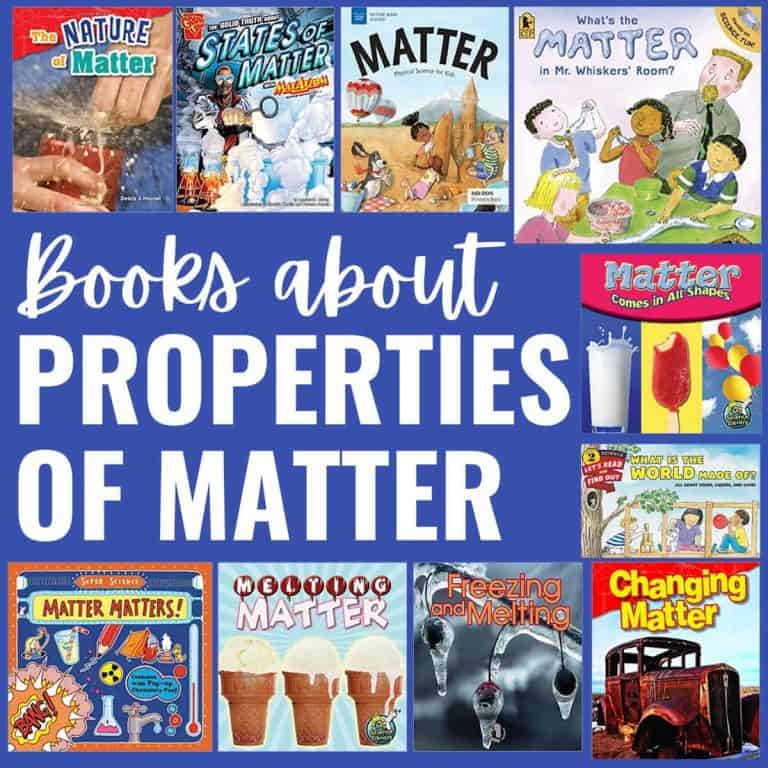
Teaching with these states of matter books will enhance your science instruction and build students’ background knowledge about the properties of matter. Along with the states of matter, students can…
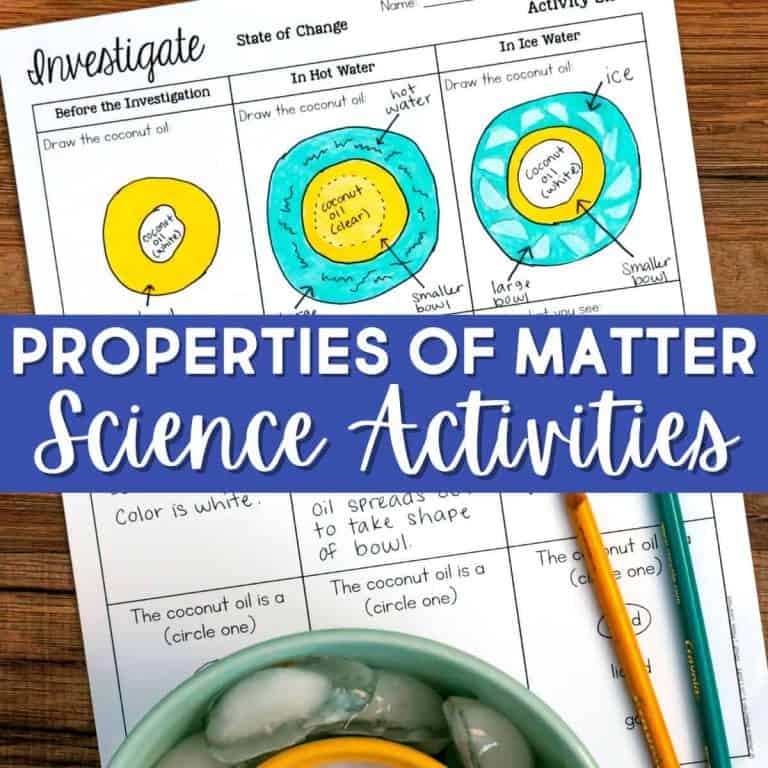
Engaging second-grade science stations that follow the NGSS science standards for states of matter. These properties of matter science stations will have your 2nd-grade students focused on reading and writing…

Help students learn about the three types of pollution and their effects on the environment through an easy-to-read and fun Pollution reading comprehension passage. Included are website QR codes for…
End of content
End of content