
Books about Animal Traits for Elementary Students
How do you teach students about animal traits? The Next Generation Life Science Standards for Third Grade ask students to provide evidence that animals have traits inherited from their parents. Here are some books about animal traits you can use in your classroom to supplement your science units.

Books about Animal Traits to Enhance your Science Instruction
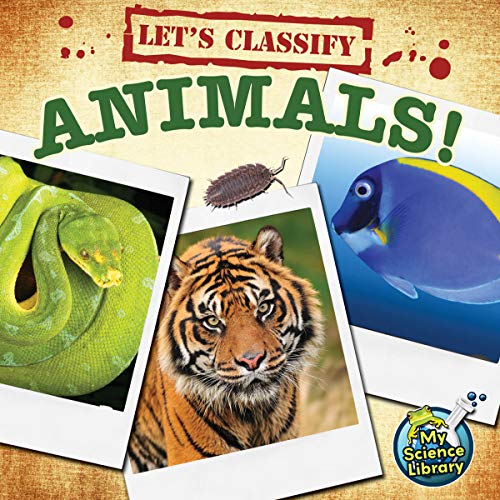
Let’s Classify Animals by Kelli Hicks
Age Range: 7 – 8 years
Grade Level: 2 – 3
Children will delight in exploring similarities and differences in the animal kingdom with easy to read charts used to sort species and classify animals by their traits.
Let’s Classify Animals from My Science Library presents clear examples of animal classification using vivid pictures of adorable live animals.
Animal Classification: Do Cats Have Family Trees? – Eve Hartman and Wendy Meshbesher
Age Range: 8 – 10 years
Grade Level: 3 – 5
Do Cats Have Family Trees? Absolutely!
After meeting Fluffy, young readers are lead through the broad strokes of classifying animals through finding out just how this kitten fits into the larger classification of animals.
No products found.
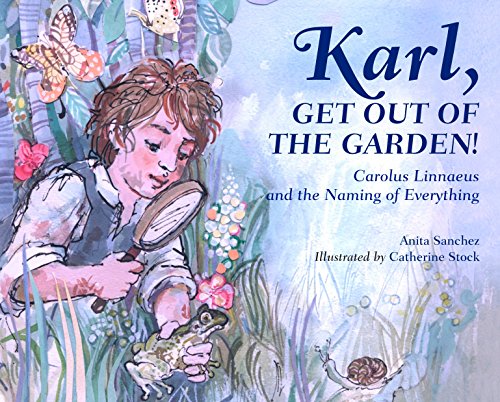
Karl, Get out of the Garden! – Anita Sanchez
Age Range: 7 – 10 years
Grade Level: 2 – 5
His passion to give all living things scientific names and categories has provided the world with the Linnaean System used by biologists around the world.
This book introduces children to Carolus (Karl) Linnaeus’ early life, his struggles in school and love for examining nature outdoors.
Small Wonders: Jean-Henri Fabre and His World of Insects – Matthew Clark Smith
Age Level: 6 – 9
Grade: 1-4
Through the eyes of Jean-Henri, the intricate world of mini beasts comes to life as he observes insects in their own habitat.
Introducing Jean-Henri Fabre, the French naturalist who fell in love with the outdoors from a young age.


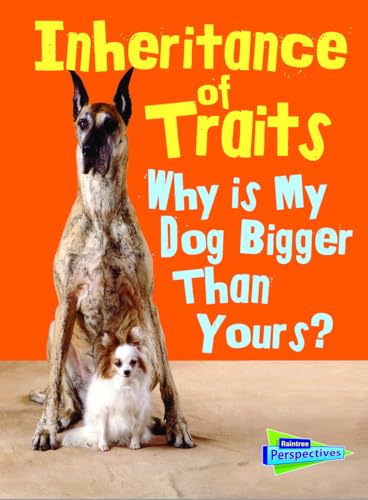
Inheritance of Traits: Why is my dog bigger than yours? – Jen Green
Age level: 5-9
Grade: K-4
In this
The author takes a walk through the interesting world of genes and inheritance using the easy to grasp examples of cats and dogs.
With live pictures of cute pets, this book is a
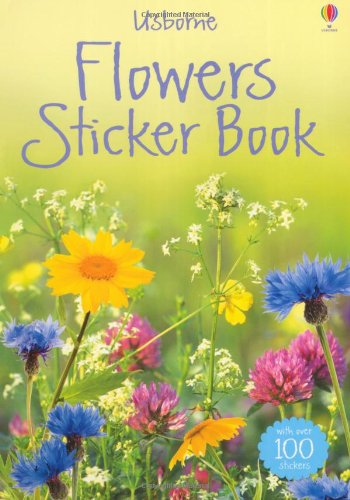
Usborne Flower Sticker Book
Age Level: 5-9
Grade: K-4
Usborne has republished their Flower Sticker Book with over 100 color stickers for your child to match with informative descriptions of vibrant flowers.
This book can easily translate to a nature journal, leaving space on the page for children to journal the time, place and details of each discovery they make in the wild.
A handy glossary provides further ease for your child to grow as mini naturalists.
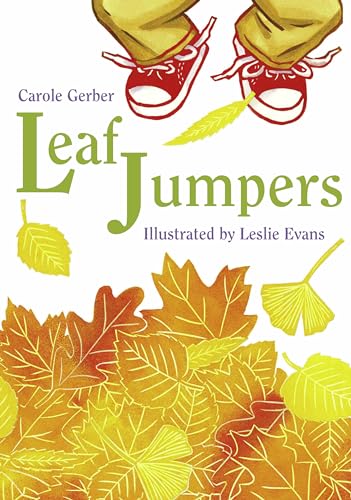
Leaf Jumpers – Carole Gerber
Age Range: 3 – 7 years
Grade Level: P – 2
This sweet and beautiful poem highlights the variation in leaves and in so doing, calls little ones to observe the flow of the seasons and identify familiar trees.
While poetry may not be your go-to source in a science class, it adds another dimension to the content and may appeal to some of your learners who value creativity.
Going on a Tree Hunt – Jodi Stiriz Bird
Age Range: 4 – 8 years
Grade Level: P- 3
For your budding naturalist, this book presents a mother’s dialogue with her son while helping him to identify trees by observing their traits.
The book includes detailed activities and a handy glossary making it not just a precious narrative but a hands-on guide to exploring nature.

Crinkleroot’s Guide to Knowing the Trees – Jim Arnosky
Age Level: 2 – 9
Grade Level: P – 4
Crinkleroot is a scientist and the trees are his friends!
Children can come along in his journey to identify trees based on a variety of traits and learn about their amazing contribution to the animals that surround them through whimsical illustrations which include charts and labeled pictures.
Exploring with Crinkleroot will teach your child how to observe and record their own adventures.

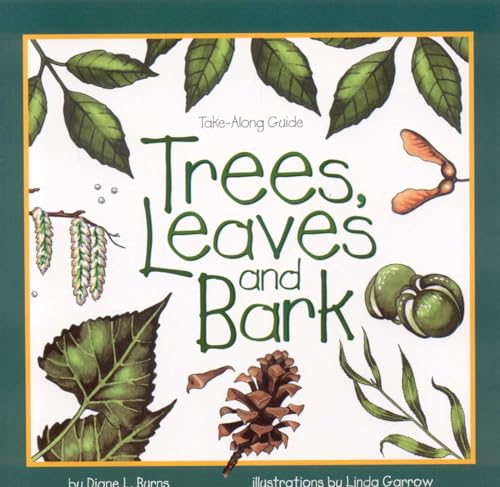
Trees Leaves and Bark – Diane Burns
Age Range: 8 – 12 years
Grade Level: 3 – 7
One of a series
This book includes space for a scrap book allowing your young investigator to illustrate their own discovery.
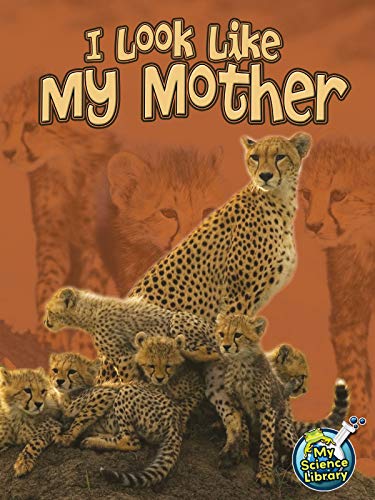
I Look Like My Mother – Julie Lundgren
Age Range: 9-10 years
Grade Level: 4-5
My Science Library brings another informative book to young readers, making the fascinating world of genes and inherited traits fun to explore through colorful live pictures and helpful illustrations.
Complex content is conveyed in an exciting and simple presentation readers will enjoy.
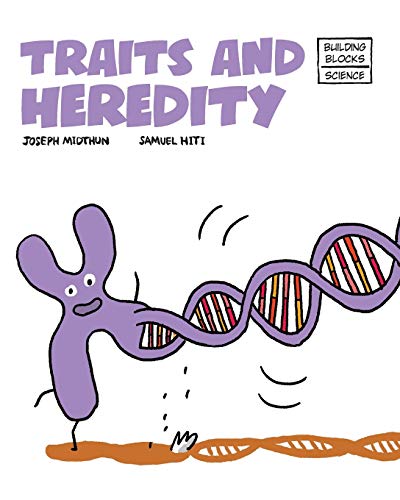
Traits and Heredity – Joseph Midthun
Age Range: 9-10 years
Grade Level: 4-5
This graphic book includes playful characters to walk children through the world of inherited traits, variations, mutations and nature versus nurture.
The book
A glossary in the back help readers identify the many concepts covered.
The Big Book of Bugs – Yuval Zommer
Grade Level: 2-4
Age Range: 7-10
All sorts of bugs are explored in detail within the contemporary and beautifully illustrated Big Book of Bugs!
Bugs are classified by page to include bees, spiders, beetles

Botanicum – Kathy Willis
Age Range: 8 – 12 years
Grade Level: 3 – 7
Vegetation from common to exotic plants breeds
This work of art from Big Picture Press sets in place a scientific guide to plants surrounded by vibrant and beautiful illustrations that are sure to inspire.

All 14 Books about animal traits in one place
- Let’s Classify Animals – by Kelli Hicks
- Animal Classification: Do Cats Have Family Trees? – Eve Hartman and Wendy Meshbesher
- Karl, Get out of the Garden!, – Anita Sanchez
- Small Wonders: Jean-Henri Fabre and His World of Insects – Matthew Clark Smith
- Inheritance of Traits: Why is my dog bigger than yours? – Jen Green
- Usborne Flower Sticker Book
- Leaf Jumpers – Carole Gerber
- Going on a Tree Hunt – Jodi Stiriz Bird
- Crinkleroot’s Guide to Knowing the Trees – Jim Arnosky
- Trees Leaves and Bark, Diane Burns
- I Look Like My Mother – Julie Lundgren
- Traits and Heredity – Joseph Midthun
- The Big Book of Bugs – Yuval Zommer
- Botanicum – Kathy Willis
MORE INFORMATION FOR TEACHING Plant and animal traits TO ELEMENTARY STUDENTS
In addition to these books about animal traits, the Third Grade Science Stations and 5E Lesson Plans on Inhertiance of Traits have taken the guesswork out of how to plan what to teach for science.
The focus of the Inhertiance of Traits 5E Unit is on NGSS 3-LS3. It includes concepts about how plants and animals inherit traits from their parents. Variation of traits is also explored within groups of similar organisms. Students analyze the many characteristics of organisms and determine which are inherited from parents.
The Third Grade Inheritance and Variation of Traits Science Stations focus on concepts such plant identification, seed dispersal, changing leaves, animal survival and growth, classification of organisms, and warm-blooded and cold-blooded animals.
You can see more in-depth information about the Third Grade Science Stations in this blog post and more information about the 5E Science Stations in the linked posts.

Thank you for this comprehensive list. We’re in the middle of this big heredity unit ~ now on adaptations. I appreciate some new book titles to supplement the curriculum in kid friendly language.