Teaching Ideas for From Molecules to Organisms -Structures and Processes
Why are the bones of birds hollow? Why do fish have gills? What is the purpose of a plant’s chlorophyll? How do our brains process everything we experience through our…

Strong science instruction encourages curiosity, critical thinking, and hands-on exploration. In elementary classrooms, effective science teaching combines inquiry-based learning, structured instructional models, and meaningful connections across content areas. Whether you’re teaching Earth systems, life science concepts, or physical science topics, these resources are designed to support both conceptual understanding and classroom implementation.
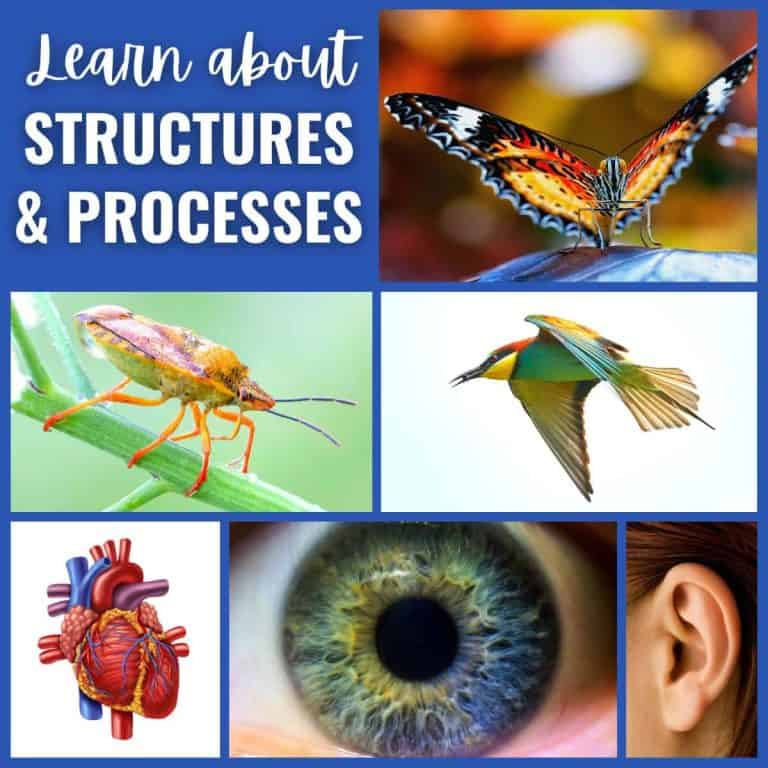
Why are the bones of birds hollow? Why do fish have gills? What is the purpose of a plant’s chlorophyll? How do our brains process everything we experience through our…

Second graders cover three main science domains under the NGSS: physical science (matter and its changes), life science (plant growth and habitats), and earth science (landforms, erosion, maps, and water)….
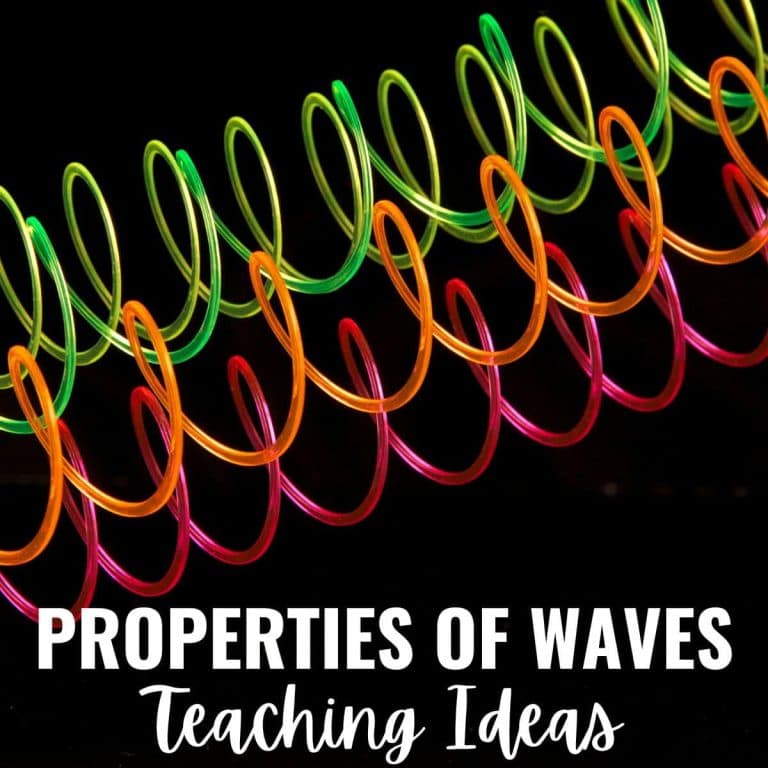
Sound waves, light waves, and information technology can be new and abstract concepts for many fourth grade students. We’ve gathered together some ideas for teaching the NGSS standards for Waves…

The Next Generation Science Standards are complicated and challenging to unpack. They are three-dimensional and include both content knowledge and performance expectations. The NGSS website gives us some information on how to…
Ever wonder how you could teach about energy in a way that brings science alive for your elementary students? Wish you had a ready-made list of helpful energy teaching ideas,…
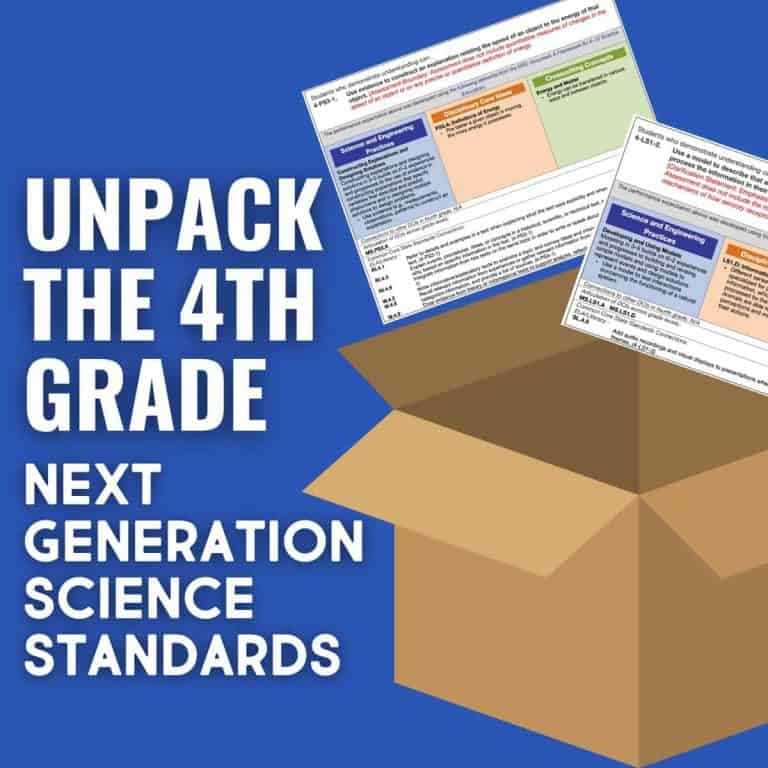
Reading and understanding the 4th grade Next Generation Science Standards is challenging. They are three-dimensional with many details and nuances, yet broad and all-encompassing. The NGSS website gives us some…
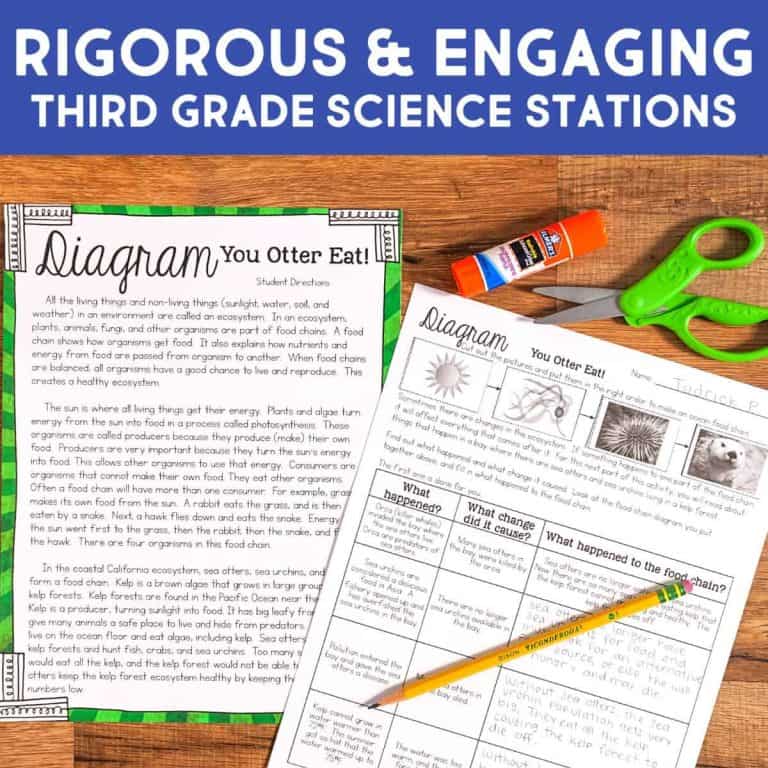
Do you ever wonder what your third graders should know in science? As an elementary teacher that follows the Next Generation Science Standards (NGSS), this third grade science curriculum helps…

Thanksgiving is one of the best times to bring science into the classroom. I’ve put together 26 experiments and activities organized into Physical Science, Earth Science, Life Science, and STEAM…
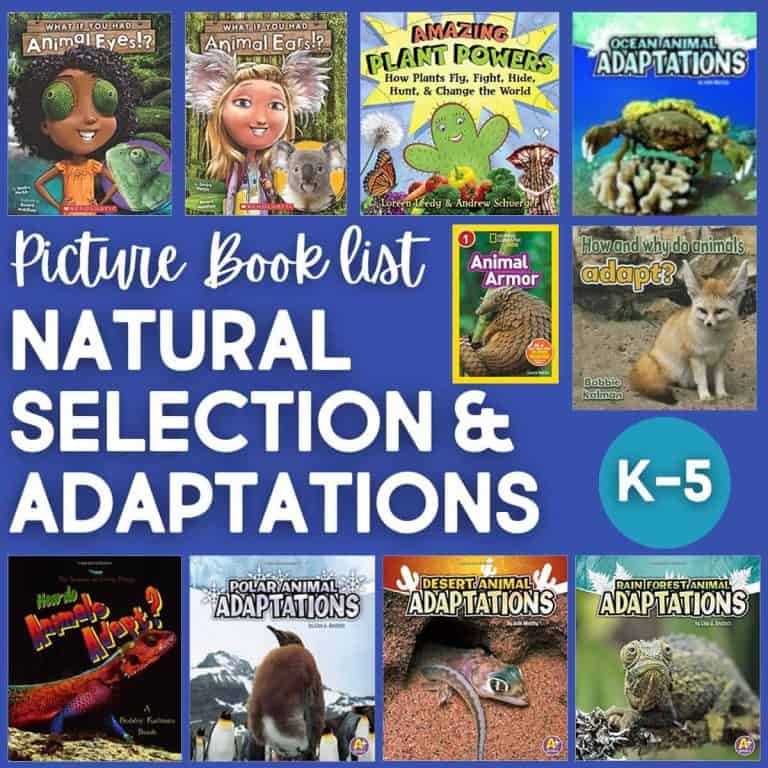
While natural selection is a difficult concept to teach elementary students, engaging picture books can help teachers introduce the topic and supplement their instruction. With these natural selection books, students…
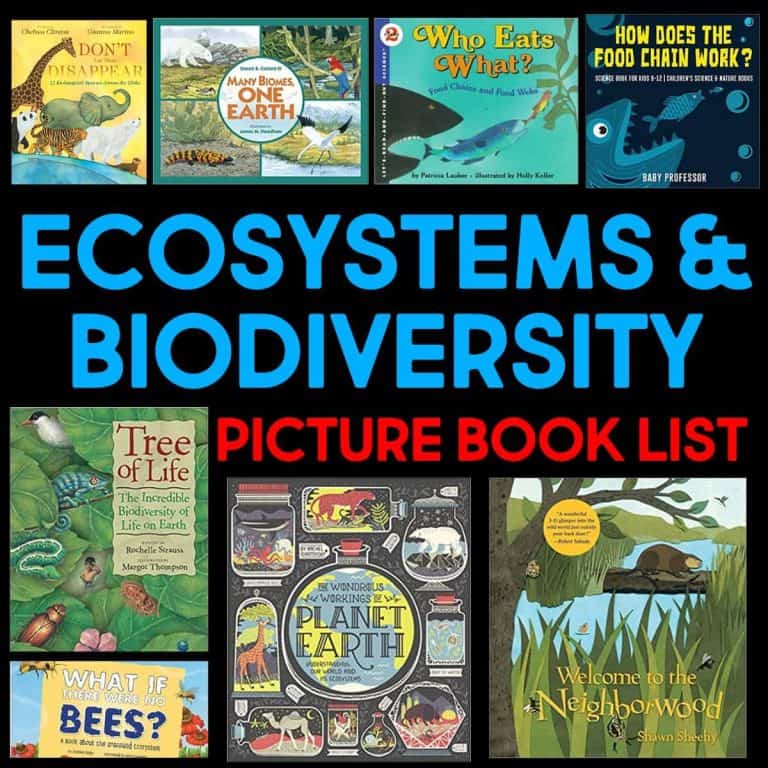
This curated list of picture books about ecosystems and biodiversity for elementary students is organized by grade level and covers topics from food chains and food webs to invasive species…
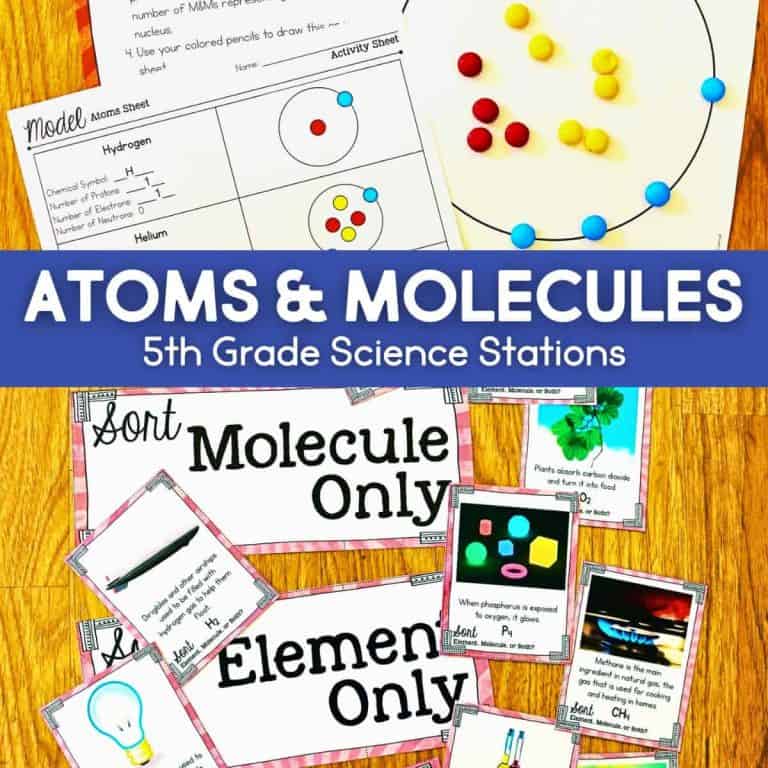
These Atoms and Molecules Science Stations include eight different science stations where students deepen their understanding of atoms and molecules, including the structures and properties of matter. The focus is on…

Earth Day is one of those times of year when science, curiosity, and real-world connections all come together. Students are thinking about how their actions impact the planet. And let’s…
End of content
End of content