Land and Water Habitats Sort for Second Grade NGSS
Teach students about plant and animal habitats with a Land and Water Habitats SORT! This sort is aligned with the Next Generation Science Stations (NGSS) for Second Grade. In this…

Strong science instruction encourages curiosity, critical thinking, and hands-on exploration. In elementary classrooms, effective science teaching combines inquiry-based learning, structured instructional models, and meaningful connections across content areas. Whether you’re teaching Earth systems, life science concepts, or physical science topics, these resources are designed to support both conceptual understanding and classroom implementation.

Teach students about plant and animal habitats with a Land and Water Habitats SORT! This sort is aligned with the Next Generation Science Stations (NGSS) for Second Grade. In this…
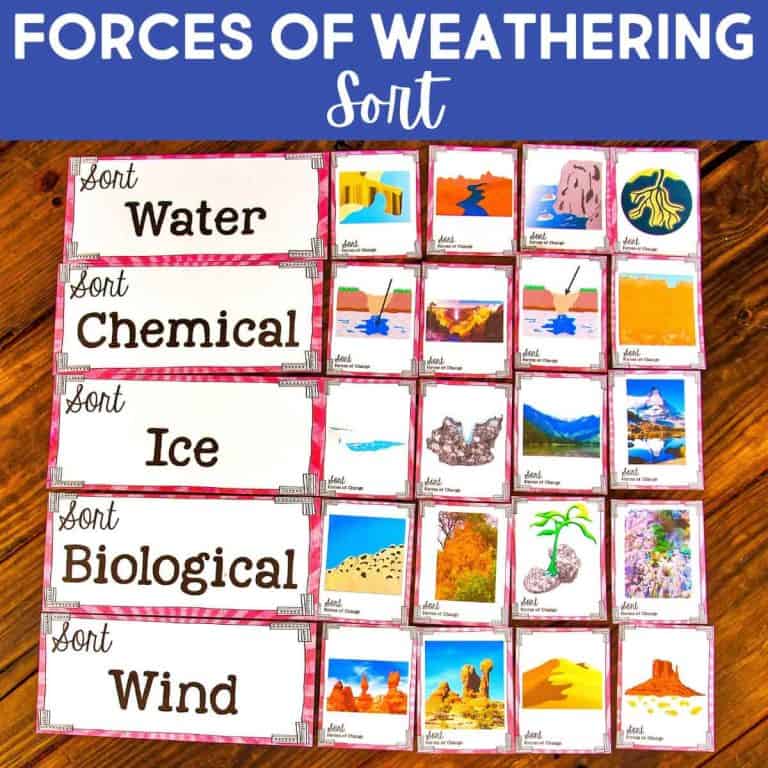
One of the best ways to know if students truly understand a concept is to ask them to categorize it. That’s exactly what this Types of Weathering Sort Activity does….
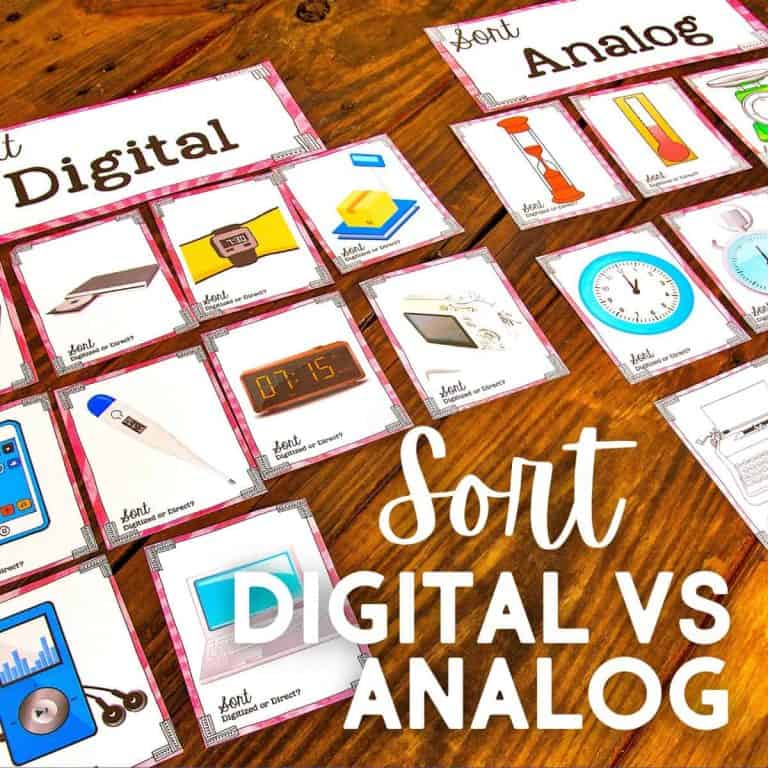
Teach students about technologies that use analog or digital representations to communicate with a SORT about Digital and Analog technology aligned with the Next Generation Science Stations for Fourth Grade….

Teach students about translucent, transparent, and opaque with a Properties of Light SORT aligned with the Next Generation Science Stations for Fourth Grade. In this station, students sort objects by…
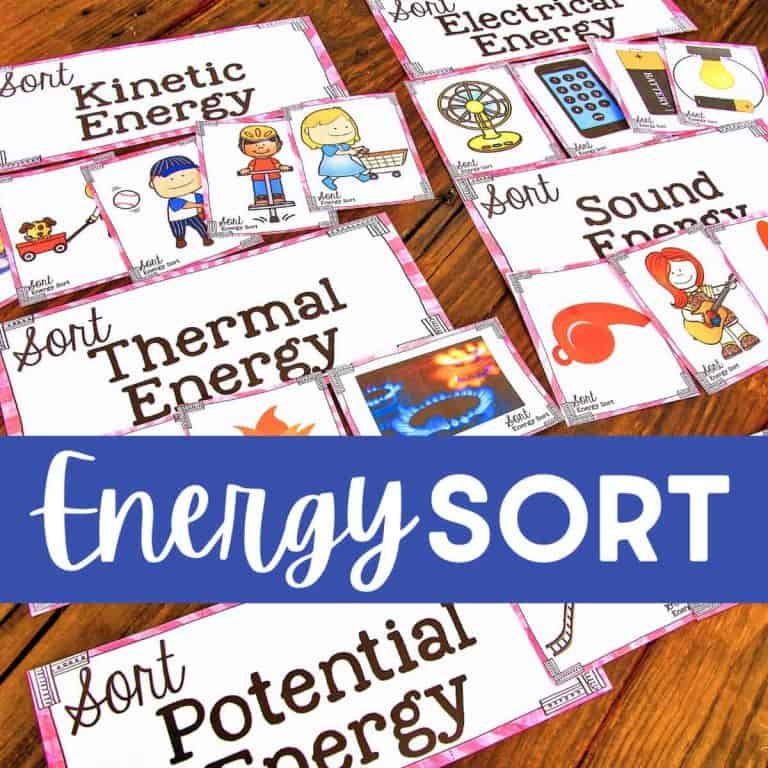
Teach students about different types of energy with a Forms of Energy SORT aligned with the Next Generation Science Stations for Fourth Grade. In this station, students will sort the…
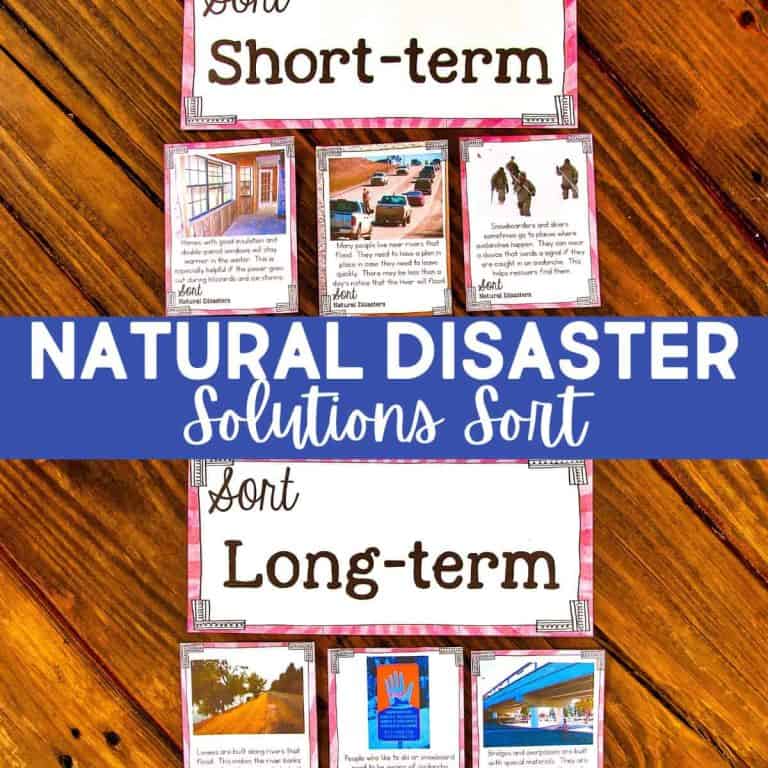
Teach students about short and long-term solutions to natural disasters with a SORT about Solutions to Natural Disasters aligned with the Next Generation Science Stations for Fourth Grade. In this…
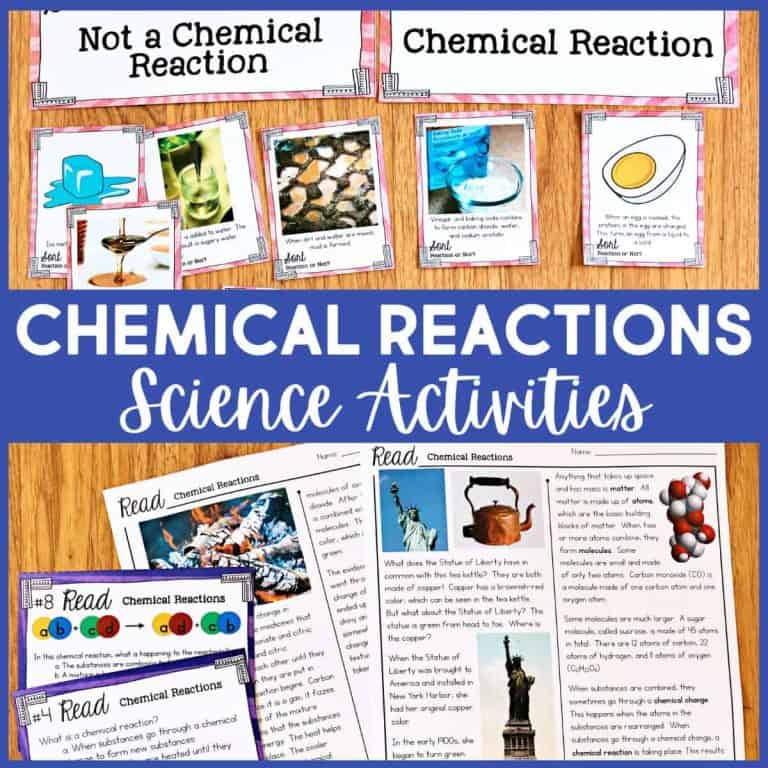
Teaching fifth-grade science classes according to the NGSS standards requires extensive preparation. You work hard, but is there something in the standards you overlooked? How can you be sure? More…
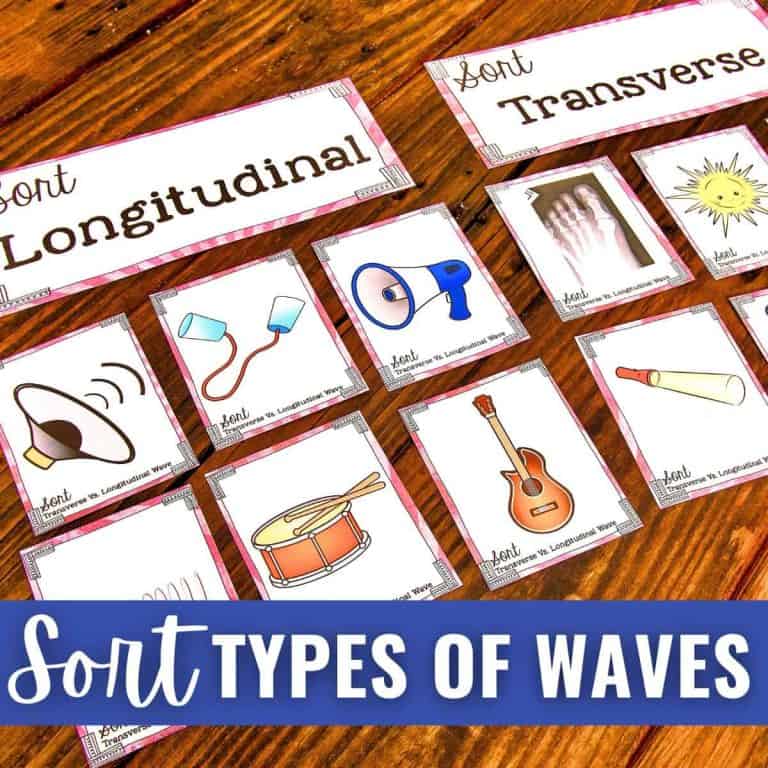
A types of waves sort gives 4th graders a hands-on way to learn the difference between transverse and longitudinal waves — one of the more abstract concepts in the 4th…
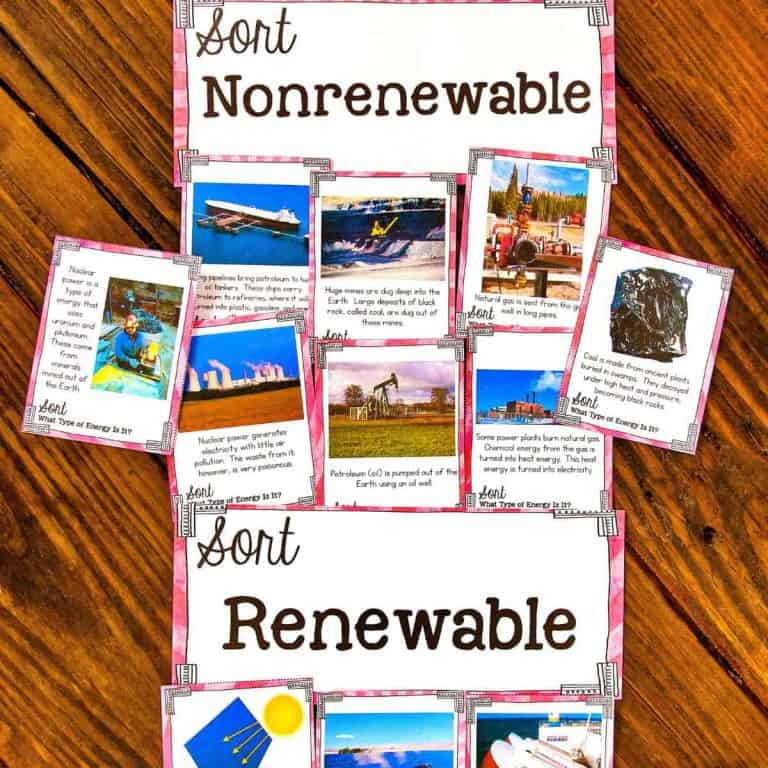
Teach students about different types of energy with a Renewable and Nonrenewable Resources SORT aligned with the Next Generation Science Stations for Fourth Grade. In this station, the sort cards…
What’s better than a room full of chocolate bunnies and cream-filled eggs? Well, nothing really, but Easter science experiments come close! We’ve curated 15 activities to help you celebrate Easter…
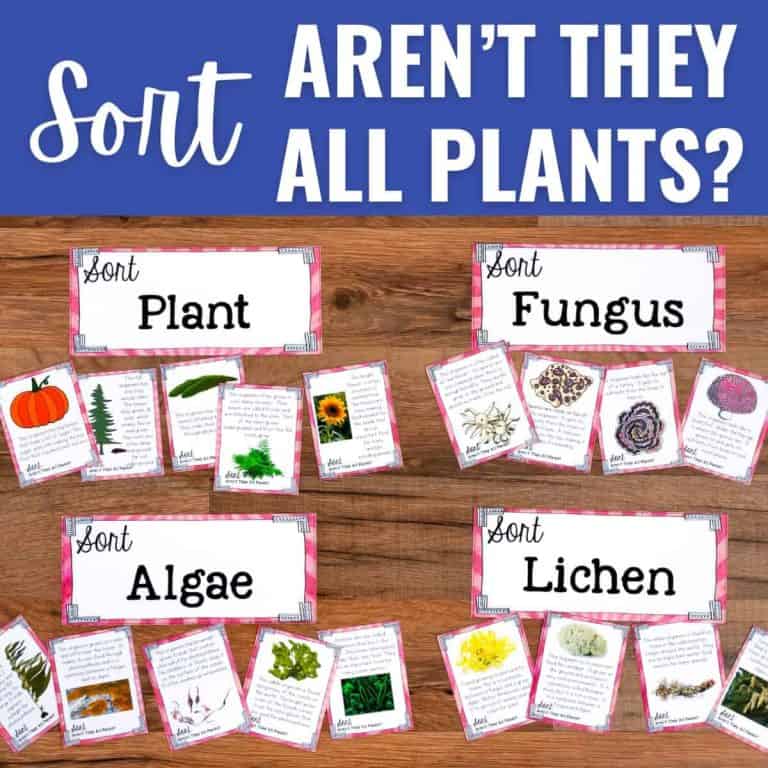
Teach students about fungus, lichen, algae, and plants with a SORT about identifying Plants and Organisms aligned with the Next Generation Science Stations for Fourth Grade. In this station, students…
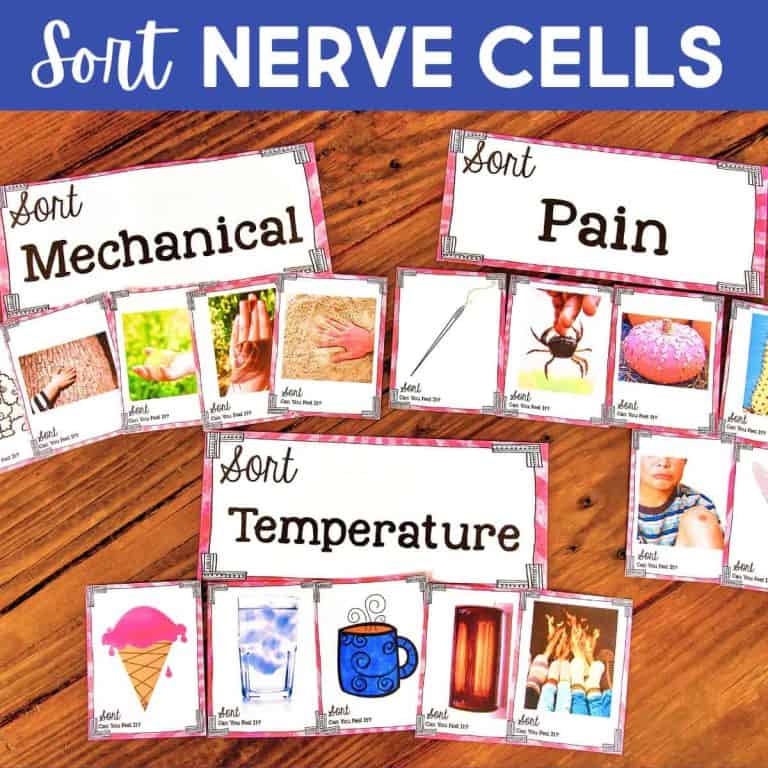
Students can explore how their bodies interpret the world around them by exploring the nervous system and nerve cells. Specifically, by examining nerve cells related to mechanical senses, pain, temperature,…
End of content
End of content