Food Webs Science Stations for Fifth Grade
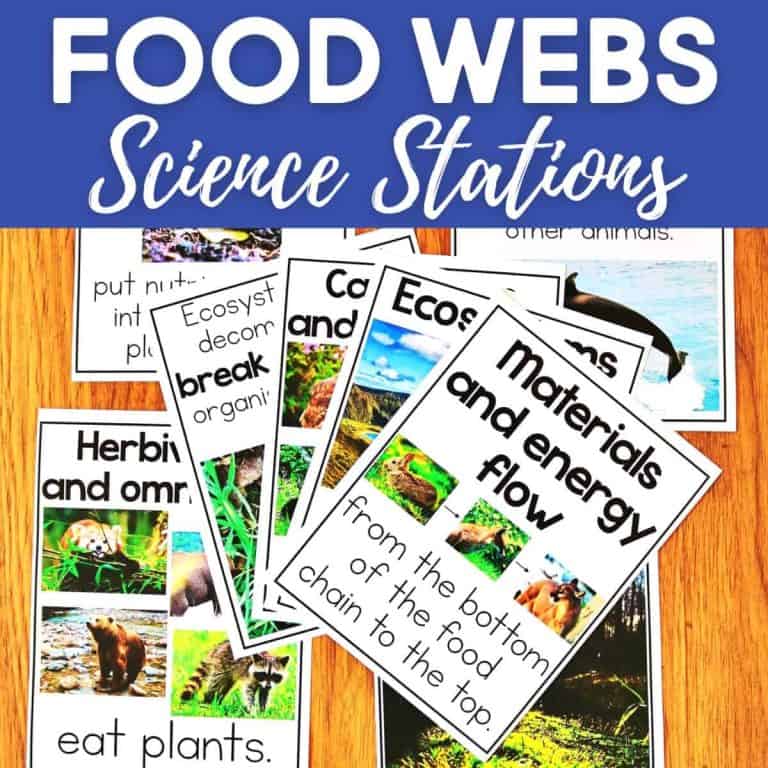
“The Circle of Life.” It’s a common enough phrase that you and your students have probably heard it mentioned before. Simply put, it speaks to how every plant and animal—all…
Strong science instruction encourages curiosity, critical thinking, and hands-on exploration. In elementary classrooms, effective science teaching combines inquiry-based learning, structured instructional models, and meaningful connections across content areas. Whether you’re teaching Earth systems, life science concepts, or physical science topics, these resources are designed to support both conceptual understanding and classroom implementation.
“The Circle of Life.” It’s a common enough phrase that you and your students have probably heard it mentioned before. Simply put, it speaks to how every plant and animal—all…
The desert can be a challenging and inhospitable place for survival. Many animals thrive in this harsh environment, adapting to the scorching heat and arid climate. Whether your class is…
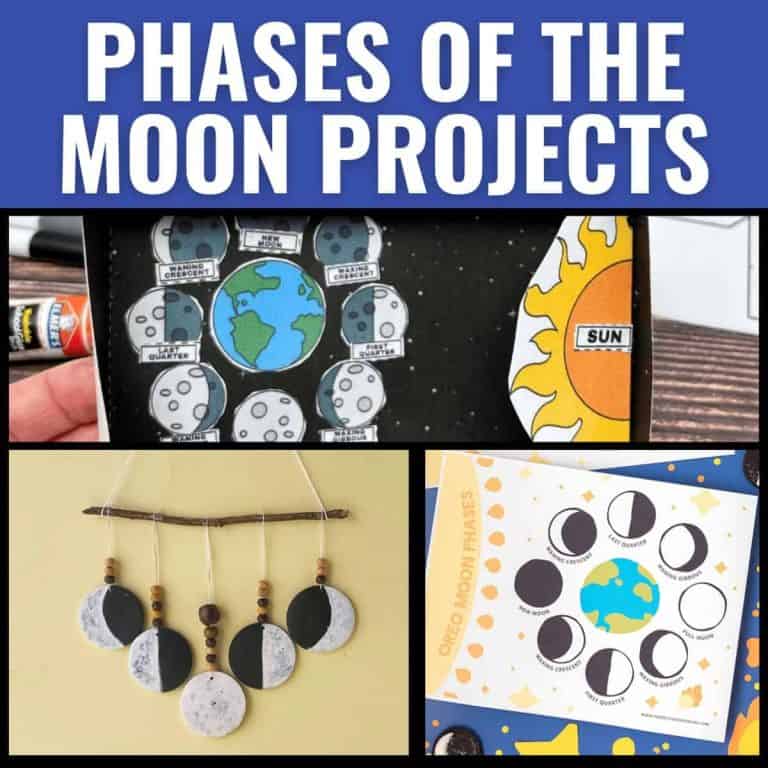
Hands-on learning is an integral part of the elementary school curriculum, and what better way to engage students in science than with fun and interactive moon phase projects? Teaching the phases…
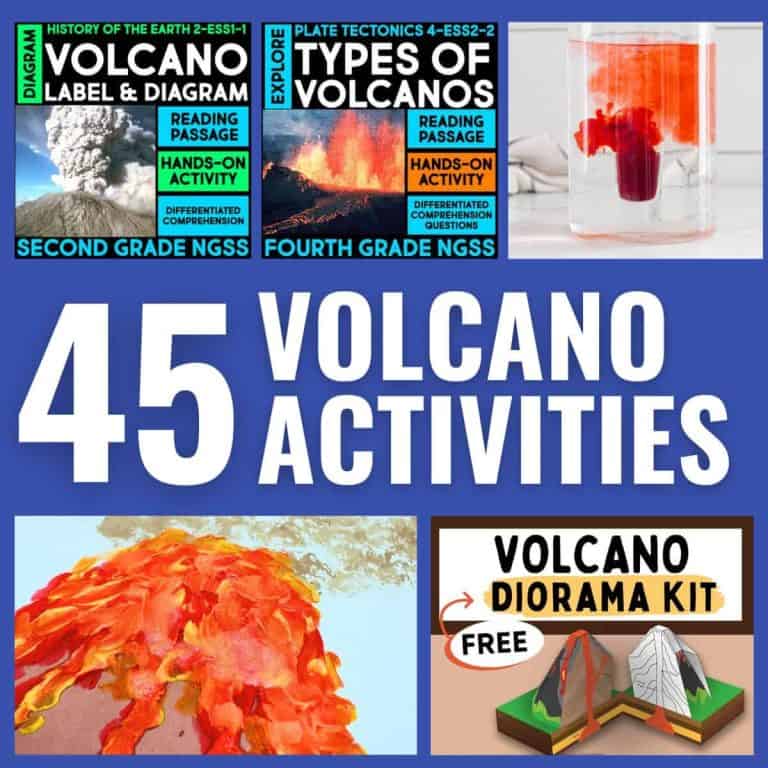
To leverage volcanoes as an engaging teaching tool in your classroom, we’ve put together this list of 45 volcano activities that you can use with students from kindergarten through fifth…
Solar system projects work best when students get choice, structure, and clear expectations. When projects connect to how students learn best—through art, movement, research, or games—they stay engaged and produce…
As an upper-grade teacher, I often lamented about all of the fun thematic activities in the early elementary grades. Students got to learn about Fall, apples, and pumpkins while dove…
The first day of school is the perfect time to hand students a challenge and see what they do. Back to school STEM activities give students a reason to introduce…
The following science activities focus on Earth’s position within the universe. They are designed to inspire students and enhance their understanding of essential science concepts such as shadows, day-night cycles,…
Looking for engaging Earth’s hydrosphere activities for your upper elementary students? From hands-on experiments to simple models, there are many ways to help students understand how water shapes Earth’s systems….
Looking for engaging atmosphere activities for your elementary students? These hands-on ideas help students explore how Earth’s atmosphere works, from air pressure and weather to cloud formation. With the right…
Looking for a way to teach Earth’s systems without relying on another worksheet packet? These Earth’s spheres science stations give your students a hands-on way to explore how the geosphere,…
As the world around us changes, it’s more important than ever to teach our children how to protect our environment. One of the best ways to do this is to…
End of content
End of content