
What Animals Do in Winter – Books and Videos about Migration and Hibernation
December and January are the ideal months to study about winter animals (well if you live in the northern hemisphere). It is the time of the year when we study about animals that migrate and hibernate during the winter.

This post contains links to affiliate websites, such as Amazon, and we receive an affiliate commission for any purchases made by you using these links. We appreciate your support!
Books about Winter Animals
The following books are perfect for teaching elementary students about animals during winter. I chose the following books because of their focus on hibernation and migration.
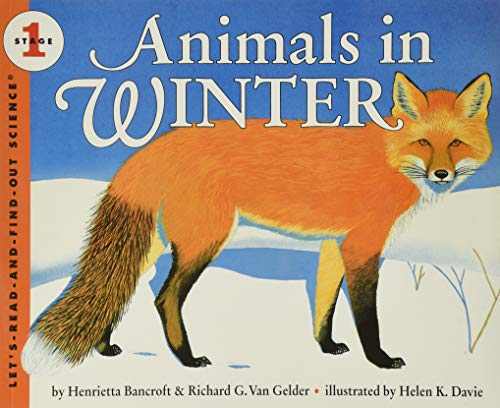
Animals in Winter – Henrietta Bancroft
Grades K-2
Animals in Winter is my go-to book about how animals respond to cold weather.
It’s one that I read every year to introduce students to the concepts of migration and hibernation. It covers both concepts with a variety of animal examples.

Over and Under by Kate Messner
Grades K-2
Over and Under is another fun book about what animals do when it snows. It focuses on hibernation and animals that live underground during this cold season.

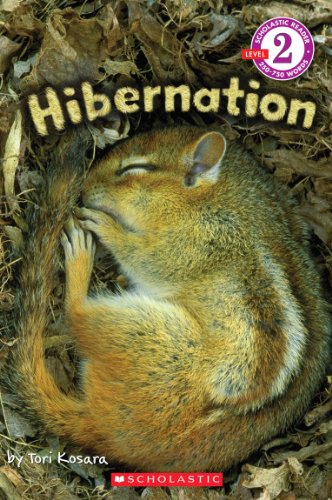
Hibernation by Tori Kosara
Grades K-2
Hibernation is more of a traditional nonfiction book that focuses on how animals prepare for hibernation, find a safe place to sleep and protect themselves during their deep sleep.
Migration by Robin Nelson
Grades PreK-1
Migration focuses on what it means to migrate. It has many photos and easier text for students to read on their own. It is a great book for early grades.

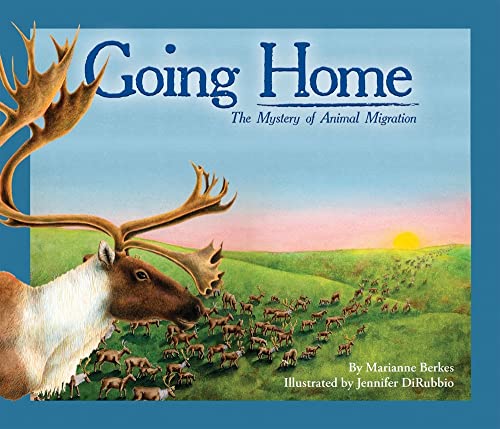
Going Home by Marianne Berkes
Grades 1-3
Going Home is another book focused on migration and has a unique balance of rhythmic language and facts about specific animals. It features 10 different animals and their migratory journey. For each animal, the author describes the animal’s journey and
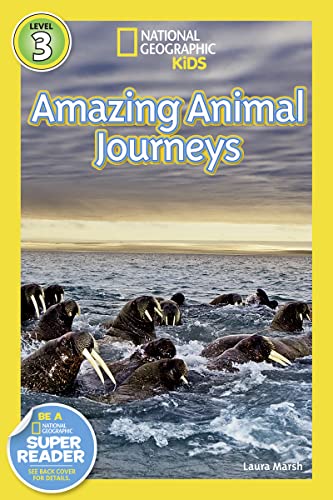
Amazing Animal Journeys by Laura Marsh
Grades 2-4
Amazing Animal Journeys is another traditional nonfiction book about migration. It has some traditional animals, but also a few new ones that students might not know migrate (like the red crabs on Christmas Island). It has excellent photographs that draw students into the text and helps them learn more about these amazing animals.
All About Animals in Winter by Martha E.H.
Grades K-2
All About Animals in Winter focuses on animal adaptations during winter, like how the animals’ fur change color and how some hibernate. This is another easier book for younger students and includes vivid photographs and a simple layout for early readers.

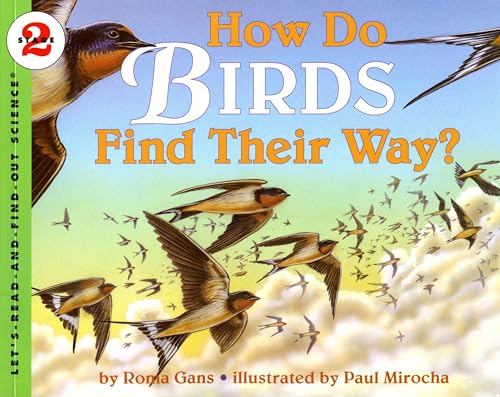
How Do Birds Fly by Roma Gans
Grades 1-4
How Do Birds Fly is one of my favorite informational text about
Videos about Migration
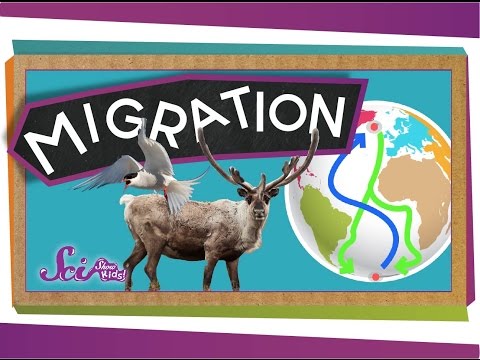
Below are is a video about migration that teach and engage students in the “why” behind this natural phenomena.
Videos about Hibernation
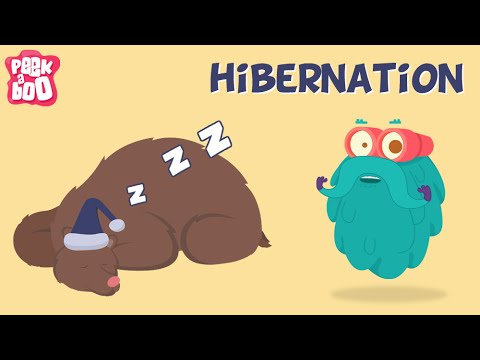
Here is a video about hibernation. It focuses on what hibernation is and how it occurs.
Misconception about Bears and Hibernation
Did you know that bears aren’t true hibernators. I taught students for years that bears hibernate, but they actually don’t.
They do go into a deep sleep but enter a phase called torpor. Their body can wake up if needed. Bears often come out of their den in winter, but aren’t very active and quickly return to their homes.
Here’s a video about Polar Bears and hibernation with some mentions of brown and black bears.
FREE Animal Article about Caribou
Would you like a FREE Animal Article about Caribou? Teach students about this fun winter animal and how they migrate over 600 miles a year!

You can also find out more about how I use this article to help with information writing. It’s a unique three-step process that builds student success and independence.
Writing about Bird Migration
One of the informational writing pieces that we did was about bird migration. You can find more about the process we used in this blog post.
More Information about Animal Adaptations
Third Grade Next Generation Science Standards include animal adaptations. Hibernation and migration are ways in which animals have adapted to their environments.
These units focus on more than just hibernation and migration. They go in depth about how animals have adapted to survive in their environments and the features of those adaptations.
Find out more about these Third Grade Science Units by clicking on the links below.
All the Books about Animals in Winter in One Place
- Animals in Winter – Henrietta Bancroft – Grades K-2
- Over and Under by Kate Messner – Grades K-2
- Hibernation by Tori Kosara – Grades K-2
- Migration by Robin Nelson– Grades PreK-1
- Going Home by Marianne Berkes – Grades 1-3
- Amazing Animal Journeys by Laura Marsh – Grades 2-4
- All About Animals in Winter by Martha E.H.
Rustard – Grades K-2 - How Do Birds Fly by Roma Gans> – Grades 1-4
Do you need engaging informational texts that your elementary students will actually want to read?
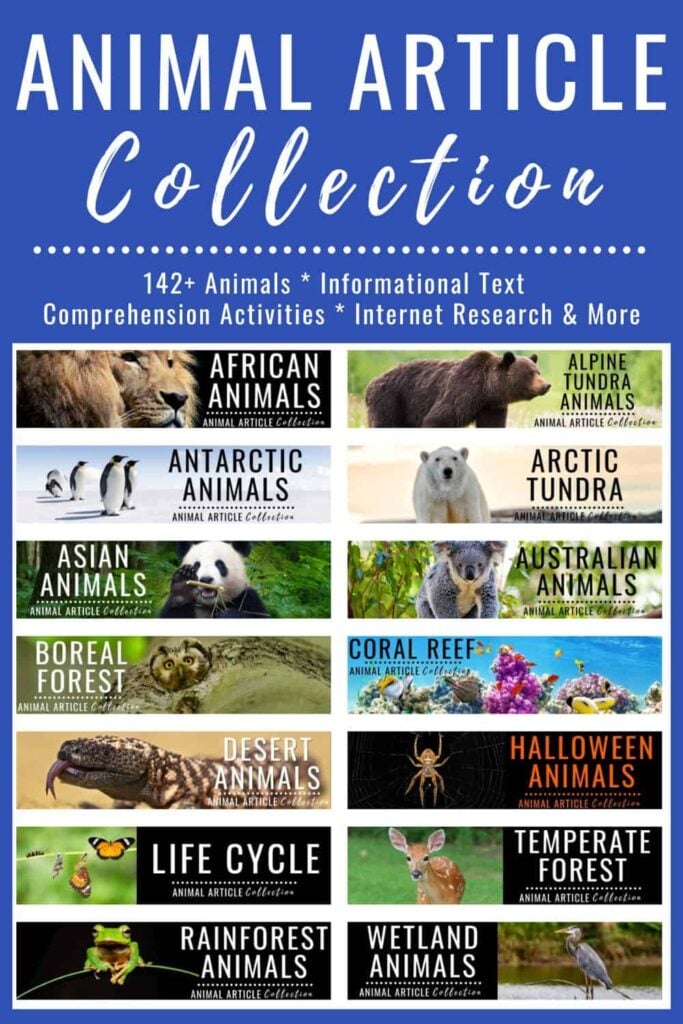
The Animal Article Bundle includes 142+ animal articles spanning 14 ecosystems, complete with reading comprehension and structured writing activities. Students can choose their animal while building skills in informational text, research, and report writing.
Jessica BOschen
Jessica is a teacher, homeschool parent, and entrepreneur. She shares her passion for teaching and education on What I Have Learned. Jessica has 16 years of experience teaching elementary school and currently homeschools her two middle and high school boys. She enjoys scaffolding learning for students, focusing on helping our most challenging learners achieve success in all academic areas.