Physical Science for Elementary Students: 2nd–5th Grade Guide
Physical science is where students first realize that science isn’t just about living things. It’s also about the stuff that makes up everything around them and how that stuff moves,…

Strong science instruction encourages curiosity, critical thinking, and hands-on exploration. In elementary classrooms, effective science teaching combines inquiry-based learning, structured instructional models, and meaningful connections across content areas. Whether you’re teaching Earth systems, life science concepts, or physical science topics, these resources are designed to support both conceptual understanding and classroom implementation.
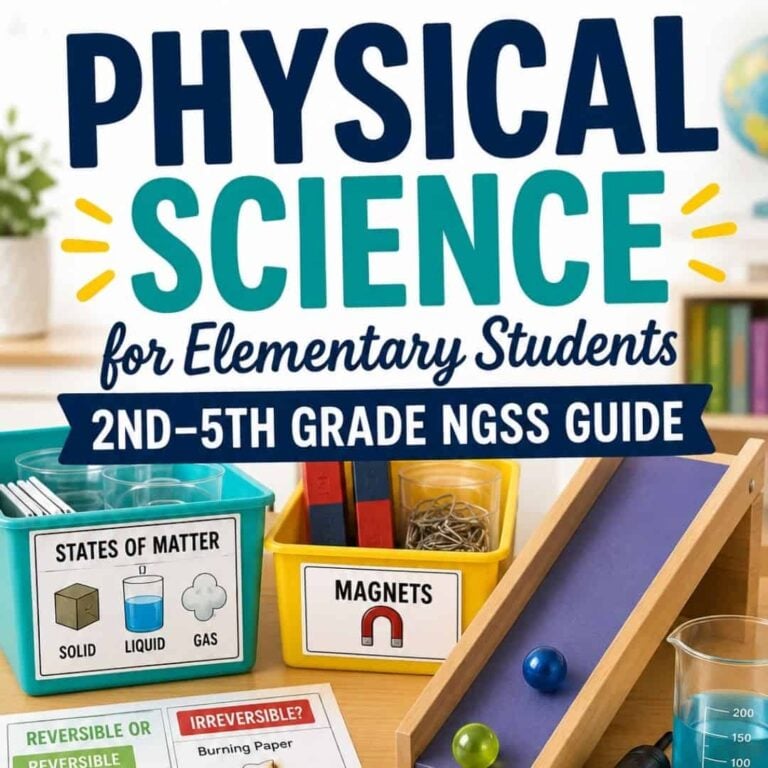
Physical science is where students first realize that science isn’t just about living things. It’s also about the stuff that makes up everything around them and how that stuff moves,…
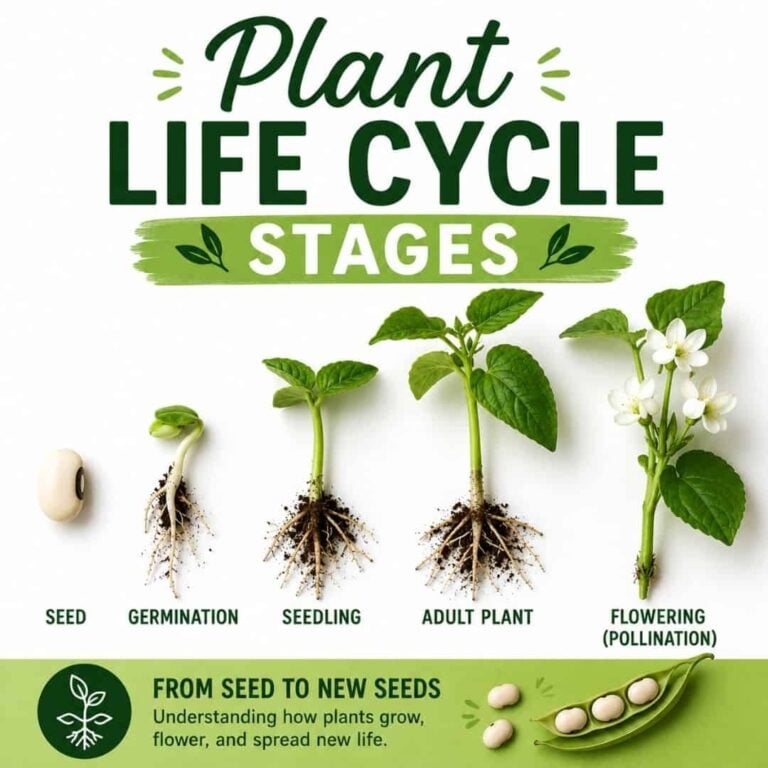
When you ask students what they know about the plant life cycle stages, you usually get seeds and sunshine — and not much in between. But the full cycle is…
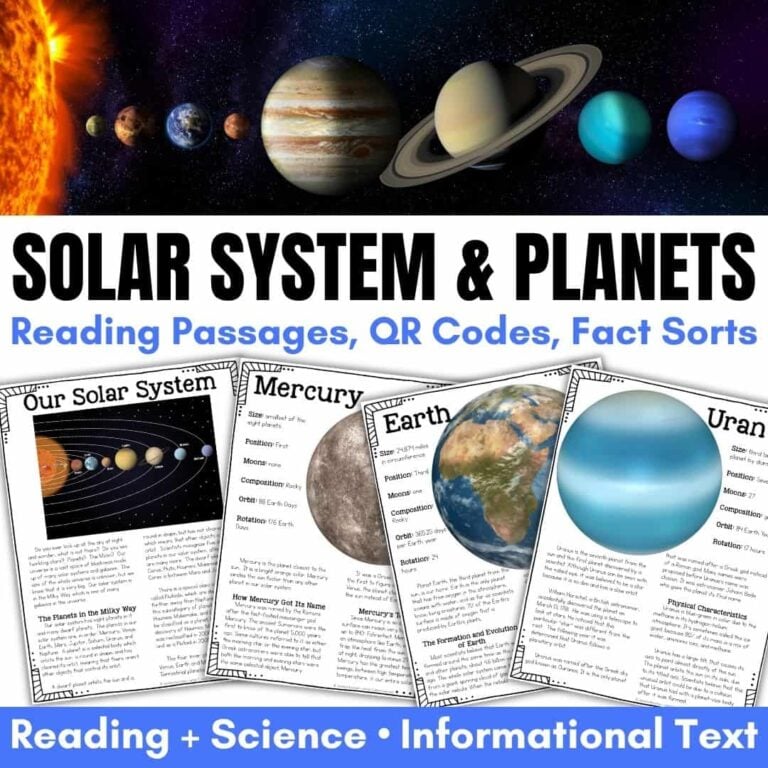
Teaching the solar system is one of those topics that instantly hooks students… until the reading gets too dense. Unlike passive solar system worksheets, these passages pair reading with organizers…
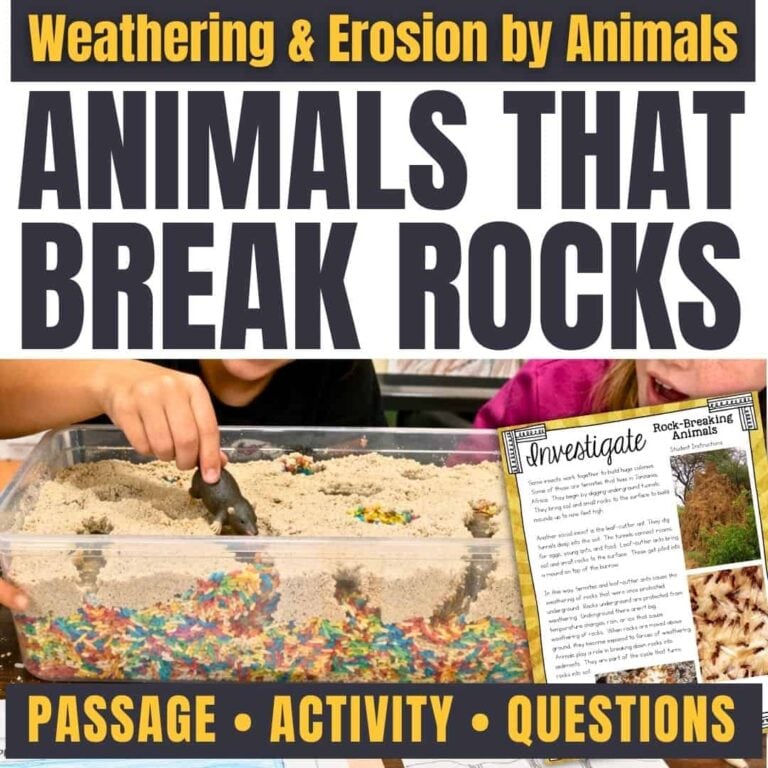
This animals that weather rocks activity has 4th graders model animal burrowing with kinetic sand to see how living things contribute to physical and chemical weathering. Includes 4 differentiated student sheet versions.
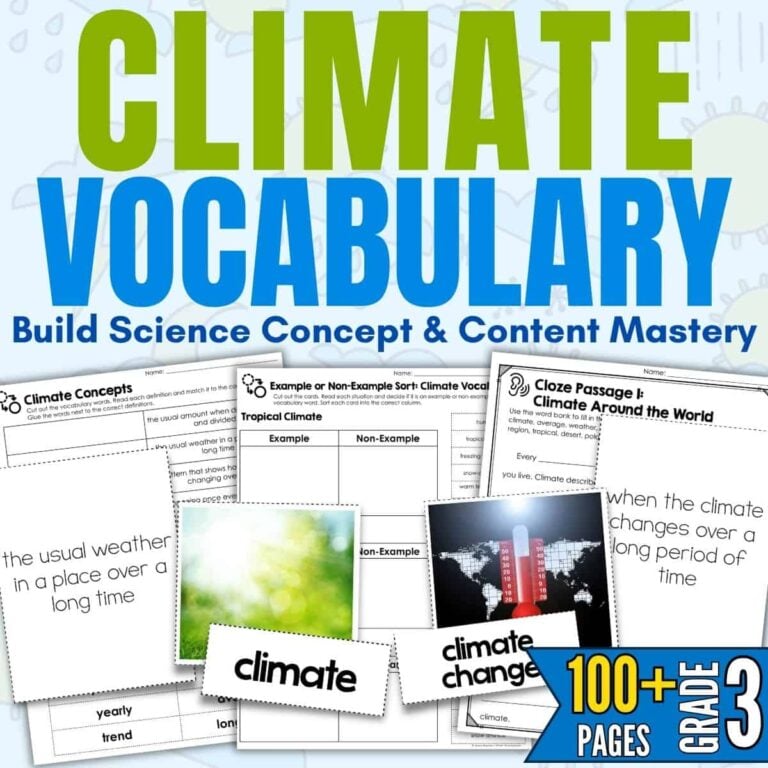
Climate vocabulary activities give 3rd grade students repeated, structured exposure to the terms they need to understand weather patterns, climate zones, and human impact, before those concepts show up on…
Life science is the content area where students realize that science isn’t just something that happens in a lab. It’s happening all around them, in every living thing they encounter….
Earth science is one of those topics that feels enormous on paper but becomes immediately concrete the moment students pick up a rock, watch water carve a path through sand,…
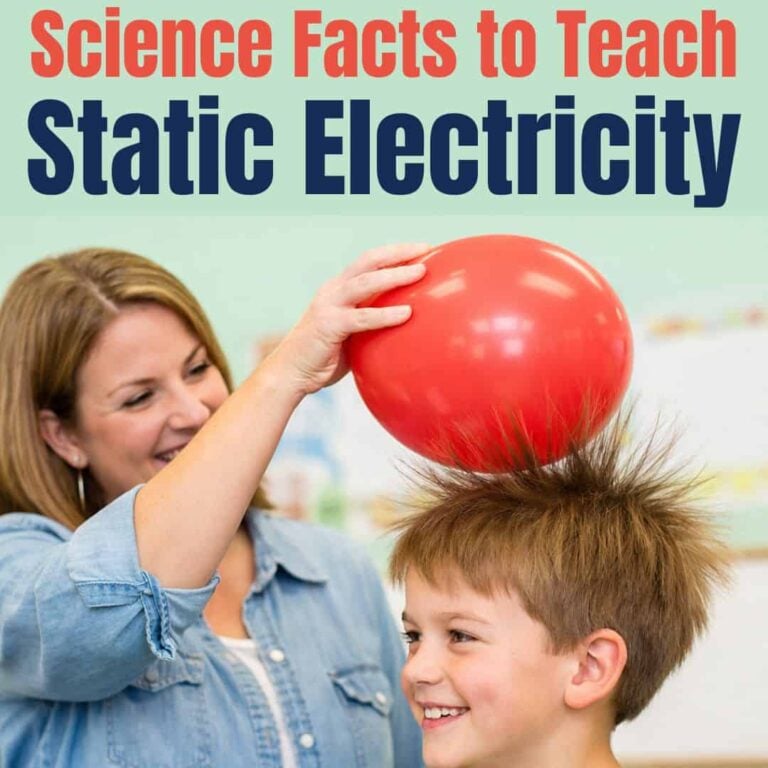
If you’ve ever had a student gasp after getting a tiny shock from a doorknob, you already know that static electricity is one of those science topics that grabs attention…
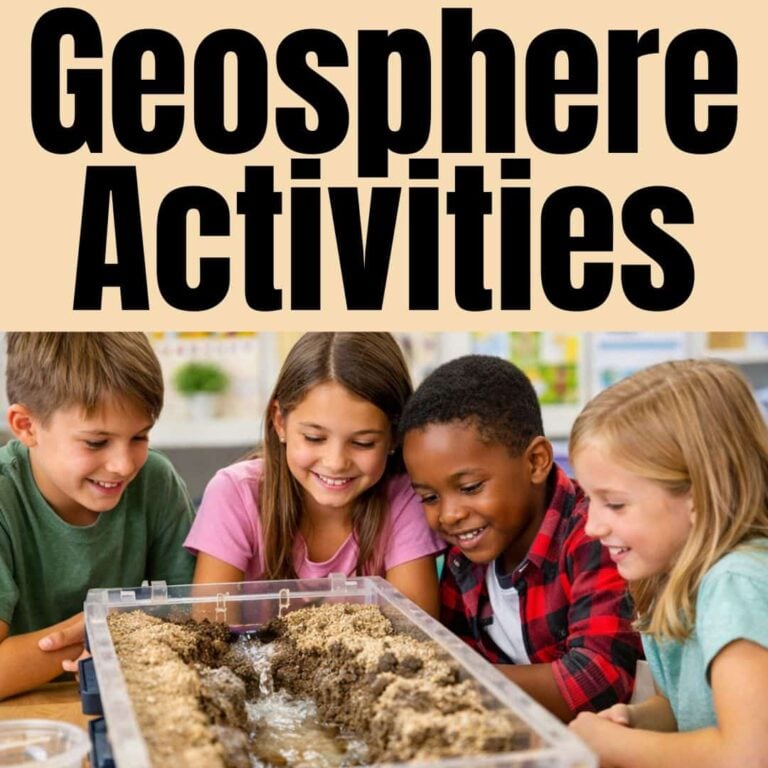
Teaching Earth’s spheres can feel abstract, especially when students are trying to picture how rocks form, how landscapes shift, and how living things interact with the ground beneath them. The…
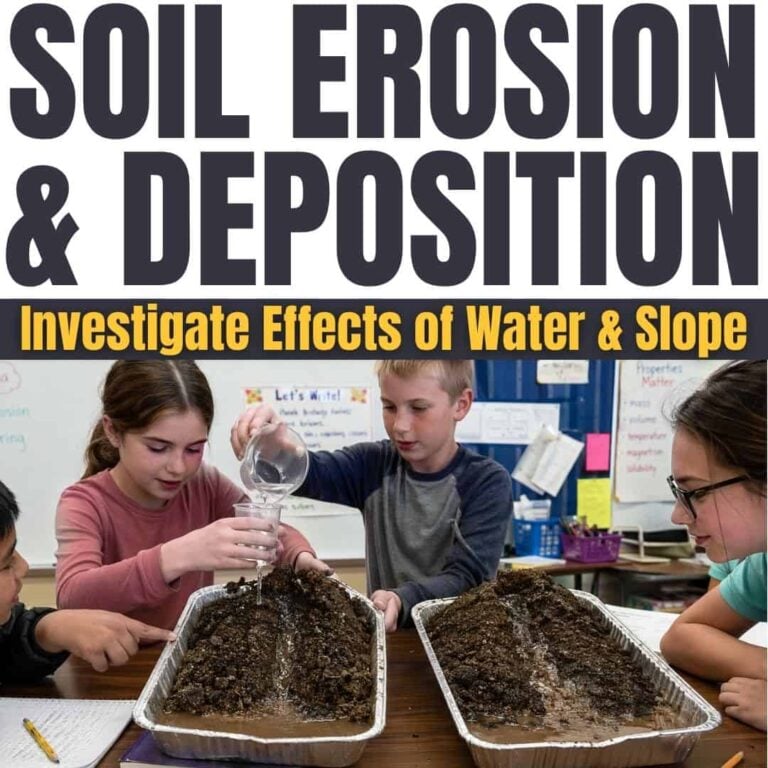
Teaching students about water erosion and soil deposition is so much more powerful when they can see it happening right in front of them. This hands-on soil deposition lab activity…
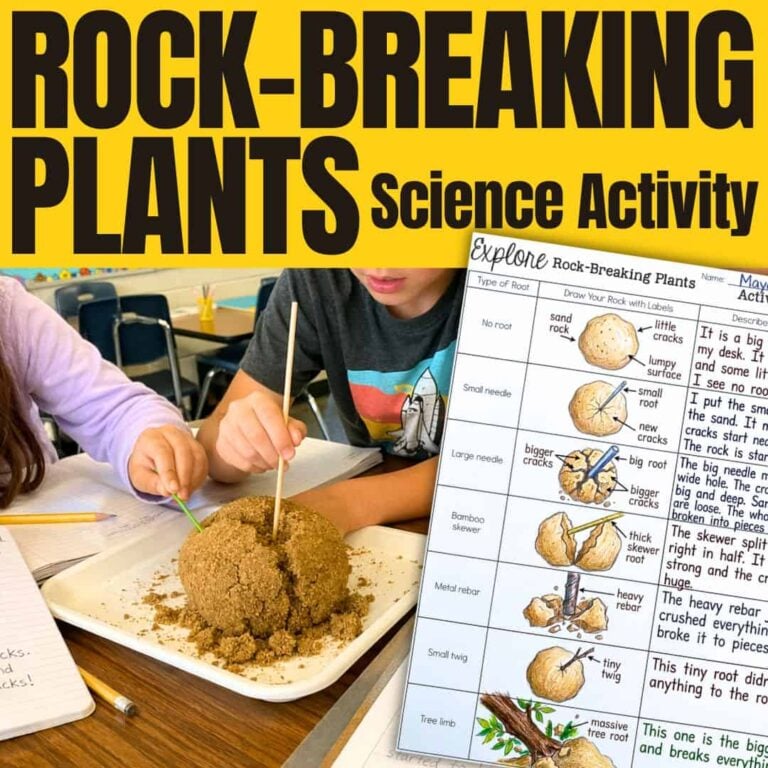
Teaching weathering can be tricky because the process happens so slowly in real life. We’re talking years, decades, even centuries. That’s exactly why this rock-breaking plants activity is so effective….
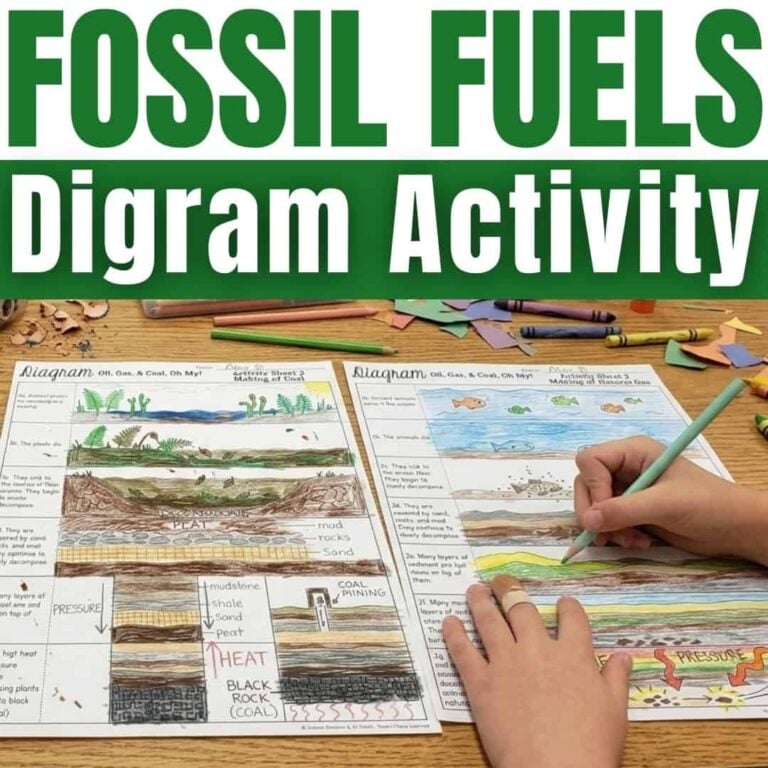
Teaching fossil fuels can feel a little abstract for students. After all, we’re talking about things that formed millions of years ago. That’s where this diagram-based fossil fuels activity makes…
End of content
End of content