
Butterfly Life Cycle Activities: Books, Crafts, and Lessons for Elementary
Every spring, I raise butterflies with my students using a butterfly habitat, and the butterfly life cycle quickly becomes one of the most talked-about science topics of the year. In this post, I share the butterfly life cycle activities, books, writing ideas, and crafts I use to build a full unit around these incredible creatures.

This post contains links to affiliate websites, such as Amazon, and we receive an affiliate commission for any purchases made by you using these links. We appreciate your support!
Butterfly Life Cycle Activities
When I teach the butterfly life cycle, I start by making sure students know the four stages in order: egg, caterpillar (larva), chrysalis (pupa), and adult butterfly. Once they have the sequence down, these are the activities I use to build deeper understanding.
Life cycle sequencing. Students draw or cut out each stage of the life cycle and arrange them in the correct order in a circle. For kindergarten and first grade, picture cards that students can cut and paste work well. For second- and third-grade, I add a written description of what happens at each stage.
Observation journals. If you raise butterflies in your classroom (I do this every year — more on that below), have students draw and write about what they observe every few days. Watching a caterpillar form its chrysalis is one of those moments students talk about for the rest of the school year.
Life cycle comparisons. Once students understand the butterfly life cycle, comparing it to the frog life cycle deepens their understanding of metamorphosis. My Life Cycle Informational Articles work well for this kind of side-by-side comparison in second and third grade.
Create an Anchor Chart about Butterflies to Elicit Prior Knowledge
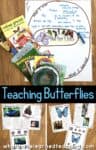
Here is an example of an anchor chart that I created with students to elicit prior knowledge. It also shows a couple of other resources that we use while teaching about butterflies.
You can read more about the anchor chart in this blog post.
The basic idea is that I elicit ideas from students about what they know about butterflies and then we research butterflies and record what we learned about them.

The book list below details several of the books shown in the photograph. Each year we also raise butterflies using this butterfly habitat.
Read about Butterflies
While there are many books available for students in the younger grades, I did find it difficult to locate a well-organized text. So . . . I began writing Animal Articles.
Each article has vivid photographs, organized text, and sentences that are easy enough for second and third-graders to read and extract information. Also included are a one-page version without photographs and a page with QR Codes for additional research.

The Morpho Butterfly is part of my Rainforest Informational Articles and is available for purchase separately.
The Butterfly article below is a generic article about butterflies. It is included in the Life Cycle Articles set and is also available separately.
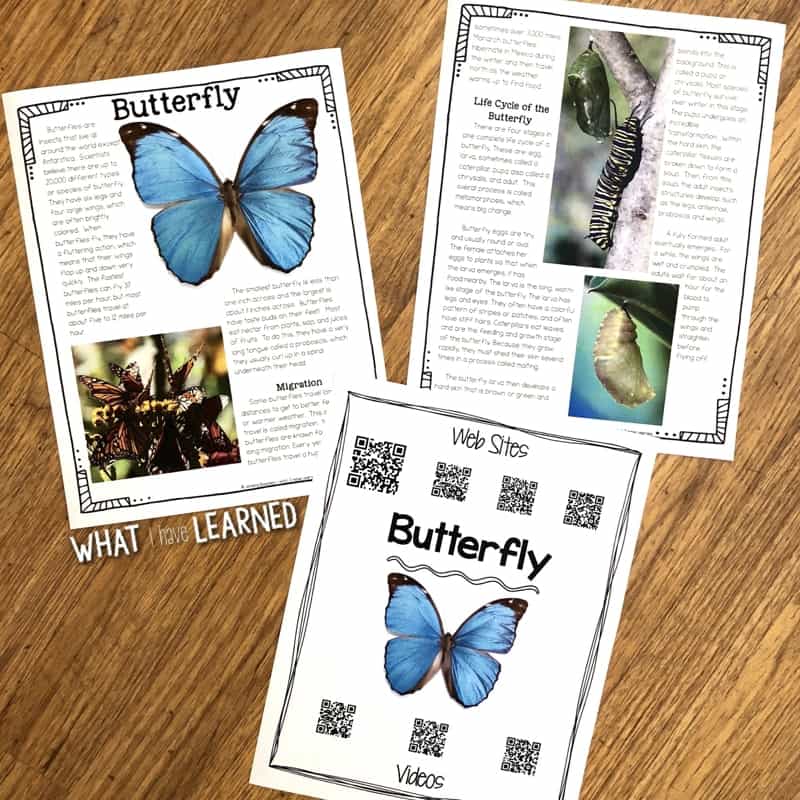

Butterfly Informational Article and Comprehension Activities
Butterflies: Informational Article, QR Code Research & Fact Sort includes an article about butterflies in two formats (two-page color photos & one-page text), QR Codes for online articles and videos about butterflies and a fact sort sheet where students can sort facts about butterflies.
Books about Butterflies
Trade books are a wonderful resource to engage students in learning about a topic. Both fiction and nonfiction books help them learn new facts and details they might not encounter in informational articles.
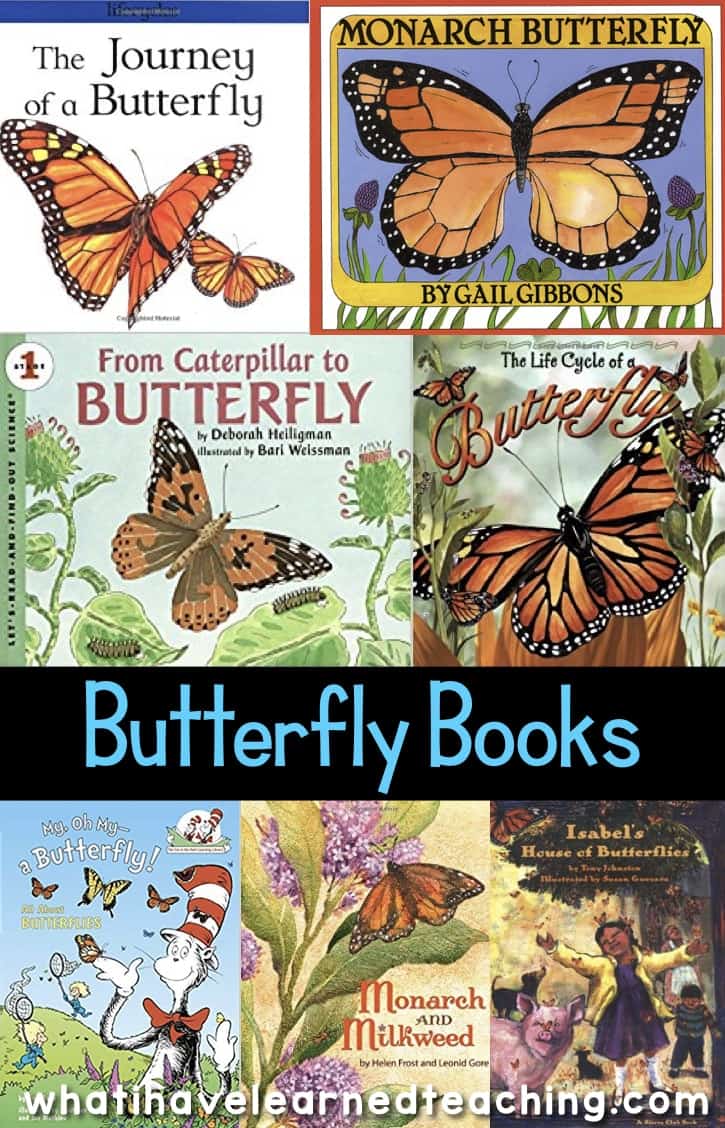
The Life Cycle of a Butterfly ~ Bobbie Kalman
Grades: 1-3
Ever wanted to raise a Monarch butterfly? Would you like to know how?
In this fun and informative book, students will learn the butterfly’s life cycle in rich detail. They’ll gain a key insight on why caterpillars are called nature’s eating machines and why Monarch butterflies are in danger.
Bonus: They’ll learn how to raise a butterfly!


Monarch Butterfly ~ Gail Gibbons
Grades: K – 3
What if you could fly 2,000 feet above the earth and ride the wind for 4,000 miles?
Monarch butterflies can, and students will discover much more about them in this fascinating book by Gail Gibbons.
The full life cycle of a Monarch Butterfly is displayed in simple to understand text and colorful illustrations. Molting, metamorphosis, chrysalis, every detail of the butterfly’s life is explained.
Students receive an extra treat by reading how to raise their own butterfly and release them into the wild!

My, Oh My-A Butterfly!: All About Butterflies (Cat in the Hat) ~ Tish Rabe
Grades: K-3
Did you know butterflies can see thousands of images at once? The Cat in the Hat did, and he will teach your science students!
The Cat in the Hat introduces Sally and Dick to the wonderful world of butterflies in this adventurous story. Not only will students learn the full life cycle of a butterfly, but they’ll learn many amazing new facts about butterflies along the way, too! How do butterflies avoid predators? How do scientists know the differences between butterflies?
As always, The Cat in the Hat knows a lot about that!

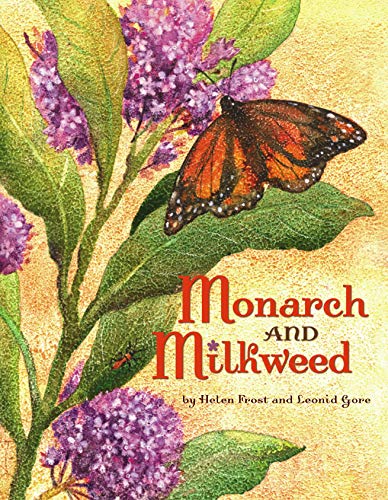
Monarch and Milkweed ~ Helen Frost
Grades: K-3
Every butterfly species has its special plant. For the Monarch butterfly, no other plant matches the Milkweed.
Helen Frost paints a poetic picture of the relationship between the Monarch and the Milkweed. A relationship that benefits both. Students will love reading about how the Milkweed provides the perfect nutrition and protection for the egg and caterpillar while the Monarch helps spread the Milkweed’s seeds far and wide.
A wonderful book for whole class read-aloud time or as a student’s favorite go-to book for quiet reading.
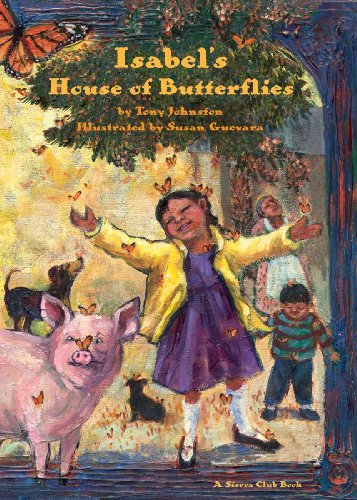
Isabel’s House of Butterflies ~ Tony Johnston
Grades 1-3
This is by far one of my favorite books to teach about butterfly migration, but also about Mexican life how families struggle with making hard decisions to survive.
The premise of the book is that a little girl has a tree in her yard that butterflies come to every year. The family is poor and the father needs to cut the tree down in order to feed the family.
For older students, you could also have a discussion about short-term vs. long-term solutions. Is it better to cut down the tree and get money for the wood or is it better to find a long-term solution (which the family did in the story).
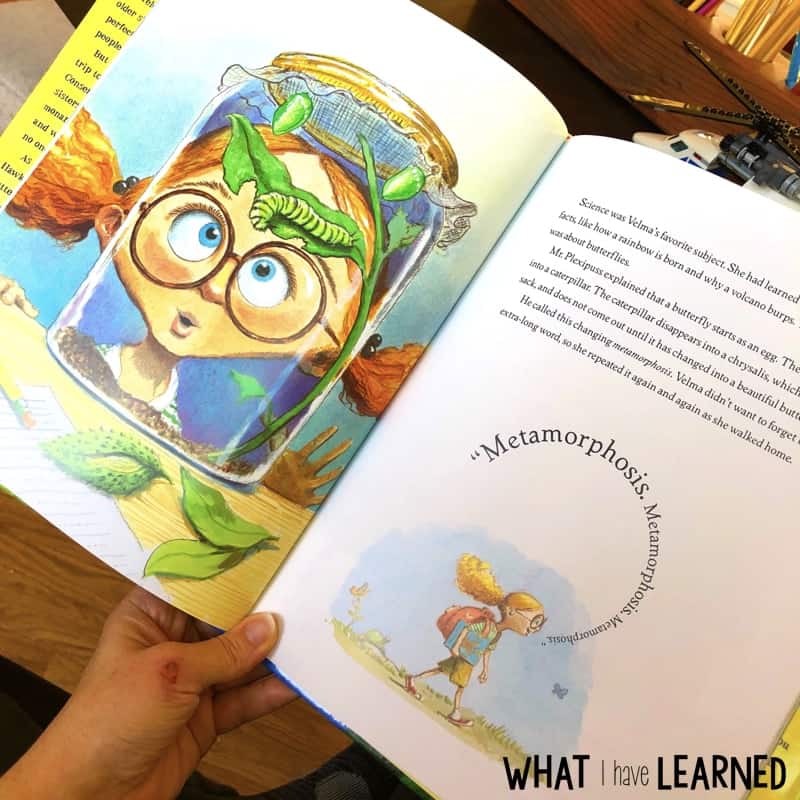
Velma Gratch and the Way Cool Butterfly ~ Alan Madison
Grades 1-3
This is another fictional book that weaves in the life cycle of a butterfly into the main plot. In this book, Velma is the third Gratch sister and is trying to make a name for herself in first grade.
Velma learns what makes her unique and different from her sisters, and learns all about butterflies in the process.
The illustrations in this book are so well-done and the story is sure to resonate with students.

Additional books about butterflies:
- From Caterpillar to Butterfly ~ Deborah Heiligman
Grades K-3 - The Journey of a Butterfly ~ Carolyn Scarce
Grades 1-3
There are many more books available on butterflies, but these are my go-to favorites. If you have additional butterfly teaching ideas, I’d love for you to share them in the comments below!
Illustrate the Stages of a Butterfly Life Cycle
Stage illustrations with descriptions. Students draw each stage and write a sentence explaining what is happening. This doubles as a study tool students can keep and refer back to. The free worksheet below is set up for exactly this.
FREE Butterfly Life Cycle Worksheet
This butterfly life cycle worksheet includes space for students to draw and write about each stage of the life cycle. It is a part of my Life Cycle Graphic Organizers.

Simple graphic organizers that include space to draw a picture and write a description. Perfect for science stations.
Interactive Video Games
You can also incorporate animal life-cycle video games so students can compare butterfly life cycles with those of other animals in an interactive format.
Butterfly Migration Article & Activity
Butterflies have one of the longest migration patterns of any animal. The butterfly that starts the migration in the north is not the same butterfly that ends the migration in the south. Butterflies lay eggs and reproduce several times during the migration. Isn’t that amazing?
I have a resource in one of my Ecosystem and Animal Group Behavior Science Stations, all about Diagramming the Migration of a Butterfly. In this science station, students map the migration of one group of butterflies from Montana to Mexico. There are also questions for students to answer about the activity.


Diagram Monarch Butterfly Migration in the Animal Groups Science Center. Students learn how monarch butterflies migrate and map their route.
Write about Butterflies
Students love learning about animals. I teach an entire Informational Writing Unit all about animals. During this unit, we spend a week on an animal, creating an anchor chart, learning about it, organizing our facts, and writing a paragraph about it.
This informational writing process helps students tap into what they know about an animal, focus on new facts and details they learn from their research, organize those ideas, and then write about the animal.
Read more about this Informational Writing Process in this blog post.
I use the same process each week, with small tweaks that help students go deeper with their writing. The butterfly is one of the animals that we write about each year.
Hands-On Learning and Exploration
Raising butterflies in the classroom is a hands-on butterfly activity that excites students and gives them a real-life look at the butterfly life cycle. This hands-on experience and reading butterfly books enrich the learning process.
Here are some of the butterflies we have raised:
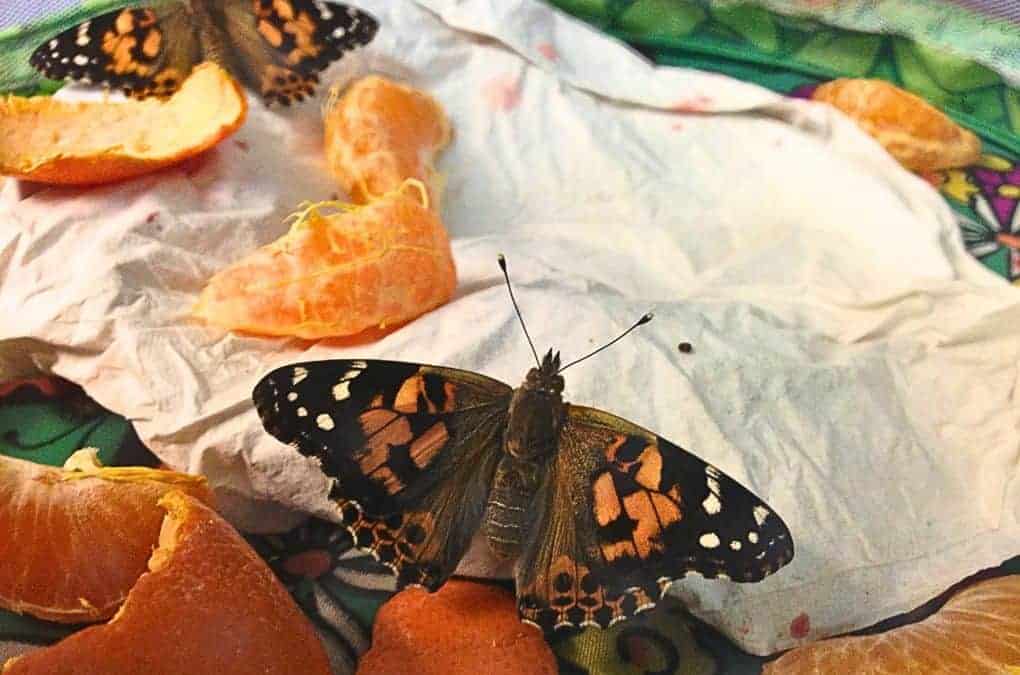
Creating a butterfly garden as part of your lesson plan can be another effective way to teach about butterfly conservation. This bridges science and art. Students will love learning about different plants that attract butterflies and how they can help support the butterfly population.
Butterfly Teaching Ideas for Art
Here are two pieces of art that my boys created with their art teacher. According to my son, it was created using watercolor and salt. The salt interacts with the watercolors, creating a wonderful depth of color.
He was able to create a beautiful butterfly.

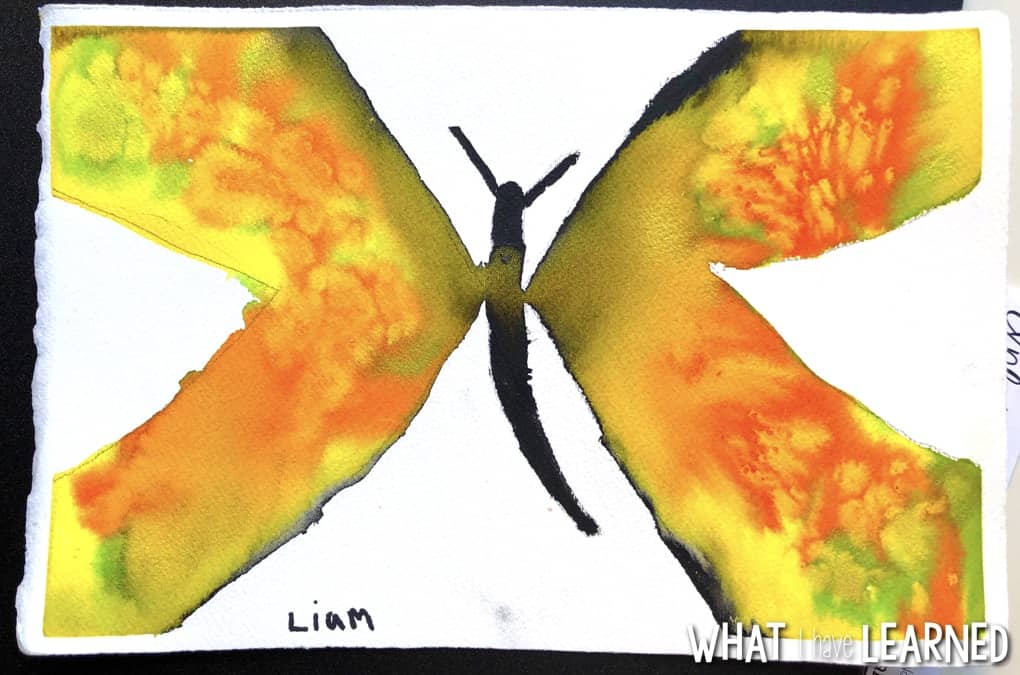
For these paintings, the paper was not folded. The boys were told to create two sides that were mirror images of each other or that looked like each other. This is a great opportunity to discuss symmetry!
Butterfly Teaching Ideas for Math
While I don’t have specific butterfly teaching ideas for math, you can easily integrate the concept of symmetry in your butterfly lesson plans.
One idea is using pattern blocks. Have students create one side of the butterfly wing. Then, pass the creation on to another student and have the other student mimic the pattern.
5E Unit about Life Cycles
Another resource that I have available is an entire 5E Unit about Plant and Animal Life Cycles. This unit follows the 5E Instructional Model and guides students through the inquiry process of learning about life cycles.
Below are the Big Idea posts included in the 5E unit. It gives you an idea of the concepts that students will learn throughout the unit.

This is an excerpt from the main text in the Explain Phase of the 5E unit. The text in the Life Cycle 5E Unit contains passages for both animal life cycles and plant life cycles.
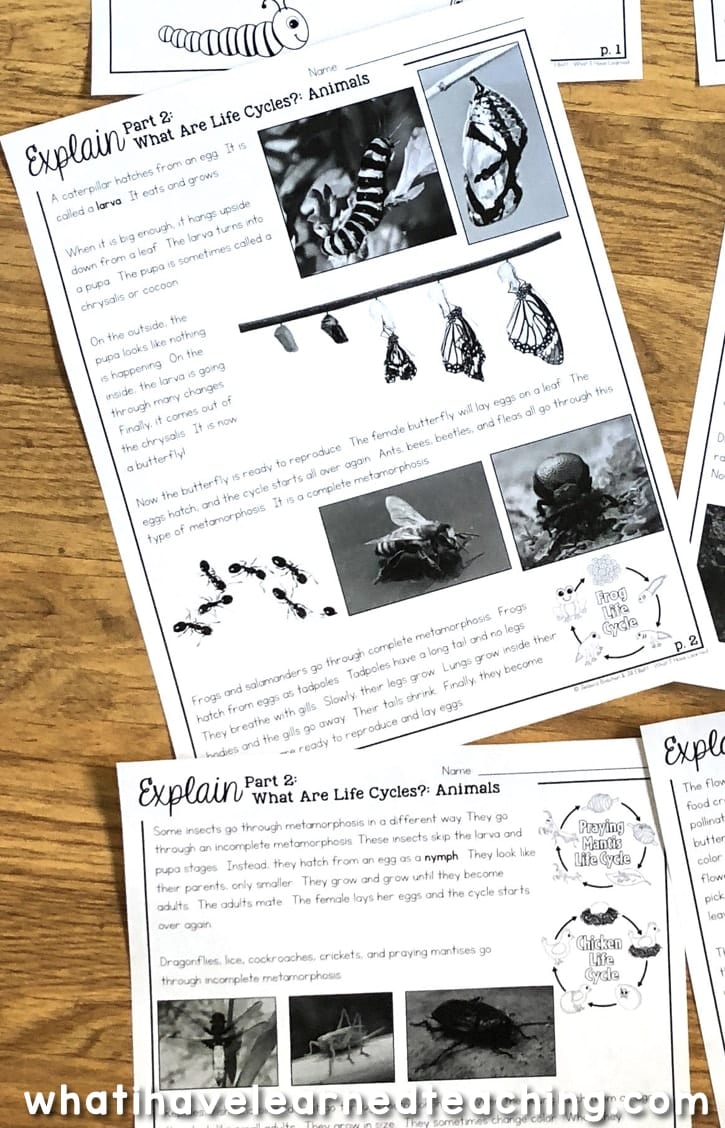
The 5E Plan for Life Cycles of Animals and Plants is not specific to butterflies but encompasses learning about a variety of life cycles and the broad concept that plants and animals go through a life cycle.
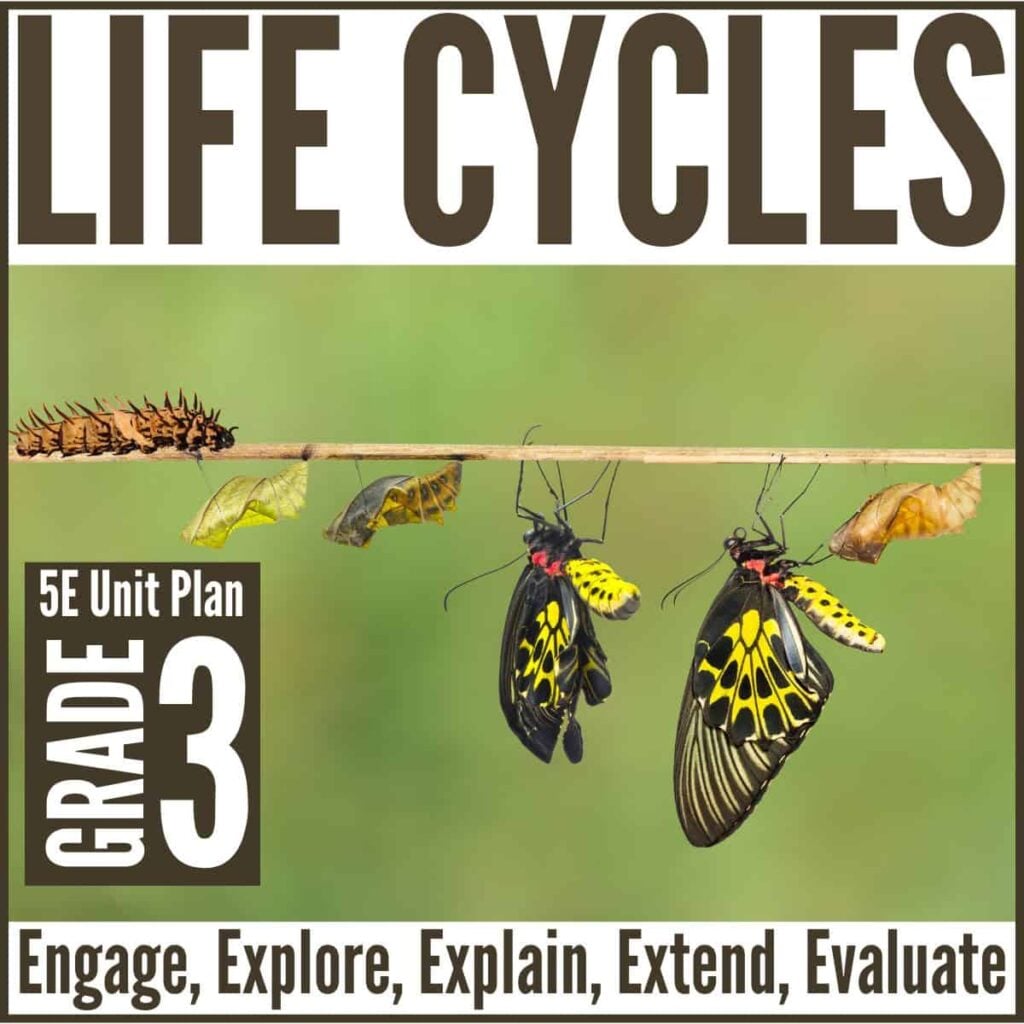
Life Cycles of Plants and Animals 5E Unit Plan | NGSS 3-LS1-1
Teach plant and animal life cycles with this comprehensive 5E Life Cycles Unit Plan! Aligned to NGSS 3-LS1-1, this inquiry-based science resource includes engaging lessons, investigations, vocabulary activities, exit tickets, assessments, digital resources, and everything needed to guide students through the 5E instructional model.
More Blog Posts about Butterflies
Here are a few more blog posts about butterflies and life cycles that may enhance your butterfly teaching ideas.
Butterfly Resources Included in this Blog Post
Here is a list of the butterfly teaching resources and butterfly lesson plans available for purchase in my store on my website and on Teachers Pay Teachers.
- Morpho Butterfly Informational Article and QR Codes
- Rainforest Informational Articles (TpT)
- Butterfly Informational Article
- Life Cycle Informational Articles (TpT)
- Animal Articles BUNDLE (TpT)
- Diagram Butterfly Migration
- Informational Writing Tools (TpT)
- Life Cycles of Plants and Animals 5E Unit
- Ecosystems: Animal Group Behavior and Interactions Science Stations
Do you need engaging informational texts that your elementary students will actually want to read?
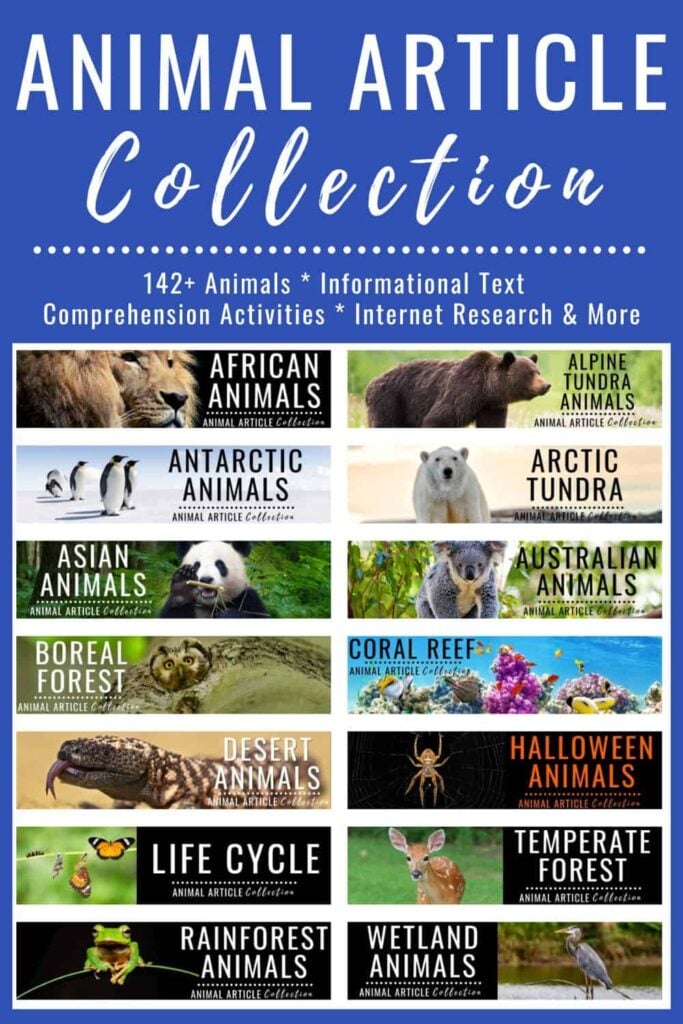
The Animal Article Bundle includes 142+ animal articles spanning 14 ecosystems, complete with reading comprehension and structured writing activities. Students can choose their animal while building skills in informational text, research, and report writing.
Jessica BOschen
Jessica is a teacher, homeschool parent, and entrepreneur. She shares her passion for teaching and education on What I Have Learned. Jessica has 16 years of experience teaching elementary school and currently homeschools her two middle and high school boys. She enjoys scaffolding learning for students, focusing on helping our most challenging learners achieve success in all academic areas.