
Ancient Life 5E Science Unit Plan for Third Grade
$9.90
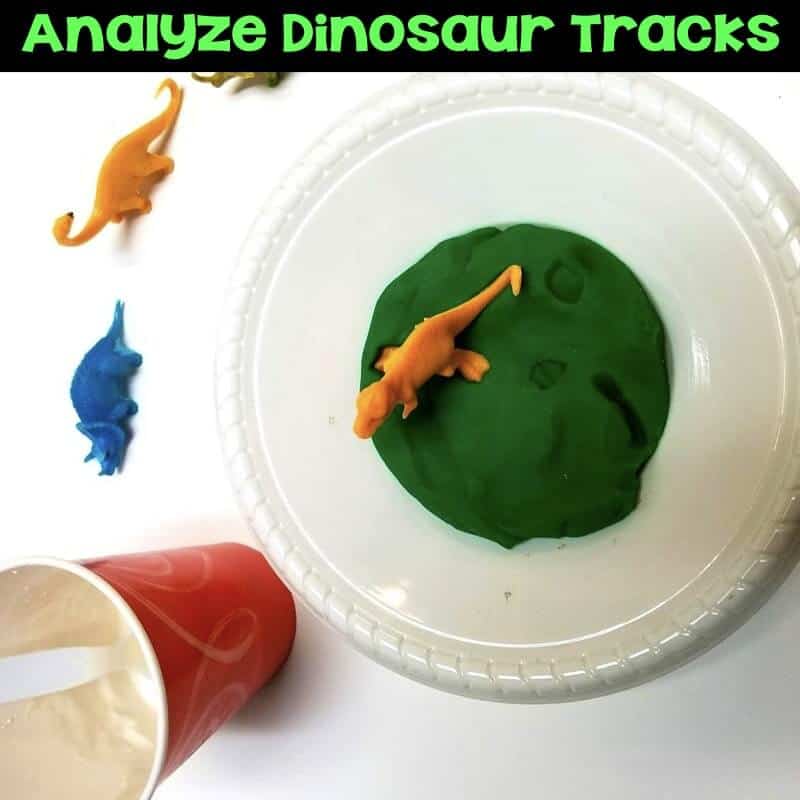
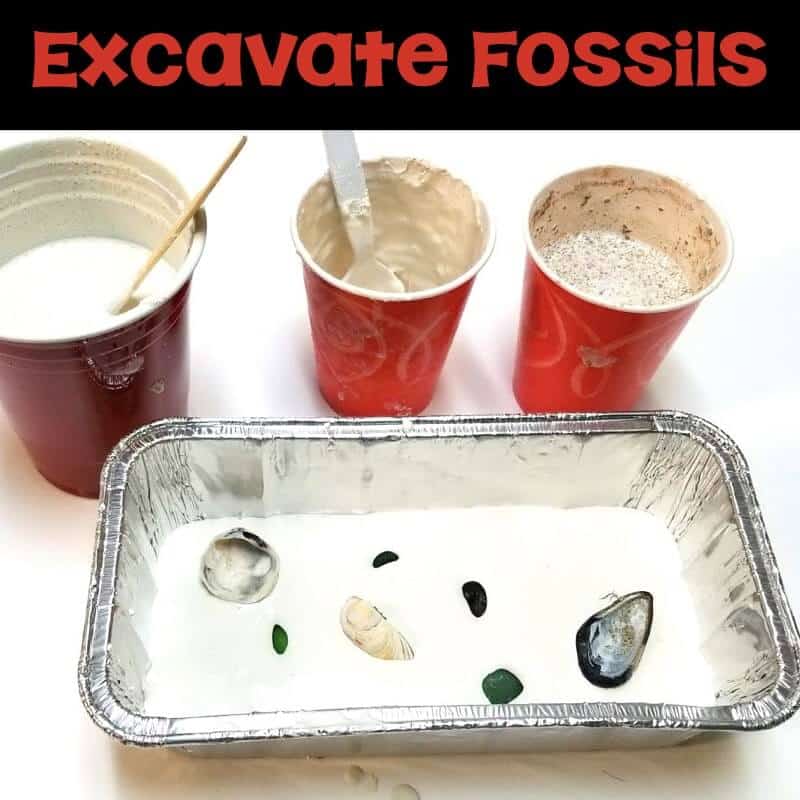
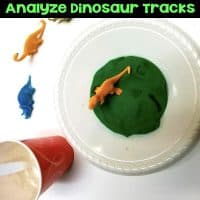
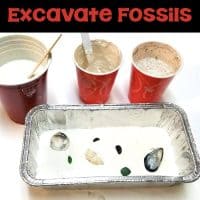
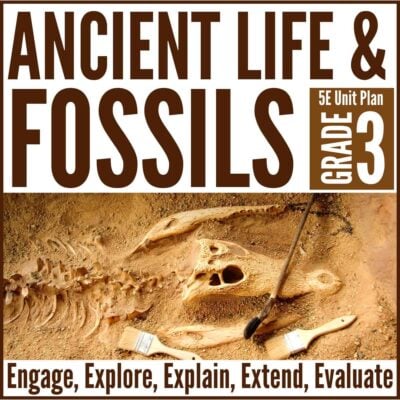
This Ancient Life 5E Science Unit Plan is an inquiry-based unit that focuses on investigating fossils of plants and animals. Throughout the unit, students analyze and interpret data from fossils to provide evidence of the organisms and the environments in which they lived long ago. Students explore types of fossils, paleontologists, and fossil excavation.

This Ancient Life 5E Science Unit Plan is an inquiry-based unit that focuses investigating fossils of plants and animals. Throughout the unit, students analyze and interpret data from fossils to provide evidence of the organisms and the environments in which they lived long ago. Students explore types of fossils, paleontologists, and fossil excavation. The unit includes three parts for each of the 5E’s (Engage, Explore, Explain, Extend, and Evaluate) and more.
FREE UPGRADE TO GOOGLE DIGITAL FILES:
- Google Slides Teacher Presentation that supports the student resources
- Google Slides Student Resources for a paperless option
- Google Form Exit Tickets
Included in this Ancient Life Science Resource
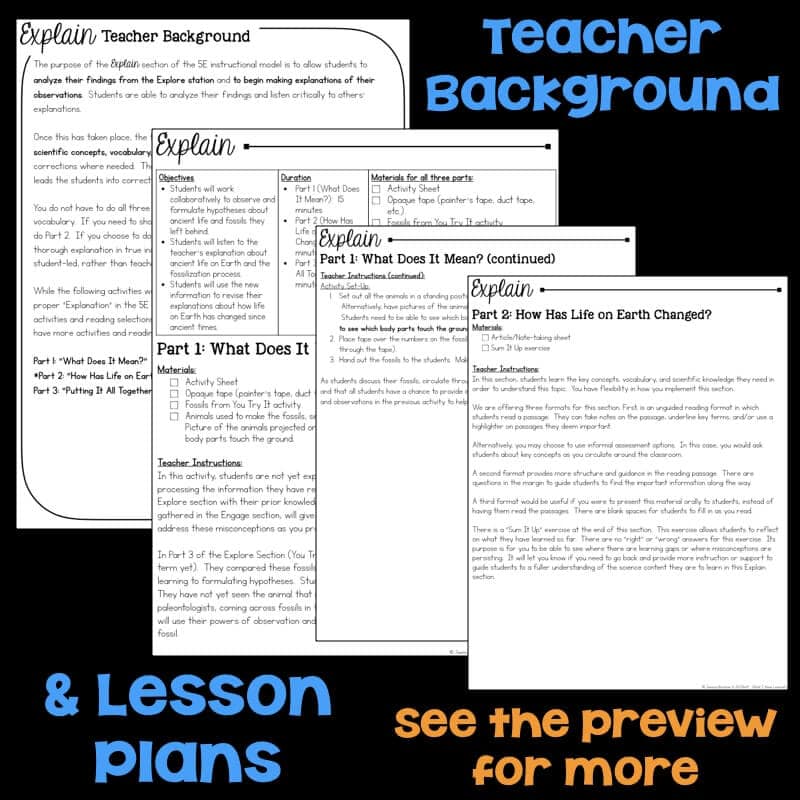
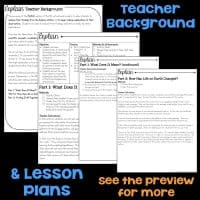
- Teacher Notes that provide an overview of the resource and explanation of the NGSS standard for Ancient Life 3-LS4-1
- Common Misconceptions about the Ancient Life
- Teaching Timeline available with four different options, including a correlation with the Third Grade Science Stations
- Vocabulary Cards to reinforce key terms of ancient life throughout the unit. These are the same vocabulary cards available in the Third Grade Science Stations
- Big Idea Posters that illustrate the main concepts students will learn
- Exit Tickets in three formats: short answer, fill-in-the-blank, and multiple choice
- Google Slides Teacher Presentation that supports the student resources
- Google Slides Student Resources for a paperless option
- Google Form Exit Tickets
What is the 5E Instructional Model?
The 5E Model is student-led, with the teacher acting mainly as the facilitator. Through open-ended questions, real-life experiences, guided investigations, and research, the students gain a deep understanding of the scientific topics that are covered in the lessons. Each stage of the model serves as a foundation to the next, creating a coherent model that frames lessons, activities, and units.
Find out more about the 5E Unit Plans in this blog post.
The 3-LS4 standards are part of the Biological Evolution: Unity and Diversity standards in the NGSS Framework.
- 3-LS4-1 covers fossils and the evidence that we have of species and environments from long ago.
- 3-LS4-2 covers variation within and between species as the result of natural selection.
- 3-LS4-3 covers adaptations that enable organisms to survive in an environment, reproduce, and pass their traits to their offspring.
- 3-LS4-4 covers changing habitats, and how new environmental conditions trigger adaptations in organisms.
- 3-LS4-2, 3, and 4 are similar topics. In fact, in higher level life science instruction, they are often taught simultaneously. Adaptations are the result of natural selection, and natural selection drives new adaptations to arise in organisms when habitats change. NGSS has chosen to break these topics into separate standards, with distinct Disciplinary Core Ideas, Performance Expectations, Science and Engineering Practices, and Crosscutting Concepts. For this reason, we have created three separate 5E Unit Plans in order to thoroughly cover each of these standards.
Objectives and Timeline for Each Section of the 5E Ancient Life Unit
Engage
Objectives:
- Students will access their prior knowledge about the types of organisms that lived on Earth long ago.
- Student interest in ancient life will be elicited.
- The teacher will be able to identify student misconceptions about ancient life and fossils.
Parts and Duration:
- Part 1 (What Is This?): 10 minutes
- Part 2 (My Experiences): 15 minutes
- Part 3 (Introducing): 20 minutes
Explore
Objectives:
- Students will work together to investigate organisms that lived on ancient Earth. → They will do this by observing different types of ancient plants and animals as well as their fossils, comparing and contrasting traits.
- Students will begin to think about what ancient life on Earth was like and how scientists study ancient organisms.
- Students will make observations, as well as analyze and interpret data, in order to provide evidence of organisms that lived long ago.
Parts and Duration:
- Part 1 (Check It Out): 15 minutes
- Part 2 (Watch and Read This): 15 minutes
- Part 3 (You Try It): (Day 1) 15 minutes + (Day 2) 15 minutes
Explain
Objectives:
- Students will work collaboratively to observe and formulate hypotheses about ancient life and the fossils left behind.
- Students will listen to the teacher’s explanation about ancient life on Earth and the fossilization process.
- Students will use the new information to revise their explanations about how life on Earth has changed since ancient times.
Parts and Duration:
- Part 1 (What Does It Mean?): 15 minutes
- Part 2 (How Has Life on Earth Changed?): 20 minutes
- Part 3 (Putting It All Together): 15 minutes
Extend
Objectives:
- Students will apply what they have learned about ancient life and fossils to a new situation.
- Students will deepen their understanding of ancient life on Earth, gaining a more generalized knowledge of the specific scientific concept.
- The teacher will resolve all persisting student misconceptions about ancient life on Earth.
Parts and Duration:
- Part 1 (Where Is Ancient Life?): 15 minutes
- Part 2 (Show What You Know): 20 minutes total, but may need to be broken up into parts throughout the day
- Part 3 (Have Fun With It): 20 minutes
Evaluate
Objectives:
- Students will evaluate their own understanding of how scientists study ancient life on Earth.
- Students will be able to demonstrate knowledge of the concepts and vocabulary.
- The teacher will encourage students to ask questions that could lead to future investigations.
Parts and Duration:
- Part 1 (What I Know): 15 minutes
- Part 2 (Showing Ancient Life): 15 minutes
- Part 3 (Going Forward): 15 minutes
Thelma B. –
I use this resource in my classroom as a morning tool to help my students learn about fossils and plants from the past. My students love using this resource.
Sofia F. –
I loved all of the different activities there were to help the students learn about fossils. My students enjoyed learning about fossils and the activities.
Lauren Y. –
This was a really great resource! My students really enjoyed it.
Jennifer F. –
This was a great source to use for my lesson planning!
Mrs JP Calming Corner –
My students loved using this resource. They were engaged in the resource and we had great discussion about it.