
Books About Fossils for Elementary Students (Picture Books & Nonfiction)
If you’re looking for engaging books about fossils for elementary students, this list will help you build background knowledge, spark curiosity, and support your science lessons. Fossils provide students with a window into ancient life, enabling them to understand how plants and animals lived long ago and how scientists utilize fossil evidence to learn about the past.
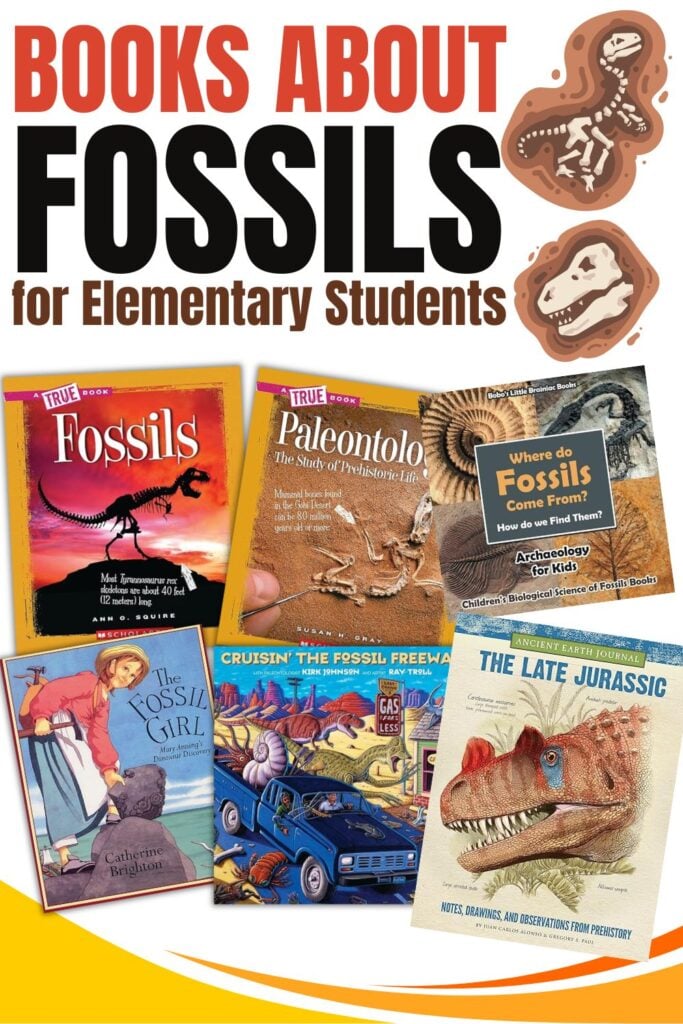
These carefully selected picture books and nonfiction titles explain how fossils form, what the fossil record reveals, and the work of paleontologists. Whether you’re teaching a 3rd-grade fossil unit, introducing ancient life, or planning a read-aloud, these books about fossils make complex science concepts accessible and memorable.
Picture Books About Fossils (K–2)
These are ideal for introducing fossils, ancient life, and paleontology in a visual and engaging way.
FOSSIL – Bill Thompson
Grades K–2 | Wordless Picture Book
This beautifully illustrated, wordless story follows a boy who discovers a fossil that brings prehistoric creatures to life. The detailed artwork invites rich discussion and inference. This is a strong choice for building background knowledge before starting a fossil unit.


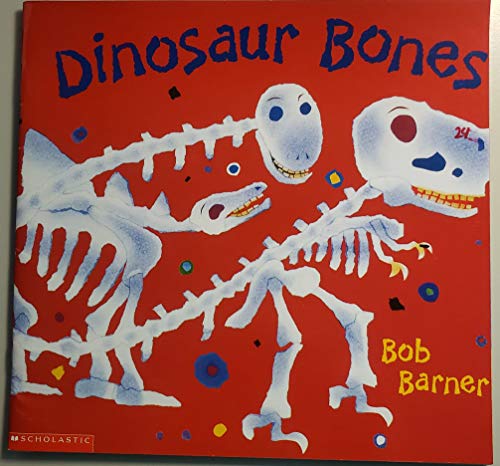
Dinosaur Bones by Bob Barner
Grades K–2
This book focuses on how fossilized bones help scientists know what dinosaurs looked like and how they lived — a nice complement to your instructional activities.
Fossils Tell of Long Ago by Aliki
Grades K–3
A classic in fossil literature for kids, this book explains how fossils form and what they tell us about the past in a highly accessible way.
The Fossil Girl by Catherine Brighton
Grades K–3
This narrative nonfiction book tells the story of Mary Anning, one of the first fossil hunters. Students learn how she discovered important fossils along the coast of England. It’s an inspiring biography that connects fossils to real scientific work.

Stone Girl, Bone Girl: The Story of Mary Anning by Laurence Anholt
Grades K–3
Another engaging biography of Mary Anning, this story highlights perseverance and scientific curiosity. This pairs well with discussions about paleontologists and how fossils are discovered.

Informational Books About Fossils (Grades 2–4)
These books work well for research, note-taking, and nonfiction text features.
Fossils (True Books) by Ann O. Squire
Grades 3–4
This clear and accessible nonfiction book explains how fossils form, how scientists study them, and what they reveal about Earth’s past. The photographs and diagrams make it a strong choice for independent reading.

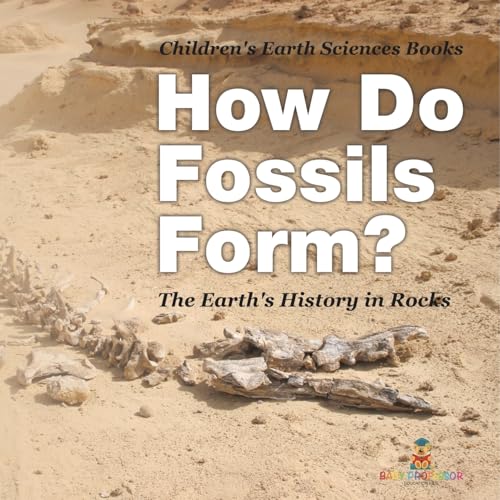
How Do Fossils Form? The Earth’s History in Rocks by Baby Professor
Grades 2-5
This informational text explains fossil formation in simple language. It works well for introducing fossil types and connecting fossils to rock layers.
Where Do Fossils Come From? How Do We Find Them?
Grades 3-7
This book introduces students to paleontology and explains how fossils are formed and discovered. It includes helpful visuals and facts that support research projects.

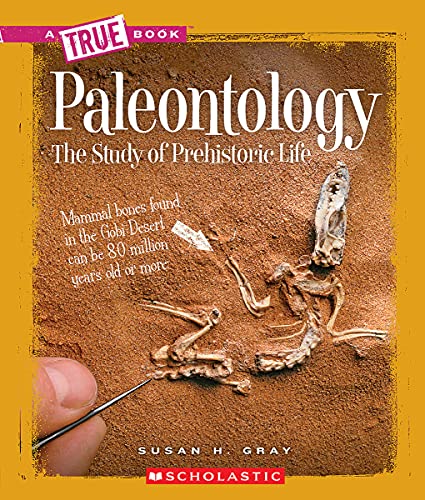
Paleontology: The Study of Prehistoric Life by Susan Heinrichs Gray
Grades 2–4
This book explains what paleontologists do and how fossils help us learn about extinct species. It’s a strong choice for connecting fossils to careers in science.
Books About Ancient Life and the Fossil Record
These expand beyond formation and help students understand prehistoric ecosystems.
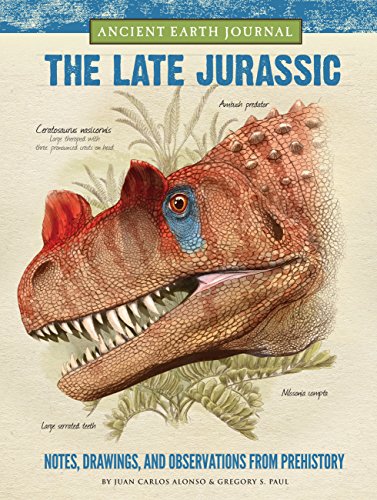
Ancient Earth Journal: The Late Jurassic by Juan Carlos Alonso
Upper Elementary
Written in a naturalist journal style, this book immerses readers in prehistoric ecosystems. It pairs well with lessons about the fossil record and ancient environments.
Smithsonian Handbooks: Fossils by Cyril Walker & David Ward
Grades 2 and up
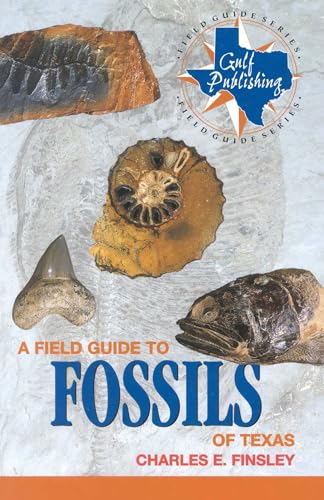
This field guide-style book includes detailed photographs of real fossils. It’s excellent for students who want to study fossil types more closely or explore fossils beyond dinosaurs.

Paleontology Adventures & Field Work
These books highlight fossil discovery and scientific exploration.
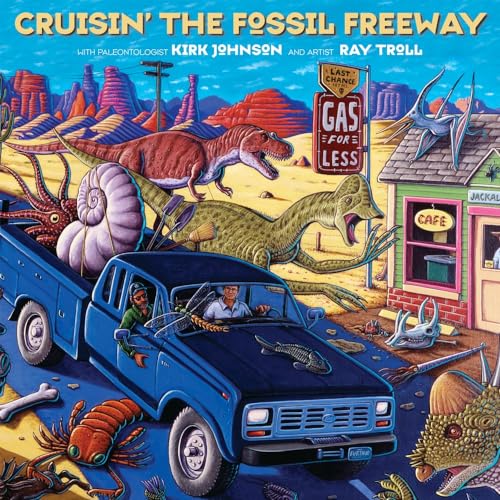
Cruisin’ the Fossil Freeway by Kirk Johnson & Ray Troll
Upper Elementary
This engaging book follows a scientist and an artist exploring fossil sites across the western United States. It blends science, travel, and storytelling in a unique way.
A Fossil Hunter’s Field Guide by Barbara Greenwood
Upper Elementary
More advanced, this book is perfect for young paleontologists who want deeper explanations of fossil discovery, classification, and interpretation.
How to Use These Fossil Books in Your Classroom
These books about fossils can be used to:
- Introduce fossil formation
- Support a fossilization comic strip activity
- Prepare students for a fossil dig simulation
- Build background knowledge before a 5E fossils unit
- Support research projects about extinct animals
- Model how scientists use evidence from the fossil record
Pairing read-alouds with hands-on activities strengthens understanding of how fossils form and what they tell us about ancient life.
Looking for Fossil Activities to Go With These Books?
If you’re teaching a 3rd-grade fossil unit, you might also be interested in:
- Daily fossil warm-ups
- A complete 5E Fossils Unit
- Fossil science stations
- Exit tickets and review activities
Looking for hands-on lessons to pair with these read-alouds? Explore these fossil activities and teaching ideas for 3rd grade.
Why Books About Fossils Matter
Fossils powerfully capture student curiosity. When students see how evidence from rock layers helps scientists understand Earth’s past, science becomes real.
The right fossil books help students connect reading, writing, and science while building strong content knowledge about ancient life.
Jessica BOschen
Jessica is a teacher, homeschool parent, and entrepreneur. She shares her passion for teaching and education on What I Have Learned. Jessica has 16 years of experience teaching elementary school and currently homeschools her two middle and high school boys. She enjoys scaffolding learning for students, focusing on helping our most challenging learners achieve success in all academic areas.